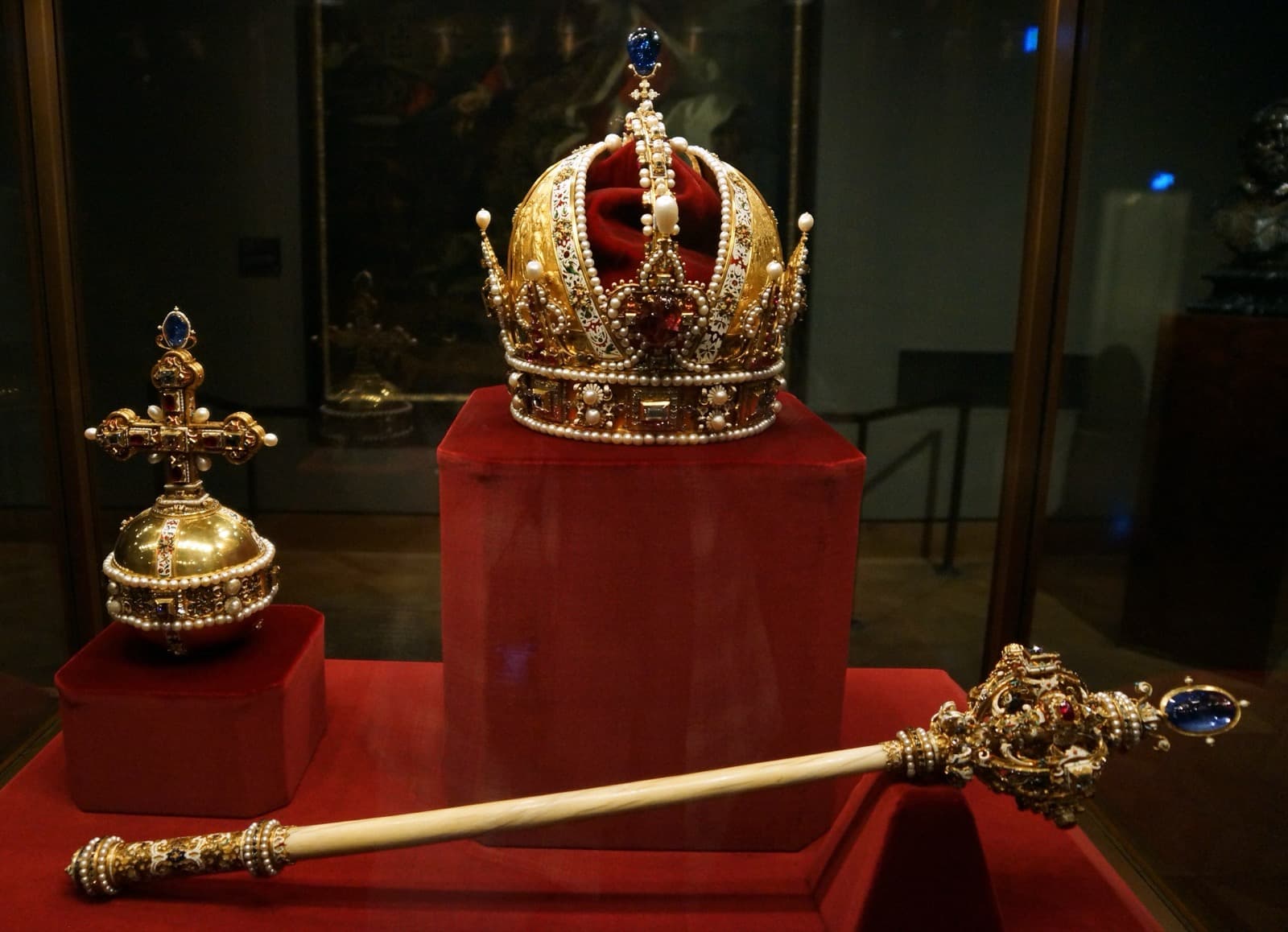
The Imperial Treasury inside Vienna's Hofburg is where the Habsburg empire stops being architecture and becomes argument. Reached through the Schweizerhof, the oldest court of the palace, the Schatzkammer holds the objects a dynasty used to prove it had the right to rule: the crown of the Holy Roman Empire, a lance said to have pierced the side of Christ, the regalia of the Austrian Empire, and the treasures of the Order of the Golden Fleece. These are not decorations. They are the physical vocabulary of legitimacy, gathered across a thousand years and kept, deliberately, at the palace's foundation. Understand that one idea and the twenty-one rooms stop reading as a jewelry vault and start reading as the empire's case for its own existence.
The oldest object in the newest argument
The crown you should find first is the Imperial Crown of the Holy Roman Empire, an eight-sided cap of gold plates, enamel, and uncut stones that looks nothing like a modern crown. It was probably made in Western Germany, and by tradition it is linked to the coronation of Otto the First in nine hundred sixty-two. Some scholars argue for a later date, so the honest phrasing is "traditionally dated" to the tenth century. Either way it is far older than the empire that displayed it here, and that gap is the whole point. When a Habsburg was crowned Holy Roman Emperor, he was placing on his head an object that had already crowned rulers for centuries. The crown did not certify the man. The man borrowed the authority of the crown.
That logic runs through every case in the room. Near the imperial crown sits the Holy Lance, known as the Vienna Lance, revered for centuries as the spear that touched Christ at the crucifixion. Its historical accuracy is beside the point of what it did politically: a ruler who possessed it possessed a fragment of sacred history, a tangible claim that God's own timeline ran through his court. The Habsburgs understood that an empire assembled from marriages and inheritances, scattered across languages and territories, needed something to hold it together that armies could not supply. Objects did that work. A crown, a lance, a fleece of gold.
Two collections, twenty-one rooms
Hear a stop from this walk
Heldenplatz and the Neue Burg: The Unfinished Palace and the Empire's End
The Schatzkammer is arranged as two treasuries under one roof. Sixteen rooms hold the secular collection, the regalia and dynastic heirlooms; five hold the ecclesiastical collection, the reliquaries, devotional images, and altars, many from the baroque era. Walking from one section to the other, you move between the two forces the Habsburgs claimed to command at once, temporal power and sacred sanction, which is exactly how the dynasty preferred to be seen.
The secular rooms also carry the crown jewels of the Austrian Empire, the crown, orb, and sceptre made for the state that Francis the Second founded in eighteen oh four when he became Francis the First of Austria. Set them beside the thousand-year-old imperial crown and you see a family self-consciously building a new institution on the visual grammar of an ancient one. Elsewhere are the treasures of the Order of the Golden Fleece, the Habsburg dynastic order, including Burgundian pieces that entered the family through the marriage of Mary of Burgundy in fourteen seventy-seven. That single marriage folded the wealth and prestige of Burgundy into the house, and the Treasury is where you can still see the seam.
The wonders that were never meant to be believed literally
Not everything here is regalia. Two objects were designated "inalienable heirlooms of the House of Austria," meaning they could never be sold or divided from the dynasty. One is an agate bowl carved in late antiquity, once believed to be the Holy Grail itself. The other is the Ainkhürn, a long spiraled shaft treasured as the horn of a unicorn. It is in fact a narwhal tusk, which entered the family in fifteen forty as a gift, in an age when such a thing was thought to detect poison and purify water. The Habsburgs did not necessarily believe the biology. They understood the meaning. To own the unique, the unrepeatable, the miraculous was itself a form of power, a way of saying that the House of Austria held things no other house on earth could hold.
The same instinct explains the enormous Colombian emerald of roughly two thousand eight hundred sixty carats, carved from a single stone into a vessel. It is less a jewel than a demonstration, proof that the reach of the empire pulled the rarest matter of the New World back to a case in Vienna.
The stone that vanished, then reappeared
The most instructive object in the Treasury may be one that is not there. In November of nineteen eighteen, as the monarchy collapsed, Emperor Charles the First removed a number of crown jewels to Switzerland, among them the famous Florentine Diamond, a large light-yellow stone. For more than a century it was assumed lost, and its absence seemed to tell the end of the story the rest of the room begins. In November of twenty twenty-five, the family revealed that the diamond had never disappeared at all. Empress Zita had kept it hidden, and it had been sitting for decades in a bank vault in Canada. The reversal is almost too neat for the theme of the room. For a thousand years these objects certified an unbroken authority; when the authority ended, the objects scattered, but the most famous of them stayed in the family's keeping, out of public sight, a private continuation of a public claim.
That is the one thing to carry as you stand among the cases. Everything here was made to answer a question no monarch dares ask aloud: by what right do I rule? The Habsburgs answered it not with a document but with a room, filling it with crowns older than themselves, relics older than the empire, and heirlooms too rare to belong to anyone else. The abstraction of legitimacy, made solid enough to lock in a case.
The Schatzkammer is the third stop on the Hofburg walk, and it sits at the palace's medieval foundation for a reason worth reading in sequence. To see how the Treasury fits the six-century autobiography of the whole palace, from its medieval keep to the imperial wing left half-built in nineteen eighteen, walk the full self-guided route with the Roamer audio tour. You can browse the other routes among the Vienna walking tours, or start planning from the Vienna city page. The Treasury carries its own admission ticket, so if you enter one interior on the walk, this is a strong candidate for the one.
Sources
- Imperial Treasury, Vienna (Wikipedia): confirms the 21-room layout with 16 secular and 5 ecclesiastical rooms, the two inalienable heirlooms, and the Golden Fleece holdings.
- Imperial Crown of the Holy Roman Empire (Wikipedia): dating of the crown, its probable Western German origin, and its traditional link to Otto the First.
- Florentine Diamond (Wikipedia): the light-yellow diamond's removal in 1918 and its November 2025 reappearance in the family's keeping.
- Kaiserliche Schatzkammer Wien, official site: the museum's own account of the secular and ecclesiastical collections.
- Roamer tour transcript, "The Hofburg: The Palace the Empire Never Finished" (fact-audited): the Treasury stop and its regalia, verified source for the article's core claims.
Ready to experience it?
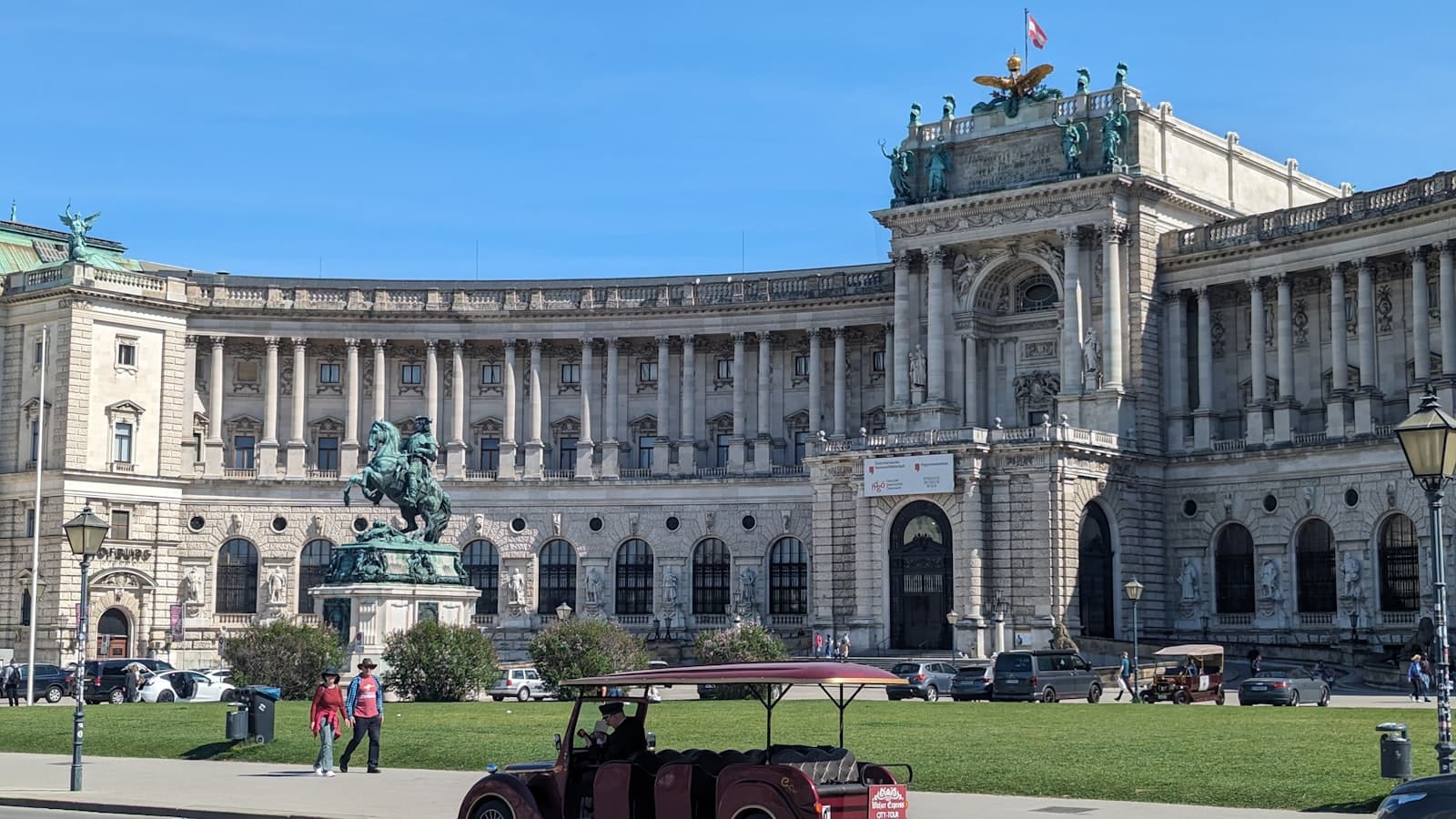
The Hofburg: The Palace the Empire Never Finished
100 min · 1.3 km · easy
More from Vienna
Explore more at your own pace.
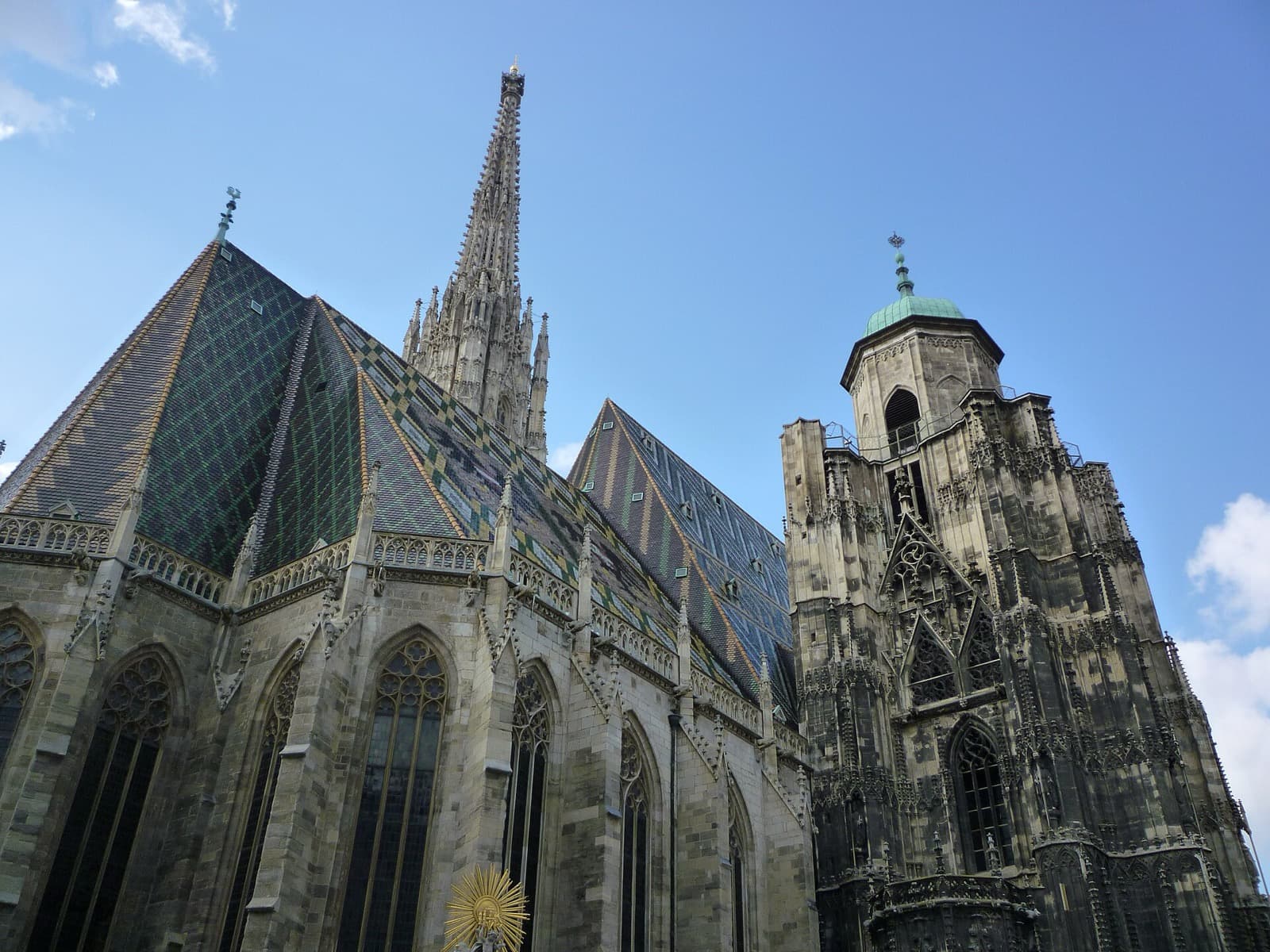
One Day in Vienna: A Walkable Morning-to-Evening Itinerary
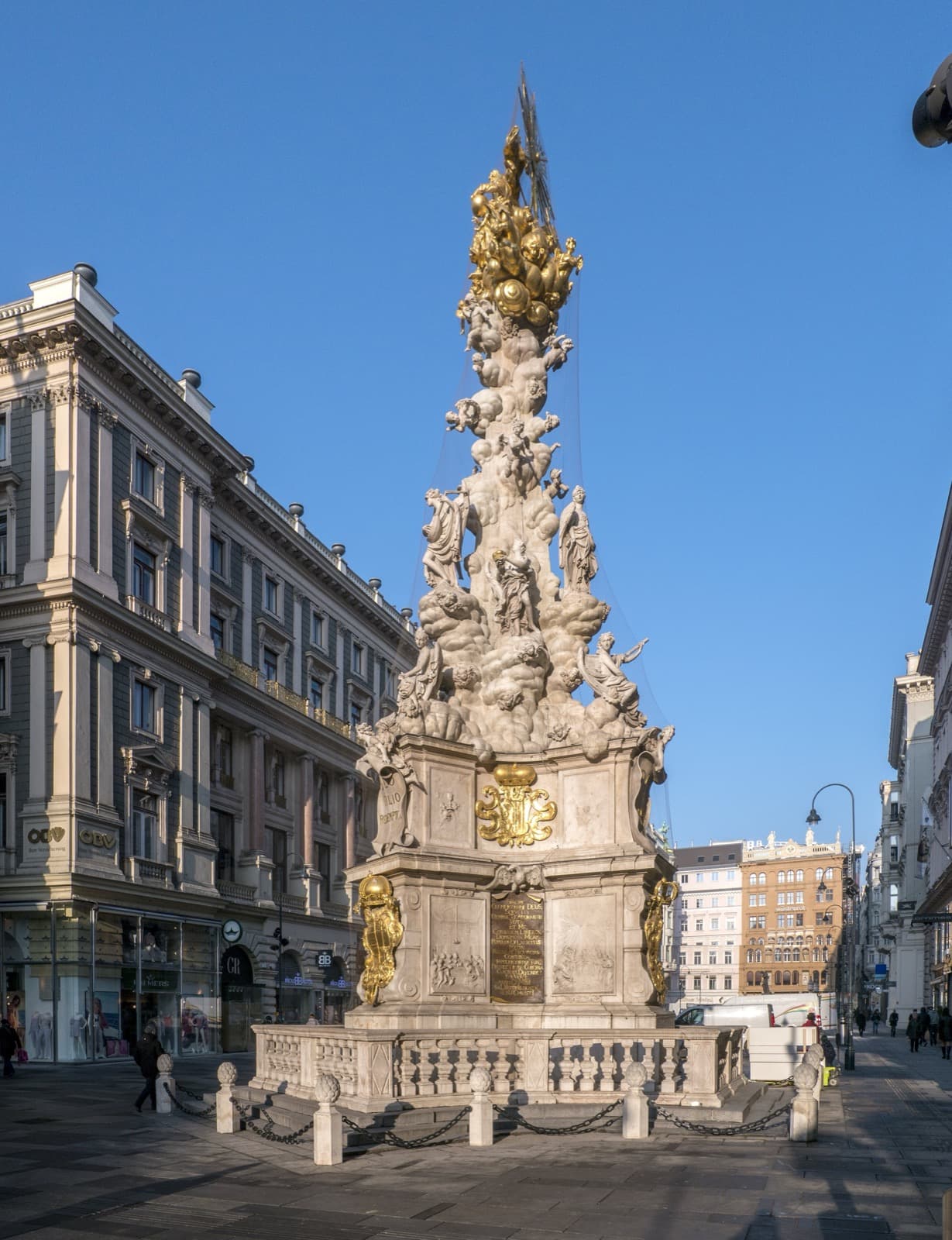
Vienna, a City Stacked on a City: Reading the Capital in Three Directions
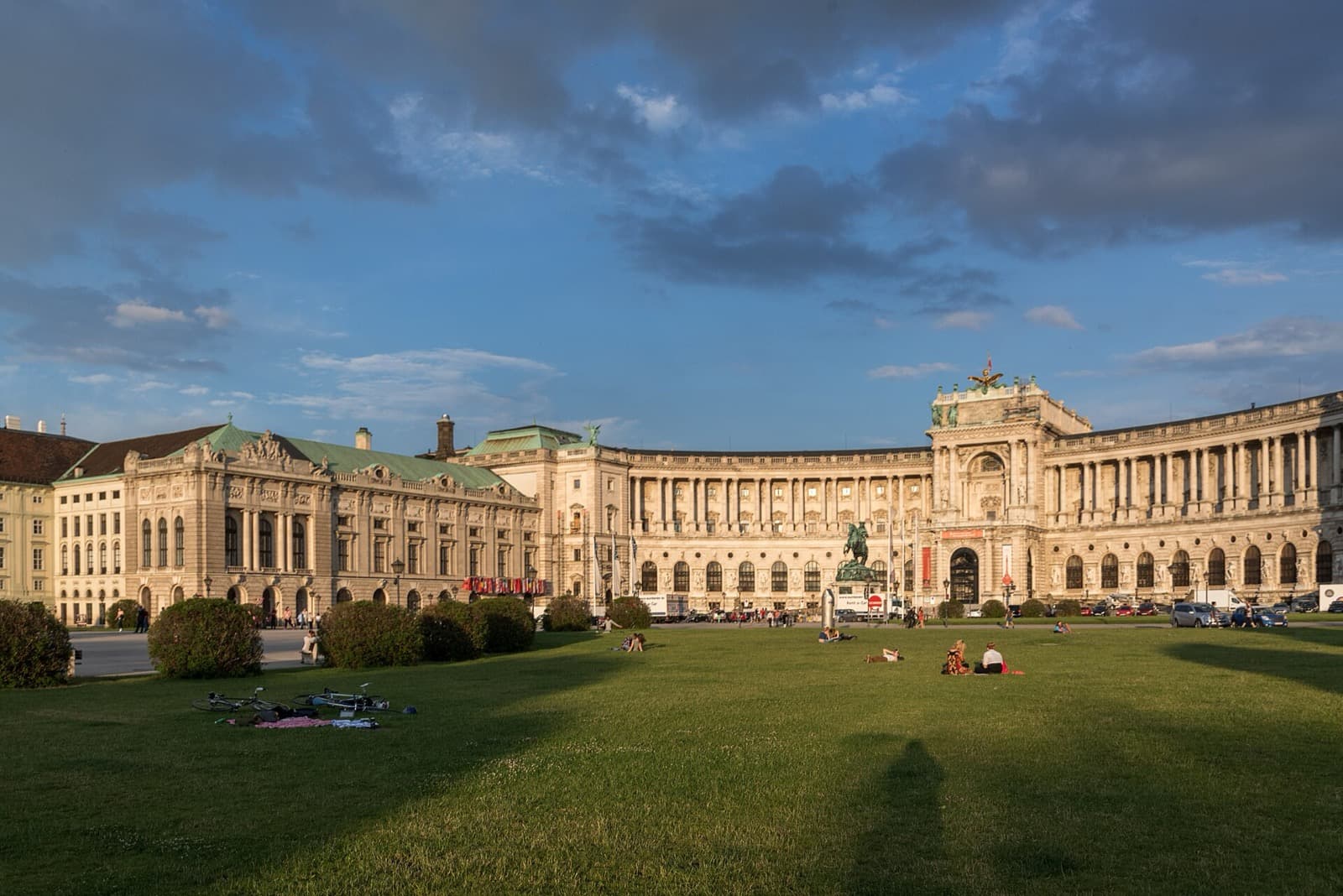
Heldenplatz and the Neue Burg: Why Vienna's Grandest Palace Wing Was Never Finished
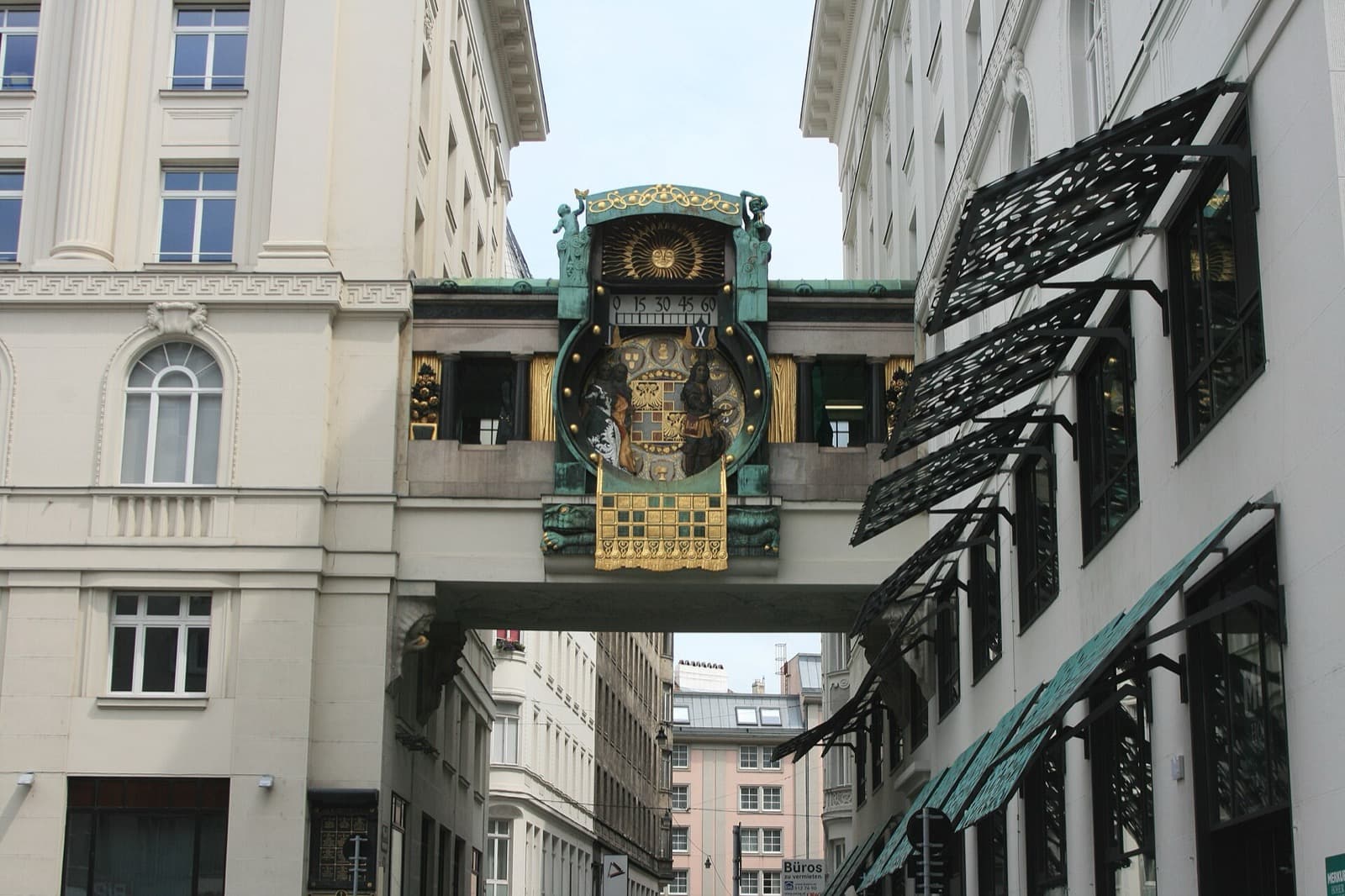
Hoher Markt and the Anker Clock: Where Roman Vienna Surfaces
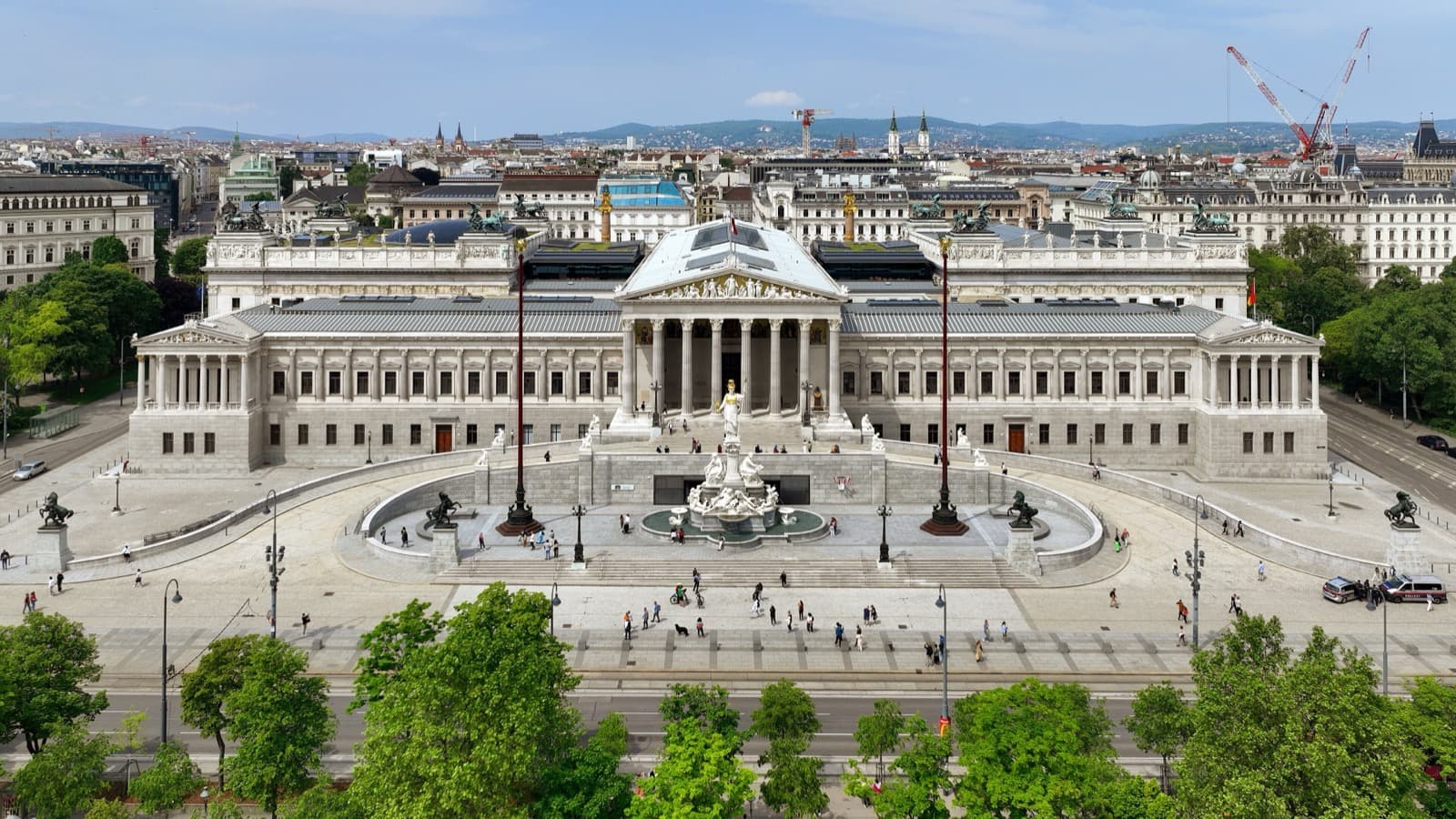
The Austrian Parliament: Why Vienna Built Its Legislature as a Greek Temple