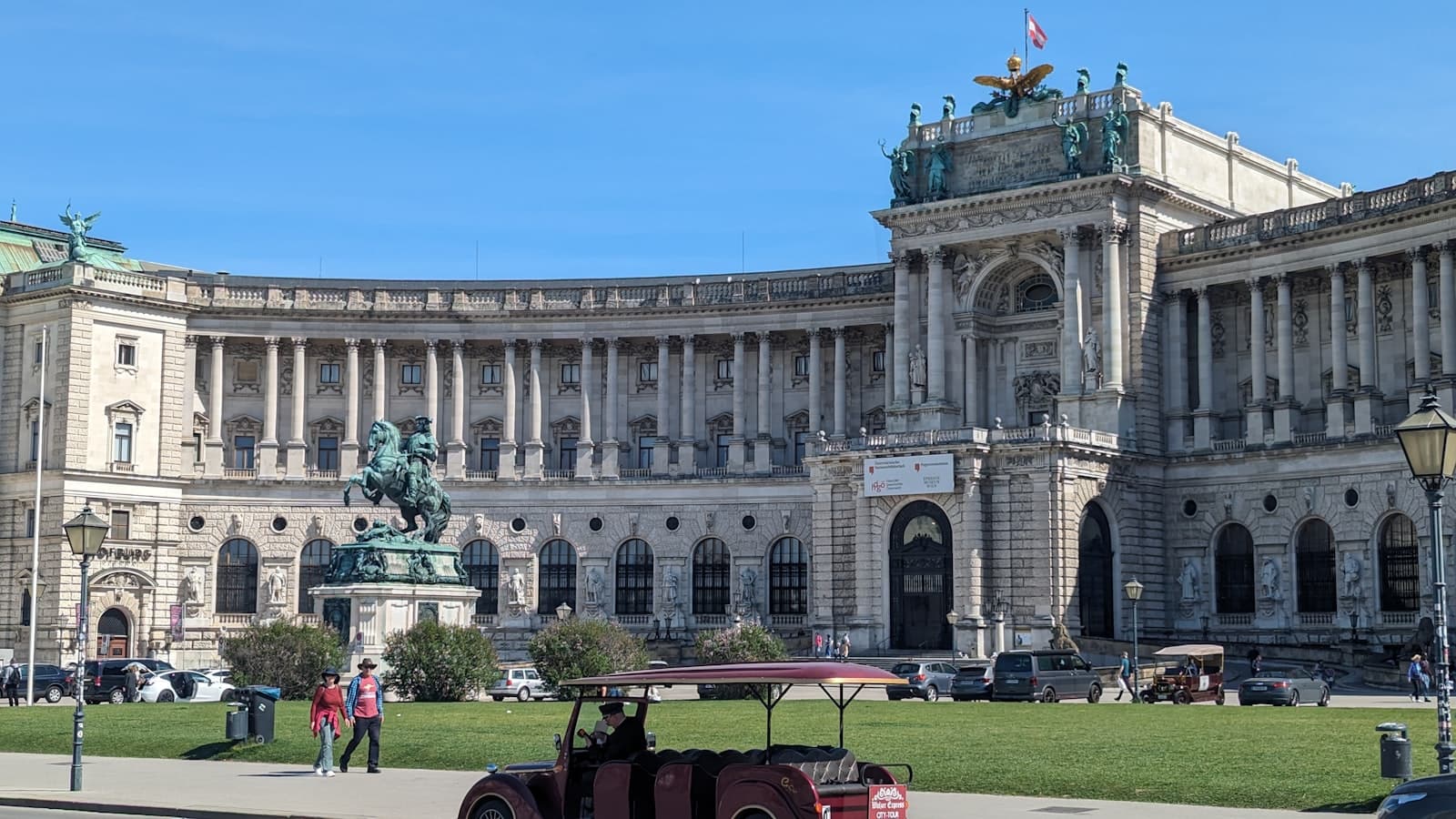
Read six centuries of Habsburg ambition written across a single palace, from its medieval keep to the grand imperial wing left half-built when the monarchy fell. The Hofburg is an autobiography the empire never got to finish.
Start · Michaelerplatz and Saint Michael's Wing: The Newest Gate Pretending to Be the Oldest
DirectionsStops
- 1
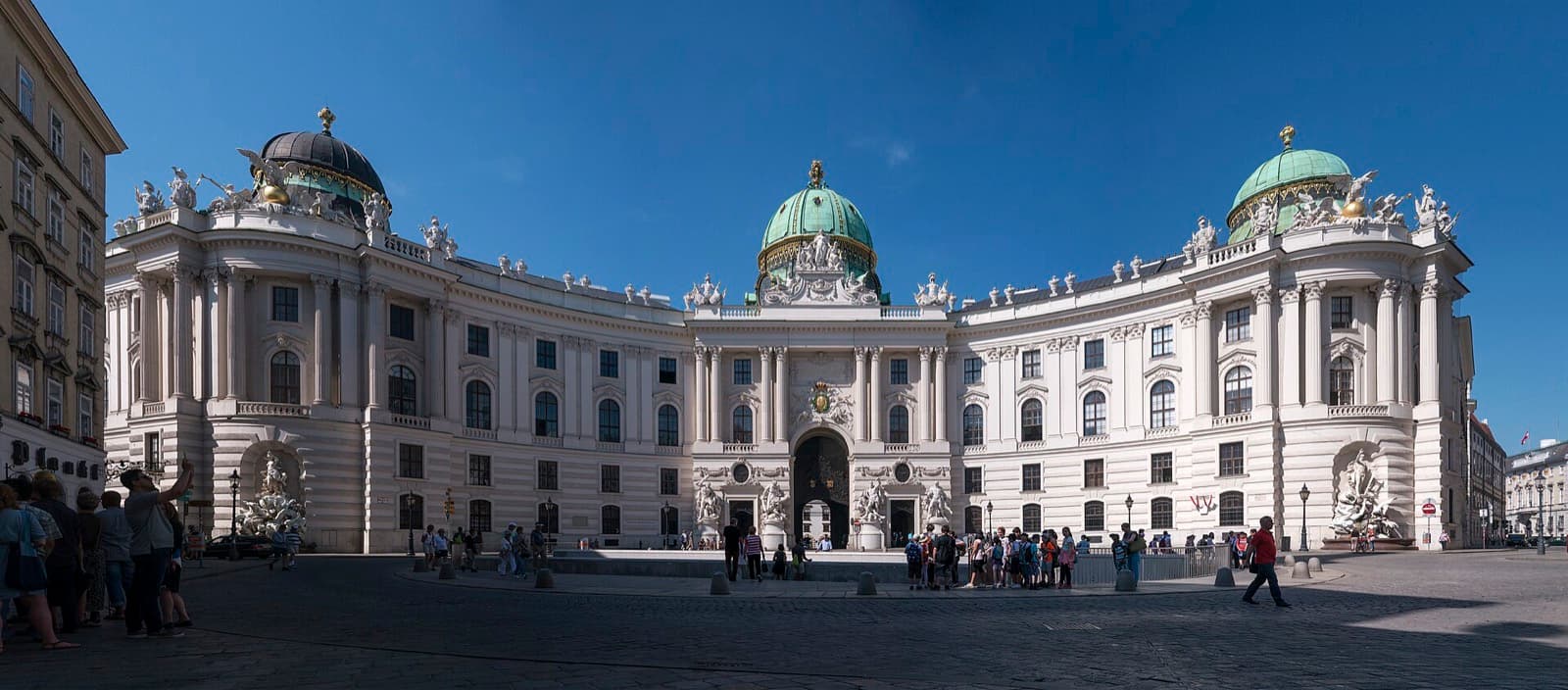
Michaelerplatz and Saint Michael's Wing: The Newest Gate Pretending to Be the Oldest
The grand curved neo-baroque facade with its green copper dome forms the ceremonial main entrance to the Hofburg, yet it is one of the palace's youngest additions dressed as its oldest.
- 2
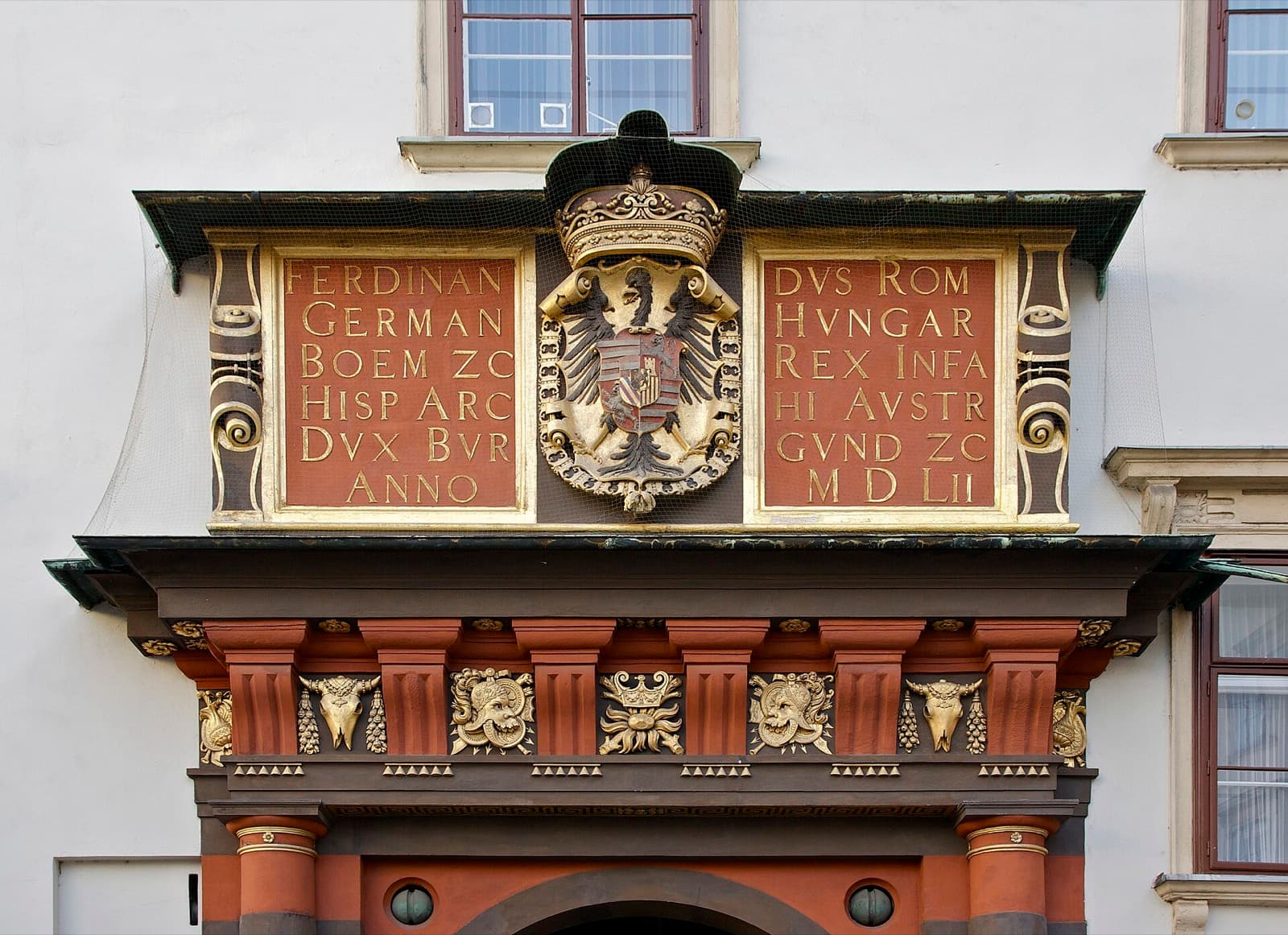
In der Burg and the Swiss Gate: The Medieval Heart Behind the Facade
Through the ceremonial gate lies the true old core of the palace, an inner courtyard and a red-and-gold Renaissance portal opening onto its oldest ground.
- 3
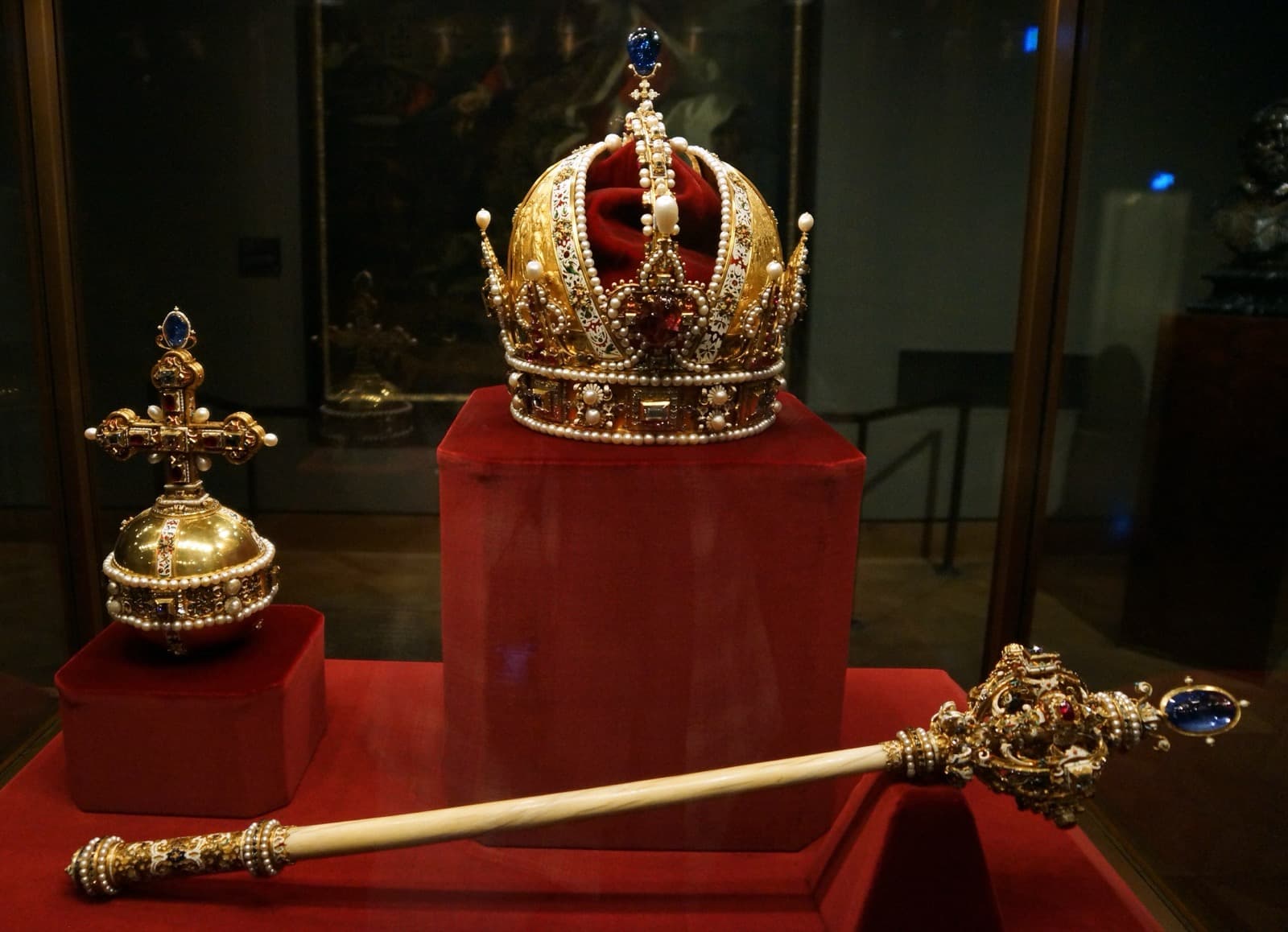
The Imperial Treasury: The Symbols of a Thousand-Year Empire
Reached from the Swiss Court, the Schatzkammer holds the regalia of the Holy Roman Empire and the Habsburgs across twenty-one rooms of crowns, swords, and sacred relics.
- 4
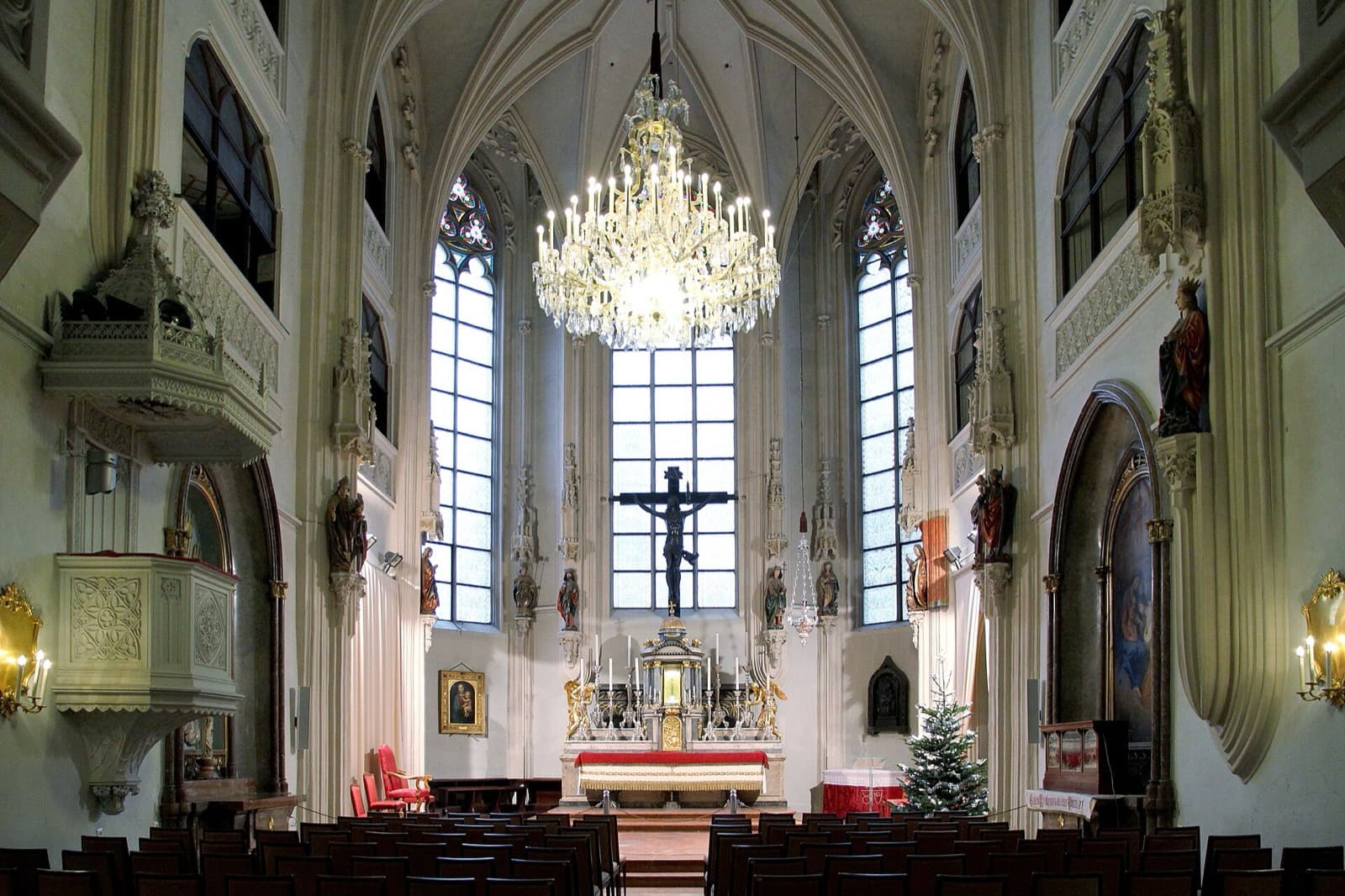
The Imperial Chapel: A Living Tradition Inside the Old Palace
The Gothic Burgkapelle within the Swiss Court still hosts Sunday High Mass sung by the choir whose lineage reaches back more than five centuries.
- 5
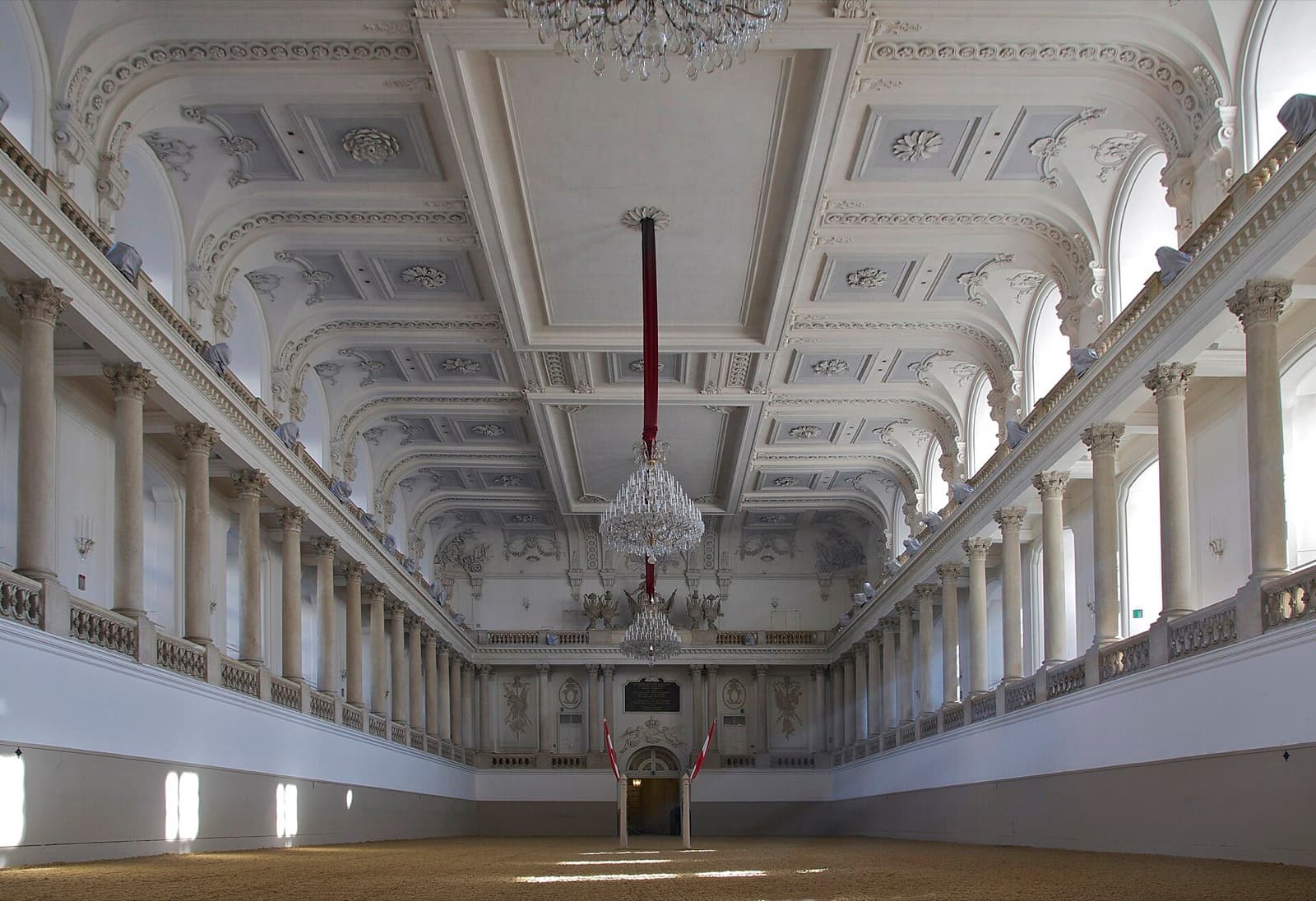
The Spanish Riding School: Baroque Spectacle as Statecraft
The white baroque Winter Riding School is home to the Lipizzaner stallions and the classical dressage tradition of the Spanish Riding School.
- 6
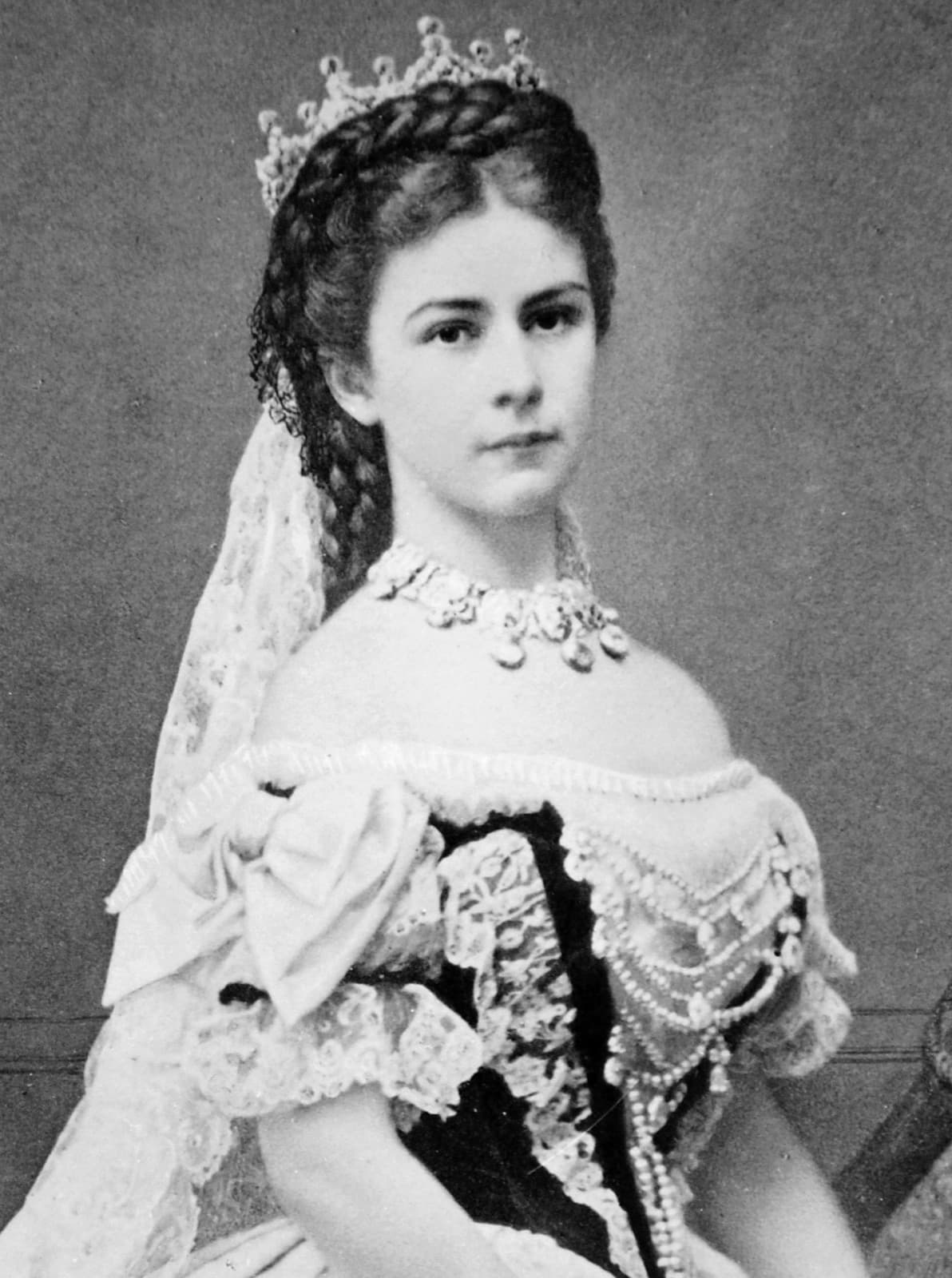
The Imperial Apartments and the Sisi Museum: The Human Scale of the Last Great Emperor
The state and private rooms of the Emperor Franz Joseph and the Empress Elisabeth, called Sisi, bring the vast palace down to the scale of a single desk and a single restless life.
- 7
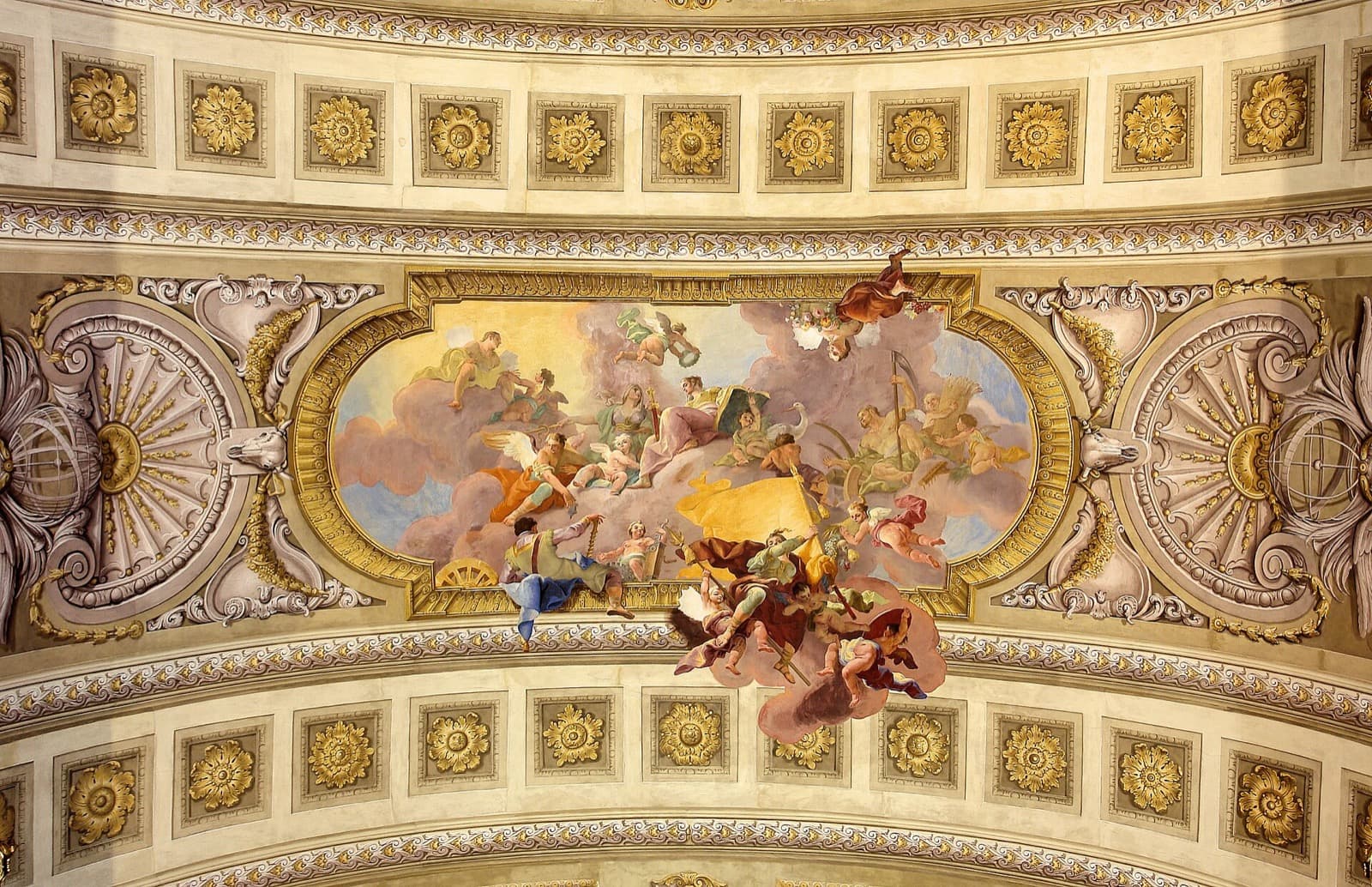
The Austrian National Library, the State Hall: The Empire as Patron of Learning
The Prunksaal is a baroque library hall about eighty metres long, crowned by a frescoed dome and lined with hundreds of thousands of volumes.
- 8
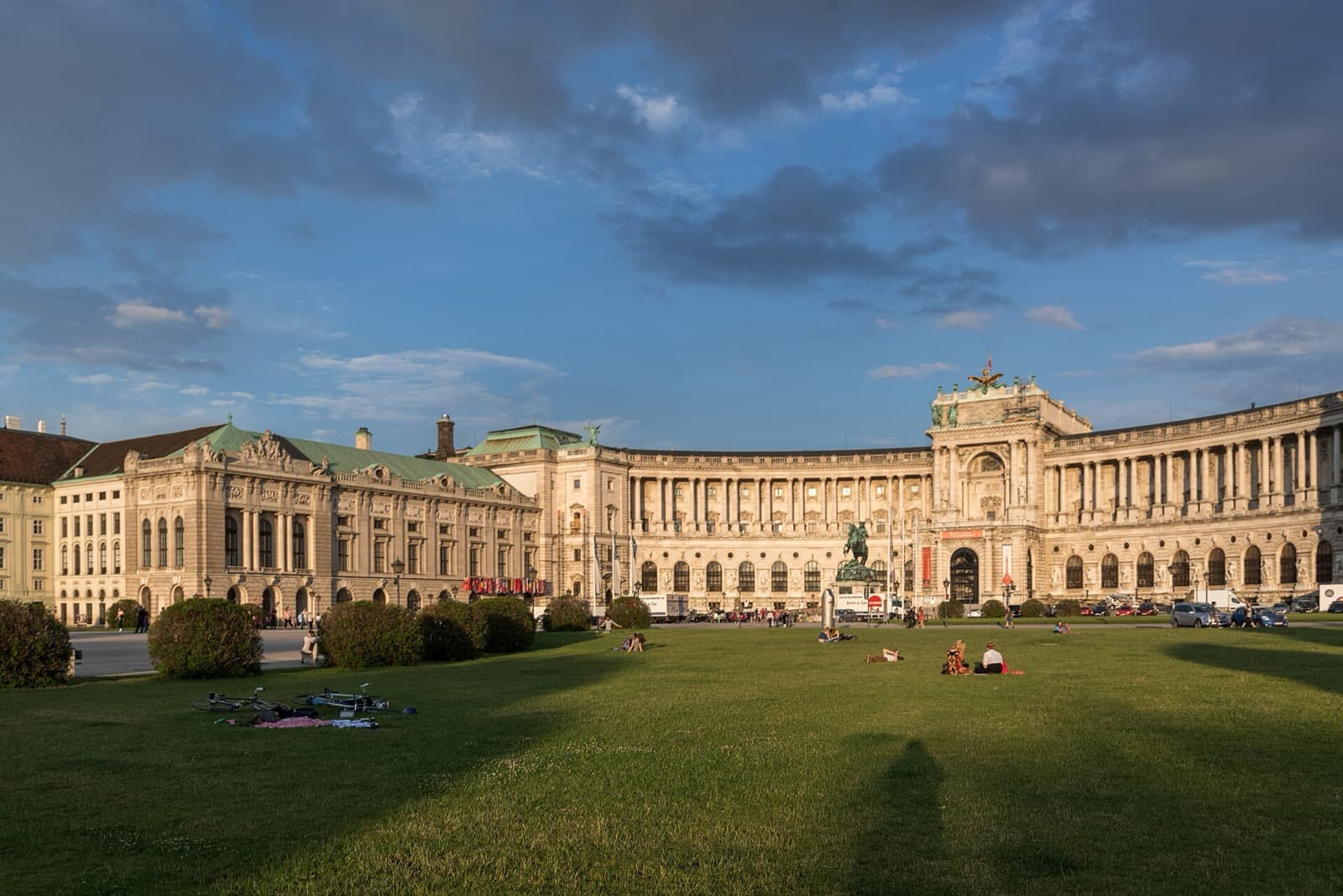
Heldenplatz and the Neue Burg: The Unfinished Palace and the Empire's End
The great curved Neue Burg was meant as one half of an imperial forum that was never completed, and its balcony carries one of the darkest moments in Austrian history.
Details
Best Time to Visit
Late morning on a weekday is ideal, when the courtyards are open and the interiors are quieter than on weekends. Arrive early if you plan to enter the Treasury, the Imperial Apartments, or the State Hall, since these ticketed sites are busiest at midday. Sunday morning is special for the Burgkapelle, when the Hofmusikkapelle sings High Mass, though seating is limited. The outdoor courtyards and Heldenplatz are free to walk at any hour and are especially atmospheric in the soft light of early evening.
Pro Tips
- •The courtyards, gates, and Heldenplatz are free public space, so you can walk the full route and read the palace's story without buying a single ticket.
- •If you want to go inside, the Treasury, the Imperial Apartments with the Sisi Museum, and the State Hall of the library each have separate tickets, so decide which one or two matter most rather than trying to see everything.
- •For the Burgkapelle on a Sunday, arrive well before High Mass, as seated places for the sung service are limited and can require a ticket booked in advance.
- •The Spanish Riding School's performances and morning training sessions are ticketed and often sell out ahead of time, so check availability before you count on seeing the horses.
- •Wear comfortable shoes, as the whole walk crosses cobbled courtyards and pedestrian zones, and give yourself ninety minutes to two hours to move at an unhurried pace.
- •Pause at Heldenplatz to read the plaques and let the history settle, treating it as a place of memory rather than just a photo stop.
Safety & Precautions
- •The Hofburg museums, the Imperial Treasury, and the Spanish Riding School are all ticketed, and popular sessions can sell out, so book ahead where you can and expect the free areas to be the courtyards and squares only.
- •The Burgkapelle is a working chapel, so during services keep quiet, dress modestly, and treat it as a place of worship rather than a tourist stop.
- •Heldenplatz is a site of serious historical memory, including the Anschluss of nineteen thirty-eight, so treat the square and its monuments with respect and reflection.
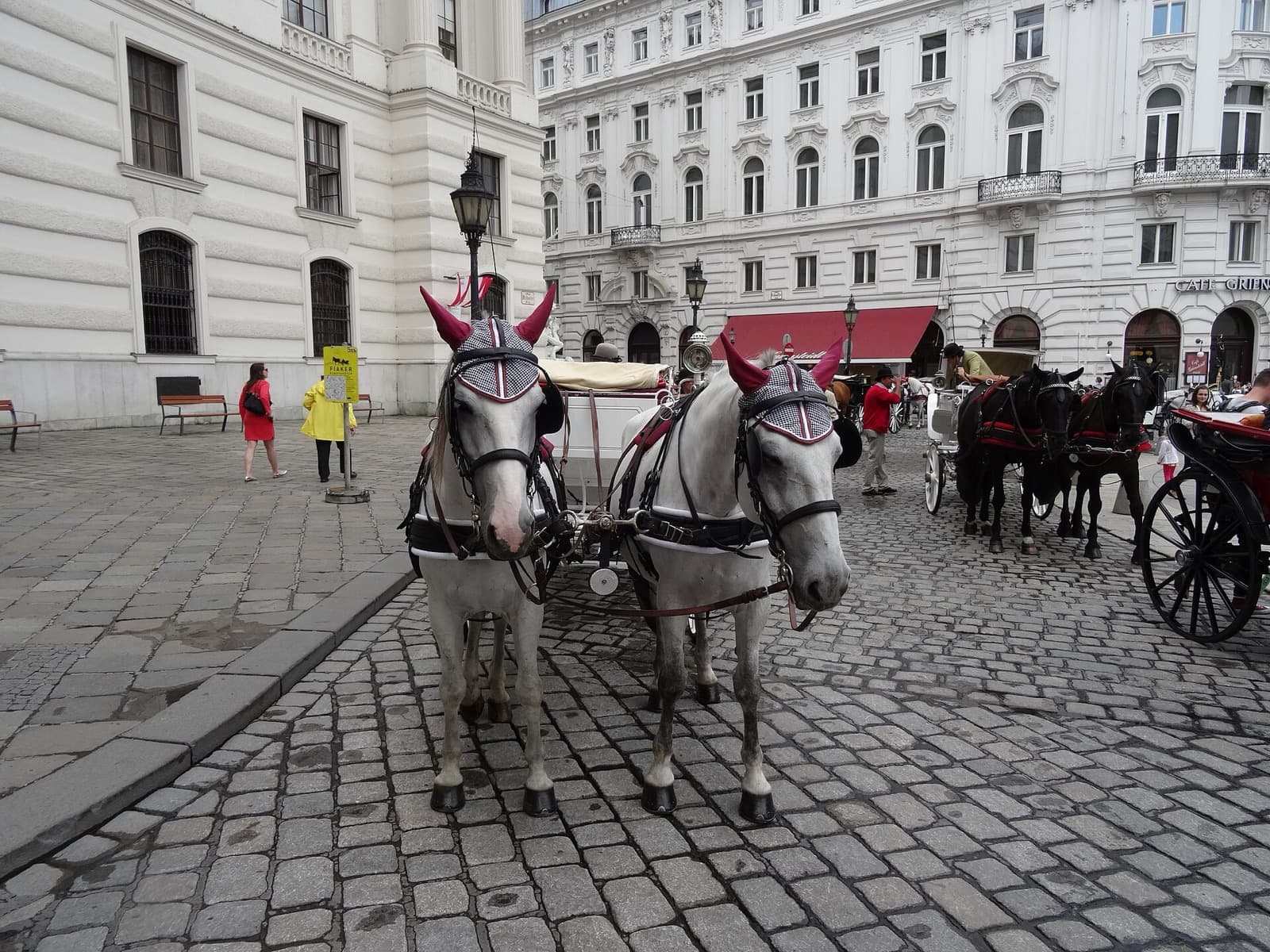
- •Watch your footing on the cobbled lanes and pedestrian zones, keep clear of cyclists and Fiaker horse carriages, and carry sun protection since Heldenplatz and the wide Ringstrasse offer little shade in strong summer sun. The currency is the euro, and ordinary big-city pickpocket awareness is wise in the crowded areas around the palace.
Travel advisory: Exercise Normal Precautions (Level 1).
Gallery
Related Reading
Go deeper on what you'll see, hear, and walk through.

Overview
Best Self-Guided Walking Tours in Vienna (2026)
3 min
Overview
One Day in Vienna: A Walkable Morning-to-Evening Itinerary
6 min
Overview
Vienna Travel Guide: Days, Transport, Timing, Safety, Budget
7 min
Thematic
Best History Walking Tours in Vienna (2026)
2 min
Thematic
Vienna, a City Stacked on a City: Reading the Capital in Three Directions
7 min
Companion
Heldenplatz and the Neue Burg: Why Vienna's Grandest Palace Wing Was Never Finished
6 min
Deep dive
The Imperial Treasury in Vienna: How the Habsburgs Kept an Empire in a Case
7 min
Read
What to Eat in Vienna: Schnitzel, Sachertorte, and How to Order Like a Local
7 min
Read the walk
The full story of The Hofburg: The Palace the Empire Never Finished, in words. Prefer to listen? Play it narrated, from home or on location.
Introduction
For more than six centuries, the Habsburgs ruled from a single palace in the heart of Vienna, and almost every generation added to it. A medieval keep became a Renaissance court, then a baroque wing, then a domed nineteenth-century facade, then a grand imperial forum begun and left half-built when the monarchy fell in nineteen eighteen. This tour treats the Hofburg here in Austria as an autobiography, each ambition frozen at the moment its century ended. There are eight stops across roughly one and a quarter kilometres, and the walk takes about ninety minutes to two hours at your own pace, longer if you go inside the ticketed museums. Everything is inside one connected complex, so you can move from courtyard to courtyard easily, pausing or skipping a stop whenever you like. The route opens at Michaelerplatz, the ceremonial front that looks oldest but is one of the newest gestures. It moves back into the true medieval and Renaissance core, then through the baroque century of the Riding School, the imperial rooms, and the frescoed library. It ends at Heldenplatz, before the last great wing and the forum that was never finished. You will read grandeur and interruption in the same stones, without treating the empire's fall as either tragedy or triumph. Most stops are free to walk up to, though the treasuries, apartments, and library halls carry their own tickets. When you arrive at Michaelerplatz, begin with stop one.
1. Michaelerplatz and Saint Michael's Wing: The Newest Gate Pretending to Be the Oldest
Stand in the wide half-circle of Michaelerplatz and the Hofburg presents its most theatrical face: a sweeping curved wing with a green copper dome, a monumental gate at its centre, and the whole thing reading like the ancient ceremonial heart of the palace. It is the newest gesture pretending to be the oldest. This is the Michaelertrakt, the Saint Michael's Wing, and though it follows a much older baroque design by the architect Joseph Emanuel Fischer von Erlach, it was actually built between eighteen eighty-nine and eighteen ninety-three. That was the Ringstrasse era, when Vienna was remaking itself in grand imperial style. To finish it, the old court theatre and a row of houses were demolished, and the Michaelertor, the great central gate, was at last fully realized. Every ceremonial arrival to the palace once passed through here. Flanking the gate are two enormous fountains, both allegories of Habsburg power. On one side, Power at Sea, by the sculptor Rudolf Weyr, unveiled in eighteen ninety-five, shows Austria as a queen of the sea beside Neptune. On the other, Power on Land, by the sculptor Edmund von Hellmer, installed in eighteen ninety-seven, stands for the army. So the palace begins with a paradox. This most ancient-looking front is younger than the fountains that guard it, and both were carved to project a strength the empire was already, quietly, running out of time to hold.
2. In der Burg and the Swiss Gate: The Medieval Heart Behind the Facade
Passing under the domed gate, the theatrics fall away and you enter In der Burg, the main inner court. Here the palace becomes plainer, older, more like a fortress that grew rooms. At its centre stands a tall monument to the Emperor Francis, a figure worth pausing on. He was Francis the Second, the last Holy Roman Emperor, who ruled from seventeen ninety-two, and he became Francis the First, the first Emperor of Austria, from eighteen oh four. The statue, by the Milanese sculptor Pompeo Marchesi, was unveiled in eighteen forty-six and commissioned by his son, the Emperor Ferdinand the First. It shows Francis in classical Roman dress atop a high plinth, as if the modern empire wished to borrow the authority of the ancient one. Across the courtyard rises the reason this stop matters most: the Schweizertor, the Swiss Gate, a red-and-gold Renaissance portal from the fifteen fifties. In German, tor means gate, and hof means court or courtyard. Beyond it lies the Schweizerhof, the Swiss Court, the oldest part of the entire palace. It sits on the site of the thirteenth-century castle first begun under Ottokar the Second of Bohemia, later rebuilt in the sixteenth century. The court takes its name from the Swiss Guards who once served the emperors here. This is the medieval foundation the ceremonial facade so carefully concealed. The palace you saw from the square was the last chapter. This quiet gate opens onto its first.
3. The Imperial Treasury: The Symbols of a Thousand-Year Empire
From the Swiss Court, a doorway leads into the Imperial Treasury, the Schatzkammer, and here the palace stops being architecture and becomes meaning. Its entrance sits at the Schweizerhof, the oldest part of the Hofburg, which feels right, because these are the symbols of a thousand-year empire kept at its foundation. By the museum's own account, it is one of the greatest treasuries in the world, spread across twenty-one rooms in secular and religious sections. Above everything else stands the Imperial Crown of the Holy Roman Empire. It was probably made in Western Germany for the coronation of Otto the First in nine hundred sixty-two, in the tenth century, though some scholars argue for a later date, so it is best described as traditionally dated to that time. Nearby are the Holy Lance, known as the Vienna Lance; the Imperial Crown of Austria with its orb and sceptre; the imperial sword; and the treasures of the Order of the Golden Fleece, including Burgundian pieces that entered the family through the marriage of Mary of Burgundy in fourteen seventy-seven. There are stranger wonders too: an enormous Colombian emerald of some two thousand eight hundred sixty carats, and an agate bowl once believed to be the Holy Grail. Walking these rooms, you see the abstraction made solid. The Habsburgs ruled by legitimacy as much as by armies, and legitimacy needed objects. A crown, a lance, a fleece of gold. This is the empire's argument for itself, held in a case.
4. The Imperial Chapel: A Living Tradition Inside the Old Palace
Within the Swiss Court stands the Burgkapelle, the Imperial Chapel, and of all the palace's rooms this is the one that is still alive. It is the Gothic court chapel of the Habsburgs, converted and extended in Gothic style between fourteen forty-seven and fourteen forty-nine…
Full narration for this stop unlocks with the tour.
5. The Spanish Riding School: Baroque Spectacle as Statecraft
Move through the palace toward Josefsplatz and you reach the Spanish Riding School, the Spanische Hofreitschule, and its home, the luminous white baroque hall called the Winterreitschule, the Winter Riding School. Step to a doorway and the room glows: a long white hall lined…
Full narration for this stop unlocks with the tour.
6. The Imperial Apartments and the Sisi Museum: The Human Scale of the Last Great Emperor
Within the Michaelertrakt lie the Imperial Apartments, the Kaiserappartements, together with the Sisi Museum and the Imperial Silver Collection. After the treasuries and the grand halls, this stop shifts the whole scale of the palace down to something human. These are the state…
Full narration for this stop unlocks with the tour.
7. The Austrian National Library, the State Hall: The Empire as Patron of Learning
At Josefsplatz stands the State Hall of the Austrian National Library, the Prunksaal, and it may be the most beautiful room on the whole walk. It is a baroque library hall built to house the imperial court library, and it is often called one of the most beautiful historic…
Full narration for this stop unlocks with the tour.
8. Heldenplatz and the Neue Burg: The Unfinished Palace and the Empire's End
The walk ends where the palace itself stops mid-word. Heldenplatz, the Heroes' Square, opens before the sweeping curved wing of the Neue Burg, the New Castle, the last and grandest addition to the Hofburg, built between eighteen eighty-one and nineteen thirteen. Here platz means…
Full narration for this stop unlocks with the tour.