Old Town: The Roman Fort Beneath the Imperial City
100 min · 1.9 km · easy
Vienna rewards walkers, and its historic core is small enough that you can cover the marquee sights on foot in two or three days without ever renting a car. The Innere Stadt, the first district ringed by the Ringstrasse boulevard, holds Saint Stephen's Cathedral, the Hofburg palace complex, and most of the imperial squares within a walkable grid of lanes. This guide answers the practical questions travelers actually ask before a trip: how many days you need, how to get around, when to come, whether it is safe, and what it costs. Every price and detail below was checked against current 2026 sources.
How many days do you need in Vienna?
Three full days is the comfortable answer for a first visit, with two as the tight minimum and four or five if you want to slow down or add day trips.
Vienna's central sights cluster tightly, so a lot fits into a short stay. A practical rhythm looks like this. Day one: the old town core, from Saint Stephen's Cathedral out along the Graben promenade to the medieval squares. Day two: the Hofburg, the sprawling former imperial palace, plus at least one of its museums. Day three: the Ringstrasse, the grand ring boulevard lined with the Opera, Parliament, City Hall, and the university. If you have a fourth day, the palace of Schonbrunn on the city's western edge and the Belvedere gallery are the usual additions.
Our self-guided audio walks map onto exactly this structure. The Old Town walk runs about 1.9 kilometers over eight stops and takes two to three hours at an unhurried pace. The Hofburg walk is shorter and flatter at roughly 1.3 kilometers. The Ringstrasse walk is the longest at about 3.6 kilometers and rated moderate, since it circles a good part of the first district. Three walks, three days, one district. You can see all of the Vienna walking tours and pick a starting point that fits your schedule.
How do you get around Vienna?
Hear a stop from this walk
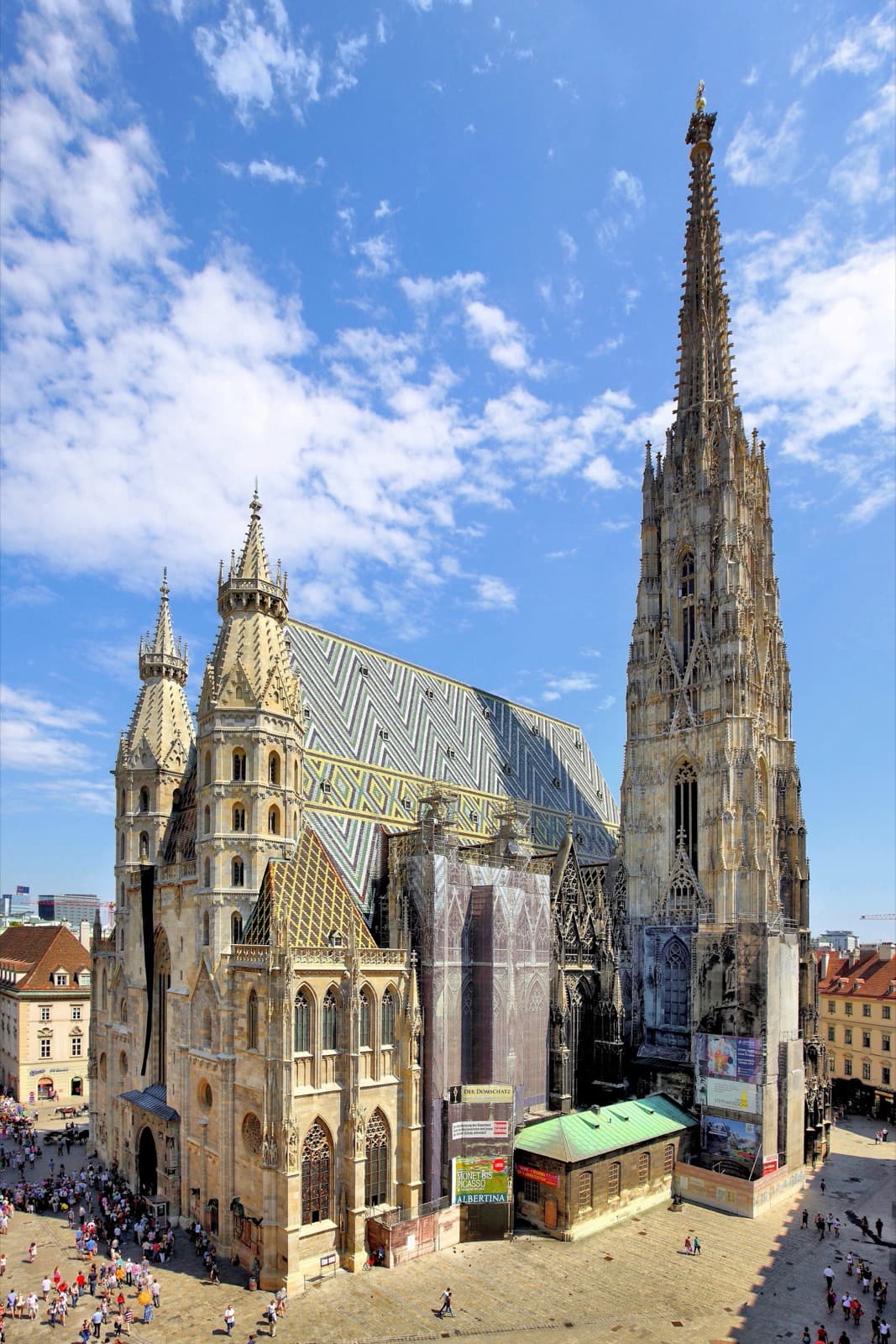
Saint Stephen's Cathedral: The Steffl Over the City
On foot for the historic center, and on the U-Bahn, tram, and bus network for everything beyond it. The first district is compact and largely pedestrian, so most of your sightseeing happens by walking. When you need to cover distance, Vienna's public transport is dense, punctual, and cheap by European standards.
Fares changed on 1 January 2026, the first increase since 2012. A single ticket is 3.20 euros, or 3.00 euros if you buy it digitally through the WienMobil app. A 24-hour ticket is 10.20 euros. A 7-day ticket is 28.90 euros. The old 48-hour and 72-hour passes were discontinued at the start of 2026, so for a stay of a few days you choose between stacking 24-hour tickets or buying the weekly one. Validate paper tickets before you board, since the network runs on trust with spot checks and a fine for riding without a valid ticket.
Getting in from the airport, you have two rail options. The City Airport Train (CAT) is the fastest at about 16 minutes to Wien Mitte for 14.90 euros one way. The S7 suburban train is slower at roughly 23 to 25 minutes but far cheaper, around 5 euros, and it includes onward travel on the city network, which the CAT does not. One planning note: from 7 September 2026, rail modernization work reroutes the airport connection, so check the current arrangement close to your travel date rather than assuming the S7 runs into the center.
Skip a rental car. Parking in the inner districts is restricted and expensive, and you will not need it.
When is the best time to visit Vienna?
Late spring and early autumn, specifically May and September, give you the best balance of mild weather, full cultural programming, and thinner crowds.
Spring, from March through May, brings comfortable highs generally in the 10 to 20 degree Celsius range (50 to 68 Fahrenheit) as the tourist season ramps up. Summer, June through August, is the busiest and priciest stretch, with temperatures often climbing into the high 20s or low 30s Celsius (80s Fahrenheit) and queues at the headline attractions. Autumn cools down and quiets down at the same time, which is why September and October are a repeated favorite. December has its own draw: from mid-November the Christmas markets fill the squares with wooden stalls, mulled wine, and lights, atmospheric despite the cold and the festive crowds.
Two budget notes for 2026. Hotel prices peak in summer and around the Christmas markets. And Vienna's accommodation tax, the Ortstaxe, rises from 3.2 percent to 5 percent of the room price on 1 July 2026, so a summer or later booking carries a slightly higher tax line than a spring one.
Is Vienna safe for travelers?
Yes. Vienna is one of the safest large cities in Europe, consistently near the top of global liveability and safety rankings, and violent crime against visitors is rare.
The realistic concern is petty theft, not danger. Pickpocketing is the most common property crime, and it concentrates where crowds and distraction do: packed U-Bahn cars, the cathedral square, and the Christmas markets in December. A couple of transit hubs, Karlsplatz and Praterstern stations, can feel less pleasant late at night, though this is more about atmosphere than a real threat to a cautious visitor. The ordinary precautions cover it. Keep your bag zipped and in front of you in crowds, keep your phone off the cafe table edge, and stay aware at busy interchanges. Solo travelers, including solo women, generally report feeling comfortable walking the central districts in the evening.
What does a Vienna trip cost?
Vienna sits in the mid-to-upper range for Western European capitals: not cheap, but not extreme, and much of the best sightseeing is free.
The squares, promenades, and church naves that anchor a walking visit cost nothing to enter. Saint Stephen's Cathedral's main nave is free, though its towers, catacombs, and treasury are ticketed. The Graben, Michaelerplatz, Judenplatz, and the Ringstrasse exteriors are all open-air and free. Where the cost sits is the ticketed interiors: the Hofburg's Imperial Treasury, the Sisi Museum and Imperial Apartments, and the State Hall of the National Library each run a museum entry fee in the mid-to-high teens of euros for an adult, so budget accordingly if you plan to go inside several. A self-guided audio walk keeps the outdoor narrative free of per-person guide costs, and you pace it yourself.
Rough daily budget, excluding your hotel: a modest day of transit, a couple of casual meals, a coffee-and-cake stop, and one paid museum lands most travelers in the region of a typical Western European city day. Coffeehouses reward lingering, and a classic Viennese cafe visit, one coffee and one slice of cake nursed for an hour, is one of the city's best-value experiences.
Putting it together
For a first trip, plan three days, walk the first district, use a 24-hour or 7-day transit ticket for the reach beyond it, and aim for May or September if your dates are flexible. Start with the Old Town walk, which threads Saint Stephen's, the Graben, and the older layers beneath them, then add the Hofburg and the Ringstrasse. The full set of Vienna walking tours is built to be done at your own speed, with short stops you can skip when something else catches your eye.
Sources
Frequently asked questions
- How many days do you need in Vienna?
- Three full days is the comfortable amount for a first visit, with two as a tight minimum. The central sights cluster in the first district, so one day covers the old town, one the Hofburg, and one the Ringstrasse. A fourth or fifth day lets you add Schonbrunn Palace and the Belvedere or slow the pace.
- How much does public transport cost in Vienna in 2026?
- Fares rose on 1 January 2026, the first increase since 2012. A single ticket is 3.20 euros (3.00 digital), a 24-hour ticket is 10.20 euros, and a 7-day ticket is 28.90 euros. The old 48-hour and 72-hour passes were discontinued, so a multi-day visitor stacks 24-hour tickets or buys the weekly one.
- What is the best time of year to visit Vienna?
- May and September offer the best balance of mild weather, full cultural programming, and manageable crowds. Summer is hottest, busiest, and priciest, while December brings the Christmas markets and their festive atmosphere despite the cold. Spring highs generally run 10 to 20 degrees Celsius (50 to 68 Fahrenheit).
- Is Vienna safe for tourists?
- Vienna is one of the safest large cities in Europe and ranks consistently high on global liveability and safety indices. Violent crime against visitors is rare. The realistic risk is pickpocketing in crowds, on packed U-Bahn cars, and at the Christmas markets, so keep bags zipped and stay aware at busy transit hubs like Karlsplatz and Praterstern.
- How do you get from Vienna Airport to the city center?
- Two rail options run into town. The City Airport Train (CAT) reaches Wien Mitte in about 16 minutes for 14.90 euros one way. The S7 suburban train takes 23 to 25 minutes for around 5 euros and includes onward city travel. Note that from 7 September 2026 modernization work reroutes the airport connection, so check current arrangements near your travel date.
- Is Vienna's historic center walkable?
- Yes. The Innere Stadt, the first district inside the Ringstrasse, is compact and largely pedestrian, so most sightseeing happens on foot. Saint Stephen's Cathedral, the Graben, the Hofburg, and the Ring's monumental buildings are all within a walkable grid. Self-guided audio walks here range from about 1.3 to 3.6 kilometers.
Ready to experience it?
Old Town: The Roman Fort Beneath the Imperial City
100 min · 1.9 km · easy
More from Vienna
Explore more at your own pace.
One Day in Vienna: A Walkable Morning-to-Evening Itinerary
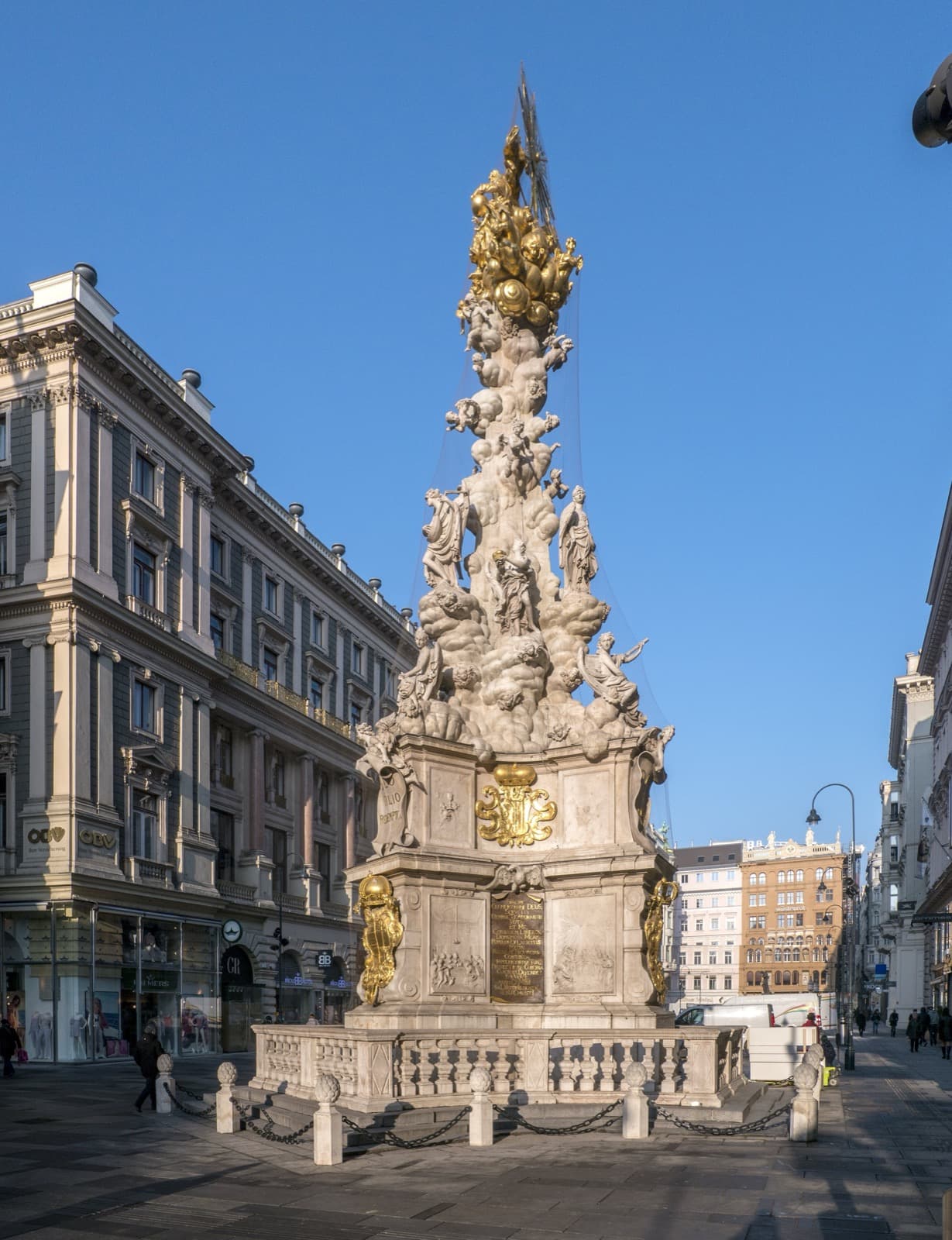
Vienna, a City Stacked on a City: Reading the Capital in Three Directions
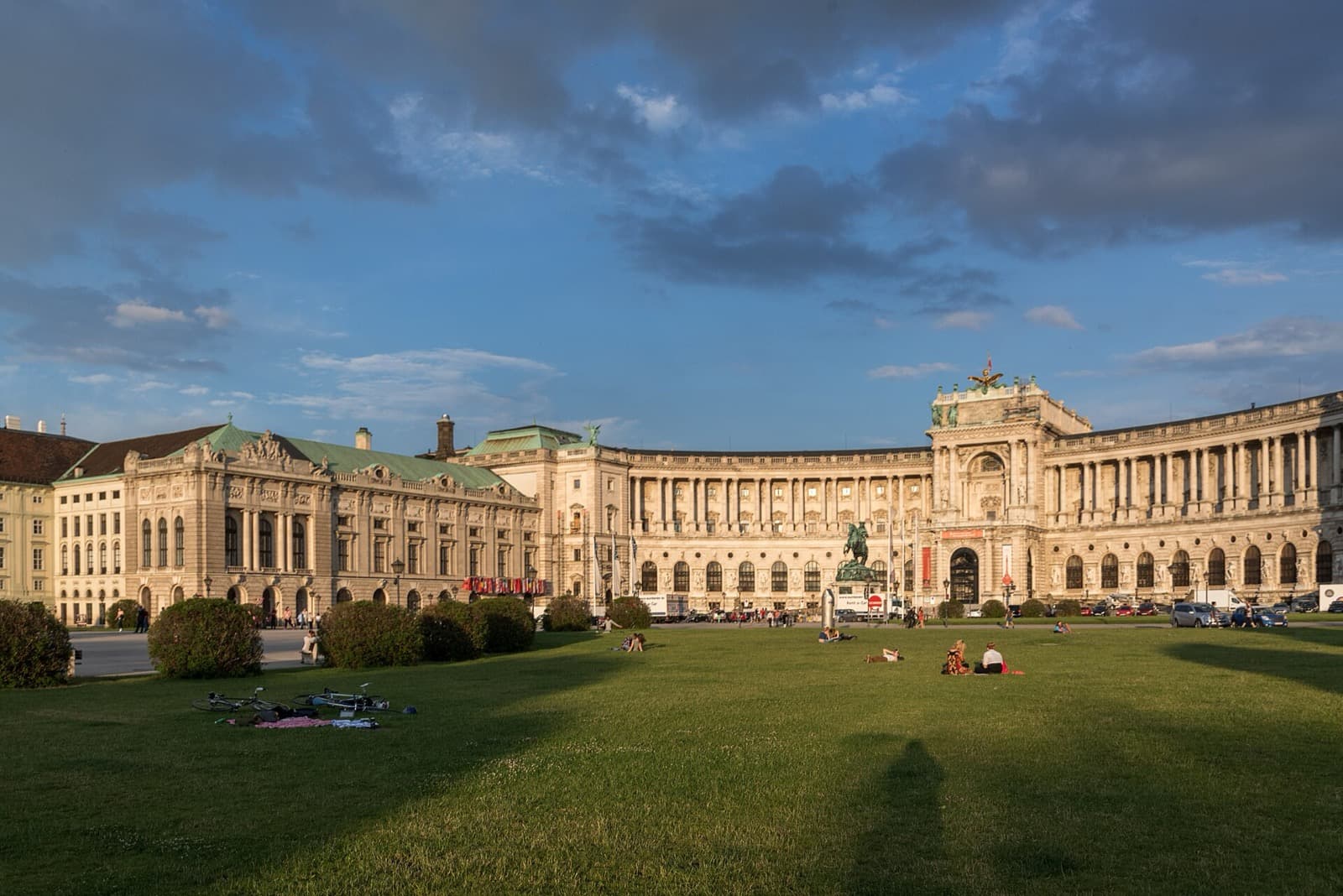
Heldenplatz and the Neue Burg: Why Vienna's Grandest Palace Wing Was Never Finished
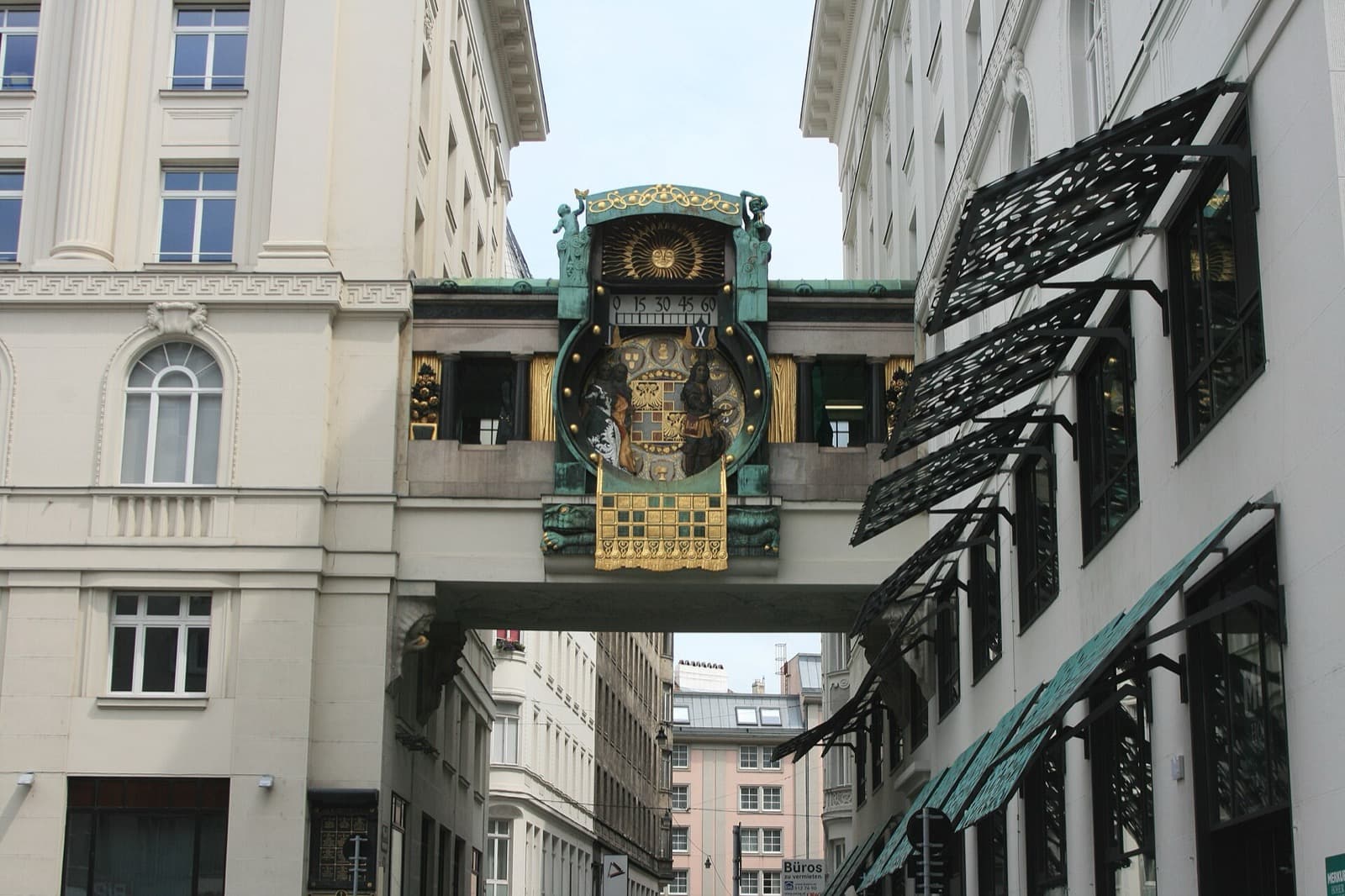
Hoher Markt and the Anker Clock: Where Roman Vienna Surfaces
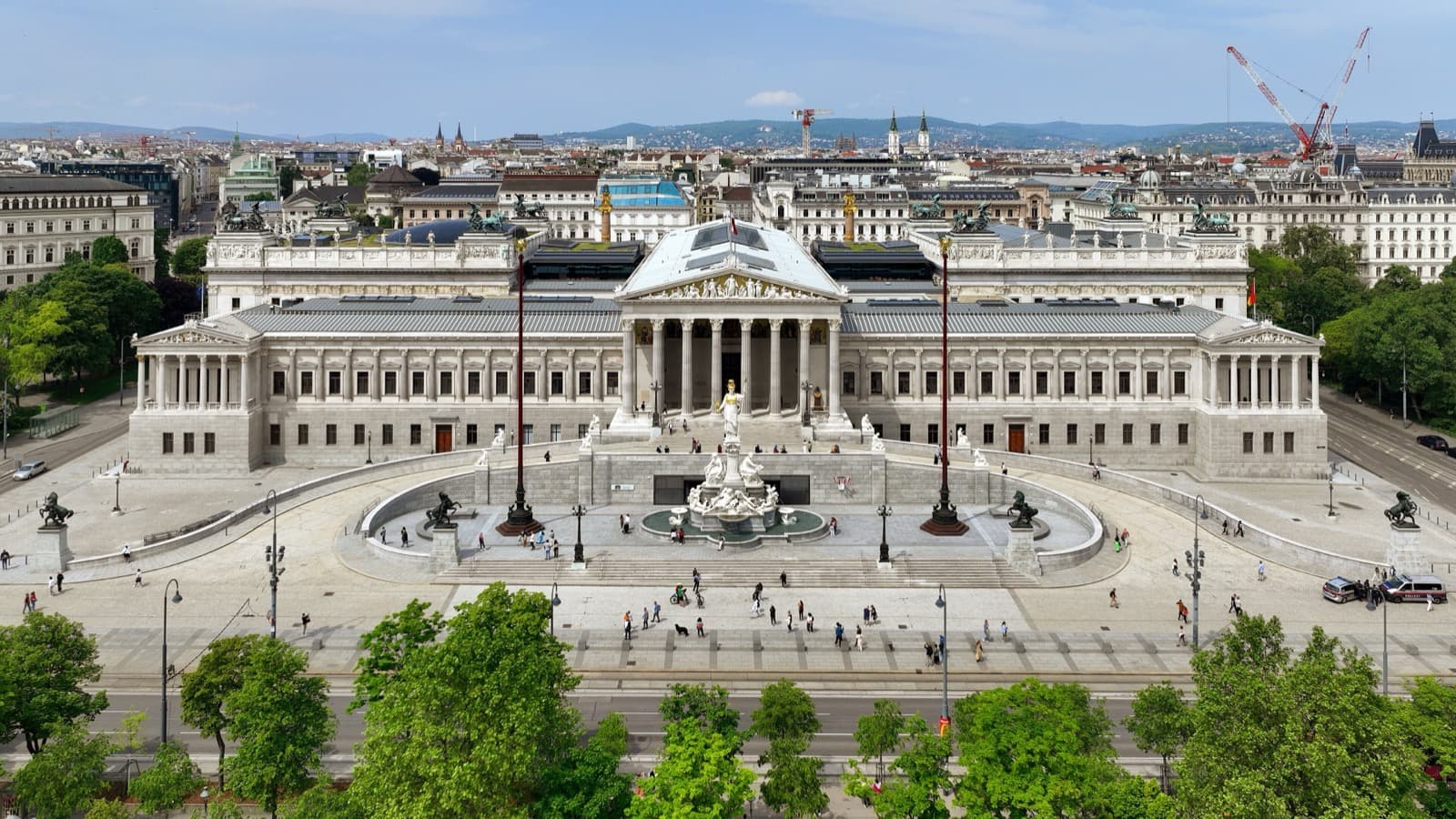
The Austrian Parliament: Why Vienna Built Its Legislature as a Greek Temple