Old Town: The Roman Fort Beneath the Imperial City
100 min · 1.9 km · easy
Yes, you can see the best of Vienna in one day on foot, and the walk is short. The historic center, the Innere Stadt, packs the Gothic cathedral, the imperial palace, and the grand ring boulevard into an area you can cross in about twenty minutes. This itinerary moves morning to evening through three connected zones: the old town around St. Stephen's Cathedral, the Hofburg palace complex, and the Ringstrasse. Total walking is modest, roughly five to seven kilometers across the day with long pauses, and almost every outdoor stop is free. Each of the three zones lines up with one of Vienna's self-guided audio tours, so you can let the narration carry the history while you keep your own pace.
The short answer: one loop, three chapters
Vienna's center is compact enough that a single day covers its landmarks without rushing. Start at St. Stephen's Cathedral, walk the baroque promenade of the Graben and the old town squares, cross into the Hofburg palace, then finish along the Ringstrasse boulevard as the light goes gold. You are never more than a fifteen-minute walk from the next major sight. The three Vienna walking tours map onto this loop one-for-one: the Old Town tour (eight stops, about 1.9 km), the Hofburg tour (eight stops, about 1.3 km), and the Ringstrasse tour (seven stops, about 3.6 km). Do all three end to end and you have your day. Browse them on the Vienna city page.
Morning: the old town and St. Stephen's Cathedral
Hear a stop from this walk
Saint Stephen's Cathedral: The Steffl Over the City
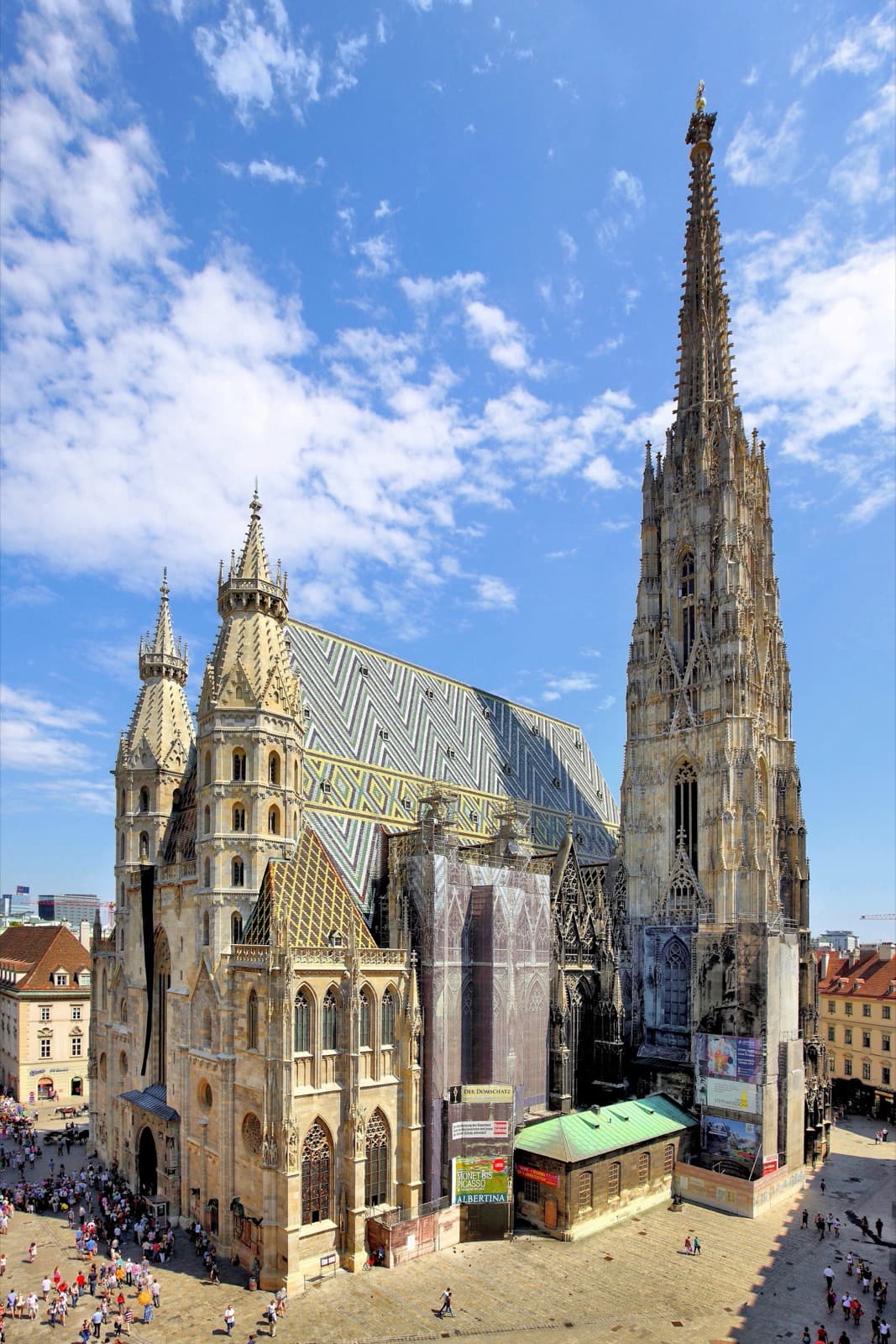
Begin at St. Stephen's Cathedral (Stephansdom), the Gothic landmark at the dead center of the city. The main nave is free to enter, and morning is the calmest time to stand under the vaulting before tour groups arrive. Cathedral visiting hours run Monday to Saturday from 9:00 to 11:30 and again from 13:00 to 16:30, with Sundays and public holidays from 13:00 in the afternoon, since services take priority in the morning. If you want the view, the South Tower climb is a separate paid ticket, around 8 euro for adults, and tickets inside the cathedral are cash only, so carry some euro.
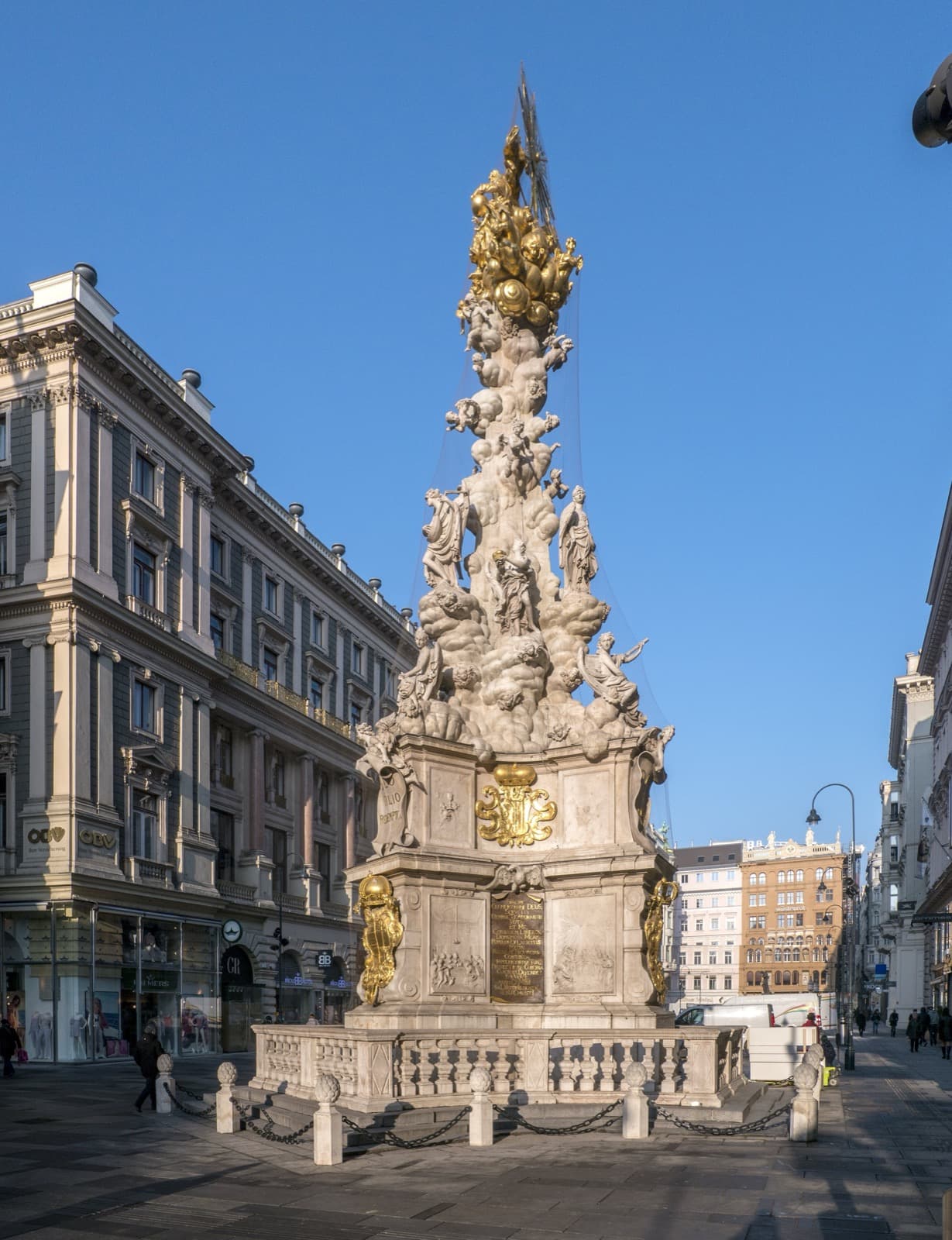
From the cathedral, the Old Town tour reads the district from the top down. The route runs along the Graben with its baroque Plague Column, past Peterskirche and its green dome, then to Michaelerplatz, where an open excavation shows Roman and later foundations under the modern square. The deeper thread is Vindobona, the Roman legionary camp planted near the Danube around the turn of the first century, whose outline still shapes where some streets run. Squares like Am Hof, Judenplatz with its Holocaust memorial, and Hoher Markt with the Art Nouveau Anker Clock are all open-air and free. Give the morning about two to three hours at an unhurried pace.
Midday: the Hofburg palace complex
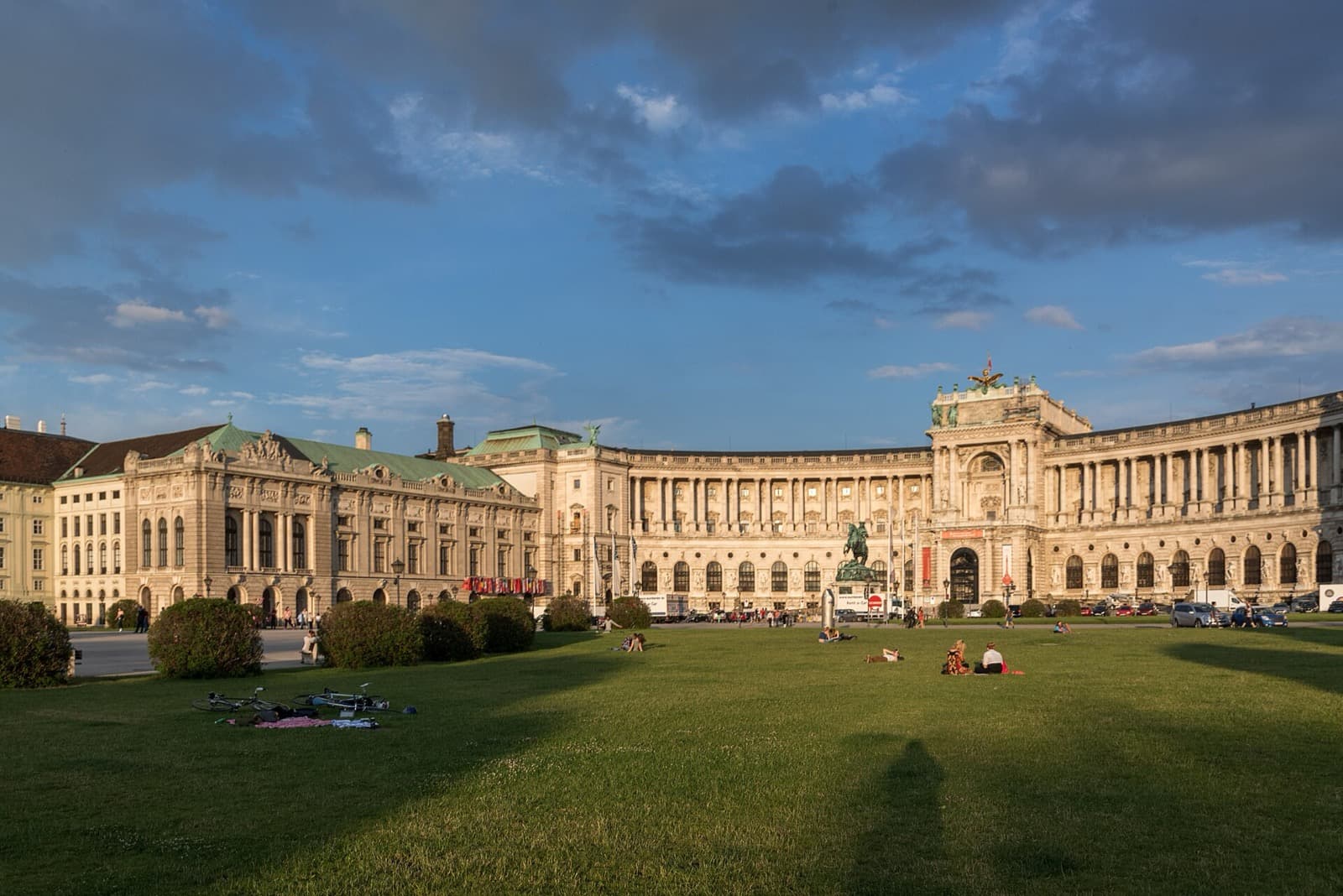
Walk from Michaelerplatz straight into the Hofburg, the palace the Habsburgs ruled from for more than six centuries. This is where you choose how much to spend. The courtyards, the Swiss Gate, Josefsplatz, and the wide Heldenplatz square are all free to wander, so a walker on a budget can read the whole palace as architecture without buying a ticket. The Hofburg tour treats the complex as an autobiography: a medieval keep, a Renaissance court, a baroque wing, and a grand imperial forum begun and left half-built when the monarchy fell in 1918.
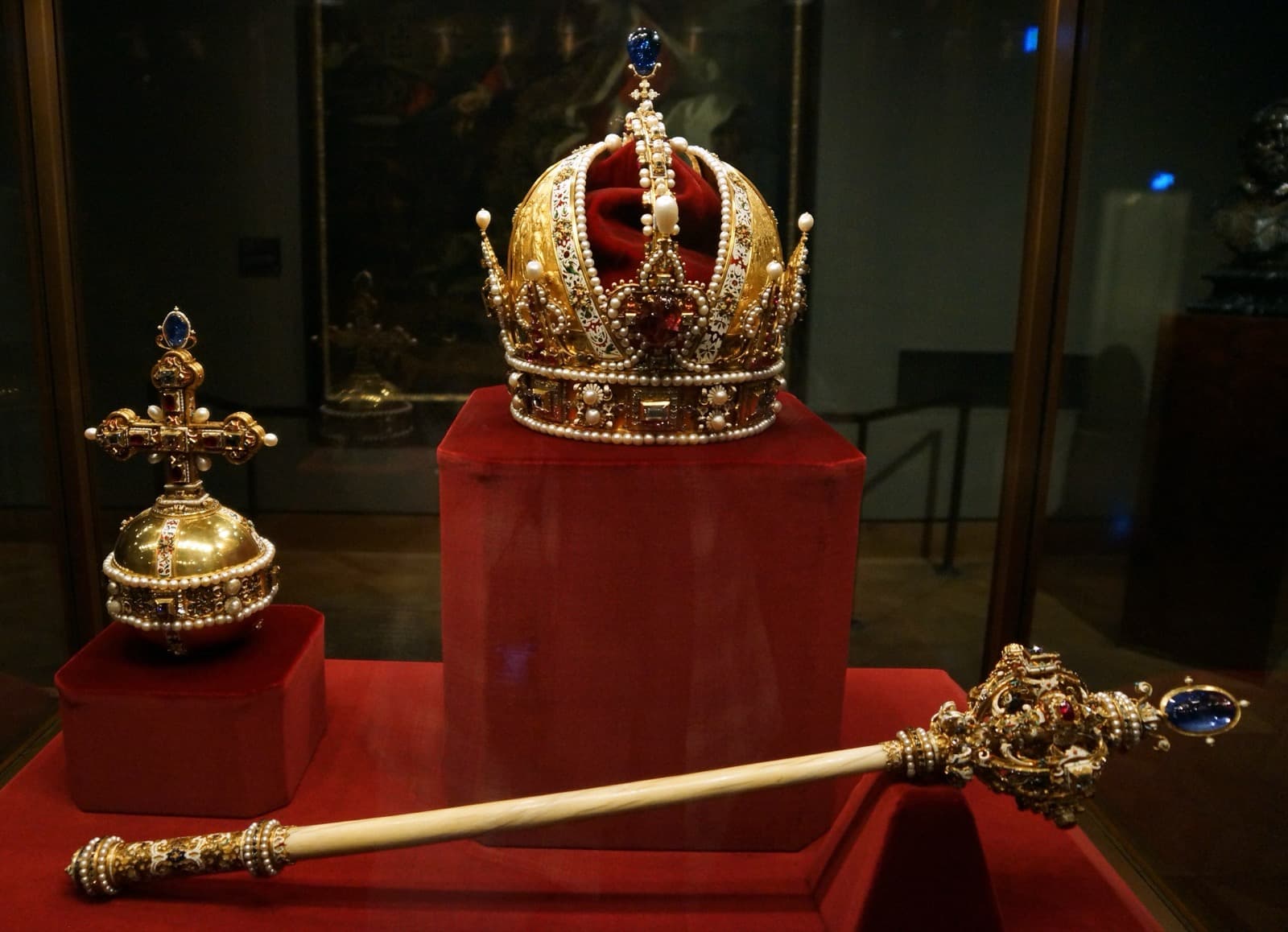
If you want to go inside, the Imperial Apartments and Sisi Museum share one ticket, around 20 euro for adults with an audio guide included, open daily from 9:00 to 17:30 with last admission at 16:30. The Imperial Treasury (Schatzkammer), which holds crown jewels and imperial regalia, is a separate ticket at around 18 euro for adults, free for under-19s, and it is open Wednesday to Monday and closed on Tuesdays, so check the day before you plan it. From April 2026 the Treasury moves to timed entry slots, so reserve a slot online if you go later in the year. One indoor visit plus the free courtyards is plenty for a single day. This is a natural lunch break: cafes and casual spots ring the palace, and a traditional Viennese coffee house makes a fine mid-afternoon pause.
Afternoon into evening: the Ringstrasse
Finish along the Ringstrasse, the ring boulevard that replaced Vienna's medieval walls. On the twentieth of December 1857, Emperor Franz Joseph signed the order to demolish the walls and raise a grand avenue in their place. Demolition began in March 1858, and the first section opened on the first of May 1865. What makes the Ring worth an evening walk is the argument in stone: each monumental building wears the costume of a different era. A Greek-temple front for Parliament, a Flemish Gothic hall for the City Hall (Rathaus), an Italian Renaissance palace for the University, all built new in the nineteenth century.
The Ringstrasse tour strings together the Vienna State Opera, Maria-Theresien-Platz between the twin Kunsthistorisches and Naturhistorisches museums, Parliament, the City Hall, the Burgtheater, the University, and the Votivkirche. It is the longest of the three tours at about 3.6 km and roughly two hours, so save it for when your legs are warmed up. Every exterior on this route is free, and the facades are lit beautifully at dusk, which is why it works as the closing chapter of the day. End near the Opera or the illuminated City Hall, then step off the boulevard for dinner.
Getting around and staying safe
You can walk this entire day, but a public transport ticket is a cheap insurance policy for tired feet. A Vienna 24-hour ticket costs about 10.20 euro as of January 2026, and a single ride is about 3.20 euro, covering the U-Bahn, trams, and buses run by Wiener Linien. From Vienna Airport, the City Airport Train (CAT) reaches Wien Mitte station near the center in about 16 minutes for around 14.90 euro one way, though check current service notes, since the CAT runs a replacement bus during modernization work in autumn 2026. Regular ÖBB airport trains and the S7 also connect the airport to the city for less.
Vienna is one of the safest major cities in Europe, ranked among the top of global liveability surveys, and violent crime against visitors is rare. The realistic caution is pickpocketing in crowds: around Stephansplatz and the cathedral, along Kärntner Strasse, near the Hofburg on Heldenplatz, and on busy U-Bahn lines. Keep your phone and wallet in a front pocket or zipped bag in packed spots and you will be fine. That is the calm truth of a Vienna day: short distances, mostly free sights, and a self-guided audio tour in your ear so you can look up instead of down at a map.
Sources
Frequently asked questions
- Can you see Vienna in one day?
- Yes. Vienna's historic center is compact, and you can cross the Innere Stadt on foot in about twenty minutes. In a single day you can cover St. Stephen's Cathedral and the old town, the Hofburg palace complex, and the Ringstrasse boulevard, since they sit within a short walk of each other. Total walking is roughly five to seven kilometers with long pauses.
- Is St. Stephen's Cathedral free to enter?
- The main nave of St. Stephen's Cathedral is free to enter. Visiting hours run Monday to Saturday from 9:00 to 11:30 and 13:00 to 16:30, with Sundays and public holidays from 13:00. Climbing the South Tower is a separate paid ticket, around 8 euro for adults, and tickets inside the cathedral are cash only.
- How much does it cost to go inside the Hofburg in Vienna?
- The Hofburg courtyards, the Swiss Gate, and Heldenplatz are all free to walk through. To go inside, the Imperial Apartments and Sisi Museum share one ticket at around 20 euro for adults with an audio guide included, open daily 9:00 to 17:30. The Imperial Treasury is a separate ticket at around 18 euro, free for under-19s, and it is closed on Tuesdays.
- How do I get from Vienna Airport to the city center?
- The City Airport Train (CAT) runs non-stop to Wien Mitte near the center in about 16 minutes for around 14.90 euro one way. Regular ÖBB trains and the S7 line also connect the airport to the city for less. Note that the CAT runs a replacement bus during modernization work in autumn 2026, so check current service before you rely on it.
- How much is a day ticket for Vienna public transport?
- A Vienna 24-hour ticket costs about 10.20 euro as of January 2026, covering the U-Bahn, trams, and buses run by Wiener Linien. A single ride is about 3.20 euro. For a one-day walking itinerary in the center you may not need transit at all, but a day ticket is useful insurance for tired feet.
- Is Vienna safe for tourists?
- Vienna is consistently ranked among the safest and most liveable major cities in Europe, and violent crime against visitors is rare. The main realistic caution is pickpocketing in crowded tourist spots such as around Stephansplatz, along Kärntner Strasse, near the Hofburg on Heldenplatz, and on busy U-Bahn lines. Keep valuables in a front pocket or zipped bag in packed areas.
Ready to experience it?
Old Town: The Roman Fort Beneath the Imperial City
100 min · 1.9 km · easy
More from Vienna
Explore more at your own pace.
Vienna, a City Stacked on a City: Reading the Capital in Three Directions
Heldenplatz and the Neue Burg: Why Vienna's Grandest Palace Wing Was Never Finished
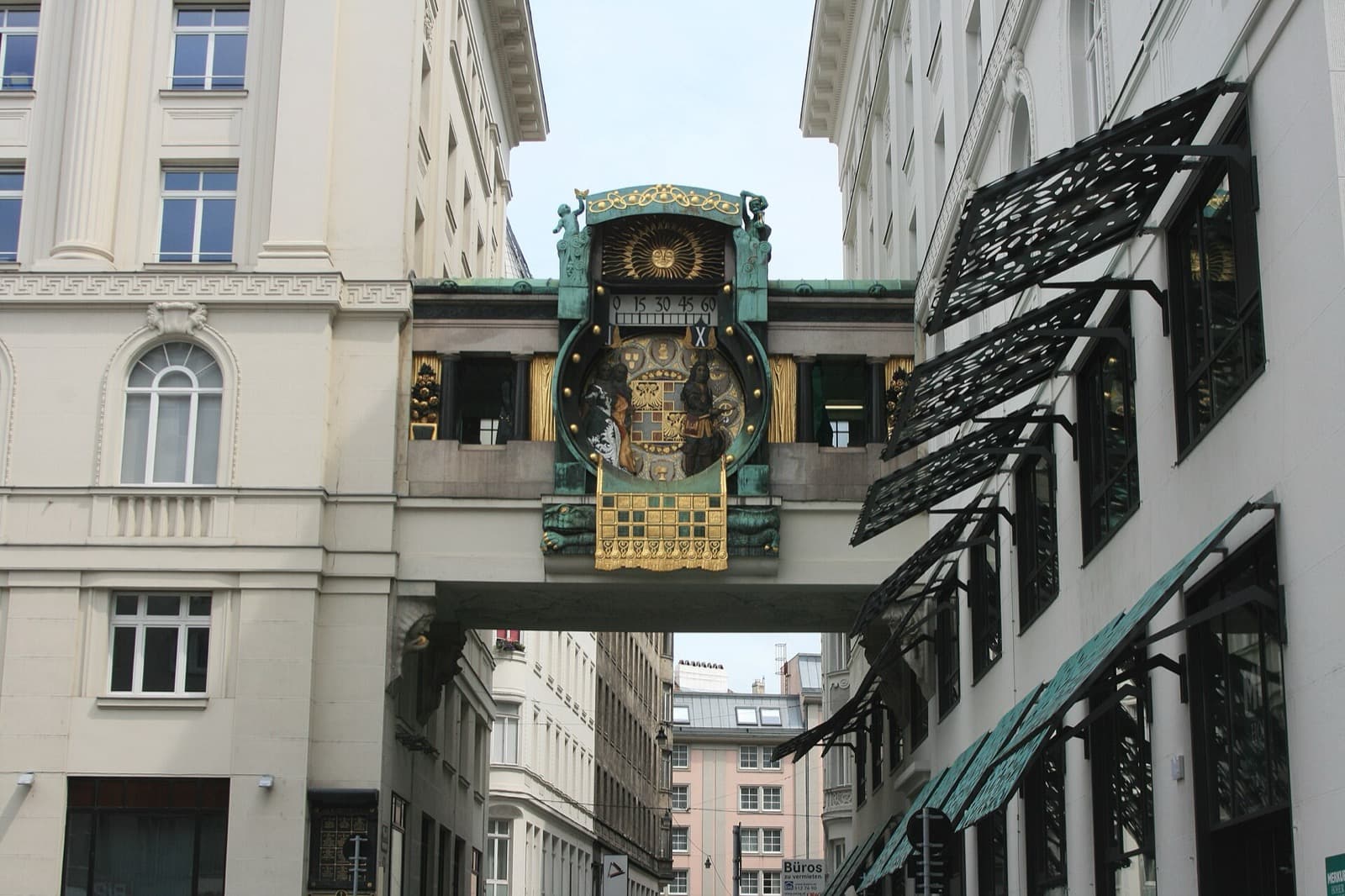
Hoher Markt and the Anker Clock: Where Roman Vienna Surfaces
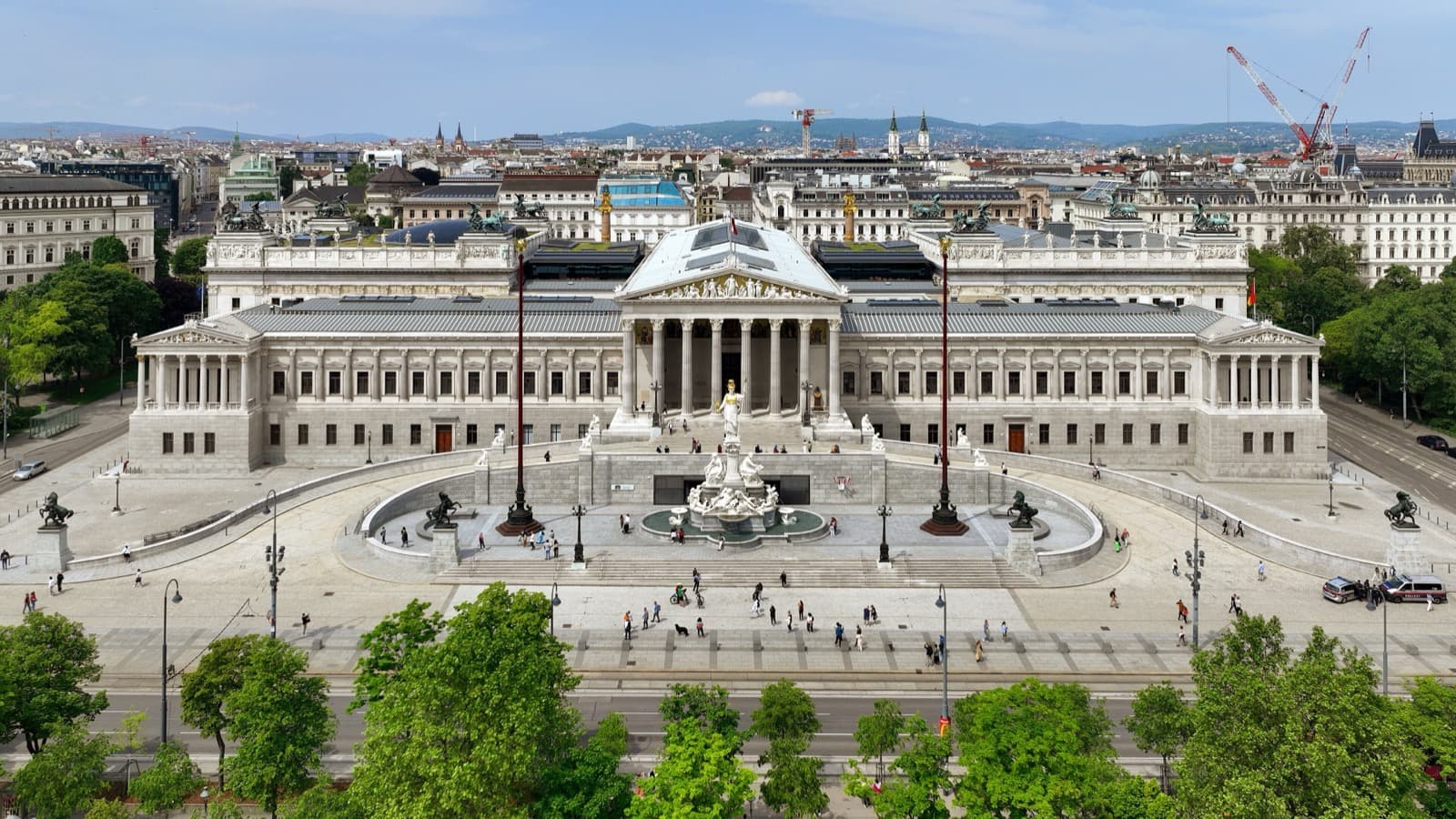
The Austrian Parliament: Why Vienna Built Its Legislature as a Greek Temple
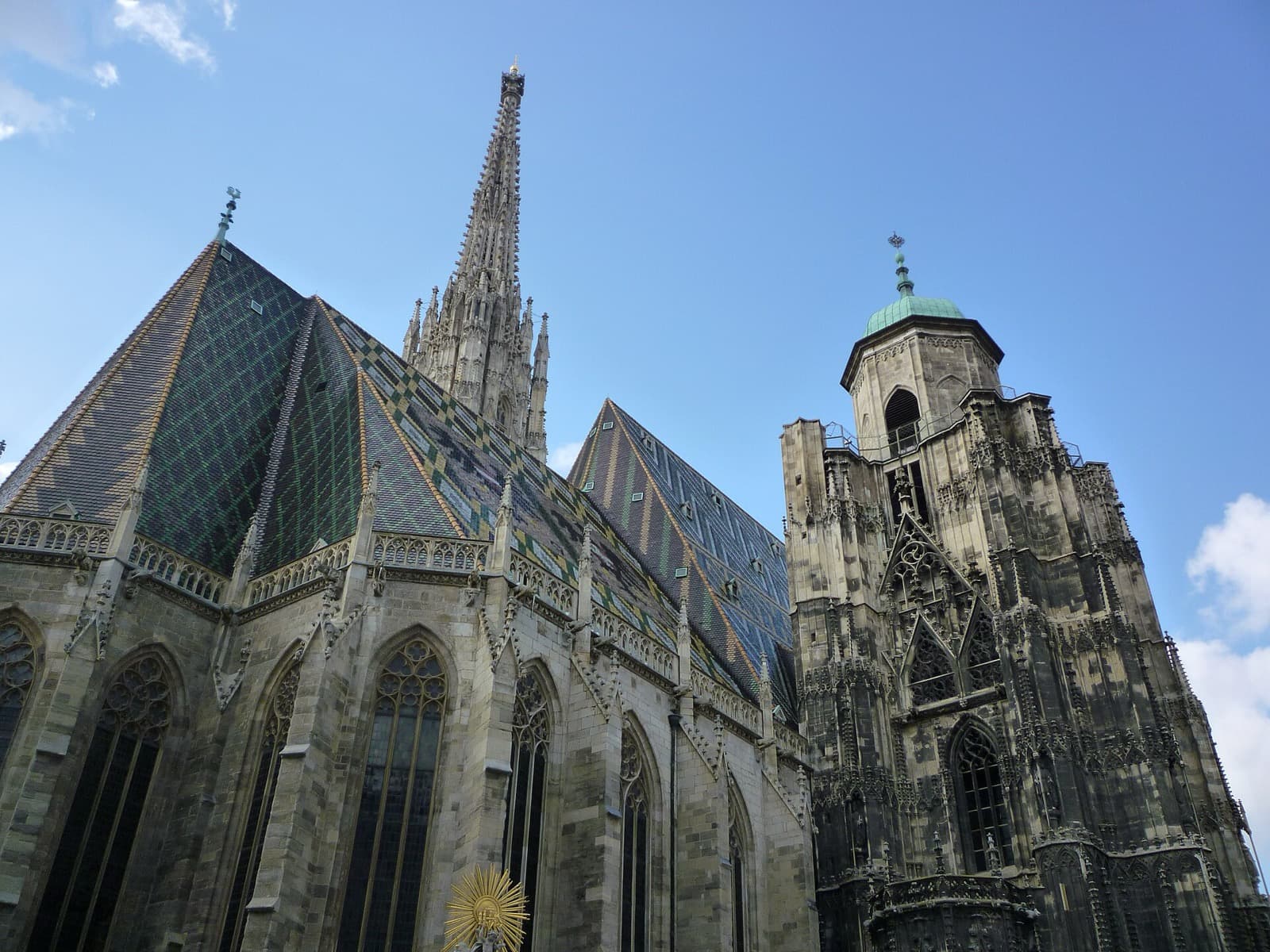
St. Stephen's Cathedral: Reading Vienna's Steffl From Roof to Catacombs