The Quarter the Fire Spared
140 min · 4.2 km · challenging
In Thessaloniki, eat bougatsa for breakfast, koulouri as you walk, mussels and small meze plates in the afternoon, gyros or soutzoukakia at lunch, and a syrup-soaked trigono for dessert. This is Greece's food capital, and its plates carry a specific history: waves of newcomers, from Sephardic Jews after 1492 to Orthodox refugees from Asia Minor in 1922, layered their kitchens onto a Byzantine and Ottoman port. Learning what to order, and where the tradition comes from, turns a walk through the old town into a slow, edible read of the city. The dishes below are the ones locals actually eat, with notes on how to order them without looking like you just got off the ferry.
Once you know the plates, the walking makes more sense. The same market halls and squares where you eat sit inside the routes covered by Thessaloniki walking tours, and you can browse all of them from the /greece/thessaloniki city page.
Start the morning with bougatsa
Bougatsa is the Thessaloniki breakfast: paper-thin phyllo baked into a slab, then cut into squares in front of you with a flat blade. The sweet version holds a warm semolina custard, dusted with icing sugar and cinnamon. Savory versions come filled with cheese, minced meat, or spinach. Order it by the piece, ask for it warm ("zesti"), and eat it standing at a marble counter. The bougatsa tradition spread through Greece in the early 1920s with refugees arriving from Asia Minor and Cappadocia, which is why the city treats it less as a snack and more as a civic ritual. Pair it with a Greek coffee and you have the standard local start to the day.
Grab a koulouri as you walk
Hear a stop from this walk
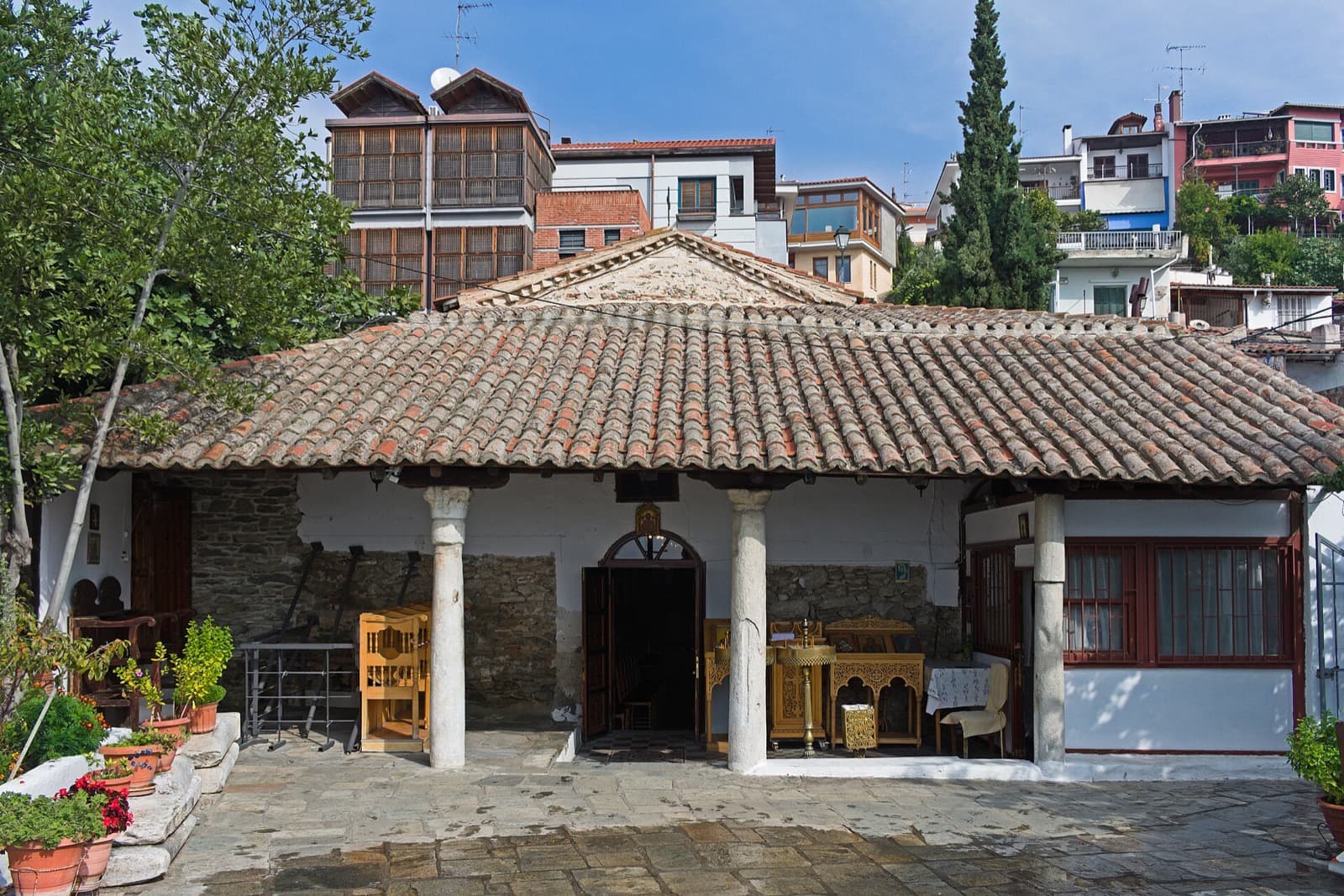
The Timber Houses and Lanes: The Fabric the Fire Spared
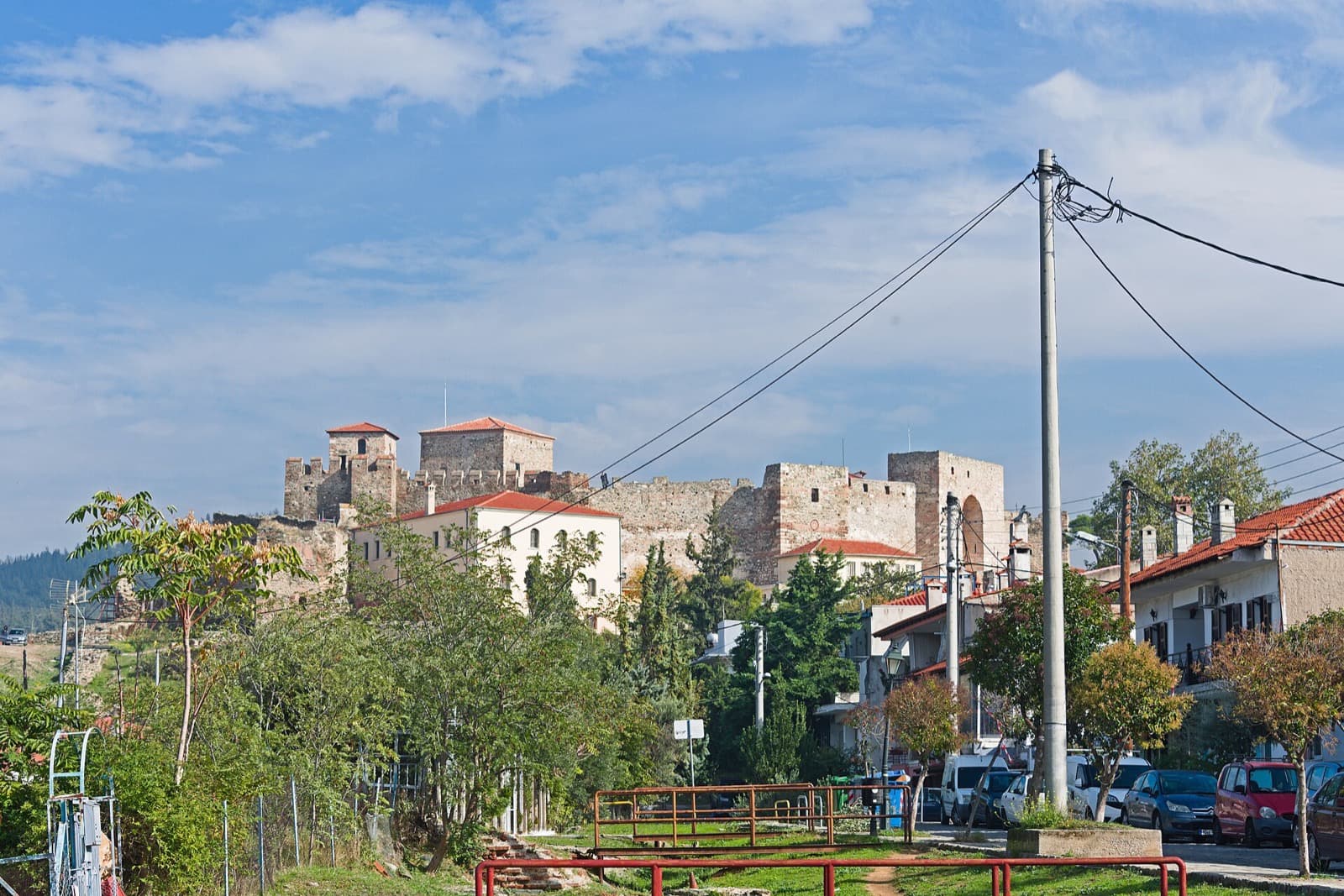
The koulouri is the sesame-crusted bread ring you will see stacked on carts and in bakery windows across the center. It is crisp on the outside, chewy inside, cheap, and meant to be eaten on the move. Vendors sell it plain, and it is the honest street snack of the city rather than a tourist product. Its lineage runs back to Byzantine baking, when the round bread was tied to both Constantinople and Thessaloniki, and it was carried on by generations of city bakers. Buy one before you climb toward the upper town: it is the ideal thing to eat one-handed on the Thessaloniki walking tours that head up into Ano Poli.
Sit down for meze with tsipouro or ouzo
The heart of Thessaloniki eating is the meze table: many small shared plates, ordered a few at a time, over a long unhurried session. You do this at a mezedopoleio (a meze house), an ouzeri (which pours the anise spirit ouzo), or a tsipouradiko (which pours tsipouro, a stronger un-aged grape spirit). The rhythm is the point. Order two or three plates, drink slowly, then order more. Much of this small-plate culture grew after 1922, when Orthodox refugees from Asia Minor and the Black Sea resettled in the city and brought cumin, cinnamon, and a whole vocabulary of shared dishes. Classic orders include bouyiourdi (feta baked hot with tomato and peppers, scooped up with bread), grilled octopus, and, in season, the city's famous mussels: steamed, fried, done saganaki with cheese and tomato, or served as mussel pilaf. Thessaloniki has been a UNESCO Creative City of Gastronomy since 2021, the first and only one in Greece, and the meze table is where that reputation lives.
Order soutzoukakia and gyros for a real lunch
For something more filling, soutzoukakia are the local signature: cumin-and-spice-scented meat rolls, usually simmered in tomato sauce. The dish came to Thessaloniki with Greek refugees from Asia Minor, above all from Smyrna, and the spicing (cumin especially) is the refugee fingerprint on the plate. For fast food done well, this city takes gyros and souvlaki seriously. Gyros here is often served as a plate of crisped pork with onion, while souvlaki comes wrapped in pita with thick-cut fries and tzatziki. If you want the local hangover cure rather than lunch, patsas is a pungent tripe soup eaten late or early, and it is treated as medicine as much as food.
The Sephardic layer, and why it matters
Before 1943, Thessaloniki held one of the great Sephardic Jewish communities of the world, present since Jews expelled from Spain in 1492 settled here. That community shaped the local kitchen in ways that outlasted it. Sephardic cooking here leaned on eggplant, avoided garlic in many savory recipes, and rarely used butter because of dietary law, favoring oil instead. Food historians credit Sephardic cooks with helping bring the eggplant into Greek kitchens, where it eventually anchored dishes like moussaka. You will not find a large surviving Sephardic restaurant scene, because the community was almost entirely deported and murdered during the German occupation. But the ingredients and techniques are folded into what the city now eats, which is part of why the Thessaloniki walking tours through the old Jewish quarter and its market pair naturally with a meal.
Finish with trigona and loukoumades
For dessert, order trigona Panoramatos: crisp phyllo cones soaked in syrup and filled with cold vanilla custard. They are named for Panorama, the hillside suburb above the city where the pastry was popularized in the mid-twentieth century, most famously by the Elenidis pastry business, which reshaped an earlier cream-filled sweet into the syrup-soaked triangular form eaten today. The name tells you the origin: the suburb is the dessert's surname. The other essential sweet is loukoumades, small yeast-dough fritters fried and drenched in honey, sometimes now dressed with chocolate or pistachio, though the plain honey version remains the classic.
Where to eat it: the market halls
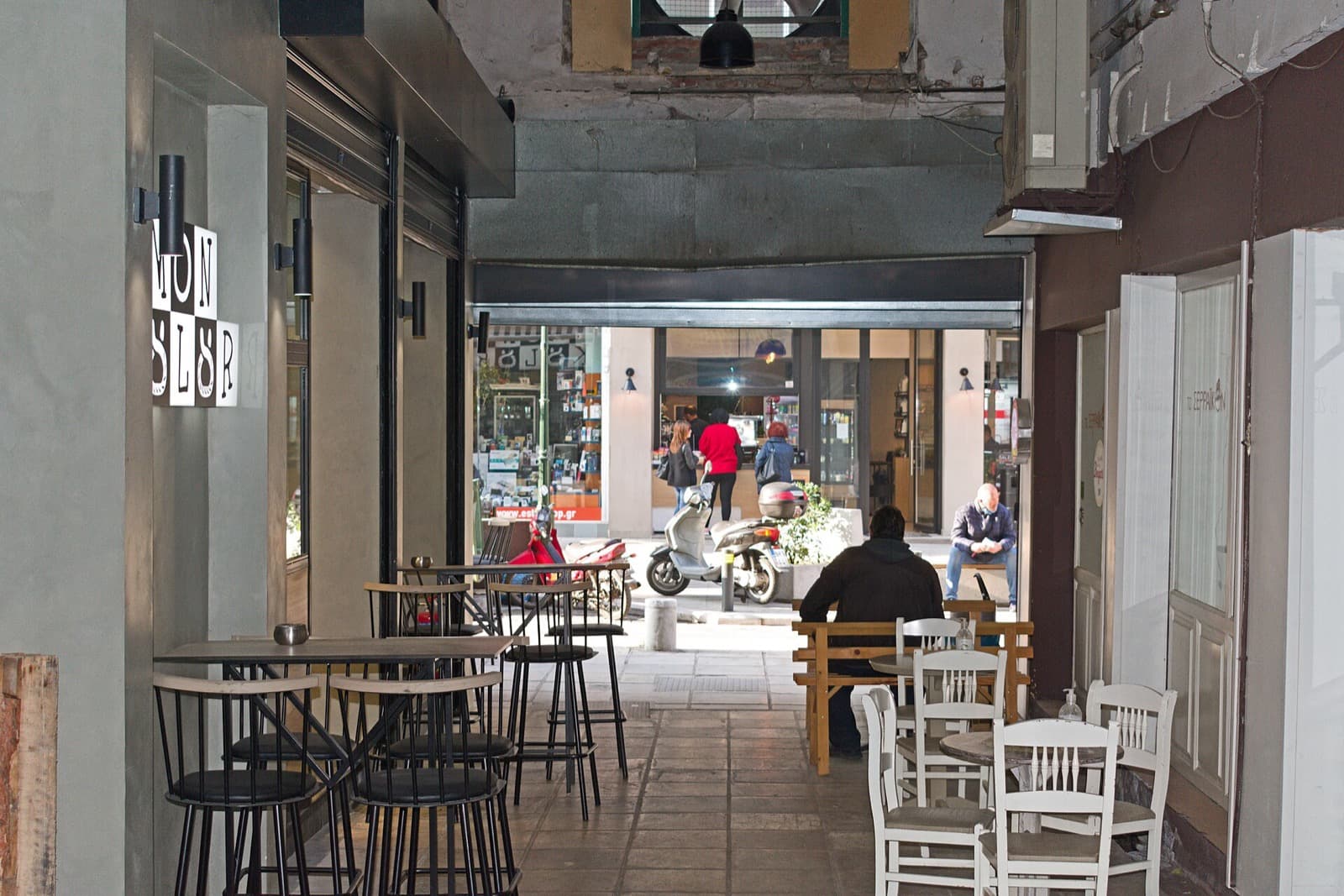
The most concentrated place to graze is around the covered markets in the center. Modiano Market, a historic covered hall, reopened in December 2022 after a multi-year restoration and now runs as a food hall of stalls and restaurants. As of 2026 the reopened market operates seven days a week, roughly from morning until the early hours, with stalls setting their own individual hours, so check the current schedule before you go. The Ladadika quarter nearby, once the oil-merchants' district, is now dense with tavernas and meze houses. Both sit on the /greece/thessaloniki tour routes, so you can eat and walk in the same afternoon. As with any busy city center, keep an eye on your bag in crowded market lanes, but Thessaloniki is a comfortable, walkable place to eat your way through.
Sources
Frequently asked questions
- What food is Thessaloniki famous for?
- Thessaloniki is best known for bougatsa (custard or cheese phyllo pastry), koulouri (a sesame bread ring), soutzoukakia (cumin-spiced meat rolls), fresh mussels prepared several ways, and trigona Panoramatos (syrup-soaked phyllo cones filled with custard). It has been a UNESCO Creative City of Gastronomy since 2021, the first and only one in Greece.
- What is bougatsa and when do people eat it?
- Bougatsa is a phyllo pastry baked in a slab and cut into squares, filled with sweet semolina custard or with cheese, meat, or spinach. It is a breakfast food in Thessaloniki, eaten warm at a counter with coffee. The pastry spread through Greece in the early 1920s with refugees from Asia Minor and Cappadocia.
- What are trigona Panoramatos?
- Trigona Panoramatos are crisp phyllo cones soaked in syrup and filled with cold vanilla custard. They are named after Panorama, a hillside suburb of Thessaloniki where the pastry was popularized in the mid-twentieth century, notably by the Elenidis pastry business. The suburb's name is effectively the dessert's surname.
- Is Modiano Market open and worth visiting for food?
- Yes. Modiano Market is a historic covered hall that reopened in December 2022 after a multi-year restoration and now operates as a food hall with stalls and restaurants. As of 2026 the reopened market runs seven days a week, roughly 08:00 to 02:00 on weekdays and late into the night on weekends, though individual stalls set their own hours, so check current times before you go.
- How did refugees and the Sephardic community shape Thessaloniki's food?
- Orthodox Christian refugees arriving from Asia Minor and the Black Sea in 1922 brought cumin, cinnamon, soutzoukakia, and the shared small-plate meze tradition. The Sephardic Jewish community, present since 1492, is credited with helping introduce eggplant to Greek kitchens and favored oil over butter with little garlic in savory dishes. Both left lasting marks on what the city eats today.
- What is the difference between an ouzeri and a tsipouradiko?
- Both are places built around shared meze plates and a specific spirit. An ouzeri serves ouzo, an anise-flavored spirit usually drunk with water. A tsipouradiko serves tsipouro, a stronger un-aged grape spirit. In both, you order a few small plates at a time over a long, unhurried session.
Ready to experience it?
The Quarter the Fire Spared
140 min · 4.2 km · challenging
More from Thessaloniki
Explore more at your own pace.
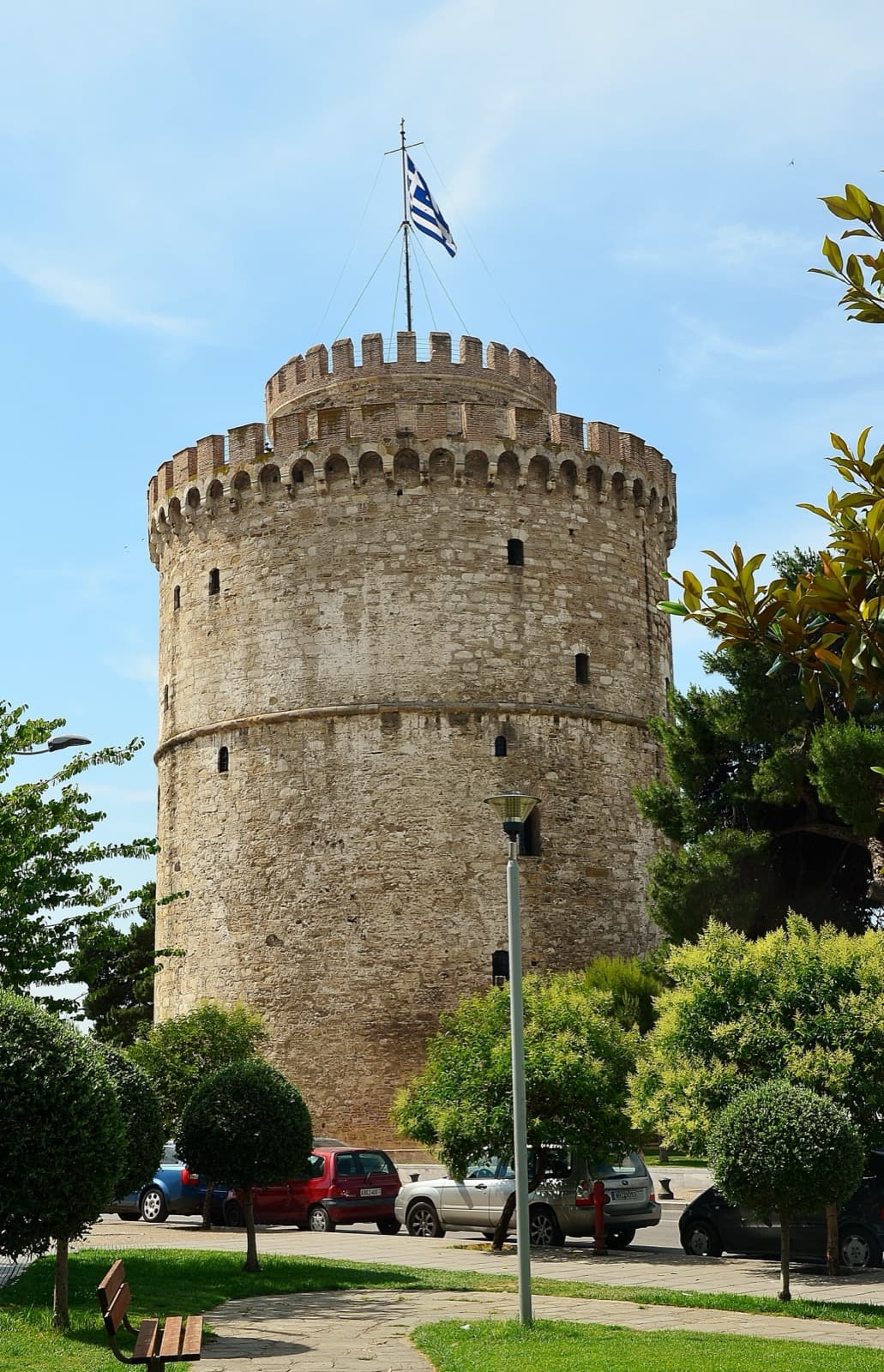
One Day in Thessaloniki: A Walkable Morning-to-Evening Itinerary
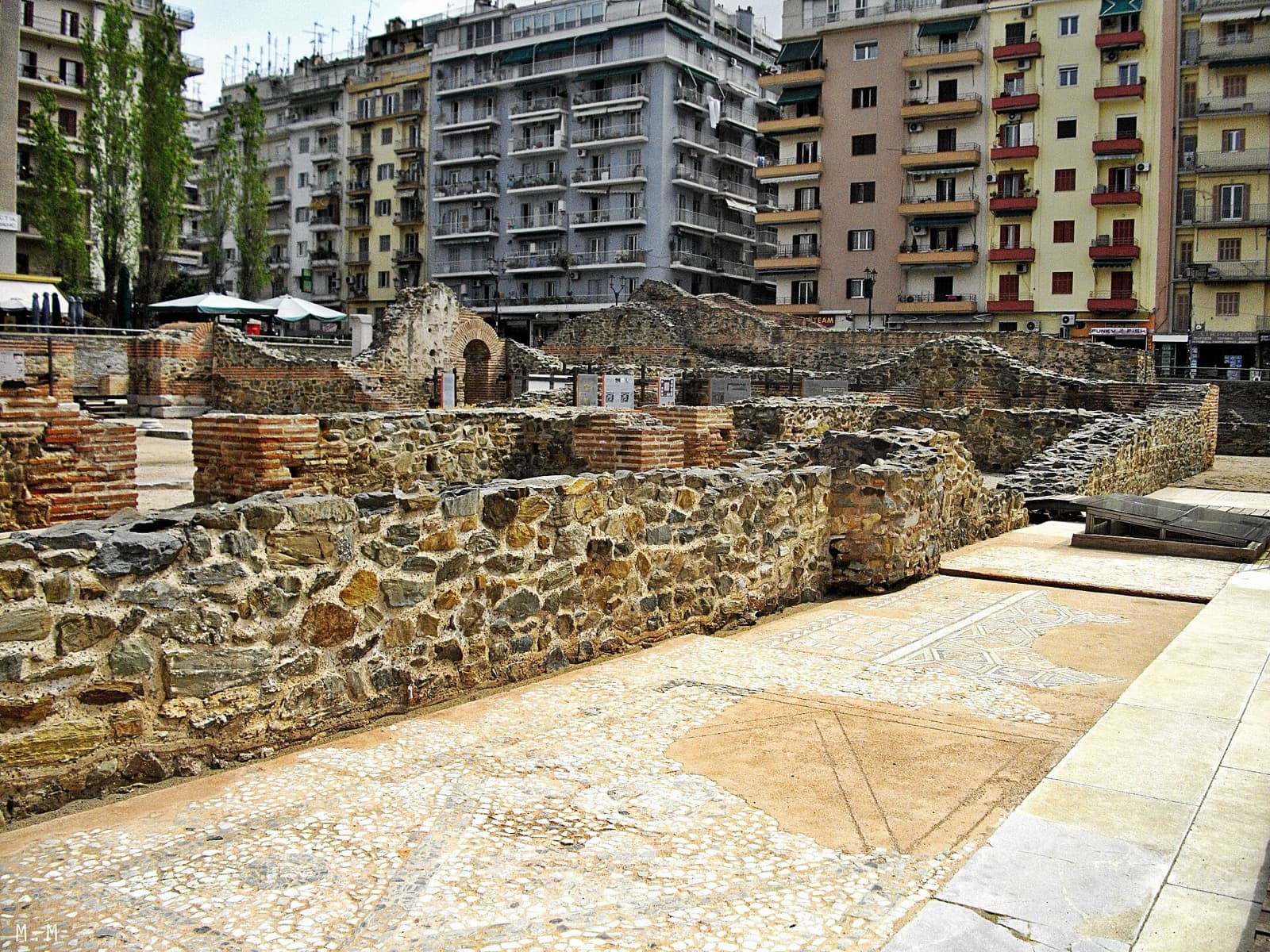
Thessaloniki: The City Read in Layers
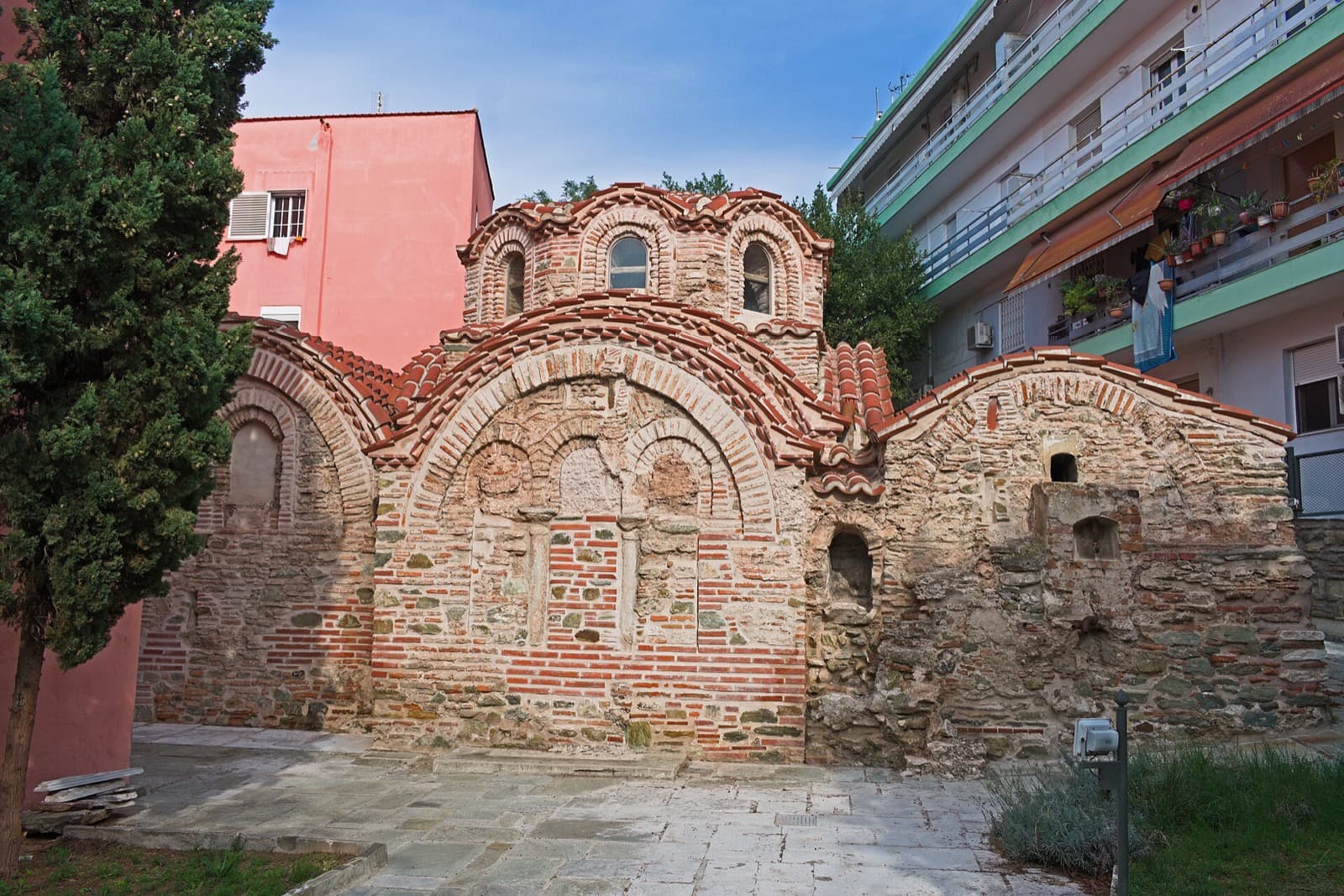
The Ano Poli Timber Houses: How the Poorest Quarter Kept the Oldest City
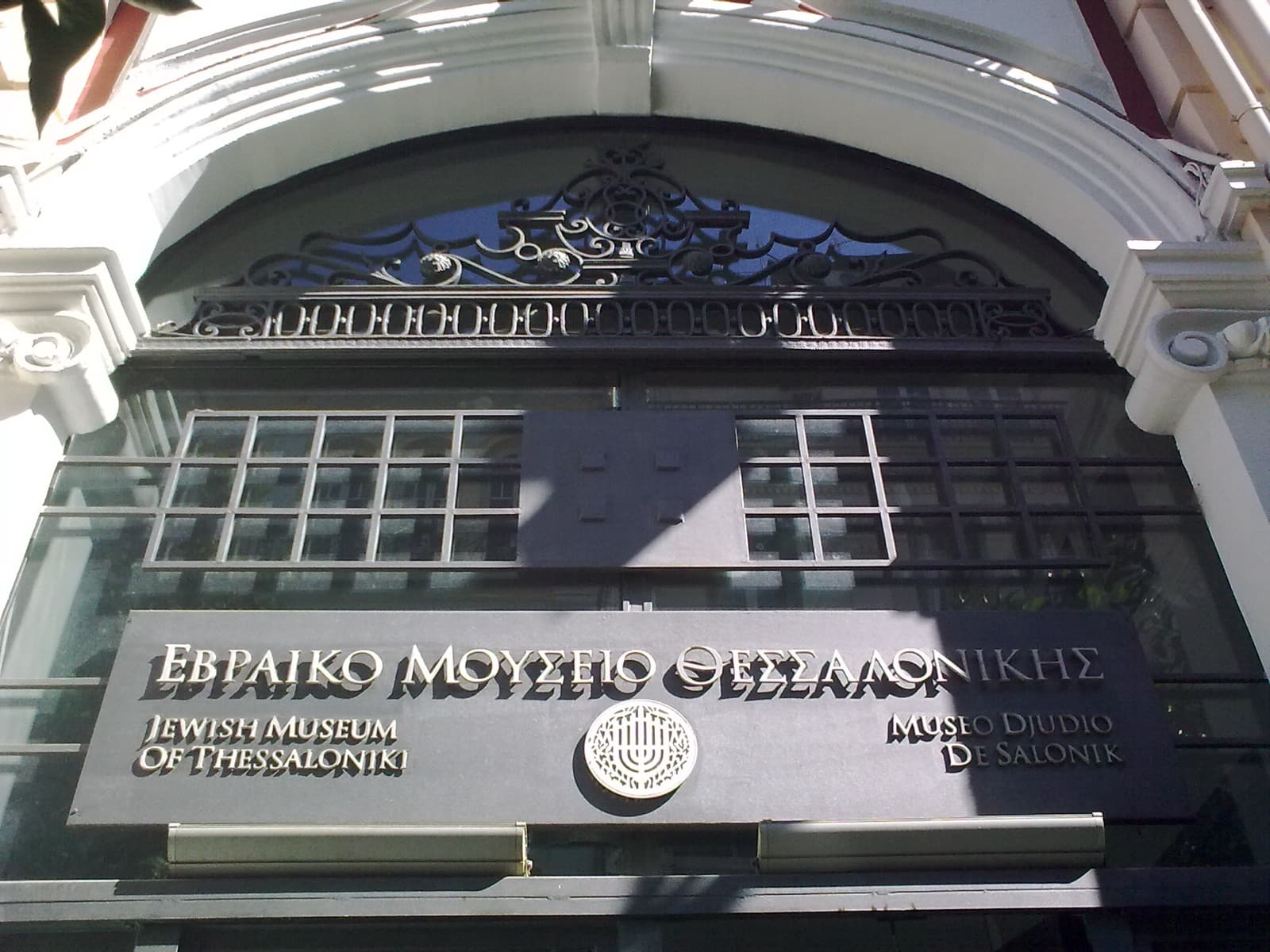
The Jewish Museum of Thessaloniki: Reading a Vanished City
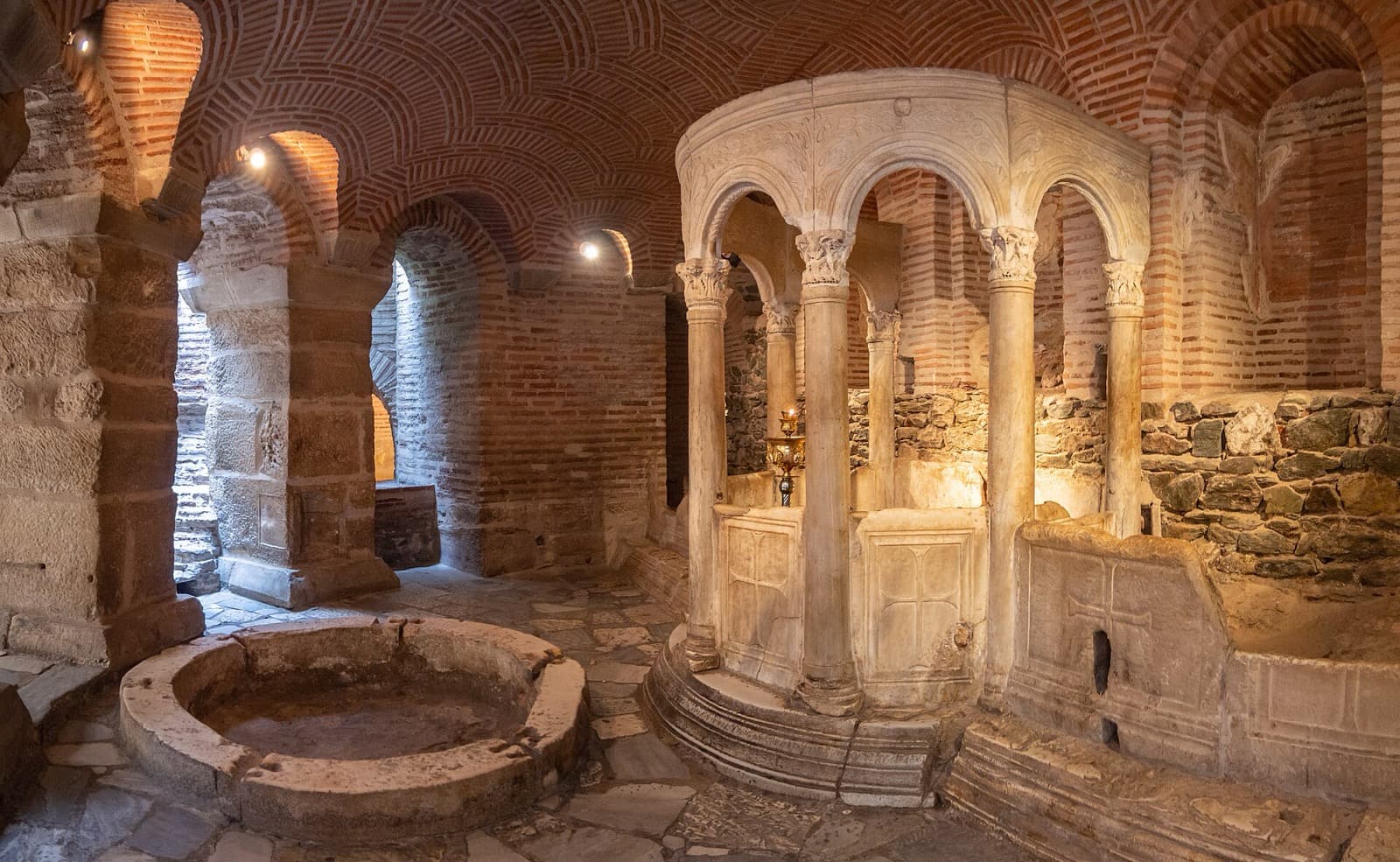
Agios Dimitrios: The Basilica That Holds Thessaloniki's Whole Memory