The Quarter the Fire Spared
140 min · 4.2 km · challenging
Plan two to three days in Thessaloniki, walk almost everything on foot, and time your trip for spring or autumn if you can. Greece's second city packs Roman, Byzantine, Ottoman, and modern Greek layers into a compact, mostly flat center along the seafront, so a walkable base near Aristotelous Square or the White Tower puts you within reach of nearly every major site. The logistics are simple, the costs are modest, and the safety picture is calm as long as you watch your pockets in crowds. Here is how to plan it.
How many days do you need?
Two full days cover the essentials without rushing. Thessaloniki's historic core is small and dense: the Roman and early-Christian monuments, the Ottoman-era baths and markets, and the seafront promenade all sit within a walkable band. Give day one to the central axis (the Rotunda, the Arch of Galerius, Agia Sophia, Agios Dimitrios, and the Roman Forum) and day two to the Upper Town (Ano Poli) and the Jewish and waterfront story that runs from Ladadika to the White Tower.
Add a third day if you want to slow down, sit longer in the tavernas and cafe culture the city is known for, or take a half-day trip out of town. If your time is tight, a single well-planned day still lets you see the headline monuments, since so many of them cluster together.
Each of our three self-guided audio walks is built around one of these threads, so you can stack them across your days: the Rotunda and Galerius route reads the city like a core sample through its central Roman and Byzantine stops, the Ano Poli walk climbs the one large district the great fire of 1917 never reached, and the Ladadika and Jewish heritage walk traces the Sephardic world that once made this a majority-Jewish city. Browse all of them on the Thessaloniki walking tours page.
How do you get around?
Hear a stop from this walk
The Timber Houses and Lanes: The Fabric the Fire Spared
Walk. This is the honest answer for most visitors. The center is compact and largely level along the coast, and the density of sights means you will cover ground on foot faster than any other mode. The one real climb is up to Ano Poli, the Upper Town, where the lanes are stepped and cobbled, so let the hill set your pace and wear proper shoes.
For longer hops, the city runs a bus network and, since late 2024, a driverless metro. Thessaloniki Metro Line 1 opened on November 30, 2024, running underground through the center with archaeological finds displayed inside some stations. A further extension toward Kalamaria was targeted for 2026. Metro fares are inexpensive, in the range of under one euro per ride, and the system uses electronic card tickets and fare gates.
From the airport (SKG), the simplest public option is the express bus. The airport's official lines are labeled 1X by day and 1N at night (often written 01X and 01N), connecting the airport with the city center, the railway station, and the main intercity bus station. The daytime bus runs at regular intervals from early morning to late evening, reaches the center in about 40 minutes, and costs about 2 euros, with tickets sold onboard at machines that do not give change, so carry small coins. A taxi from the airport typically runs around 25 to 40 euros depending on time of day. Note that the metro does not run directly to the airport; you reach the airport by bus or taxi.
When is the best time to visit?
Spring (April and May) and autumn (September and October) are the sweet spots. You get warm, settled weather, thinner crowds than high summer, and more moderate prices on flights and hotels. Spring warms quickly, with daytime highs climbing from the high teens in April into the twenties Celsius by May, and rain uncommon. Early autumn still feels like summer, warm enough to swim into mid-September before easing into pleasant mild days.
Summer (June to August) is hot and humid, with July highs pushing into the low thirties Celsius, plus peak crowds and the highest accommodation prices. It is fine if you want beach trips and open-air festivals, but the midday heat makes long walks tiring, so start early and rest in the afternoon. Winter is chilly and quieter, good for museums and cafe culture if you do not mind cooler days.
Is Thessaloniki safe?
Yes, broadly. Thessaloniki is generally a low-risk city for travelers, with violent crime rare in the tourist areas and a relaxed feel for solo visitors, including solo women, especially during the day. The realistic concern is petty theft, not danger.
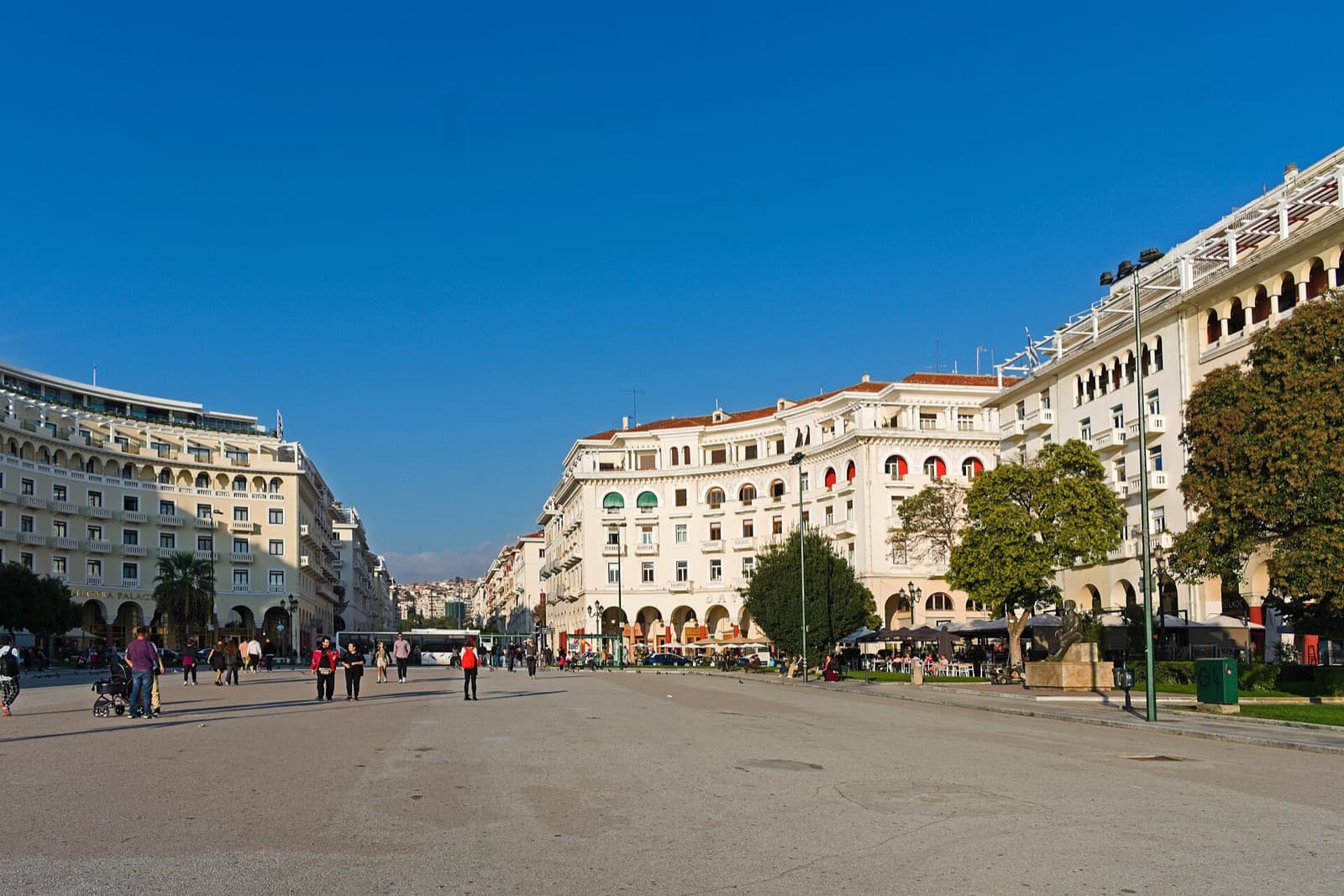
Pickpocketing does happen in crowds: around Aristotelous Square, in the markets, on public buses, and near the major landmarks. Keep your bag zipped and in front of you in tight spaces, and stay a little more alert around transport hubs late at night and in nightlife districts where overcharging can occur. Take licensed taxis and confirm the meter is running. With that basic awareness, most visitors move through the city comfortably, including after dark on the well-lit central streets.
What does a trip cost?
Thessaloniki is affordable by Western European standards. Public transport is cheap: airport bus tickets around 2 euros, metro rides under a euro. Many of the city's greatest monuments are free to enter, including several UNESCO-listed Byzantine churches that are active places of worship, so a walking-based visit keeps costs low.
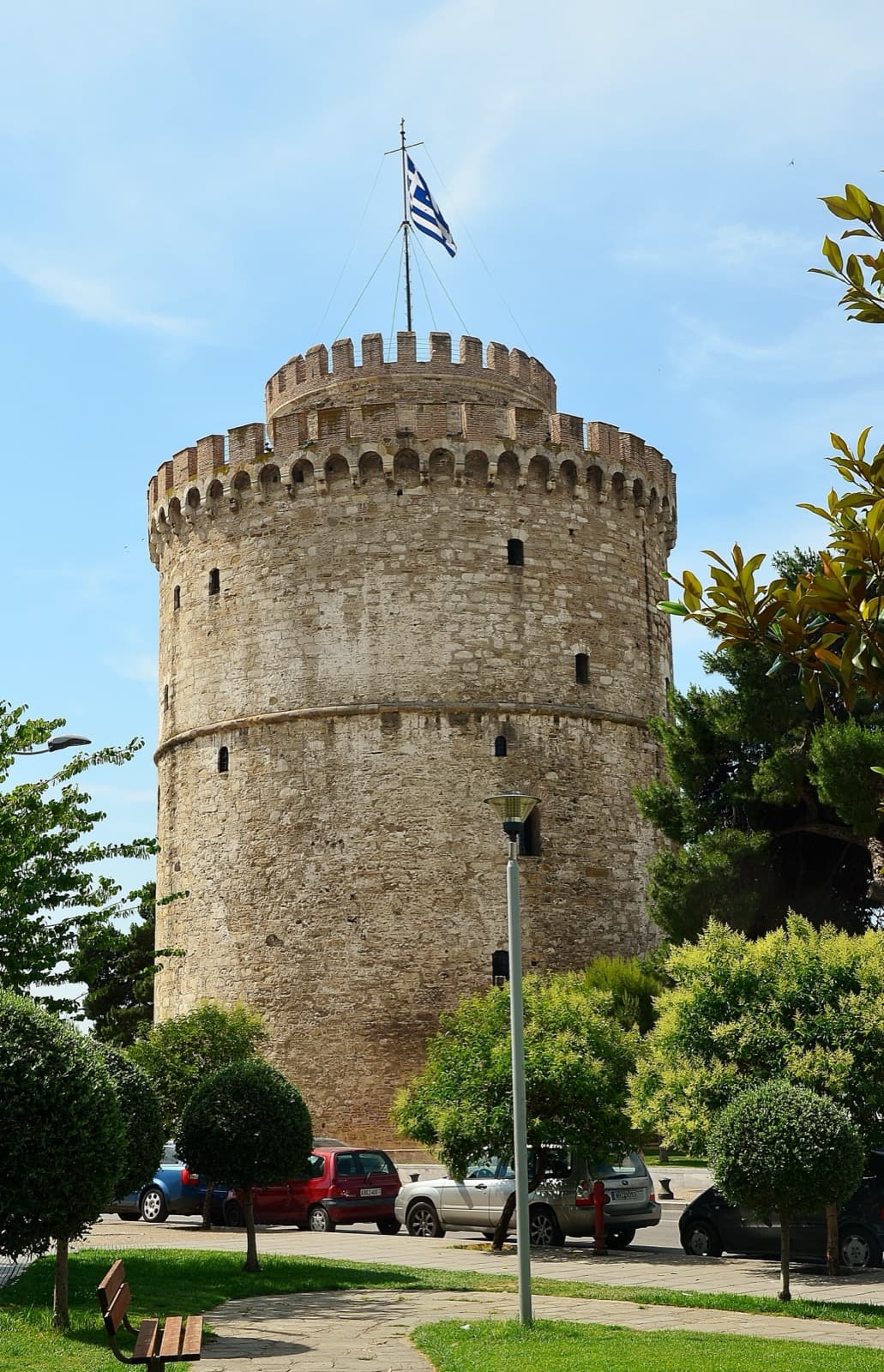
Where you will pay is the ticketed sites. The White Tower, the city's signature landmark and now a museum of its history, charges 6 euros for general summer admission and 3 euros reduced, with free-entry days at certain points in the year and free admission for EU citizens up to 25. Expect a similar modest fee (around 6 euros, sometimes with reduced and free days) at the Rotunda and the Galerius palace archaeological site, and a few euros at the Jewish Museum of Thessaloniki. If a specific price or opening time matters to your plan, check the official site before you go, since fees and hours shift seasonally. Food, coffee, and a hotel round out the budget, and the city's taverna and cafe scene rewards eating where locals do rather than on the tourist strip.
A simple two-day plan
Day one, walk the central axis: start at the Rotunda and the Arch of Galerius, drop down to the Palace of Galerius, then thread through Agia Sophia, Panagia Acheiropoietos, Bey Hamam, the Roman Forum, and finish at Agios Dimitrios, the city's great basilica with its crypt. Most of this is free and level.
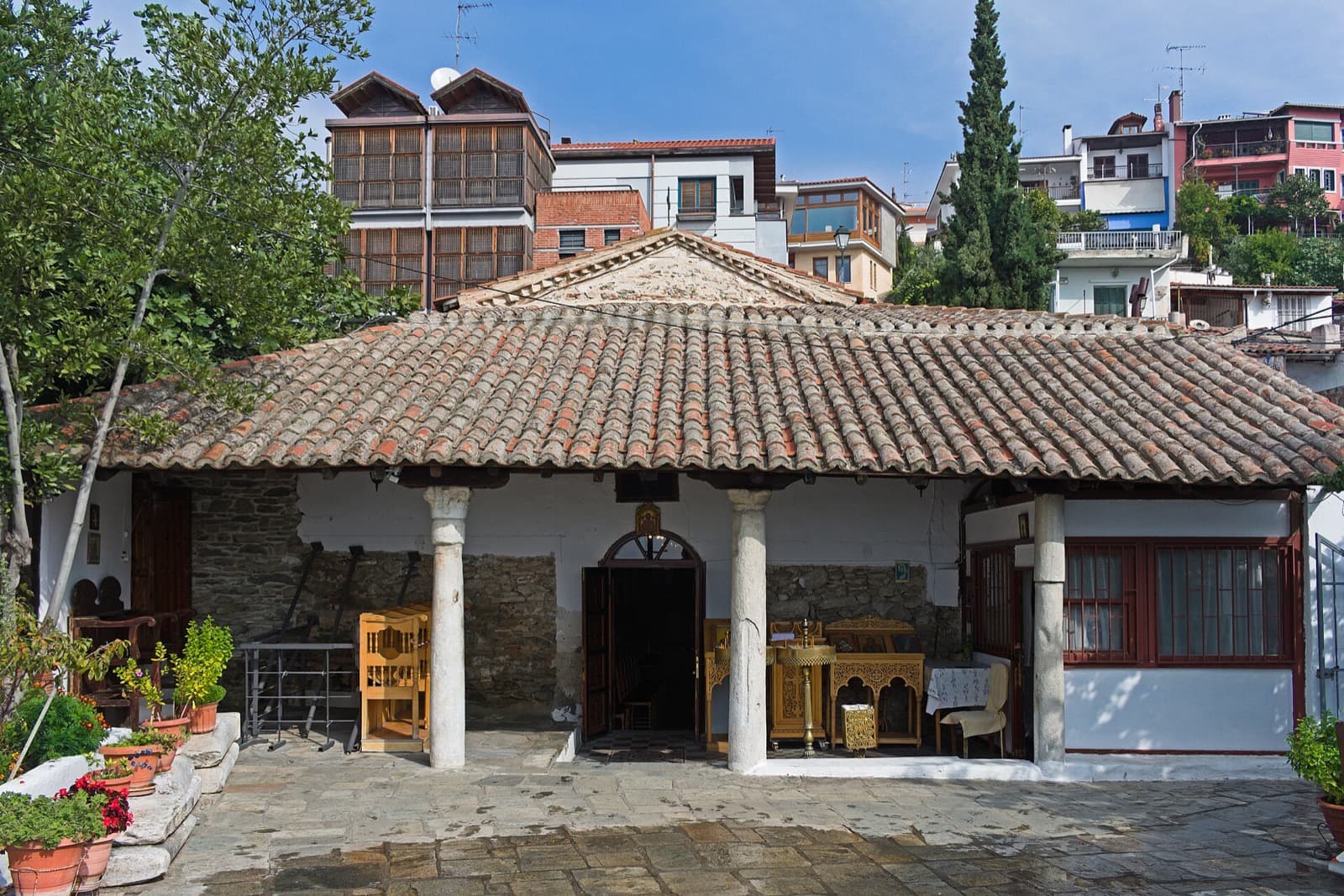
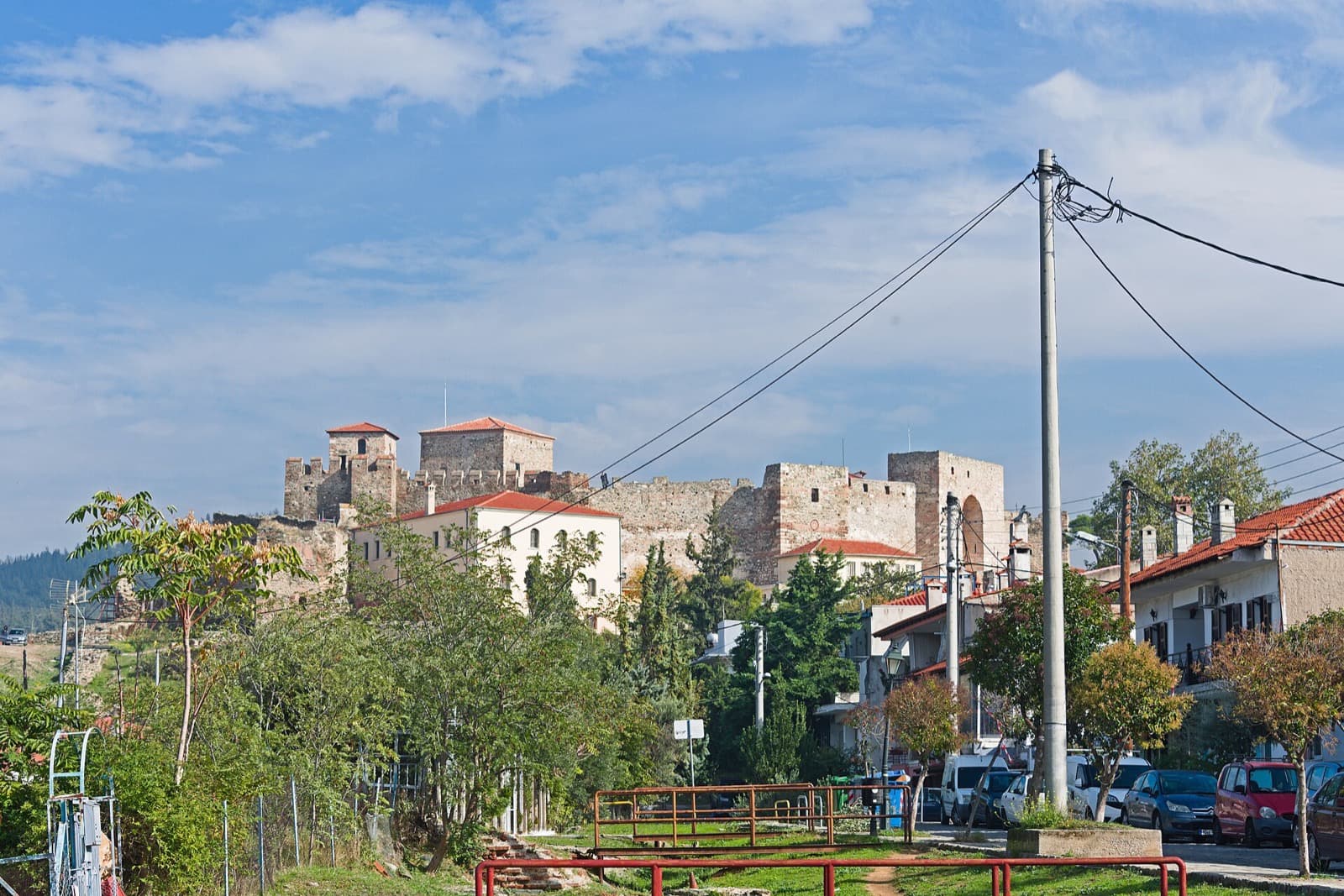
Day two, split it in two: morning up in Ano Poli for the Byzantine walls, the Trigonion Tower views, Vlatades Monastery, and the small painted churches the fire spared, then afternoon down through Ladadika and Modiano Market to the Jewish heritage sites, Eleftherias Square, Aristotelous Square, and the seafront finish at the White Tower. Our audio walks are built to follow exactly these arcs, hands-free, at your own pace.
Sources
- Thessaloniki Airport (SKG) official transport page: airport bus lines 1X / 1N
- Thessaloniki Metro (Wikipedia): Line 1 opened 30 November 2024, Line 2 / Kalamaria extension timeline
- White Tower of Thessaloniki: 2026 tickets (6 euro summer / 3 euro reduced), opening hours, free-entry days
- Weather Atlas: Thessaloniki seasonal weather, July and spring temperatures, crowds, and prices
- Thessaloniki safety overview 2026: petty theft, pickpocketing hotspots, solo travel
Frequently asked questions
- How many days do you need in Thessaloniki?
- Two full days cover the essential Roman, Byzantine, Ottoman, and seafront sights because the historic center is compact and mostly flat. Add a third day to slow down, enjoy the taverna and cafe culture, or take a half-day trip. A single well-planned day still reaches the headline monuments since many cluster together.
- How do you get from Thessaloniki airport to the city center?
- The official airport express bus is line 1X by day and 1N at night (often written 01X and 01N), reaching the center in about 40 minutes for roughly 2 euros, with tickets sold onboard at machines that do not give change. A taxi runs about 25 to 40 euros depending on the time of day. The metro does not run directly to the airport.
- Does Thessaloniki have a metro?
- Yes. Thessaloniki Metro Line 1 opened on November 30, 2024, running a driverless underground line through the center, with archaeological finds displayed in some stations. A Line 2 extension toward Kalamaria was targeted for 2026. Fares are inexpensive, in the range of under one euro per ride, using electronic card tickets and fare gates.
- When is the best time to visit Thessaloniki?
- Spring (April and May) and autumn (September and October) offer warm, settled weather, thinner crowds than high summer, and lower prices. Spring highs climb from the high teens into the twenties Celsius across April and May. Summer is hot and humid with July highs in the low thirties Celsius, peak crowds, and the highest accommodation prices. Winter is chilly and quiet, better suited to museums and cafes.
- Is Thessaloniki safe for tourists?
- Thessaloniki is generally a low-risk city, with violent crime rare in tourist areas and a relaxed feel for solo travelers, including solo women during the day. The main concern is petty theft: pickpocketing occurs around Aristotelous Square, in crowded markets, on public buses, and near major landmarks. Stay a bit more alert around transport hubs late at night and use licensed taxis.
- How much does the White Tower cost to visit?
- The White Tower charges 6 euros for general admission in summer and 3 euros reduced, and it operates as a museum of the city's history across several floors. EU citizens up to age 25 enter free, and there are specific free-entry days during the year. Check the official site before visiting, since hours and the seasonal rate change between summer and winter.
Ready to experience it?
The Quarter the Fire Spared
140 min · 4.2 km · challenging
More from Thessaloniki
Explore more at your own pace.
One Day in Thessaloniki: A Walkable Morning-to-Evening Itinerary
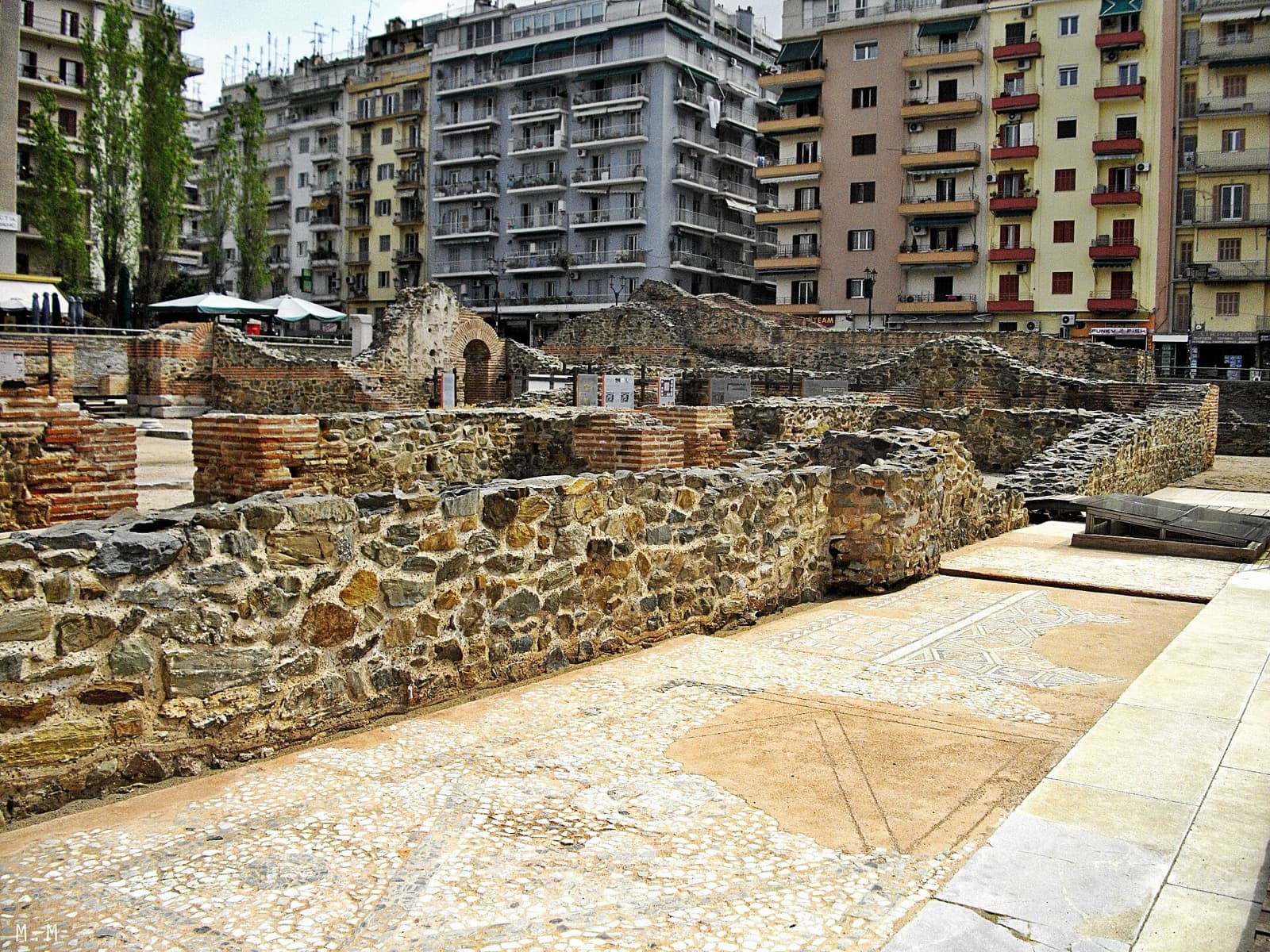
Thessaloniki: The City Read in Layers
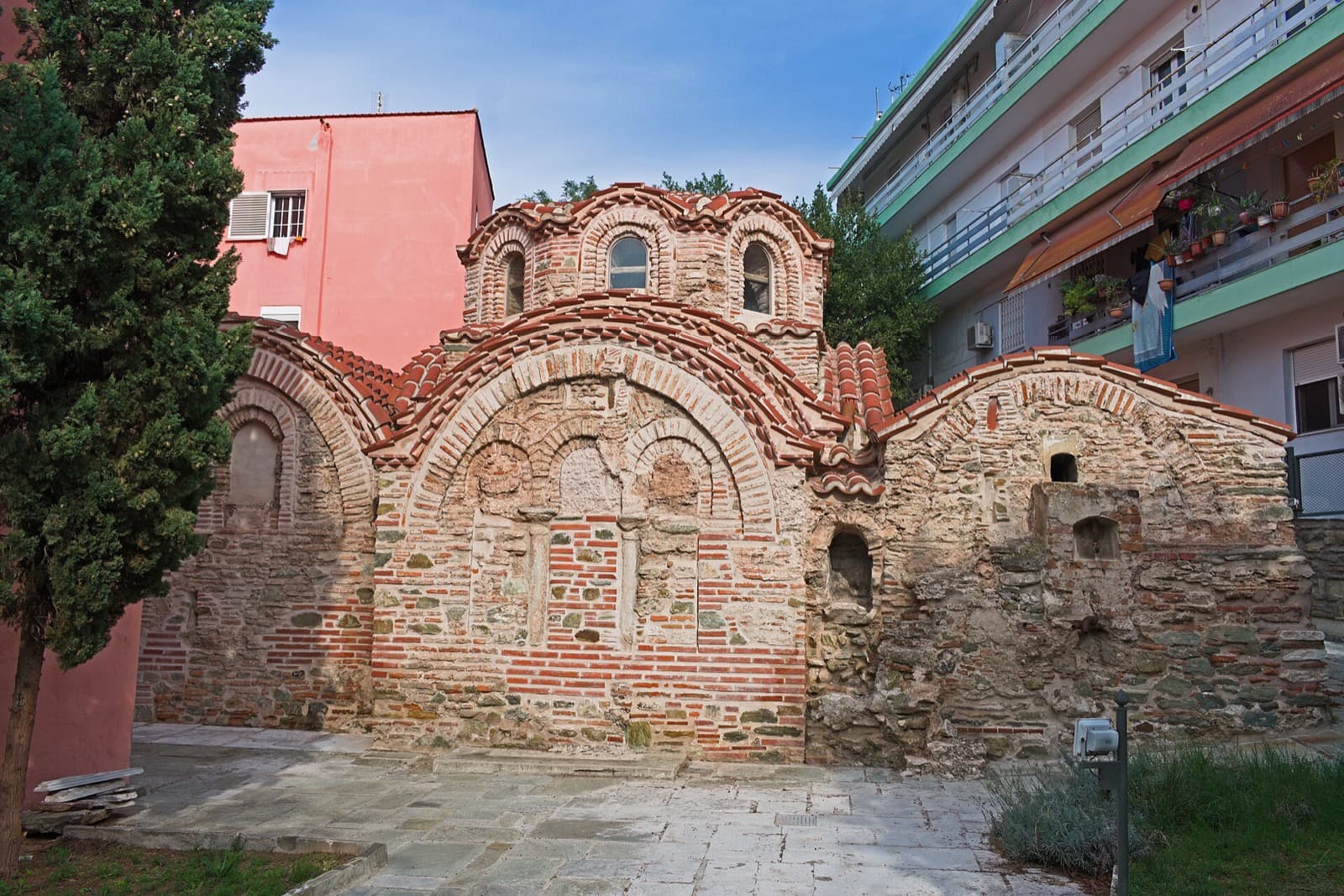
The Ano Poli Timber Houses: How the Poorest Quarter Kept the Oldest City
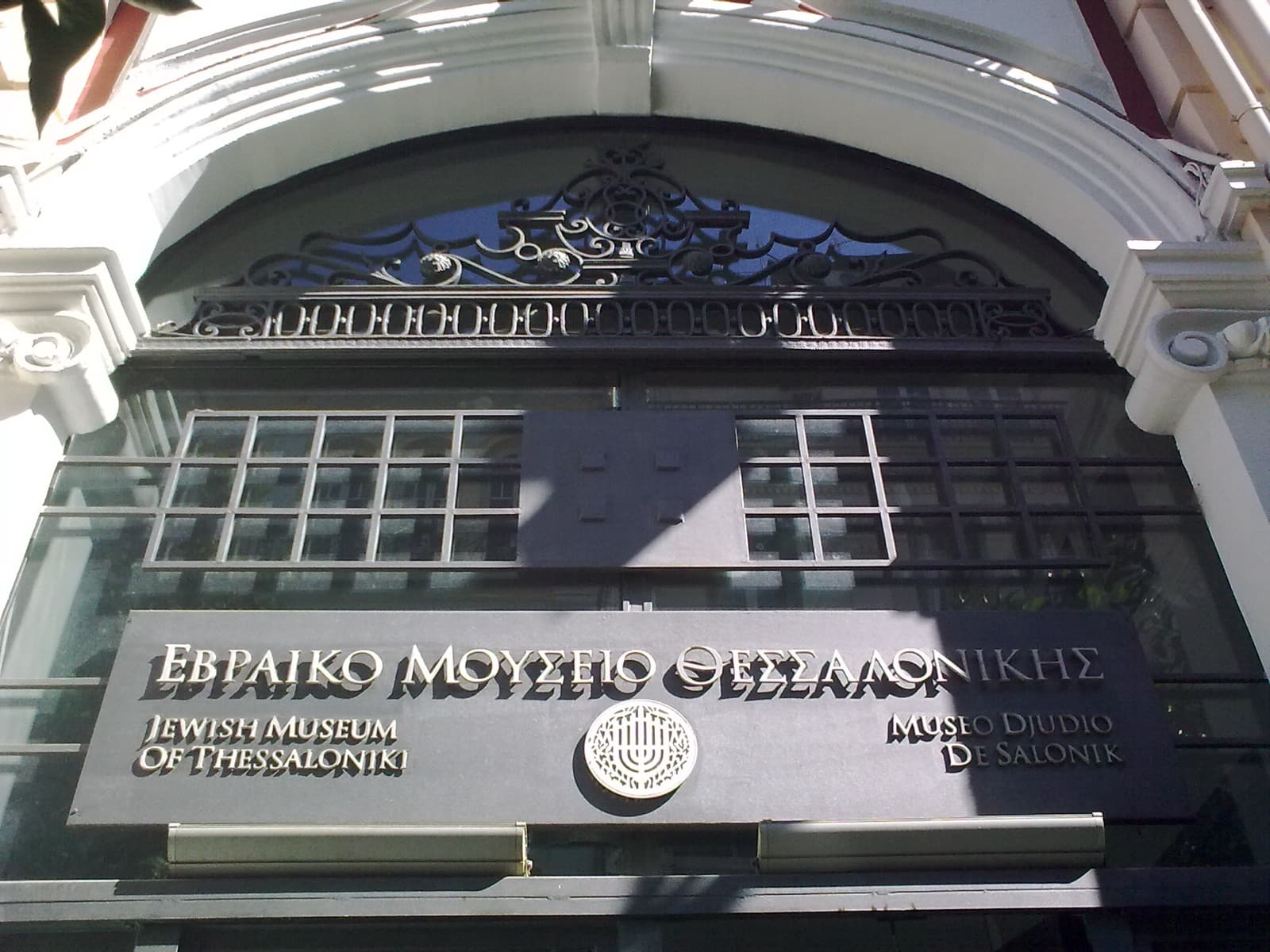
The Jewish Museum of Thessaloniki: Reading a Vanished City
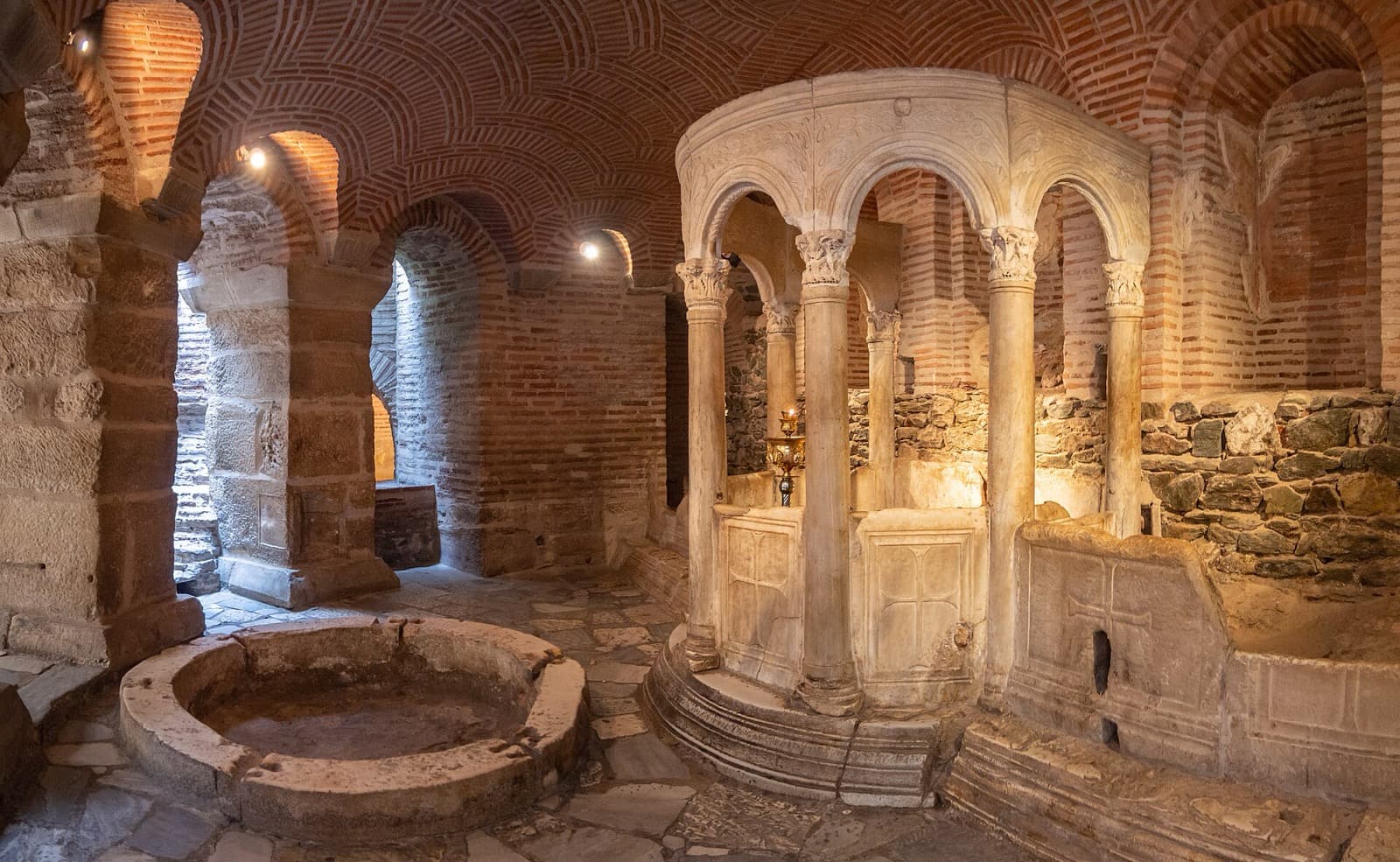
Agios Dimitrios: The Basilica That Holds Thessaloniki's Whole Memory