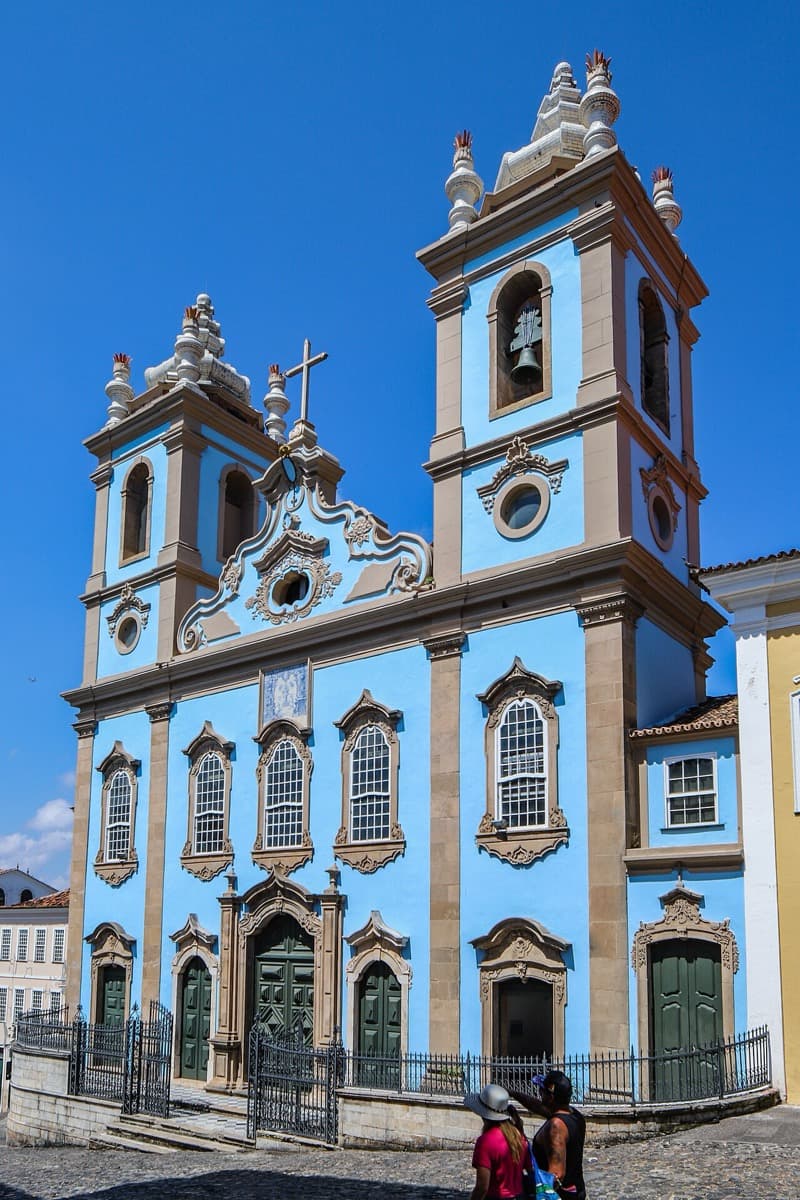
Pelourinho: Brazil's First Capital
85 min · 2.4 km · moderate
Bahian food is Afro-Brazilian food. It is the one cuisine in Brazil where the West African root is not a distant influence but the whole foundation: carried across the Atlantic by enslaved people, kept alive and elaborated in Salvador, and married to Portuguese and native Brazilian ingredients over centuries. The result is unlike anything else in the country, built on red dende palm oil, coconut milk, dried shrimp, and hot peppers, and tied at its root to the Candomble religion, where several of these dishes are offerings to the orixa deities. Eat well in Salvador and you are eating the history, and the street corner matters as much as the restaurant. This guide covers the dishes worth seeking out and where the food culture actually lives, and it pairs naturally with a slow walk on one of our Salvador self-guided tours.
The dishes to seek out
Acaraje. Salvador most iconic food and the one you must not miss: a ball of mashed black-eyed peas deep-fried in dende palm oil until crisp outside and soft within, then split and stuffed with vatapa, caruru, dried shrimp, salad, and pepper sauce. It is sold from streetside stands by the baianas de acaraje, Bahian women in white lace dress whose trade goes back to the time of slavery, when selling the fritter was both a source of income and, in Candomble, an offering to the orixa Iansa. Eating an acaraje from a baiana on a Pelourinho corner is the single most Bahian thing you can do.
Moqueca baiana. The signature stew: fish or prawns slow-cooked in a clay pot with coconut milk, tomatoes, onions, peppers, cilantro, and red dende oil, which gives it its deep orange colour. The dende is what distinguishes the Bahian moqueca from the lighter version made in Espirito Santo. Served with rice and farofa (toasted cassava flour), it is the dish to order for a proper sit-down Bahian lunch.
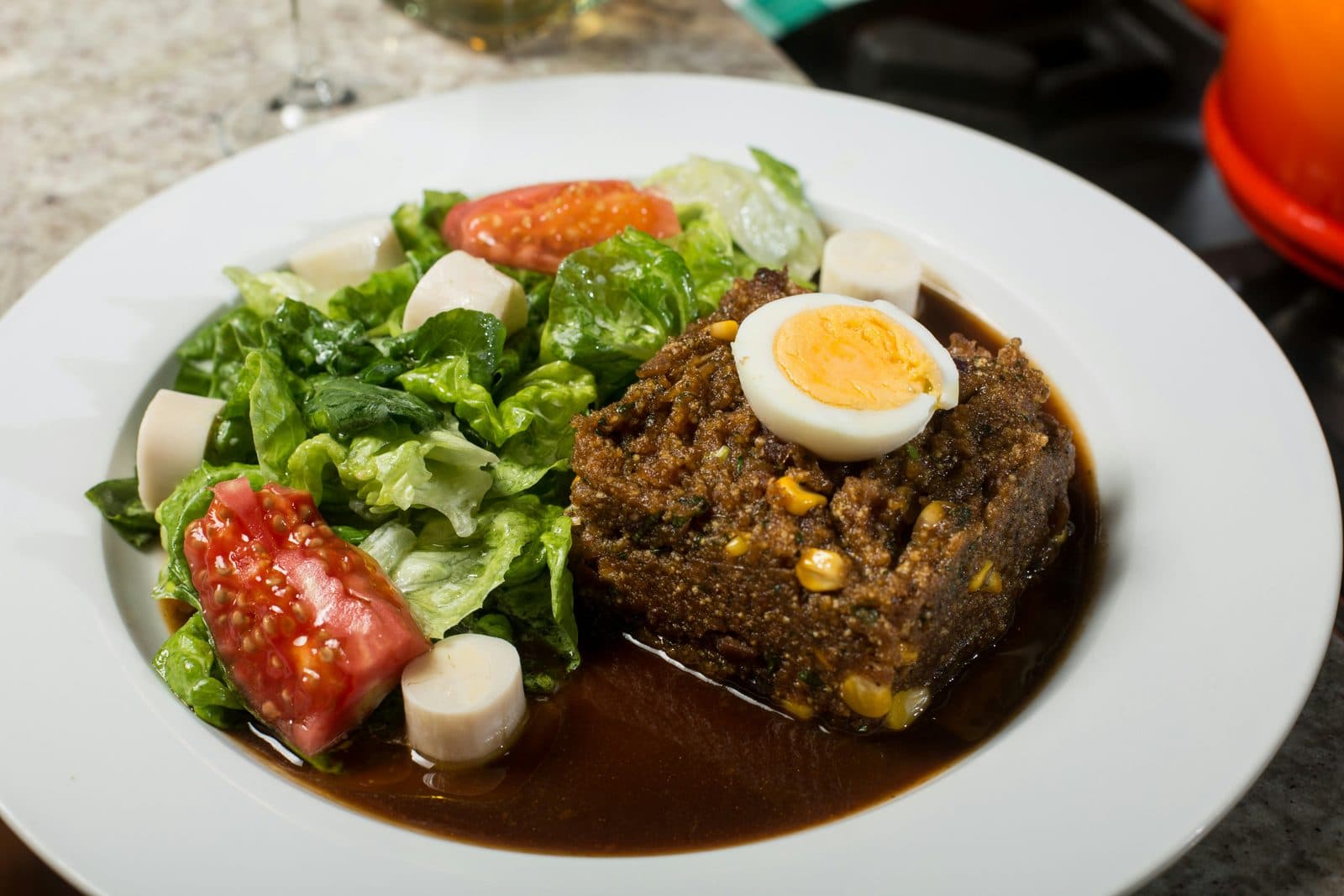
Vatapa and caruru. The two creamy sauces that dress the acaraje, and stand alone as dishes too. Vatapa is a smooth paste of bread or cassava, dried shrimp, ground nuts, coconut milk, and dende. Caruru is a stew of okra with dried shrimp and dende, and, like acaraje, it carries deep meaning in Candomble ritual. Both are rich, nutty, and unmistakably of this place.
Cocada and the sweets. For something sweet, cocada is the classic: a chewy coconut candy, sold in dozens of colours and flavours from street trays, sometimes dark with burnt sugar. Coconut runs through the Bahian sweet tooth the way it runs through the savoury food.
Cachaca. To drink, Brazil sugarcane spirit, cachaca, is the base of the caipirinha and a fitting companion to Bahian food, a direct taste of the sugar economy that built the region. Sip it in a caipirinha by the bay, or try a good aged cachaca neat.
Where the food culture lives
Hear a stop from this walk
Praca Municipal: The Founding Square
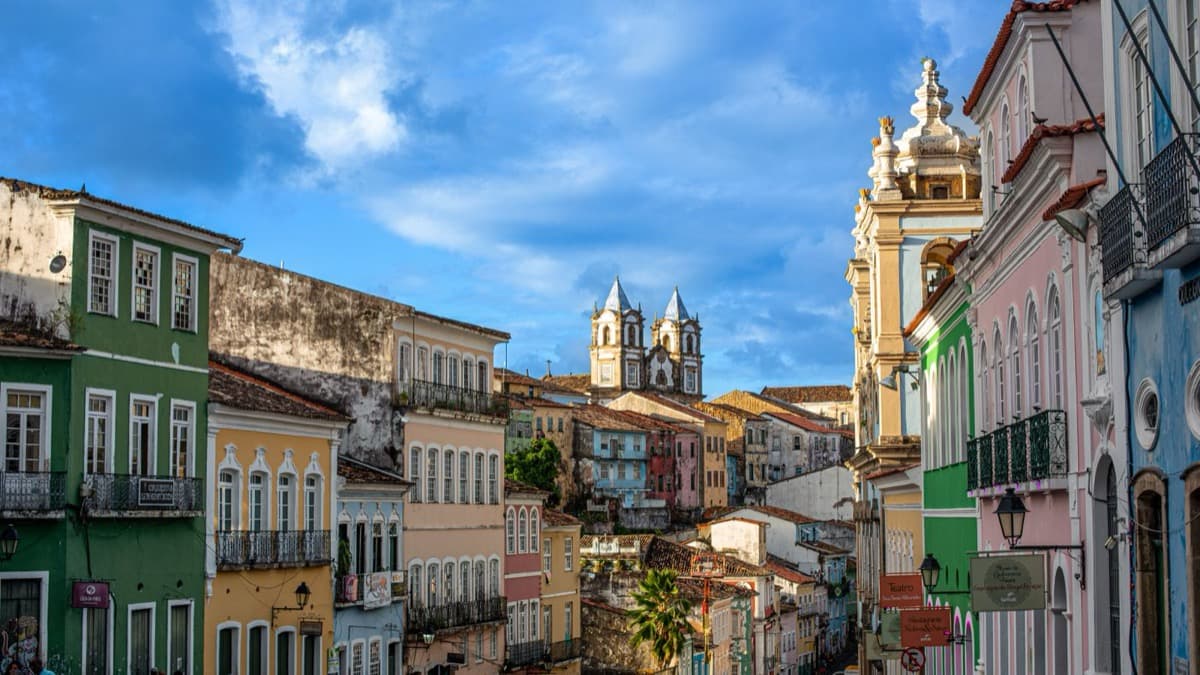
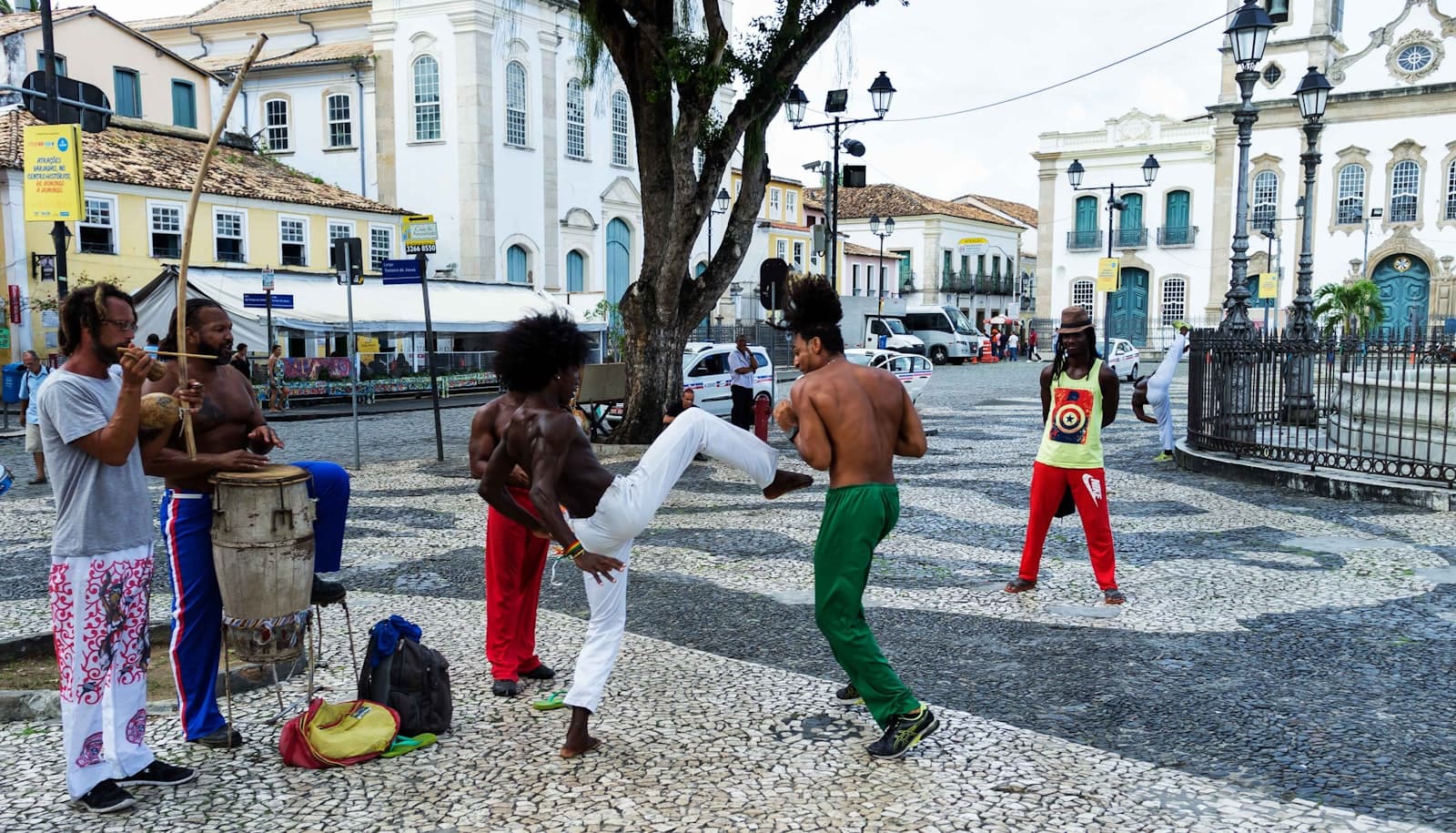
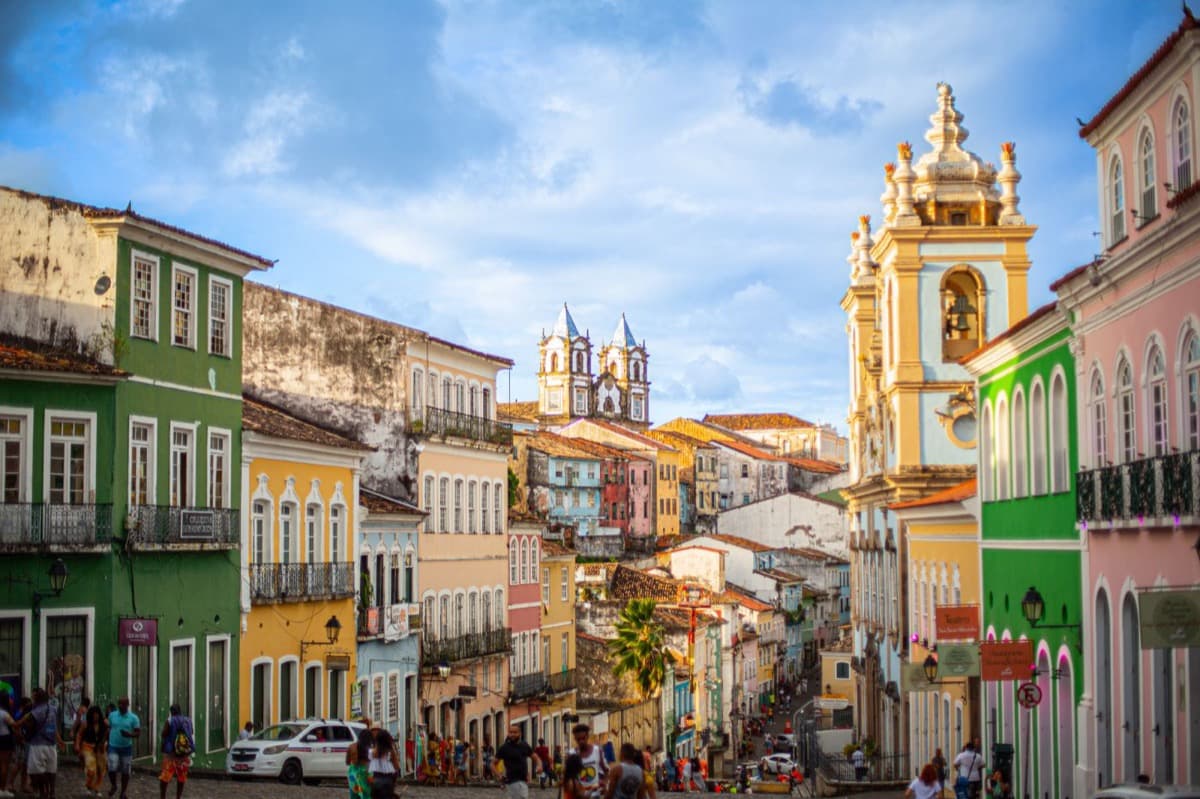
The Pelourinho, for street food and atmosphere. The old-town corners are where you find the baianas frying acaraje and the cocada trays, all within the district you walk on the tour of the African city, which reads the food as one strand of Salvador Afro-Brazilian identity alongside its religion, music, and martial art. The same lanes appear on the Pelourinho first-capital tour, so a morning of history flows straight into a plate.
Rio Vermelho, for acaraje and an evening. The seaside neighbourhood of Rio Vermelho is famous for its acaraje stands and its lively bar-and-restaurant scene after dark. It is where locals go to eat well by the water, and a natural base if you want dinner away from the historic center.
The clay-pot restaurants, for moqueca. For a full moqueca served bubbling in its panela de barro (clay pot), sit down at one of the Bahian restaurants across the Pelourinho, the seafront, and Rio Vermelho. This is a leisurely, shared meal, not fast food, so give it time.
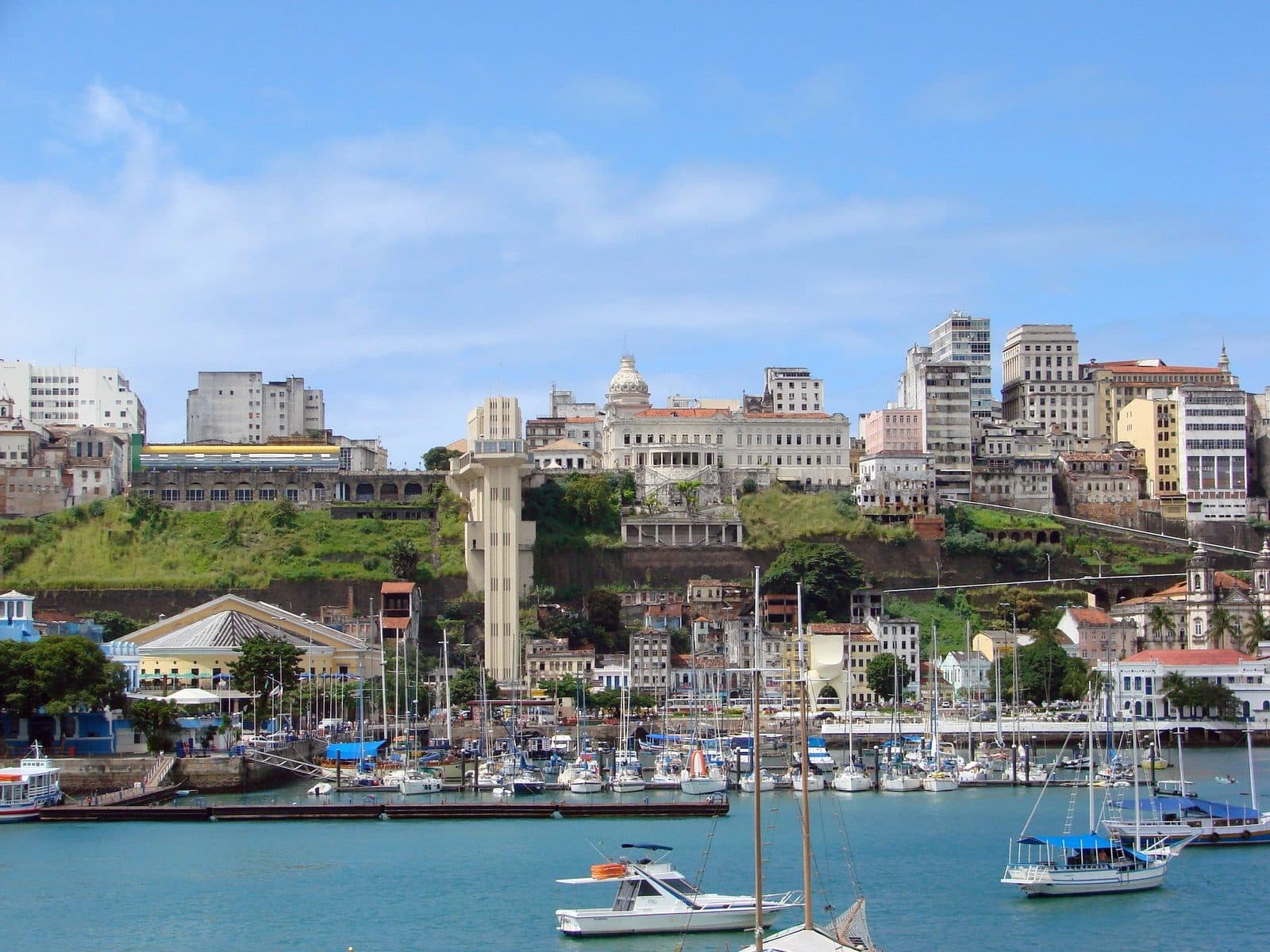
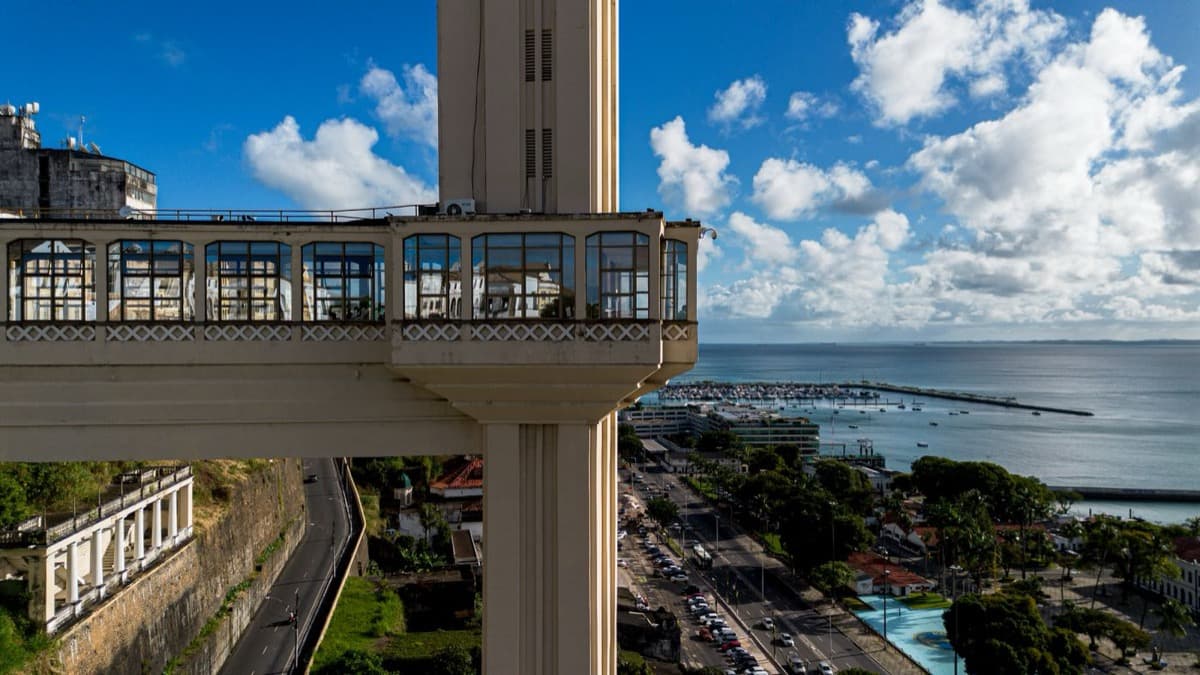
The Mercado Modelo, for a bay-view bite. At the foot of the Elevador Lacerda in the Lower City, the Mercado Modelo pairs handicraft stalls with restaurants overlooking the Bay of All Saints, a good spot for a moqueca or a cold drink with a view of the water.
Eat as you walk
The best way to work through this list is on foot, one district at a time. Pair a morning of churches and plazas in the Pelourinho with a street-corner acaraje, a sit-down moqueca for lunch in the old town, and an evening of cachaca and grilled fish by the sea in Rio Vermelho or Barra. Route your day with the one day in Salvador itinerary, plan the practical side with the Salvador travel guide, and browse all Salvador tours. Every tour is free to start: the introduction and first stop play in full, and every later stop plays a short preview before an optional purchase.
Frequently asked questions
- What food is Salvador known for?
- Salvador is known for comida baiana, the Afro-Brazilian cuisine of the state of Bahia, which is distinct from the food of the rest of Brazil. The headline dishes are acaraje (a deep-fried black-eyed-pea fritter sold on the street by baianas), moqueca baiana (a seafood stew rich with dende palm oil and coconut milk), vatapa and caruru (creamy, shrimp-and-nut sauces that dress the acaraje), and sweets like cocada. The defining ingredients are red dende oil, coconut milk, dried shrimp, and hot malagueta peppers.
- What is acaraje and where do you eat it?
- Acaraje is Salvador iconic street food: a ball of mashed black-eyed peas deep-fried in dende palm oil, then split open and stuffed with vatapa, caruru, dried shrimp, salad, and hot pepper sauce. It is sold from streetside stands by the baianas de acaraje, Bahian women in white lace dress whose trade dates to the era of slavery, when the fritter was both a livelihood and an offering to the orixa Iansa in the Candomble religion. You will find them on corners across the Pelourinho and, famously, in the Rio Vermelho neighbourhood.
- What is moqueca baiana?
- Moqueca baiana is the signature Bahian seafood stew: fish or prawns slow-cooked in a clay pot with coconut milk, tomatoes, onions, peppers, cilantro, and, crucially, red dende palm oil that gives it a deep orange colour and unmistakable flavour. It is what sets the Bahian version apart from the lighter moqueca of Espirito Santo state, which uses no dende. It is usually served with rice and farofa (toasted cassava flour).
- Is Bahian food very spicy or heavy?
- Bahian food is rich rather than fiery. The dende palm oil makes many dishes hearty and deeply flavoured, and coconut milk adds sweetness and body. The heat is usually served on the side as a pepper sauce (pimenta), so you control it, and dishes are not automatically spicy. If dende is new to your stomach, ease in, but the flavour is the whole point of the cuisine.
- Is Bahian food good for vegetarians?
- Partly. Many signature dishes are seafood-based (moqueca, the shrimp in vatapa and caruru), so committed vegetarians should ask before ordering. That said, acaraje can be made or served without the dried shrimp, the black-eyed-pea fritter itself is plant-based, and abara (a steamed, unfried cousin of acaraje) and dishes built on beans, coconut, and cassava give vegetarians real options. Always confirm, since dried shrimp turns up in many sauces.
Brazil eSIM· 10% off with ROAMER10
Ready to experience it?
Pelourinho: Brazil's First Capital
85 min · 2.4 km · moderate
More from Salvador
Explore more at your own pace.
One Day in Salvador: A Walkable Old-City and Bay Itinerary (2026)
Salvador Travel Guide: How Many Days, Getting Around, When to Go, Is It Safe (2026)
Salvador: Brazil's First Capital and Its African Soul
Elevador Lacerda: The Public Elevator That Joins Salvador's Two Cities
Pelourinho Means Whipping Post: The Truth Behind Salvador's Prettiest Square