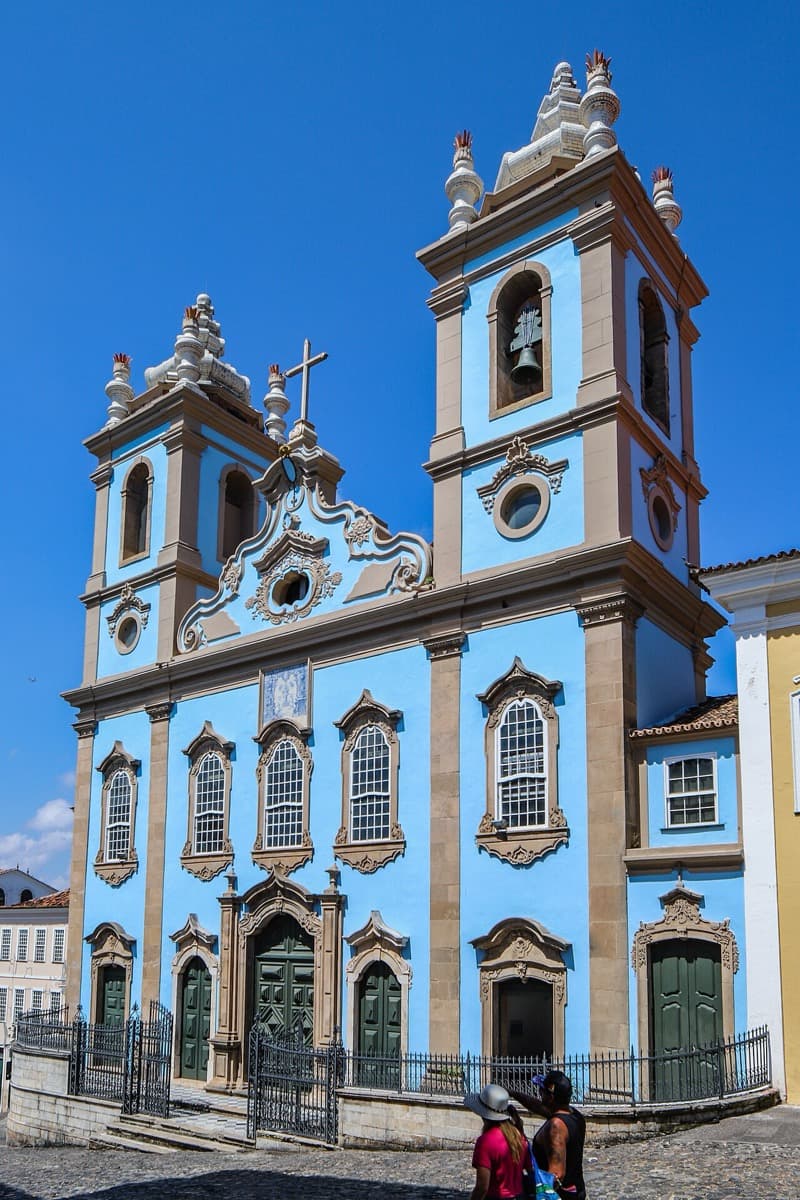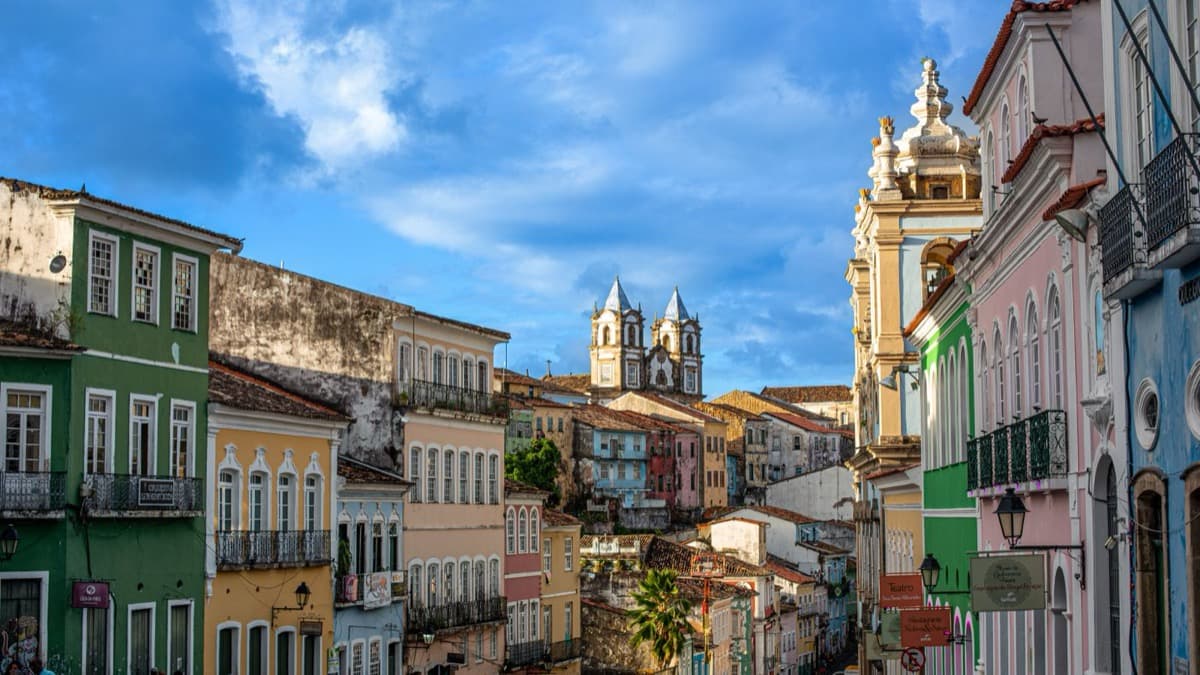
Pelourinho: Brazil's First Capital
85 min · 2.4 km · moderate
Salvador rewards a little planning. Its most famous sights concentrate in the walkable Pelourinho old town, but the city sprawls for miles along the Bay of All Saints, its Upper and Lower Cities are joined by an elevator rather than a bridge, its weather splits into a wetter and a drier half of the year, and it deserves an honest, non-alarmist word on safety. This guide answers the practical questions travelers actually search, answer first, then the detail.
How many days do you need in Salvador?
Short answer: two to three days for most people.
- 1 day covers the essential Pelourinho old town, the gilded churches, and a Farol da Barra sunset if you move with focus. Follow our one day in Salvador route.
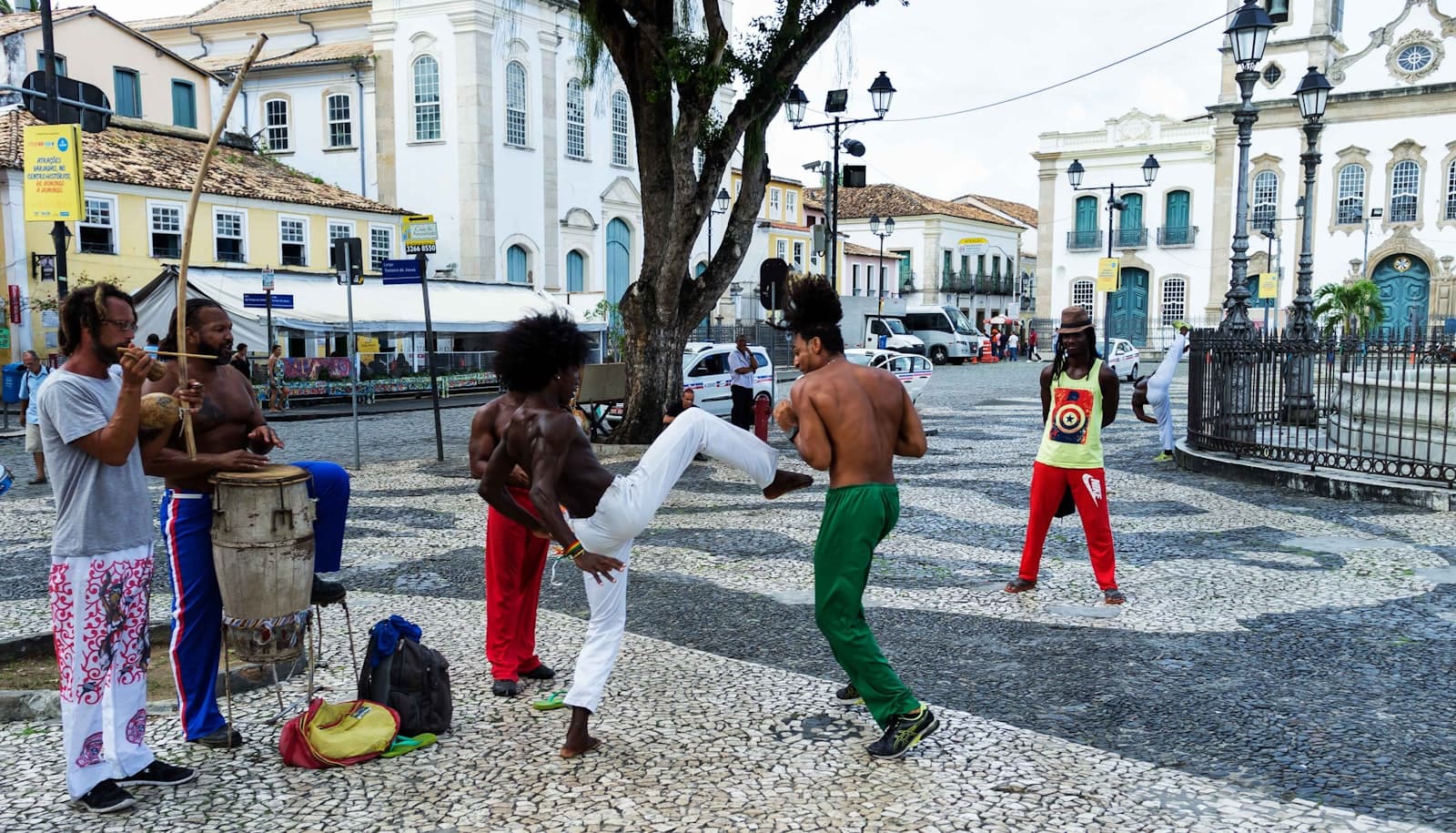
- 2 days lets you slow down and add the Afro-Brazilian layer, Candomble, capoeira, and the drums of Olodum, plus a beach or a bay outing, without rushing.
- 3 or more days adds day trips such as the island of Itaparica across the bay or the beaches up the coast, and time simply to sit in a square and listen.
The classic mistake is treating Salvador as a half-day stop. The Pelourinho alone rewards a full day, and the city Afro-Brazilian culture, the real reason to come, reveals itself slowly.
Getting around Salvador
Hear a stop from this walk
Praca Municipal: The Founding Square
The heart of your visit is on foot. The Pelourinho, where nearly all the old-town sights sit within a few blocks, is compact and walkable, and walking is how our self-guided Salvador tours are built. A few things to know:
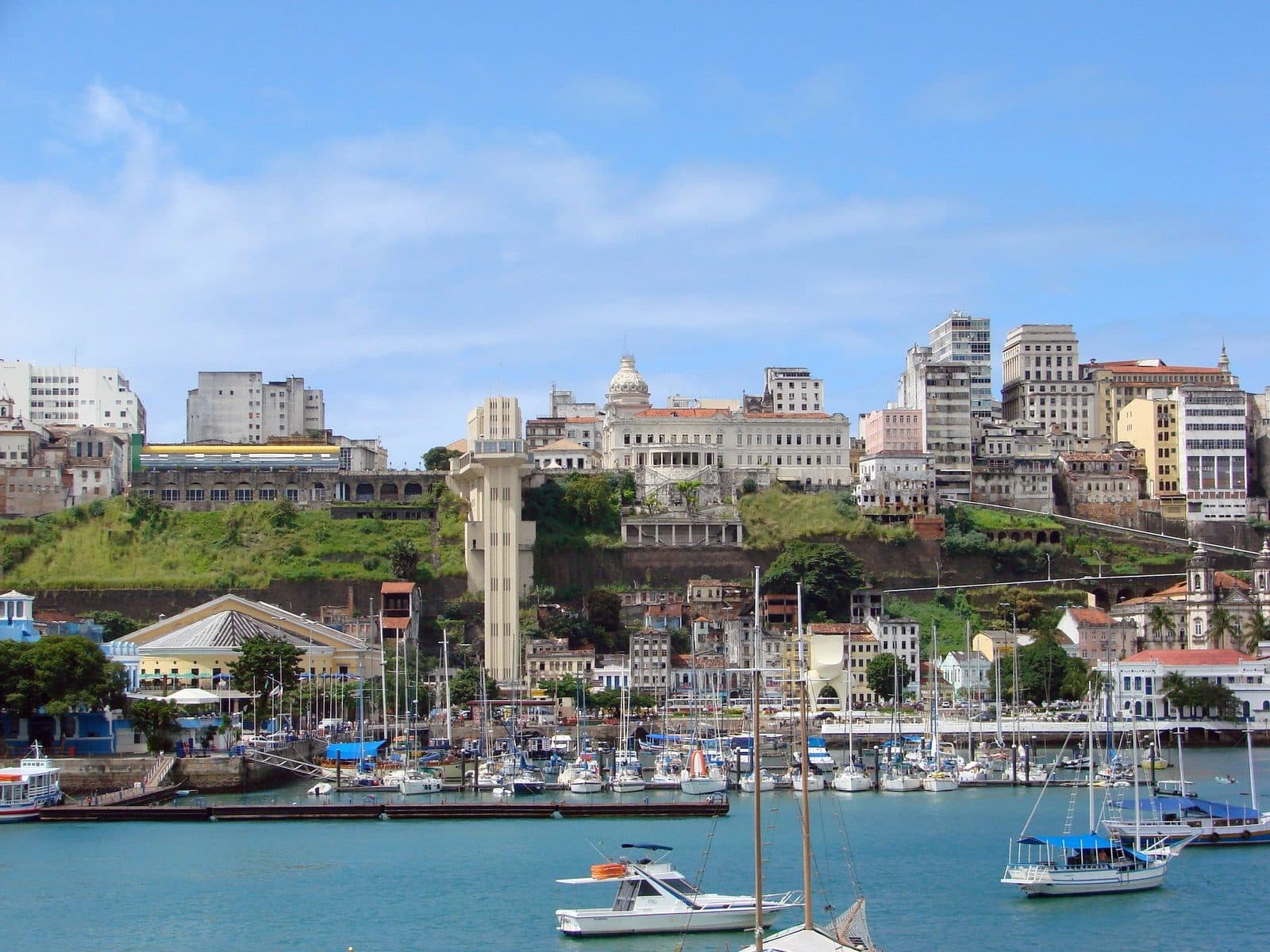
- Upper City and Lower City. Salvador is famously split into the Cidade Alta on the clifftop, where the historic center sits, and the Cidade Baixa at the port on the bay. The two are joined by the Elevador Lacerda, opened in 1873 as the world first urban elevator, which drops about 72 metres from the Praca Municipal to the Mercado Modelo in roughly thirty seconds.
- Steep cobblestones. The Pelourinho lanes slope and step, and the stones are uneven. Wear shoes with grip, not flat-soled fashion sneakers.
- Between neighbourhoods, use Uber. App-based taxis and Uber are the easy, safe way to move around the wider city, especially at night. City buses exist but are not recommended for visitors carrying valuables.
- Out to Barra. A short ride connects the Pelourinho to Barra and the Farol da Barra lighthouse, where the day best sunset gathering happens.
Best time to visit Salvador
Salvador is warm all year, but the calendar has a clear shape:
- Drier season (roughly September to March). The sunnier, more reliable window, best for beaches, the bay, and clear sunsets. This is the sweet spot for most trips.
- Wetter season (roughly April to July). The rainiest stretch, with heavy showers and cloudier days. Not a washout, but the least reliable time for a beach-and-sunset itinerary.
- Carnival (usually February). Salvador hosts what is billed as the largest street party in the world, built around blocos and trio eletrico sound trucks that move through the streets on set circuits, rather than a stadium parade like Rio. It is extraordinary, and it is crowded and expensive. If Carnival is the goal, book accommodation many months ahead; if it is not, plan around it.
Is Salvador safe?
Honestly: Salvador asks for more street sense than a small European city, but millions of people visit safely every year with sensible precautions. The advice most travelers actually follow:
- Treat the Pelourinho as a daytime destination. Police presence is strong and the busy lanes are fine to walk by day. Do not wander its quiet side streets after dark.
- Use Uber or app taxis at night. Ride between neighbourhoods rather than walking late.
- Dress down. Leave the good watch and jewellery at the hotel, carry only the cash and cards you need, and keep your phone put away in crowds.
- Stay aware, not afraid. Petty theft is the main risk, not violence against tourists. Many visitors base themselves in the seaside areas of Barra or Rio Vermelho for the evenings and keep the historic center for the daytime.
None of this should scare you off. It is the same posture that keeps you comfortable in any large city, applied with a little more care.
Salvador on a budget
Salvador is kind to a tight budget, because so much of what makes it special is free or cheap:
- Free to walk and watch: the Pelourinho lanes and plazas, the colourful facades, browsing the Mercado Modelo, and the nightly sunset gathering at Farol da Barra.
- Eat cheap and well: a street-corner acaraje from a baiana, or a set-menu lunch (prato feito) for very little. See what to eat in Salvador for what to order.
- Cheap rides: the Elevador Lacerda costs a token fare, and Uber between neighbourhoods is inexpensive.
- Skip the guide fee: Roamer self-guided audio tours are free to start, so you get expert narration without booking a private guide, a start time, or a tip.
The heart of it: Afro-Brazilian Salvador
You cannot plan a trip to Salvador without understanding what it is. This was one of the first and largest slave ports in the Americas, and it holds the largest population of African descent outside Africa, which is why it is called the heart of Afro-Brazilian Brazil, and sometimes the Black Rome. That heritage is not history behind glass, it is the living present: the Candomble religion and its orixa deities, the martial-art-and-dance of capoeira, the samba-reggae drums of blocos afros like Olodum, and a cuisine rooted in West African cooking. Our tour of the African city puts this at the center, where it belongs, rather than treating it as a footnote to the colonial architecture.
Start planning your walk
Ready to route your days? Read our one day in Salvador itinerary, browse the best self-guided walking tours in Salvador, or see all Salvador tours. Every tour is free to start: the introduction and first stop play in full, and every later stop plays a short preview before an optional purchase. Tours can also be downloaded in advance for offline listening.
Frequently asked questions
- How many days do you need in Salvador?
- Two to three days is the sweet spot for most travelers. One day covers the essential Pelourinho old town, the gilded churches, and a Farol da Barra sunset if you move with focus. Two days lets you slow down, add the Afro-Brazilian layer of Candomble, capoeira, and Olodum, and see a beach or the bay without rushing. Three or more days adds day trips such as the island of Itaparica or the beaches up the coast, plus time to simply sit in a square and listen to the drums.
- How do you get around Salvador?
- The Pelourinho old town, where you will spend most of your sightseeing time, is compact and walkable, though its cobblestone lanes are steep, so wear shoes with grip. The city is famously split into a Cidade Alta (Upper City) on the clifftop and a Cidade Baixa (Lower City) at the port, joined by the Elevador Lacerda, the world first urban elevator, which drops 72 metres in about thirty seconds. Between neighbourhoods, use Uber or app-based taxis rather than city buses, especially at night. A short ride connects the Pelourinho to Barra for the sunset.
- What is the best time of year to visit Salvador?
- Salvador is warm all year, but it has a wetter half and a drier half. The drier, sunnier window runs roughly from September to March, which is the most reliable time for beaches and clear sunsets. Avoid the rainiest months, roughly April to July, when heavy showers and cloud are common. The single biggest event is Carnival, usually in February, when Salvador hosts what is billed as the largest street party in the world, built around blocos and trio eletrico trucks in the streets rather than a stadium parade. It is unforgettable but crowded and expensive, so plan and book far ahead.
- Is Salvador safe for tourists?
- Salvador requires more street sense than a small European city, but millions visit safely every year with sensible precautions. The honest advice most travelers follow: treat the Pelourinho as a daytime destination, where police presence is strong and the busy lanes are fine to walk by day; do not wander its quiet side streets after dark; and use Uber or app taxis to move between neighbourhoods at night rather than walking. Leave expensive jewellery and watches at the hotel, carry only what you need, and stay alert in crowds. Many travelers base themselves in the seaside areas of Barra or Rio Vermelho for the evenings.
- Is Salvador expensive, and how do you visit on a budget?
- Salvador is friendly to a modest budget. Much of what makes it special costs little or nothing: walking the Pelourinho, its plazas and colourful lanes, the Elevador Lacerda ride, browsing the Mercado Modelo, and watching the free nightly sunset gathering at Farol da Barra. Street food such as acaraje is cheap and iconic, and a set-menu lunch (prato feito) fills you for little. Only some church interiors charge a small entrance fee. Self-guided audio tours are free to start on Roamer, so you can add expert narration without hiring a guide.
- Why is Salvador important to Afro-Brazilian culture?
- Salvador was one of the first and largest slave ports in the Americas, and it holds the largest population of African descent outside Africa, which is why it is often called the heart of Afro-Brazilian Brazil, or the Black Rome. That heritage is not a museum piece here, it is daily life: the Candomble religion and its orixa deities, the martial-art-and-dance of capoeira, the samba-reggae drums of blocos afros like Olodum, and the Bahian cuisine rooted in West African cooking. Understanding Salvador means understanding this history first, which is why our tours put it at the center rather than the margin.
Brazil eSIM· 10% off with ROAMER10
Ready to experience it?
Pelourinho: Brazil's First Capital
85 min · 2.4 km · moderate
More from Salvador
Explore more at your own pace.
One Day in Salvador: A Walkable Old-City and Bay Itinerary (2026)
Salvador: Brazil's First Capital and Its African Soul
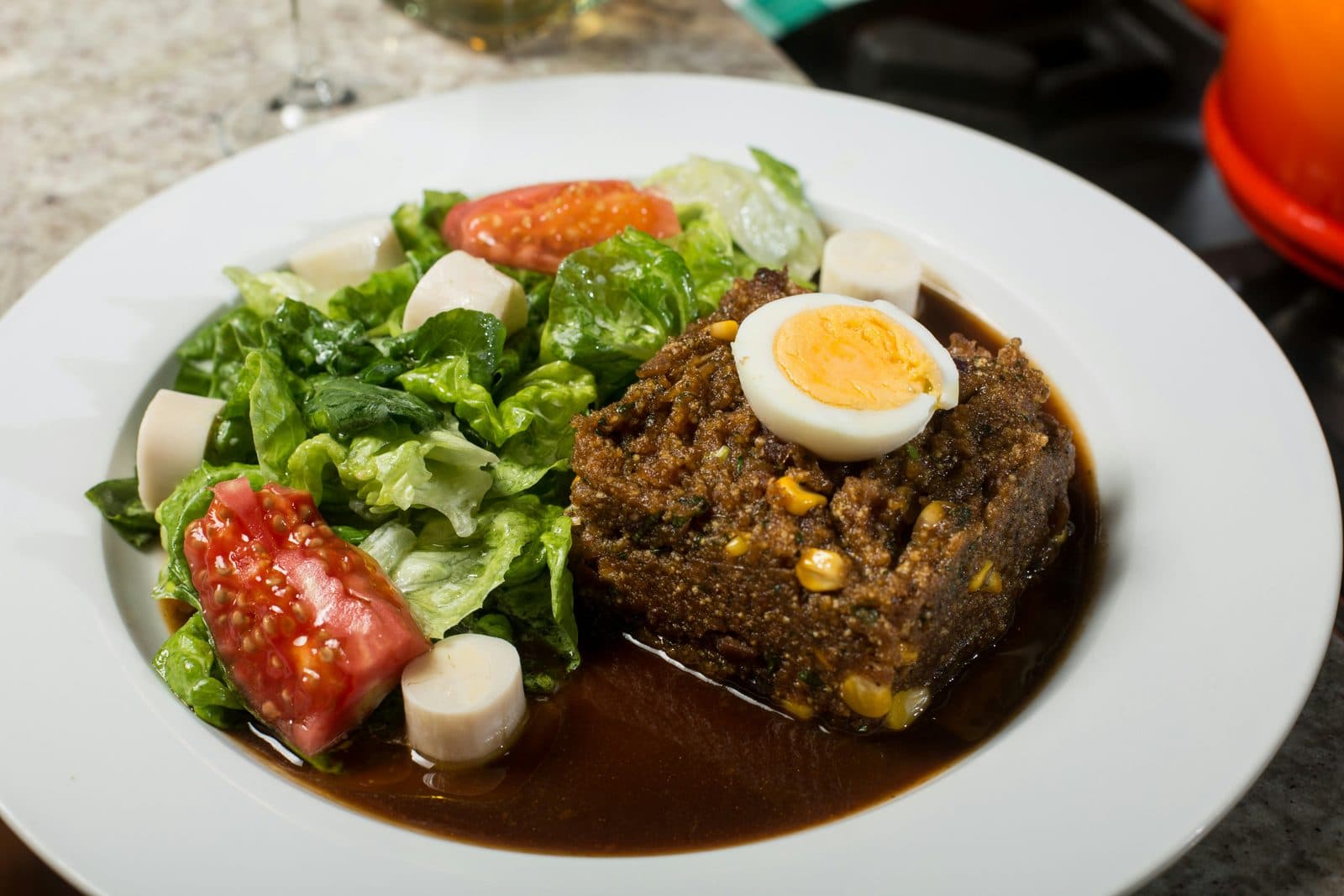
What to Eat in Salvador: A Bahian Food Guide (2026)
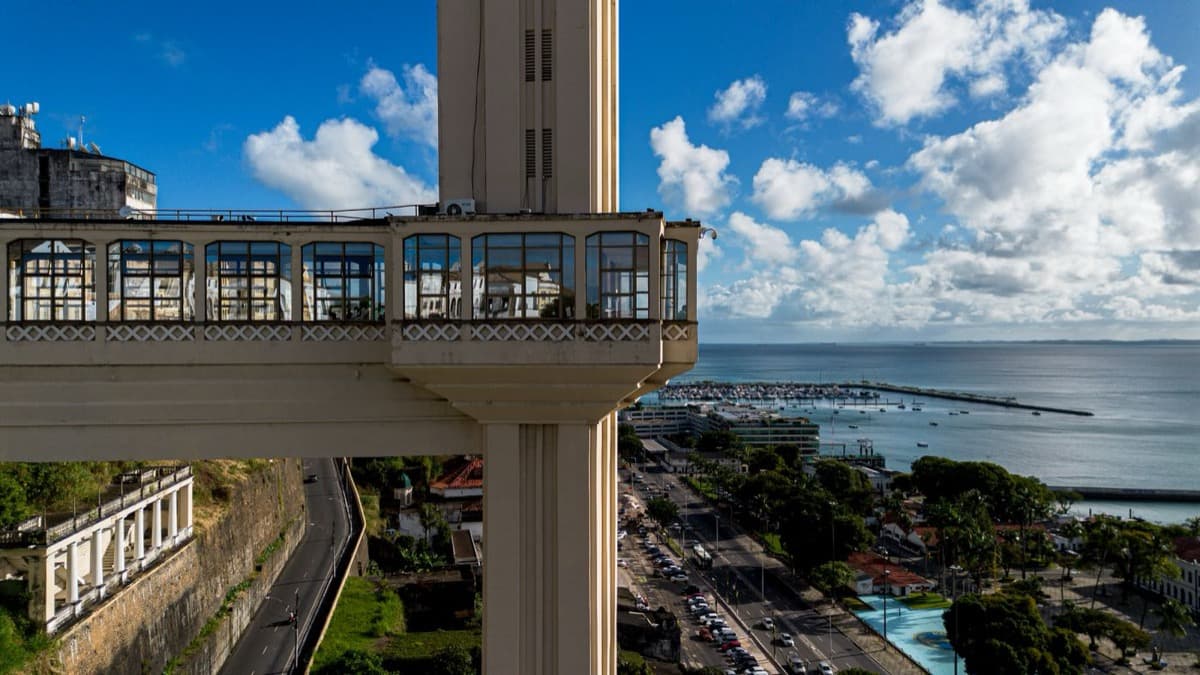
Elevador Lacerda: The Public Elevator That Joins Salvador's Two Cities
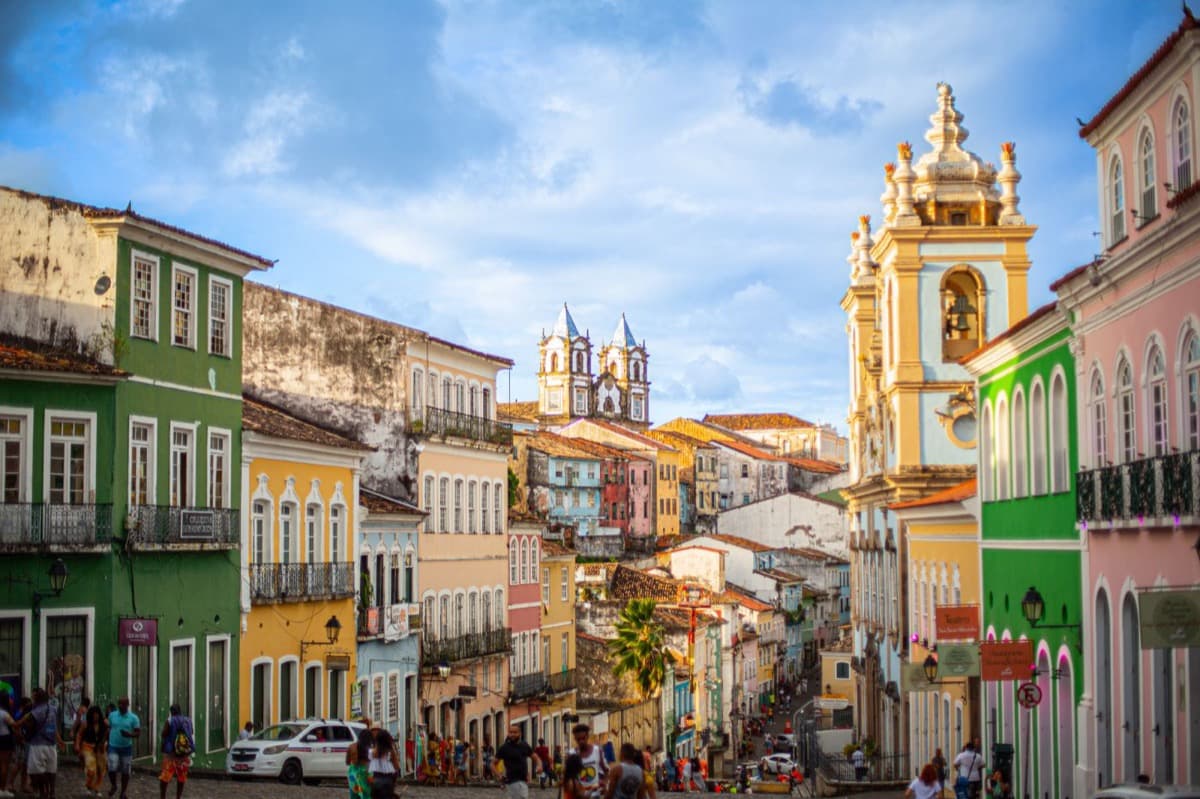
Pelourinho Means Whipping Post: The Truth Behind Salvador's Prettiest Square