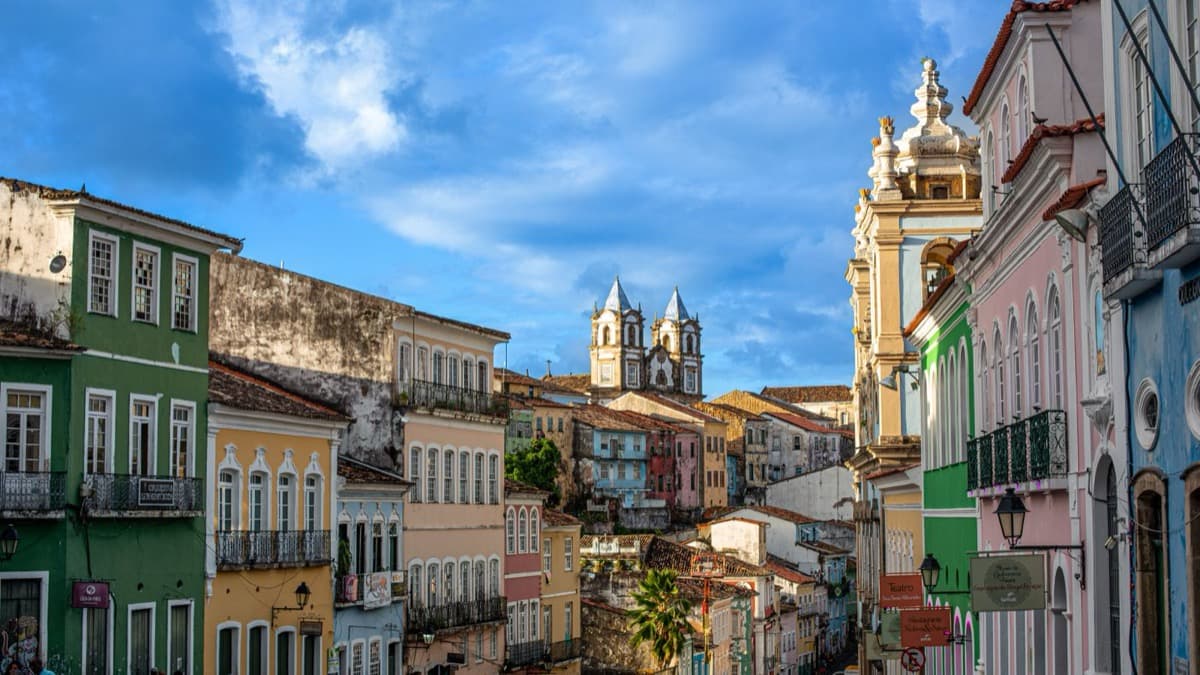
Walk down the cliff-top old town of Brazil's first capital, from the founding square where the governors ruled to the sloping Pelourinho whose name means the public pillory. One continuous artifact of the first Brazil, holding its grandeur and its human cost in the same view.
Start · Praca Municipal: The Founding Square
DirectionsStops
- 1
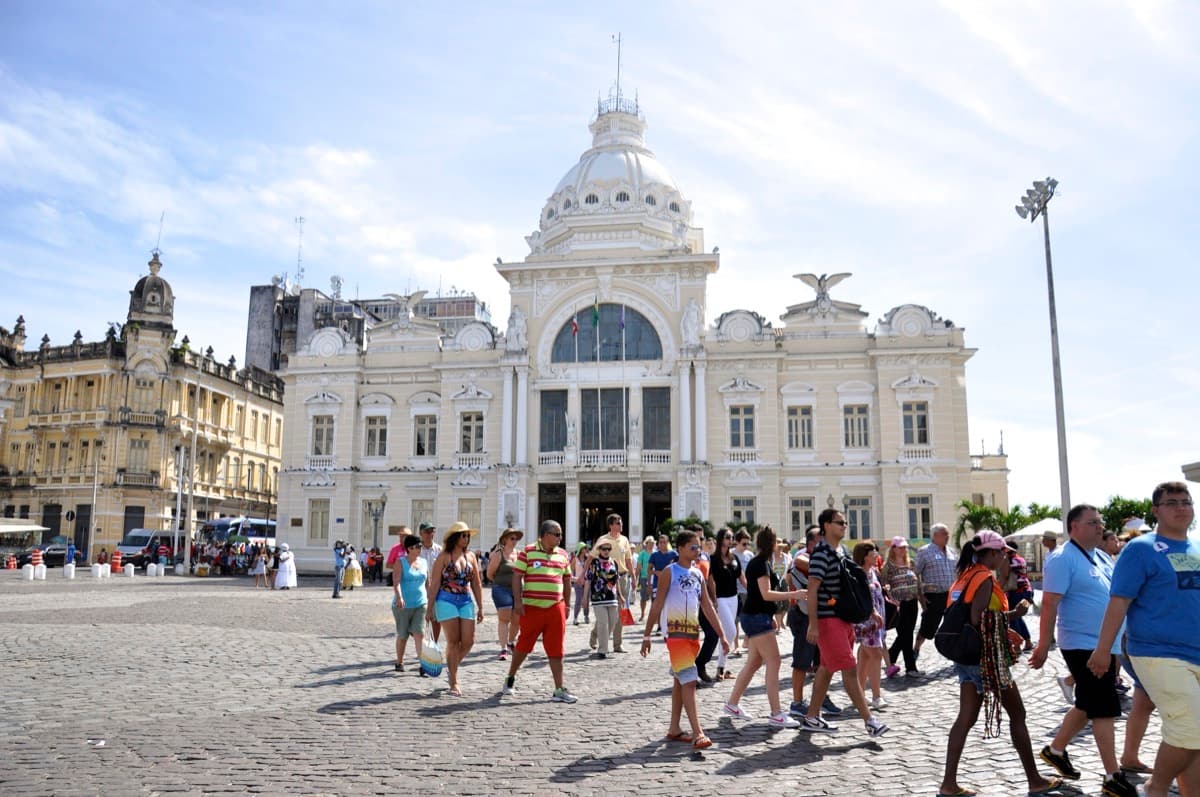
Praca Municipal: The Founding Square
The cliff-top square where Tome de Sousa laid out Brazil's first capital in fifteen forty-nine, still crowned by the former governor's palace.
- 2
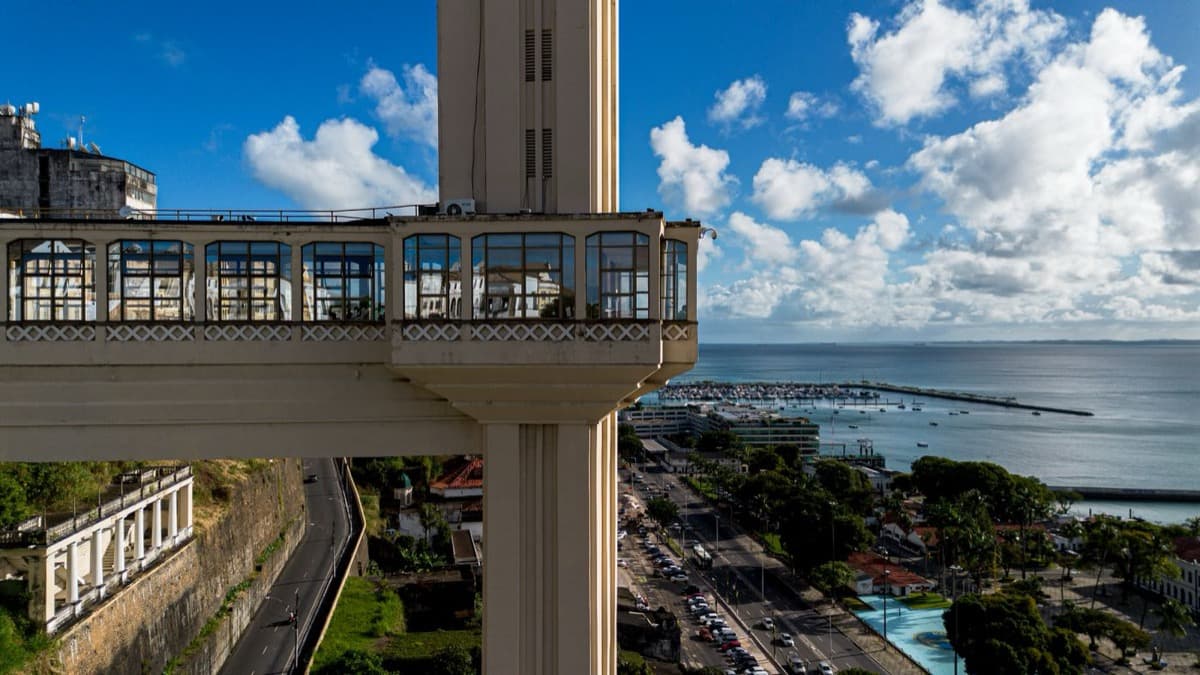
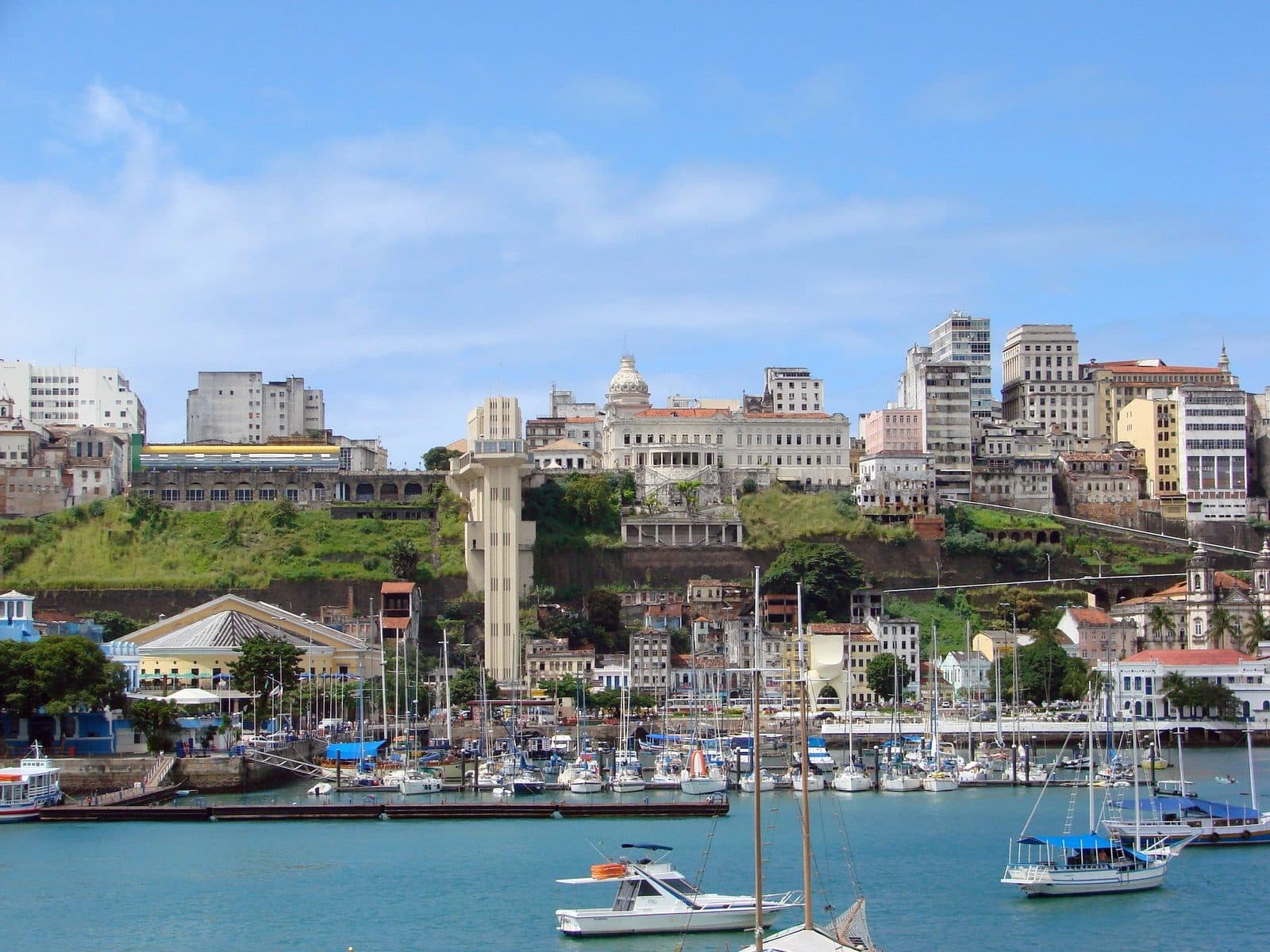
Elevador Lacerda: The Cliff's Umbilical Cord
Brazil's first elevator, dropping seventy-two meters from the cliff-top capital to the port that made it rich.
- 3
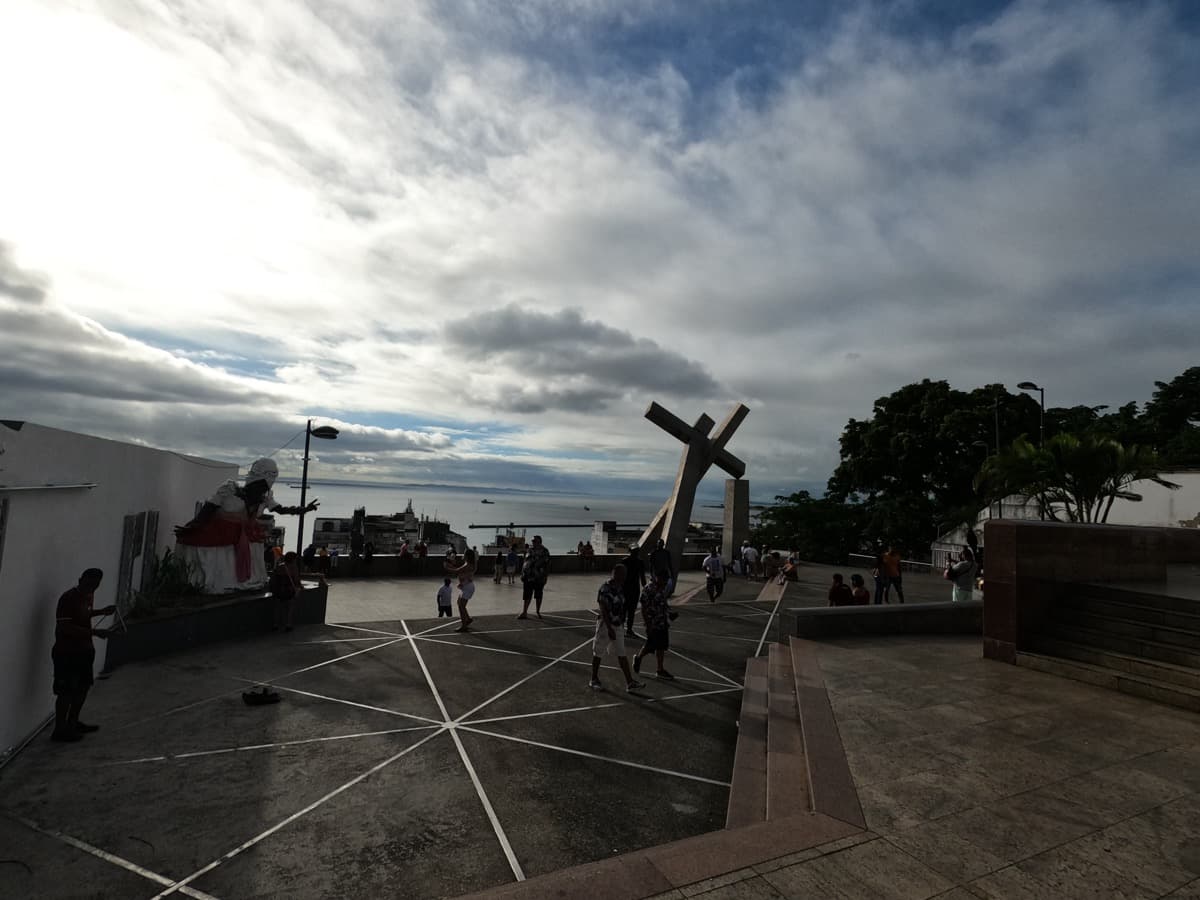
Praca da Se: The Vanished Cathedral
The strangely open square where Salvador's first cathedral stood until it was demolished in nineteen thirty-three, now marked by a fallen-cross monument.
- 4
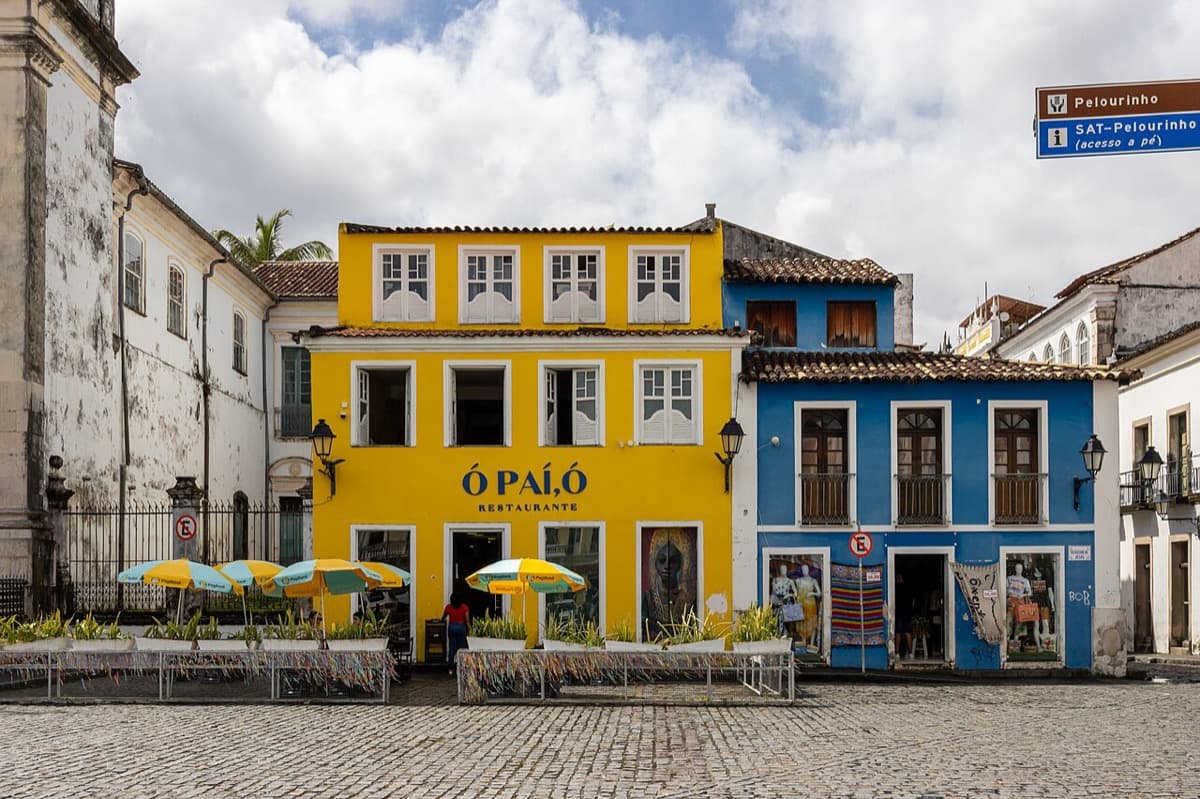
Terreiro de Jesus: The Mind of Colonial Brazil
The Jesuit square where the colony trained its first priests from the fifteen fifties and, centuries later, opened Brazil's first medical school.
- 5
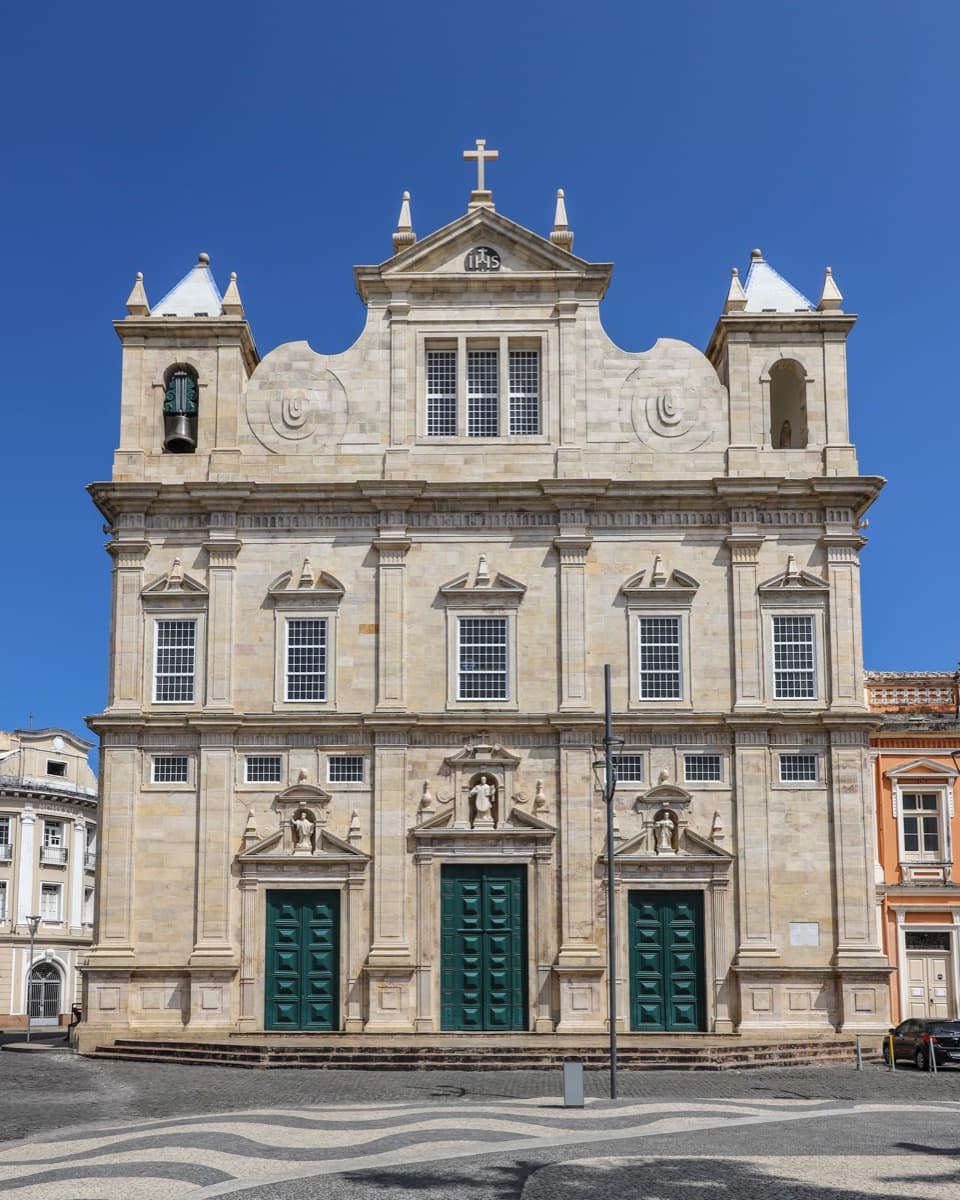
Catedral Basilica de Salvador: The Jesuits' Surviving Church
The former Jesuit college church, faced in limestone shipped from Portugal, a landmark of Mannerist and early Baroque architecture in the old empire.
- 6
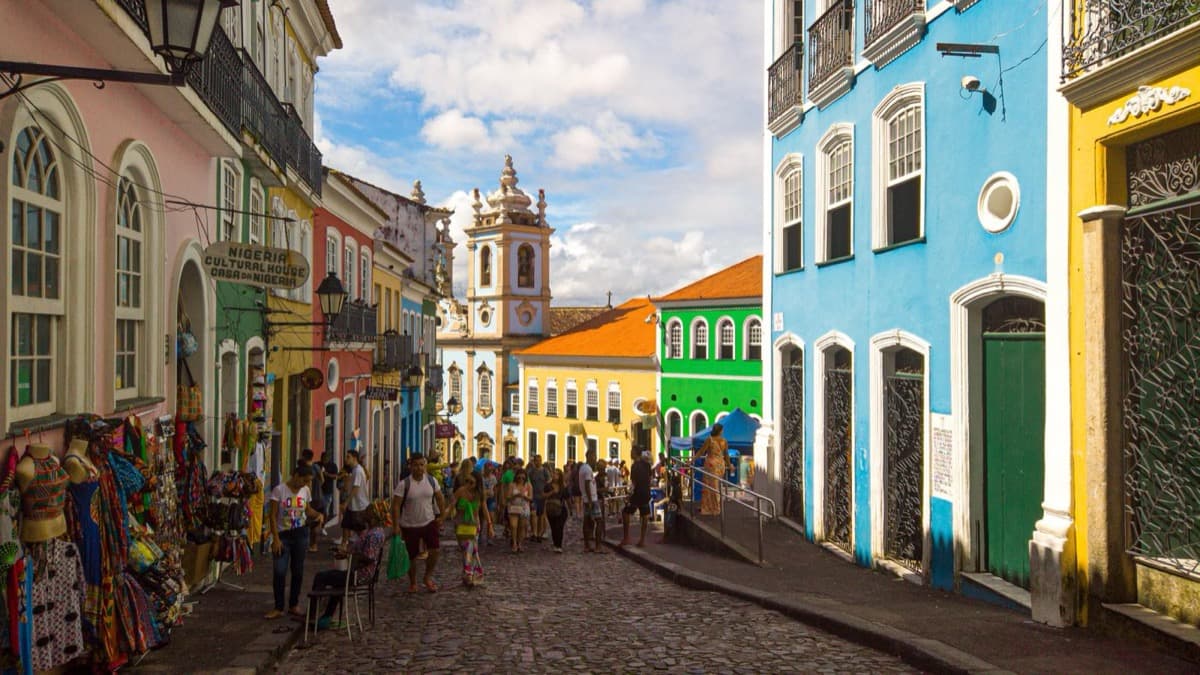
Largo do Pelourinho: The Beauty and the Name
The sloping square of restored colonial mansions whose name means pillory, the collision of the old town's beauty with the cruelty it was built on.
Details
Best Time to Visit
Come in the morning, ideally between eight and eleven, when the low sun lights the colored facades and the cobbles are cooler underfoot. The old town is a descent, so an early start lets you take the slope slowly before the midday heat settles over the cliff. Late-afternoon light is beautiful too, but the historic center grows quieter after dark, so plan to finish before dusk.
Pro Tips
- •The route runs downhill from Praca Municipal to Largo do Pelourinho, so wear shoes with grip. The cobblestones are steep, uneven, and slick when wet.
- •Ride the Elevador Lacerda at least one way for the view over the Bay of All Saints. The fare is only a few centavos.
- •Church interiors like the Cathedral Basilica charge a small entry fee in reais and keep their own hours, so carry a little cash and check the door before you count on going inside.
- •The Fundacao Casa de Jorge Amado on Largo do Pelourinho is free and usually open on weekdays, a quiet stop worth timing your walk around.
- •Pause at the Cruz Caida belvedere on Praca da Se for one of the best open views of the bay along the whole route.
- •Carry water and take the stops in any order you like. Each one stands on its own, so skip freely and linger where a square holds you.
Safety & Precautions
- •Salvador sits near the equator and the sun is intense. Bring a hat, sunscreen, and water, and use the shade of the church squares between stops.
- •Tropical rain arrives fast and turns the cobbled slopes slippery. If a downpour starts, wait it out under an arcade rather than hurrying down the hill.
- •This is a working historic center, so keep normal city awareness: carry little of value, keep your phone put away on quieter lanes, and stick to busier streets after dark.
- •The district holds living sacred traditions like Candomble and everyday capoeira. If you come upon a ceremony or a roda, watch respectfully, ask before photographing people, and give the circle room.
Travel advisory: Exercise Increased Caution (Level 2).
Gallery
Related Reading
Go deeper on what you'll see, hear, and walk through.
Overview
Best Self-Guided Walking Tours in Salvador (2026)
3 min
Overview
One Day in Salvador: A Walkable Old-City and Bay Itinerary (2026)
5 min
Overview
Salvador Travel Guide: How Many Days, Getting Around, When to Go, Is It Safe (2026)
6 min
Thematic
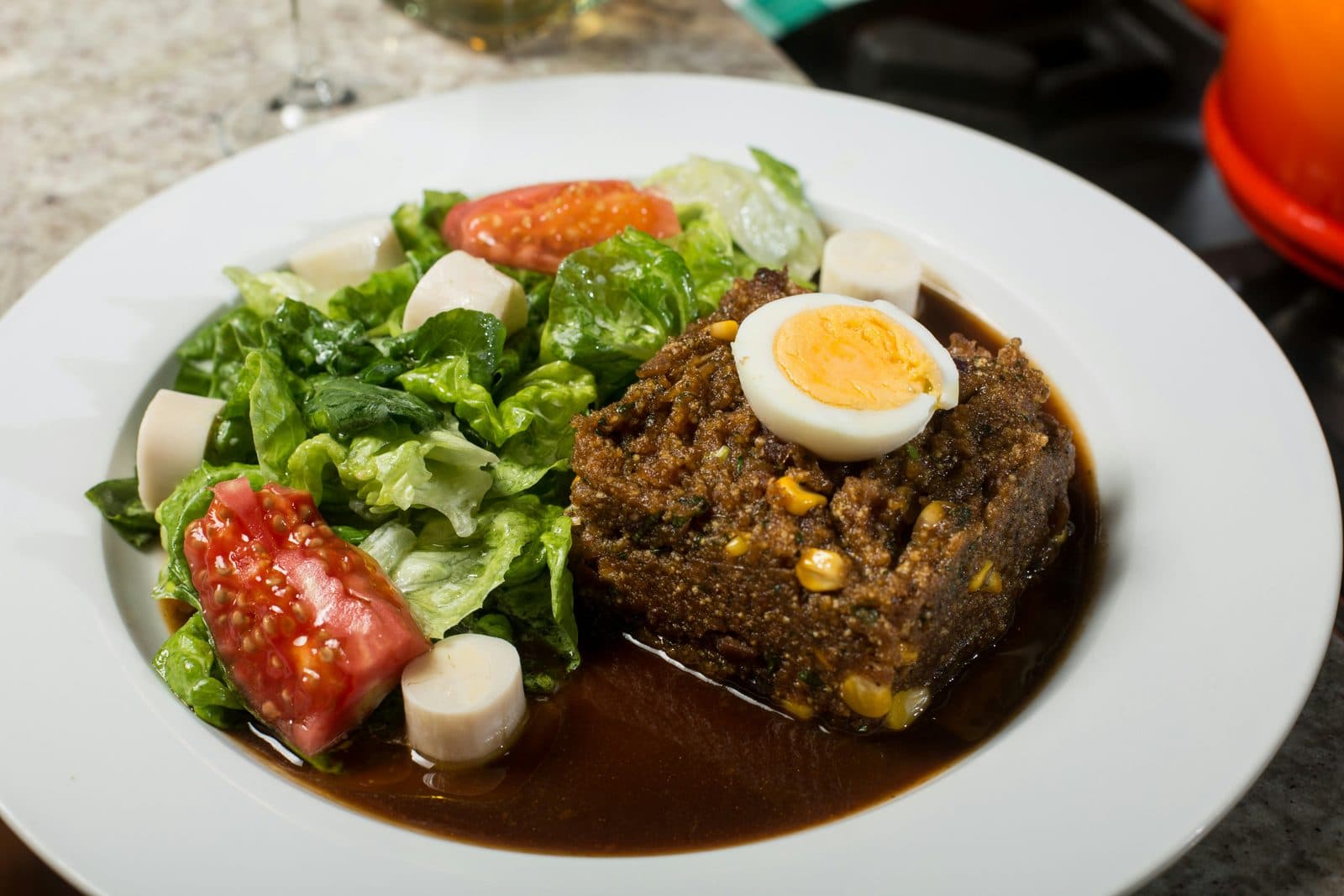
What to Eat in Salvador: A Bahian Food Guide (2026)
5 min
Deep dive
Elevador Lacerda: The Public Elevator That Joins Salvador's Two Cities
5 min
Deep dive
The Vanished Cathedral of Salvador: How an Empty Square Taught Brazil to Protect Its Past
6 min
Read the walk
The full story of Pelourinho: Brazil's First Capital, in words. Prefer to listen? Play it narrated, from home or on location.
Introduction
This is a walk down a cliff and down through time, six stops over roughly two and a half kilometers, about ninety minutes at your own unhurried pace. You are in Salvador, in the state of Bahia, in Brazil, standing in the old town that was the first capital of Portuguese Brazil. Salvador was founded on March twenty-ninth, fifteen forty-nine, by Tome de Sousa, Brazil's first governor-general, as the seat of colonial government. It held that rank for more than two centuries, until seventeen sixty-three, when the capital moved to Rio de Janeiro. What survives here on the cliff is the physical record of that first Brazil, and you will read it as one continuous artifact. We begin at the top, at the founding square where the governor's palace still stands and where an elevator drops seventy-two meters to the port that made the capital rich. From there we move north through the square that lost its oldest cathedral, into the Jesuit heart where church, college, and medicine stacked up over three centuries, and then down the slope into the Pelourinho, whose name means the public pillory. Power sits at the top of this walk. Its human cost sits at the bottom. Everything between them is one artifact. This is the founding place of a nation and also the founding place of its cruelty, and the walk holds both without flinching from either. Take the stops in order or skip any that do not hold you. Linger where you like. When you arrive at Praca Municipal, begin with stop one.
1. Praca Municipal: The Founding Square
You are standing where Brazil's first capital began. On March twenty-ninth, fifteen forty-nine, Tome de Sousa, sent by the Portuguese crown as Brazil's first governor-general, came ashore and laid out the seat of government here at the edge of the cliff. The full name given to the city was Sao Salvador da Bahia de Todos os Santos, the Holy Savior of the Bay of All Saints. For more than two centuries this was the head of Portuguese Brazil, until seventeen sixty-three, when the capital passed to Rio de Janeiro. The long building along the square is the Palacio Rio Branco. Tome de Sousa began the government palace on this spot in the middle of the sixteenth century, and for generations the governors of Bahia ruled from here. Look closely, though, because the building you see is not that first palace. The structure standing today is a reconstruction from nineteen nineteen, built after the earlier palace was bombarded during a political conflict in nineteen twelve. Inside now are the Pedro Calmon Foundation and the Memorial dos Governadores, which keeps the memory of the men who governed from this square. Notice that the seat of power was placed at the highest point, on the lip of a cliff that falls away toward the bay. That was deliberate. From up here the colonial administration could watch its harbor, its ships, and the wealth arriving below. Everything on this walk descends from this point, both in elevation and in story. We start with the order and grandeur the capital projected. As we go down, the ground beneath that grandeur comes into view. Take a moment with the square before we move toward the edge of the cliff.
2. Elevador Lacerda: The Cliff's Umbilical Cord
A few steps from the founding square, the cliff simply ends, and this is where the capital solved the problem of its own geography. Salvador is built on two levels: the Cidade Alta, the upper city of government and churches where you are standing, and the Cidade Baixa, the lower city of the port, some seventy-two meters straight down. For centuries people and cargo moved between them on steep ramps and pulleys. Then came the Elevador Lacerda. Built between eighteen sixty-nine and eighteen seventy-three, and opened in eighteen seventy-three, it was the first elevator in Brazil. It is named for Antonio de Lacerda, a director of the Commercial Association of Bahia, who financed and built it. The four tall towers you see were given their sleek Art Deco lines in a renovation of nineteen thirty, which is the face the elevator wears today. Its original hydraulic machinery was electrified in nineteen oh six. Stand here and think about what this shaft actually connected. At the top, the seat of power, the palace, the college, and the cathedral. At the bottom, the harbor that made all of it possible, where sugar was loaded for Europe and where, brutally, enslaved Africans were brought ashore into the slave trade that ran through the lower city. The elevator is a marvel of engineering, and it is also the link between the capital's wealth and the human cost of that wealth. Ride it if you like, for the view over the Bay of All Saints alone is worth the few centavos. Then come back to the top, because the walk continues along the cliff, past the churches, and down into the old town.
3. Praca da Se: The Vanished Cathedral
This open square feels a little too open, a little too empty for the dense old town around it, and that emptiness is the story. Salvador's first cathedral once stood right here. It was the old Se of Bahia, the primatial cathedral of Brazil, the mother church of the colony, and…
Full narration for this stop unlocks with the tour.
4. Terreiro de Jesus: The Mind of Colonial Brazil
Now the ground opens into the Terreiro de Jesus, also called the Praca Quinze de Novembro, and this has been the intellectual heart of the capital for nearly five centuries. It is a Jesuit square, ringed by churches, and it is where colonial Brazil did its thinking. The Jesuits…
Full narration for this stop unlocks with the tour.
5. Catedral Basilica de Salvador: The Jesuits' Surviving Church
Rising over the Terreiro de Jesus is the great church the Jesuits built for themselves, and it is the surviving heart of everything we have been walking through. This was the church of the Jesuit college, and it is one of the finest works of Mannerist and early Baroque…
Full narration for this stop unlocks with the tour.
6. Largo do Pelourinho: The Beauty and the Name
We have descended the whole way, and this is where the walk ends, in the most beautiful square in the old town and the one that carries the heaviest name. Look up the slope at the rows of colonial mansions in ochre, blue, and green, their facades restored, tumbling down the…
Full narration for this stop unlocks with the tour.