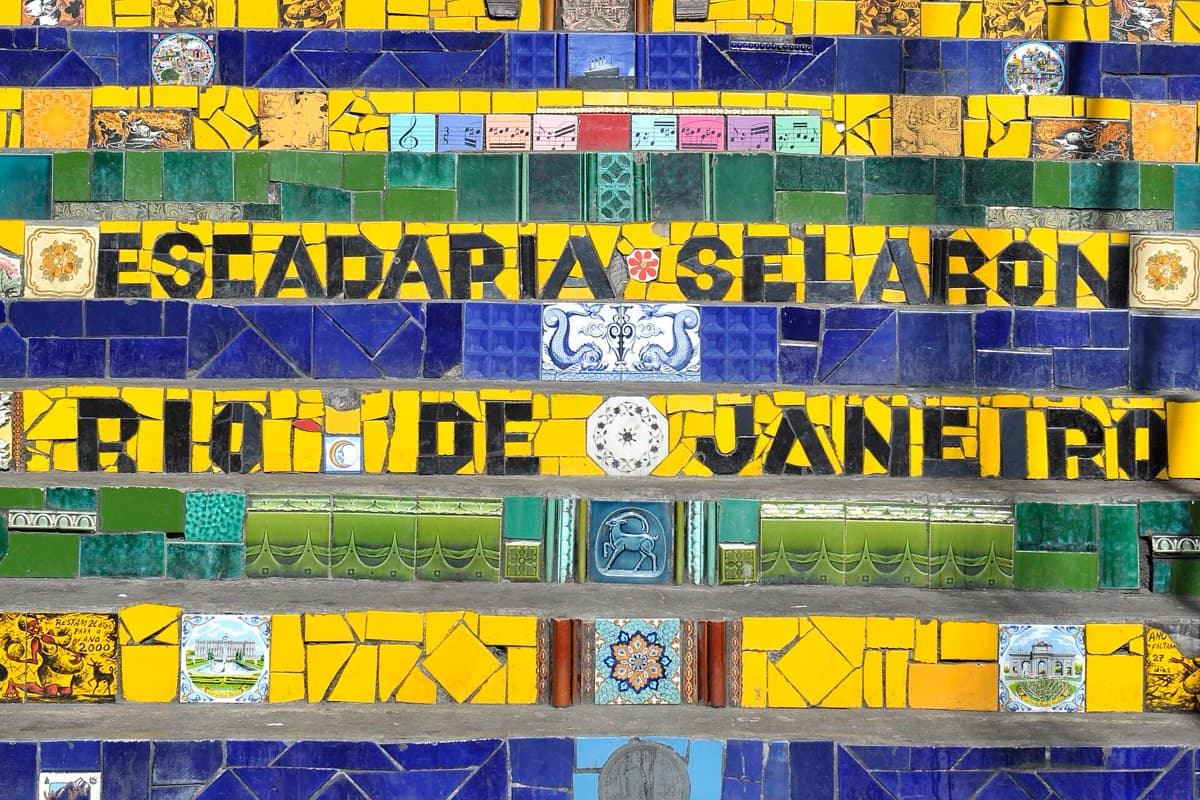

Santa Teresa: The Bohemian Hill
90 min · 2 km · hard
Rio food is built around gathering, not refinement. The great dishes are the ones you eat slowly and socially: feijoada over a long Saturday lunch, churrasco carved at your table until you wave the waiter off, and the endless small plates of the botequim, the corner bar where the city actually socializes. On the beach it collapses to the simplest pleasures, cold coconut water, a bowl of acai, a biscuit vendor calling down the sand. This guide covers the dishes worth seeking out and where the food culture lives, and it pairs naturally with a slow walk on one of our Rio self-guided tours.
The dishes to seek out
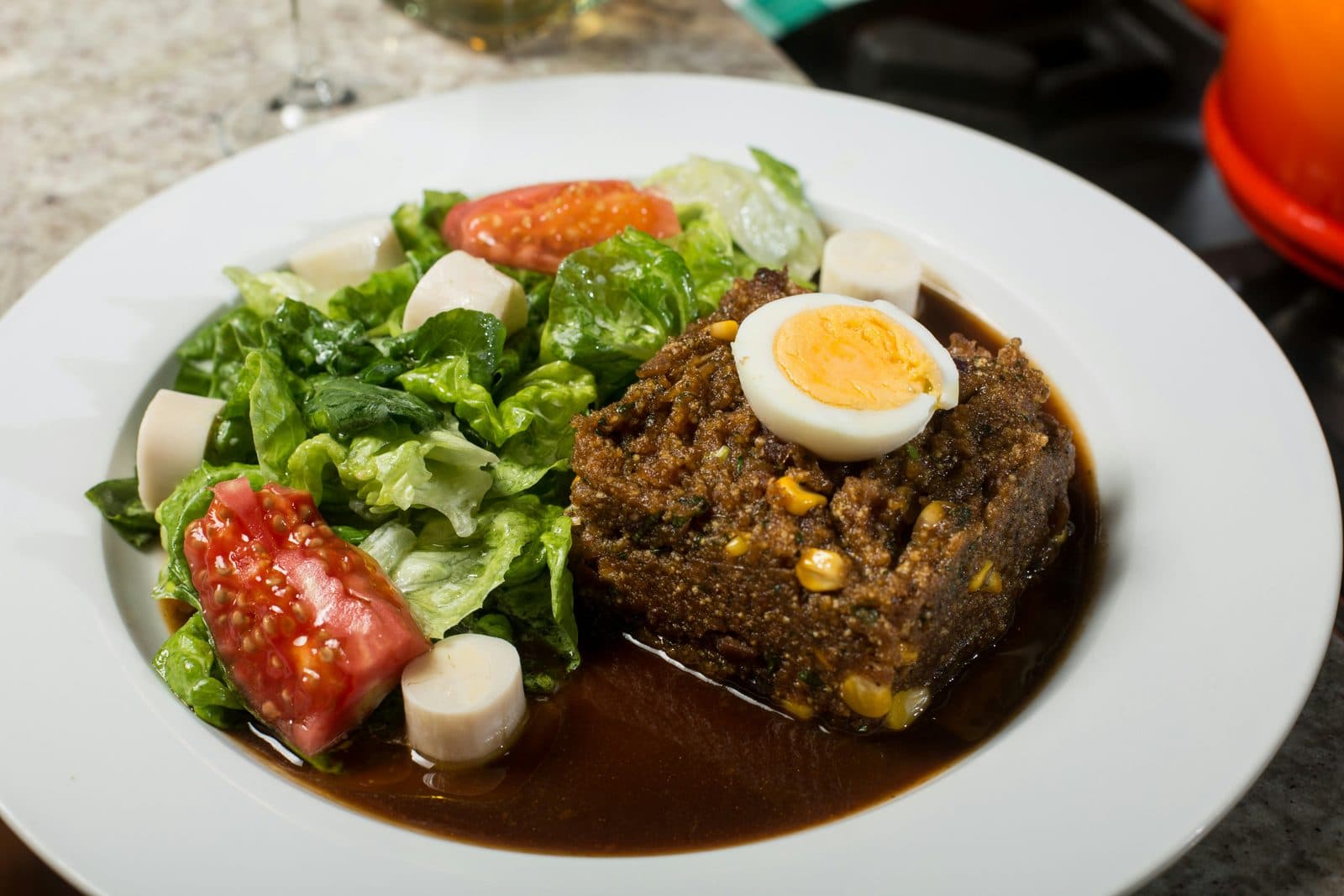
Feijoada. Brazil's national dish and Rio's great weekend ritual: black beans slow-cooked with several cuts of pork and beef, served with white rice, farofa (toasted cassava flour), sauteed collard greens, and orange slices to cut the richness. It is traditionally a Saturday meal in Rio, eaten slowly over hours with family, friends, a caipirinha, and often music. Plan your feijoada for the weekend, when restaurants cook the big pots.
Churrasco and rodizio. Brazilian barbecue, where skewers of grilled meat are the point. At a rodizio (churrascaria), waiters move table to table carving cut after cut, picanha, sausage, chicken hearts, ribs, straight onto your plate until you flip your token to "no more." It is abundance as a style of eating, and a Rio institution.
Coxinha and pastel. The bar-and-snack backbone. Coxinha is a teardrop-shaped croquette of shredded chicken in dough, breaded and fried, and possibly the country most beloved savoury snack. Pastel is a large, thin, crisp fried pastry stuffed with cheese, meat, or hearts of palm, best from a street stall or market. Both turn up at every botequim.
Pao de queijo. Small, chewy, cloud-light cheese breads made with tapioca flour, naturally gluten-free and dangerously easy to eat by the handful. A universal Brazilian breakfast and snack.
Acai. Not the diluted smoothie sold abroad but the real thing: frozen pulp of the Amazonian acai berry, served in a bowl like a thick dark sorbet, usually with granola and banana on top. On a hot Rio afternoon it is exactly right.
Where the food culture lives
Hear a stop from this walk
Largo das Neves: The Hill Exhales
The botequim, for the real Rio. The botequim (or boteco) is the traditional corner bar: open to the street, cold chopp (draft beer) in hand, and a table of petiscos (small plates) like coxinha, pastel, and bolinho de bacalhau (cod fritters). It is where Cariocas gather, and the most authentic, affordable way to eat and drink here. The bars of Lapa and Santa Teresa are thick with them. Walk the Santa Teresa hill or the Lapa and Cinelandia route at dusk and the walk doubles as your route to a boteco table.
The beach, for the simplest things. Rio's beach food is its own cuisine of vendors and kiosks. Order agua de coco, chilled coconut water drunk straight from the green coconut, from any kiosk. Look for a cup of acai, grilled queijo coalho cheese on a stick, and the roaming sellers of Biscoito Globo, the airy ring-shaped tapioca biscuit that is a genuine Rio icon, and mate, the sweet iced tea sold from tanks along Copacabana and Ipanema.
The caipirinha, everywhere. Brazil national cocktail and the thread that ties a Rio table together: cachaca (sugarcane spirit), lime, and sugar, muddled over ice. It is the classic partner to feijoada and the default order at any botequim. Passion fruit and other fruit versions abound.
The per-kilo buffet, for lunch. The por quilo (by the weight) buffet is how much of Rio eats midday: load a plate from a spread of rice, beans, salads, grilled meats, and stews, and pay by weight. Fast, cheap, and a good way to try many things at once.
Eat as you walk
The best way to work through this list is on foot, one neighbourhood at a time. Pair a morning in the imperial Centro with a per-kilo lunch, an afternoon on Copacabana with agua de coco and a Globo biscuit, and an evening in Lapa or Santa Teresa with coxinha, chopp, and a caipirinha at a botequim. Route your day with the one day in Rio itinerary, plan the practical side with the Rio travel guide, and browse all Rio tours. Every tour is free to start: the introduction and first stop play in full, and every later stop plays a short preview before an optional purchase.
Frequently asked questions
- What food is Rio de Janeiro known for?
- Rio is known for feijoada (a slow-cooked black bean and pork stew eaten on Saturdays), churrasco served rodizio-style (all-you-can-eat grilled meats carved at your table), and botequim bar food like coxinha (a teardrop of shredded chicken in dough) and pastel (a crisp fried pastry). On the beach the staples are agua de coco (chilled coconut water), acai (frozen Amazonian berry pulp served like a bowl of sorbet), and Globo biscuits sold by roaming vendors. The national drink is the caipirinha, made with cachaca, lime, and sugar.
- What is feijoada and when do you eat it?
- Feijoada is Brazil national dish, a rich stew of black beans slow-cooked with various cuts of pork and beef, served with white rice, farofa (toasted cassava flour), sauteed collard greens, and slices of orange. In Rio it is traditionally a Saturday meal, eaten slowly over a long leisurely lunch with family and friends, often with a caipirinha and live music. Many restaurants cook a big pot on Saturdays (and sometimes Wednesdays), so plan your feijoada for the weekend.
- What should you eat on the beach in Rio?
- The classic beach order is agua de coco, chilled coconut water drunk straight from the green coconut with a straw, sold at every kiosk. Alongside it, look for acai, the frozen purple Amazonian berry pulp served in a bowl like thick sorbet, often topped with granola and banana. Roaming vendors sell Biscoito Globo, the airy ring-shaped tapioca biscuit that is a Rio beach icon, along with grilled cheese on a stick (queijo coalho) and mate iced tea.
- What is a botequim and why does it matter in Rio?
- A botequim (or boteco) is Rio traditional neighbourhood corner bar: unpretentious, often open to the street, serving cold draft beer (chopp) alongside small plates called petiscos, coxinha, pastel, bolinho de bacalhau (cod fritters), and grilled meats. It is where Cariocas actually socialize, and it is the most authentic and affordable way to eat and drink like a local. The bars of Lapa and Santa Teresa are full of them.
Brazil eSIM· 10% off with ROAMER10
Ready to experience it?
Santa Teresa: The Bohemian Hill
90 min · 2 km · hard
More from Rio
Explore more at your own pace.

One Day in Rio de Janeiro: A Walkable City-and-Views Itinerary (2026)
Rio de Janeiro Travel Guide: How Many Days, Getting Around, Safety, When to Go (2026)

The Rio Behind the Beach: Why the Old Centro Is the City's Real Origin
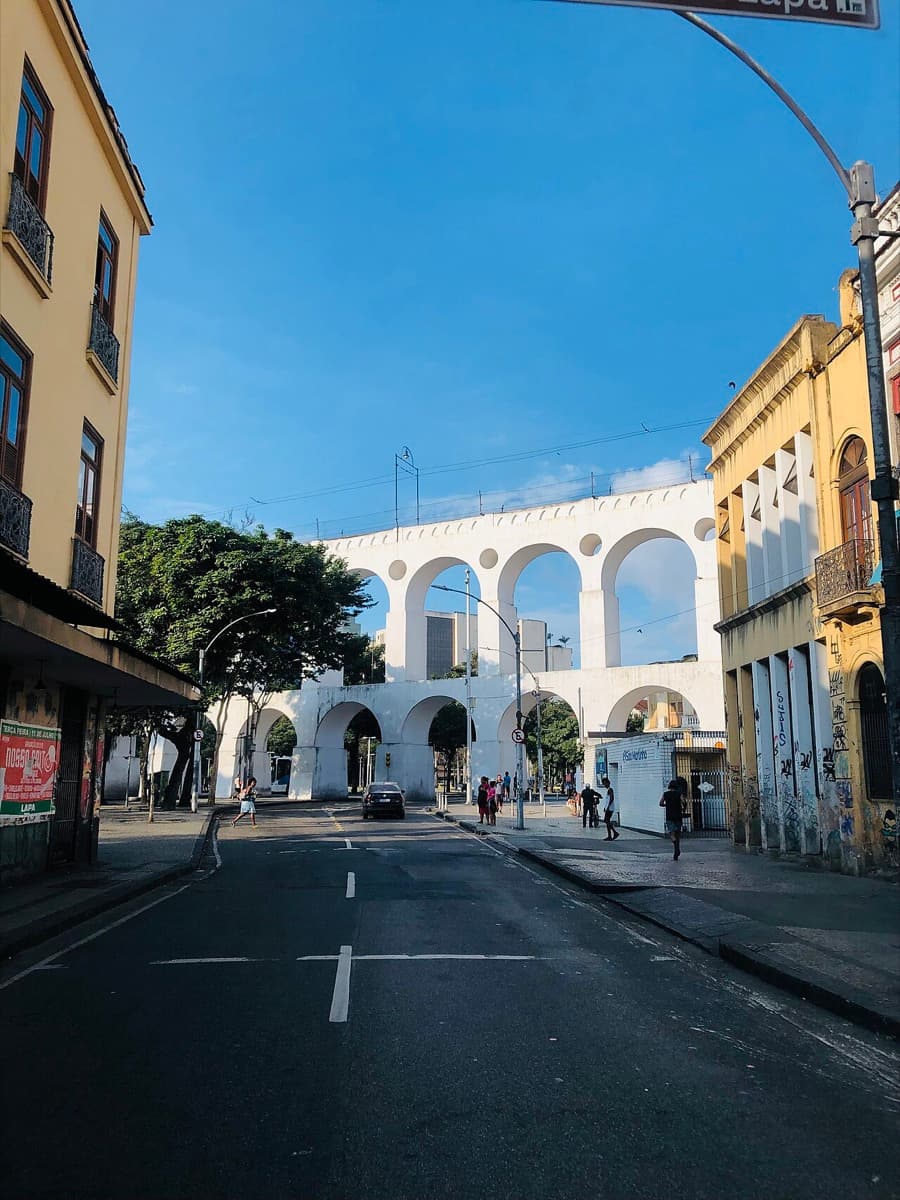
Arcos da Lapa: The Rio Aqueduct That Became a Tram Bridge

Candelaria Church: The Rio Dome That Was Carved in Lisbon and Shipped Across the Ocean