Kasbah of the Udayas: Rabat's Old Town Above the Sea
110 min · 2.5 km · easy
Eat in Rabat the way the Atlantic and Al-Andalus shaped the city: seafood pulled from the ocean at the medina's edge, refugee-Spanish pastries like pastilla, communal couscous on Fridays, and cheap, honest street food along the medina lanes. Rabat is a capital that faces the sea, so its cooking leans lighter and more fish-forward than the meat-heavy tagines inland. Here is what to order, where the tradition comes from, and how to eat it without missing the good stuff.
Rabat's old town is calm, walkable, and open to the ocean, which is exactly why it rewards eating on foot. You can taste your way through the medina and the Kasbah of the Udayas at your own pace with Rabat walking tours, and everything below sits along or near those routes.
Start with the seafood, because Rabat has the Atlantic
Rabat sits where the Bou Regreg river meets the Atlantic, and that geography defines the plate. Unlike the lamb-and-prune tagines of inland cities, Rabat leans on fresh fish, shrimp, calamari, and mussels. Order a seafood tagine (fish, tomato, peppers, olives, preserved lemon, slow-cooked in the cone-lidded clay pot the dish is named for), or look for grilled sardines and fried calamari at simpler counters.
The refined version is seafood pastilla. Pastilla, sometimes written bastilla or b'stilla, is a pie built from warqa, a tissue-thin pastry, and it carries real history: it is generally traced to Andalusian cooks who fled Spain, the same expelled Muslim community that laid out Rabat's straight-lined medina. The classic is savory-sweet poultry (pigeon in the oldest recipes, chicken far more commonly today) dusted with cinnamon and powdered sugar. Rabat's coastal twist swaps in shrimp, calamari, and white fish. If you only try one "special-occasion" dish here, make it this one.
Couscous is a Friday dish, so plan around it
Hear a stop from this walk
The Ramparts and the Almohad Wall: Walls for a Capital Never Filled
Couscous is North Africa's oldest signature grain dish, indigenous to the Berber peoples of the region long before the Arab conquest, and in Morocco it carries a weekly rhythm. It is traditionally eaten on Fridays after midday prayers, when families gather around one communal platter. Practically, that means many home-style restaurants serve their best couscous on Friday and may not offer it other days. If couscous is on your list, aim for a Friday lunch. Expect it mounded with lamb or chicken, chickpeas, and vegetables like carrots, zucchini, cabbage, and turnips over the steamed semolina.
Eat breakfast and cheap lunch like a local
Morning in Rabat is bread and griddle work. Msemen is a flaky, folded, pan-fried flatbread, best eaten warm off the griddle with honey (it turns heavy once it cools, so eat it standing up if you have to). Harcha, a semolina griddle cake, plays a similar role. Pair either with mint tea or nos-nos, literally "half-half," an espresso cut with an equal measure of hot milk. A street breakfast of griddle bread, juice, and coffee runs to only a handful of dirham, well under what a sit-down cafe charges.
For a cheap, filling early meal, find bissara: a thick fava-bean soup finished with olive oil, cumin, and a dusting of paprika, mopped up with bread. It is a morning-to-midday dish that the small medina counters often sell out by afternoon, so it is best visited early. A bowl is usually just a few dirham.
One dish to time to the calendar: harira, the tomato, lentil, and chickpea soup, is eaten year-round but becomes the national ritual during Ramadan, when it breaks the daily fast at sunset alongside dates. If you visit during Ramadan, harira is everywhere at dusk.
Where to eat it: the medina food lanes
The most rewarding eating is inside the medina the Andalusian refugees built. Rue des Consuls is the medina's spine and a fifth stop on the Kasbah and medina walk: once the street where foreign consuls were required to live, it is now lined with rug and craft merchants, with food counters and juice stalls threaded between them. The alleys behind the Grand Mosque run to grilled sardines, harira, and spice sellers. This is where street food and the walking tour overlap directly, so you can pair the history in your ears with lunch in your hand.
A note on how to order: menus in tourist-facing spots may be in French and Arabic, so learning a few dish names (tajine, couscous, briouat, msemen) goes further than pointing. Prices at market counters are usually posted or fixed and cheap; in the rug shops along Rue des Consuls, bargaining is expected, but that is for carpets, not for a bowl of soup.
Save room for the almond sweets and mint tea
End on pastry and tea. Kaab el ghazal, "gazelle horns," are crescents of thin dough filled with orange-blossom-scented almond paste; they are associated with the royal kitchens of Fez and appear at weddings and Eid. Briouat (small almond-filled fried pastries) and ghriba (chewy almond cookies) round out the honey-and-nut tradition.
The constant is mint tea, called atay: Chinese gunpowder green tea, brought into Morocco by traders in the nineteenth century, brewed strong with spearmint and a heavy hand of sugar, and poured from a height to raise foam. Accepting a glass is the whole social ritual of the country in one cup. It is the natural close to a day spent walking the Rabat old town.
A quick word on safety and stomachs
Rabat is one of Morocco's calmer, more administrative cities, and medina eating here is generally low-stress. Use the usual traveler sense: choose busy stalls with high turnover (the food is fresher and the crowd is a good sign), eat bread-and-griddle items while hot, and stick to bottled or filtered water if your stomach is sensitive. Cash is king at street counters and at sites like the Chellah, so carry small dirham notes.
Sources
Frequently asked questions
- What food is Rabat known for?
- Rabat is known for Atlantic seafood, since the city sits where the Bou Regreg river meets the ocean. Local specialties include seafood tagines with fish, shrimp, and mussels, plus seafood pastilla (a warqa-pastry pie). You will also find grilled sardines, fried calamari, couscous, and medina street food like bissara and msemen.
- What is pastilla and where does it come from?
- Pastilla, also spelled bastilla or b'stilla, is a savory-sweet pie made with tissue-thin warqa pastry, dusted with cinnamon and powdered sugar. It is generally traced to Andalusian cooks expelled from Spain, and the city of Fez is most closely associated with the classic pigeon version. Chicken is the common filling today, and Rabat also makes a seafood version with shrimp, calamari, and white fish.
- When is couscous served in Morocco?
- Couscous is traditionally eaten on Fridays after midday prayers, when families gather around a shared platter. Many home-style restaurants in Rabat serve their best couscous on Friday and may not offer it other days, so plan a Friday lunch if it is on your list. It usually comes with lamb or chicken, chickpeas, and vegetables over steamed semolina.
- What should I eat for breakfast in Rabat?
- Look for msemen, a flaky folded griddle bread eaten warm with honey, or harcha, a semolina griddle cake. Pair either with mint tea or nos-nos, an espresso cut with equal hot milk. A street breakfast of griddle bread, juice, and coffee costs only a handful of dirham and far less than a sit-down cafe.
- Where can I find street food in the Rabat medina?
- The main food lanes are along Rue des Consuls and in the alleys behind the Grand Mosque, where you will find grilled sardines, harira soup, bissara, and juice stalls among the craft merchants. Rue des Consuls is a stop on the Kasbah of the Udayas and medina walking tour, so the food and the history overlap on the same route.
- Is it safe to eat street food in Rabat?
- Rabat is one of Morocco's calmer cities and medina street food is generally low-stress. Choose busy stalls with high turnover for freshness, eat griddle breads while hot, and drink bottled or filtered water if your stomach is sensitive. Carry small dirham notes, since street counters and sites like the Chellah are cash-only.
Ready to experience it?
Kasbah of the Udayas: Rabat's Old Town Above the Sea
110 min · 2.5 km · easy
More from Rabat
Explore more at your own pace.
One Day in Rabat: A Walkable Itinerary From Kasbah to Chellah
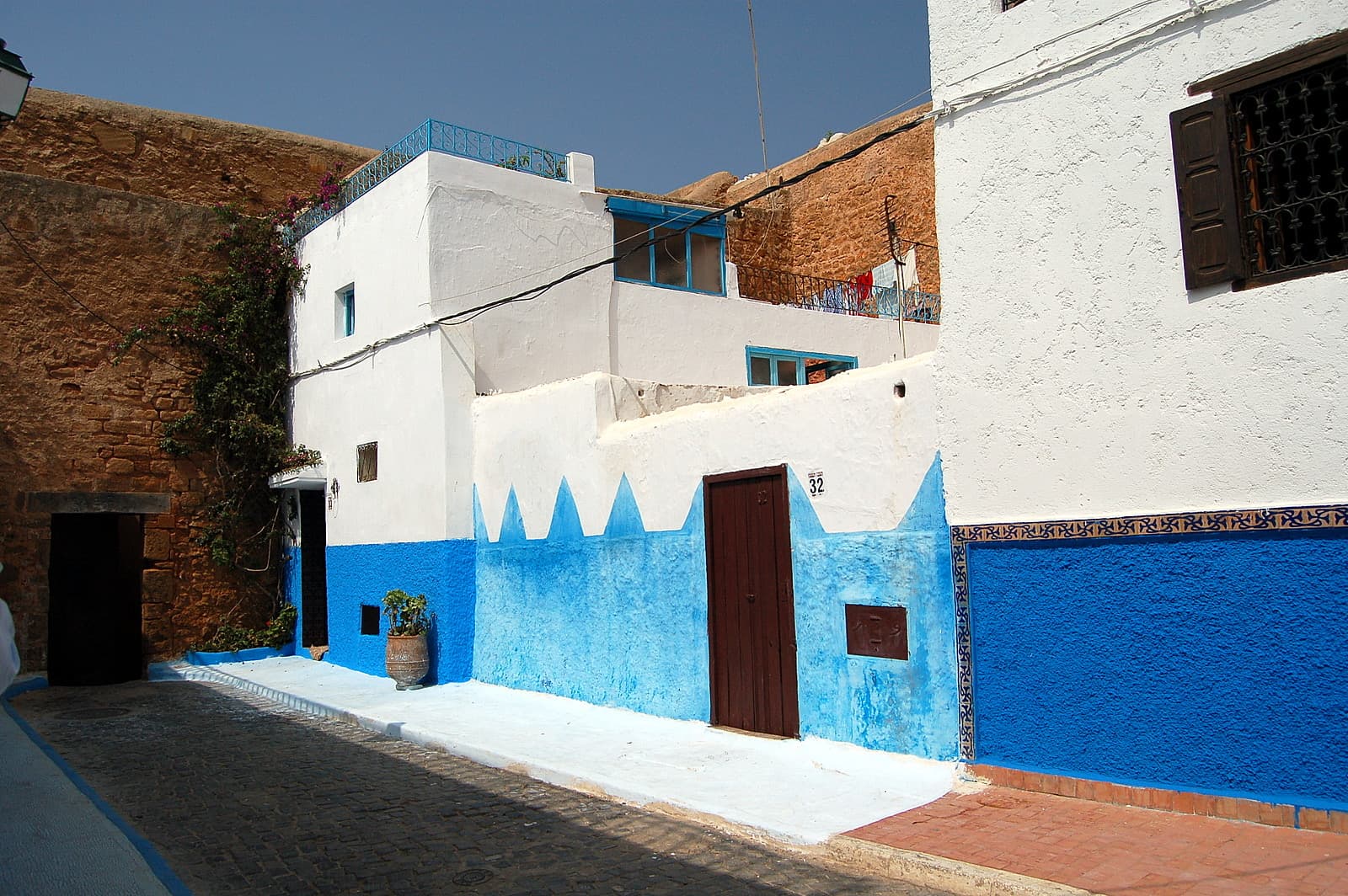
Rabat: The Ocean-Facing Capital That Was Never Filled
Bab Oudaia: The Almohad Gate That Explains All of Rabat
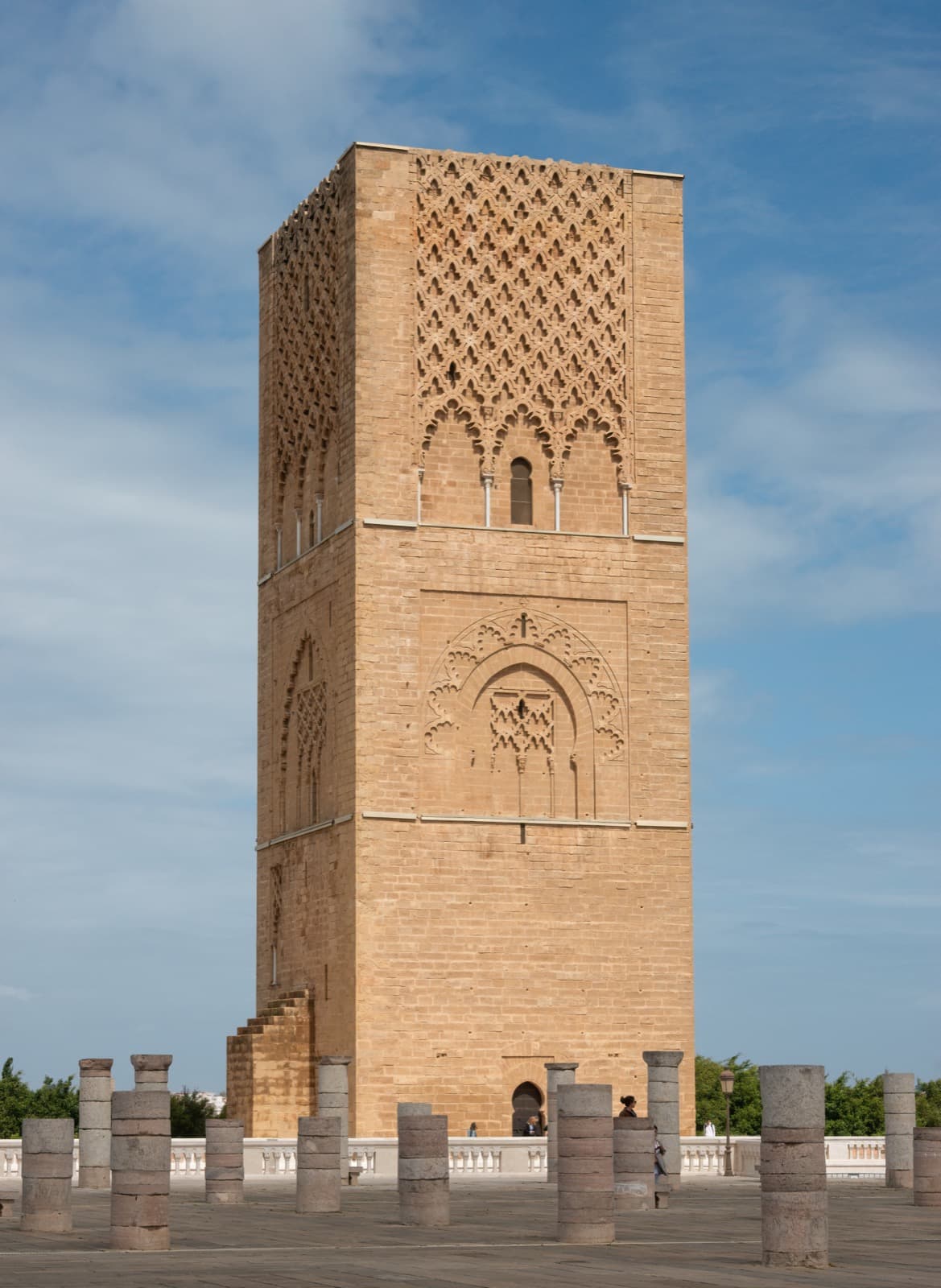
Hassan Tower: Reading Imperial Rabat Through Its Grandest Ruin
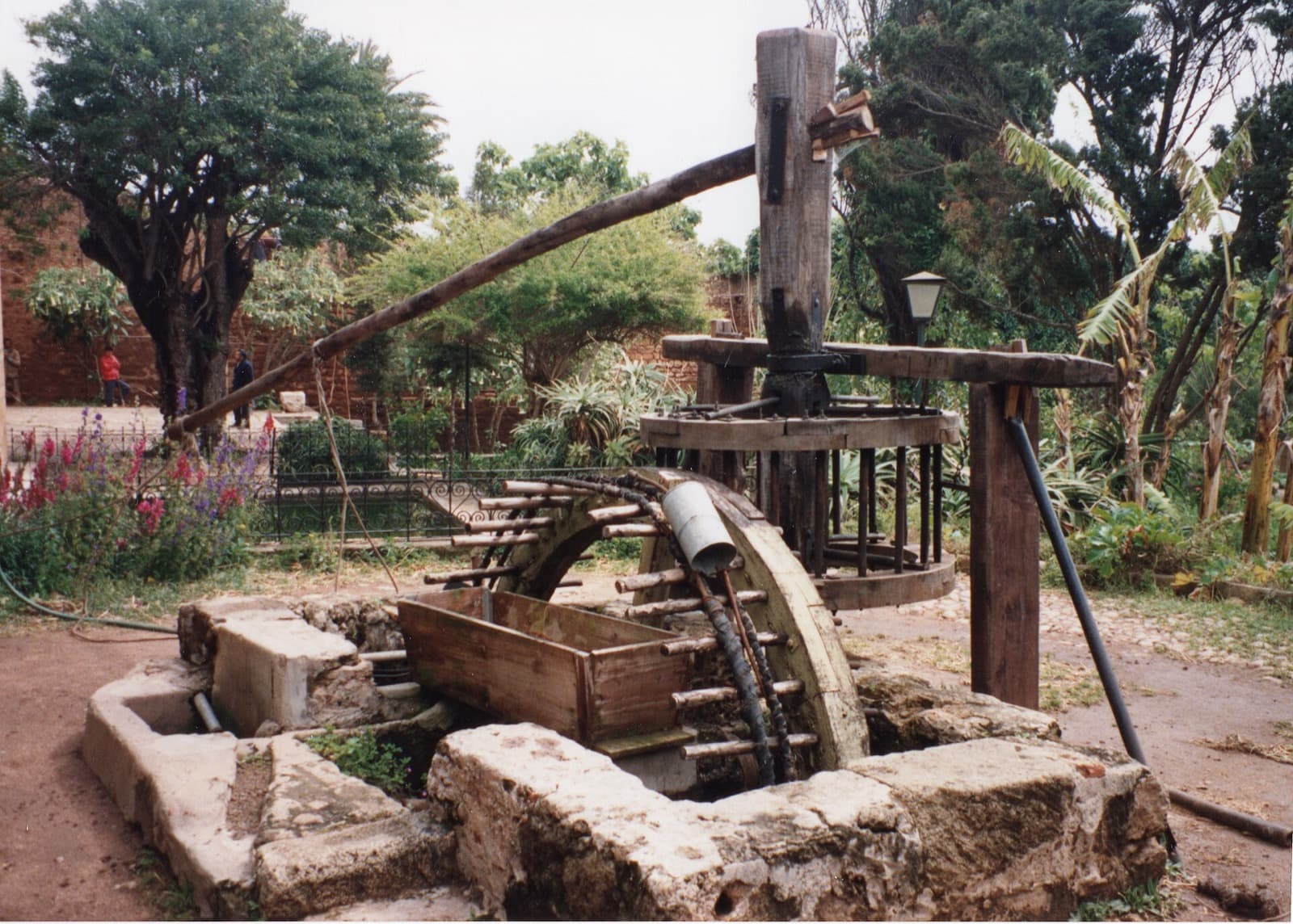
The Andalusian Gardens and Jewellery Museum: A Colonial Garden Inside a Medieval Fort