Kasbah of the Udayas: Rabat's Old Town Above the Sea
110 min · 2.5 km · easy
Plan Rabat as a compact, walkable capital where two or three unhurried days cover the marquee monuments and the medina without rushing, where trams and blue petit taxis handle the longer hops, and where spring and autumn give you the mildest weather. Morocco's capital sits on the Atlantic at the mouth of the Bou Regreg river, which keeps its summers cooler than the interior and makes open-air sites like the Kasbah of the Udayas, Hassan Tower, and the Chellah pleasant to walk on foot for much of the year. The city is calm and open to the ocean, and its old core is small enough that you can see the essentials at your own pace.
This guide answers the practical questions travelers actually search: how many days, how to get around, when to come, an honest word on safety, and what it costs. Two self-guided audio walks anchor the sightseeing, and both are built to be walked slowly with no group and no schedule. See the full set of Rabat walking tours, or start from the city page at /morocco/rabat.
How many days do you need in Rabat?
Two days is the comfortable answer, and one long day is enough if you are pressed. Rabat's three headline sites, the Kasbah of the Udayas, Hassan Tower with the Mausoleum of Mohammed V, and the Chellah, are compact and close together, so a determined visitor can see all three in a single full day. Guides commonly describe Rabat as a day trip from Casablanca, which is about an hour and fifteen minutes away by train.
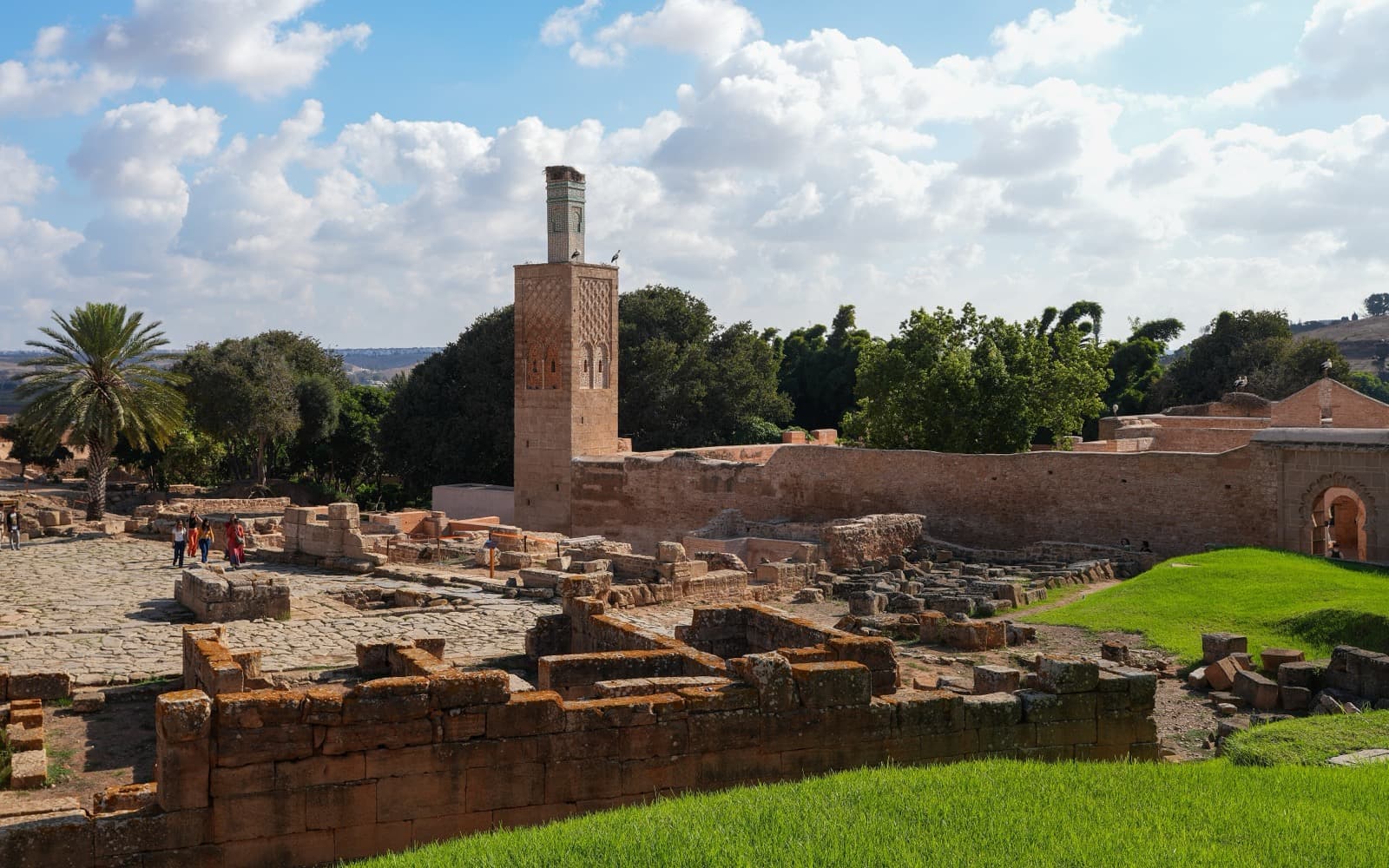
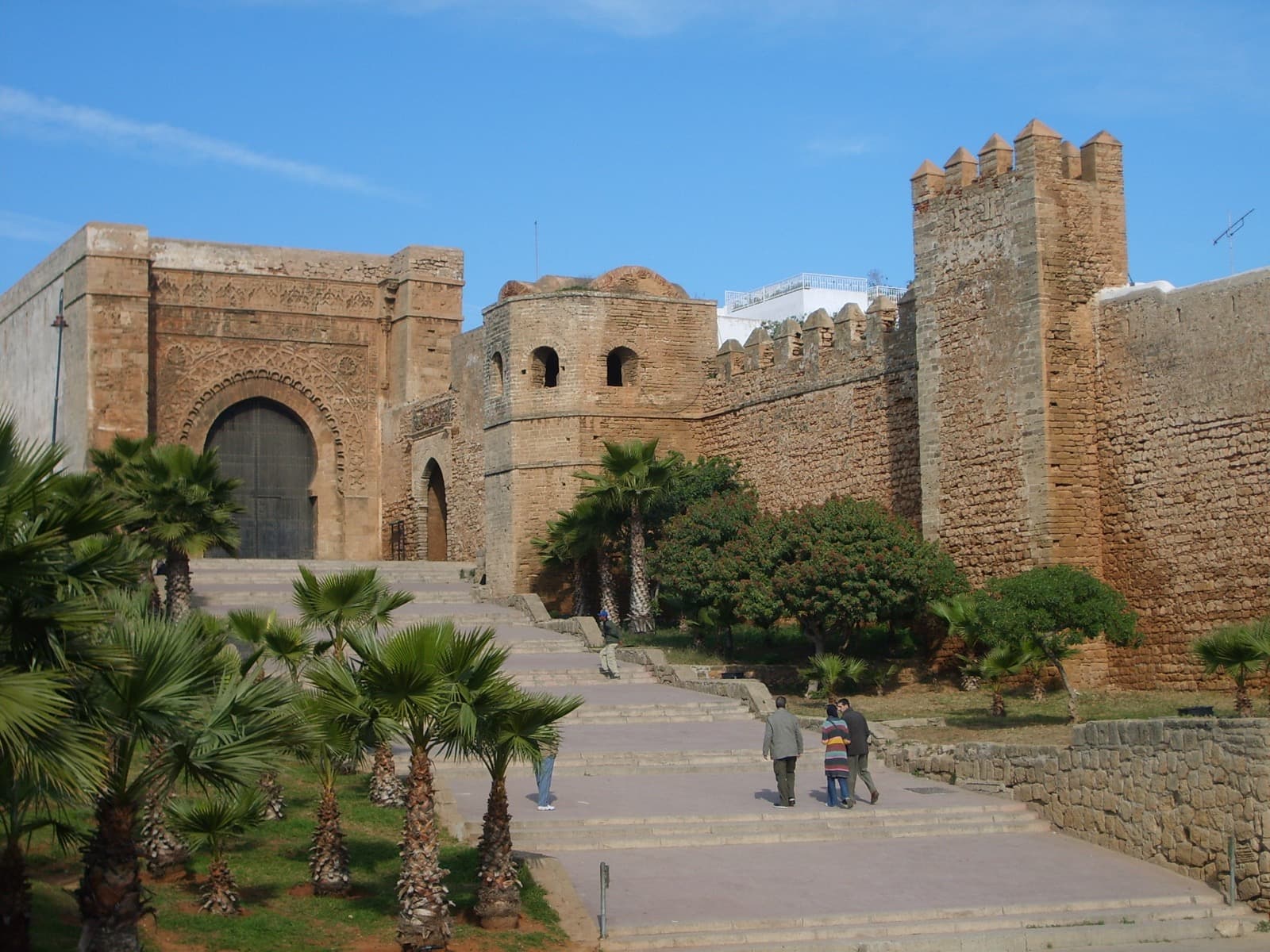
We suggest two days so you can separate the two natural halves of the city. Give one day to the ocean-facing old capital: the Kasbah of the Udayas on its cliff, the blue-and-white lanes, the Andalusian Gardens, the platform over the old pirate harbour, and the medina below. Our Kasbah of the Udayas: Rabat's Old Town Above the Sea walk covers that arc in about ninety minutes to two hours over roughly two and a half kilometres, easy underfoot. Give the second day to imperial Rabat: Hassan Tower and its unfinished mosque columns, the royal mausoleum, and the Chellah, a Roman town turned into a Marinid garden of tombs on the southern edge of the city. Our Hassan Tower and Chellah walk runs about two hours over six kilometres at a moderate pace. A third day is worth it if you want to slow down, add the Mohammed the Sixth Museum of Modern and Contemporary Art, cross the river to Sale, or simply sit by the sea.
How do you get around Rabat?
Hear a stop from this walk
The Ramparts and the Almohad Wall: Walls for a Capital Never Filled
On foot for the old core, and by tram or petit taxi for the longer hops. The medina, the Kasbah of the Udayas, and the ramparts are all walkable from one another. From the medina it is roughly a ten-minute walk north into the kasbah, and the whole old town rewards being covered on foot.
For distance, the Rabat-Sale tramway has two lines running across both cities and over the river. A single ride costs 7 dirhams (raised from 6), and one validated ticket lets you travel and transfer across the network for one hour. The Bab Chellah stop puts you at the edge of the medina, and stops near Place 16 Novembre sit close to the kasbah quarter. Trams run frequently and are a cheap, low-stress way to cover ground.
Taxis come in two kinds. Petit taxis, which are blue in Rabat, are metered city cabs that carry up to three passengers for short hops. Insist on the meter or agree the fare before you set off, since some drivers skip the meter. Grand taxis are larger shared cars for longer or intercity routes. From Rabat-Sale Airport, a fixed-fare petit taxi to the city runs about 150 dirhams by day and around 200 dirhams at night, with prices posted at the stand.
Getting to Rabat is easy. ONCF trains connect Casablanca-Voyageurs to Rabat-Ville roughly every 30 to 60 minutes, a trip of about an hour and fifteen minutes in second class for somewhere in the 55 to 90 dirham range, and Rabat-Ville station sits within walking distance or a short taxi ride of the main sights.
When is the best time to visit?
Spring and autumn are the sweet spots. March, April, and May bring mild, warm days and cool evenings, with gardens in bloom, which is ideal for the open-air sites. September through November delivers the same comfortable balance, and October in particular pairs warm days with cool nights and low rainfall.
Because Rabat sits on the Atlantic, it avoids the harsh heat of inland Morocco. The ocean keeps summers milder and winters gentler than the interior, so the city is genuinely walkable year-round. Summer is warm but tempered by sea air, and winter is mild if occasionally wet. For the walks in this guide, aim for morning or late afternoon: the kasbah lanes are quietest early, the sea light is soft on the blue walls, and the golden hours give the best views over the river mouth toward Sale.
If your dates fall during Ramadan, plan around shorter site hours (the Chellah, for example, shifts to a reduced schedule) and a quieter daytime rhythm, with the city coming alive after sunset.
Is Rabat safe?
Yes, with the ordinary caution any capital deserves. As of its April 2025 update, the United States Department of State places all of Morocco at Level Two, Exercise Increased Caution, mainly citing the risk of terrorism, an advisory it shares with many mainstream travel destinations. Rabat in particular is widely described as calm and comfortable for visitors, including solo travelers and solo women, who generally report positive experiences and low levels of harassment compared with more tourist-heavy Moroccan cities.
The honest caveats you are most likely to meet are the everyday urban ones, not anything dramatic. Petty theft, occasional pushy taxi drivers, and mild street attention can happen, and violent crime against tourists is rare. In the medina and along the craft street Rue des Consuls, expect faux-guides and shopkeepers who work the lanes: a firm, polite no keeps you moving freely, and carrying your own map (as our self-guided walks do) removes any need for a paid escort. Dress modestly, especially near mosques and shrines, agree taxi fares up front, avoid demonstrations and crowds, and stay off empty streets late at night. Note that active mosques, including the Old Mosque in the kasbah, are closed to non-Muslims, so you view them from the outside; the royal mausoleum, by contrast, welcomes respectfully dressed non-Muslim visitors.
What does Rabat cost?
Rabat is inexpensive by European or North American standards, and most of its landmarks are free. The Kasbah of the Udayas, its blue lanes, the seaward platform, the Almohad ramparts and gates, and the Hassan Tower esplanade with the Mausoleum of Mohammed V all cost nothing to enter. The Andalusian Gardens are free, though the adjoining National Jewellery Museum (a genuine seventeenth-century pavilion built by Sultan Moulay Ismail, reopened as the jewellery museum in January 2023) charges a small admission.
The main paid ticket among the marquee sites is the Chellah, the walled Roman-and-Marinid ruin south of the center. Foreign visitors pay about 70 dirhams (Moroccan nationals pay a reduced rate), and it is worth carrying cash. Opening hours run roughly 9:00 to 18:00 in winter and 8:00 to 20:00 in summer, with shorter Ramadan hours, so check before a late arrival. Beyond that, budget for trams at 7 dirhams a ride, cheap metered petit taxis, and whatever you choose to buy on Rue des Consuls, where rugs, leather, jewellery, and babouche slippers are sold. Keep small dirham notes on hand for tickets, tips, and market purchases, since cash still rules in the medina.
Sources
Frequently asked questions
- How many days do you need in Rabat?
- Two days is comfortable, and one long day is enough if you are pressed. The three headline sites, the Kasbah of the Udayas, Hassan Tower with the Mausoleum of Mohammed V, and the Chellah, are compact and close together. Splitting them across two days lets you separate the ocean-facing old capital from imperial Rabat and walk each at an unhurried pace.
- How do you get around Rabat?
- Walk the old core (the medina, kasbah, and ramparts are all close together, about a ten-minute walk apart) and use the Rabat-Sale tram or blue petit taxis for longer hops. A single tram ride costs 7 dirhams and lets you transfer across the network for one hour. Petit taxis are metered; insist on the meter or agree the fare before you set off.
- Is Rabat safe for tourists?
- Yes, with ordinary urban caution. As of its April 2025 update, the US State Department rates all of Morocco Level Two, Exercise Increased Caution, mainly citing the risk of terrorism, the same everyday level assigned to many popular travel destinations. Rabat itself is widely described as calm and comfortable, including for solo travelers and solo women. Beyond that, expect only everyday issues like petty theft, pushy taxi drivers, and faux-guides in the medina, all handled with a firm, polite no.
- When is the best time to visit Rabat?
- Spring (March to May) and autumn (September to November) offer the mildest weather, with warm days, cool evenings, and low rainfall. October is especially pleasant. Because Rabat sits on the Atlantic, its summers are cooler and winters gentler than inland Morocco, so the city is walkable year-round.
- How much does it cost to visit Rabat's sights?
- Most marquee sites are free, including the Kasbah of the Udayas, the Almohad ramparts, the Hassan Tower esplanade, and the Mausoleum of Mohammed V. The Andalusian Gardens are free, though the adjoining jewellery museum charges a small admission. The Chellah is the main paid ticket, about 70 dirhams for foreign visitors, and cash is best.
- Can you visit Rabat as a day trip from Casablanca?
- Yes. ONCF trains connect Casablanca-Voyageurs to Rabat-Ville roughly every 30 to 60 minutes, a trip of about an hour and fifteen minutes in second class for around 55 to 90 dirhams. A full day is enough to see the Kasbah of the Udayas, Hassan Tower, and the Chellah, all near the station or a short petit taxi ride away.
Ready to experience it?
Kasbah of the Udayas: Rabat's Old Town Above the Sea
110 min · 2.5 km · easy
More from Rabat
Explore more at your own pace.
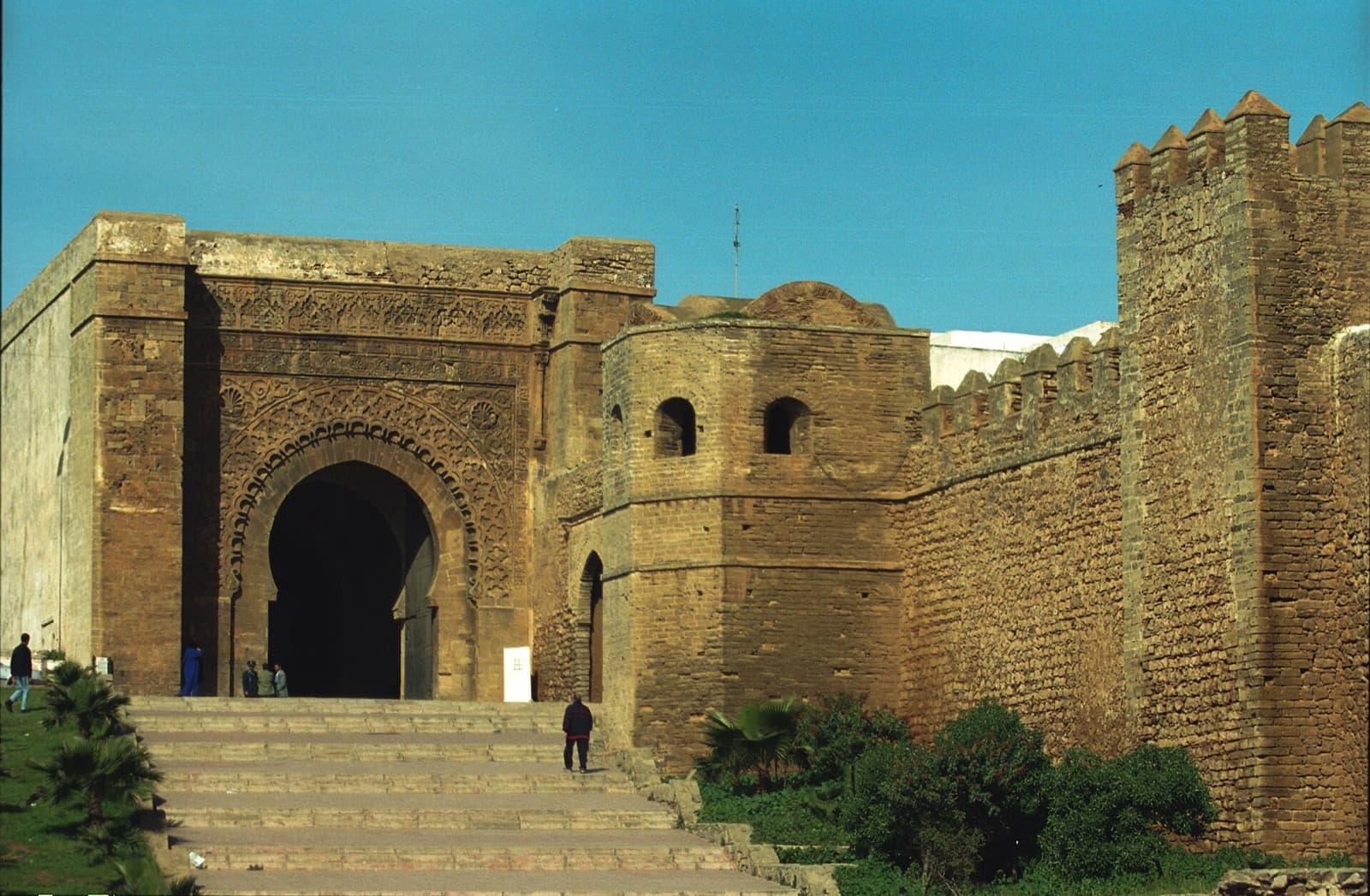
One Day in Rabat: A Walkable Itinerary From Kasbah to Chellah
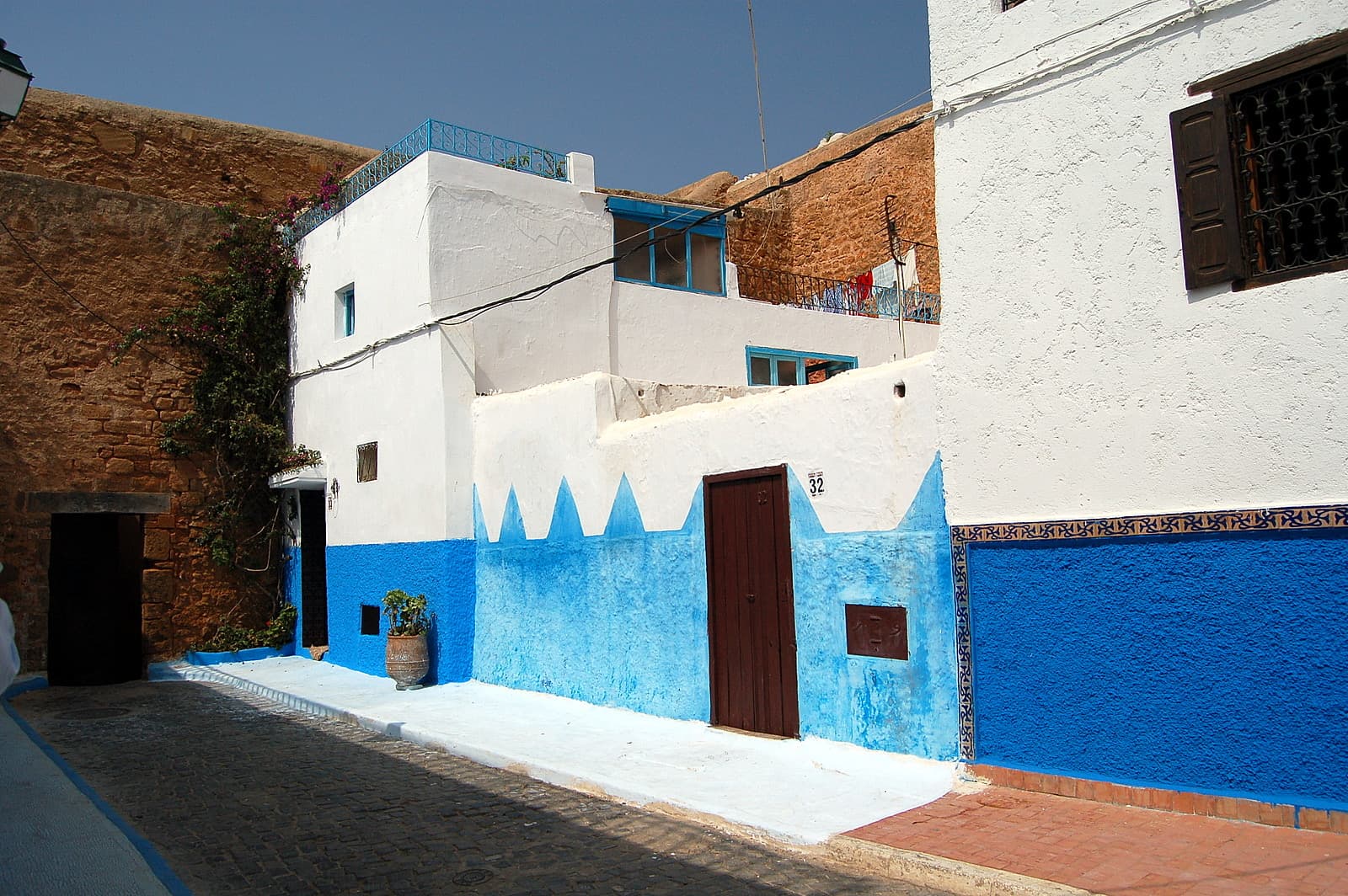
Rabat: The Ocean-Facing Capital That Was Never Filled
Bab Oudaia: The Almohad Gate That Explains All of Rabat
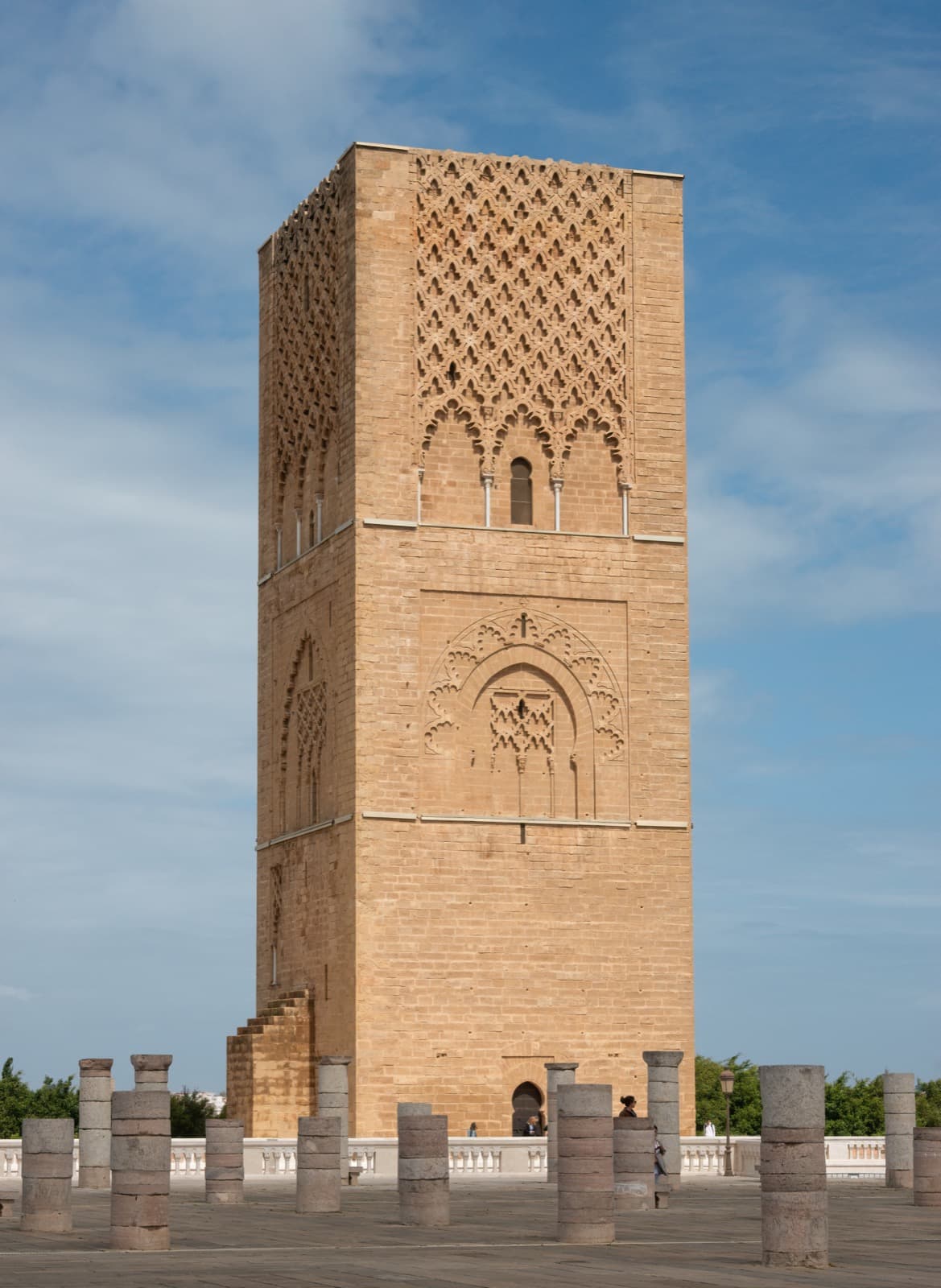
Hassan Tower: Reading Imperial Rabat Through Its Grandest Ruin
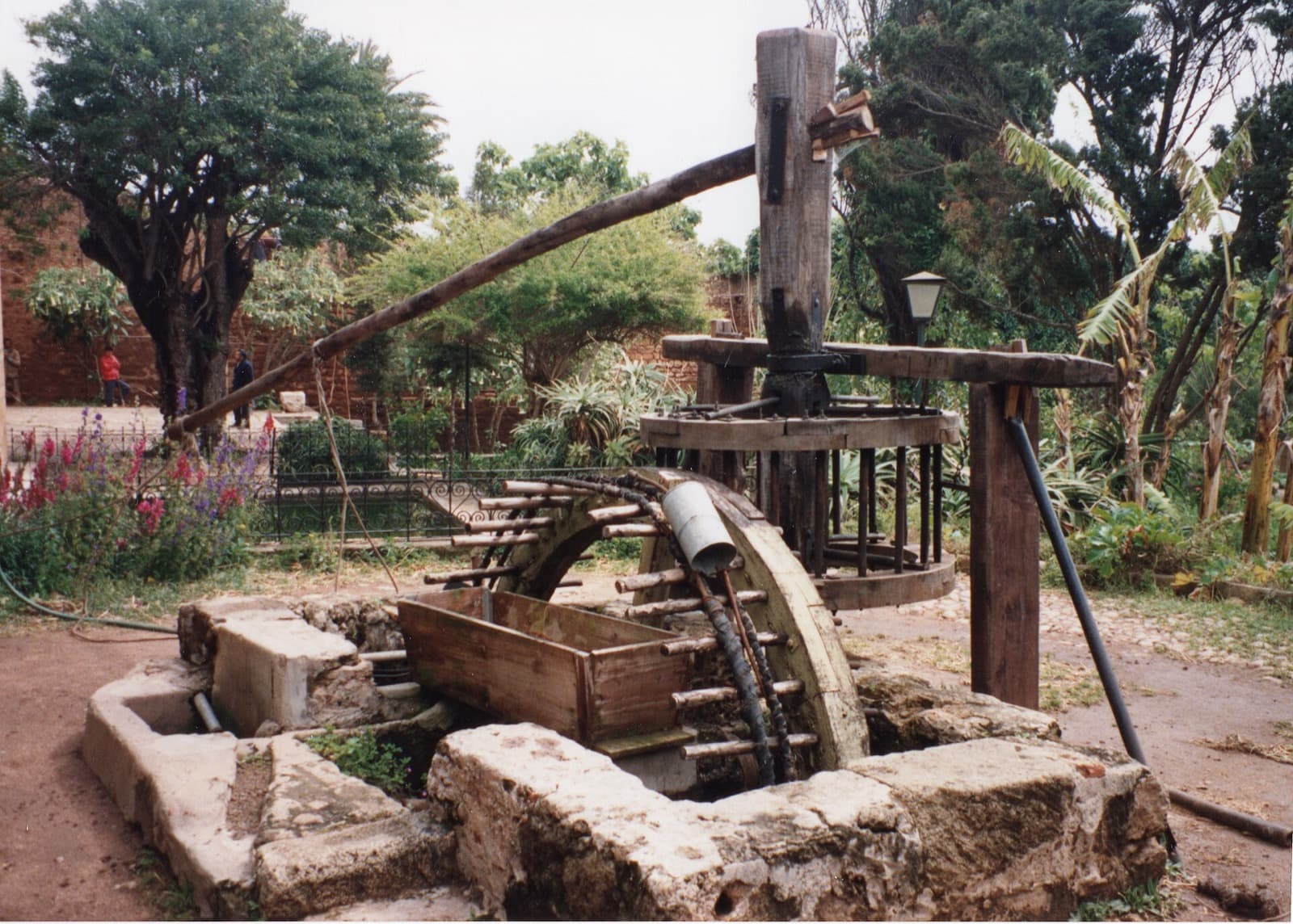
The Andalusian Gardens and Jewellery Museum: A Colonial Garden Inside a Medieval Fort