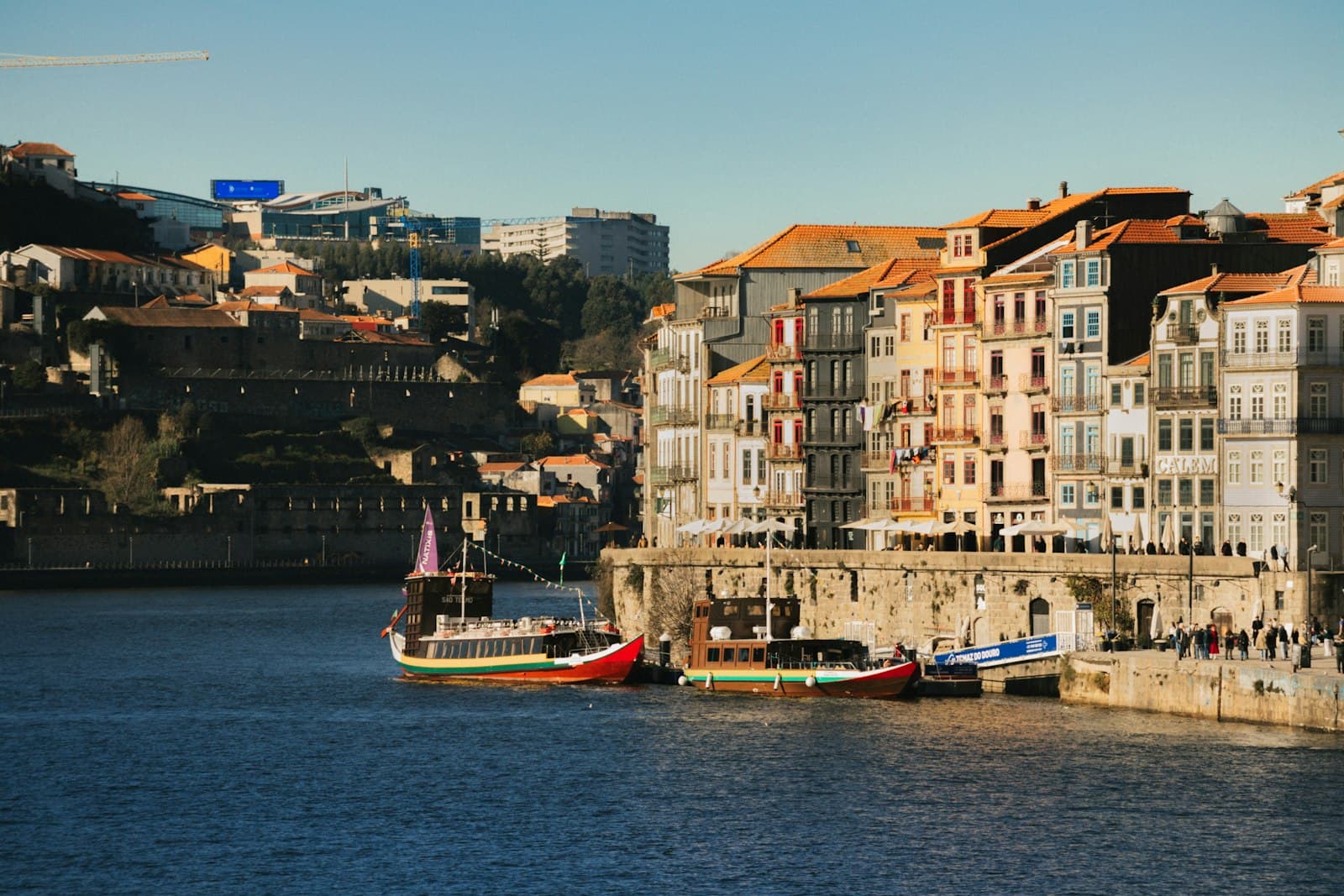
Ribeira: The City of the River
95 min · 2.9 km · moderate
If you are hungry in Porto, order the francesinha, the tripas à moda do Porto, and a glass of tawny port, then work outward to salt cod, caldo verde, and a warm custard tart. These are the dishes that carry the city's history in a single bite: a sandwich invented in a Porto café, a tripe stew that gave the whole city its nickname, and a fortified wine that is aged across the river rather than in Porto itself. This guide walks through each specific dish, where the tradition comes from, and how to order it without guessing.
Start with the francesinha, Porto's signature sandwich
The francesinha is the dish to eat first because it exists almost nowhere else in the same form. It is a layered sandwich of toasted bread, cured ham, linguiça sausage, and steak or roast meat, sealed under melted cheese and drowned in a hot tomato-and-beer sauce. Many places top it with a fried egg and surround it with fries so the sauce has something to soak into.
The sandwich is a Porto invention, not an old peasant dish. It was created in 1953 by Daniel David de Silva, who had returned from France and Belgium and set out to adapt the French croque monsieur to Portuguese tastes. He introduced it at A Regaleira, a restaurant on Rua do Bonjardim in Porto. The name francesinha means "little French girl," a nod to that French inspiration.
How to order like a local: the sauce (molho de francesinha) is the whole point, and every kitchen guards its own recipe, so ask whether the sauce is picante (spicy) if you care. Order it com ovo if you want the fried egg on top. It is a heavy, midday-or-early-evening dish, best shared if you plan to eat anything else that day. Rua do Bonjardim sits a short walk uphill from the Ribeira riverfront, so it pairs naturally with the Porto walking tours that thread through the old center.
Understand tripas à moda do Porto, the dish behind the nickname
Hear a stop from this walk
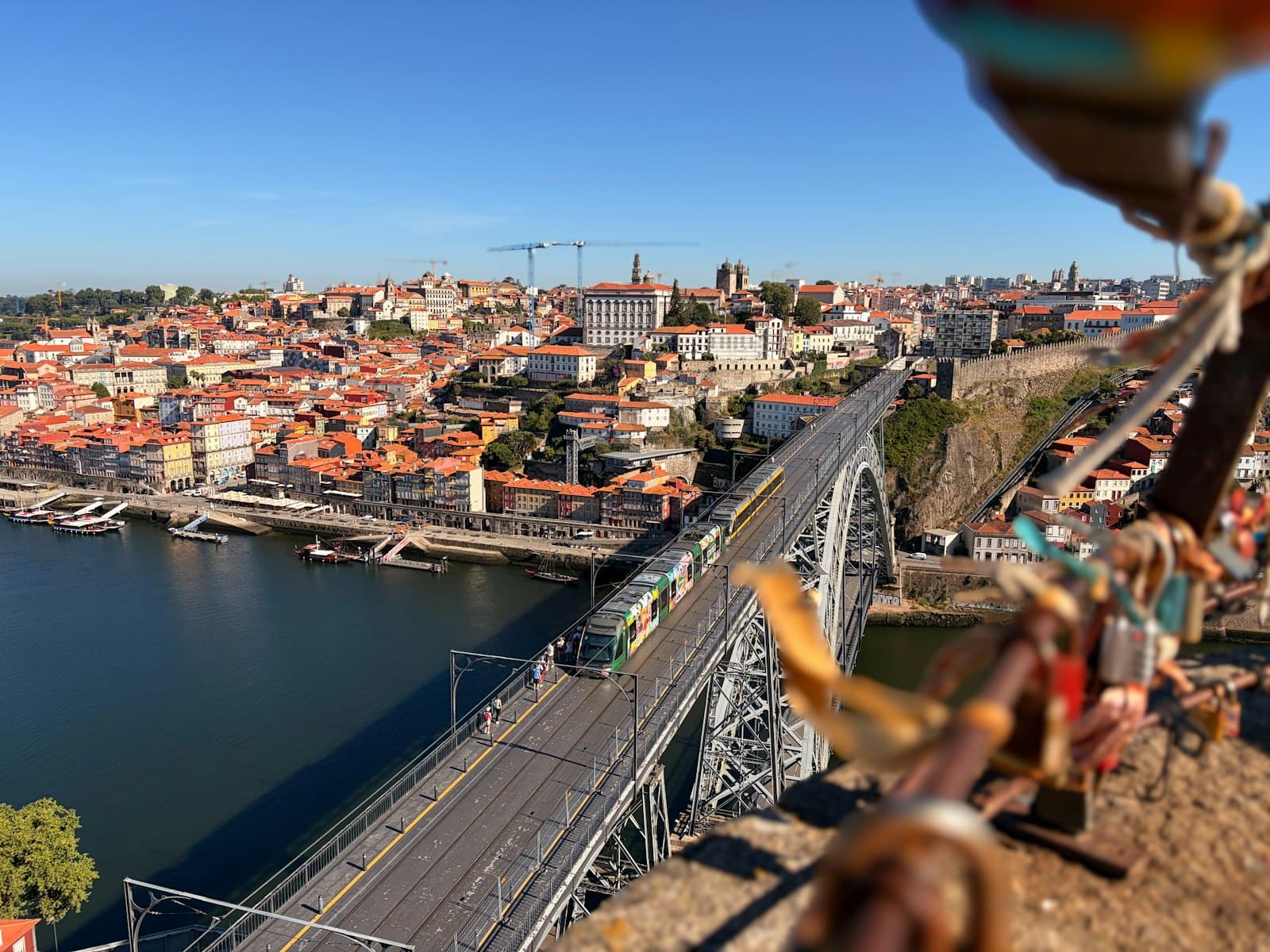
Ponte Dom Luís I: The Marriage of the Two Banks
Tripas à moda do Porto is a slow-cooked stew of beef tripe with white beans, carrots, sausage, and often cuts of pork, served with rice. It is the traditional dish of the city, and the story attached to it explains why the people of Porto proudly call themselves tripeiros, meaning "tripe eaters."
The tradition is tied to the year 1415, when Porto helped supply the Portuguese fleet that sailed to capture Ceuta on the North African coast. According to the story, the city gave up its good meat to provision the ships and kept only the tripe and offal for itself, then turned that leftover into a dish. The expedition to Ceuta did take place in 1415, and over the centuries the "tripe eater" label shifted from an insult into a badge of local identity. Taste Porto and other Porto food sources place the tradition at roughly six hundred years.
How to order it: this is a rich, wintery plate that locals eat at lunch, often in older tascas (small family restaurants) rather than tourist spots on the river. If tripe is not for you, that same self-guided walk through the old town passes plenty of alternatives, and you can read the tradition as history without ordering the plate.
Order bacalhau, the salt cod with a Porto pedigree
Salt cod, bacalhau, is the backbone of Portuguese cooking, and Portugal has a saying that there is a bacalhau recipe for every day of the year. The fish is dried and salted, then soaked before cooking, a preservation method that let a small seafaring nation stockpile protein for long voyages and religious fasting days.
Porto has its own claim to fame here: bacalhau à Gomes de Sá. It layers flaked salt cod with boiled potatoes, onions, hard-boiled egg, and olives. The recipe is credited to José Luís Gomes de Sá Júnior, born in Porto on the seventh of February, 1851, a cod merchant whose family kept a warehouse in the riverside cod trade. According to the tradition, he sold his recipe to a chef named João at the Lisbonense restaurant in the city, and it has since become one of the country's most decorated cod dishes.
How to order it: ask for bacalhau à Gomes de Sá by name if you want the Porto version specifically. If you simply say bacalhau, expect the kitchen's house preparation, which could be any of dozens of variations. Salt cod is filling and generously portioned, so one plate goes a long way.
Drink port, but know it is made across the river
Port is the wine that made Porto's name famous, but the wine itself is aged in Vila Nova de Gaia, the town on the opposite bank of the Douro, and made from grapes grown in the Douro Valley upstream. The lodges you see across the river from the Ribeira are the cellars where port matures, which is exactly the story the porto-gaia-port-wine tour crosses the bridge to tell.
The styles worth knowing when you order:
- Ruby port: young, fruit-forward, bottled after a few years, tasting of berries and plum.
- Tawny port: aged in wooden casks so it oxidizes slowly, turning nutty, caramel-toned, and mellow. Tawnies often carry an age indication such as ten or twenty years.
- White port: made from white grapes, lighter and fresher, and commonly served chilled, sometimes as a long drink with tonic.
- Vintage port: bottle-aged from a single strong year, the most prized and long-lived style.
How to order like a local: a young ruby or a white port with tonic works before a meal, and a tawny is the classic after-dinner pour. The Gaia lodges (Taylor's, Graham's, Ferreira, Sandeman, Ramos Pinto, and others) run tastings that let you compare ruby against tawny side by side, and many charge a small fee that usually includes the pours. Cross the Dom Luís the First bridge from the Ribeira and the lodge district is a short, downhill walk.
Fill in the rest: caldo verde, bifana, and a custard tart
A few more dishes round out an honest Porto eating day. Caldo verde is a simple green soup of potato, thinly sliced collard greens or kale, and a coin of smoky chouriço, and it comes from the Minho region of northern Portugal, so it is genuinely local to the north. It is a cheap, warming starter you will find almost everywhere.
The bifana is a hot pork sandwich, thin slices of marinated pork in a soft roll, meant to be eaten fast and cheap. It is street food and market food, and the reopened Mercado do Bolhão is a good place to try one alongside fresh produce, fish, and coffee stands.
For something sweet, the pastel de nata is the custard tart you already know by sight: crisp puff pastry, warm egg custard, a scorched top. The tart traces back to monks at the Jerónimos Monastery in Belém near Lisbon, with the famous Belém bakery opening in 1837 after the recipe was sold to a nearby sugar refinery. In Porto you will find excellent versions in nearly any pastelaria. Order one warm, dusted with cinnamon if offered, with a small strong coffee (um café).
Where to eat it on foot
None of these dishes requires a reservation or a fixed itinerary, which is the point of eating your way through Porto at your own pace. The old-town food streets sit right along the Porto walking tours route, the Bolhão market anchors the uptown side, and the port lodges are one bridge crossing away in Gaia. Start on the Porto city page to line up a self-guided walk, then let hunger set the schedule.
Sources
Frequently asked questions
- What is the most famous dish in Porto?
- The francesinha is Porto's signature dish, a layered sandwich of toasted bread, cured ham, sausage, and steak under melted cheese and a hot tomato-and-beer sauce. It was created in Porto in 1953 by Daniel David de Silva at A Regaleira on Rua do Bonjardim. The traditional stew of the city is tripas à moda do Porto, a tripe and white bean dish tied to the year 1415.
- Why are people from Porto called tripeiros?
- Tripeiros means tripe eaters. The name comes from a story tied to 1415, when Porto helped provision the Portuguese fleet sailing to capture Ceuta and gave up its good meat, keeping only the tripe and offal to cook for itself. The dish that resulted, tripas à moda do Porto, became the city's traditional plate, and the once-mocking nickname turned into a badge of local pride.
- Is port wine actually made in Porto?
- Not exactly. Port is aged in lodges in Vila Nova de Gaia, the town directly across the Douro river from Porto, and it is made from grapes grown in the Douro Valley upstream. The lodges you see from the Ribeira riverfront are the cellars where the wine matures. You cross the Dom Luís the First bridge to reach them and taste.
- How do I order port wine like a local?
- Know the main styles: ruby is young and fruity, tawny is cask-aged, nutty, and caramel-toned, white port is lighter and often served chilled with tonic, and vintage is the prized bottle-aged style. Order a white port with tonic or a young ruby before a meal, and a tawny after dinner. The Gaia lodges run side-by-side tastings for a small fee that usually includes the pours.
- What is bacalhau à Gomes de Sá?
- It is Porto's own salt cod dish, layering flaked bacalhau with boiled potatoes, onions, hard-boiled egg, and olives. The recipe is credited to José Luís Gomes de Sá Júnior, a Porto cod merchant born in 1851, who sold his recipe to a chef named João at the Lisbonense restaurant. Ask for it by name, since saying only bacalhau gets you the kitchen's house version out of dozens of Portuguese variations.
- Where can I try cheap street food in Porto?
- The reopened Mercado do Bolhão is a strong choice for market food, including the bifana, a hot marinated pork sandwich in a soft roll, alongside fresh produce, fish, and coffee stands. The market reopened in September 2022 after a major restoration and is open Monday to Saturday. Caldo verde, a simple potato and collard-greens soup with chouriço, is another cheap, warming option found almost everywhere.
Ready to experience it?
Ribeira: The City of the River
95 min · 2.9 km · moderate
More from Porto
Explore more at your own pace.
One Day in Porto: A Walkable Itinerary From Cathedral to River
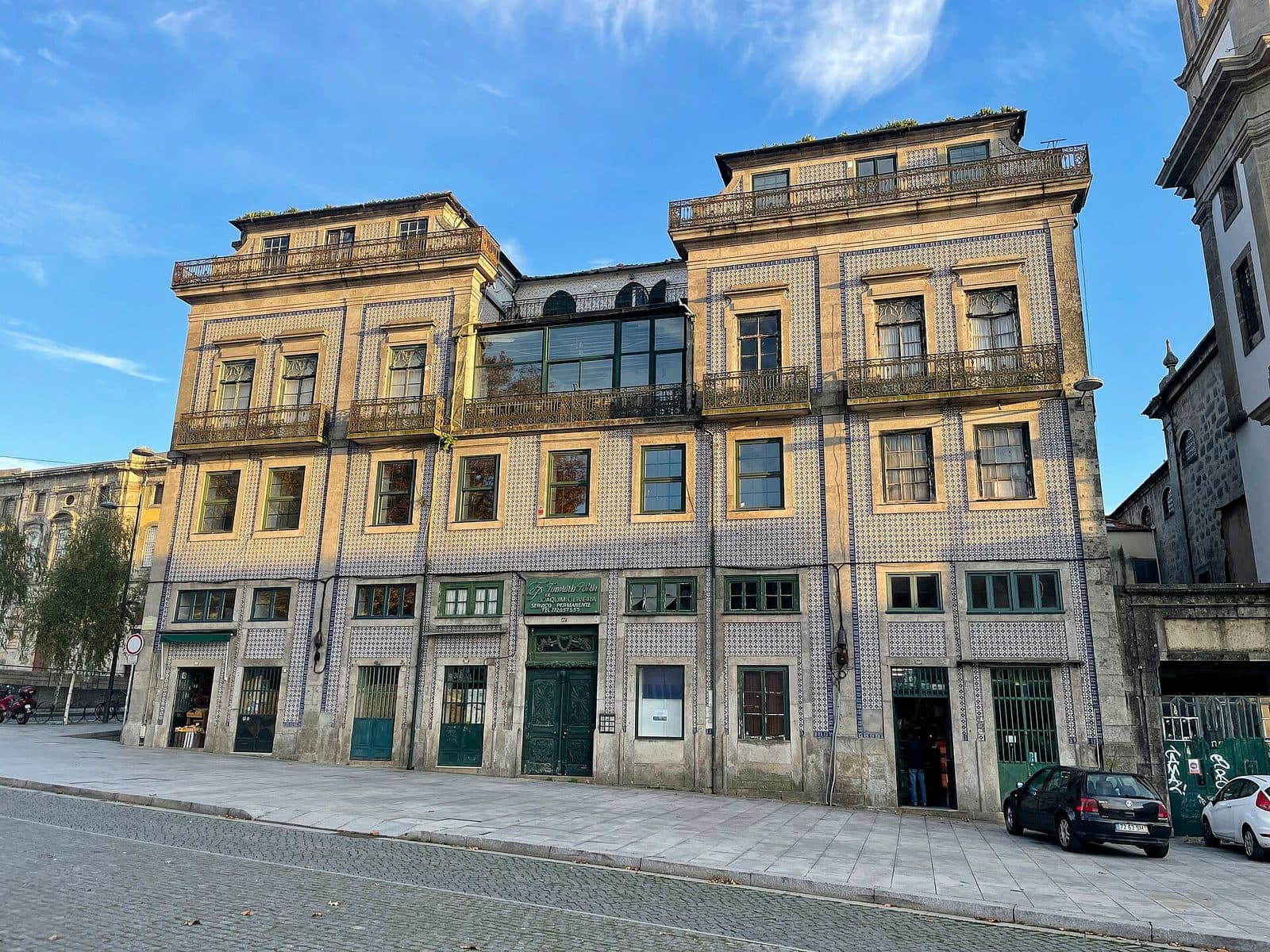
Porto: The Granite City That Faces Its River
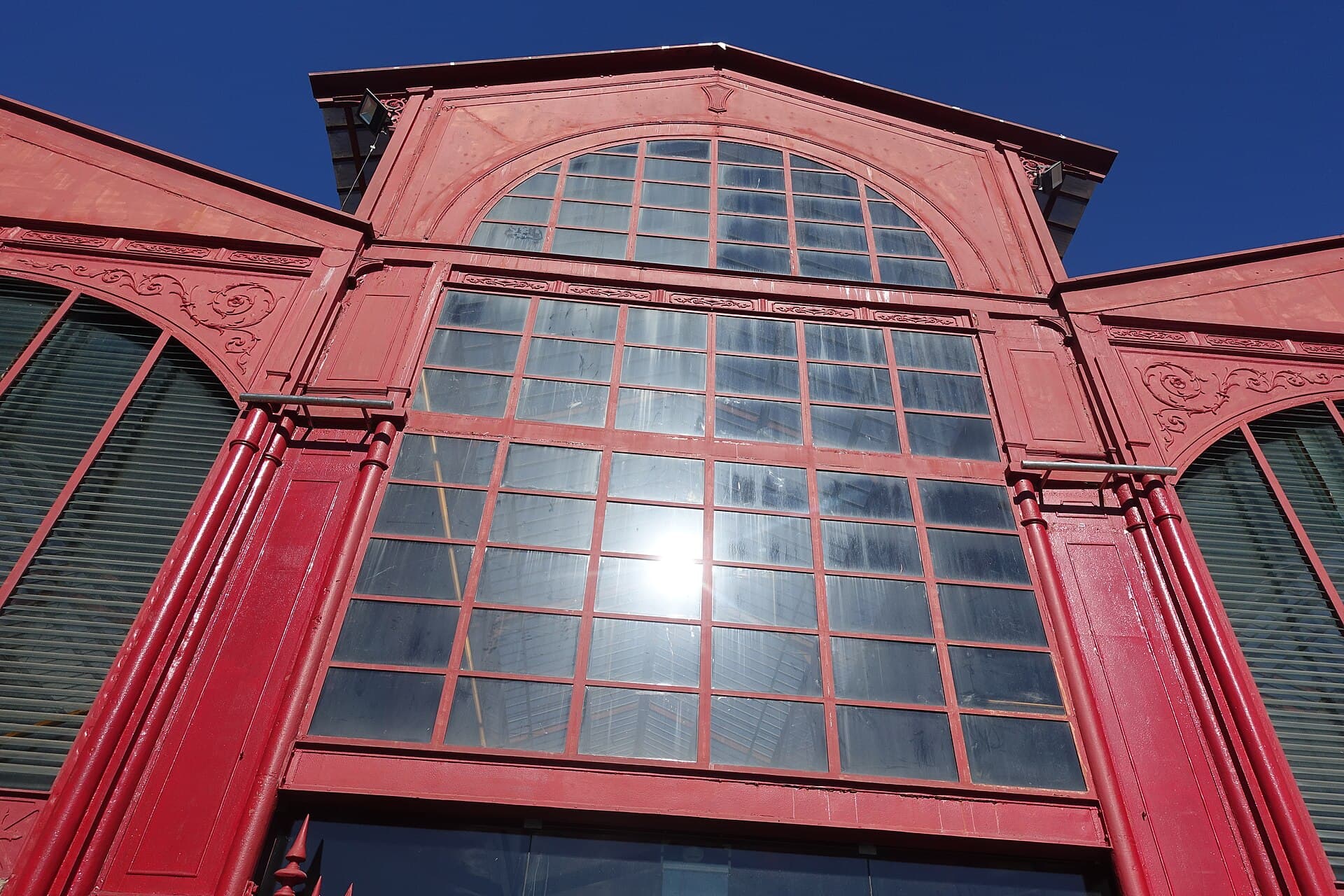
The Porto Market Hall That Never Sold a Thing
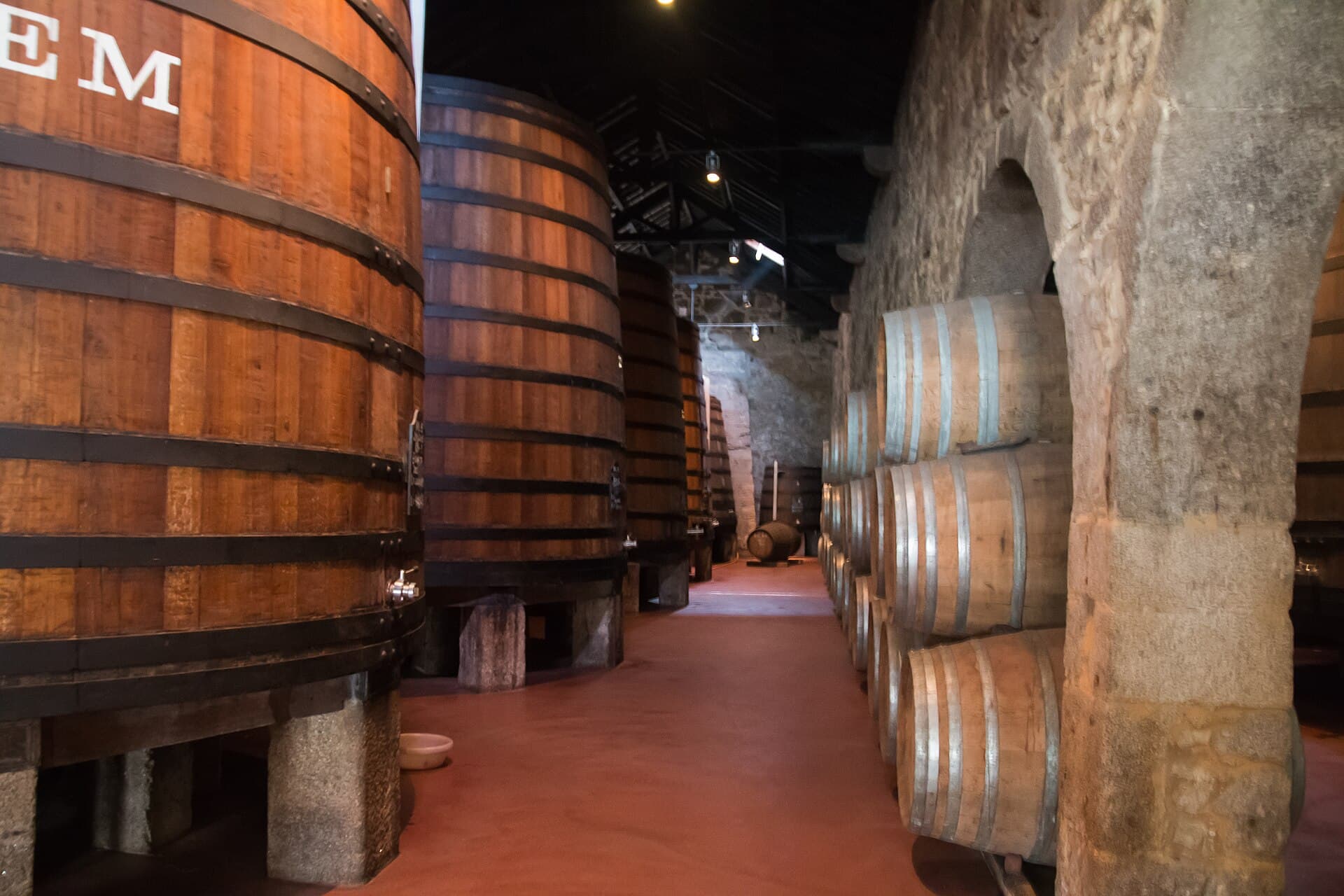
Why Port Wine Ages Across the River in Gaia, Not in Porto
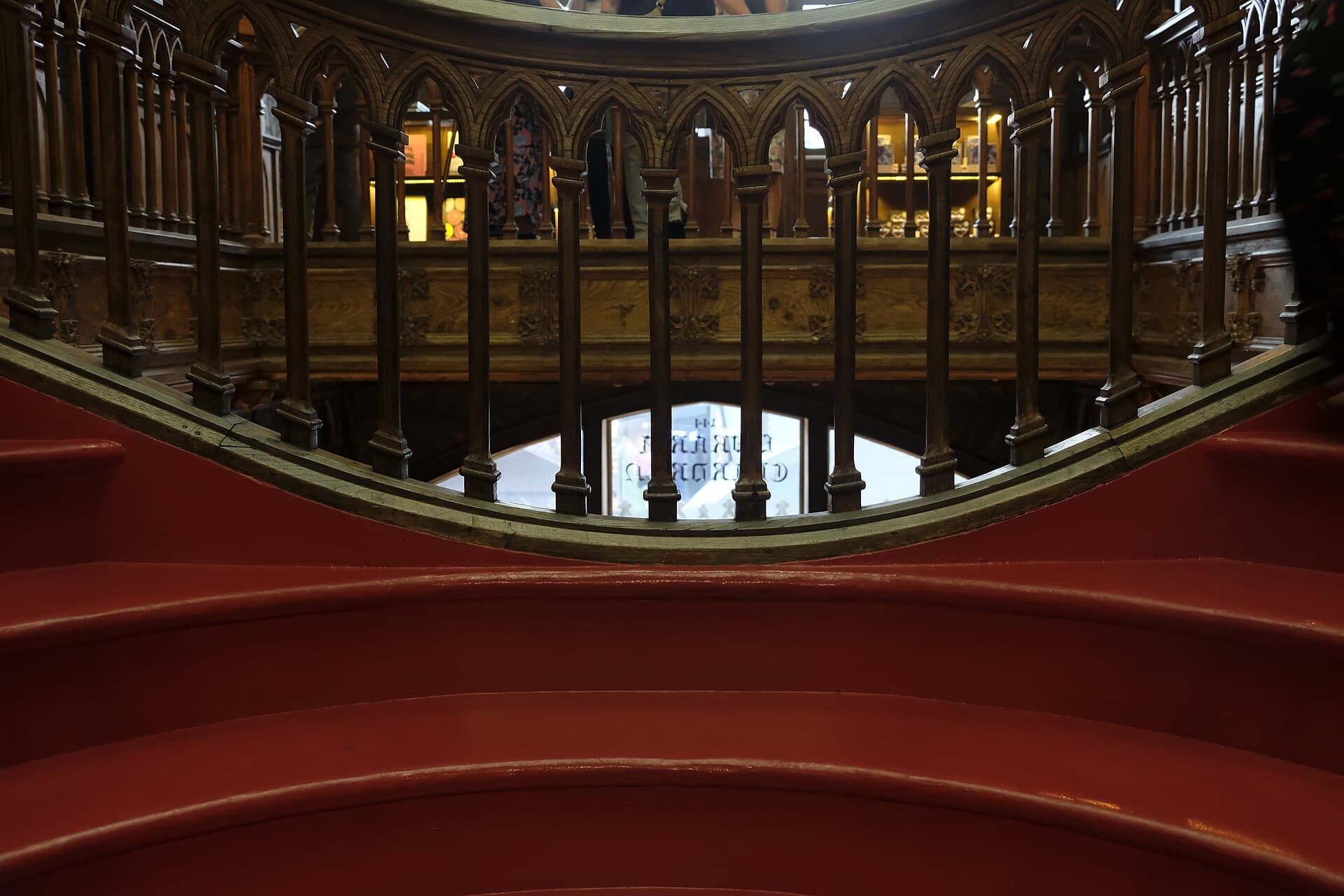
Livraria Lello: How Porto Built a Bookshop Like a Cathedral