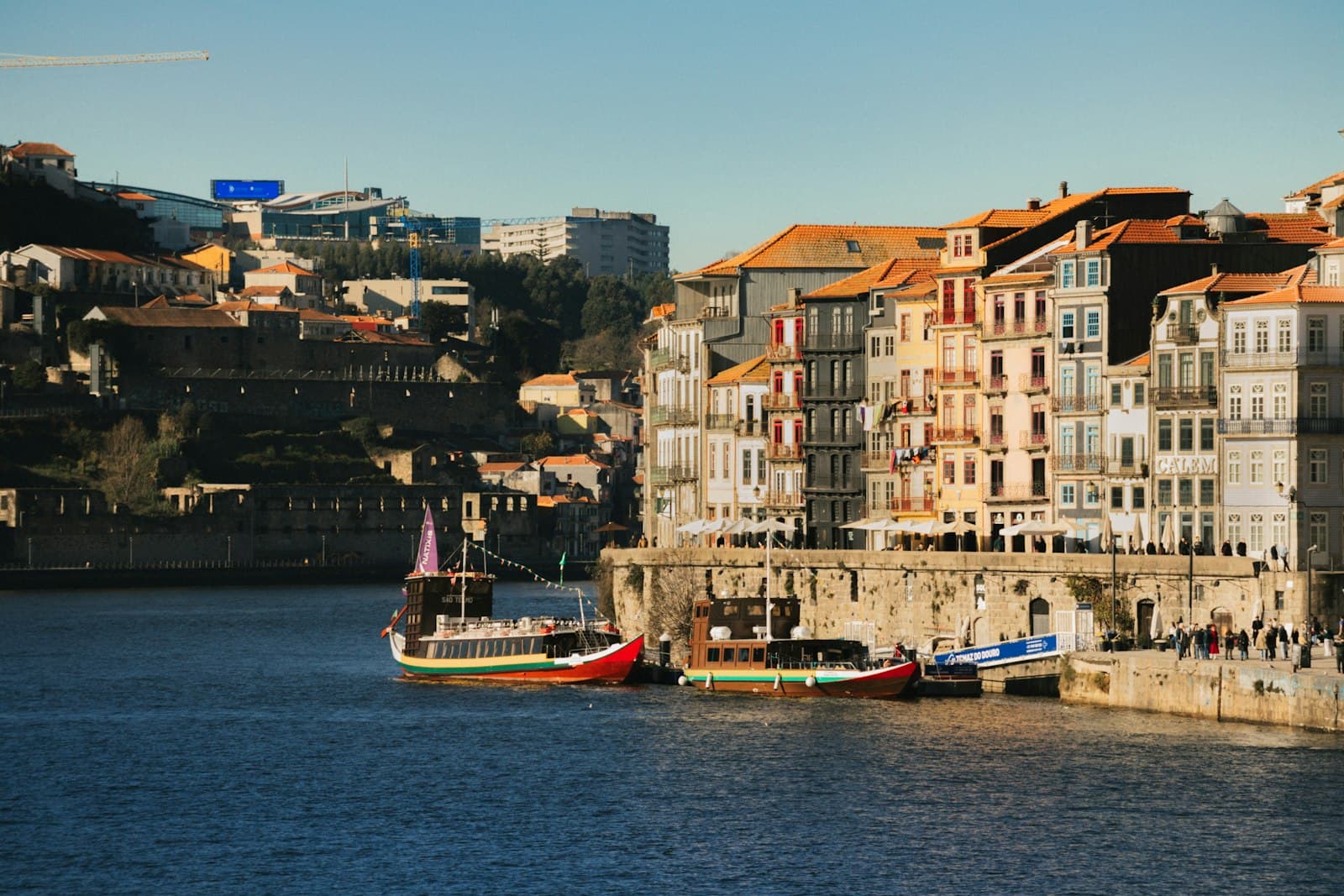
A descent through granite and gold, from the fortress cathedral on the windy hilltop to the great iron bridge, reading Porto as a city that was built by its river and finally learned to cross it.
Start · Sé do Porto: The Fortress on the Hill
DirectionsStops
- 1
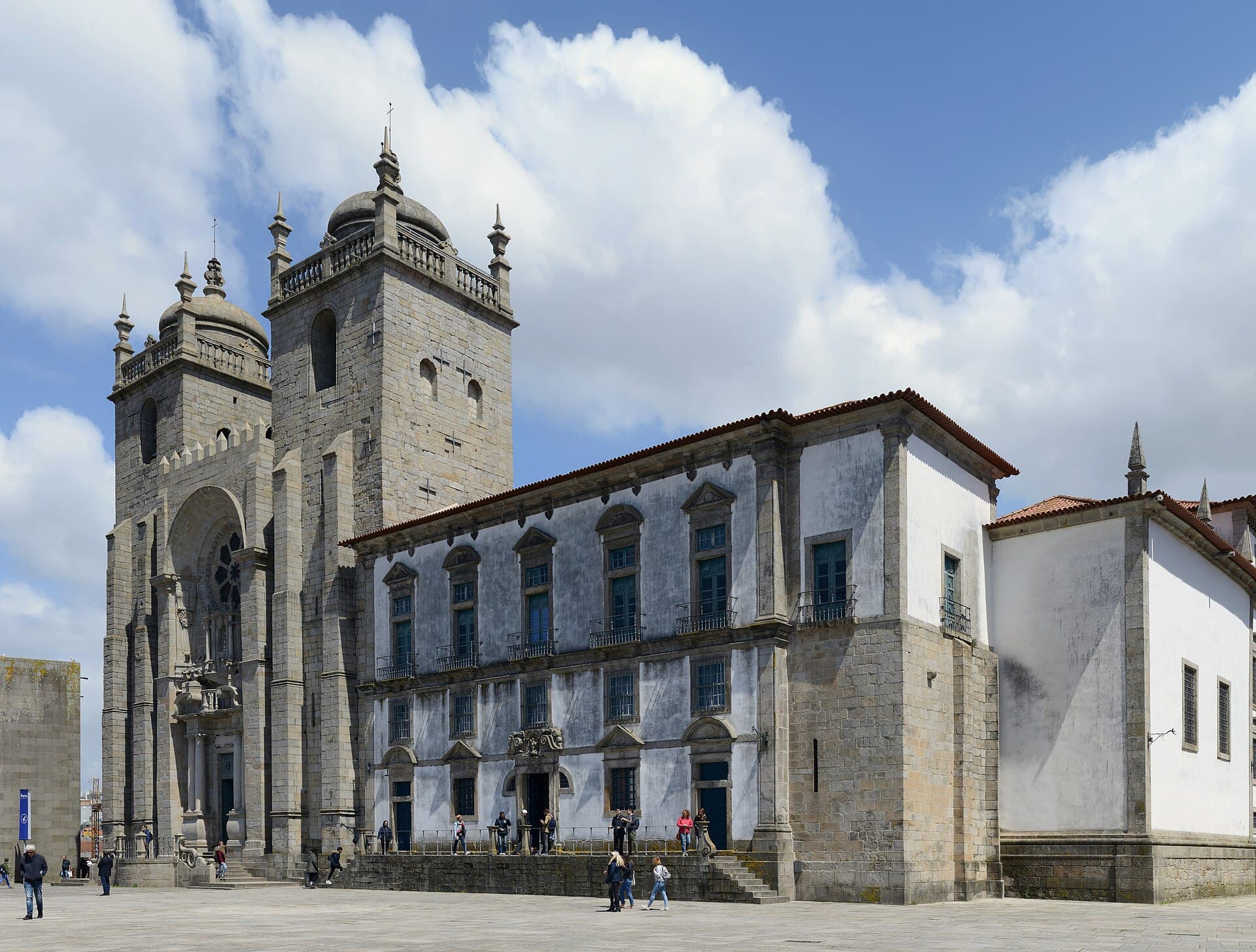
Sé do Porto: The Fortress on the Hill
Porto's Romanesque cathedral crowns the highest point of the old city, a granite stronghold that watched over the river and the trade below.
- 2
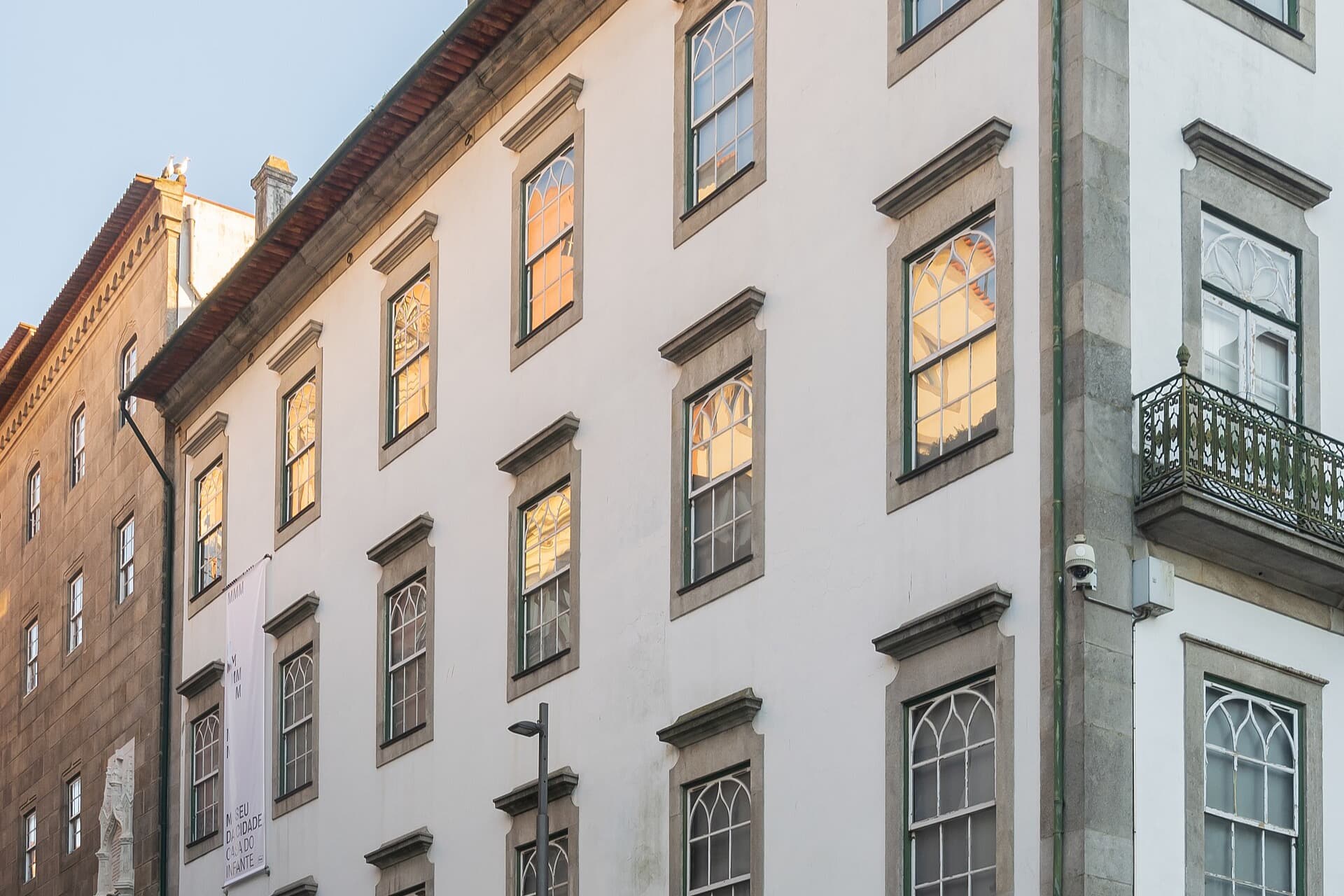
Casa do Infante: The Royal Customs House
A medieval customs house built on a Roman villa, where the crown taxed the river's cargo and where tradition says a famous prince was born.
- 3
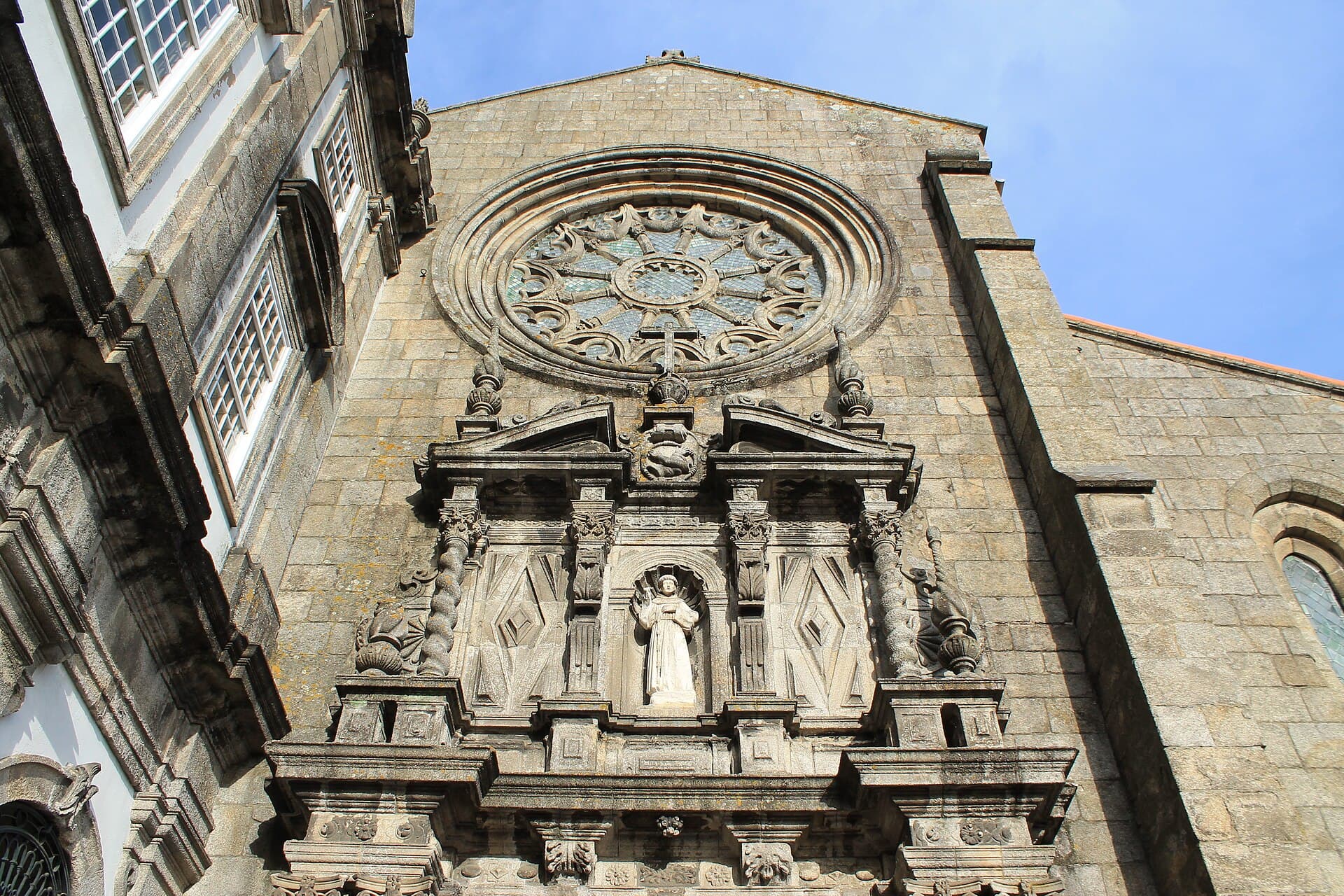
Igreja de São Francisco: Gold Over Stone
An austere Gothic church whose interior was later smothered in hundreds of kilograms of gilded woodwork, with an ossuary of thousands of bones beneath.
- 4
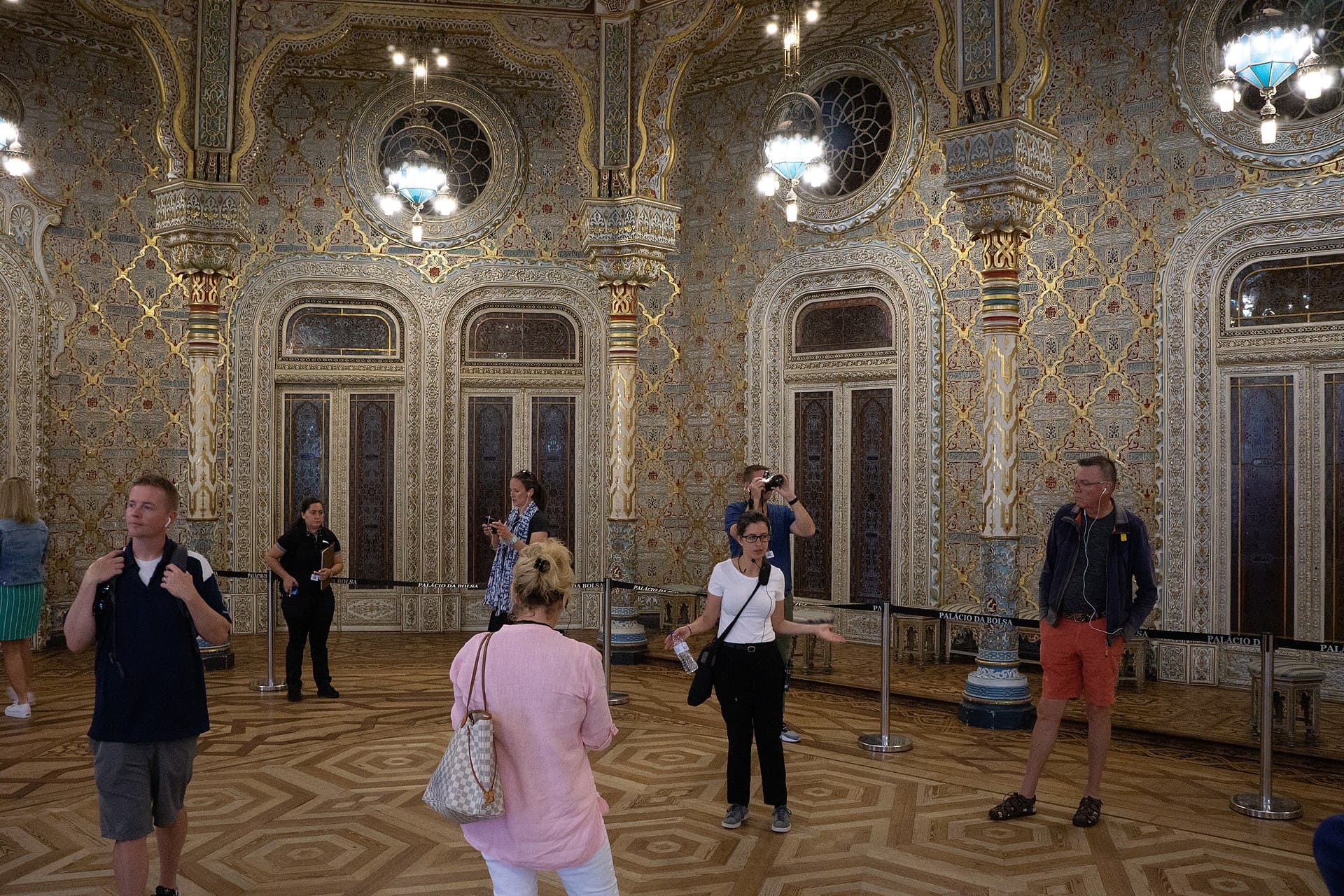
Palácio da Bolsa: The Palace the Merchants Built
A nineteenth-century stock-exchange palace raised by the city's merchants on the ruins of a burned convent, crowned by an opulent Moorish-revival hall.
- 5
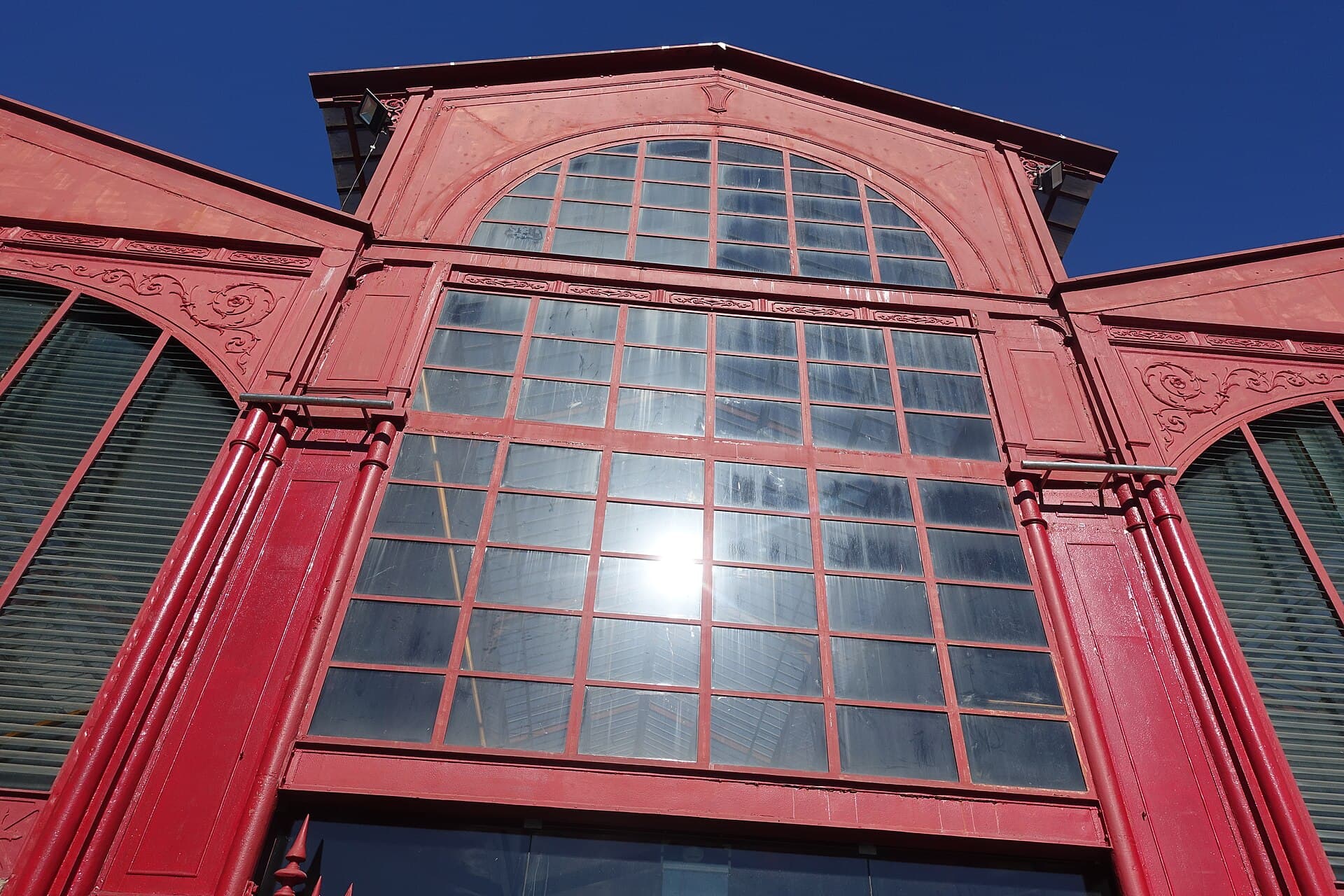
Mercado Ferreira Borges: The Iron Hall That Never Sold a Thing
A grand iron-and-brick market hall of the industrial age, built to replace the old riverside market but never once used as one.
- 6
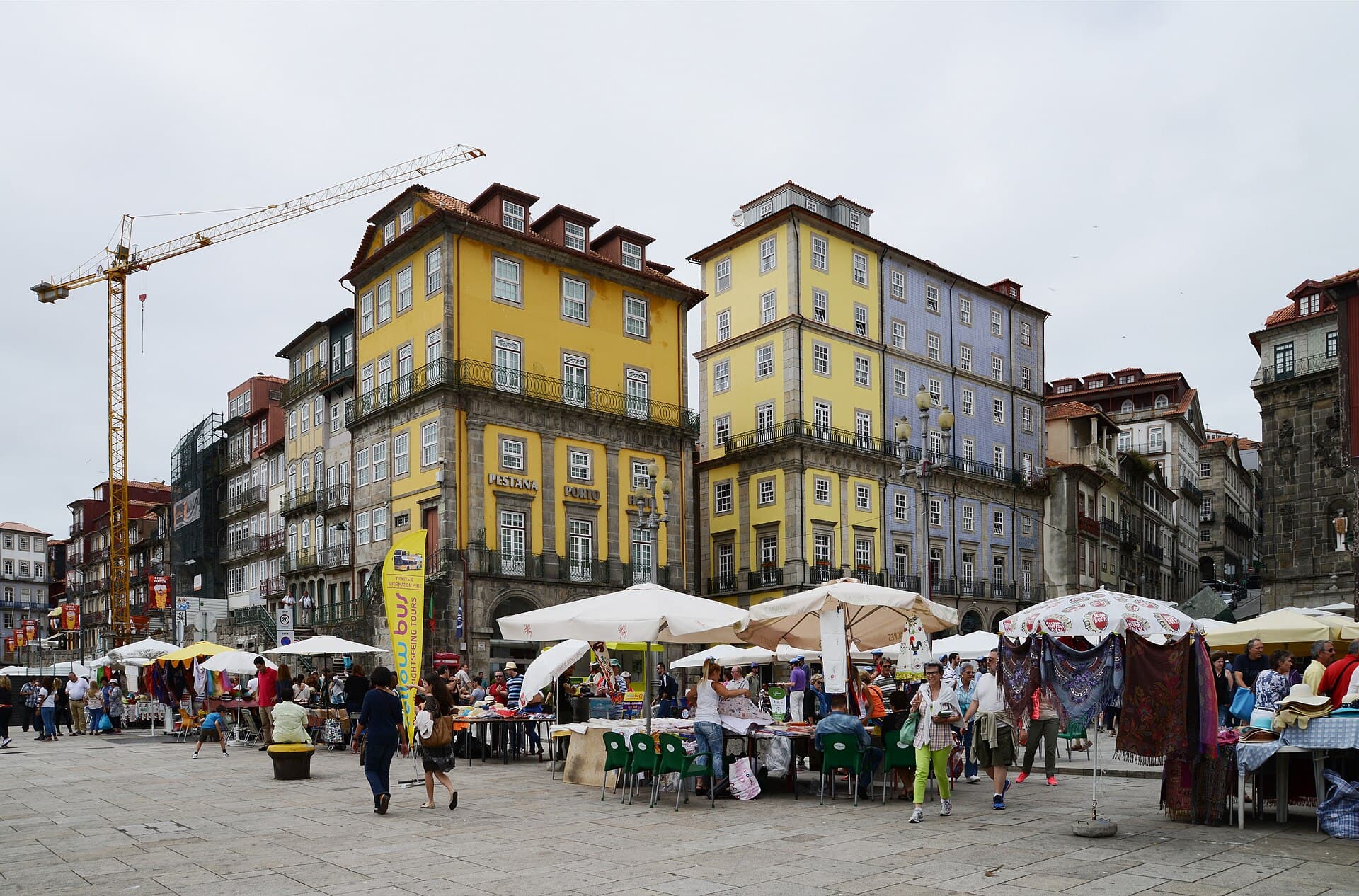
Praça da Ribeira: The Face Turned to the Water
The medieval merchant square on the quay, arcaded and rebuilt after fire, whose river-mouth port gave Portugal its name.
- 7
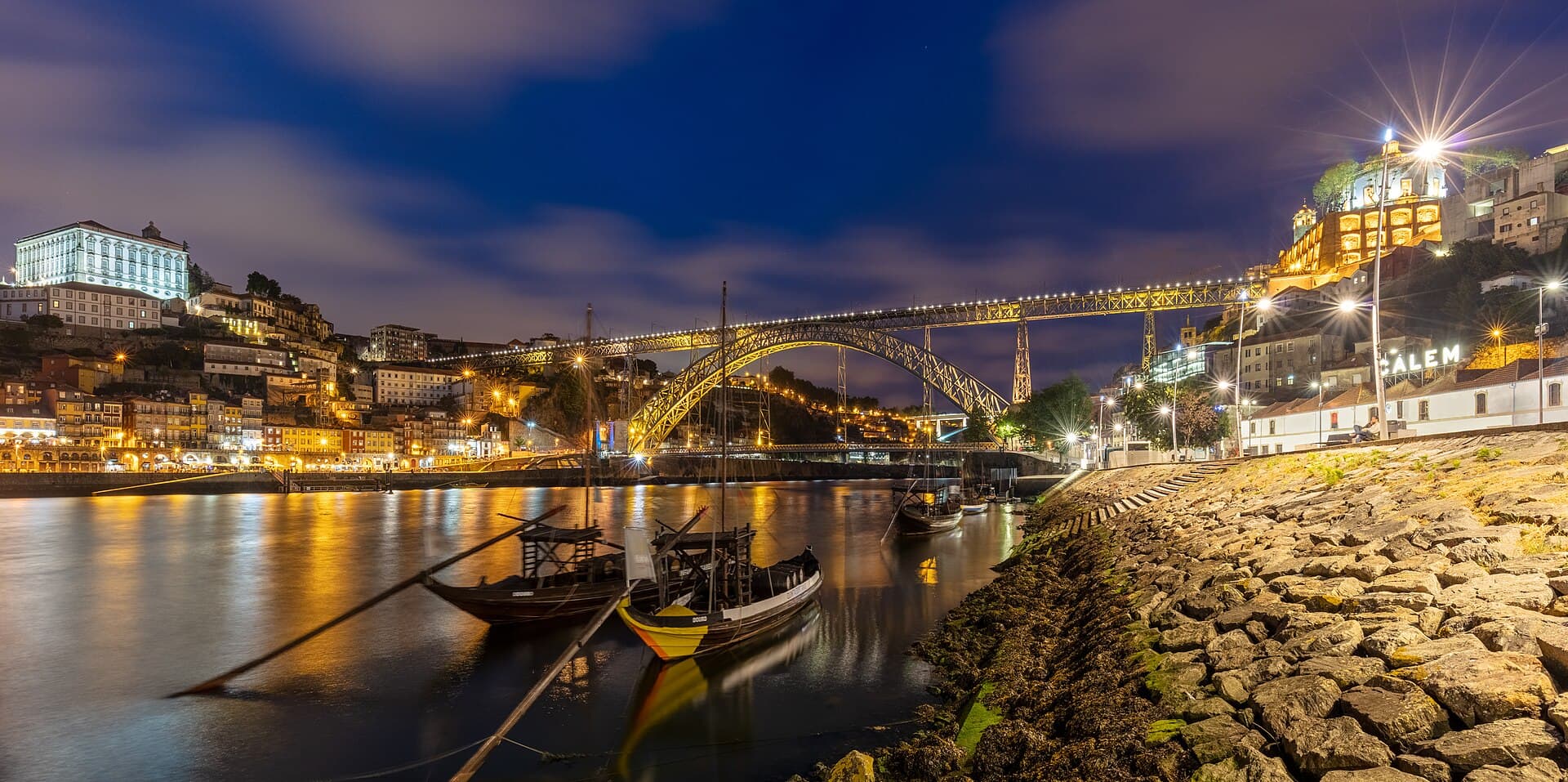
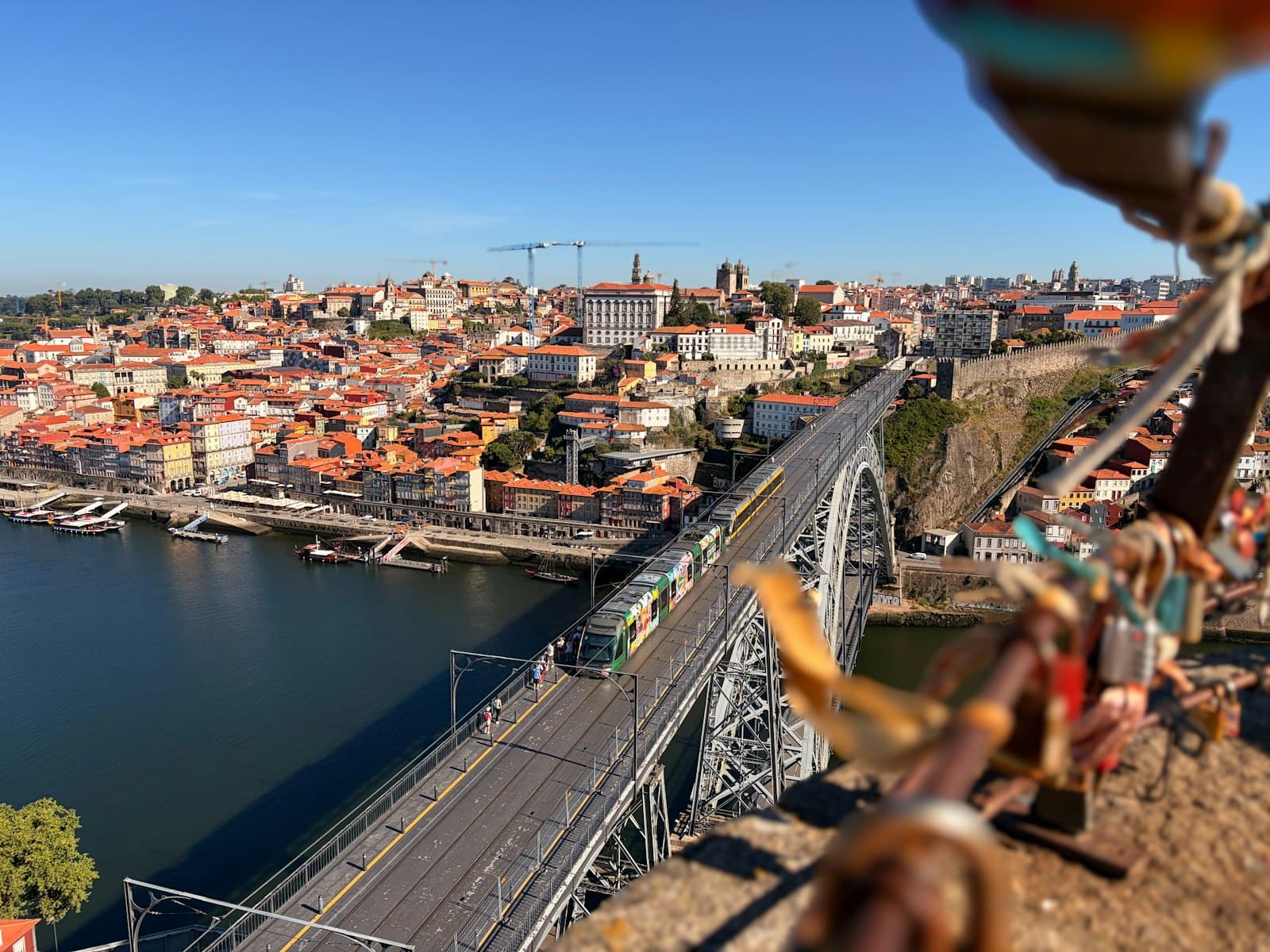
Ponte Dom Luís I: The Marriage of the Two Banks
The double-deck iron arch bridge of eighteen eighty-six, the engineering feat that finally joined Porto to the far bank across the Douro.
Details
Best Time to Visit
Late afternoon into early evening is ideal, when the low sun warms the granite and lights the far bank of the Douro, and the descent from the hilltop cathedral finishes with the river glowing at the Ribeira quay. Mornings are cooler and quieter for the steep upper lanes and for the cathedral. Avoid the midday heat in high summer, when the exposed hilltop and the sun-struck quay can be draining.
Pro Tips
- •The whole route runs downhill toward the river, so start at the cathedral on the hill and let gravity carry you down to the bridge rather than climbing back up.
- •The Palácio da Bolsa can be seen only on a guided tour, so if its interior calls to you, check the tour times and consider booking ahead to skip the queue.
- •Wear shoes with real grip: the calçada, the old mosaic cobblestone paving, is genuinely slick, especially on the steep lanes and after any rain.
- •Carry a little cash and your ID for the smaller monuments; the cathedral cloister, São Francisco, and the Casa do Infante each charge modest separate entry fees best confirmed on site.
- •Save the Dom Luís bridge for last and walk out onto it, ideally as the light drops, for the widest view of the river and the Gaia bank of port-wine lodges opposite.
- •Move at your own pace and skip freely; every stop is short and self-contained, so linger where you are drawn and pass by what does not call to you.
Safety & Precautions
- •Porto's steep lanes and the polished calçada cobblestones become slippery, particularly downhill and in the rain, so descend slowly and use handrails where they exist.
- •Inside the cathedral, São Francisco, and the Bolsa, dress modestly and keep quiet; these are working religious and heritage spaces, and photography may be limited, especially near the ossuary.
- •Major monuments and the Bolsa guided tours draw ticket queues in high season, so allow extra time or book ahead rather than rushing.
- •The narrow riverfront and hillside lanes carry trams, delivery vans, and traffic on tight bends, so stay alert and step aside on blind corners rather than walking in the roadway.
Travel advisory: Exercise Normal Precautions (Level 1).
Gallery
Related Reading
Go deeper on what you'll see, hear, and walk through.
Overview
Best Self-Guided Walking Tours in Porto (2026)
4 min
Overview
One Day in Porto: A Walkable Itinerary From Cathedral to River
7 min
Overview
Porto Travel Guide: How Many Days, Getting Around, Best Time, Safety and Budget
6 min
Thematic
Best History Walking Tours in Porto (2026)
2 min
Thematic
Porto: The Granite City That Faces Its River
7 min
Companion
The Porto Market Hall That Never Sold a Thing
7 min
Deep dive
Praça da Ribeira: Where Portugal Got Its Name
6 min
Read
What to Eat in Porto: The Dishes, Their Origins, and How to Order
7 min
Read the walk
The full story of Ribeira: The City of the River, in words. Prefer to listen? Play it narrated, from home or on location.
Introduction
Porto sits where a mountain river finally meets the sea, and for a thousand years that river was the reason for everything. Down the Douro came wine and cork and cargo from the interior. Out to the ocean it all flowed, and back up came the wealth. This is a walk that follows the water downhill, reading the city like a manuscript, laying its centuries down in order. You start high, on a windy granite hilltop where a fortress cathedral watched over the whole of it. Then you drop, stop by stop, into the merchant quarter: a royal customs house, a Gothic church drowned in golden woodwork, a stock-exchange palace built not by a king but by traders, an iron market hall of the industrial waterfront. You land at last on the quay itself, the arcaded square that gave this city, and this country, Portugal, its very name. And you finish at the great iron bridge, the moment engineering did what geography had refused, and married the two banks across the water. There are seven stops. Walking time runs about two hours if you linger, and the route covers about three kilometres, almost all of it downhill toward the river. Wear something with grip: the calçada, the old cobblestone paving, is beautiful and slick, and Porto is a city of steep lanes. Move at your own pace. Every stop is short, and you can skip any that does not call to you. When you arrive at the Sé, Porto's cathedral on Penaventosa hill, begin with stop one.
1. Sé do Porto: The Fortress on the Hill
Feel the climb in your legs and the wind on this hilltop. This is Penaventosa, the windy rock, the highest point of the old city, and you are standing where Porto began. Put your hand on the granite. It is cold even in summer, and it was cut to be a fortress as much as a church. The Sé, which simply means the cathedral, was begun around the year eleven ten, and you can read its purpose in the thick walls and the narrow, defensive lines. This was a building meant to hold. According to Wikipedia, it stands among the very first buildings in Portugal to use flying buttresses, and it rose on the site of an older Suebian church, from the centuries after Rome fell away. The people tied to its founding are the parents of the country itself: Count Henry of Burgundy and Dona Teresa, who were the parents of Afonso Henriques, Portugal's first king. Later hands added Gothic and baroque flourishes, and work continued into the seventeen thirties, so what you see is many centuries stacked in stone. One human moment anchors it. In the year thirteen eighty-seven, King John the First of Portugal married the English princess Philippa of Lancaster inside this cathedral, a wedding that bound Portugal and England together for centuries to come. Before you go down, turn and look out. The whole city falls away beneath you toward the water. Everything you are about to walk through, the merchants, the gold, the iron, the quay, lies below, and the river is the thread that ties it all together.
2. Casa do Infante: The Royal Customs House
You have come down off the hill and into the working heart of the old port. Stop at the Casa do Infante. The name means the house of the prince, and it was built by royal decree in the year thirteen twenty-five as a customs house. This is where the river paid its dues. Every cask of wine, every load of cork and cloth that moved on the Douro was weighed and taxed under this roof, which is why the crown wanted a foothold here at all. Dig a little deeper, quite literally, and it goes back further still: the building sits on top of a Roman villa, and beneath it archaeologists uncovered Roman mosaics. Today the house holds the city's historical archive and a small museum, and inside is a scale model of medieval Porto that lets you see the tight, walled town this once was. Now, the story you will hear whispered here. By long tradition, this is the birthplace of Henry the Navigator, the prince said to have been born on the fourth of March in the year thirteen ninety-four. The chronicler Fernão Lopes recorded that a royal son was born in Porto that day, and because this was, by most accounts, the only royal building in the city, the tradition attached itself to this house. But hold it lightly. It is oral tradition, not documented fact, a story the city has cherished rather than a certainty. What is certain is the thing the walls were built for: this was the place where the wealth of the river was counted, coin by coin, cask by cask.
3. Igreja de São Francisco: Gold Over Stone
Step toward the Igreja de São Francisco. Igreja means church, and from the outside this one keeps a plain, honest Gothic face. The present church was begun in the year thirteen eighty-three under King Ferdinand the First and finished around fourteen twenty-five, and its stone shell is austere, restrained, medieval. Then you go in, and the century flips. During the first half of the seventeen hundreds, in the age of baroque excess, nearly every surface inside, the walls, the pillars, the side chapels, the roof, was covered in talha dourada, gilded carved woodwork. It is gold laid over stone until the architecture nearly disappears beneath it. How much gold? Here the sources genuinely disagree. Estimates run from close to one hundred kilograms all the way to around four hundred. So let us say this honestly: by popular reckoning, hundreds of kilograms of gold leaf line this interior. Whatever the true figure, the effect is overwhelming, a forest of golden vines and saints and angels catching the light. The masterpiece is the Tree of Jesse, a carved genealogy of Christ rising like a living tree, made by Filipe da Silva and António Gomes under a contract from the year seventeen eighteen. And then, beneath your feet, the counterweight to all that gold. The catacombs below hold an ossuary, the neatly stacked bones of thousands of people, and in one place a glass panel in the floor lets you look straight down into the pit of them. Gold above, bone below. It is the whole baroque bargain in one building.
4. Palácio da Bolsa: The Palace the Merchants Built
Here is the stop that holds the whole idea of this walk together. The Palácio da Bolsa, the palace of the stock exchange, and the key thing to know is who built it. Not a king. Not the church. It was built by the Commercial Association of Porto, the association of the city's…
Full narration for this stop unlocks with the tour.
5. Mercado Ferreira Borges: The Iron Hall That Never Sold a Thing
Look up at the Mercado Ferreira Borges. Mercado means market, and this is one of the great works of iron architecture in Porto, a hall of cast-iron columns and red brick and glass raised in the confident, industrial spirit of the age. It was built between the years eighteen…
Full narration for this stop unlocks with the tour.
6. Praça da Ribeira: The Face Turned to the Water
Now you reach the water. The Praça da Ribeira, the riverside square, and the Cais da Ribeira, the quay along the Douro. Praça means square and Cais means quay, and this is the oldest face the city ever turned toward the river. Since the Middle Ages this was the commercial and…
Full narration for this stop unlocks with the tour.
7. Ponte Dom Luís I: The Marriage of the Two Banks
And here is the release. The Ponte Dom Luís I. Ponte means bridge, and this is the great double-deck iron arch that finally did what the river had withheld for a thousand years. Stand where you can see the whole of it sweep across the Douro to the far bank, to Vila Nova de Gaia,…
Full narration for this stop unlocks with the tour.