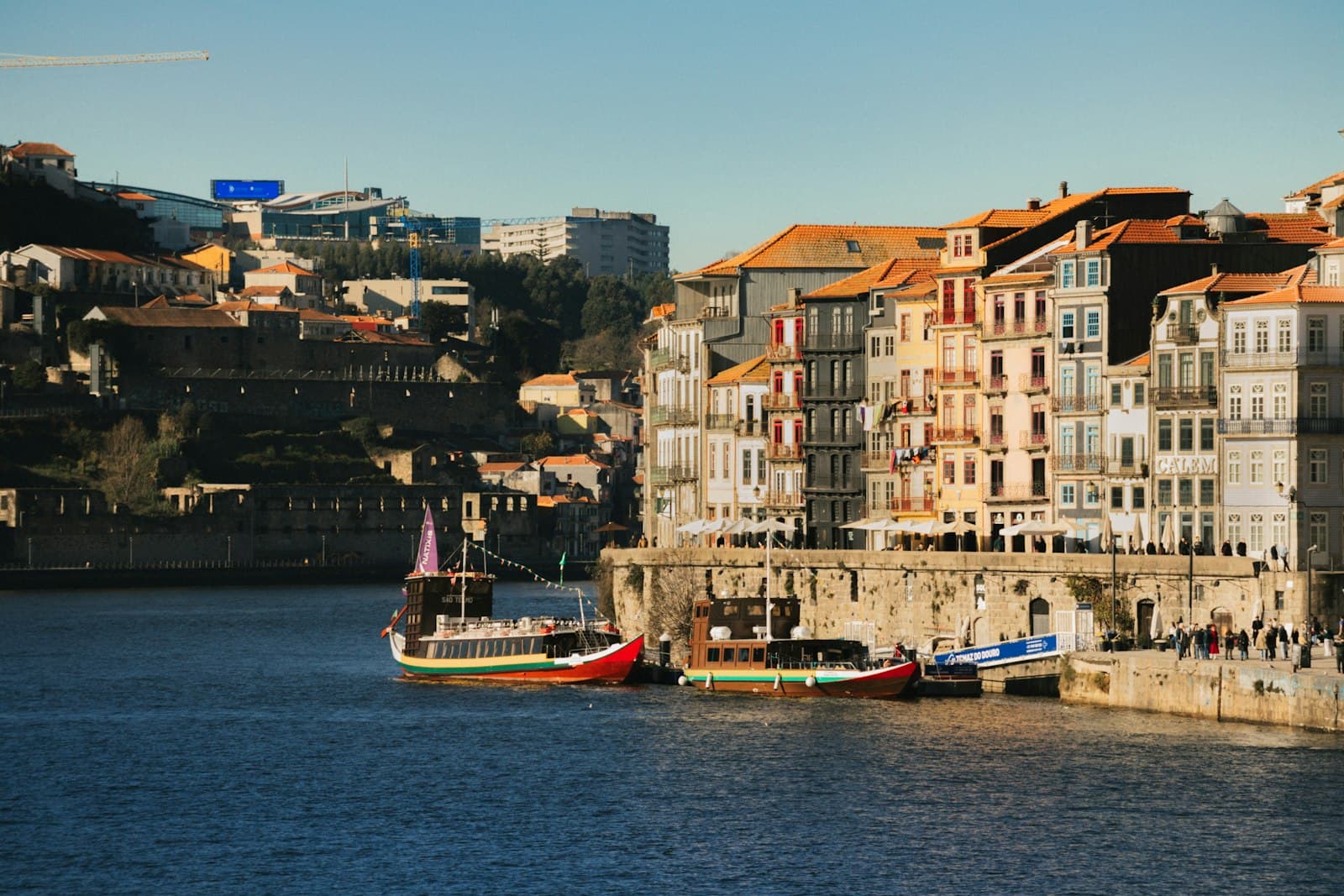
Ribeira: The City of the River
95 min · 2.9 km · moderate
Porto rewards two to three days on foot: the historic center is compact, steeply stacked above the Douro, and almost everything a first visit wants sits within a walkable core between the cathedral hilltop and the riverside quay. Plan two full days for the city itself, add a third if you want the Douro Valley or the port lodges across the river in Vila Nova de Gaia, and let the terrain, not a packed schedule, set your pace. This guide answers the practical questions travelers actually search: how long to stay, how to get around, when to come, whether it is safe, and what it costs.
How many days do you need
Two days covers the essentials without rushing. Day one is the old town: the cathedral (Sé) on its windy hilltop, the descent through the merchant quarter to the Ribeira quay, and the Dom Luís I bridge at dusk. Day two adds the tiled churches, São Bento station, and the port-wine lodges across the river in Gaia. A third day is worth it if you want to slow down, or to give a full day to the Douro Valley wine country upriver.
The Douro Valley is a day trip, not a half day. Most organized tours run roughly 8am to 5pm and cover two or three wineries with lunch and a short river cruise. The valley is genuinely hard to reach without a car or a tour, so if wine country is on your list, block a whole day for it and keep your Porto walking to the other days.
If you only have one day, walk the river spine and nothing else: cathedral down to the quay, across the bridge to Gaia, and back. Our Porto walking tours split the city into three self-contained routes so a short stay still feels complete.
How to get around
Hear a stop from this walk
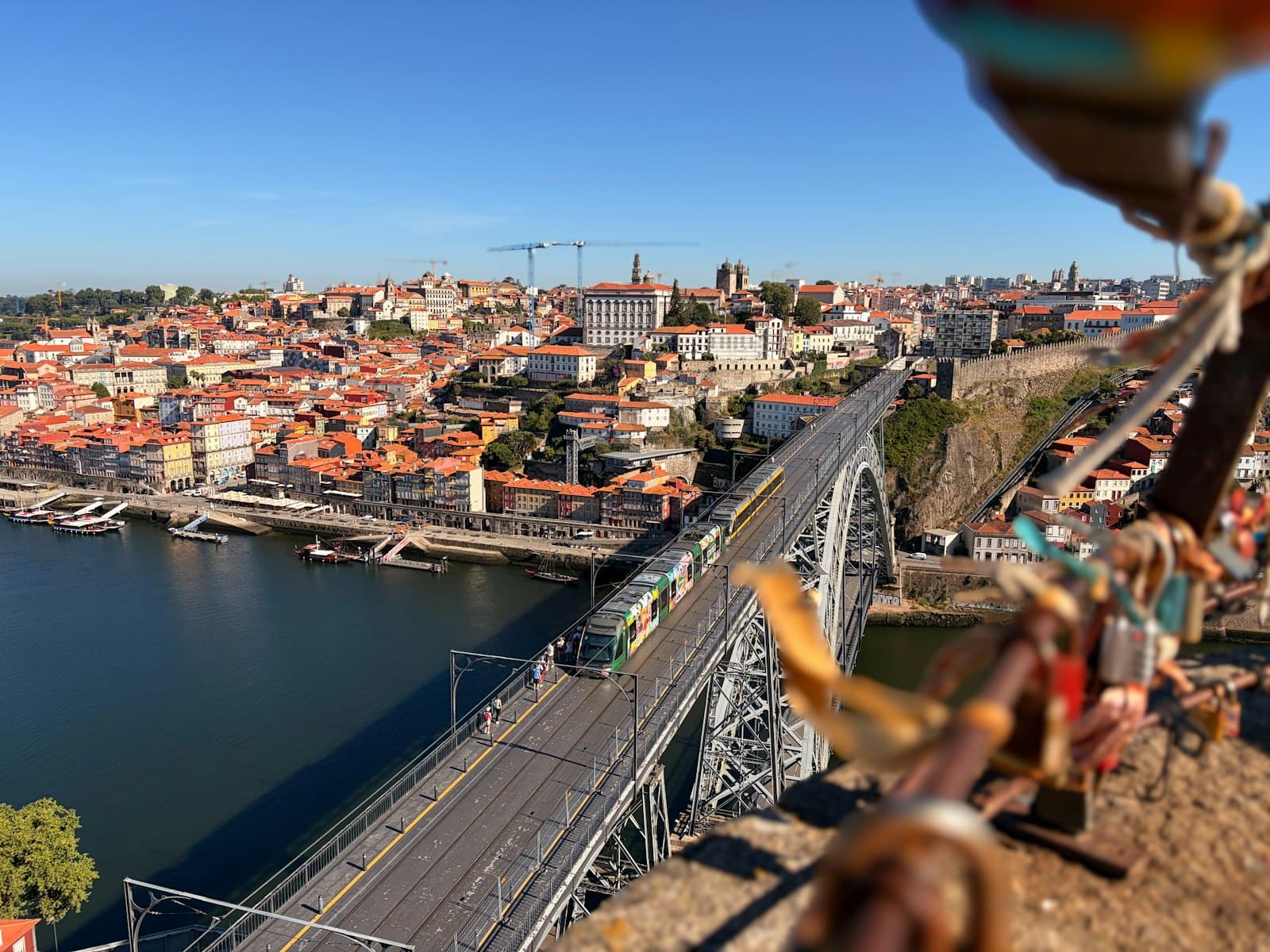
Ponte Dom Luís I: The Marriage of the Two Banks
Porto's center is best walked, and much of the classic route runs downhill toward the river, so gravity is on your side. The catch is the surface. The calçada, Porto's mosaic cobblestone paving, is genuinely slippery, especially on the steep lanes and after rain. Bring shoes with real grip. This is a city of hills and stairs, so pace yourself and use handrails where they exist.
For longer hops, the metro, buses, and suburban trains all run on one card called the Andante. A single Z2 trip in the central zone costs about 1.40 euros, and onboard and occasional fares rose about 2.28 percent on the first of January 2026. If you plan several rides, the Andante Tour card is simpler: about 7.75 euros for 24 hours and about 16.55 euros for 72 hours of unlimited travel. Prices are worth confirming on the day, since fares shift.
From the airport (Francisco Sá Carneiro), the metro's Line E, the purple line, runs to the Trindade hub in the center in roughly 26 to 30 minutes, every 20 to 30 minutes from early morning to around 1am. It is the cheapest and often the fastest way in. Note the two rail stations: São Bento, the beautiful tiled station near the center, mostly serves regional trains, while Campanhã is the main station for long-distance and intercity routes.
Best time to visit
The shoulder seasons are the sweet spot: May and June, then September and October. You get warm days, roughly 18 to 25 degrees Celsius, thinner crowds than midsummer, and softer prices on flights and hotels. Many local guides single out June as the single best month to be in the city.
Summer, July and August, is the hottest and busiest stretch, with daytime highs commonly in the mid to high twenties Celsius and the most visitors of the year. The exposed cathedral hilltop and the sun-struck quay can be draining at midday, so start early or walk in the late afternoon when the low sun warms the granite. Winter, November through March, is the low season: quieter and cheaper, but often wet and unpredictable, and rain makes the cobbles slicker still. Late afternoon into early evening is the most rewarding window in any season, when the light drops across the Douro and the Ribeira glows.
Is Porto safe
Porto is generally safe for visitors, including solo travelers and people walking after dark in the central districts. Violent crime against tourists is uncommon, and the metro, buses, and trams are well used, patrolled, and reliable. The honest caveat is petty theft: pickpocketing is the crime you are most likely to meet, and it concentrates exactly where tourists cluster.
The usual hotspots are the crowded Ribeira quayside, São Bento station, and the scenic riverside tram (line 1). Keep your phone out of your back pocket, wear a bag across your body, and stay aware in tight, busy crowds. Around Rua das Flores and near São Bento you may hear men quietly offering drugs as you pass. A simple no and steady walking is the whole response. None of this should keep you away. It is the same street-smart baseline you would use in any popular European city.
What it costs
Porto is affordable by Western European standards, and much of its best walking is free. The Ribeira square, the quay, the Dom Luís I bridge, and the streets themselves cost nothing, and you can walk both decks of the bridge for free. The historic center itself was inscribed as UNESCO World Heritage in 1996, so the open-air museum is essentially free to wander.
Where you pay is at the individual monuments, and the fees are modest. The cathedral is free to enter, with a small charge for its cloister and museum. Several churches and historic houses along the river charge a few euros each. The Palácio da Bolsa, the merchants' stock-exchange palace, can be seen only on a guided tour and carries a higher ticket, so check times and consider booking ahead. Carry a little cash and your ID for the smaller sites, since fees and hours are best confirmed on the door. Because our tours are self-guided audio, you set the budget: skip the paid interiors and the walk still holds together, or step inside the ones that call to you.
When you are ready to walk, the /portugal/porto page has the three self-guided routes: the river descent through old Porto, the tiled baroque churches uphill, and the port-wine crossing into Gaia. Each is short stop by short stop, so you move at your own pace and skip freely.
Sources
- Metro do Porto: Fares
- Andante Card, Porto's public transport card (porto.travel)
- Public transport fare increase 2026 (The Portugal News)
- Porto Airport to City Centre 2026: Metro guide (porto.travel)
- Is Porto Safe? A Tourist's Guide to Safety and Security (Qeepl)
- 3 Days in Porto Itinerary (Earth Trekkers)
Frequently asked questions
- How many days do you need in Porto?
- Two days covers the historic center, the Ribeira quay, the Dom Luís I bridge, and the port-wine lodges in Vila Nova de Gaia. Add a third day if you want to slow down or take a Douro Valley wine day trip, which runs a full day (roughly 8am to 5pm) and is hard to do without a car or an organized tour.
- What is the best way to get around Porto?
- The compact historic center is best walked, and the classic route runs mostly downhill toward the river. For longer hops the metro, buses, and trains share one card called the Andante: a single central-zone trip is about 1.40 euros, and an Andante Tour card costs about 7.75 euros for 24 hours or 16.55 euros for 72 hours. Wear shoes with grip, because the cobblestone calçada is slippery.
- How do I get from Porto airport to the city center?
- The metro's Line E, the purple line, connects Francisco Sá Carneiro airport to the central Trindade hub in roughly 26 to 30 minutes. It runs every 20 to 30 minutes from early morning until around 1am and is usually the cheapest and fastest option into town.
- When is the best time to visit Porto?
- The shoulder seasons of May to June and September to October offer warm days around 18 to 25 degrees Celsius, thinner crowds than midsummer, and lower prices. July and August are the hottest and busiest months, while November through March is quieter and cheaper but often wet.
- Is Porto safe for tourists?
- Porto is generally safe, including for solo travelers and walking after dark in central areas, with violent crime against visitors uncommon. The main risk is pickpocketing in crowded spots like the Ribeira quay, São Bento station, and the riverside tram line 1, so keep your phone secure and wear a cross-body bag.
- Is Porto expensive to visit?
- Porto is affordable by Western European standards, and much of the best walking is free, including the Ribeira square, the quay, and both decks of the Dom Luís I bridge. Monument fees are modest: the cathedral is free with a small charge for its cloister, several churches cost a few euros each, and the Palácio da Bolsa is seen only on a paid guided tour.
Ready to experience it?
Ribeira: The City of the River
95 min · 2.9 km · moderate
More from Porto
Explore more at your own pace.
One Day in Porto: A Walkable Itinerary From Cathedral to River
Porto: The Granite City That Faces Its River
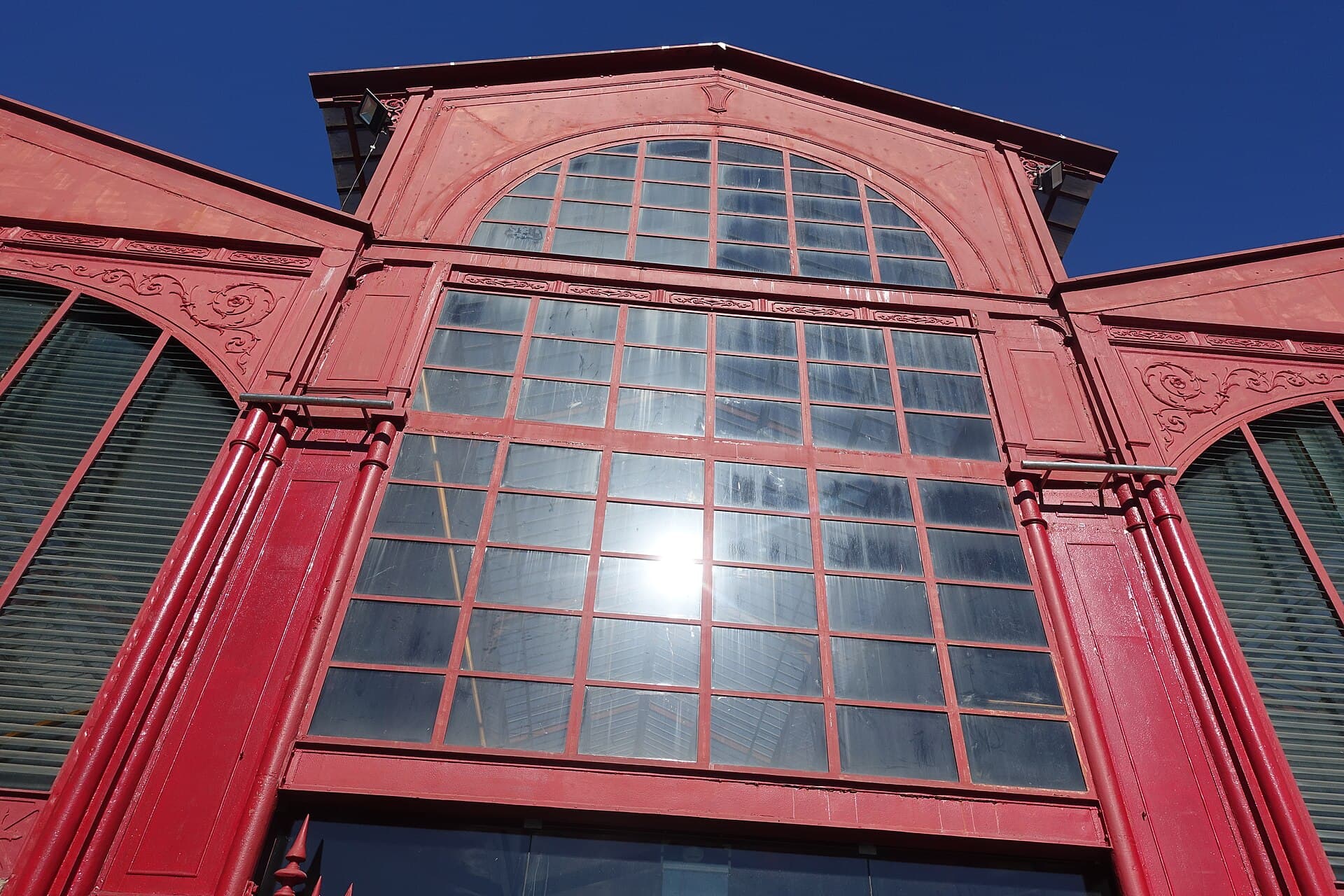
The Porto Market Hall That Never Sold a Thing
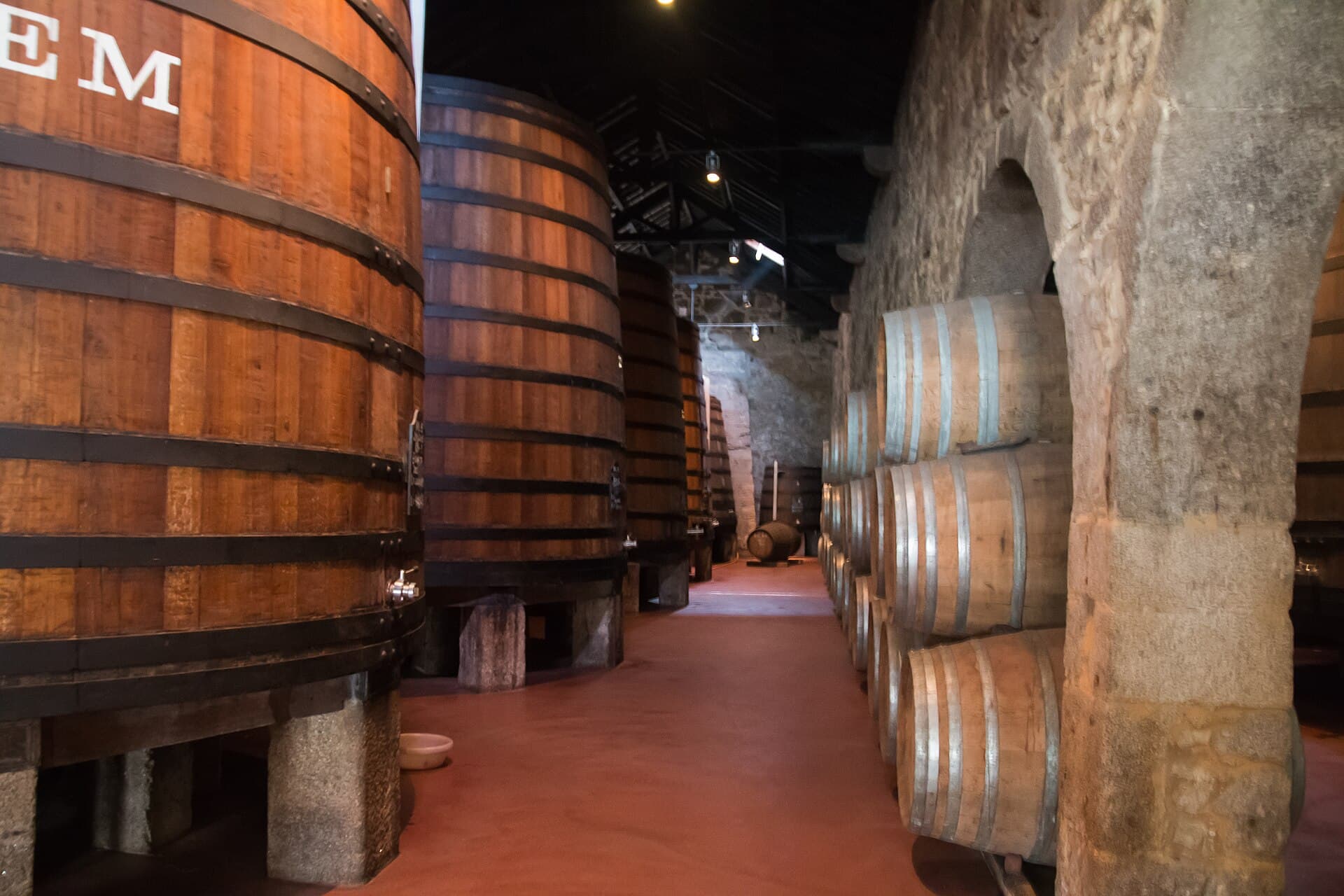
Why Port Wine Ages Across the River in Gaia, Not in Porto
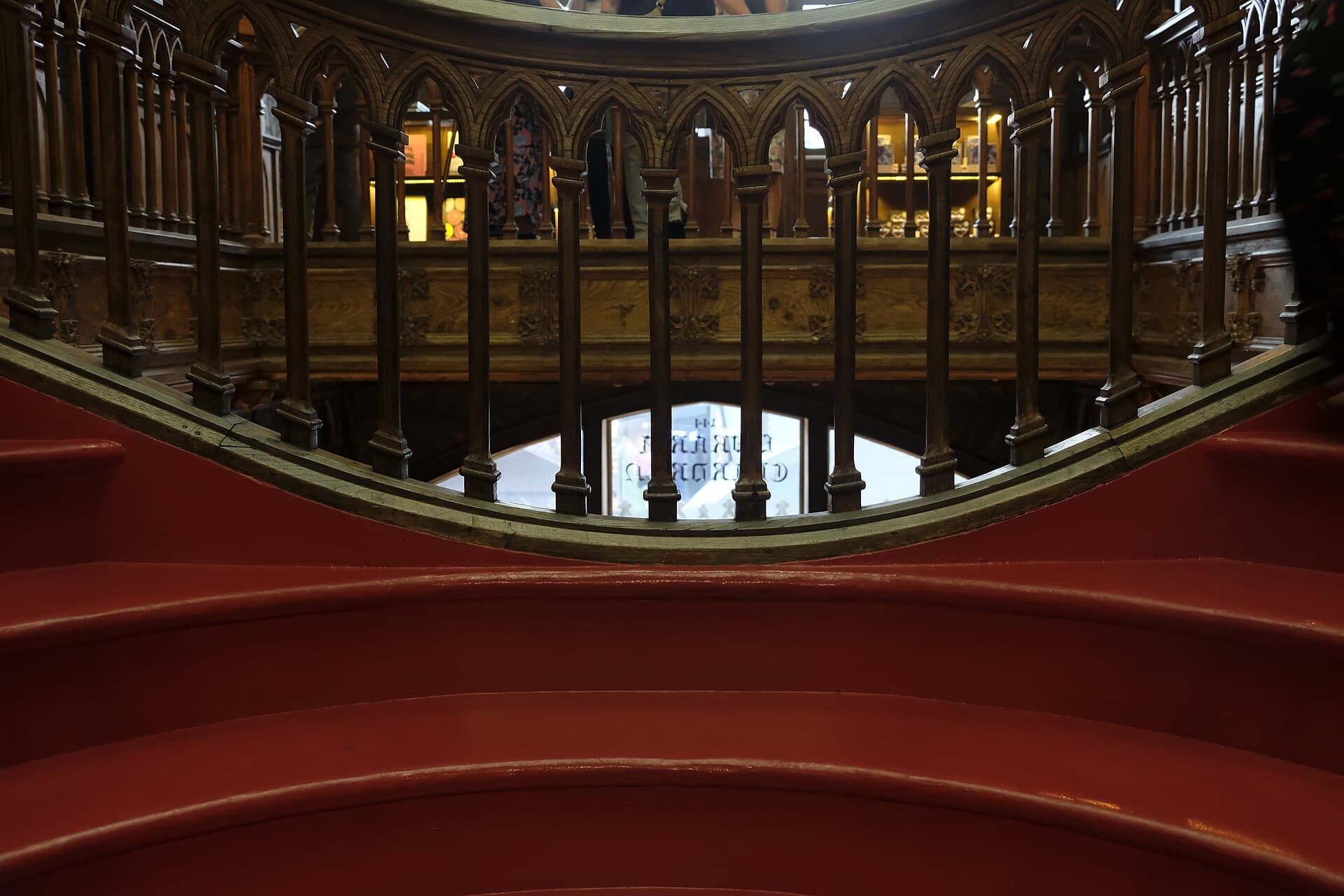
Livraria Lello: How Porto Built a Bookshop Like a Cathedral