Ribeira: The City of the River
95 min · 2.9 km · moderate
You can walk Porto's historic core in one day: start at the hilltop cathedral, descend through the granite lanes and tiled churches of the old town, reach the Ribeira waterfront by afternoon, cross the Dom Luís the First bridge, and finish among the port lodges of Vila Nova de Gaia at sunset. The city is compact and steep, so the plan below moves downhill for most of the day and saves the river crossing and the wine cellars for evening light. Total walking is roughly five to six kilometers spread across the day, which is comfortable if you build in coffee, lunch, and a few sit-down stops.
Porto rewards a self-guided pace because most of what matters here is free to look at from the street: facades, tiled churches, the river, the bridge. You pay only when you want to go inside a specific building, and even then the fees are small. Our three Porto walking tours split the city into the exact segments this one-day plan follows, so you can drop audio narration into whichever part of the day interests you most.
Morning: the cathedral and the old town (about 2 to 3 hours)
Begin at the /portugal/porto cathedral, the Sé, on its windy terrace above the river. The cathedral itself is free to enter, and the terrace gives you an orientation view over the roofs down to the water. The Gothic cloister and museum carry a small entry fee (around four euros), which is optional. Arriving early, ideally by 9:30, means you beat both the heat and the tour groups.
From the Sé, walk downhill toward Casa do Infante and the Church of São Francisco. São Francisco is worth going inside if you like ornament: the interior is covered in carved and gilded woodwork, and the ticket (roughly nine euros) includes the catacombs and museum. If you would rather keep moving, its exterior and the surrounding lanes are free.
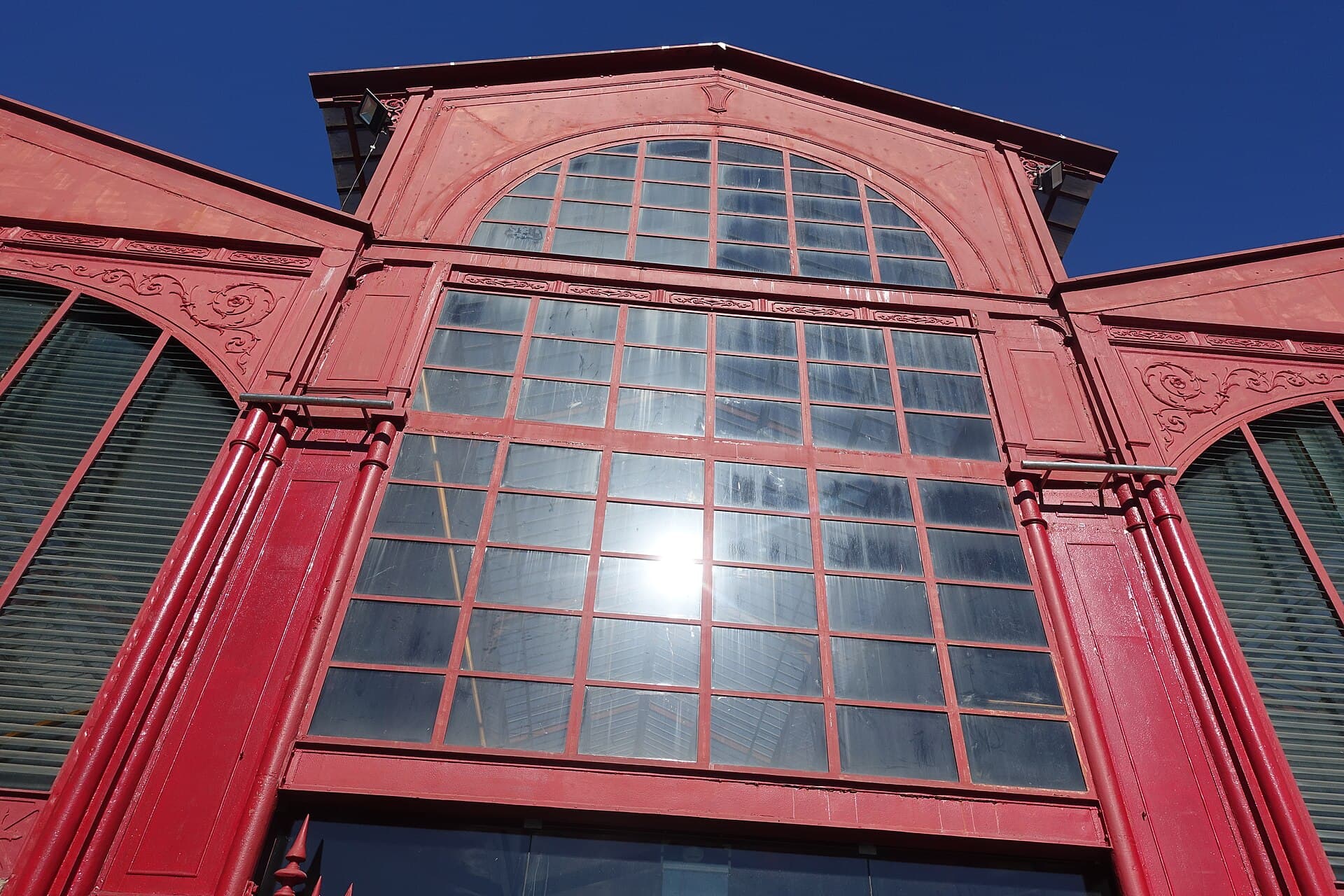
Two nearby buildings anchor the morning. Palácio da Bolsa, the old stock exchange, can only be visited on a guided tour lasting about half an hour, which runs in several languages and costs roughly twelve to fourteen euros. Book a slot in advance in high season, and note it is usually closed Mondays. If you skip the interior, you can still admire the neoclassical exterior and the Ferreira Borges Market shell next to it for free.
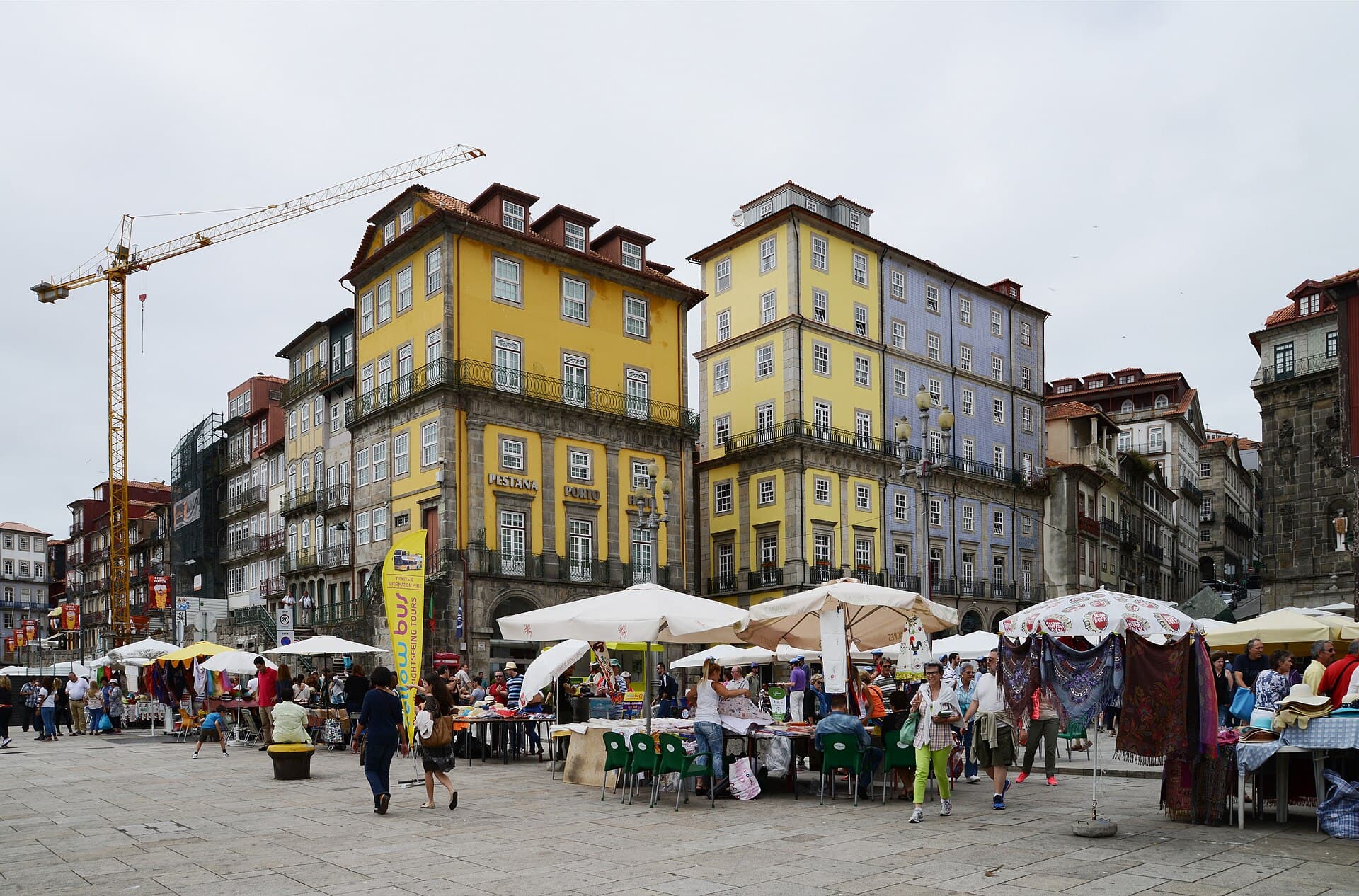
This whole morning segment is the ground covered by our Ribeira audio tour, which reads the old town as a city built by its river. The route runs about 2.9 kilometers with seven stops, so it comfortably fills the first half of the day if you let the narration set the pace.
Midday: São Bento, Clérigos, and the tiled churches (about 2 hours)
Hear a stop from this walk
Ponte Dom Luís I: The Marriage of the Two Banks
Walk up toward São Bento railway station, which is free and open to the public as a working station. Its entrance hall is lined with blue-and-white azulejo panels installed between 1905 and 1916, using around twenty thousand tiles to depict scenes from Portuguese history. Look at the coloured friezes lower down the walls, not only the large panels at eye level.
From São Bento it is a short climb to the Clérigos church and its tower. The church is free; climbing the tower costs around ten euros and involves a steep spiral of roughly 225 to 240 steps. The reward is a full panorama over the terracotta roofs, and the ticket office is open daily from 9am with last entry half an hour before closing. If stairs are not for you, the church interior and the square below cost nothing.
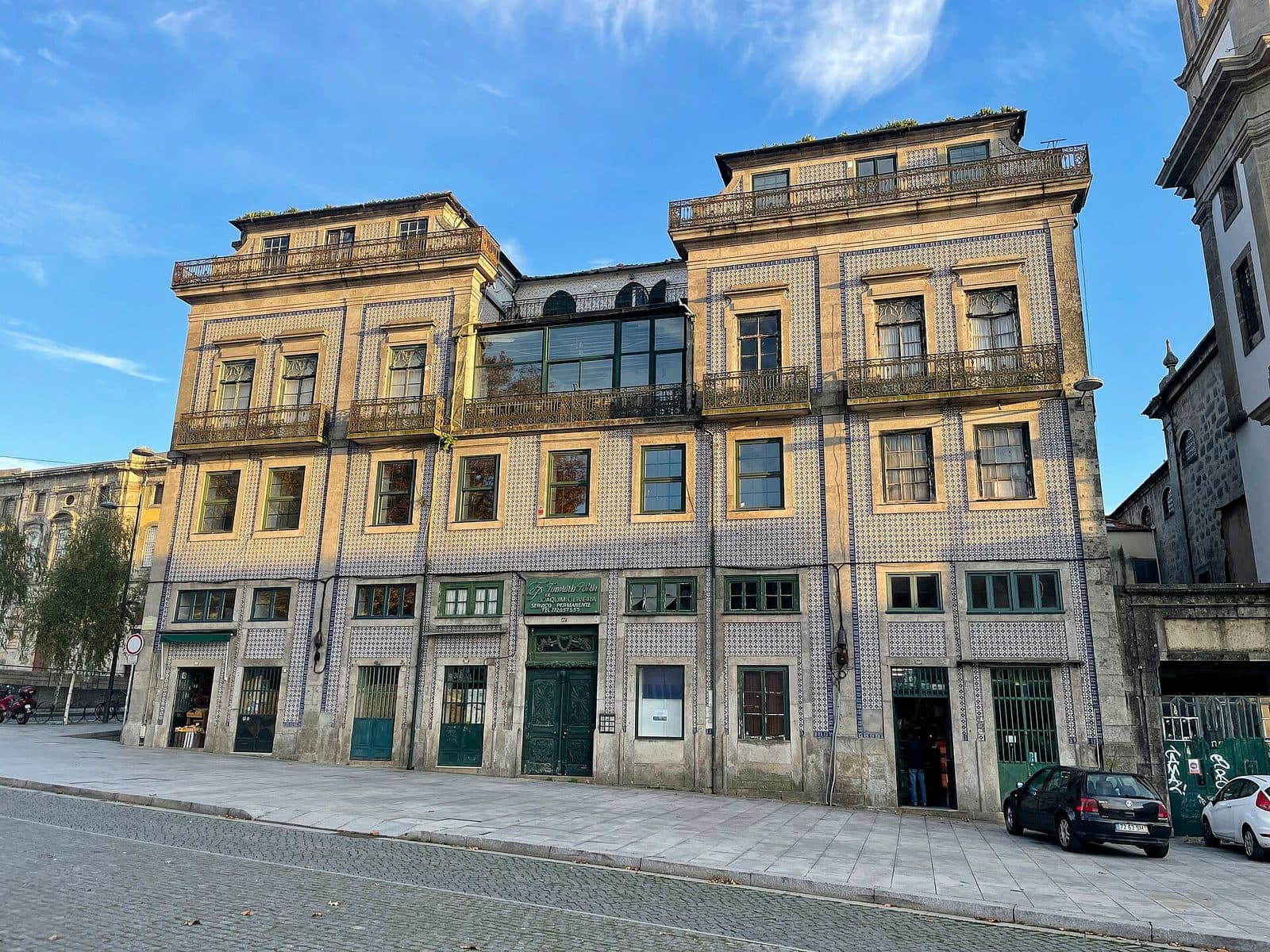
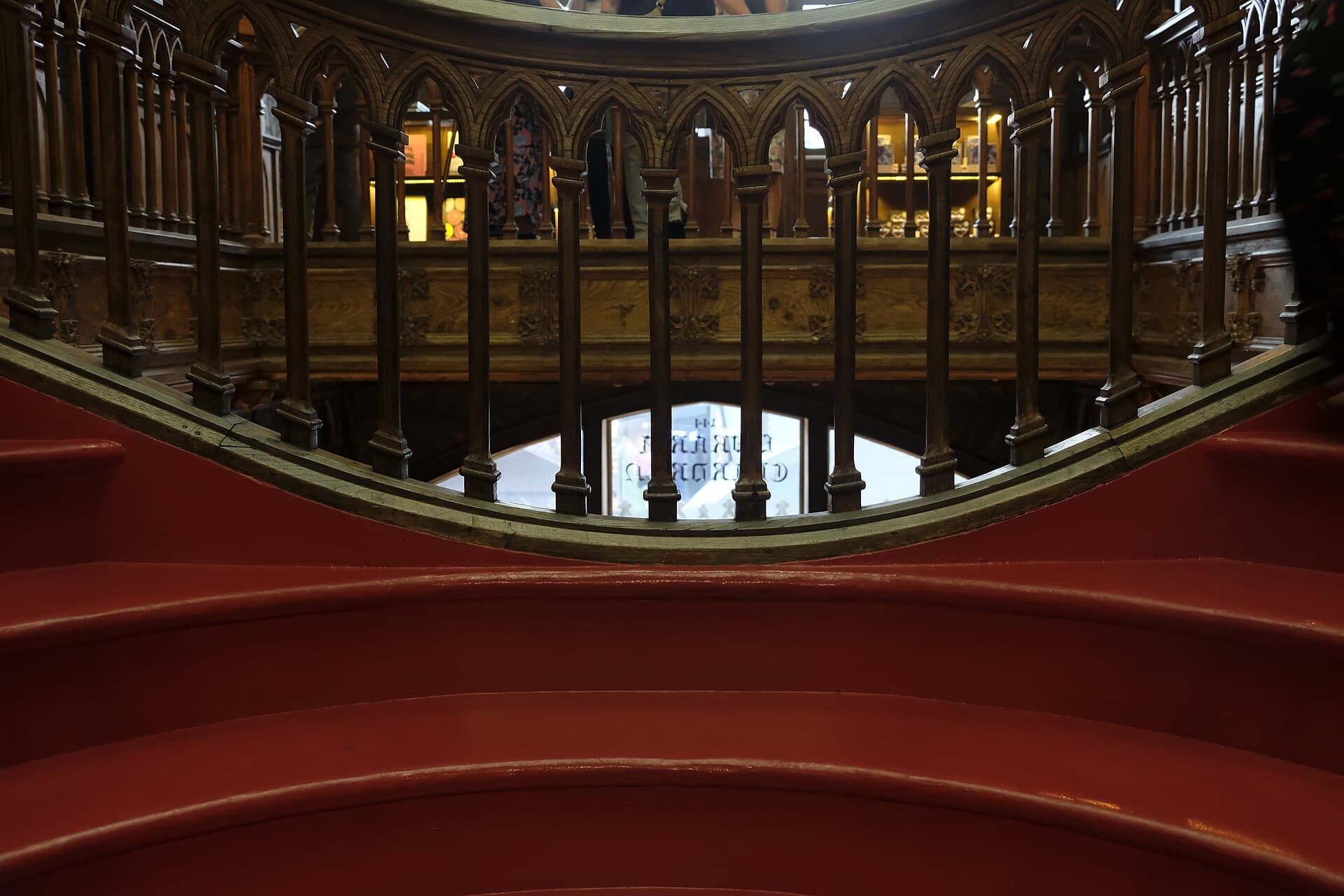
This central cluster, along with Livraria Lello, the Carmo church, the Chapel of Souls (Capela das Almas), and the Avenida dos Aliados boulevard, is the spine of our baroque-and-tiles tour. That route is about 3.6 kilometers and reads Porto as a reserved granite city that tells its stories on its surfaces rather than in its structure. If you want to enter Livraria Lello, the famous bookshop, buy a timed voucher in advance (from about ten euros, redeemable against a book); it is open daily but fills quickly, and the last admission is half an hour before it closes at 19:30.
For lunch, the streets between Clérigos and the river are dense with cafes and small restaurants. A francesinha, Porto's layered sandwich, or a plate of grilled fish and a glass of vinho verde is the traditional midday choice.
Afternoon: down to the Ribeira waterfront (about 1 to 2 hours)
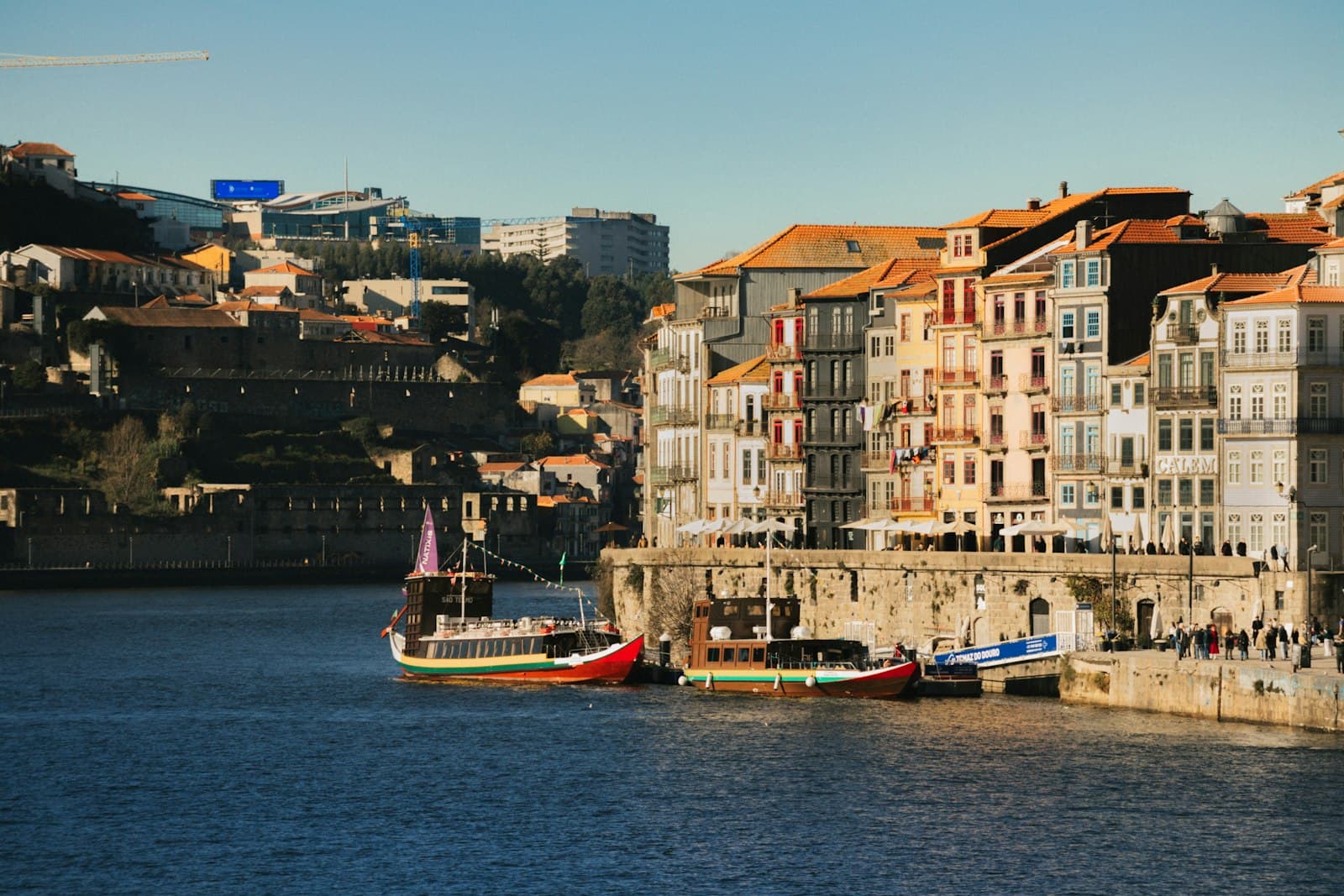
Descend the stepped lanes to Praça da Ribeira and the riverside. This is the postcard Porto: tall painted houses stacked on the north bank, boats on the Douro, and the great iron arch of the bridge downstream. The square and the whole quay are free, and this is where you slow down. Have a coffee at a riverside table, watch the boats, and time your next move so you cross the bridge as the light softens in the late afternoon.
The Ribeira is the most crowded part of the city, so keep your bag zipped and in front of you. Petty pickpocketing here, at São Bento, and on the number one tram is the main thing to watch; violent crime against visitors is rare, and the historic center is heavily walked and patrolled. Stay alert in the crowd rather than anxious.
Evening: cross the bridge to Gaia and the port lodges (about 2 hours)
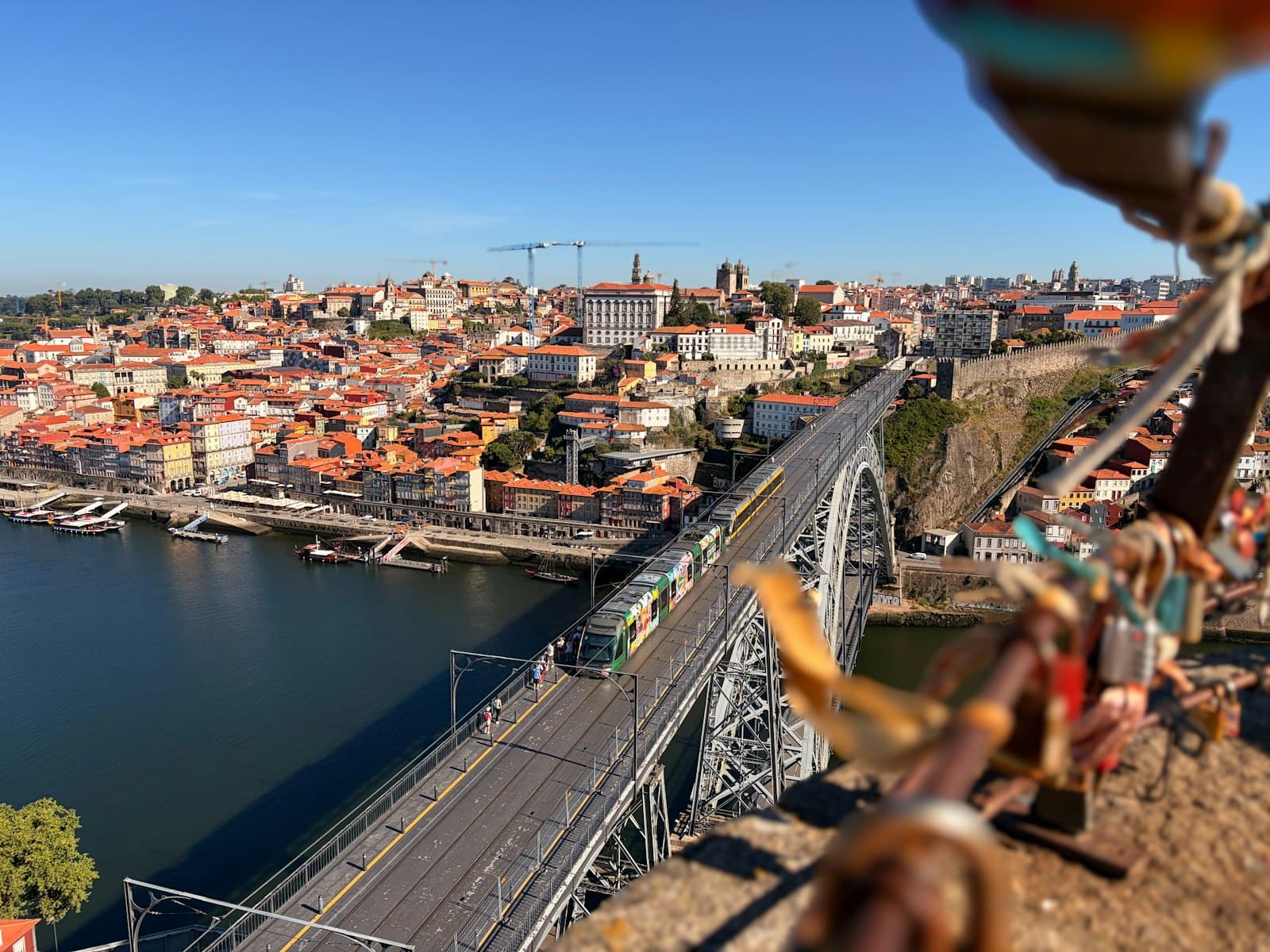
Walk across the Dom Luís the First bridge, the double-deck iron structure that ties the two banks together. Both decks are open to pedestrians and free to cross. The upper deck, shared with the metro, gives the higher and wider view; the lower deck puts you closer to the water. Cross on foot at least one way for the view back at Porto.
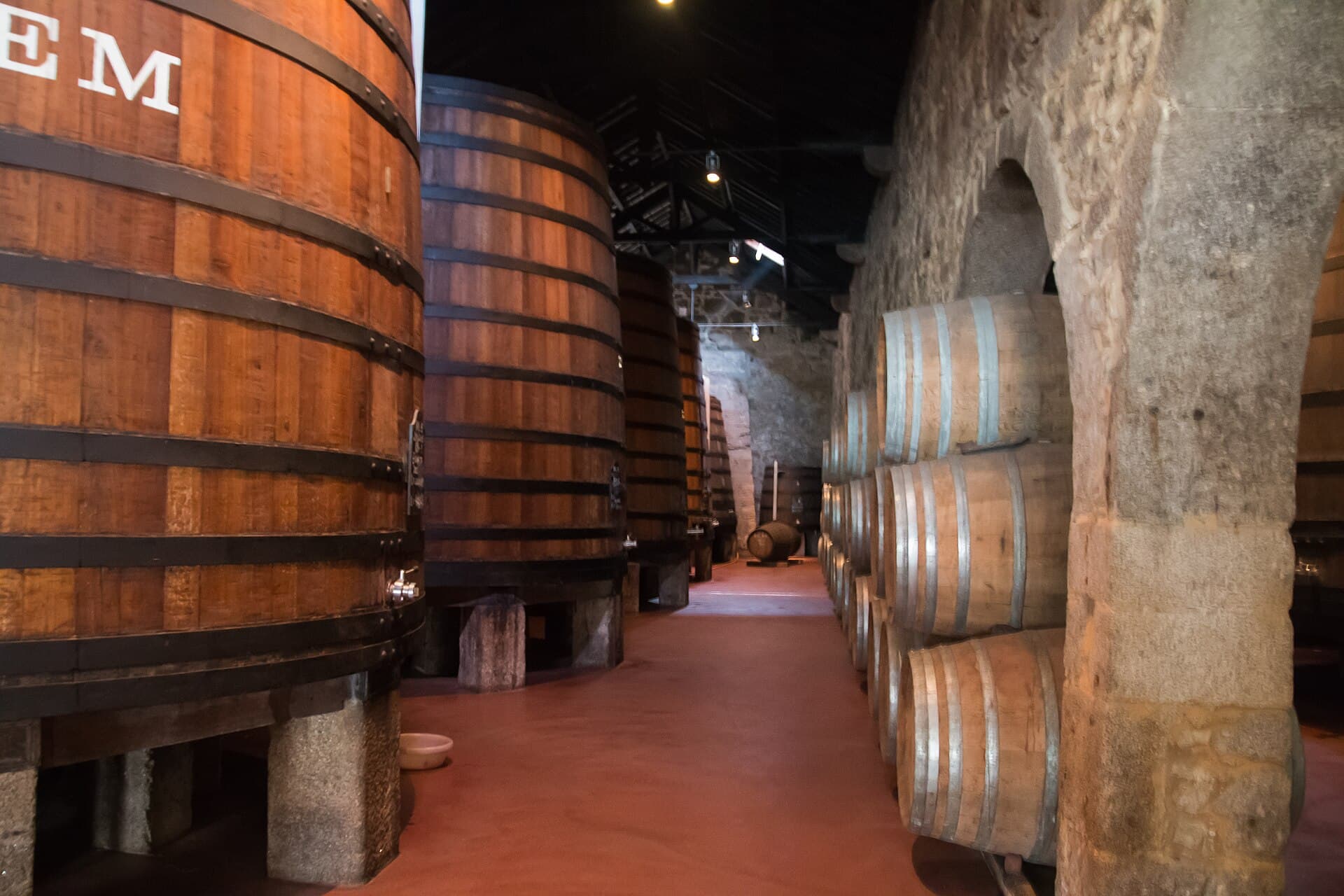
On the far bank, in Vila Nova de Gaia, you reach the port wine lodges. This is the surprise our port wine tour is built around: the wine called port is not made in Porto but aged in these cellars on the Gaia side, from grapes grown in the Douro valley upstream. Walking the lodge district is free; individual tastings and cellar tours are booked and priced separately at each house. Our port wine route is about 3.3 kilometers and works as an early-evening loop.
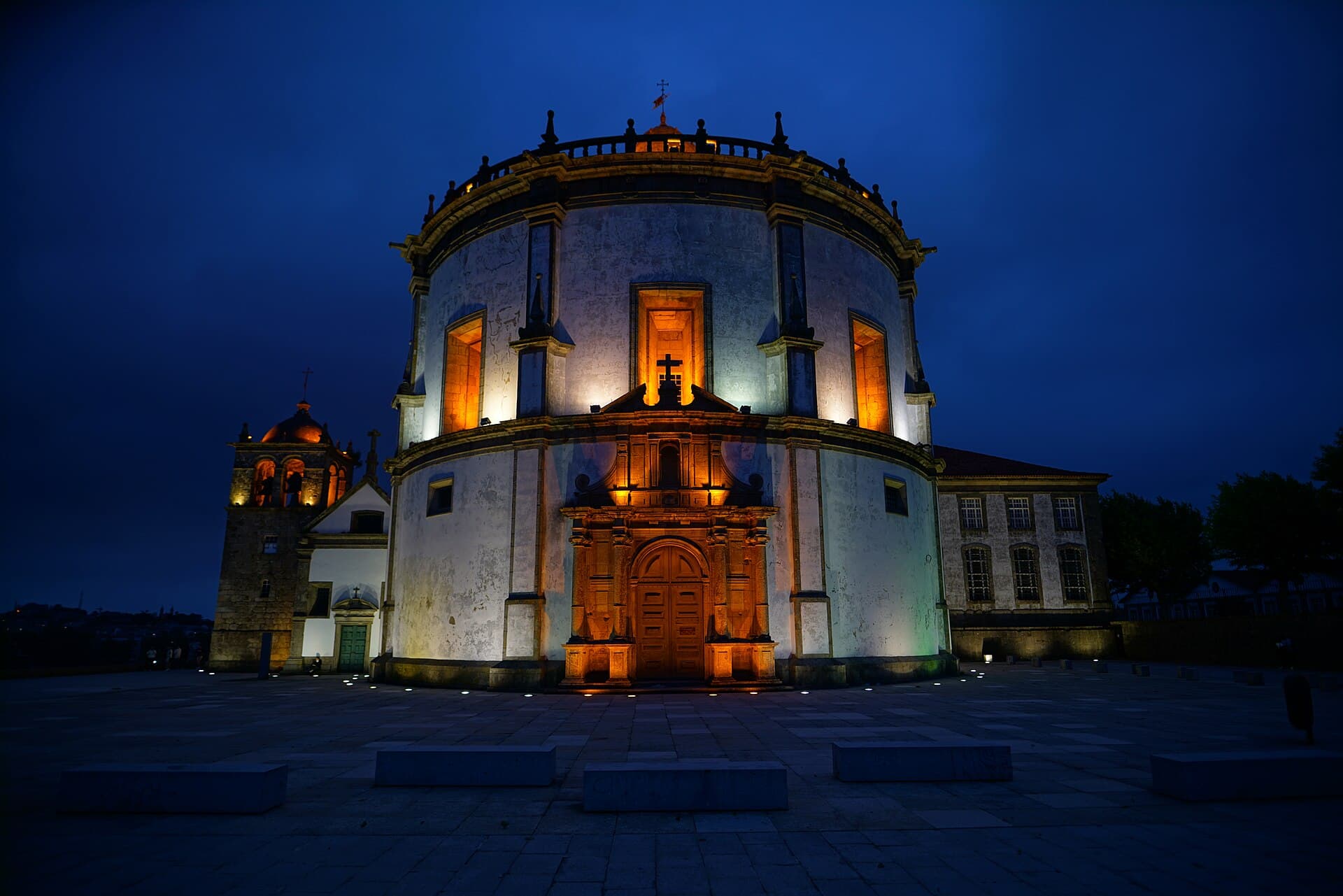
For the best finish, climb to the Serra do Pilar monastery viewpoint above the bridge. The esplanade is free and open around the clock, and it looks straight down onto the bridge and the Ribeira; the circular church and cloister, completed in the 1670s, carry a small entry fee of a few euros if you want to go inside. It is part of the UNESCO listing for Porto's historic center. Nearby, the Jardim do Morro garden is another free sunset spot. If your legs are done, the Gaia cable car runs between the upper deck of the bridge and the Cais de Gaia riverside in about five minutes, for roughly seven euros one way or ten euros return, though the schedule shortens outside high season. End the day with dinner and a glass of port on the Gaia quay, looking back across the water at the city you walked down through.
How the tours map to your day
The three Porto self-guided audio tours line up with the three phases of this itinerary: Ribeira for the morning old town, baroque-and-tiles for the midday churches and boulevard, and port wine for the evening crossing to Gaia. You do not need all three in one day. Pick the segment that matches where you are and let the audio carry that stretch, then walk the rest freely. Start browsing them on the /portugal/porto city page or read the overview of all Porto walking tours.
Sources
Frequently asked questions
- Can you see Porto in one day on foot?
- Yes. Porto's historic core is compact and best walked in one day by moving downhill from the Sé cathedral through the old town to the Ribeira waterfront, then crossing the Dom Luís the First bridge to Vila Nova de Gaia. Total walking is roughly five to six kilometers across the day, with plenty of stops for coffee and lunch. The main effort is the hills, so plan a downhill route and save the river crossing for evening light.
- How much does it cost to visit Porto's main sights?
- Most of Porto is free to enjoy from the street, including the cathedral terrace, the Ribeira waterfront, São Bento station's tiled hall, the Dom Luís bridge, and the Serra do Pilar viewpoint. You pay only to go inside specific buildings: the Clérigos Tower climb is around ten euros, Palácio da Bolsa is roughly twelve to fourteen euros on a guided tour, the Church of São Francisco is about nine euros, and Livraria Lello sells a voucher from about ten euros that is redeemable against a book.
- Do you need to book Livraria Lello and Palácio da Bolsa in advance?
- It is strongly recommended in high season. Livraria Lello uses timed entry vouchers and fills quickly, so buying online in advance saves a long queue; last admission is half an hour before it closes at 19:30. Palácio da Bolsa can only be visited on a guided tour of about half an hour, so booking a time slot ahead avoids waiting, and note it is usually closed Mondays.
- How do you get from Porto to the Gaia port lodges?
- Walk across the Dom Luís the First bridge, which has two pedestrian decks and is free to cross. The upper deck, shared with the metro, gives the wider view; the lower deck runs closer to the water and lands you near the Gaia riverside quay and its port cellars. As an alternative, the Gaia cable car connects the upper deck to the Cais de Gaia riverside in about five minutes for roughly seven euros one way.
- Is Porto safe to walk around?
- Porto is generally safe for visitors, and its historic center is heavily walked and patrolled. The main risk is pickpocketing in crowded spots such as the Ribeira, São Bento station, and the number one tram, so keep your bag zipped and in front of you. Violent crime against tourists is rare, and walking the center during the day is comfortable if you stay aware of your belongings in crowds.
- What is the best order to walk a one-day Porto route?
- Start high and walk downhill. Begin at the Sé cathedral in the morning, work down through the old town and São Bento to Clérigos by midday, reach the Ribeira waterfront in the afternoon, then cross the bridge to Gaia for sunset among the port lodges. This puts the steep parts behind you early and reserves the best light for the river crossing and the Serra do Pilar viewpoint.
Ready to experience it?
Ribeira: The City of the River
95 min · 2.9 km · moderate
More from Porto
Explore more at your own pace.
Porto: The Granite City That Faces Its River
The Porto Market Hall That Never Sold a Thing
Why Port Wine Ages Across the River in Gaia, Not in Porto
Livraria Lello: How Porto Built a Bookshop Like a Cathedral
Mosteiro da Serra do Pilar: The Round Church That Watches Porto