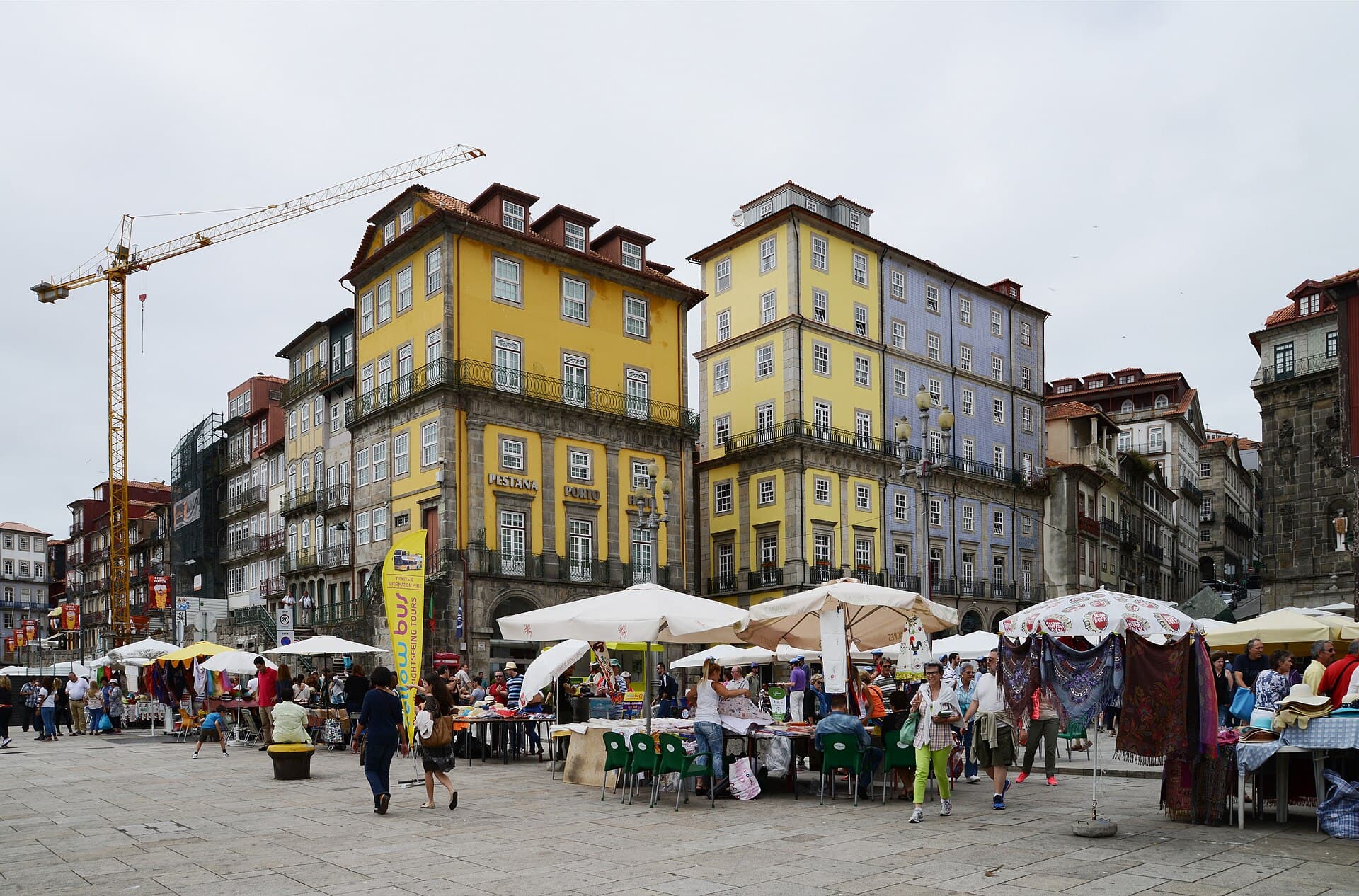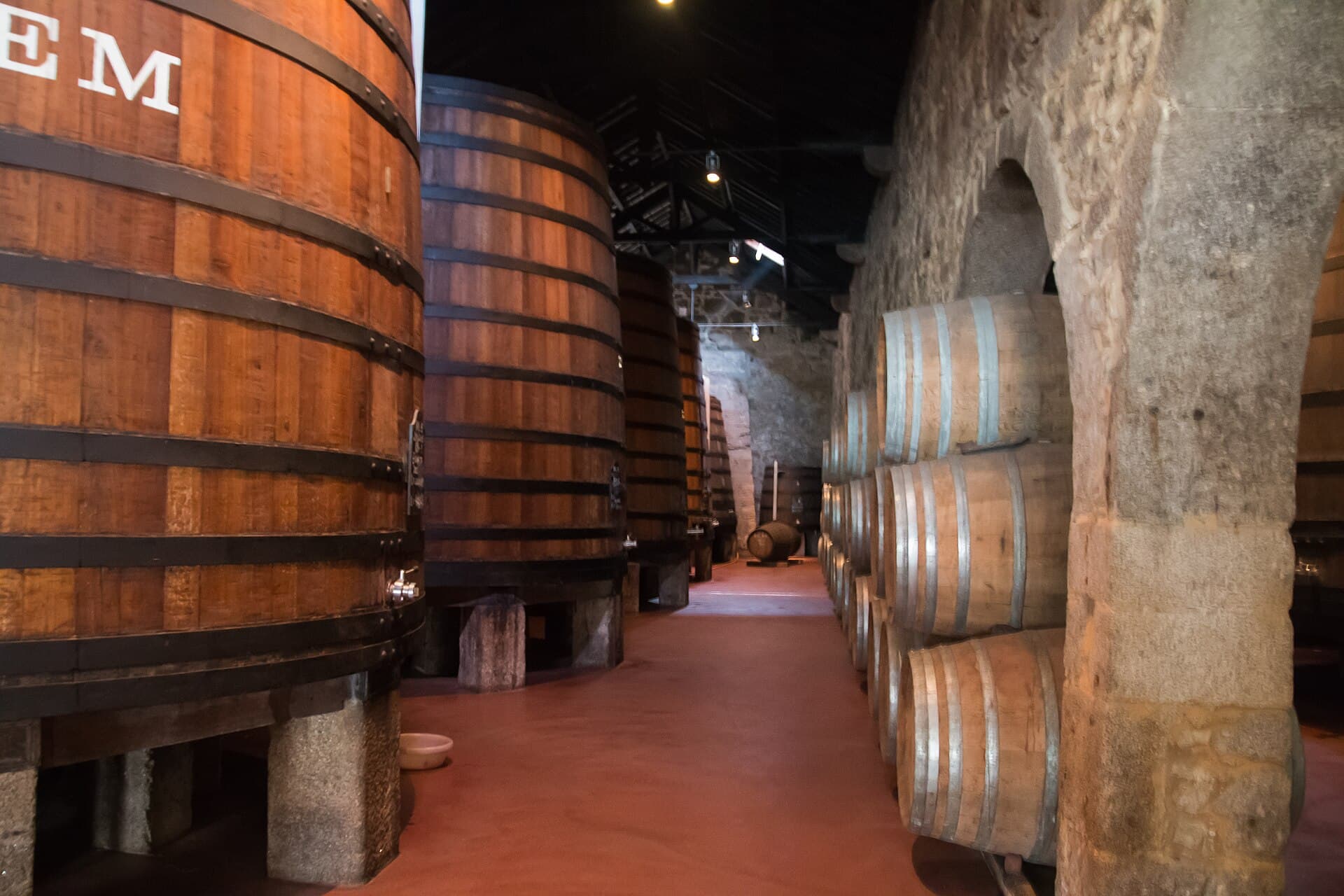
Port wine ages across the river from the city that named it, and the reason is a law, not the weather. Walk into the low, tile-roofed district on the south bank of the Douro, the one facing Porto proper, and you are standing in Vila Nova de Gaia, the place where port sleeps in barrel. The wine is not grown here. It is not made here. It ages here because a state rule from 1777 said it had to, and that single fact is the door into the whole story the tour walks you through.
Most visitors arrive at the Gaia lodges expecting a strip of tasting rooms and a nice view of the water. Both are true. But the district is really an institution built around a two-hundred-year-old decision about where a wine is legally allowed to rest. Following reforms by the Douro Wine Company, Vila Nova de Gaia became the official storage site for all wine and port exporters from 1777 onward. Porto kept the commerce, the buying and the selling. Gaia held the wine. That split was written into law rather than left to habit, and the barrels have lined up on the south bank ever since.
The honest version of a famous story
There is a tempting explanation you will hear on the riverfront: the wine ages in Gaia because the south bank is cooler, or shadier, or somehow better for the barrels. It is a clean story, and it is not supported by the record. The documents do not give a single tidy climatic reason for why aging happens on this bank and not across the water. What they do document is the trade rule from 1777. That distinction matters, because it changes what you are looking at. These lodges are not the product of a winemaker's instinct about temperature. They are the product of policy, of a state deciding to consolidate an entire export trade on one side of a river so it could be watched, taxed, and controlled.
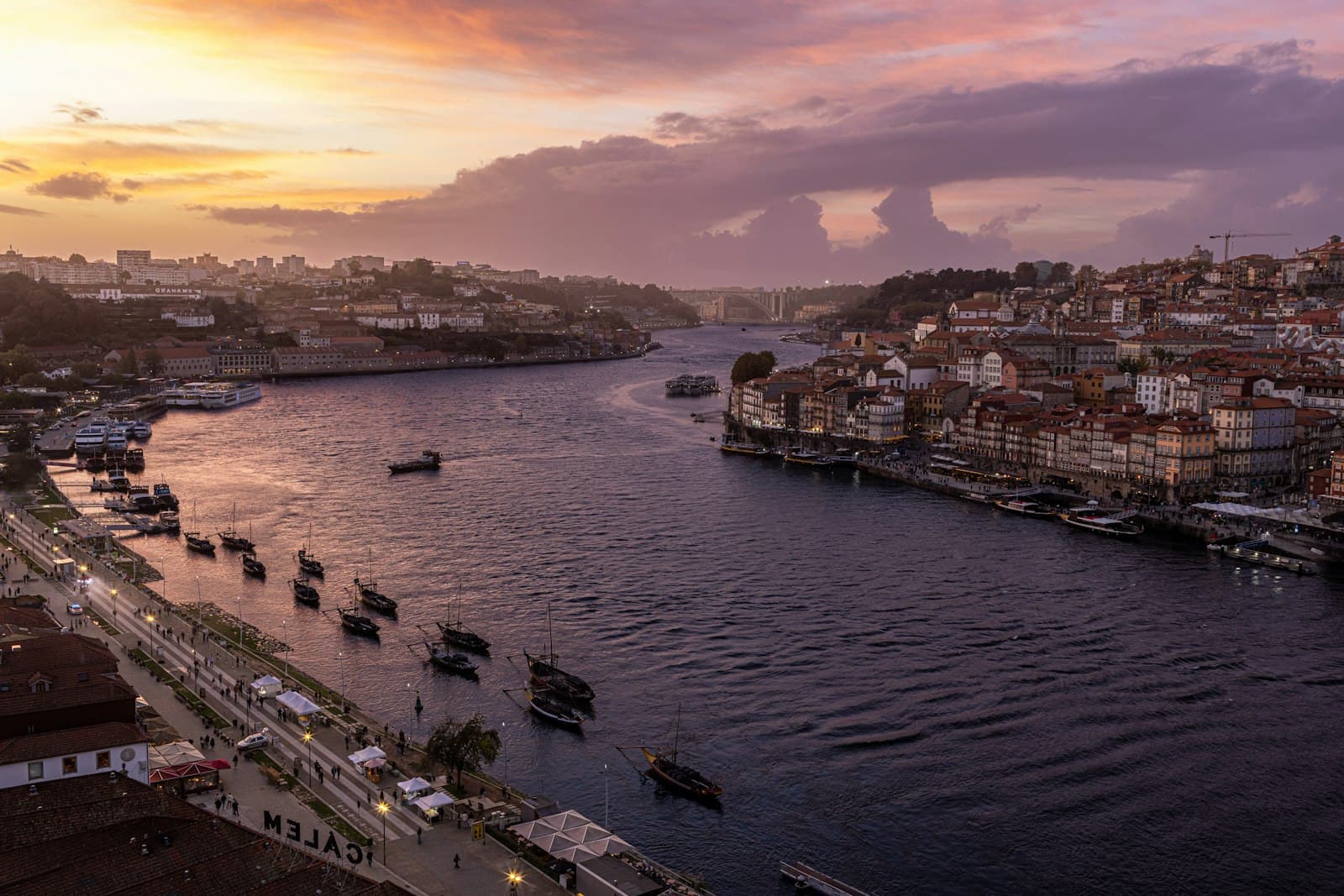
That is the kind of thing a self-guided walk lets you sit with. You can stand at the mouth of a cellar, look back across the Douro at the city stacked on the far cliff, and hold the odd geometry of it: the name on one bank, the wine on the other, and a law running between them. The lodge district holds historic shipper houses, both Portuguese and British, and in the early nineteenth century British merchants were dominant in the commerce. The English names still painted on the warehouse walls are not decoration. They are evidence of who was buying.
Why England is the reason port tastes like port
Hear a stop from this walk
The Lodges of Vila Nova de Gaia
To understand why the barrels are here at all, you have to look further downstream in the story than the cellars. On the twenty-seventh of December, 1703, England and Portugal signed the Methuen Treaty, negotiated for England by John Methuen. Its terms were narrow: Portuguese wines entering England would be taxed a third less than French wines, and English woollen cloth entered Portugal duty-free. A cloth-and-wine swap sounds like a footnote until you remember that England kept going to war with France. When the French wine supply dried up, English drinkers needed a substitute, and favourably taxed Portuguese wine stepped into the gap.
That demand reshaped the wine itself. To survive the long sea voyage north, the wine was fortified with brandy, and that fortification is exactly what gives port its sweet, stable, shelf-durable character. The drink you know was engineered for shipping. Even at the time, nobody agreed on whether the treaty was good for Portugal. The diplomat Luis da Cunha argued that the flood of English textiles damaged Portugal's own wool industry and left the country over-dependent on English wine buyers. Defenders countered that Portugal lacked that manufacturing capacity anyway. Both arguments are on the record, and the walk presents them as a genuine debate rather than a settled verdict. What is not in dispute is the outcome you can see: a foreign market and a foreign treaty helped turn a river valley into an empire in a bottle.
The boats that made the lodges possible
Before the district could store anything, the wine had to arrive. On the Gaia quay, the Cais de Gaia, flat-bottomed wooden boats sit moored as heritage vessels. These are rabelo boats, shallow-draft craft built specifically for the Douro, and their working purpose was hauling barrels of port down from the vineyards to these cellars. The long timber projecting from the stern is the rabo, the great steering oar that gives the boat its name, and a crew worked it to keep a loaded barge off the rocks on a river full of rapids. From 1968 onward, dams and locks raised the water, smoothed the rapids, and ended the rabelo's working life. Every barrel aging in these lodges once arrived by a boat like these, poled down from a valley you cannot yet see. The wine came here. It did not begin here.
Reading all three places at once
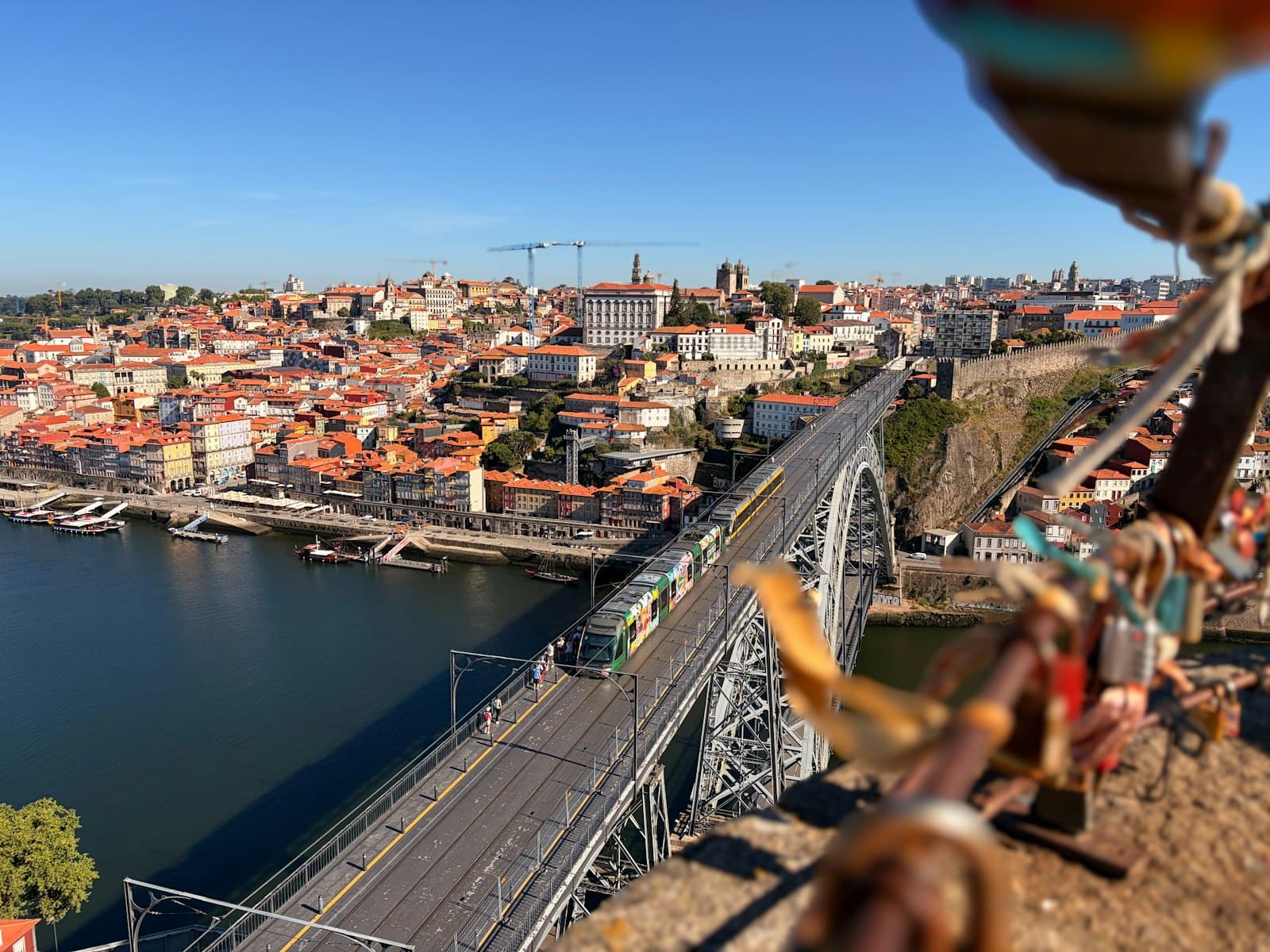
The Gaia lodges are the middle of the story, not the end of it. The grapes ripen on terraced slopes about eighty kilometres upstream, in a valley formally defined by royal charter on the tenth of September, 1756, under the Marquis of Pombal. That charter made the Douro the world's first formally demarcated wine region, its boundaries marked in the vineyards with granite pillars called marcos pombalinos. The tour climbs from the cellars to the clifftop esplanade at the Mosteiro da Serra do Pilar, where the whole geography opens at once: the cellars on the near bank, the iron arch of the Ponte Dom Luis the First, the city of Porto stacked on the far cliff, and the river running east toward the vineyards you cannot quite see.
That is the argument the anchor stop sets up and the viewpoint pays off. Three places, one bottle: the valley that grows it, the Gaia bank that ages it, and the city that lends its name. If you want to walk it in order and at your own pace, start with the full route through our Porto walking tours, or read more about visiting Porto before you cross the bridge. The lodge district is free to walk. The story it tells is the reason to.
Sources
- Vila Nova de Gaia (Wikipedia): documents that from 1777 Gaia became the official storage site for all port exporters, following Douro Wine Company reforms.
- Methuen Treaty (Wikipedia): the 1703 treaty negotiated by John Methuen, taxing Portuguese wine a third less than French and admitting English woollens duty-free.
- Douro DOC (Wikipedia): the royal charter of 10 September 1756 that made the Douro the world's first formally demarcated wine region.
- Rabelo boat (Wikipedia): the flat-bottomed Douro craft whose commercial life ended as dams rose from 1968 onward.
- Roamer tour transcript, "The Wine That Named a Country": the fact-audited narration for each stop on the walk.
Ready to experience it?
Vila Nova de Gaia: The Wine That Named a Country
110 min · 3.3 km · moderate
More from Porto
Explore more at your own pace.
One Day in Porto: A Walkable Itinerary From Cathedral to River
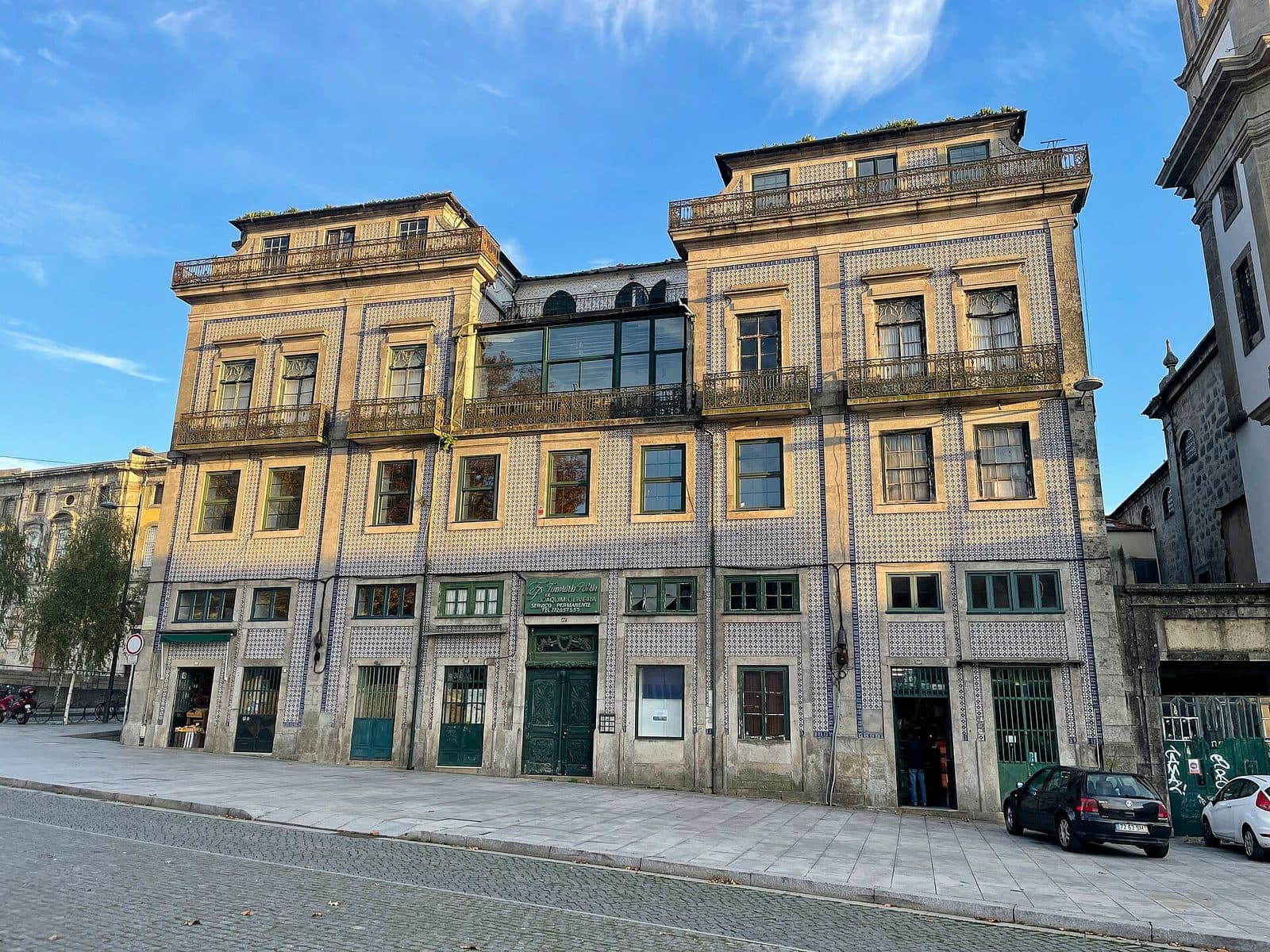
Porto: The Granite City That Faces Its River
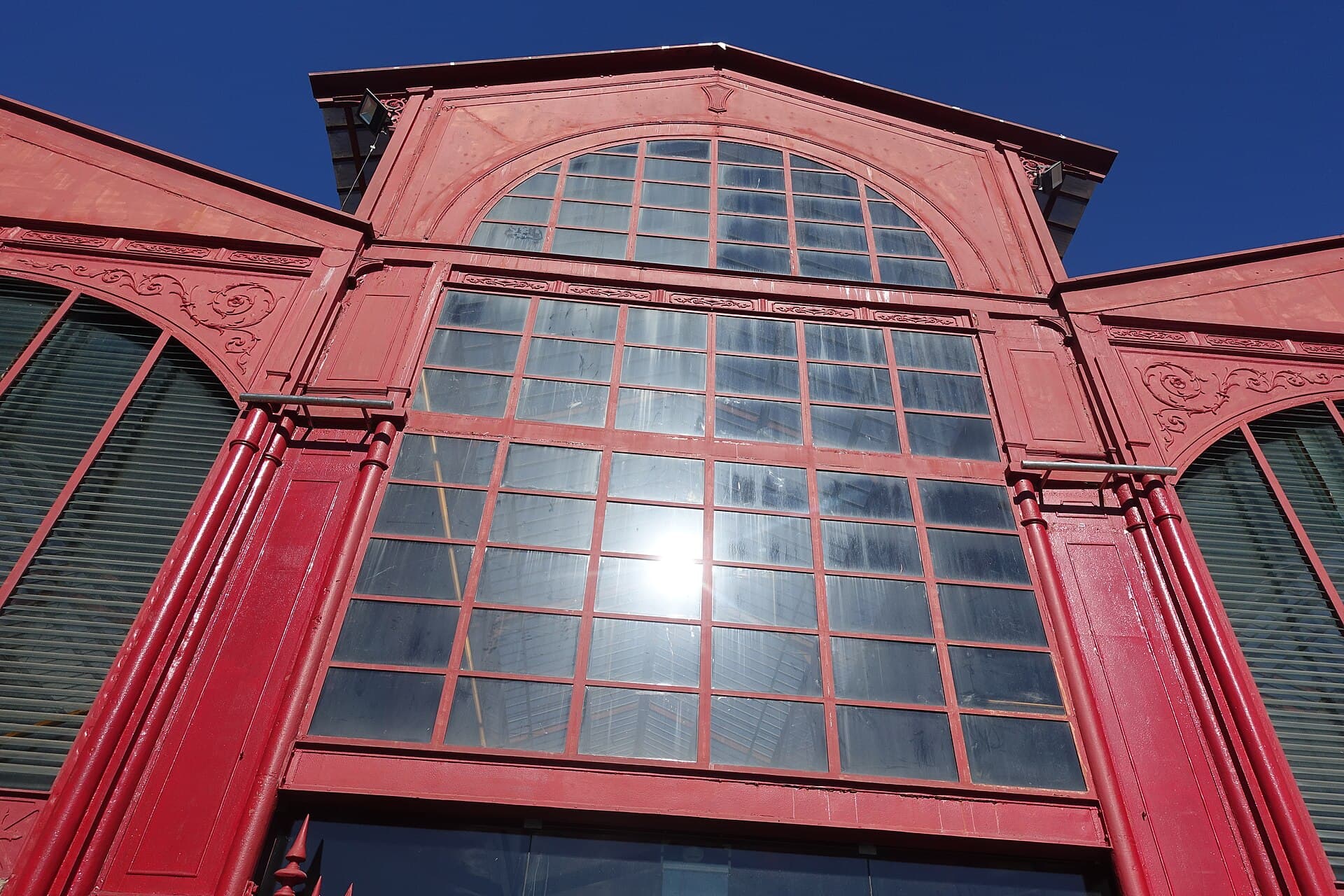
The Porto Market Hall That Never Sold a Thing
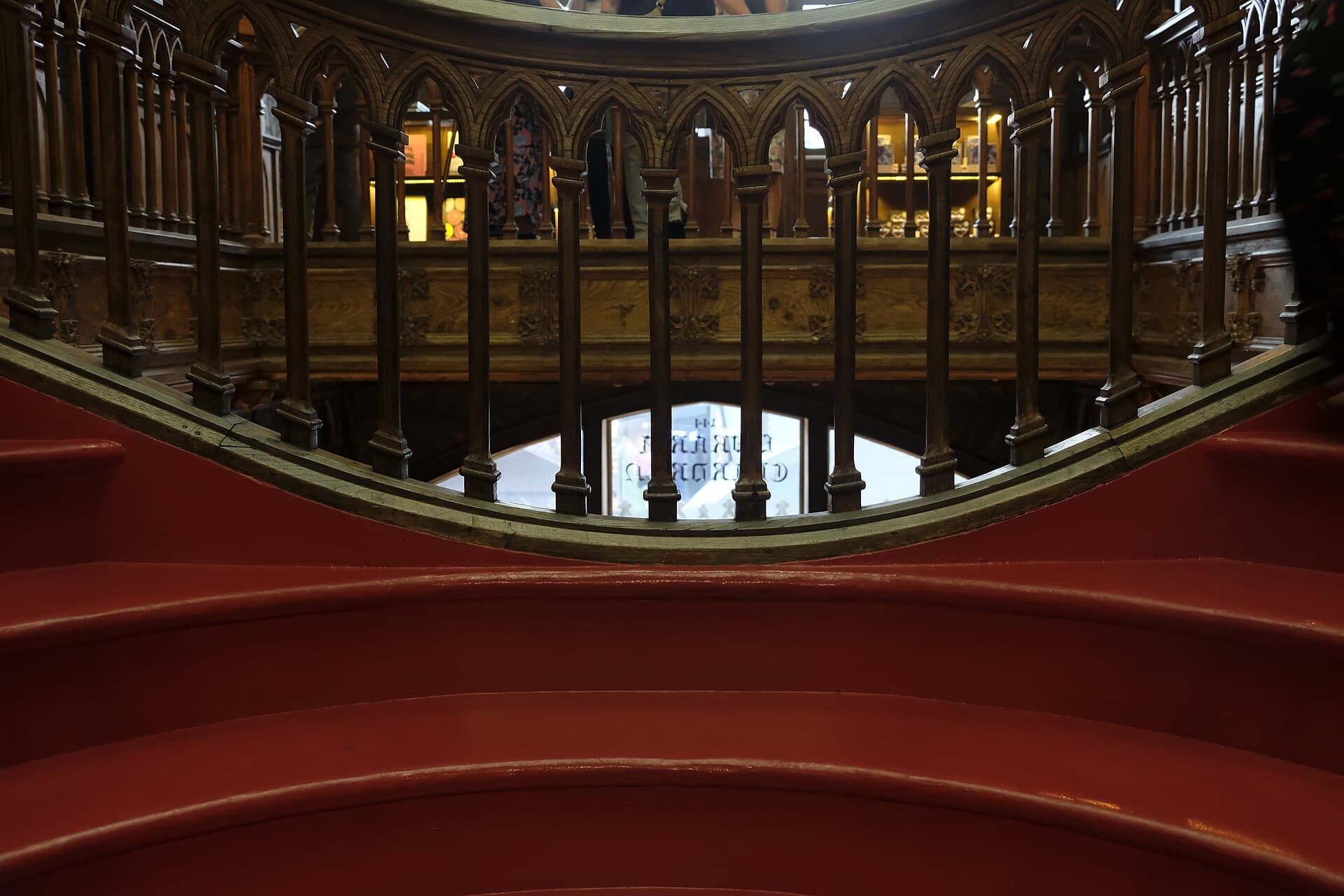
Livraria Lello: How Porto Built a Bookshop Like a Cathedral
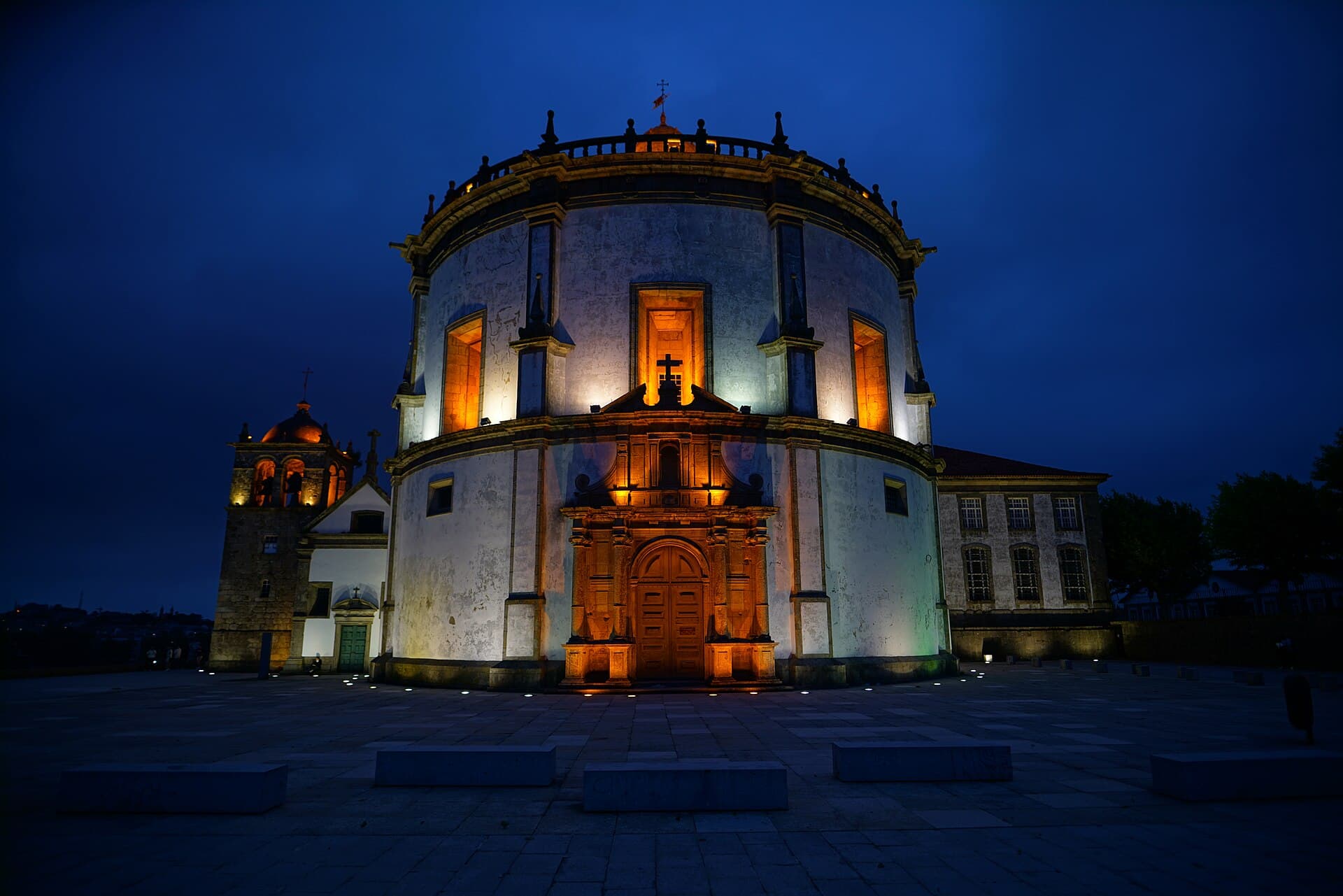
Mosteiro da Serra do Pilar: The Round Church That Watches Porto