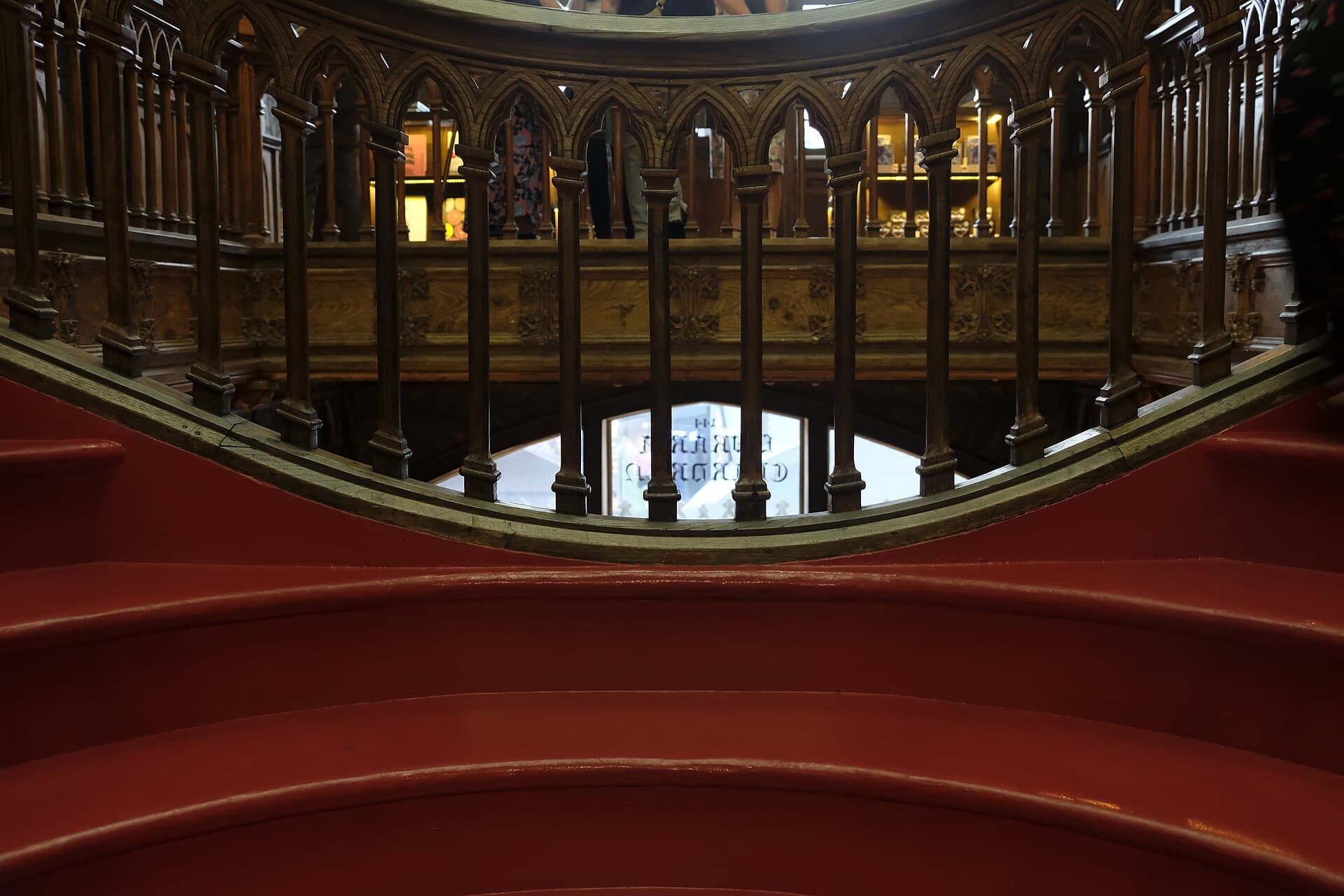
Livraria Lello is a working bookshop that was built like a shrine. Step off Rua das Carmelitas and the register changes: a forked staircase splits and rejoins as it climbs, carved wood runs across the balusters and shelving, and a stained-glass skylight throws colored light down the well. The building sells books, but its structure was engineered to stage the act of reaching for one. That is the single thing to understand standing in front of it. This is not a shop with pretty decoration bolted on. It is a piece of heritage architecture that happens to sell books, and it belongs to the same instinct that runs through the rest of central Porto: take a plain function, then dress it in an extraordinary surface.
A bookshop conceived as architecture
The Lello business is older than the building it now occupies. The trade traces back to 1869, when the Frenchman Ernesto Chardron founded an international bookshop in Porto, and to 1881, when José Lello and a partner took the enterprise forward under a new name. The building most visitors mean when they say "Lello," though, opened later. It was inaugurated in 1906, to designs by the architect Francisco Xavier Esteves, who lived from 1864 to 1944.
The style is a deliberate blend rather than a single school. The skin reads as neo-Gothic and Art Nouveau, with Art Deco touches worked into the interior. What matters for a visitor is not the label but the intent. Esteves was not decorating a room; he was building a monument to the printed page, and the decision to treat a commercial bookshop as monumental architecture is the whole point. In a city where churches wear their exuberance outside, on tiled and gilded facades, Lello does the opposite. It keeps its plain granite manners on the street and saves the theater for within.
Reading the structure: staircase, wood, and light
Hear a stop from this walk
Estacao de Sao Bento: Tile as National Narrative
Stand at the foot of the staircase and look at how it is put together. It is a forked stair: a single flight rises, divides, and rejoins as it reaches the first-floor gallery. The curve is not structural showing off for its own sake. It choreographs movement, pulling the eye and the body upward toward the light, so that the simple act of climbing to another shelf becomes a staged ascent. The wooden balusters are carved with real care, and much of what looks like heavy timber throughout the shop is a period sleight of hand worth noticing up close, plaster and painted surfaces made to read as carved wood.
Overhead stretches the element that finishes the composition: a large stained-glass skylight, roughly eight metres by three and a half. It carries the Latin motto Decus in Labore, meaning honor in work, along with the owners' monogram. Position matters here. The skylight sits directly over the stair well, so the brightest, most colored light in the building falls exactly on the object designed to draw you up. Structure and illumination were planned as one system. That coordination, more than any single carved detail, is what separates Lello from a merely handsome interior.
The Harry Potter question, answered honestly
You will hear, repeatedly, that this bookshop inspired J.K. Rowling and the wizarding world of Harry Potter. It is worth being precise, because the claim is disputed and Rowling herself has denied it. In 2020 she stated publicly that she was never inspired by Lello and that she had not even entered it. Rowling did live in Porto in the early 1990s, arriving in 1991 to teach English, and part of the first Harry Potter book was written during those years. But the direct link between this specific staircase and that fictional world is popular legend, not documented fact. Read the building for what it verifiably is, a 1906 architectural statement about books, rather than for a story it did not actually shape. It loses nothing in the trade.
What the entry fee is really for
Since July 2015, Livraria Lello has charged an entrance fee, an amount usually redeemable against a book purchase. Some visitors bristle at paying to enter a shop. The clearer way to think about it is to treat the ticket the way you would treat admission to a decorated church interior, which is exactly what the rest of this walk asks of you. Lello has been ranked among the most celebrated bookshops anywhere, placed third on lists compiled by both Lonely Planet and the Guardian, and the fee both funds the building's upkeep and manages the crowding that its fame produces. You are not buying the right to shop. You are buying the right to stand inside a controlled, luminous, over-engineered interior and read it slowly.
How Lello fits the city around it
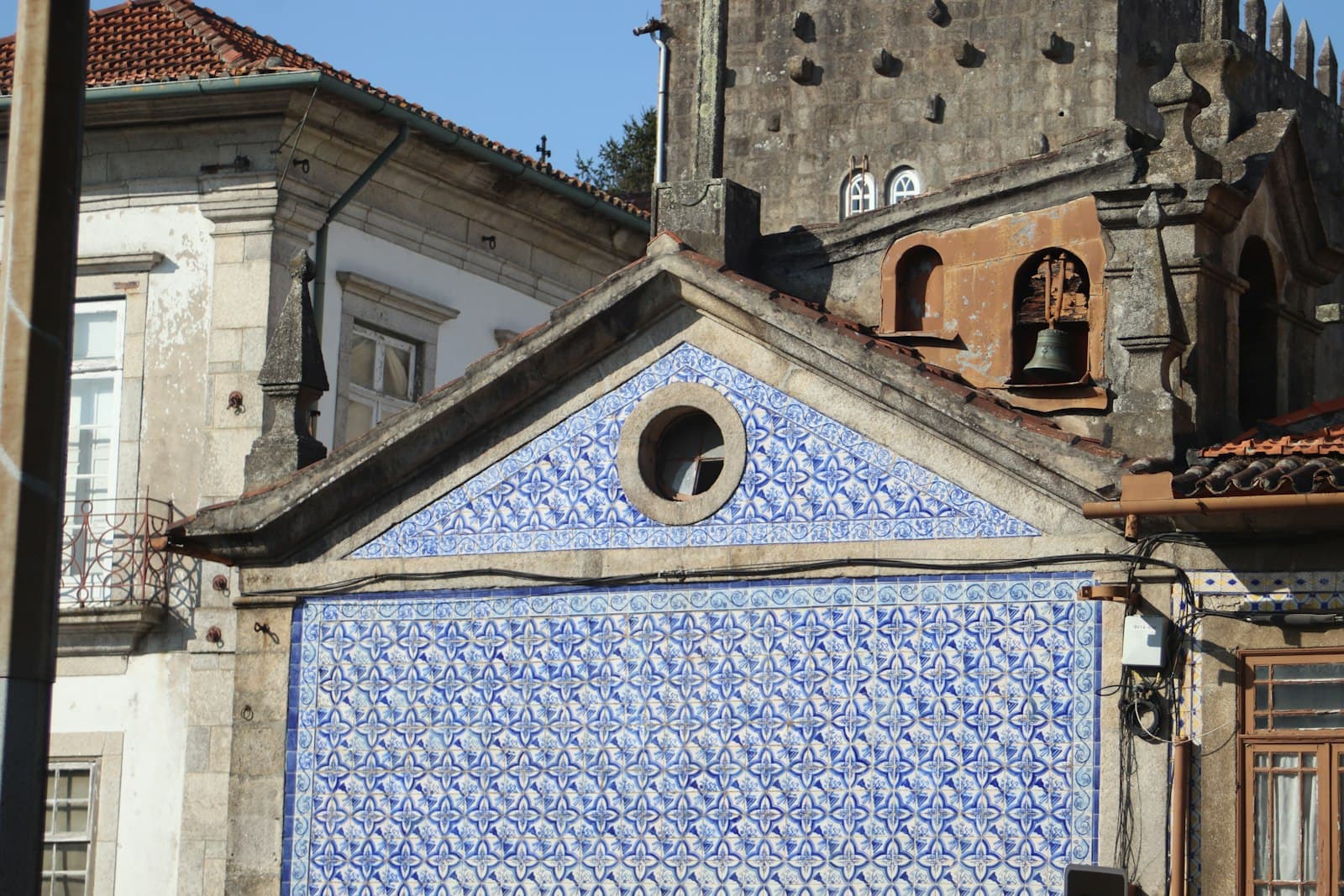
The reason Lello rewards a slow look is that it completes a pattern visible all over central Porto. The city is built of granite, grey stone quarried nearby and stacked with a certain reserve. Then, again and again, it applies an extraordinary surface to that plain structure: the enormous blue-and-white azulejo wall on the side of the Igreja do Carmo, the tiled facade of the Capela das Almas, the painted history that lines the atrium of Sao Bento station. Lello does the same move indoors. Where the churches externalize their drama in tile and gilt, this building internalizes it, turning the act of holding a book into something staged and lit. The instinct to dress a simple function in remarkable craft did not stop at the church door.
That is why Livraria Lello reads best not in isolation but as one stop along a route that keeps returning to the same idea. If you want to see the pattern connect, the tour "Granite Dressed in Gold and Tile" walks from the Torre dos Clerigos through Lello and on to the tiled facades and the painted station, roughly three and a half kilometres at an unhurried pace. You can preview the full set of Porto walking tours, or start from the city page for Porto and pick your route from there. Come to Lello to read a decorated interior, then step back out and watch the same instinct play out across the stone.
Sources
- Livraria Lello (Wikipedia): opening year 1906, architect Francisco Xavier Esteves (1864-1944), business origins in 1869 under Ernesto Chardron and 1881 under José Lello, the Decus in Labore skylight, and the July 2015 entrance fee.
- Taste Porto, "Porto Harry Potter Library: What's true and what's not?": a local account separating the documented history of the shop from the disputed Rowling inspiration claim.
- Forbes, Elizabeth Brownfield, "Is This Bookstore Thought To Have Inspired Harry Potter The Most Beautiful In The World?": on Lello's global ranking and reputation as an architectural interior.
- Roamer tour transcript, "Granite Dressed in Gold and Tile" (Livraria Lello stop): fact-audited detail on the forked staircase, the roughly eight by three-and-a-half metre stained-glass skylight, and the neo-Gothic, Art Nouveau, and Art Deco blend.
Ready to experience it?
Clérigos and São Bento: Granite Dressed in Gold and Tile
100 min · 3.6 km · moderate
More from Porto
Explore more at your own pace.
One Day in Porto: A Walkable Itinerary From Cathedral to River
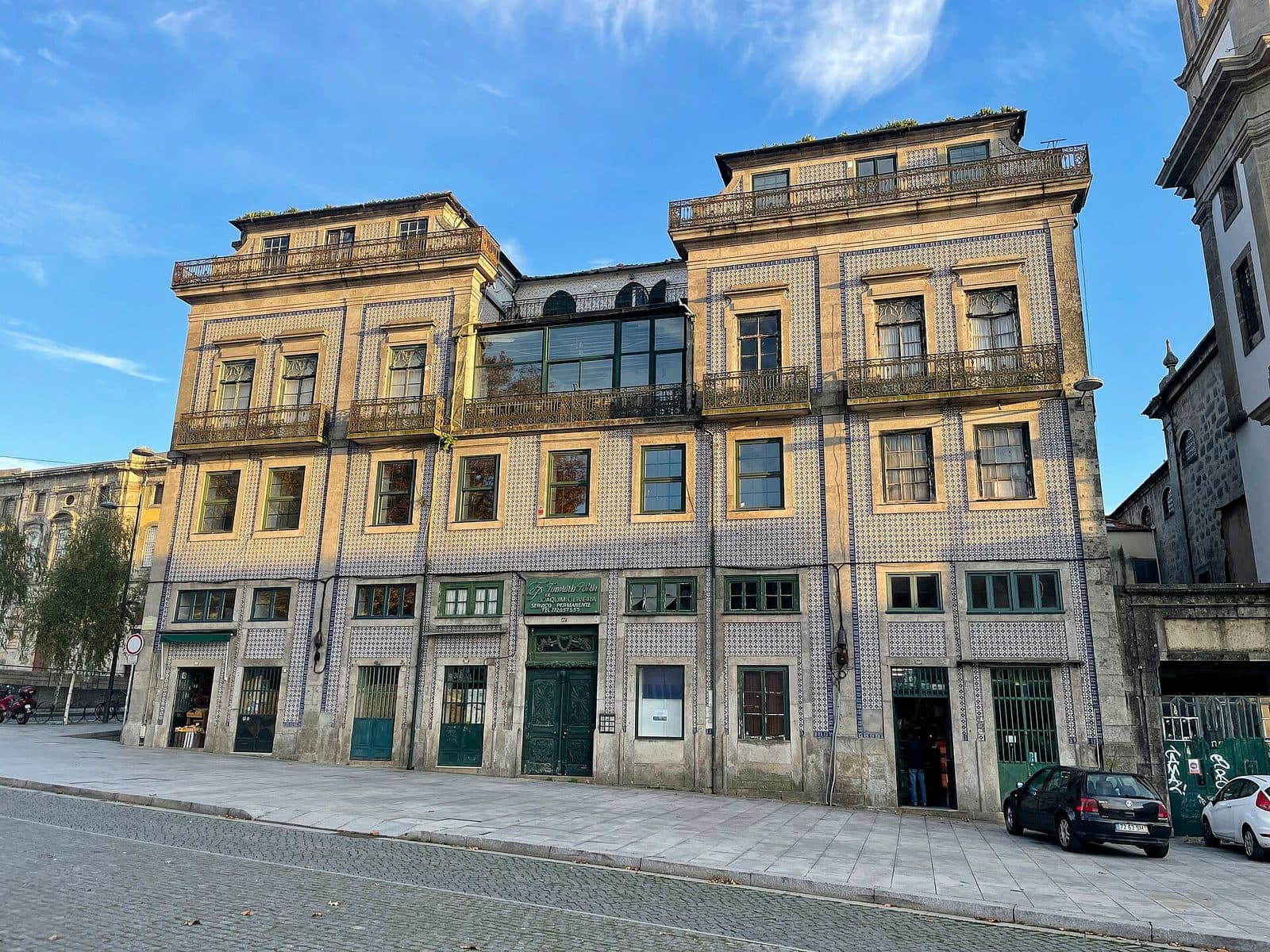
Porto: The Granite City That Faces Its River
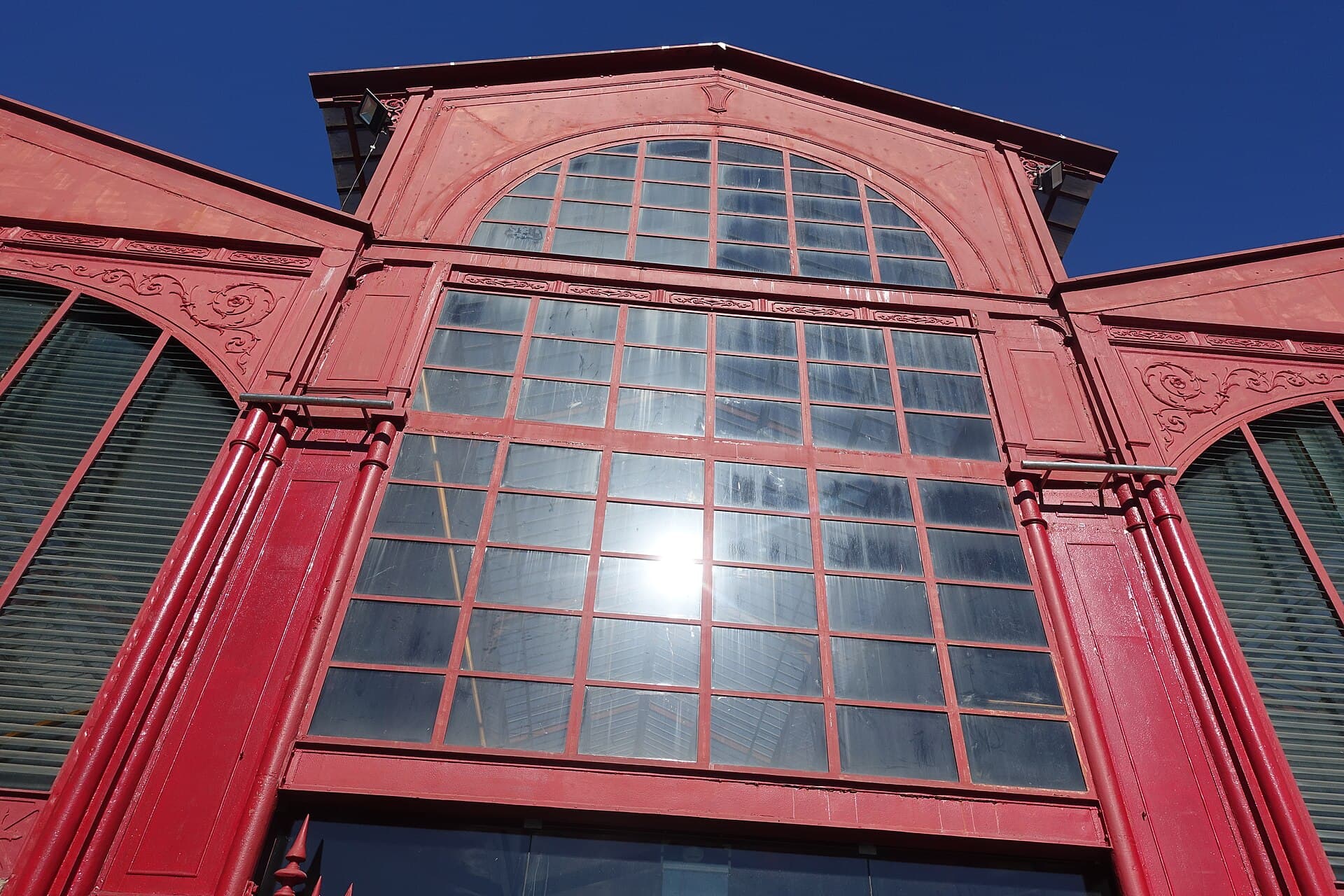
The Porto Market Hall That Never Sold a Thing
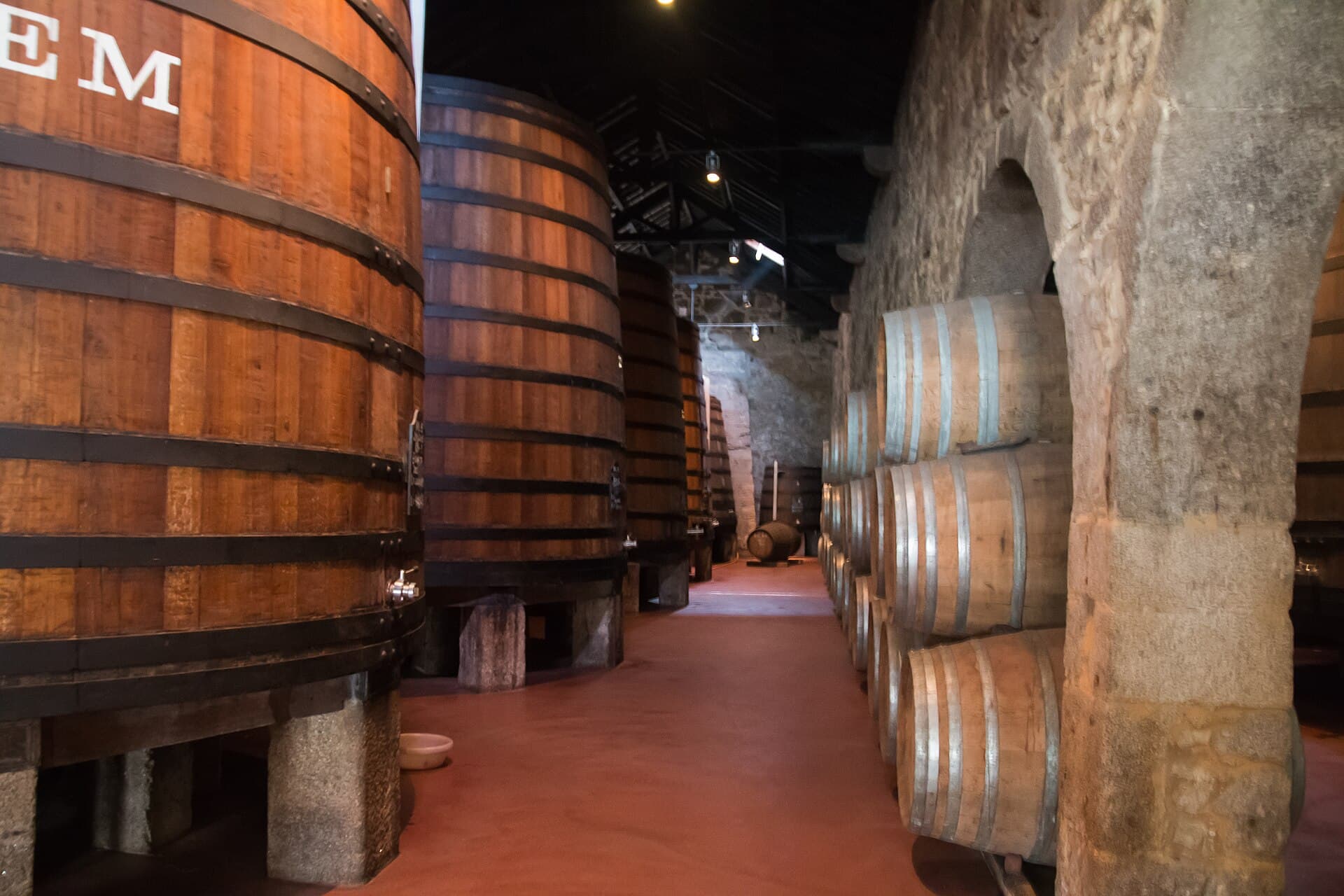
Why Port Wine Ages Across the River in Gaia, Not in Porto
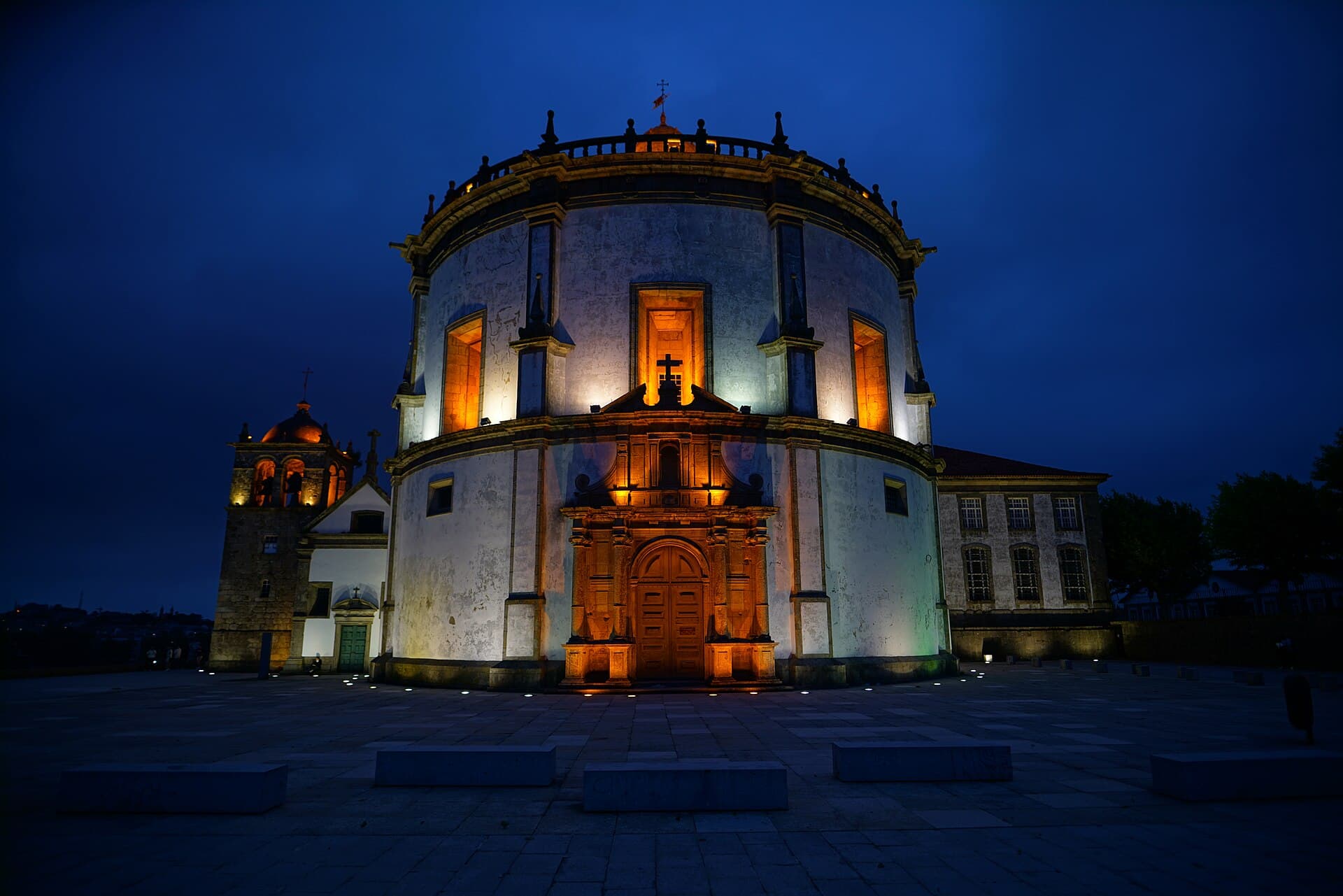
Mosteiro da Serra do Pilar: The Round Church That Watches Porto