Old Town: Hans Christian Andersen's Odense
65 min · 1.9 km · easy
If you want to eat like a local in Odense, build your day around three things Funen actually made its own: brunsviger, the sticky brown-sugar yeast cake born on this island; fynsk rygeost, a smoked fresh cheese eaten on rye with radishes and chives; and smørrebrød, the open-faced rye sandwiches you order in a set order and eat with a knife and fork. Odense sits on Funen, the island Danes call the garden of Denmark for its produce, and the local table leans on that: dense sourdough rye, dairy, garden vegetables, and pastry. Below are the specific dishes, where each tradition comes from, and how to order them without looking like you just got off the ferry.
Start with brunsviger, the cake Funen invented
Brunsviger is the one dish that is unambiguously Funen's. It is a yeasted cake, soft and bread-like, pressed into a tray and topped with a molten crust of butter and brown sugar that pools into sticky pockets. It is a coffee-and-cake item, not a dessert course, and Danes eat it in the afternoon with strong coffee.
The tradition is genuinely old and genuinely local. The first known advertisement for brunsviger dates to 1830, and a printed recipe appeared in 1873, both tied to Funen. Odense is treated as the historical home of the cake, and the island celebrates it with an annual Brunsvigerens Dag (Brunsviger Day). On Funen it is also the classic birthday cake, often shaped into a kagemand or kagekone (a cake man or cake woman) for children's parties. Order it by name at any bakery (bageri) in the old town. You buy it by the piece, and the corner pieces have the most caramel.
Fynsk rygeost: the smoked cheese to eat on rye
Hear a stop from this walk
Andersen's Childhood Home: The One Poor Room Where the Boy Dreamed
Rygeost means smoked cheese, and fynsk rygeost (Funen smoked cheese) is the island's signature dairy. It is a soft, spreadable fresh cheese made from whole milk, lightly smoked so it carries a gentle campfire note without turning heavy. Producing and smoking sour-milk cheese was common on Funen through the 1800s, especially in the northern part of the island. The smoking is brief and specific: the fresh cheese is passed through warm smoke from oat or rye straw and fresh green nettles. That green-straw smoke is what makes it taste like Funen and nowhere else.
It matters enough that Slow Food added fynsk rygeost to its Ark of Taste, the international catalogue of traditional foods worth protecting. To eat it the local way, order it as smørrebrød: spread on a slice of rugbrød (rye bread) and topped with thinly sliced radishes and chopped chives. The pepper of the radish and the sharp onion of the chives cut the cream and the smoke. You will also see it mixed with sour cream as a salad.
Smørrebrød: order it right, eat it right
Smørrebrød (literally butter-and-bread) is the backbone of a Danish lunch, and Odense does the classic version well. It is an open-faced sandwich built on rugbrød, a dense sourdough rye, buttered and then loaded with one topping done properly rather than a pile of everything. The canonical ones you will find on almost any lunch menu: pickled herring (sild), roast beef with remoulade and crispy fried onions, breaded plaice with shrimp, liver pâté (leverpostej), and shrimp (rejer) with mayonnaise and lemon.
There are real conventions, and following them is easy. Order two to four pieces per person, since each is a card-sized portion meant for variety. Eat them in sequence: herring first, then other fish, then meat, then cheese. Use a knife and fork, not your hands, and do not combine fish and meat on the same slice. Herring is traditionally rye-bread only, and Danes wash it down with beer and a small cold glass of aquavit. For a sit-down version, Odense lunch spots and cellar restaurants around the old town serve smørrebrød at midday; this is a lunch food, so aim for noon, not evening.
Where to eat, and when the market runs
Two places make it simple to taste Funen produce in one stop. Storms Pakhus, the raw warehouse street-food market near the harbor, opened in September 2017 and gathers around two dozen independent stalls that cook from the Funen pantry, so you can order Indian, Italian, or Vietnamese and still be eating local ingredients. It is a good option in the evening when the smørrebrød lunch places have closed.
For the raw materials, time your walk to the open-air market at Sortebrødre Torv (Blackfriars Square), which runs every Wednesday and Saturday, roughly 6am to 3pm, a few minutes from H.C. Andersens Hus. Vendors sell Funen vegetables, fruit, eggs, fish, cheeses, and yes, the local smoked cheese. That square is a stop on our Odense walking tours, so you can fold a market visit straight into the route.
Fit the food to your walk
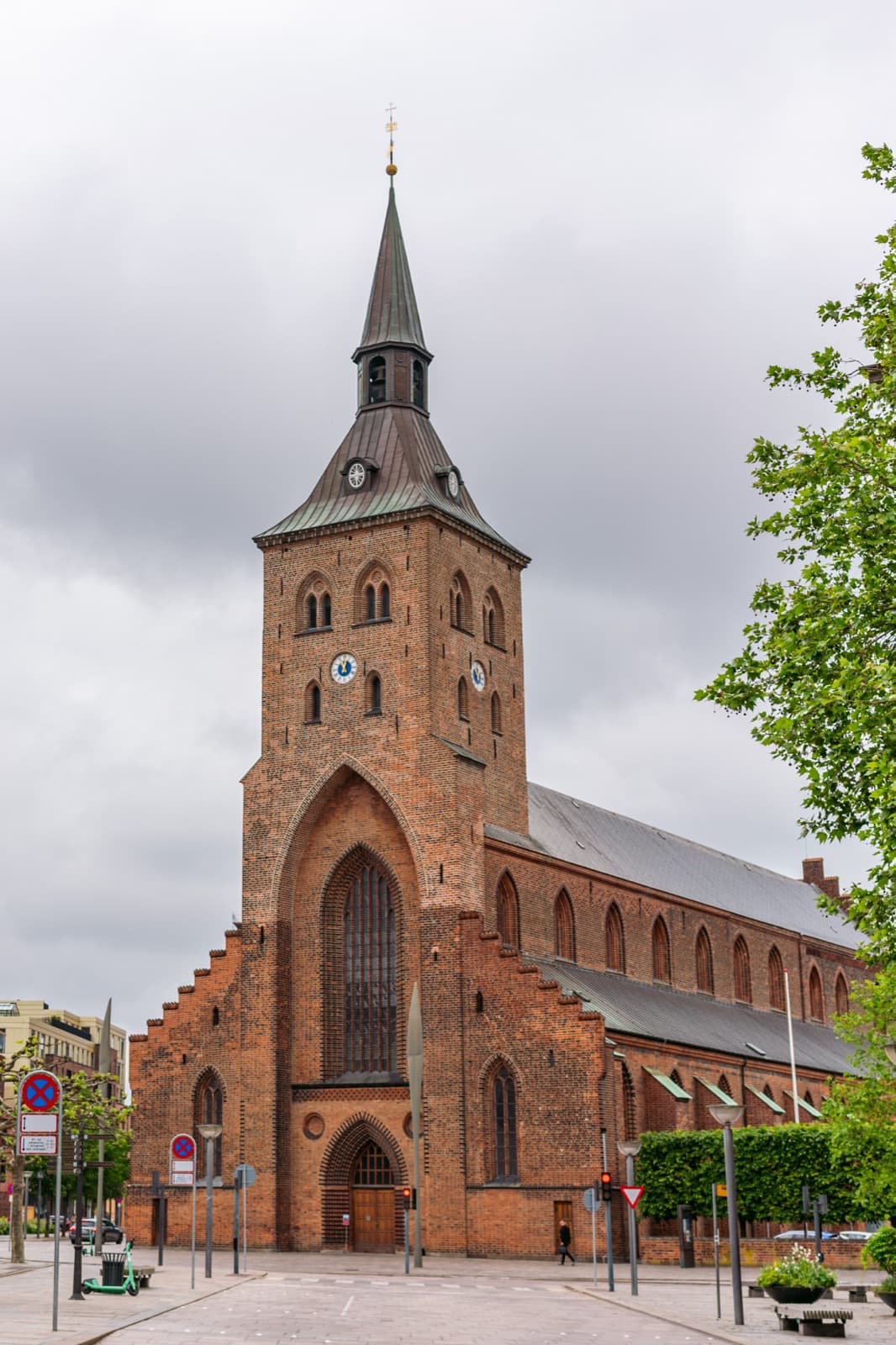
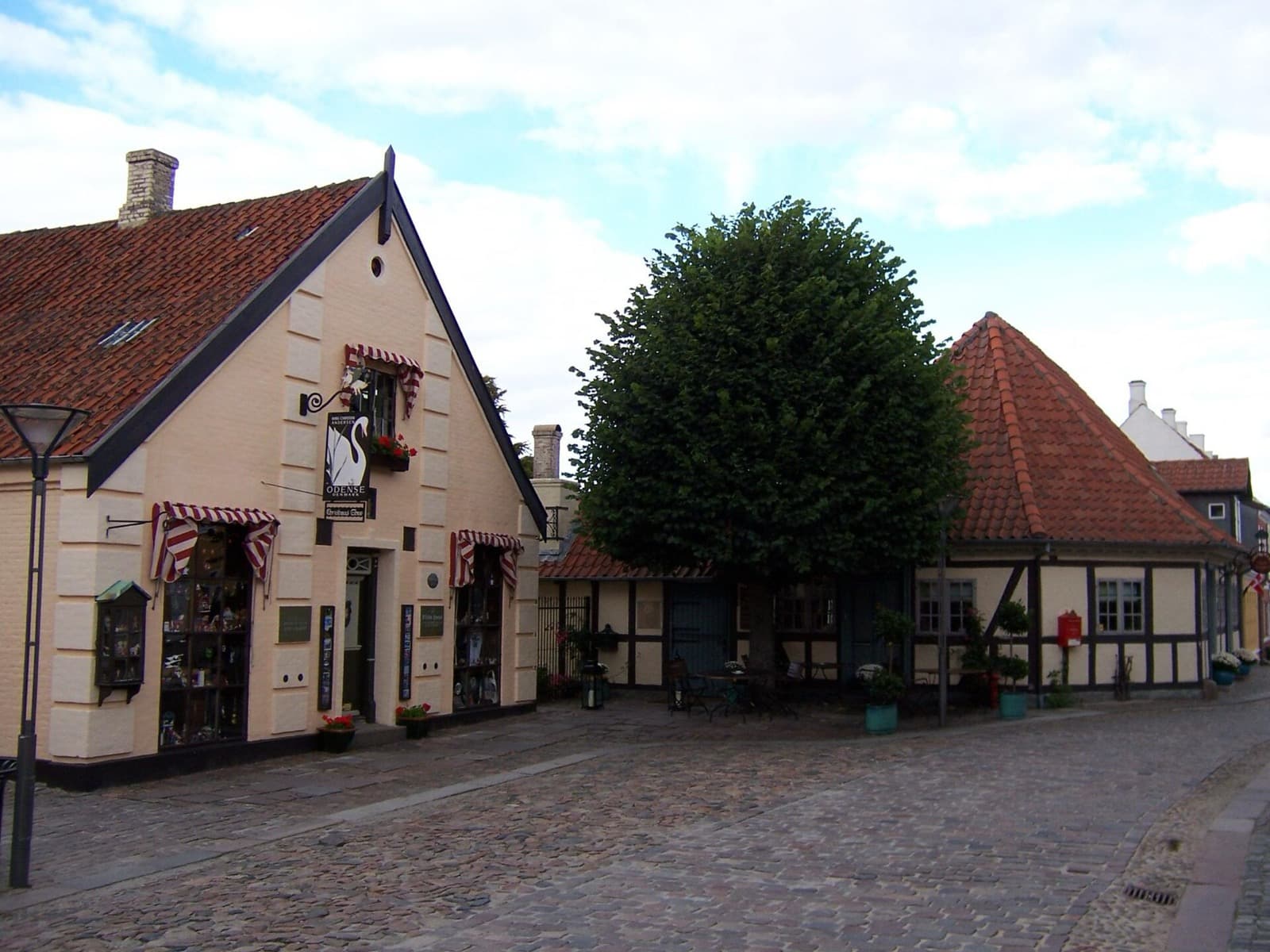
The easiest way to eat well in Odense is to hang the food on a walk you were going to take anyway. The old-town route past the fairytale writer's birthplace and Saint Canute's Cathedral runs through the streets where brunsviger has been baked since the 1800s, so a mid-walk bakery stop is natural. The riverside route through the town's older, deeper layers passes Sortebrødre Torv, where the market and the smoked cheese are. Both self-guided audio tours are on the Odense city page, timed and mapped so you can pause for coffee and cake without losing the thread. Walk at your own pace, stop when the smell of caramelized sugar pulls you off the pavement, and let the food be part of the story rather than a separate errand.
Sources
Frequently asked questions
- What food is Odense known for?
- Odense, on the island of Funen, is known for brunsviger, a yeasted cake topped with a molten crust of butter and brown sugar, and for fynsk rygeost, a smoked fresh cheese eaten on rye bread with radishes and chives. Funen is called the garden of Denmark for its produce, so local menus lean on dairy, rye bread, and garden vegetables. You will also find classic Danish smorrebrod, the open-faced rye sandwiches, at lunch spots in the old town.
- What is brunsviger and where did it come from?
- Brunsviger is a soft, bread-like yeast cake pressed into a tray and topped with a sticky crust of butter and brown sugar, eaten in the afternoon with coffee. It originated on Funen, and Odense is treated as its historical home. The first known advertisement for it dates to 1830 and a printed recipe appeared in 1873. Funen even celebrates an annual Brunsviger Day, and the cake is the classic children's birthday cake, often shaped into a cake man or cake woman.
- How do you eat smorrebrod correctly in Denmark?
- Order two to four pieces per person, since each open-faced sandwich is a card-sized portion built on buttered rye bread with a single topping. Eat them in order: herring first, then other fish, then meat, then cheese. Use a knife and fork rather than your hands, and do not mix fish and meat on the same slice. Herring is traditionally served on rye bread and washed down with beer and a small cold glass of aquavit.
- What is fynsk rygeost and how do you eat it?
- Fynsk rygeost is a soft, spreadable fresh cheese from Funen, lightly smoked over oat or rye straw and fresh green nettles, which gives it a gentle smoky note. It is on Slow Food's Ark of Taste of traditional foods. The local way to eat it is as smorrebrod: spread on a slice of rye bread and topped with thinly sliced radishes and chopped chives. It is also mixed with sour cream to make a salad.
- Where can I buy local Funen food in Odense?
- The open-air market at Sortebrodre Torv (Blackfriars Square) runs every Wednesday and Saturday, roughly 6am to 3pm, a few minutes from H.C. Andersens Hus, selling Funen vegetables, fish, eggs, and cheeses including the local smoked cheese. For prepared food, Storms Pakhus, a warehouse street-food market near the harbor that opened in September 2017, gathers about two dozen stalls cooking with ingredients sourced from Funen.
- When is the best time to eat smorrebrod in Odense?
- Smorrebrod is a lunch food in Denmark, so aim for around midday rather than dinner. Lunch spots and cellar restaurants around the Odense old town serve it at noon. In the evening, when the smorrebrod lunch places have closed, the Storms Pakhus street-food market near the harbor is a good alternative for a local meal.
Ready to experience it?
Old Town: Hans Christian Andersen's Odense
65 min · 1.9 km · easy
More from Odense
Explore more at your own pace.
Odense Travel Guide: Days, Transport, Safety, and Costs
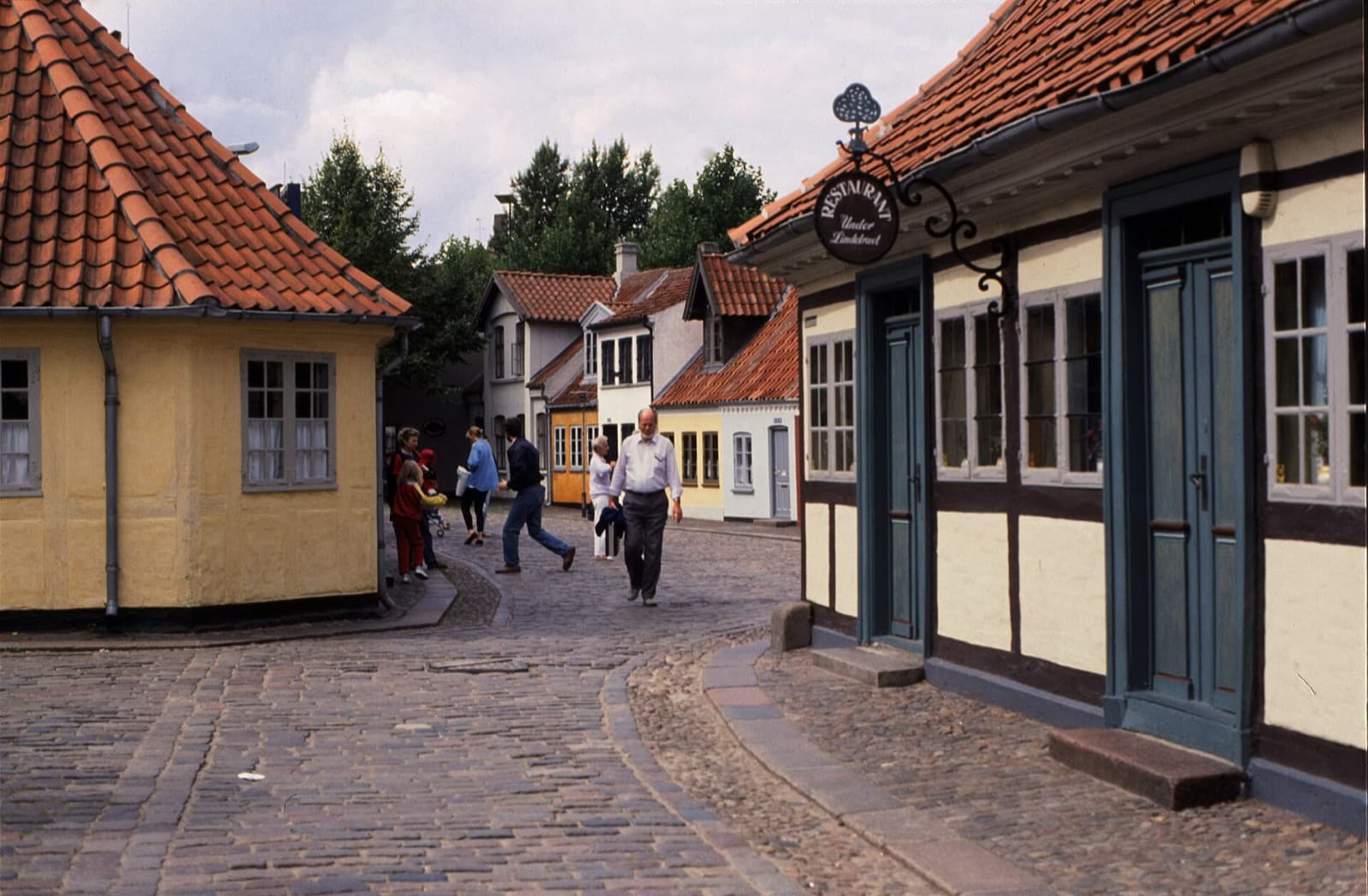
Odense: The Fairytale City and the Viking Town Beneath It
Andersen's Birthplace and the Old Town of Odense: Where a Shoemaker's Son Became a Fairy Tale
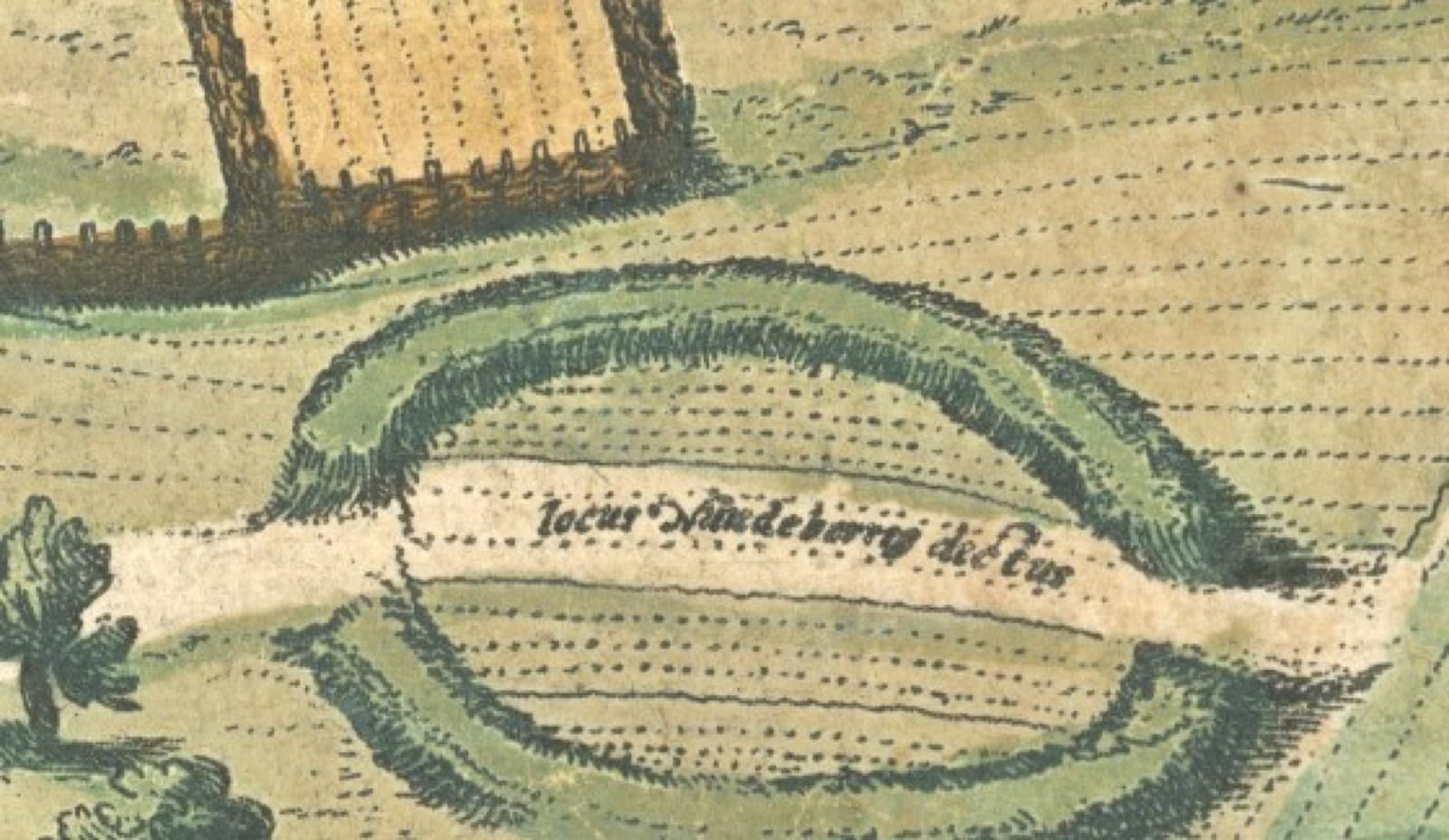
Nonnebakken: The Buried Viking Fortress Under Odense
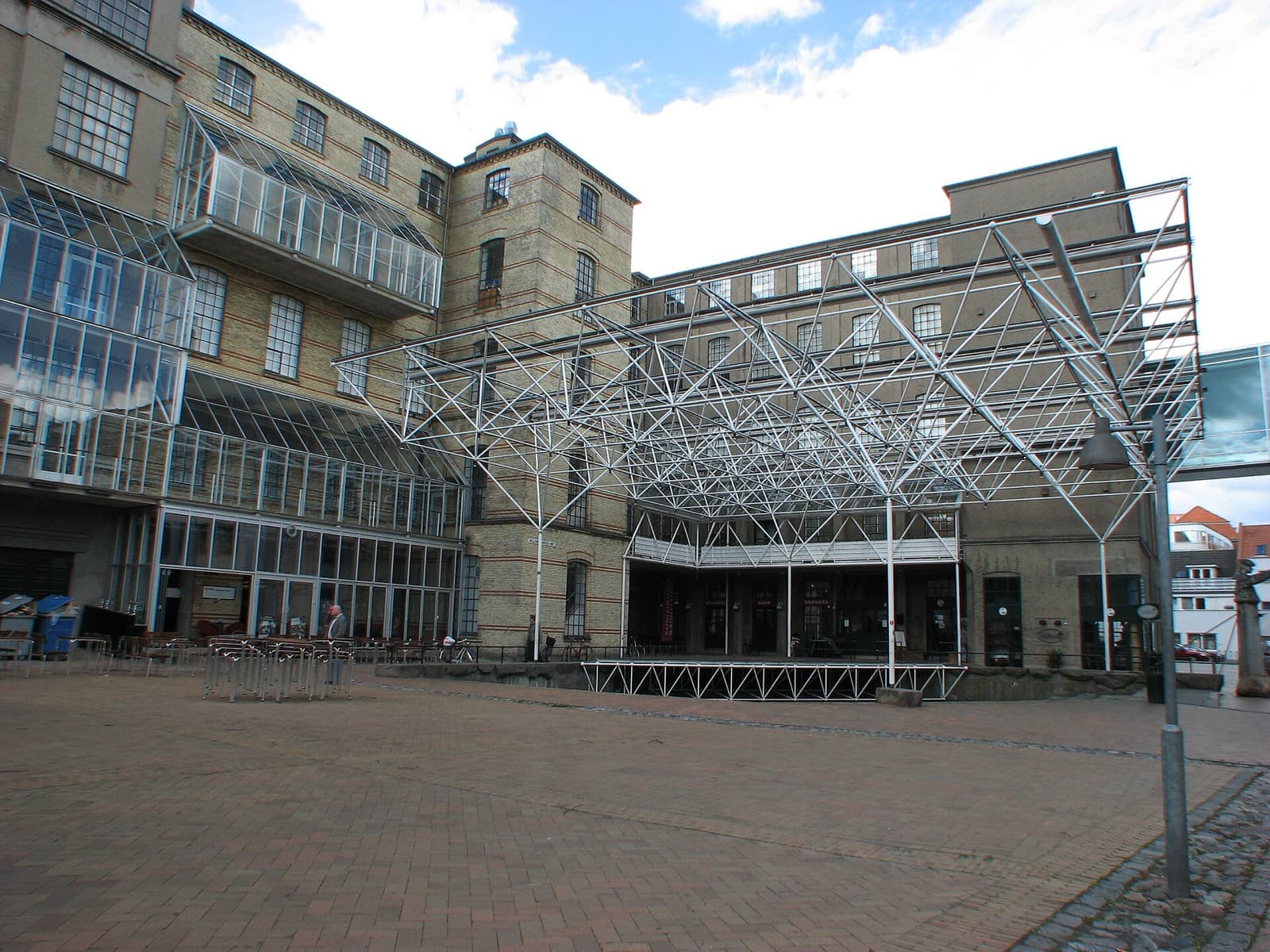
Brandts Klaedefabrik: The Odense Cloth Mill Reborn as a Quarter of Art