Old Town: Hans Christian Andersen's Odense
65 min · 1.9 km · easy
Odense rewards two full days on foot: the old town where Hans Christian Andersen was born packs into a walkable core, and the river valley threads a longer, greener line through the deeper Viking town. This guide answers what travelers actually plan around, namely how many days you need, how to get there and get around, when to come, whether it is safe, and what it costs, so you can walk the city at your own pace rather than on a group's clock.
How many days do you need in Odense?
Two days is the honest answer for a proper visit, and one full day works if you are passing through from Copenhagen. Odense is Denmark's third-largest city and sits on the island of Funen, but its historic center is compact and flat, which means most of what you came to see is within a short walk.
A tight one-day plan covers the Andersen quarter and the cathedral in the morning, lunch in the old town, and a slower riverside stretch in the afternoon. With two days you can give the fairytale museum its own unhurried block, then dedicate a second day to the water and the woods south of the center without rushing.
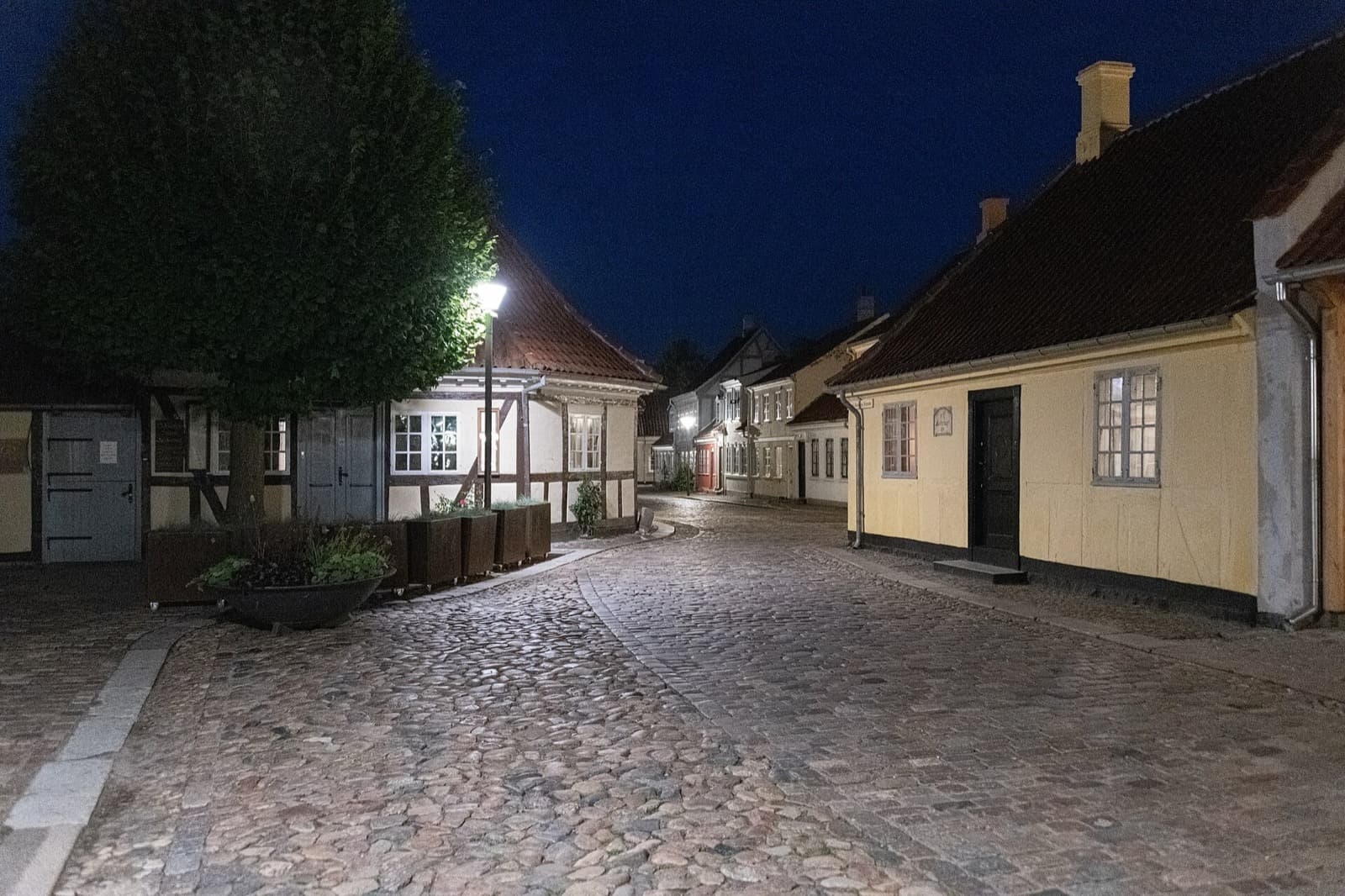
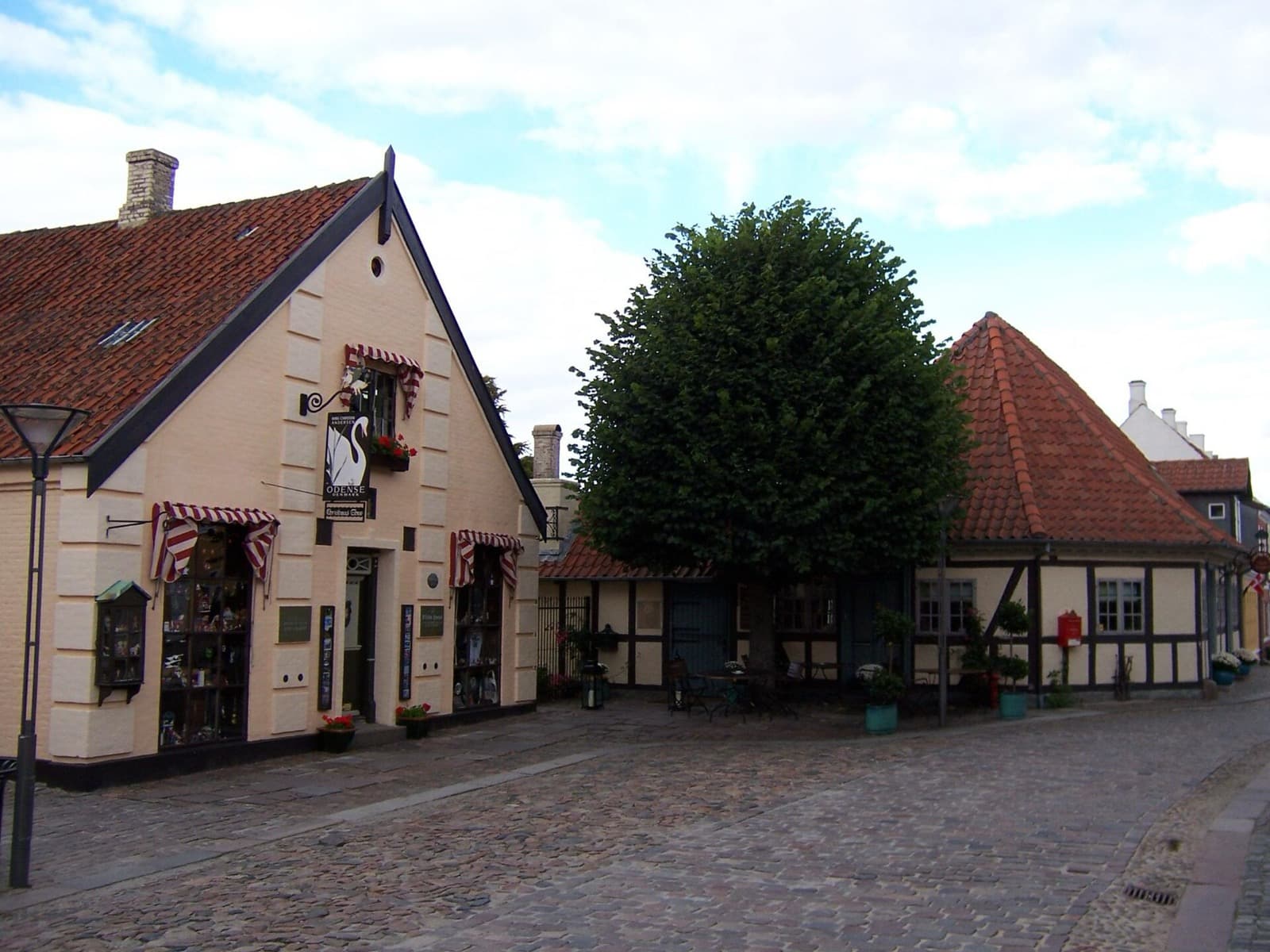
Our two self-guided audio walks map cleanly onto that split. The Old Town: Hans Christian Andersen's Odense walk runs about two kilometers over roughly ninety minutes to two hours across seven stops, from Andersen's birthplace to Saint Canute's Cathedral. The Odin's Shrine: The Viking Town by the River walk is longer, about seven kilometers over roughly two and a half hours, following the Odense Aa from the King's Garden out to the Fruens Boege woods. Do the first on day one and the second on day two, or combine them into one long day if you are fit and starting early. You can see both, plus the rest of the city, on the Odense walking tours hub.
How do you get to Odense?
Hear a stop from this walk
Andersen's Childhood Home: The One Poor Room Where the Boy Dreamed
Take the train from Copenhagen. DSB runs more than fifty departures a day, and the fast InterCity services reach Odense Station in about one hour and fourteen minutes to one hour and twenty minutes. Advance DSB Orange fares can start around 69 Danish kroner, though walk-up prices are higher, so book ahead if your dates are fixed. Trains also run directly from Copenhagen Airport, so you can arrive from the flight and be in central Odense inside two hours.
Odense Station sits at the northern edge of the old town, a few minutes' walk from the Andersen quarter, which is why the city works so well as a day trip or a two-night base. There is no need to rent a car for the center.
How do you get around once you arrive?
Walk. Odense's historic core is exceptionally walkable, flat, and dense, and both of our routes are designed to be covered entirely on foot. The distances between the Andersen birthplace, Moentergaarden, the town hall square, and the cathedral are short, and the riverside paths along the Odense Aa are level and continuous.
For anything beyond the center, the city has two easy backups. The Odense Letbane tram, which opened in May 2022 as a single line running through the central station, and the FynBus bus network share one integrated ticket, so a single fare covers both within the city zones. You can buy tickets on the FynBus app, at tram-stop machines, or from the bus driver. Odense is also one of Denmark's most bike-friendly cities, with hundreds of kilometers of separated cycle paths and flat terrain, so a rental bike is a genuine option if you want to range wider. For the two walks in this guide, though, your own two feet are all you need.
When is the best time to visit?
Late spring through early autumn, roughly May to September, is the most comfortable window. That range gives the mildest weather and the longest daylight for a slow old-town walk, and the sunken gardens of the fairytale museum, the riverside park at Munke Mose, and the Fruens Boege woods are at their greenest. The river boats along the Odense Aa run in this season too.
Weekday mornings are quietest, both in the cathedral crypt and along the water. Danish weather is genuinely changeable in any season, so a bright, dry afternoon is worth planning around, and it is smart to carry a light waterproof layer and some sun protection whatever the forecast says. The old town is flat and walkable year round, so a crisp winter visit is perfectly doable, just with shorter days and cooler air.
Is Odense safe?
Yes. Odense has low crime rates and is generally considered a safe city for visitors, including solo travelers and solo female travelers, with well-lit streets and reliable transit. The usual city sense applies rather than any special worry: keep an eye on your bag in crowded spots such as the train station, and the area immediately around the central station can feel quieter and less welcoming late at night, so it is reasonable to be a bit more alert there after dark. None of that changes the basic picture, which is a calm, easygoing city where a self-guided walk on your own schedule feels natural.
What does it cost?
The walking itself is largely free. Saint Canute's Cathedral and its crypt are free to enter, with donations welcomed, and the town hall square, the churches, the parks, and the buried Nonnebakken fortress site cost nothing to visit. Your main paid attraction is the fairytale museum.
A ticket to H.C. Andersens Hus is 165 Danish kroner for adults, and children under eighteen enter free but still need a booked time slot. That single ticket also gives same-day entry to Andersen's Childhood Home at the end of the old-town walk, and it keeps that Childhood Home access valid for thirty days, so buy it once at the start. Entry is time-slotted and booking in advance is required. Museum hours shift by season, running daily 10:00 to 17:00 for much of the year and extending to 09:00 to 18:00 in July and August, so check the current day before you go. Note that admission is charged in Danish kroner, not euros, and card payment is standard across Denmark.
Sources
Frequently asked questions
- How many days do you need in Odense?
- Two days covers Odense comfortably, with one full day workable if you are day-tripping from Copenhagen. The historic center is compact and flat, so the Andersen quarter and Saint Canute's Cathedral fit into one morning and afternoon, while a second day lets you follow the Odense Aa river south to the Fruens Boege woods without rushing.
- How do you get from Copenhagen to Odense?
- Take a DSB train. There are more than fifty departures a day, and fast InterCity services reach Odense Station in about one hour and fourteen minutes to one hour and twenty minutes. Advance DSB Orange fares can start around 69 Danish kroner, and trains also run directly from Copenhagen Airport.
- How do you get around Odense?
- On foot for the center, which is flat, dense, and highly walkable. For wider trips the Odense Letbane tram and FynBus buses share one integrated ticket, buyable via the FynBus app, at tram-stop machines, or from the driver. Odense is also one of Denmark's most bike-friendly cities with extensive separated cycle paths.
- Is Odense safe for tourists?
- Yes. Odense has low crime rates and is considered safe for visitors, including solo and solo female travelers, with well-lit streets and reliable transit. Take normal city precautions with your belongings in crowded spots like the train station, and the immediate station area can feel quieter late at night, so stay a bit more alert there after dark.
- How much does H.C. Andersens Hus cost?
- A ticket to H.C. Andersens Hus is 165 Danish kroner for adults, and children under eighteen enter free but still need a booked time slot. The same ticket includes same-day entry to Andersen's Childhood Home and keeps that access valid for thirty days. Entry is time-slotted, so book in advance.
- When is the best time to visit Odense?
- Late spring through early autumn, roughly May to September, gives the mildest weather, the longest daylight, and the greenest parks, and the river boats run then. Weekday mornings are quietest. The flat old town is walkable year round, but Danish weather changes quickly, so carry a light waterproof in any season.
Ready to experience it?
Old Town: Hans Christian Andersen's Odense
65 min · 1.9 km · easy
More from Odense
Explore more at your own pace.
One Day in Odense: A Walkable Morning-to-Evening Itinerary
Odense: The Fairytale City and the Viking Town Beneath It
Andersen's Birthplace and the Old Town of Odense: Where a Shoemaker's Son Became a Fairy Tale

Nonnebakken: The Buried Viking Fortress Under Odense
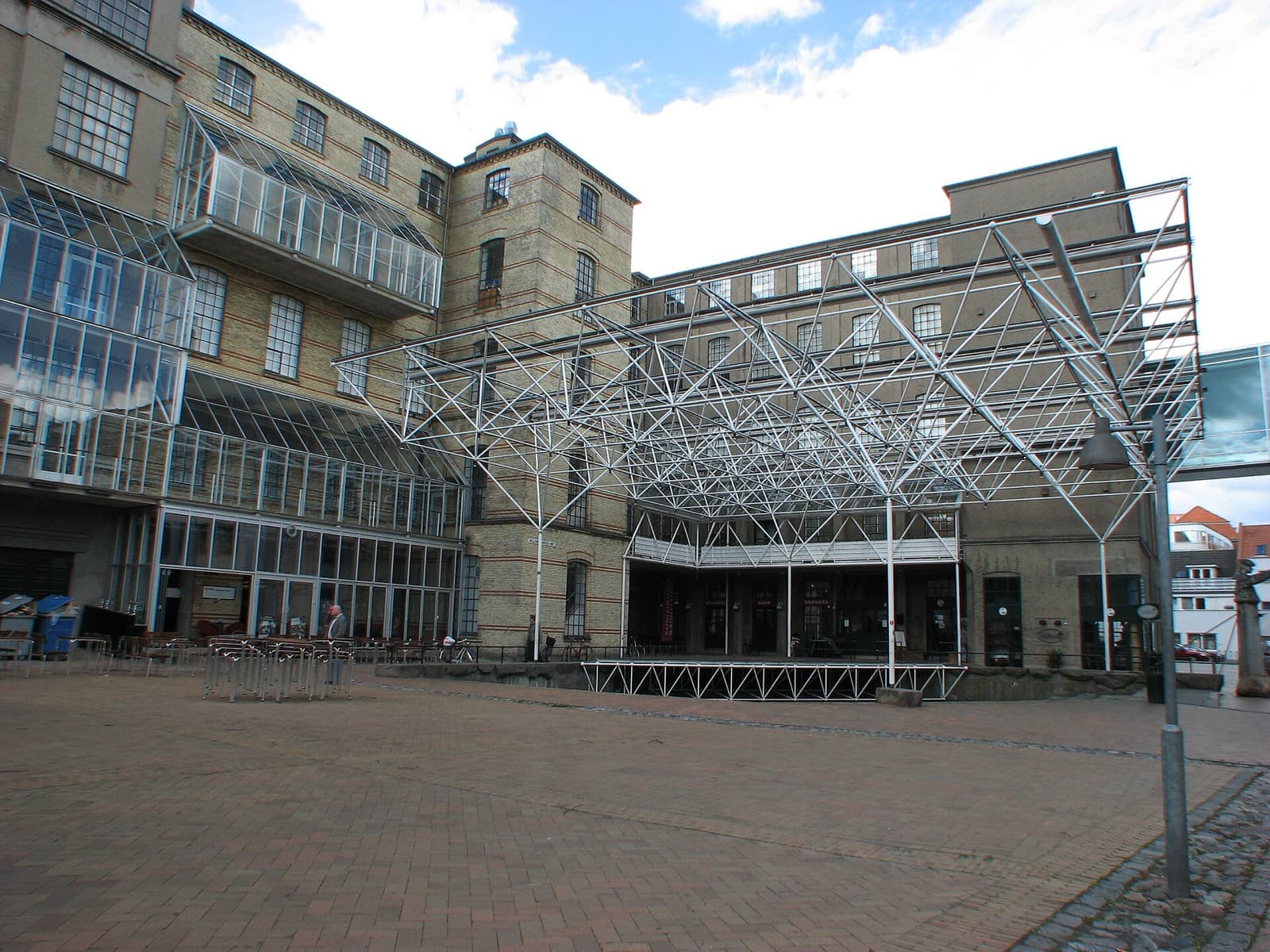
Brandts Klaedefabrik: The Odense Cloth Mill Reborn as a Quarter of Art