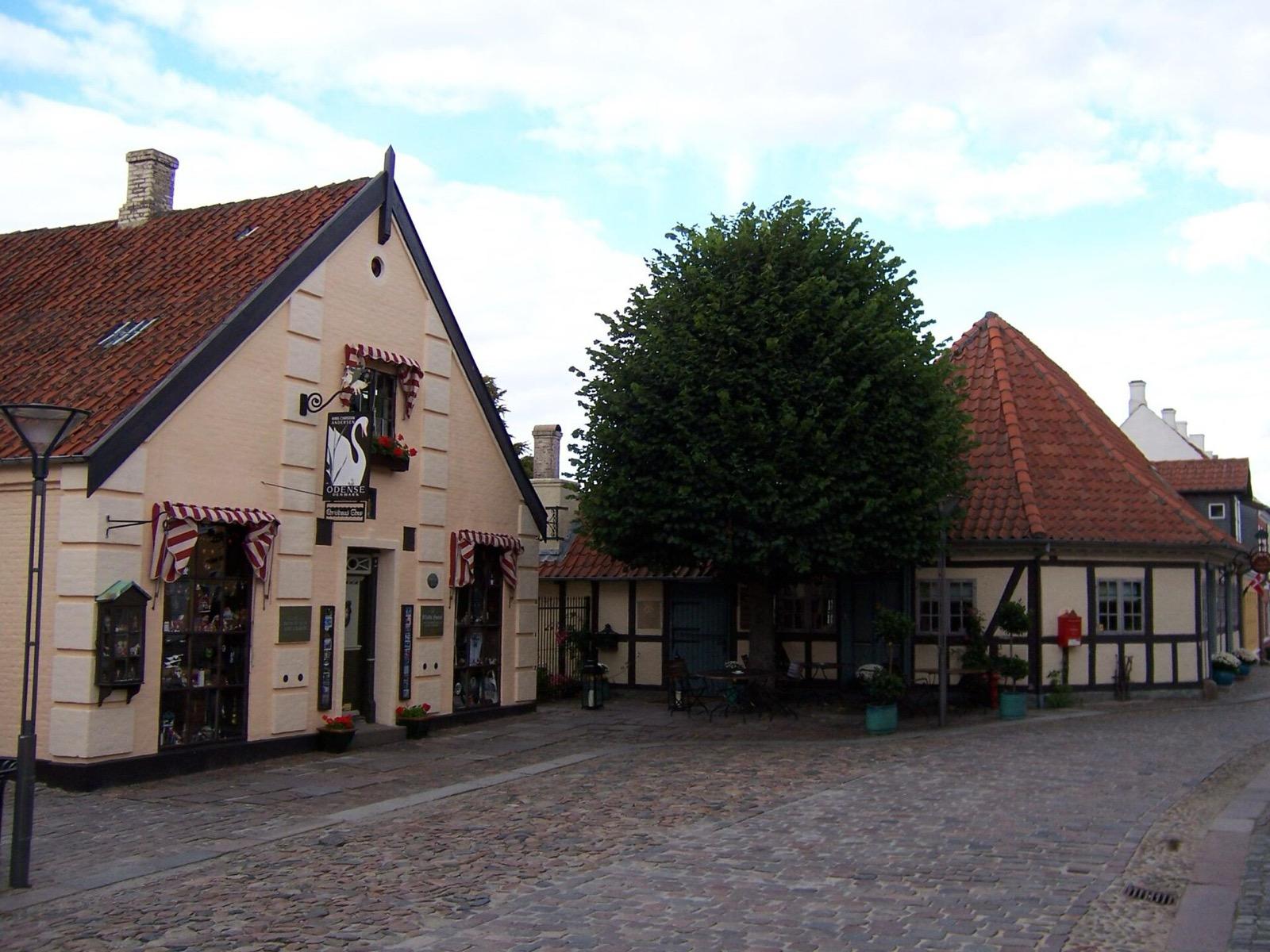
Trace the old heart of Odense on the island of Funen, from the little yellow corner house where the shoemaker's son who became the world's most famous teller of fairy tales was born to the great brick cathedral of a murdered medieval king. This is Hans Christian Andersen's Odense, walked at your own pace in Denmark.
Start · Hans Christian Andersen's Birthplace: The Shoemaker's Son
DirectionsStops
- 1
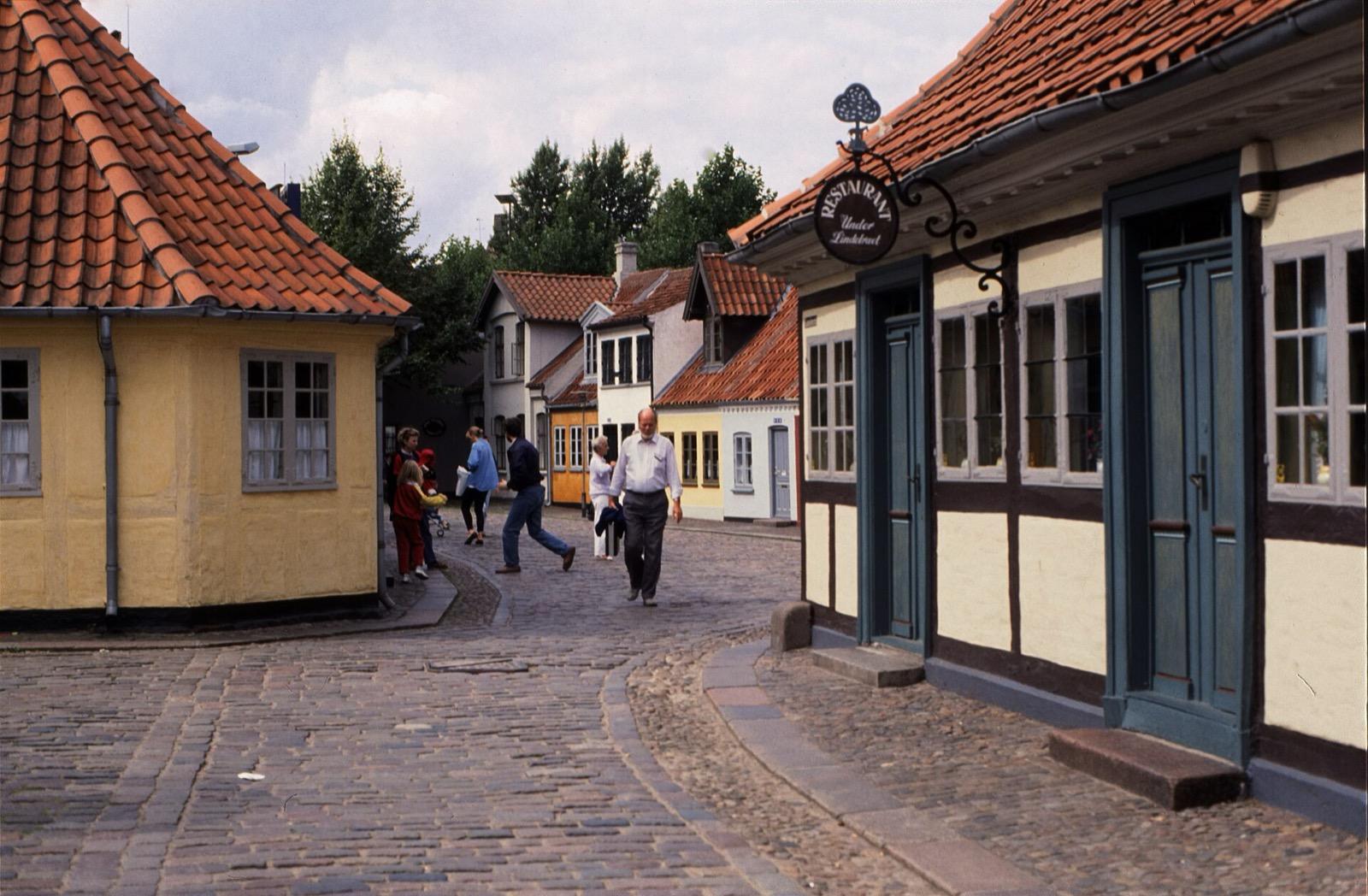
Hans Christian Andersen's Birthplace: The Shoemaker's Son
The small yellow corner house honored by tradition as the place where Hans Christian Andersen was born in eighteen oh five.
- 2
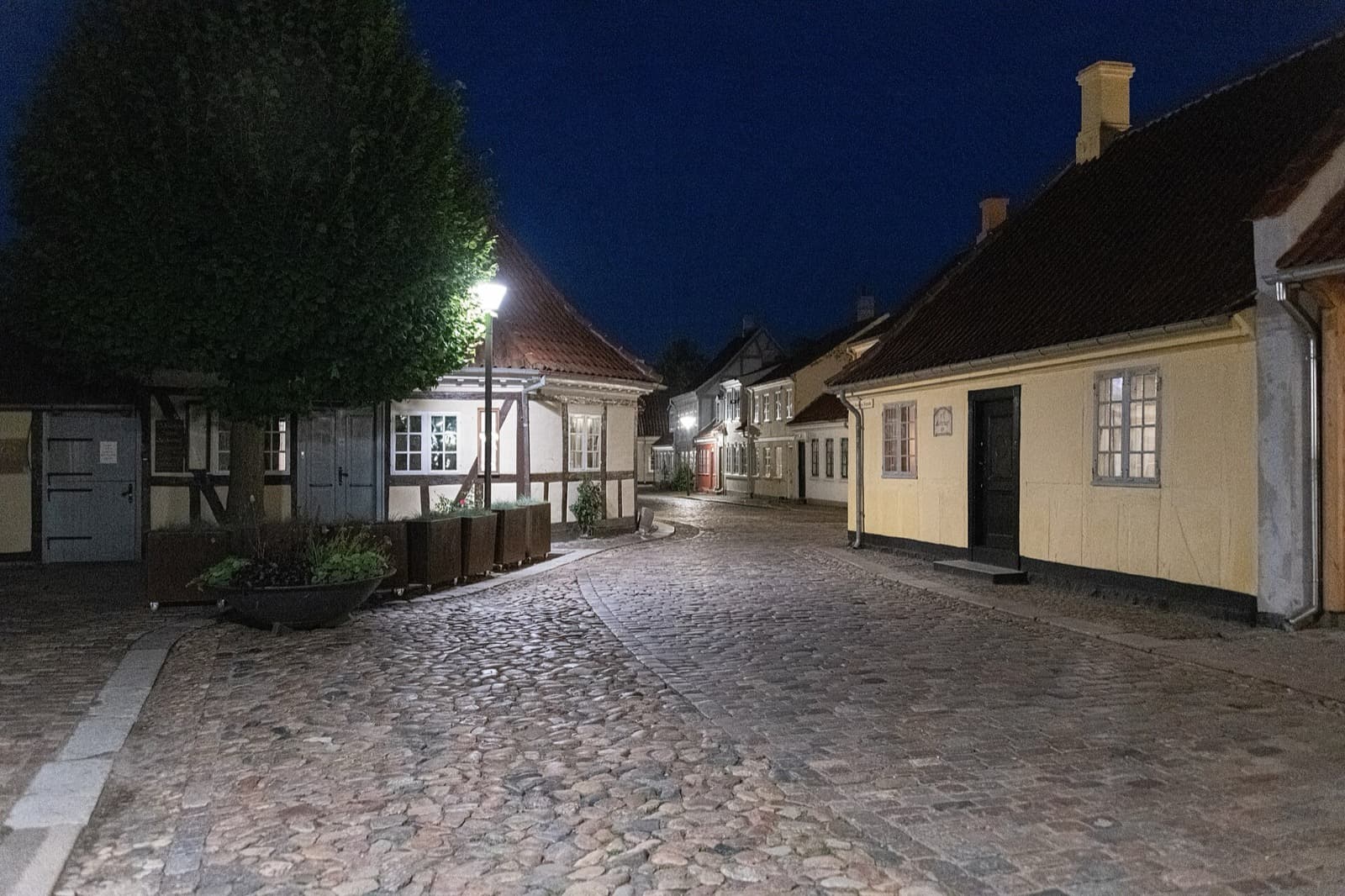
H.C. Andersens Hus: The Garden Museum Where the Streets Dissolve into Story
A garden museum of timber and glass pavilions sunk into circular hedges, wrapped around the birthplace and reopened in twenty twenty-one.
- 3
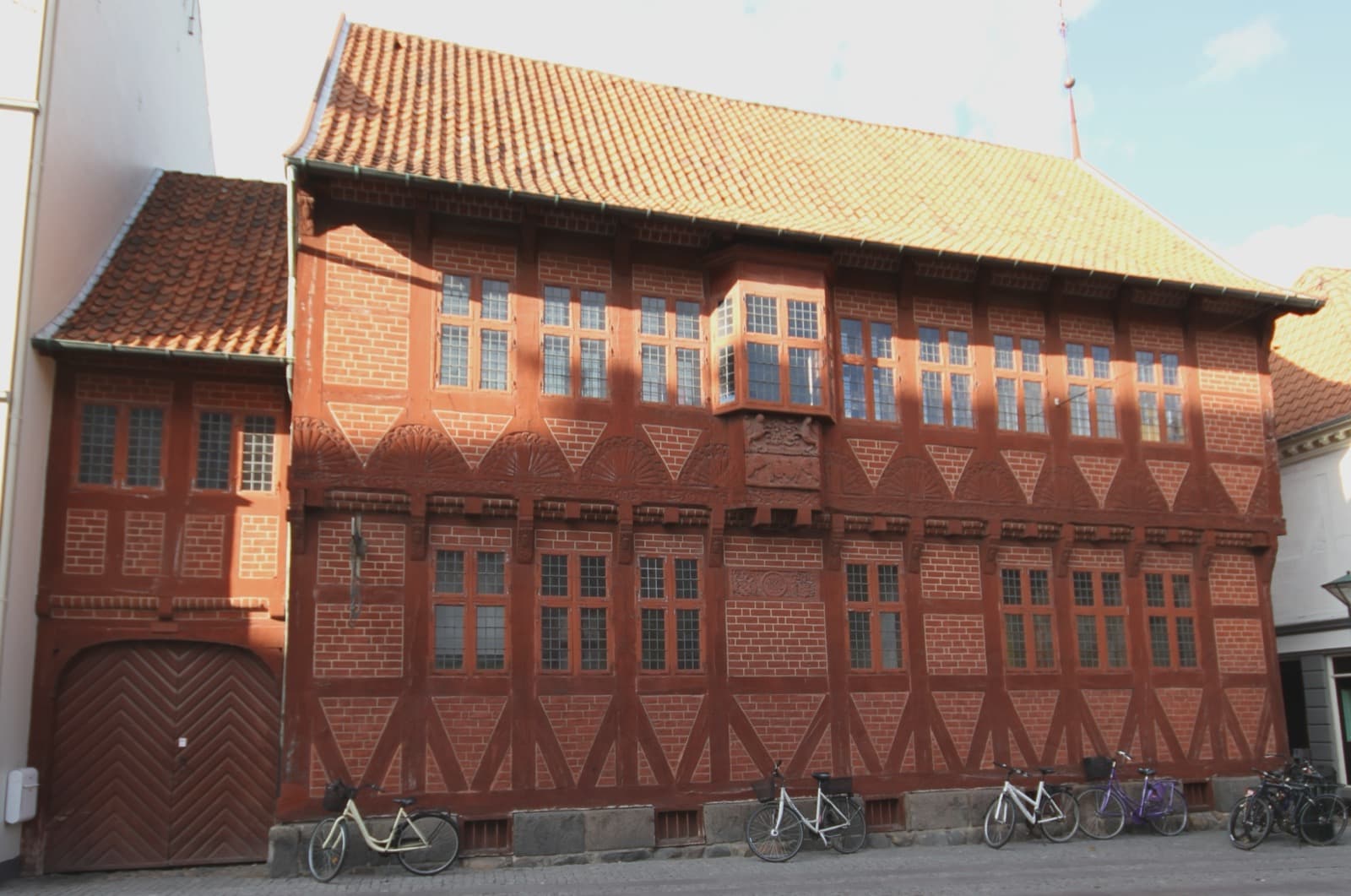
Moentergaarden: The Old Merchant Courtyards That Keep the City's Memory
Odense's cultural-history museum in half-timbered renaissance merchant houses, holding the oldest human remains known from Denmark.
- 4
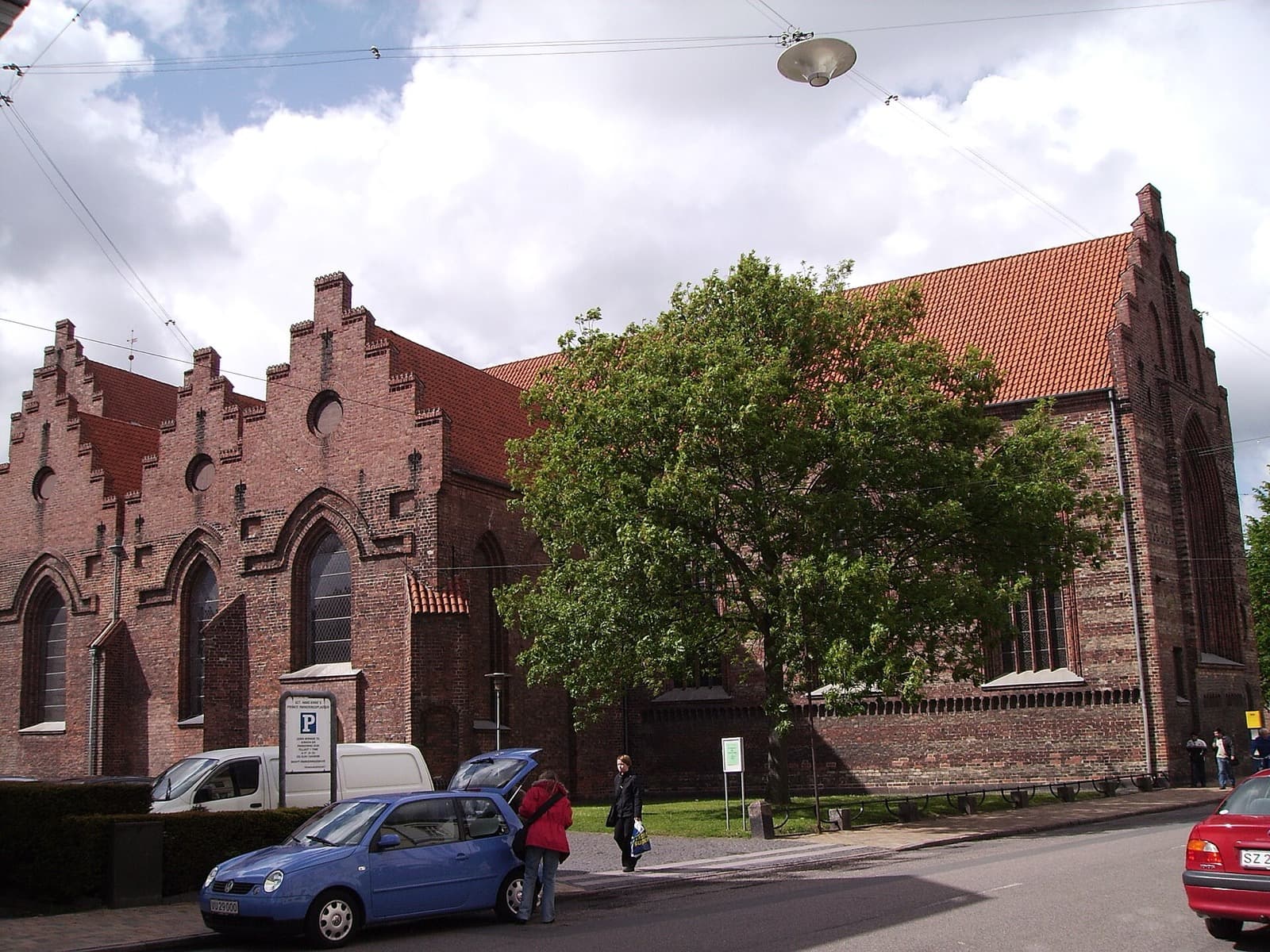
Sankt Hans Kirke: The Monastic Church with Its Pulpit on the Outside Wall
A medieval brick church built by the Knights Hospitaller, unusual for its external pulpit on the south wall.
- 5
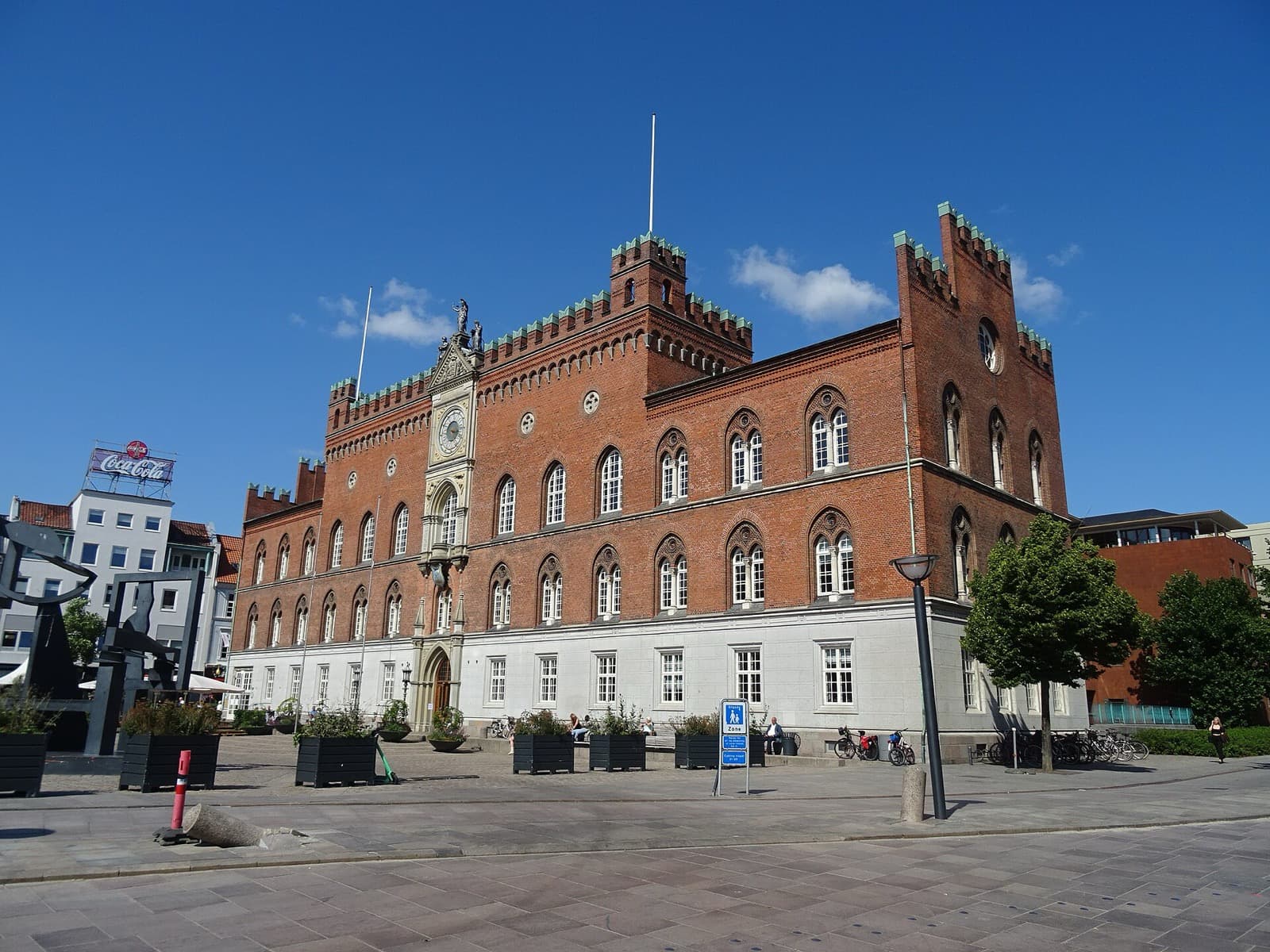
Flakhaven and the Town Hall: The Civic Square Where the Old Town Governs Itself
The medieval town-hall square of Odense, with a red-brick town hall modeled on the Palazzo Pubblico in Siena.
- 6
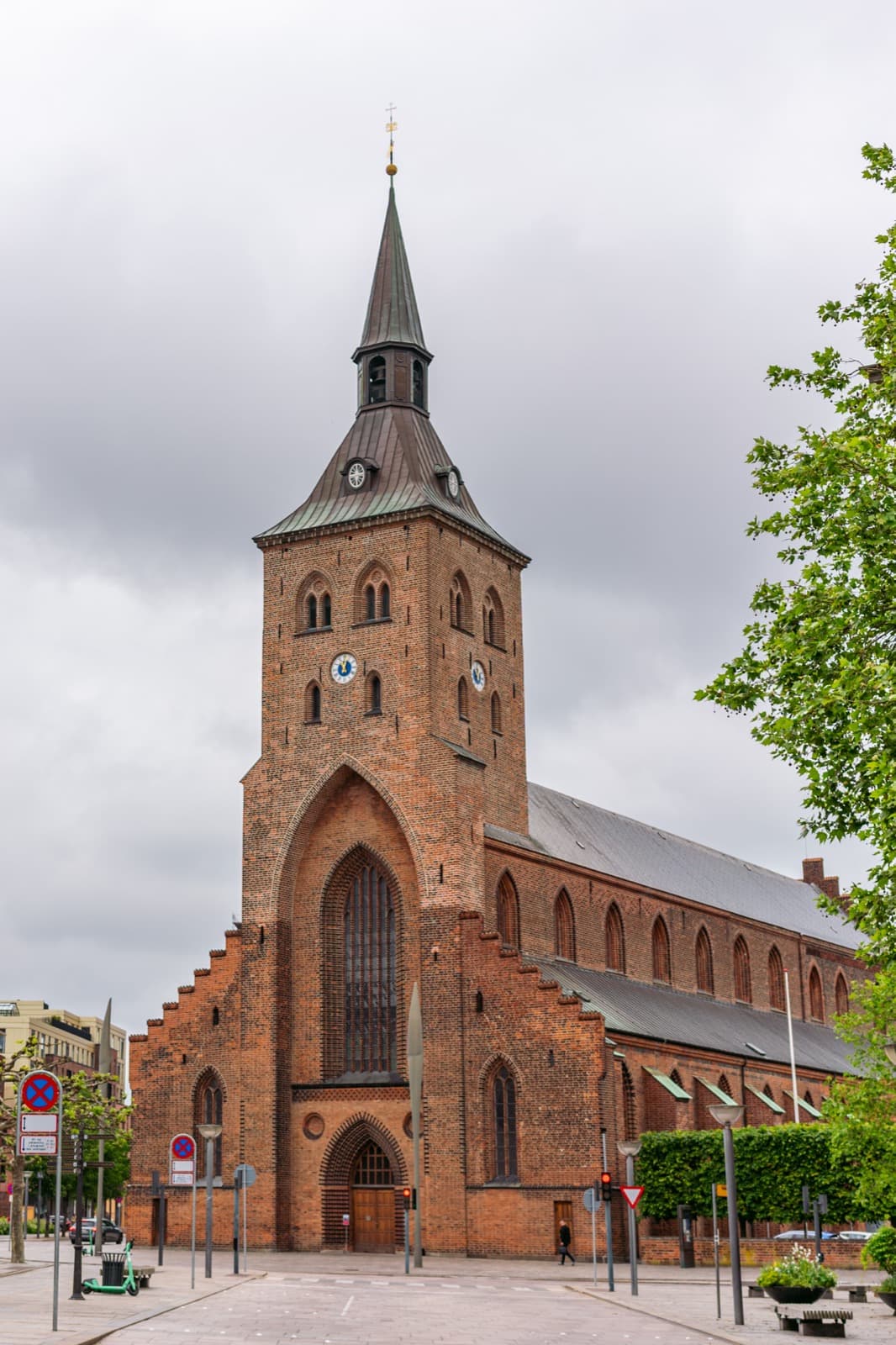
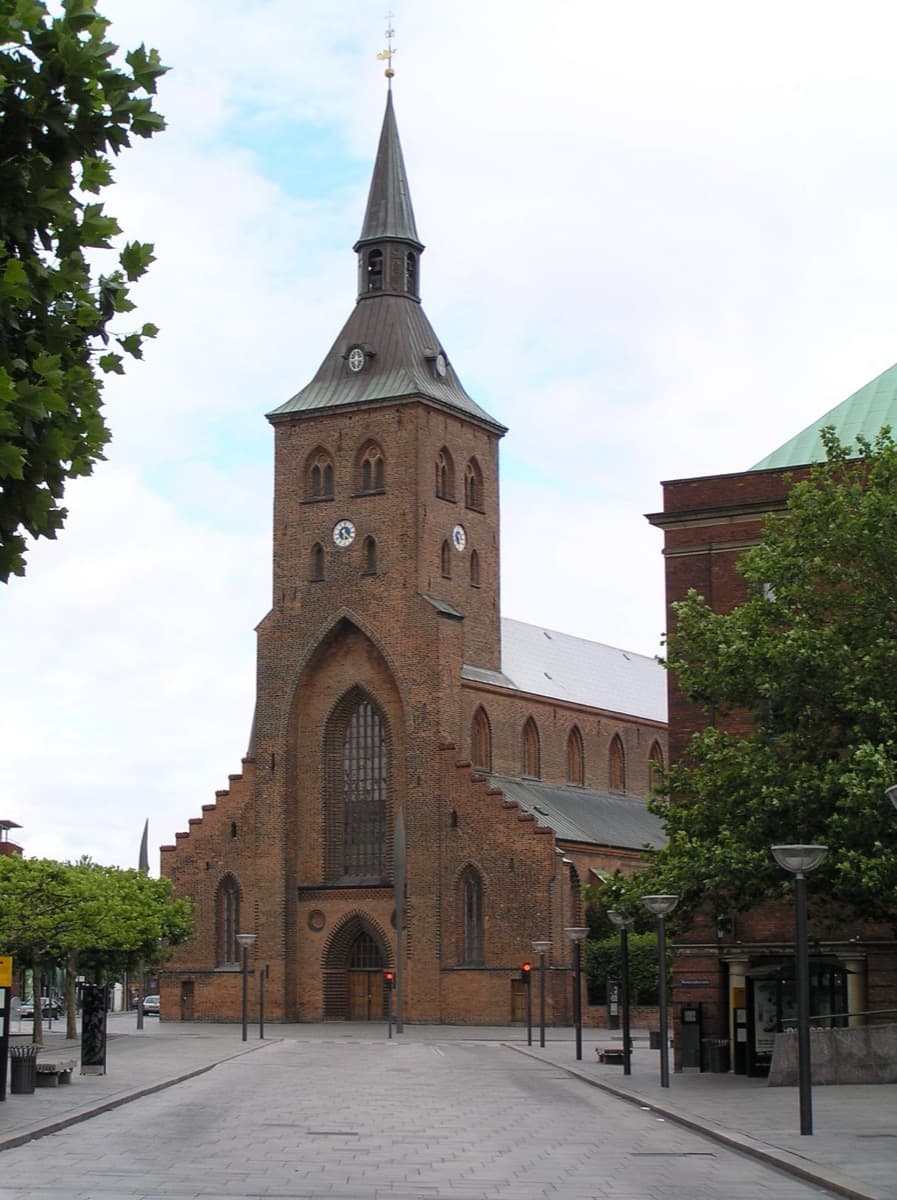
Saint Canute's Cathedral: The Cathedral of the Murdered Royal Saint
One of Denmark's finest brick-Gothic cathedrals, holding in its crypt the relics of King Canute the Fourth, slain in Odense in ten eighty-six.
- 7
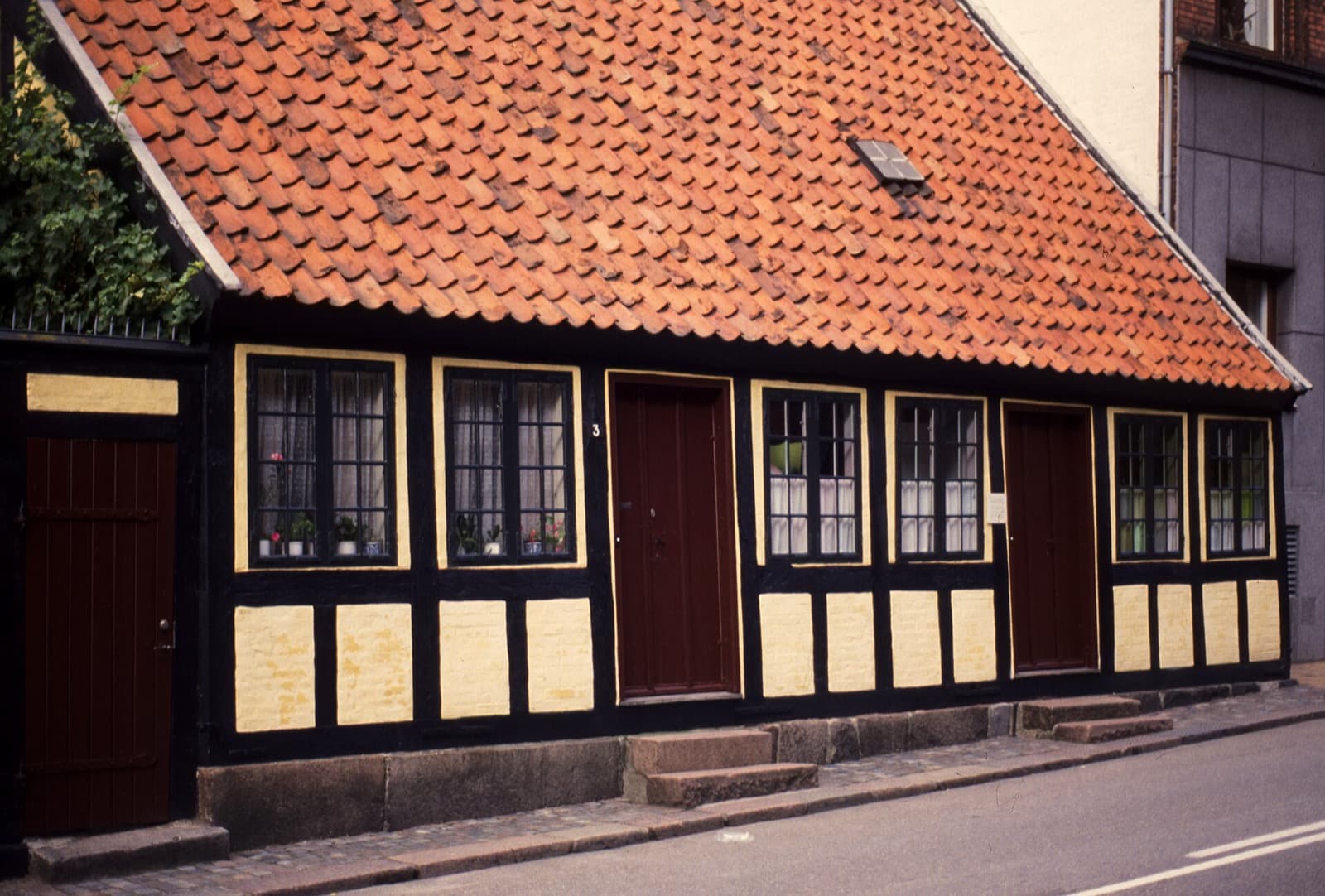
Andersen's Childhood Home: The One Poor Room Where the Boy Dreamed
The small, low house where Hans Christian Andersen lived as a boy, preserving the single room of his early years.
Details
Best Time to Visit
Late spring through early autumn, roughly May to September, gives the mildest weather and the longest daylight for an unhurried old-town walk, and the sunken gardens of the fairytale museum are at their greenest. Mornings are quietest for the cathedral crypt and the narrow lanes around the birthplace. Odense's old town is flat and walkable year round, but Danish weather is changeable in any season, so an overcast or showery day simply means the crowds thin and you have the cobbled quarter more to yourself.
Pro Tips
- •The whole route is flat and short, about one and a half kilometres, so you can easily double back to linger in the sunken gardens of the fairytale museum or the courtyards of Moentergaarden without tiring.
- •The single H.C. Andersens Hus ticket, one hundred sixty-five Danish kroner for adults with under-eighteens free, also gives thirty days' entry to the Childhood Home at the end of the walk, so buy it once at the start.
- •Saint Canute's Cathedral and its crypt are free to enter, with donations welcomed; go early in the day when the church is quietest for a sober visit to the royal crypt.
- •Look for the external pulpit on the south wall of Sankt Hans Kirke; it is easy to miss but is the most unusual thing on the walk, and viewing it costs nothing.
- •This is your walk on your own clock, with no group and no schedule, so skip any stop that does not draw you and dwell as long as you like at the ones that do.
- •Carry Danish kroner or a card, since the museums charge in kroner rather than euros, and many smaller Danish sites still prefer contactless payment.
Safety & Precautions
- •The old town is paved with cobbles and the riverside paths near the mills can be wet and slick after rain, so wear sturdy, comfortable shoes with a good grip.
- •Saint Canute's Cathedral and Sankt Hans Kirke are working churches; dress modestly, keep your voice low, and be especially respectful in the cathedral crypt, which holds real human remains.
- •Danish weather is changeable in every season, so bring sun protection on bright days and a waterproof layer against sudden showers.
- •The Andersen museums and Moentergaarden charge entry in Danish kroner, not euros, and hours vary by season, so check opening times and keep valuables discreet in busier spots around the birthplace quarter.
Travel advisory: Exercise Increased Caution (Level 2).
Gallery
Related Reading
Go deeper on what you'll see, hear, and walk through.
Overview
Best Self-Guided Walking Tours in Odense (2026)
3 min
Overview
Odense Travel Guide: Days, Transport, Safety, and Costs
6 min
Overview
One Day in Odense: A Walkable Morning-to-Evening Itinerary
7 min
Thematic
Odense: The Fairytale City and the Viking Town Beneath It
7 min
Companion
Andersen's Birthplace and the Old Town of Odense: Where a Shoemaker's Son Became a Fairy Tale
7 min
Deep dive
Saint Canute's Cathedral: The Odense Church of a Murdered Medieval King
7 min
Read
What to Eat in Odense: Funen's Local Dishes and How to Order Them
5 min
Read the walk
The full story of Old Town: Hans Christian Andersen's Odense, in words. Prefer to listen? Play it narrated, from home or on location.
Introduction
Odense, on the island of Funen in Denmark, is the city of Hans Christian Andersen, and this walk reads the old town that shaped the world's most famous teller of fairy tales. He was born here in poverty in eighteen oh five, the son of a shoemaker, and left for Copenhagen at fourteen to seek his fortune. The crooked cobbled streets, the low houses and the brick church towers of his childhood still stand, and around his birthplace the city has raised a whole quarter of memory. Over it all rises Saint Canute's Cathedral, which holds in its crypt the bones of a king slain here in ten eighty-six. This route runs about two kilometres and takes roughly ninety minutes to two hours at an unhurried pace, with seven stops, and it is flat and easy going. You set your own clock here. There is no group to keep up with, no schedule to obey, no guide to tip, only short stops you can linger over or skip as you please. Two truths on this walk deserve care, and you will hear them told plainly: the house honored as Andersen's birthplace is a tradition rather than a proven fact, and the king in the cathedral crypt was murdered, narrated soberly as documented history. Between the ten-eighty-sixes of royal martyrdom and the single poor room of a dreaming boy, this is the long memory of one small Danish city. When you arrive at the little yellow corner house at Hans Jensens Straede forty-five, begin with stop one.
1. Hans Christian Andersen's Birthplace: The Shoemaker's Son
This little yellow corner house stands at Hans Jensens Straede forty-five, where the lane meets Bangs Boder. Straede means lane, and this is one of the low cobbled streets of the old poor quarter of Odense, a warren of small houses that would have been crowded with washerwomen, shoemakers and day laborers two centuries ago. The house dates from about seventeen ninety-nine, and tradition holds that here, on the second of April eighteen oh five, Hans Christian Andersen was born, the son of a poor shoemaker named Hans Andersen and a washerwoman named Anne Marie Andersdatter. It is worth being honest about that word tradition. The house has been shown and honored as his birthplace, and it has been part of a museum since nineteen oh eight, but the record does not actually confirm that he was born under this roof. It is a cherished tradition, not a documented fact, and that ambiguity feels oddly fitting for a man who spent his life turning the ordinary into story. From these narrow means the boy rose to write The Little Mermaid, The Ugly Duckling, The Emperor's New Clothes and The Steadfast Tin Soldier, tales now read in more languages than almost any others written by a single author. He left Odense at fourteen, in eighteen nineteen, walking out toward Copenhagen with almost nothing. Take your time at the corner. The quarter is best felt slowly, on your own clock, before the story around it opens up at the next stop.
2. H.C. Andersens Hus: The Garden Museum Where the Streets Dissolve into Story
Wrapped around the birthplace is H.C. Andersens Hus, the fairytale museum, which reopened in the summer of twenty twenty-one in a striking new building. It was designed by the Japanese architect Kengo Kuma and Associates, who won the competition for it in twenty sixteen. Rather than one grand block, it is a scatter of low pavilions of timber and glass with scooped green roofs, largely sunk down into circular gardens and winding, maze-like hedges. The idea is that you step down into it, the way a reader steps down into a story, and the ordinary streets of Odense seem to dissolve into fairytale around you. VisitDenmark records that the design draws in part on Andersen's tale The Tinderbox, in which a hollow tree opens into an underground world of wonders. There is a fairy tale garden here that gathers eleven of his stories among the hedges. What makes the setting work is that the whole thing is stitched into the preserved old quarter, the low cobbled runs of Hans Jensens Straede and Bangs Boder, so the modern architecture never overwhelms the small human scale that made the boy. This is the one heritage institution named on this walk, and it is the fitting one, the museum built to hold the memory of the man the whole town remembers. You can wander the gardens and hedges at your own pace, no group, no set path, lingering wherever a corner catches you. Take the turn slowly here before the walk steps back a thousand years at the next stop.
3. Moentergaarden: The Old Merchant Courtyards That Keep the City's Memory
Moentergaarden is Odense's cultural-history museum, set in a cluster of half-timbered renaissance merchant houses and courtyards at Overgade forty-eight. Gaard means a courtyard or yard, and that is really what this place is, a knot of old timber-framed buildings around cobbled yards where the long story of the city is kept. The main two-storey house dates to sixteen forty-six, built on a farm that belonged to a nobleman named Falk Goeye, who lived from sixteen oh two to sixteen fifty-three, and its exterior is carved with rosettes. Modern galleries were added between twenty ten and twenty thirteen, but the heart of the place is those old houses, which opened as a museum in nineteen forty-one. Inside, the collections carry Odense and the whole island of Funen from the deep past through the Viking age, the Middle Ages and the Renaissance. The museum holds the Koelbjerg remains, the bones of a person who lived around eight thousand years before Christ, recorded as the oldest human remains known from Denmark. The name itself carries memory. Moentergaarden and the nearby lane called Moentestraede recall a former mint, a coin workshop that tradition places on or near this site. It is a useful counterweight on an Andersen walk. Long before a shoemaker's son was born a few streets away, this was a working town of merchants, coiners and craftsmen with a thousand years already behind it. Step through the courtyards on your own clock, then carry that older Odense forward to the medieval church at the next stop.
4. Sankt Hans Kirke: The Monastic Church with Its Pulpit on the Outside Wall
Sankt Hans Kirke, Saint John's Church, is a medieval brick church near the cathedral, and it belongs to the older Odense that Moentergaarden keeps in its cases. Kirke means church. This one was built by the Knights Hospitaller, the Order of Saint John, a monastic order of…
Full narration for this stop unlocks with the tour.
5. Flakhaven and the Town Hall: The Civic Square Where the Old Town Governs Itself
Flakhaven is the old town-hall square at the heart of Odense, and it has roots reaching back into the Middle Ages. It links the town hall on one side with the cathedral on the other, so it has long been the meeting point of civic power and church power in the city. The building…
Full narration for this stop unlocks with the tour.
6. Saint Canute's Cathedral: The Cathedral of the Murdered Royal Saint
Saint Canute's Cathedral, Sankt Knuds Kirke, is one of the finest brick-Gothic churches in Denmark, and it gives its name to the king whose story sits at the center of Odense. Domkirke means cathedral. An earlier stone church stood on this ground from about ten ninety-five, and…
Full narration for this stop unlocks with the tour.
7. Andersen's Childhood Home: The One Poor Room Where the Boy Dreamed
Andersen's Childhood Home stands at Munkemoellestraede three to five, a short walk of about fifteen minutes from the birthplace and the museum. The street name means the monk-mill lane, straede again for lane, a memory of an old monastery mill that once worked the water nearby.…
Full narration for this stop unlocks with the tour.