Karnak and Luxor Temple: The Great Sanctuaries of Ancient Thebes
200 min · 4.2 km · moderate
In Luxor you eat Upper Egyptian food: sun-risen sourdough bread called eish shamsi, silky molokhia greens, fava-bean ful and taameya at breakfast, koshari for a cheap carb-heavy lunch, and stuffed pigeon (hamam mahshi) as the local celebration dish. The city sits in the Nile Valley where these ingredients grow, so the cooking leans on legumes, greens, and bread rather than heat. Egyptian food is fragrant, not fiery: you taste cumin, coriander, garlic, and lemon far more than chili. Order simply, eat where locals eat, and you will do well.
Luxor is the modern town on the site of ancient Thebes, and while you are here mainly for the temples, the food is genuinely regional and worth planning meals around. This guide covers the specific dishes, where each tradition comes from, and how to order like someone who lives here. When you are ready to walk the monuments themselves, start with the Luxor walking tours hub or jump to the /egypt/luxor city page.
The bread you cannot get in Cairo: eish shamsi
Start with the bread, because it tells you where you are. Eish shamsi means "sun bread," and in Upper Egypt it replaces the puffy pocket bread (eish baladi) you find in Cairo as the everyday staple. It is a thick sourdough made with wheat flour, and the name comes from the practice of letting the dough rise outdoors in the sun before baking. Traditionally it is baked at home in domed clay ovens with an opening at the top, though pre-made loaves are increasingly common as that home tradition fades.
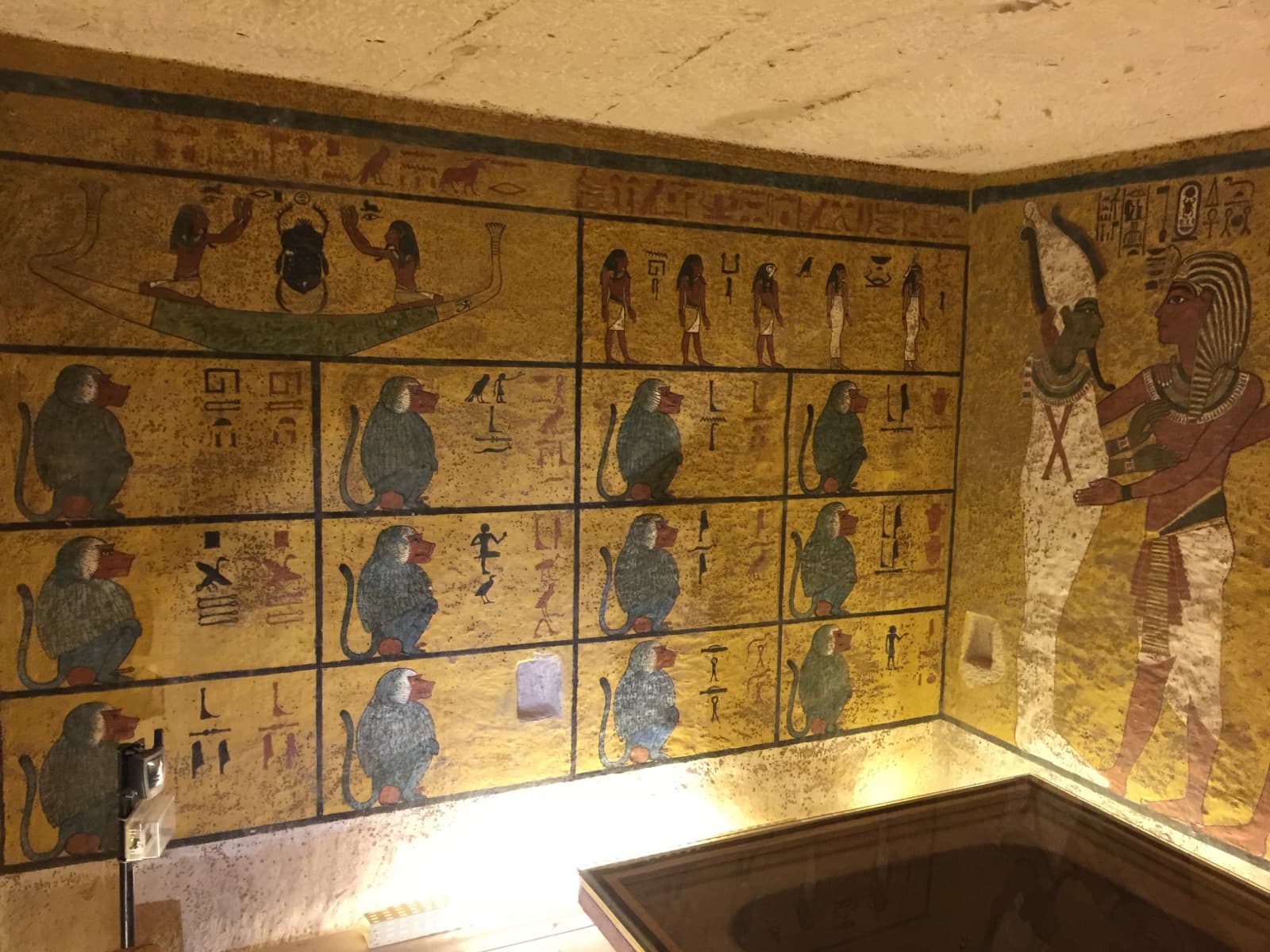
This bread has deep roots in the region. Sun-risen bread appears in ancient Egyptian tomb paintings, and the loaf shapes baked today resemble those bread offerings depicted on tomb walls. In Aswan, just south of Luxor, at least half the city relies on shamsi as its staple. When you see a dense, slightly sour, chewy round loaf on the table, that is the one to reach for. It stands up well to dips and stews, which is exactly how locals use it.
Breakfast is fava beans: ful and taameya
Hear a stop from this walk
The First Pylon of Karnak: Through the Gate into the City of the God
The Egyptian breakfast is ful medames and taameya, and Luxor is no exception. Ful medames is slow-cooked fava beans, mashed and dressed with olive oil, lemon, garlic, and cumin, scooped up with bread. It is cheap, filling, and everywhere, sold from carts and hole-in-the-wall shops from early morning.
Taameya is the Egyptian version of falafel, and here is the distinction that matters: Egyptian taameya is made from fava beans, not the chickpeas used elsewhere in the Middle East. The fava base gives it a softer texture and a green interior from the fresh herbs blended in. Many Egyptians consider taameya the original form of the fritter, with a tradition tying its creation to Coptic Christians looking for a meat substitute during Lent. Order ful and taameya together, tucked into fresh bread with a little salad and tahina, and you have the classic morning plate for a few Egyptian pounds.
The green soup locals love: molokhia
Molokhia is the dish Egyptians get sentimental about. It is a soup made from finely chopped jute mallow leaves (the plant is Corchorus olitorius), cooked into a silky, faintly gelatinous green broth and finished with a sizzle of garlic and coriander poured over the top. It is usually served with rice and often with chicken or rabbit, and it tastes green and garlicky rather than spicy.
The jute mallow plant has grown in Egypt for a very long time, and molokhia has been eaten here for centuries. You may hear a romantic story that the name means "royal" and that pharaohs reserved the dish, but food historian Mennat-Allah El Dorry has found no evidence for that legend, so treat it as folklore rather than fact. What is true is simpler and better: this is a beloved home-cooking staple, and a good bowl of it is one of the most Egyptian things you can eat in Luxor.
The national dish for a cheap lunch: koshari
When you want a filling, meat-free lunch for almost nothing, order koshari. It is Egypt's national dish, a bowl layering rice, brown lentils, macaroni and other pasta, and chickpeas, topped with crispy fried onions, a tangy tomato sauce, garlic vinegar, and hot sauce to taste. You mix it all together before eating.
Koshari's history is genuinely a crossroads. It took shape in the late nineteenth century, drawing on the Indian rice-and-lentil dish khichri (the source of the name) that arrived during the British occupation, along with Italian pasta and local ingredients. In December 2025, UNESCO inscribed koshari on its Representative List of the Intangible Cultural Heritage of Humanity, the first Egyptian culinary dish to receive the designation. To order, point to the size of bowl you want and ask for the vinegar and chili on the side if you are unsure of the heat. It is one of the safest bets for vegetarians in Egypt.
The special-occasion dish: hamam mahshi
If you want the Upper Egyptian celebration dish, order hamam mahshi, stuffed pigeon. Pigeon (squab) is a genuine delicacy here, raised in the tall mud-brick dovecotes you see across the Nile Valley. The bird is stuffed, often with freekeh (green cracked wheat with a nutty flavor) or with seasoned rice, then roasted or grilled. It is fiddly to eat, with small bones, but it is prized and celebratory, and Luxor is a good place to try it. Also common on Upper Egyptian tables are feteer meshaltet, a flaky layered pastry of thin dough and ghee that can be served plain, sweet, or savory, and kishk, a dried fermented wheat-and-yogurt preparation especially associated with Upper Egypt.
How to order like a local
Egyptian food is fragrant rather than hot, so do not expect chili unless you add it: the hot sauce and garlic vinegar on a koshari counter are yours to control. Eat with bread as your utensil for ful, molokhia, and dips. Keep small Egyptian-pound cash for street stalls and simple eateries, and settle a price before accepting anything from a vendor, the same firm-but-polite posture you will want at the temple gates.
On safety, eat where the locals eat and you will usually be fine. Choose busy stalls with high turnover, favor food cooked hot to order, and go easy on raw salads and ice at quiet places. Drink sealed bottled water rather than tap water in Luxor, check that the seal is intact, and skip ice from unknown sources. A 1.5-liter bottle costs only a few Egyptian pounds from any kiosk. None of this should make you nervous: Luxor's food is one of the pleasures of the trip, and the local staples are simple, fresh, and cheap.
Fit meals around the temples
Practically, plan your eating around the heat and the monuments. Temple mornings start early to beat the sun, so a ful-and-taameya breakfast fuels a dawn start at Karnak well. Save koshari or molokhia for a shaded midday break, and treat pigeon or feteer as an evening reward. When you have your bearings and your appetite, the Luxor walking tours hub and the /egypt/luxor page will route you through Karnak, Luxor Temple, and the West Bank at your own pace.
Sources
Frequently asked questions
- What food is Luxor known for?
- Luxor is in Upper Egypt, so its food leans on Upper Egyptian staples: eish shamsi (sun-risen sourdough bread), molokhia (jute mallow soup), ful medames and taameya (fava-bean dishes), and hamam mahshi (stuffed pigeon). Koshari, Egypt's national dish of rice, lentils, pasta, and chickpeas, is a common cheap lunch. The cooking is fragrant with cumin, coriander, garlic, and lemon rather than spicy.
- What is eish shamsi bread?
- Eish shamsi means sun bread. It is a thick wheat sourdough that replaces the puffy eish baladi pocket bread as the everyday staple in Upper Egypt, including Luxor and Aswan. The name comes from letting the dough rise in the sun, and it is traditionally baked in domed clay ovens. Sun-risen bread appears in ancient Egyptian tomb paintings.
- Is koshari vegetarian, and why is it famous?
- Yes, koshari is fully vegetarian: rice, brown lentils, pasta, and chickpeas topped with fried onions, tomato sauce, and garlic vinegar, with hot sauce added to taste. It took shape in Egypt in the late nineteenth century, drawing on the Indian dish khichri. In December 2025, UNESCO inscribed koshari on its Representative List of the Intangible Cultural Heritage of Humanity, the first Egyptian dish to receive the designation.
- What is hamam mahshi?
- Hamam mahshi is stuffed pigeon, an Upper Egyptian delicacy and celebration dish. The pigeon (squab) is stuffed, often with freekeh (green cracked wheat) or seasoned rice, then roasted or grilled. It has small bones and is fiddly to eat, but it is prized locally and Luxor is a good place to try it.
- Can you drink the tap water in Luxor?
- No, tap water is not recommended for tourists in Luxor. Drink sealed bottled water, which costs only a few Egyptian pounds for a 1.5-liter bottle from kiosks and shops, and check that the seal is intact. Be cautious with ice and raw salads at low-turnover places, and prefer food cooked hot to order at busy stalls.
- What is the difference between taameya and falafel?
- Taameya is the Egyptian version of falafel, made from fava beans rather than the chickpeas used in most Middle Eastern falafel. The fava base gives it a softer texture and a green interior from blended fresh herbs. Many Egyptians consider taameya the original form of the fritter.
Ready to experience it?
Karnak and Luxor Temple: The Great Sanctuaries of Ancient Thebes
200 min · 4.2 km · moderate
More from Luxor
Explore more at your own pace.
Luxor Travel Guide: Days, Transport, Season, Safety, Budget
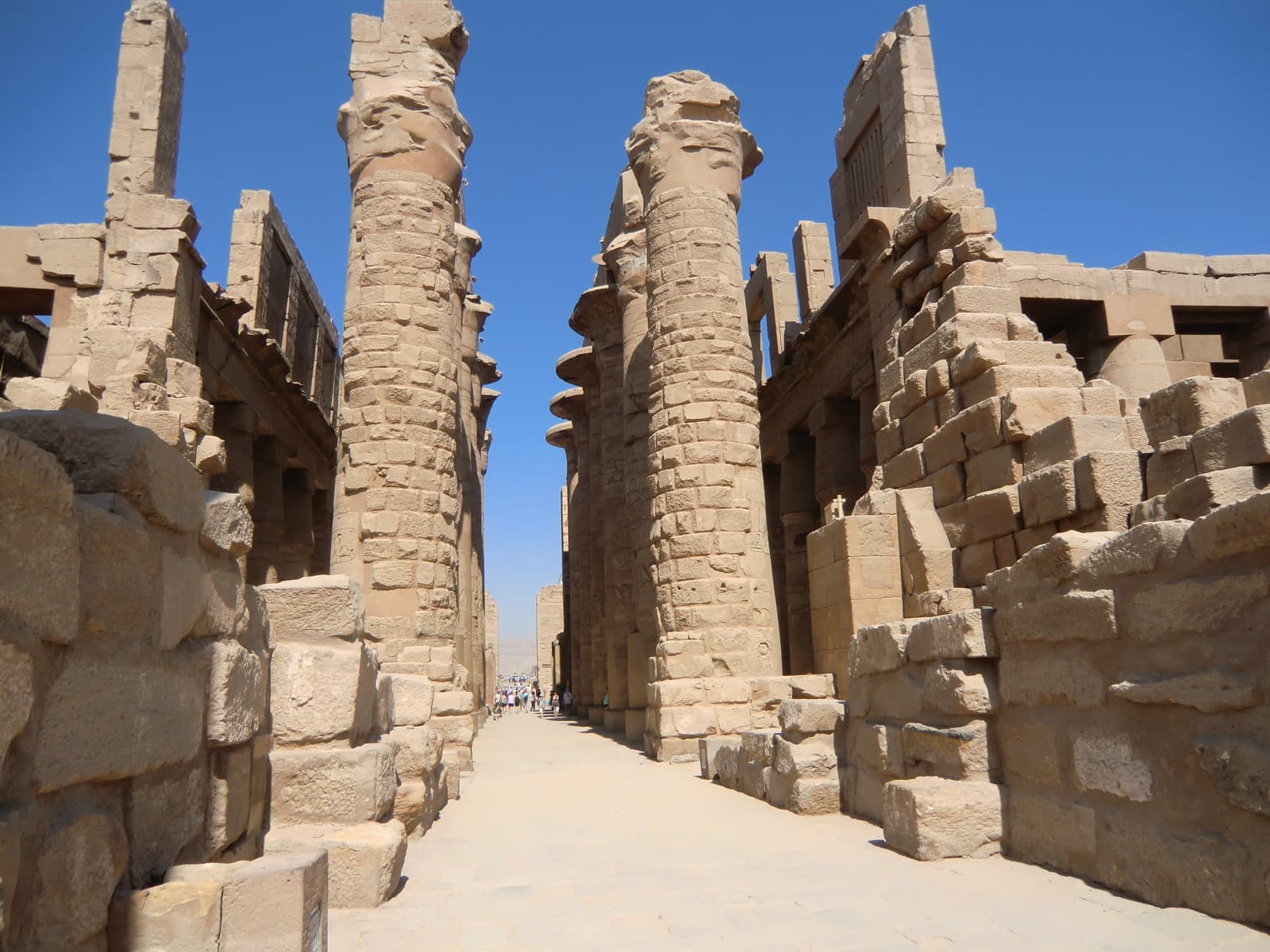
Luxor: Ancient Thebes and the Two Banks of the Nile
Inside Karnak's Great Hypostyle Hall: Reading a Whole Temple-City Through One Room
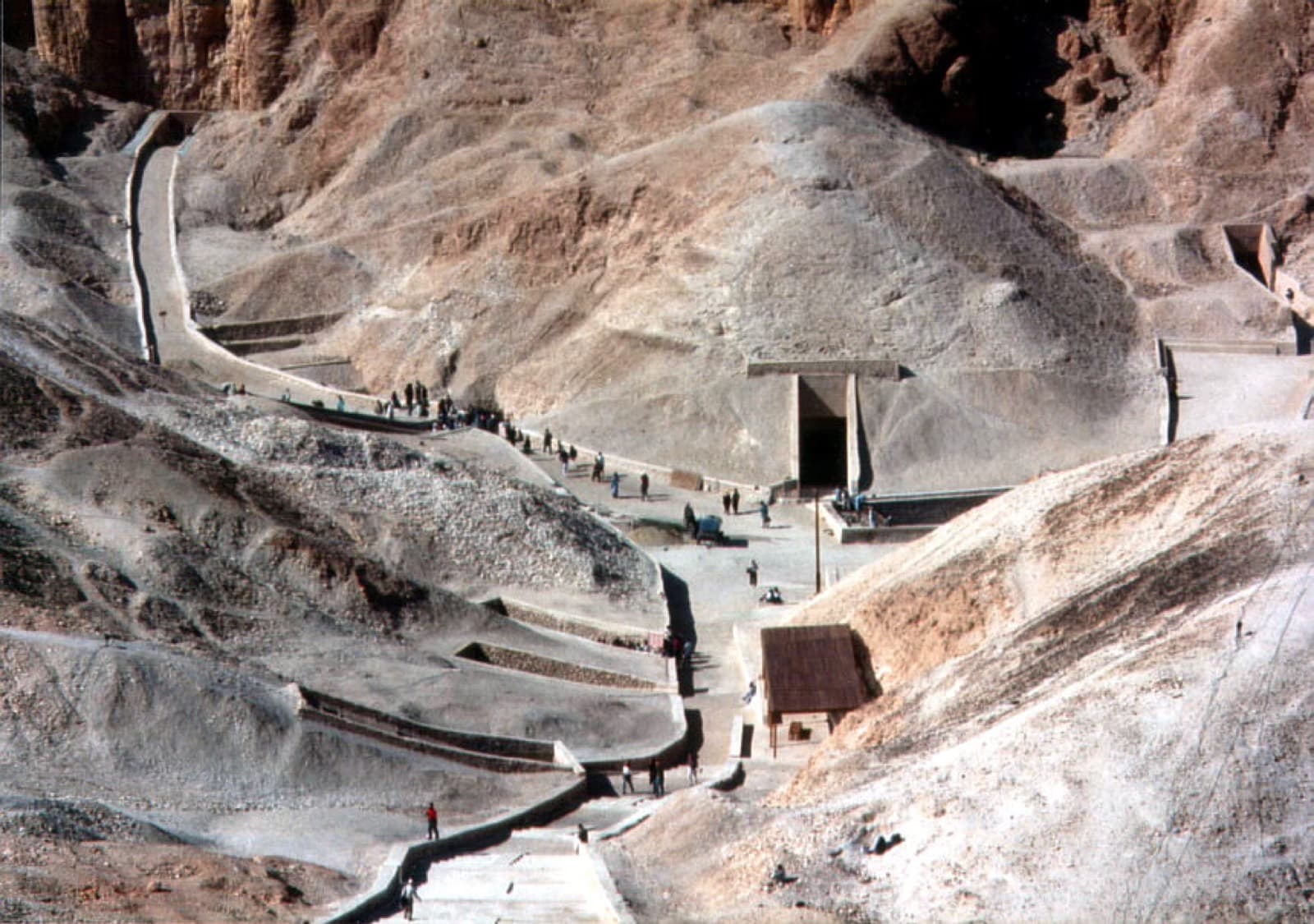
The Valley of the Kings: Reading Luxor's Hidden Tombs and the Temples They Answer
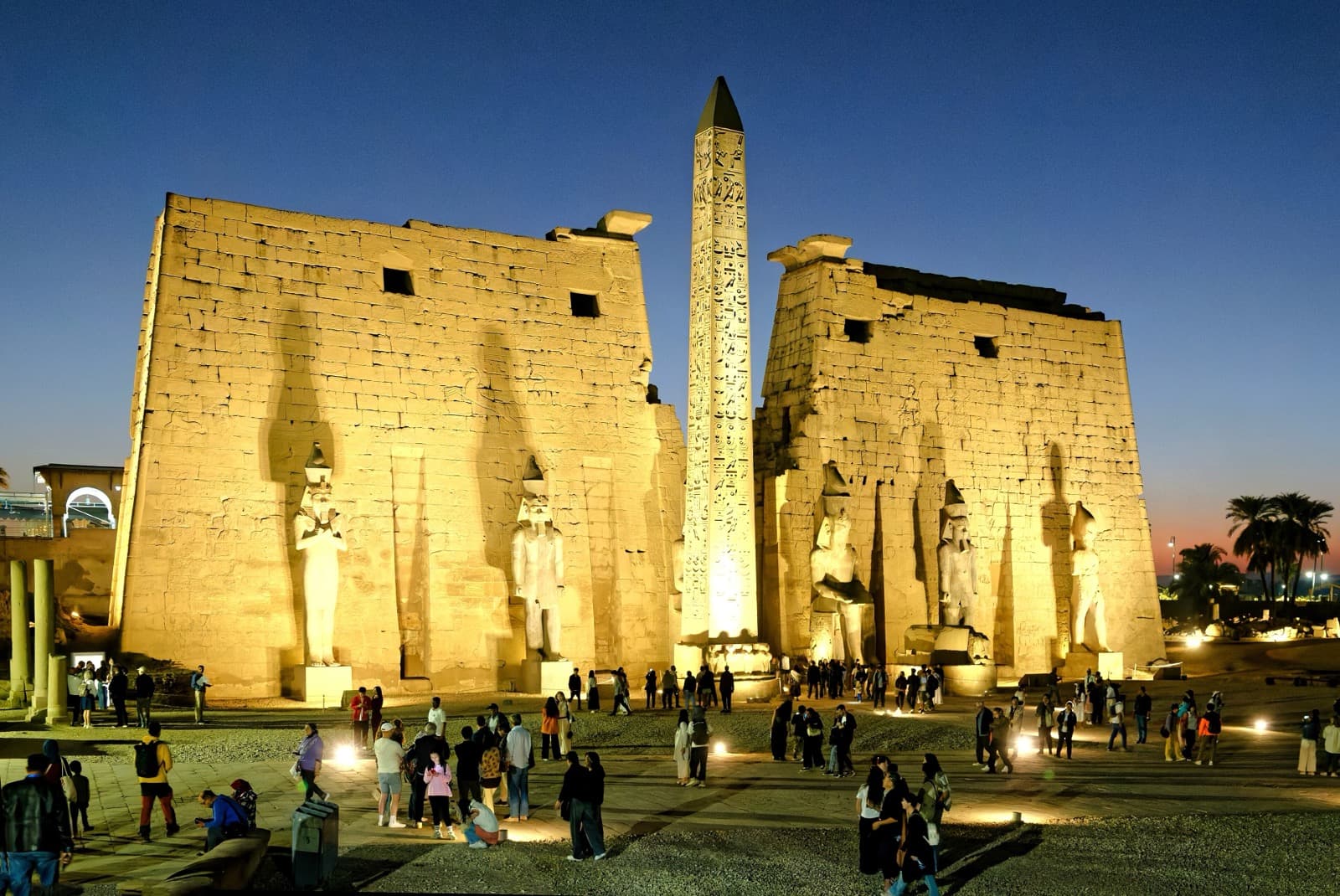
Luxor Temple: The One Egyptian Sanctuary Worship Never Left