Karnak and Luxor Temple: The Great Sanctuaries of Ancient Thebes
200 min · 4.2 km · moderate
Plan Luxor as a two-bank city split by the Nile: give the East Bank (Karnak, Luxor Temple, the museum) at least a full day and the West Bank (Valley of the Kings, Hatshepsut, the mortuary temples) a second, get around by negotiated taxi plus the public ferry, aim for the cool November-to-March window, pay by card almost everywhere, and treat safety as a solved problem apart from ordinary petty-theft caution. That is the short version. Here is the detail, verified against 2026 sources.
How many days you need
Two full days is the honest floor for Luxor, and three is comfortable. The city is really two archaeological zones facing each other across the river, and each one is a day's worth of walking.
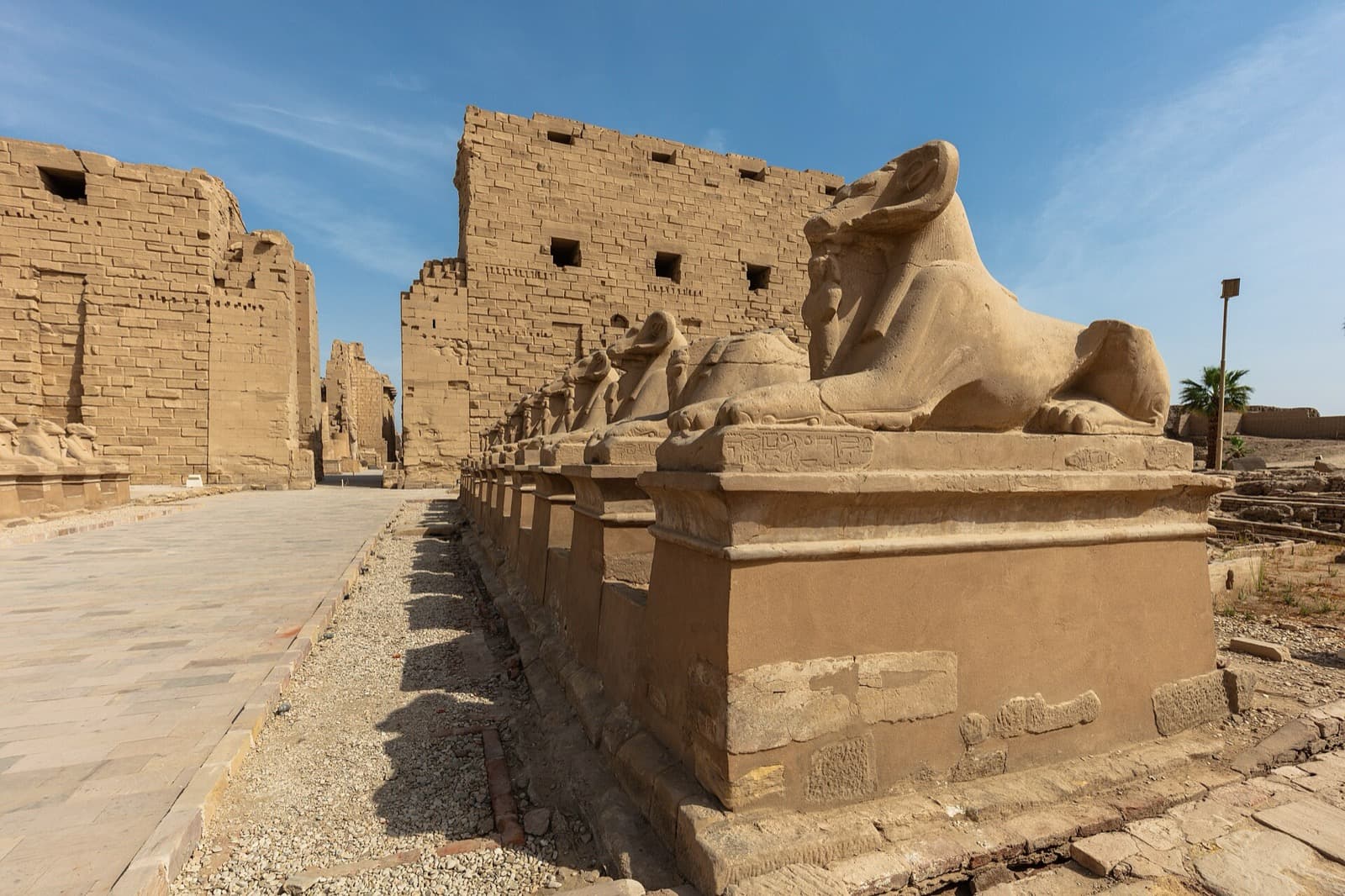
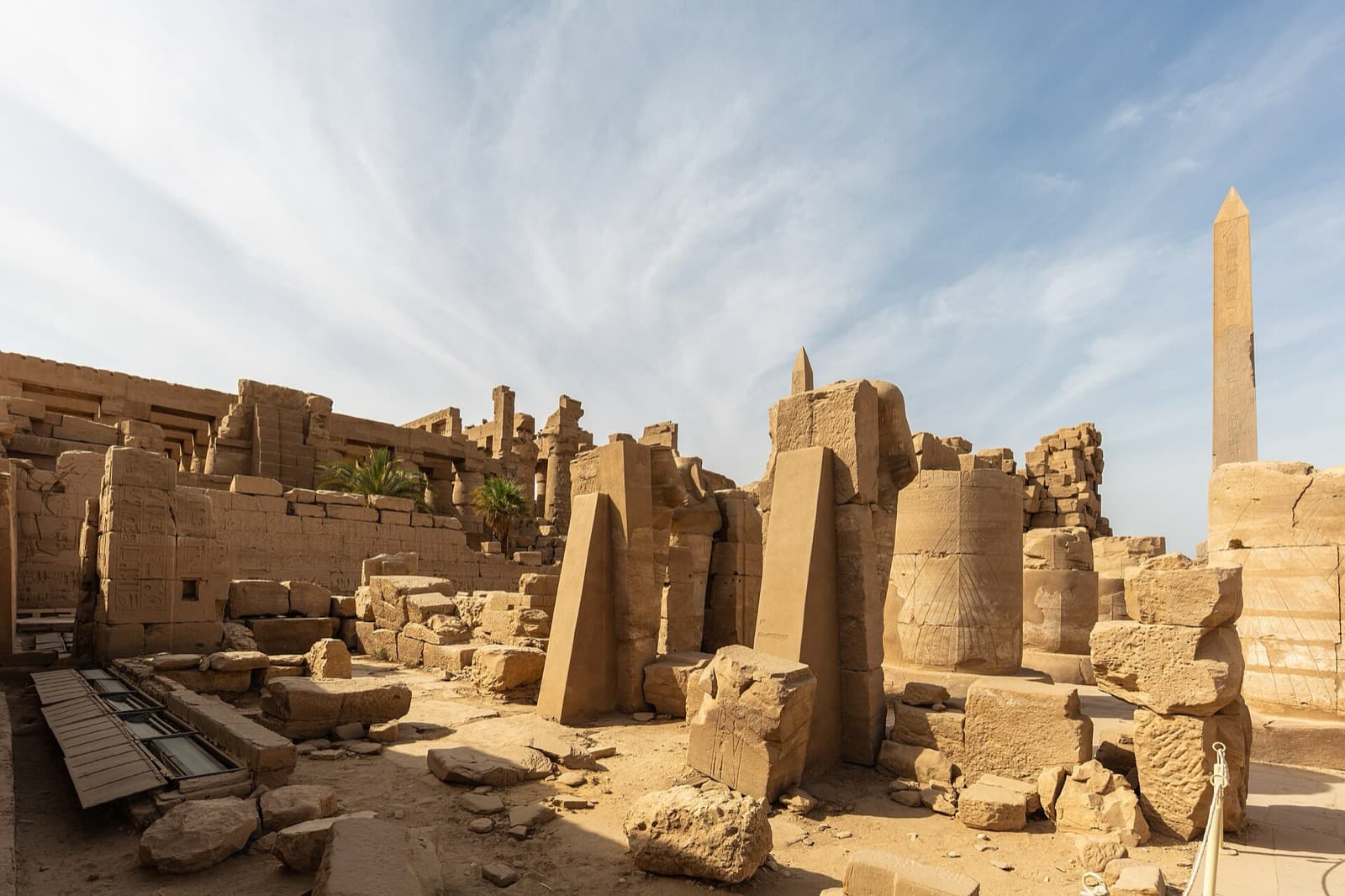
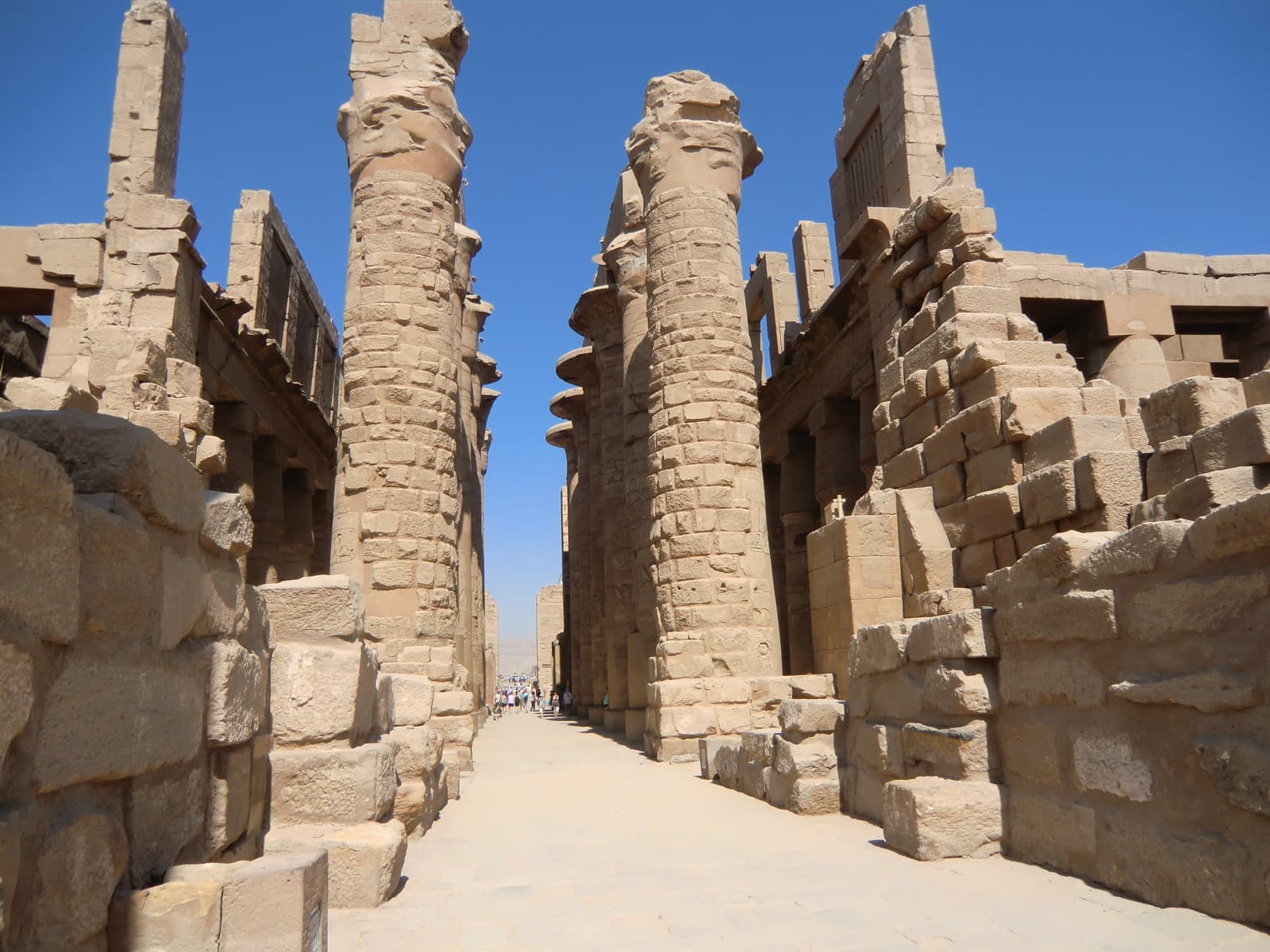
Spend day one on the East Bank, the modern town side, where our Historic Center: The Temple-City Walk tour links Karnak, the reopened Avenue of Sphinxes, Luxor Temple, and the Luxor Museum in one riverside line. Karnak alone rewards a slow two to three hours: the First Pylon, the Great Hypostyle Hall with its forest of columns, and the standing obelisk of Hatshepsut, the tallest ancient obelisk left in Egypt, whose broken companion top now lies beside the Sacred Lake.
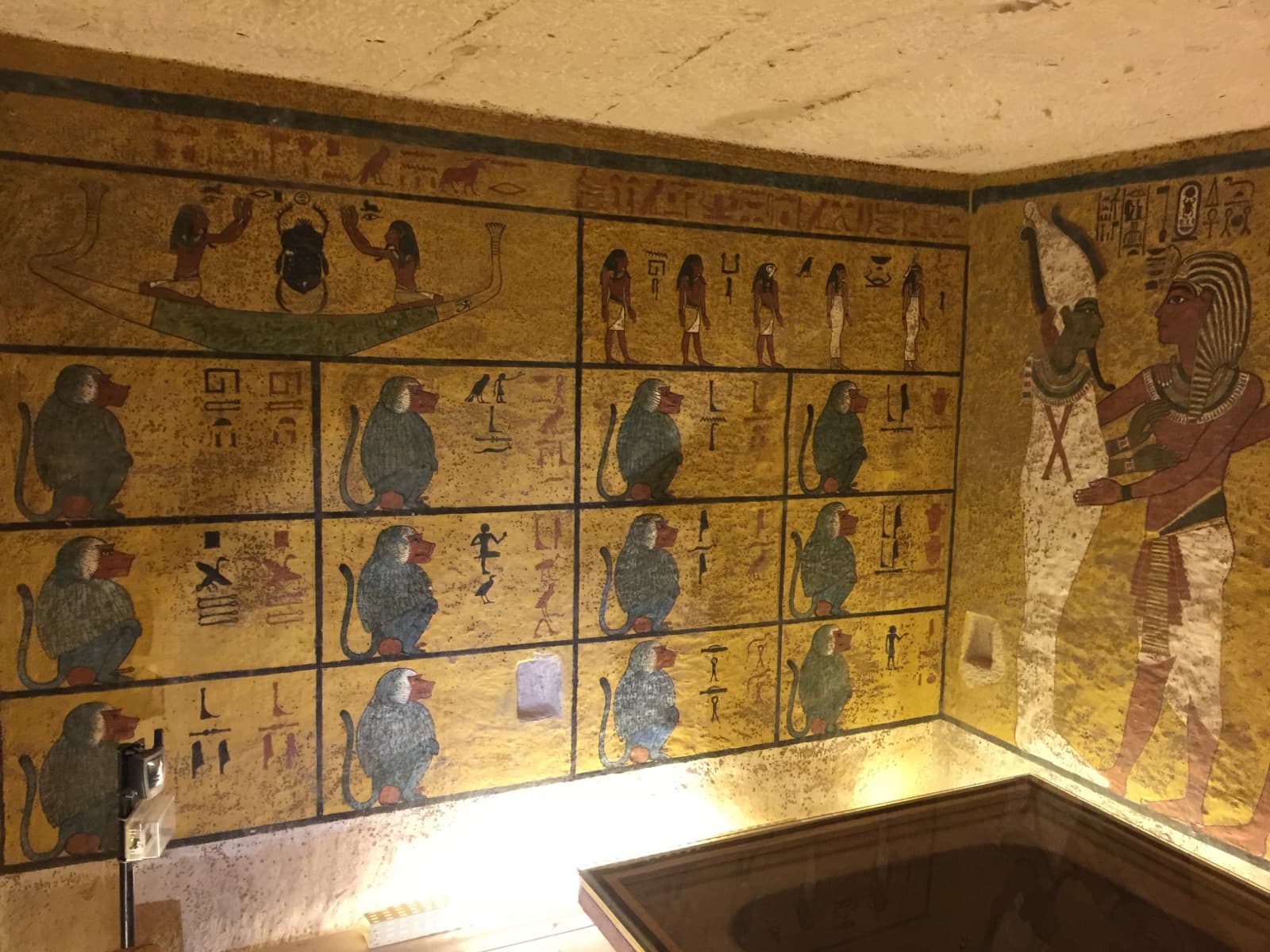
Spend day two on the West Bank, the necropolis side, covered by our Valley of the Kings: The Hidden Layer tour. That route runs from the Colossi of Memnon on the plain up to the terraced Temple of Hatshepsut at Deir el-Bahari, into the painted royal tombs of the Valley of the Kings (the standard ticket admits three tombs, with Tutankhamun and Seti the First priced separately), then to the Ramesseum and Medinet Habu. It is roughly twelve kilometres of ground with real climbs and full sun, so it is a driving-and-walking day, not a pure walk.
A third day lets you slow down, add a dawn hot air balloon over the West Bank, or ride a felucca at sunset without rushing.
How to get around
Hear a stop from this walk
The First Pylon of Karnak: Through the Gate into the City of the God
Taxis are the default, and the city is compact enough that most East Bank hops are short. Agree the fare before you get in, since meters are rarely used. On the West Bank, hiring a car with a driver for the day is the standard move because the sites are spread across several kilometres of desert edge.
Crossing the Nile between the two banks is its own small pleasure. The public local ferry is the cheapest option, around 5 EGP for the ten-minute crossing, running morning to evening. Ask the fare before boarding, since tourists are sometimes quoted more. Private motorboats wait alongside for a negotiated fare if you want to skip the wait. There is also a road bridge south of town, which is what taxis use when they take you across by car, a longer route of half an hour or so. Bicycles are popular for self-paced West Bank riding if you are fit and start early, and horse carriages (calèches) work for short East Bank distances.
For our tours, the audio and map run entirely on your phone with GPS, so you decide the pace and the order. Browse the full set of Luxor walking tours before you arrive and download for offline use, because signal on the West Bank desert roads can be thin.
Best time to visit
Come between November and March for the weather, and be ready for company. Winter is Luxor's peak season precisely because daytime temperatures sit in a comfortable 20 to 25°C range, which also means thicker crowds at the Valley of the Kings and higher hotel rates.
The shoulder months of March to April and October to November are the sweet spot if you want a compromise: temperatures around 25 to 30°C, thinner crowds, and softer prices. Summer, roughly May through September, is genuinely hard. Daytime highs regularly pass 40°C, and open desert sites like the Valley of the Kings offer little shade. If you must travel in summer, start at dawn, carry more water than you think you need, and be off the exposed sites by late morning.
Whatever the season, the desert light is best early. A pre-dawn balloon or a sunrise start on the West Bank buys you cooler air and lower sun on the carvings.
An honest word on safety
Luxor is one of the most heavily policed tourist corridors in Egypt, and the practical risk to a visitor is low. Tourist and antiquities police patrol every major site along the Luxor to Aswan Nile route, and as of 2026 there are no active government travel warnings from the major issuing countries for the Nile Valley tourist cities themselves.
The United States keeps Egypt overall under an "exercise increased caution" advisory, with the mainstream tourist zones (Cairo, Luxor, Aswan, the Nile cruise route, the Red Sea) treated as low concern. The realistic thing to plan around is not violence but ordinary hassle: persistent vendors, unofficial "guides," and occasional petty theft or phone-snatching in crowded spots. Keep your phone and wallet secured, be polite but firm with touts, and use marked taxis or a driver arranged through your hotel. None of this is unusual for a major tourist city, and it should not keep you away.
Budgeting and tickets
Bring a card. As of 2026, almost all major Egyptian antiquities sites, Luxor's included, have moved to card-only payment at the ticket gates, so a working debit or credit card matters more than a wad of cash. Keep some small cash anyway for the ferry, tips, taxis, and drinks.
Each site has its own entry fee, with the Valley of the Kings, Karnak, Luxor Temple, Hatshepsut, the Ramesseum, and Medinet Habu all ticketed separately, and marquee tombs like Tutankhamun and Seti the First carrying premium add-on tickets on top of general admission. Exact figures move with Egypt's currency, so treat any single number you see online as approximate and check at the gate.
If you plan to see a lot, the Luxor Pass is worth pricing out. It covers the major sites on both banks for five consecutive days on one ticket, sold in an adult tier and a cheaper student tier, and it can beat buying individual entries if your list is long. One quirk: the pass is paid for in cash, in US dollars or euros, even though the individual gates now want cards. Weigh it against your actual itinerary rather than buying it by default.
Beyond tickets, budget for a full-day West Bank driver, optional extras like a dawn balloon, and the small everyday costs of ferry, water, and tips. Our tours themselves cover the East and West Bank routes with GPS-triggered audio, so your on-the-ground spend is mostly transport and entry fees, and you set the schedule.
Sources
- Egypt Attractions Entrance Fees 2026, card-only update and price list, NileEmpire
- Getting around Luxor, ferry and taxi guide, Explore Luxor
- Best Times to Visit Luxor, U.S. News Travel
- Is It Safe to Travel to Egypt Right Now, 2026 advisory and safety tips, Jetpac
- Luxor Pass overview and coverage, Explore Luxor
Frequently asked questions
- How many days do you need in Luxor?
- Two full days is the practical minimum and three is comfortable. Luxor splits across the Nile into the East Bank (Karnak, Luxor Temple, the museum) and the West Bank (Valley of the Kings, Hatshepsut, the mortuary temples), and each side is a full day of sightseeing. A third day lets you add a dawn balloon or a felucca without rushing.
- How do you get around Luxor and cross the Nile?
- Taxis are the default, with fares agreed before you ride since meters are rarely used. To cross between the East and West Banks, the public local ferry costs around 5 EGP for a ten-minute crossing, private motorboats run for a negotiated fare, and taxis cross by the road bridge south of town. On the West Bank most visitors hire a car with a driver because the sites are spread over several kilometres.
- What is the best time to visit Luxor?
- November to March gives the most comfortable weather, with daytime temperatures around 20 to 25°C, though winter is also the peak crowd season. The shoulder months of March to April and October to November balance decent weather (25 to 30°C) with thinner crowds and lower prices. Summer, May through September, regularly tops 40°C and is hard on the exposed desert sites.
- Is Luxor safe for tourists in 2026?
- Yes, for ordinary travel. Luxor sits on one of Egypt's most heavily policed tourist corridors, tourist and antiquities police patrol the major sites, and as of 2026 there are no active major-government travel warnings for the Nile Valley tourist cities. The United States keeps Egypt under a general 'exercise increased caution' advisory, and the realistic concerns are petty theft and persistent touts rather than serious crime.
- Do you need cash for Luxor tickets, or can you pay by card?
- Bring a working card. As of 2026, almost all major Egyptian antiquities sites, including Luxor's, have moved to card-only payment at the ticket gates. Keep some small cash anyway for the ferry, taxis, tips, and drinks, but do not rely on cash at the main site entrances. One exception: the Luxor Pass itself is bought with cash in US dollars or euros, not by card.
- Is the Luxor Pass worth buying?
- It can be if your list is long. The Luxor Pass covers the major sites on both banks for five consecutive days on a single ticket, sold in an adult tier and a cheaper student tier. Price it against the individual entries for the sites you actually plan to see rather than buying it automatically.
Ready to experience it?
Karnak and Luxor Temple: The Great Sanctuaries of Ancient Thebes
200 min · 4.2 km · moderate
More from Luxor
Explore more at your own pace.
One Day in Luxor: A Walkable Morning-to-Evening Itinerary
Luxor: Ancient Thebes and the Two Banks of the Nile
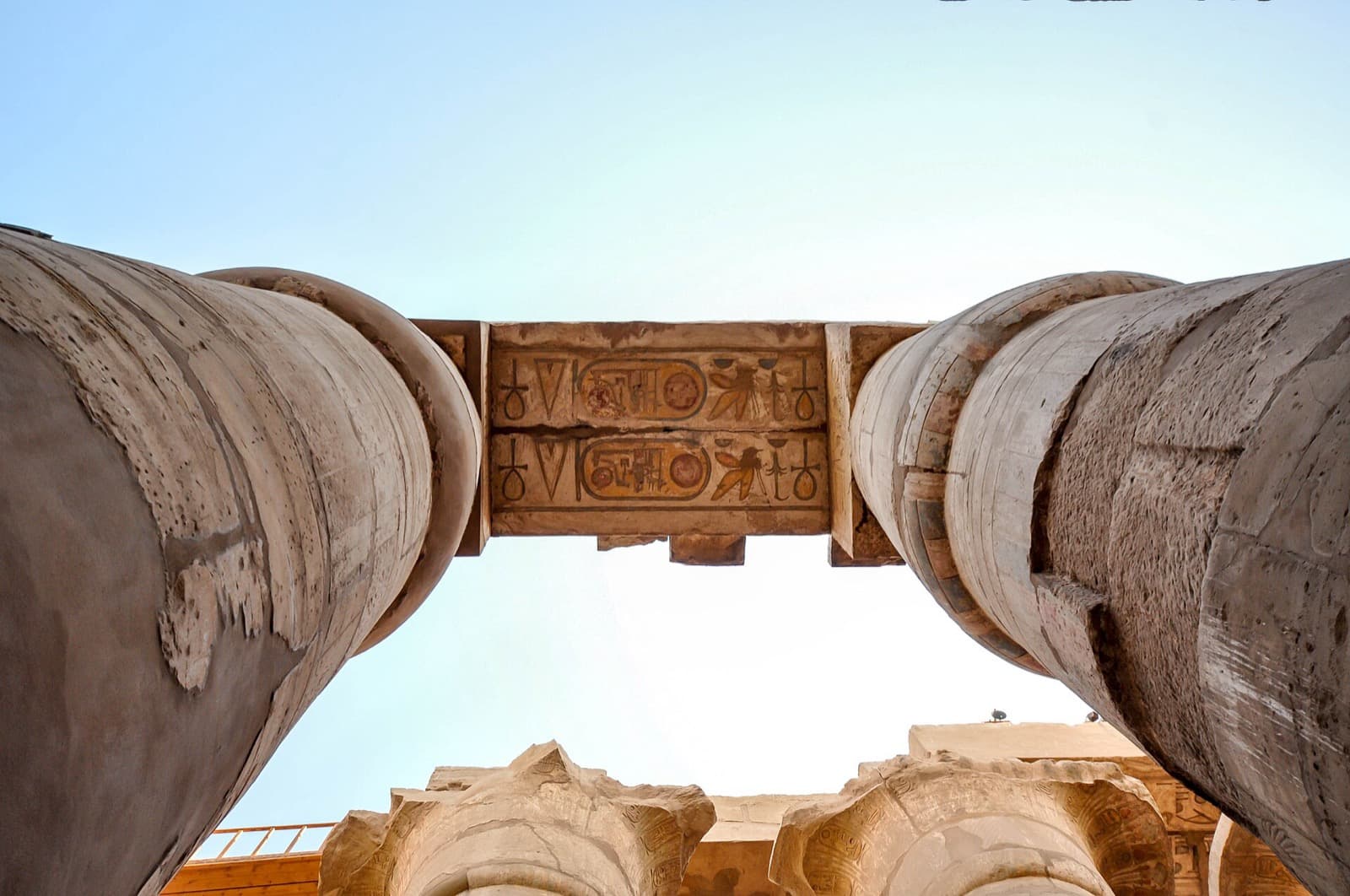
Inside Karnak's Great Hypostyle Hall: Reading a Whole Temple-City Through One Room
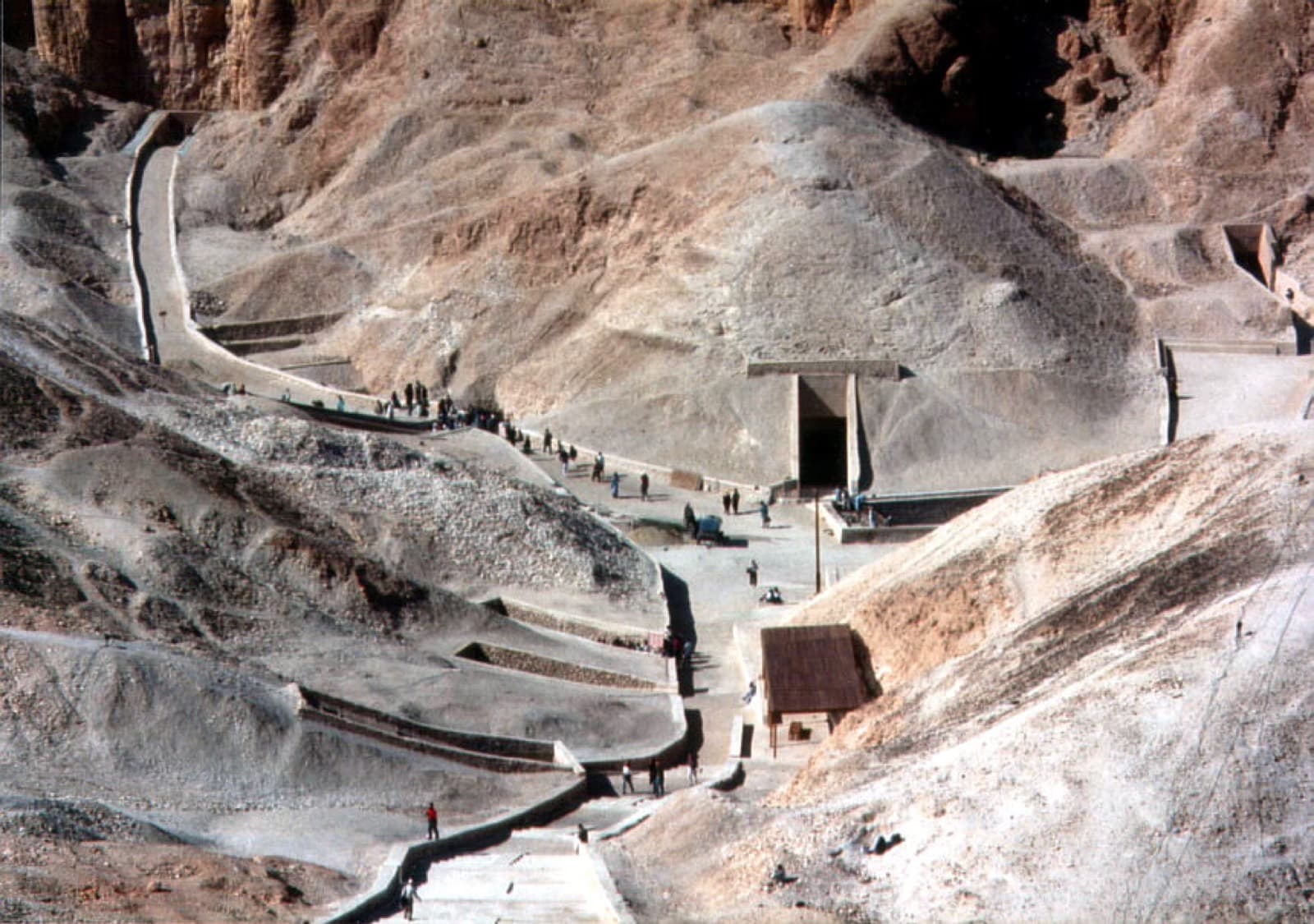
The Valley of the Kings: Reading Luxor's Hidden Tombs and the Temples They Answer
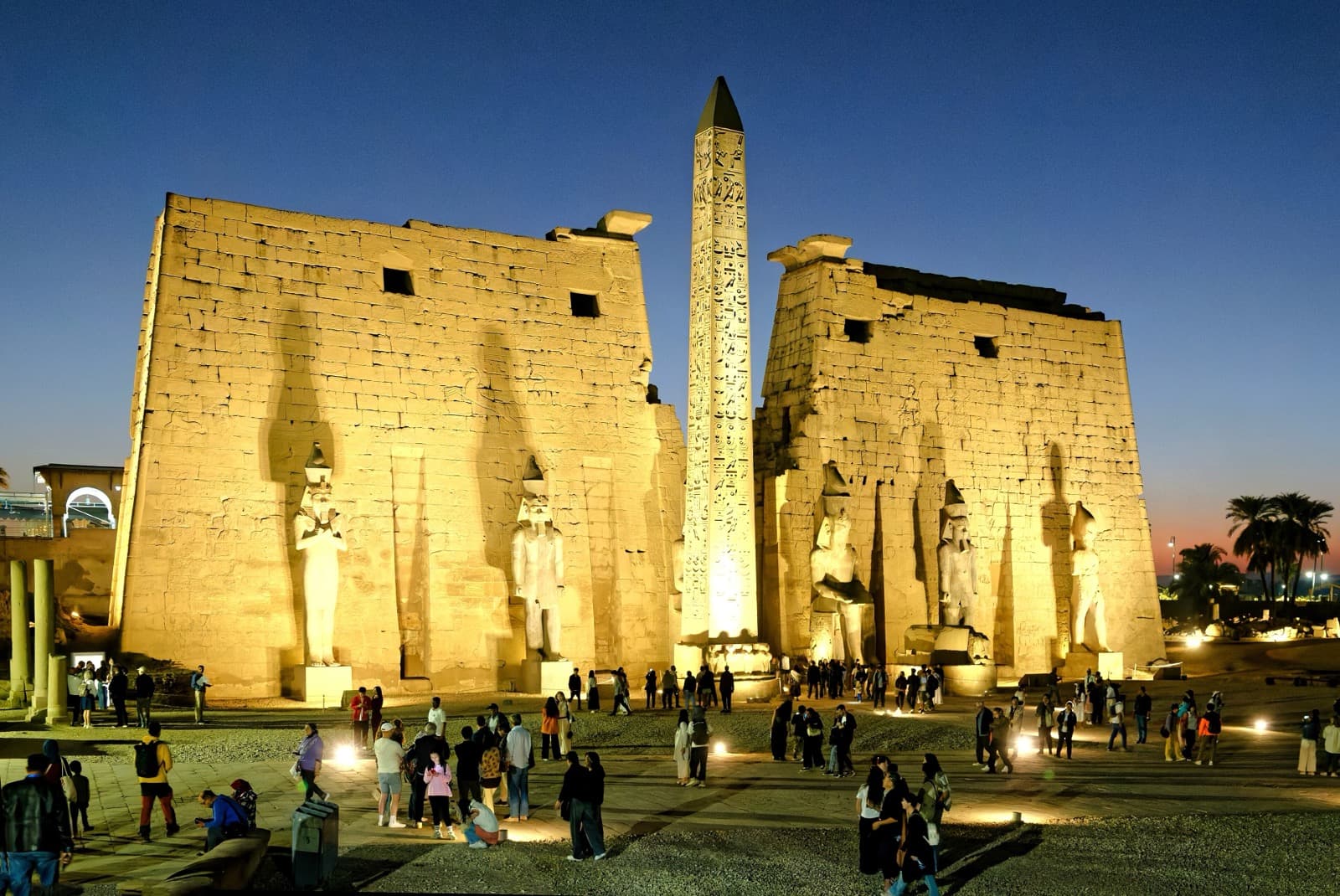
Luxor Temple: The One Egyptian Sanctuary Worship Never Left