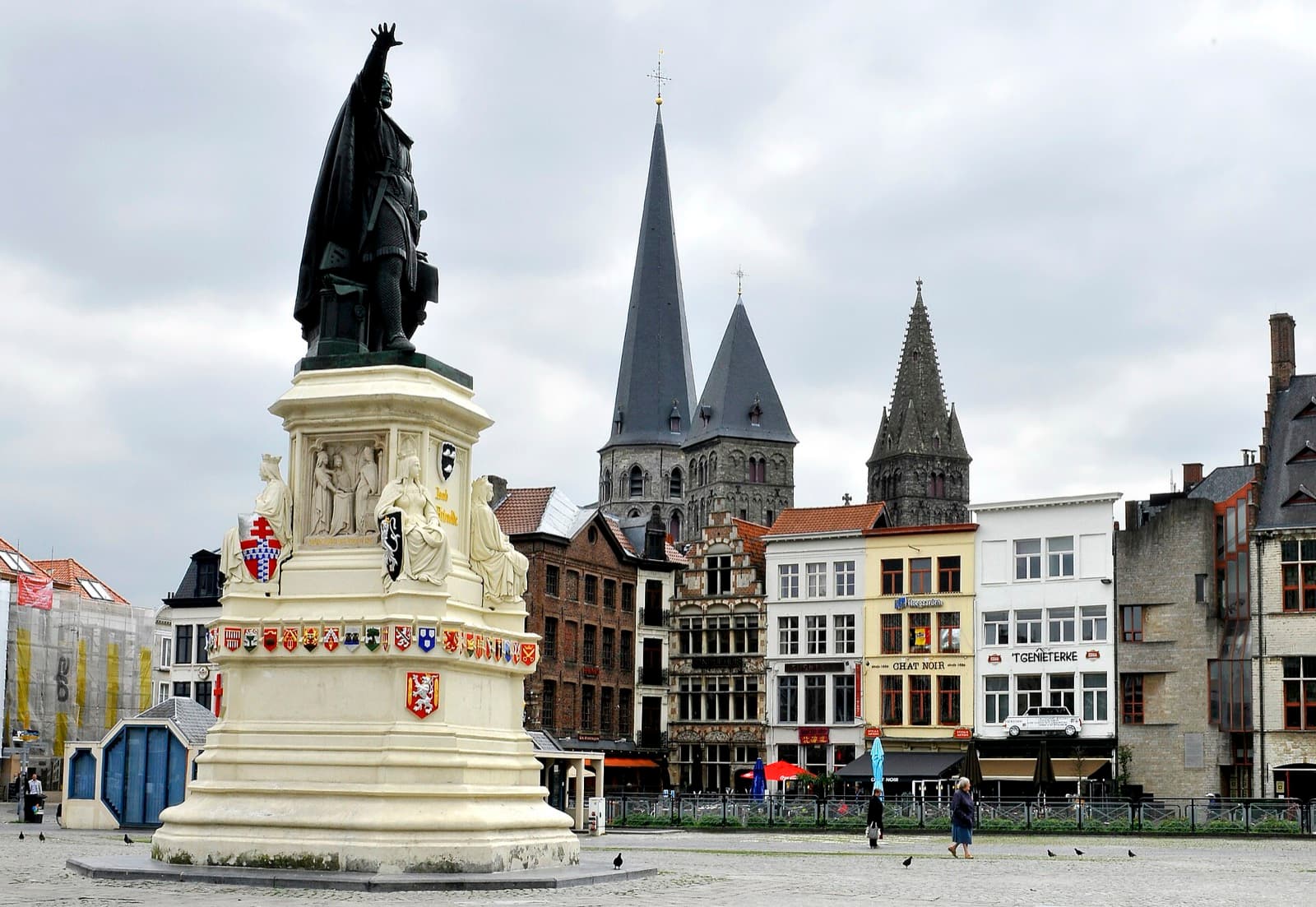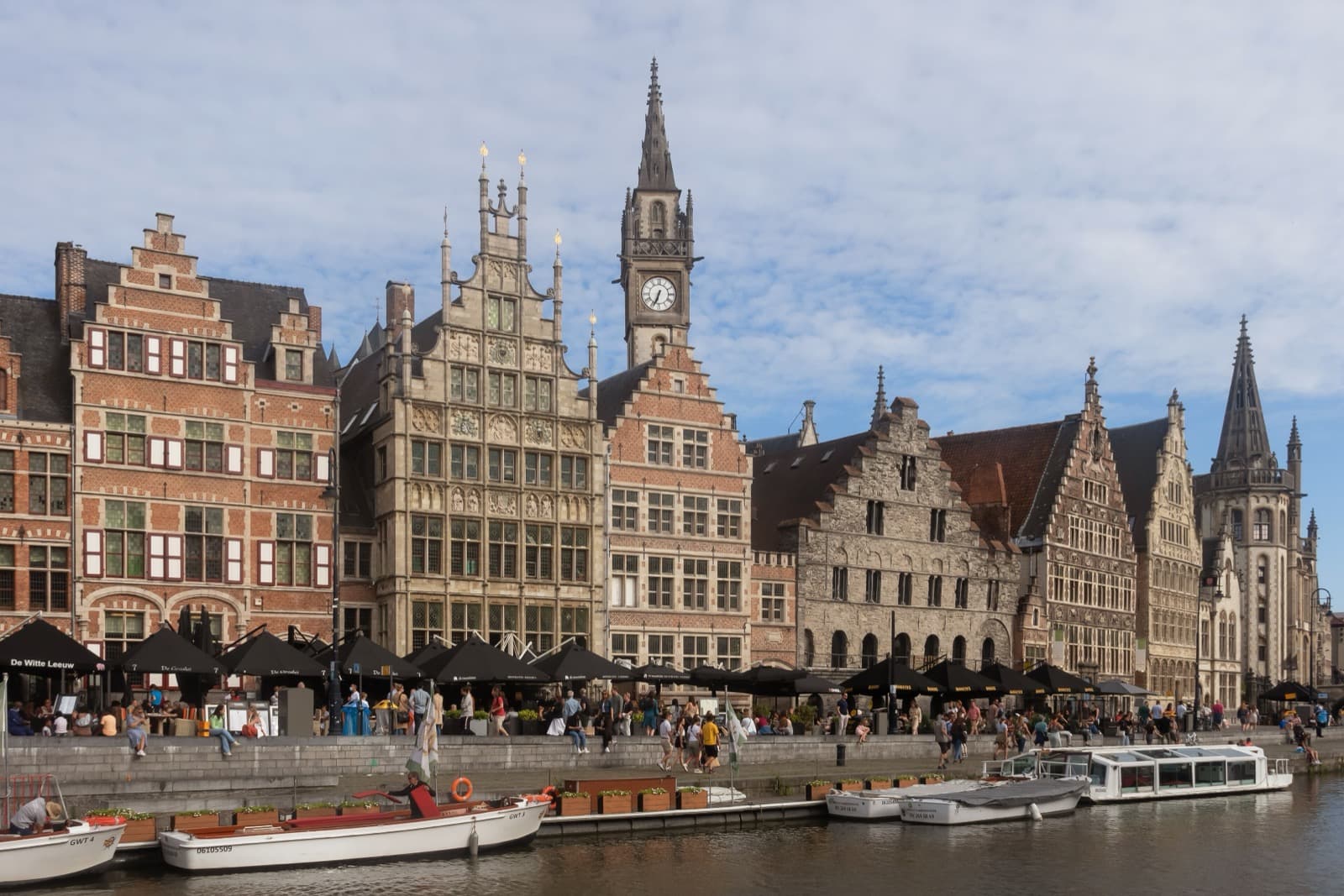
Historic Center: The Harbour City of Three Towers
60 min · 1.4 km · easy
If you want to eat like a local in Ghent, start with three things: Gentse waterzooi (a creamy chicken or fish stew that was born in this city), stoverij (Flemish beef stew braised in dark beer, served with fries), and cuberdons (cone-shaped purple sweets called neuzekes, "little noses," sold from a stall on the Groentenmarkt). Ghent is a river city that grew rich on grain and cloth, and its food still carries that history: freshwater fish stews, guild-hall meat markets, a mustard shop that has ground the same recipe since 1790, and, more recently, a citywide weekly veggie day. Below is what to order, where the tradition comes from, and how to ask for it without sounding like you just got off the train.
The good news for a walker: nearly every dish here sits within a few minutes of the old core you cover on the Ghent walking tours. The Groentenmarkt, the old vegetable market where cuberdons and mustard are sold, is the same square as the Groot Vleeshuis, the sixth stop on the historic-center route.
Gentse waterzooi: the dish Ghent invented
Waterzooi is the dish most tied to Ghent, and it is the one to order if you order only one. It is a mild, creamy stew of chicken (or, in the older version, freshwater fish), built on carrots, leek, celery, and potato, finished with cream and sometimes an egg yolk or a splash of white wine. It is soup-adjacent, gentle, and filling rather than showy.
The origin is local and specific. According to Ghent's own tourism board, waterzooi is said to have begun near the former Braempoort, a former city gate, where in the thirteenth and fourteenth century the river teemed with fish because a number of grain mills stood there. The earliest versions used river fish like perch, pike, barbel, or eel from the Lys and the Scheldt, the same two rivers whose confluence built the medieval city. Later the fish was replaced by chicken, and today both versions exist. Menus distinguish them: waterzooi op Gentse wijze or kippenwaterzooi for the chicken version, viswaterzooi for the fish. Ask for "Gentse waterzooi" and you will usually get the chicken one.
How to order it like a local: it is a sit-down dish, not street food, and it comes in a bowl with bread. Do not expect fries with it. It is best in cool weather, which in Ghent is most of the year.
Stoverij and frites: the everyday classic
Hear a stop from this walk
Graslei and Korenlei: The Golden-Age Harbour of the Cloth City
If waterzooi is the Ghent specialty, stoverij (also written stoofvlees) is the everyday Flemish comfort dish you will see on almost every bistro board. It is beef braised slowly in dark Belgian beer with onions, mustard, and a little brown sugar or bread to thicken the sauce, cooked until the meat falls apart. In a 2015 poll by Belgian chef Jeroen Meus, stoofvlees was named Belgians' favourite dish, ahead of classics like witloof, vol-au-vent, and steak-frites.
The way to eat it is with frites and mayonnaise. Belgian fries are their own institution: twice-fried, thick-cut, and sold from a frietkot or frituur (a fry stall or shack) as much as from restaurants. Order "stoverij met frieten." If you want just fries to walk with, ask for "een frietje" and pick a sauce; mayonnaise is the default, and locals genuinely eat fries with mayo, not ketchup.
A note on ordering fries: many stalls list sauces separately, and portions are generous. One order is usually enough for two light appetites.
Cuberdons: the purple "little noses"
The sweet to buy in Ghent is the cuberdon, a soft, cone-shaped candy with a firm sugar crust and a syrupy raspberry center, usually deep purple. Locals call them neuzekes, "little noses," in Ghent dialect, because that is what the shape suggests. In French they are also called chapeau-de-cure, the priest's hat.
The candy is a nineteenth-century Ghent creation. The most repeated account credits a Ghent pharmacist experimenting with medicinal syrup around 1873, who found that a batch left out had formed a crust over a still-liquid inside and turned the accident into a confection. Cuberdons are famously difficult to keep: the crust and syrup mean they stay good only a few weeks, which is a large part of why they are still essentially a Belgian, and especially a Ghent, thing rather than an export.
Where to buy them: from the stall on the Groentenmarkt, the old vegetable market square, sold fresh by the bag. This is the same square as the Groot Vleeshuis on the /belgium/ghent historic-center walk, so you can pick some up mid-tour. Buy a small bag and eat them within a few days; they are meant to be fresh, not stockpiled.
Tierenteyn mustard: 1790 on the same square
On the Groentenmarkt, look for the green-fronted shop of Tierenteyn-Verlent, which has made mustard on this spot since 1790. The mustard is still made in wooden vats in the cellar below the shop to a secret family recipe, and it is sharp, fresh, and nothing like the jarred supermarket kind. You can buy it by the pot from a stoneware crock, and it is the classic partner to a Flemish stew or a plate of cold meats. Even if you do not cook, the tiny old interior full of dried herbs and spices is worth stepping into.
Ghent's veggie day, and why the vegetarian food is genuinely good
Ghent has an unusual modern food identity too. On 13 May 2009 the city launched Donderdag Veggiedag, Thursday Veggie Day, encouraging residents and restaurants to go meat-free one day a week. Ghent was the first city in Europe to run such a scheme city-wide, and it left a lasting mark: the city has an unusually deep bench of vegetarian and vegan restaurants for its size. If you are meat-free, Ghent is one of the easier European cities to eat well in, and Thursday is when you will see the most veggie menus posted.
A simple ordering cheat sheet
- Waterzooi for the true Ghent specialty: creamy chicken (or fish) stew, sit-down, with bread.
- Stoverij met frieten for the everyday classic: beer-braised beef with fries and mayo.
- Cuberdons / neuzekes from the Groentenmarkt stall for a sweet, eaten fresh within days.
- Tierenteyn mustard by the pot from the 1790 shop on the same square.
- Frietje met mayonnaise when you just want fries to walk with.
- Thursday is veggie day, so expect strong meat-free menus if you want them.
Two rivers, a grain trade, a butchers' hall, and a candy born from a pharmacist's mistake: Ghent's food map lines up almost exactly with its old core, so you can eat your way through the same streets you walk. Pair a plate of waterzooi with the Ghent walking tours, and pick up cuberdons on the /belgium/ghent route at the Groentenmarkt.
Sources
Frequently asked questions
- What is the traditional dish of Ghent?
- Gentse waterzooi is the dish most identified with Ghent. It is a creamy stew of chicken (or, in the older version, freshwater fish) with carrots, leek, celery, and potato, finished with cream. Ghent's tourism board traces its origin to the area near the former Braempoort, where the river once teemed with fish. It is served in a bowl with bread, not with fries.
- What is a cuberdon and where can I buy one in Ghent?
- A cuberdon is a cone-shaped Belgian sweet with a firm sugar crust and a syrupy raspberry center, usually purple. Locals call them neuzekes, meaning little noses, for their shape. In Ghent they are sold fresh by the bag from a stall on the Groentenmarkt square. Because the crust and syrup do not keep long, buy a small bag and eat them within a few days.
- What is the difference between waterzooi and stoverij?
- Waterzooi is a mild, creamy chicken or fish stew that originated in Ghent and is served with bread. Stoverij, also spelled stoofvlees, is a beef stew braised in dark Belgian beer with onions and mustard, and it is served with frites and mayonnaise. Waterzooi is the Ghent specialty; stoverij is the everyday Flemish classic found across Belgium.
- Do people in Ghent really eat fries with mayonnaise?
- Yes. In Belgium, mayonnaise is the default sauce for frites, not ketchup. Fries are typically twice-fried and thick-cut, and are sold from a frietkot or frituur, a fry stall, as well as from restaurants. To order, ask for een frietje and pick a sauce; portions are generous, so one order often feeds two light appetites.
- Is Ghent good for vegetarians?
- Ghent is one of the easier European cities to eat vegetarian in. On 13 May 2009 the city launched Donderdag Veggiedag, or Thursday Veggie Day, and was the first city in Europe to run such a scheme city-wide. It left the city with an unusually deep range of vegetarian and vegan restaurants, with the most meat-free menus posted on Thursdays.
- What is Tierenteyn mustard?
- Tierenteyn-Verlent is a mustard shop on the Groentenmarkt that has made mustard on the same spot since 1790. The mustard is still produced in wooden vats in the cellar below the shop to a secret family recipe and sold by the pot. It is sharp and fresh, and pairs classically with Flemish stew and cold meats.
Ready to experience it?
Historic Center: The Harbour City of Three Towers
60 min · 1.4 km · easy
More from Ghent
Explore more at your own pace.
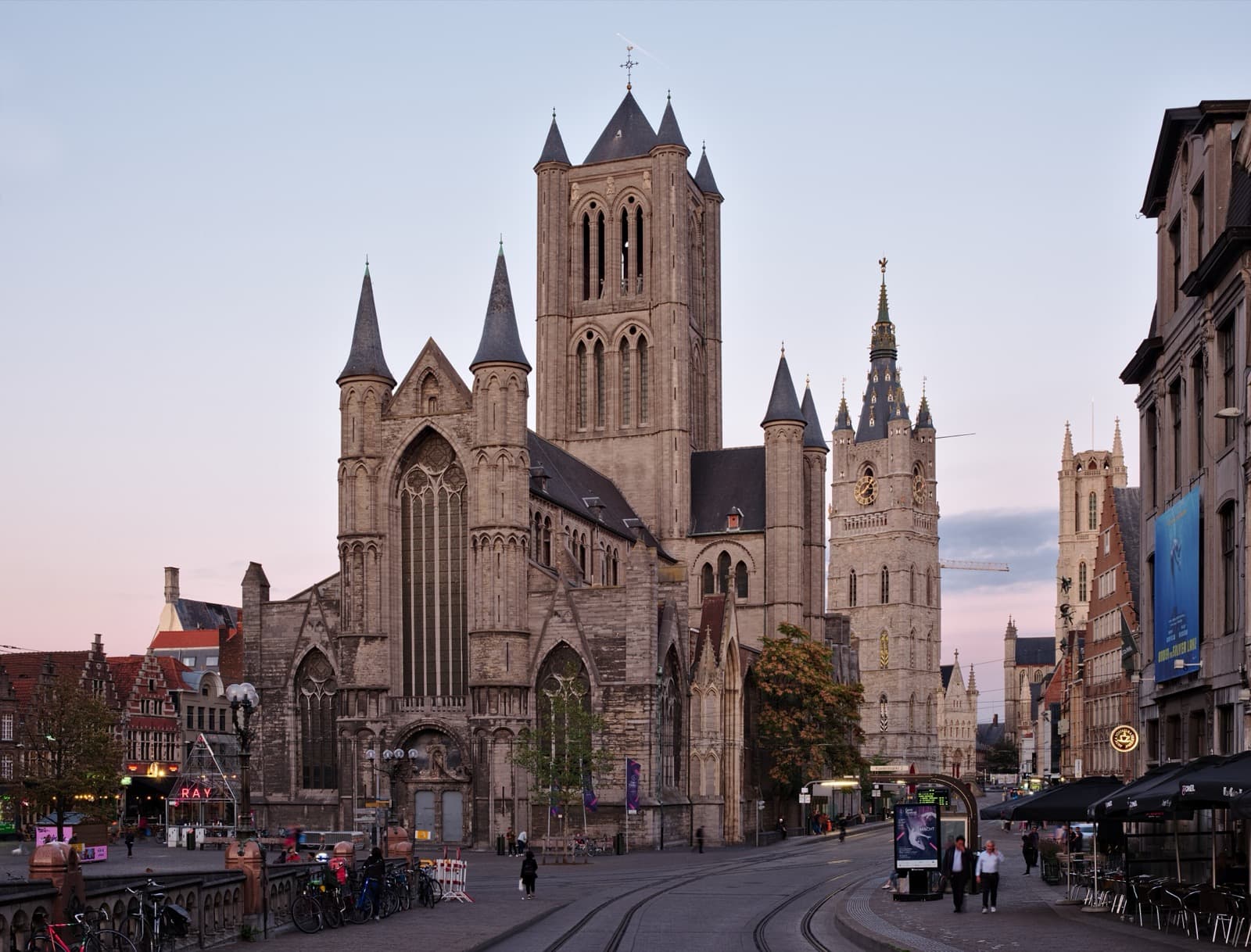
Ghent Travel Guide: How Many Days, Getting Around, and When to Go
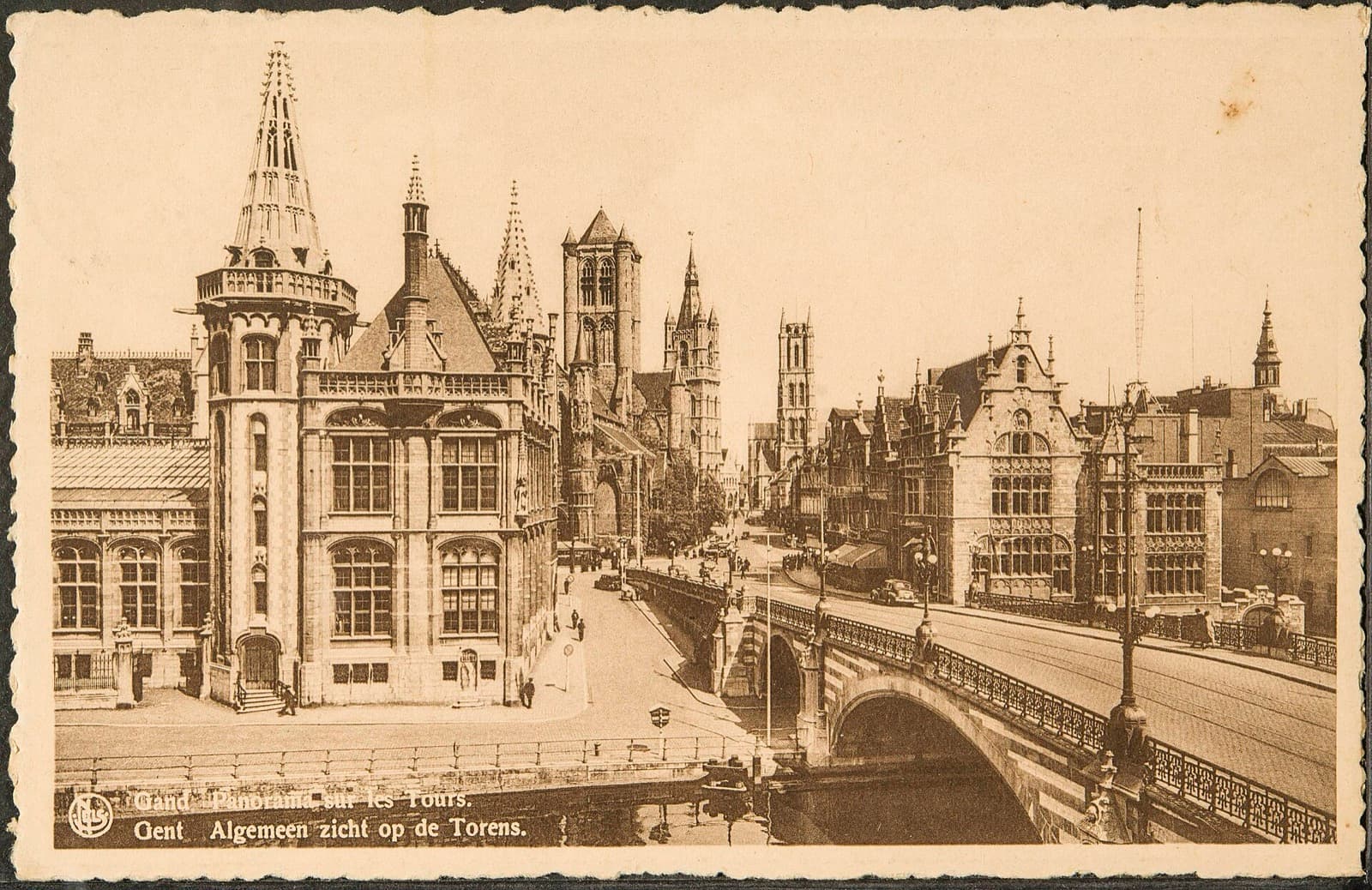
Ghent: The Medieval Giant of Three Towers and Endless Revolts
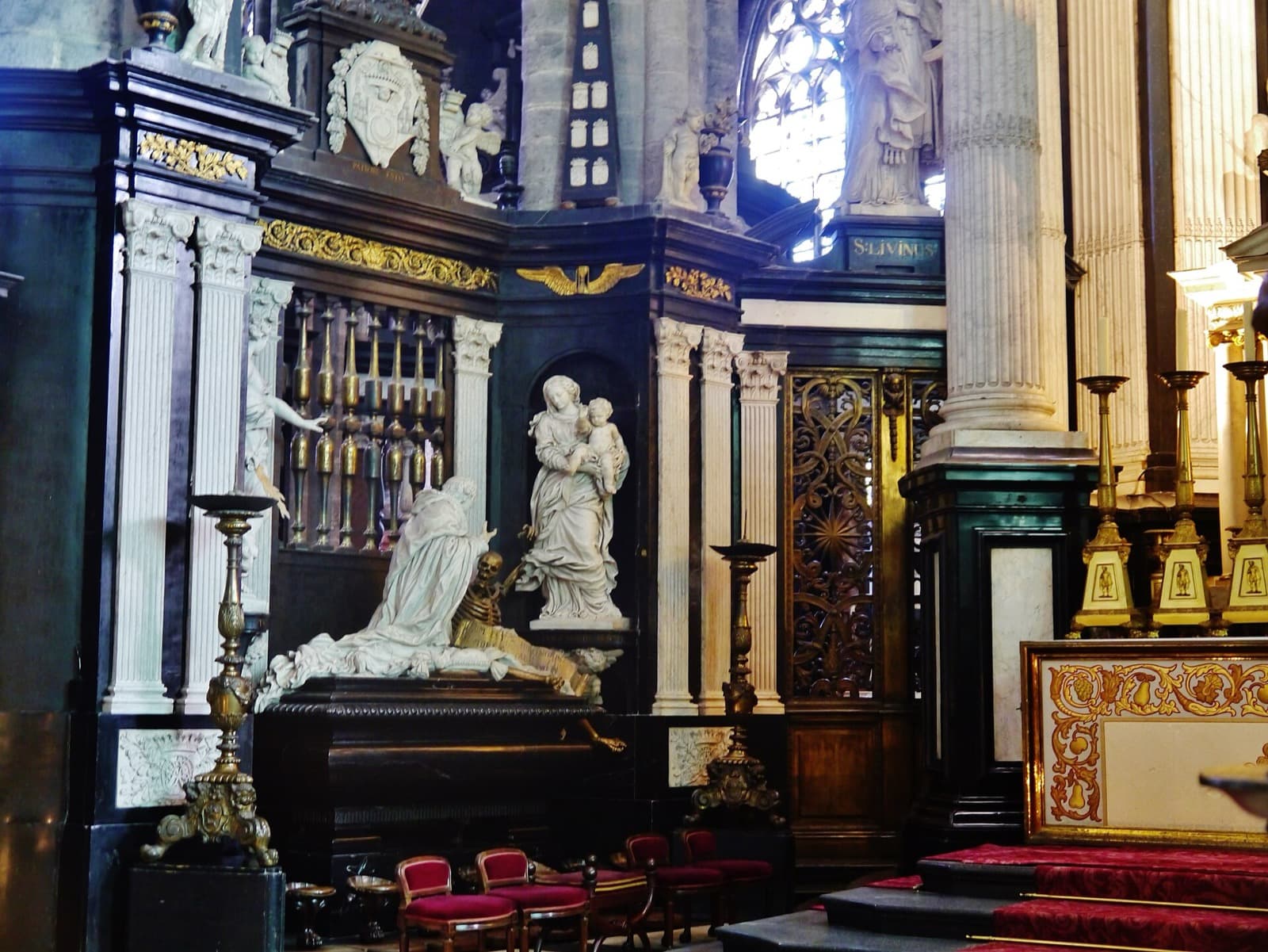
Sint-Baafskathedraal and the Mystic Lamb: The Last Word in Ghent's Skyline
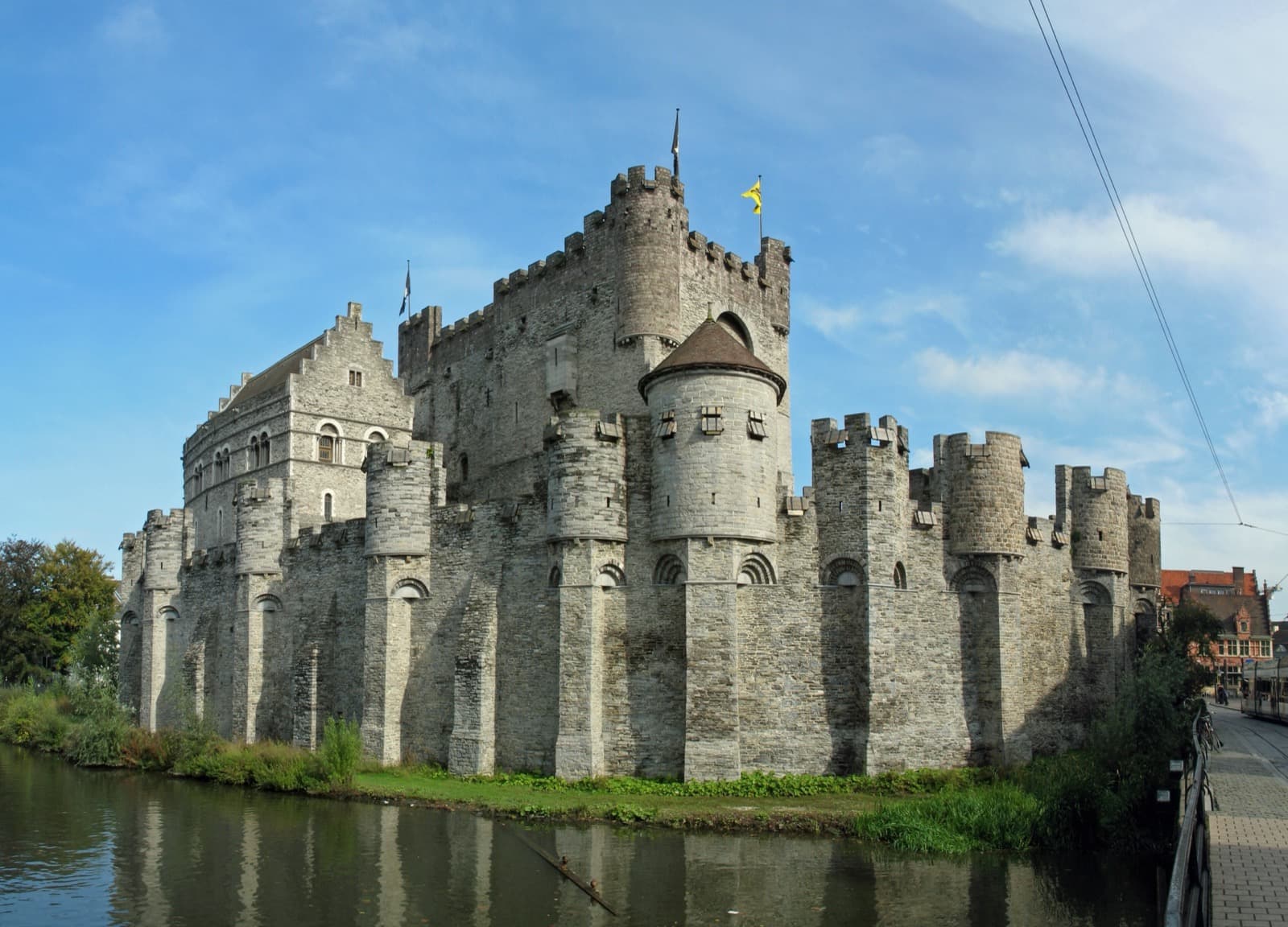
The Gravensteen: Why the Counts of Flanders Planted a Castle Inside a Rebel City
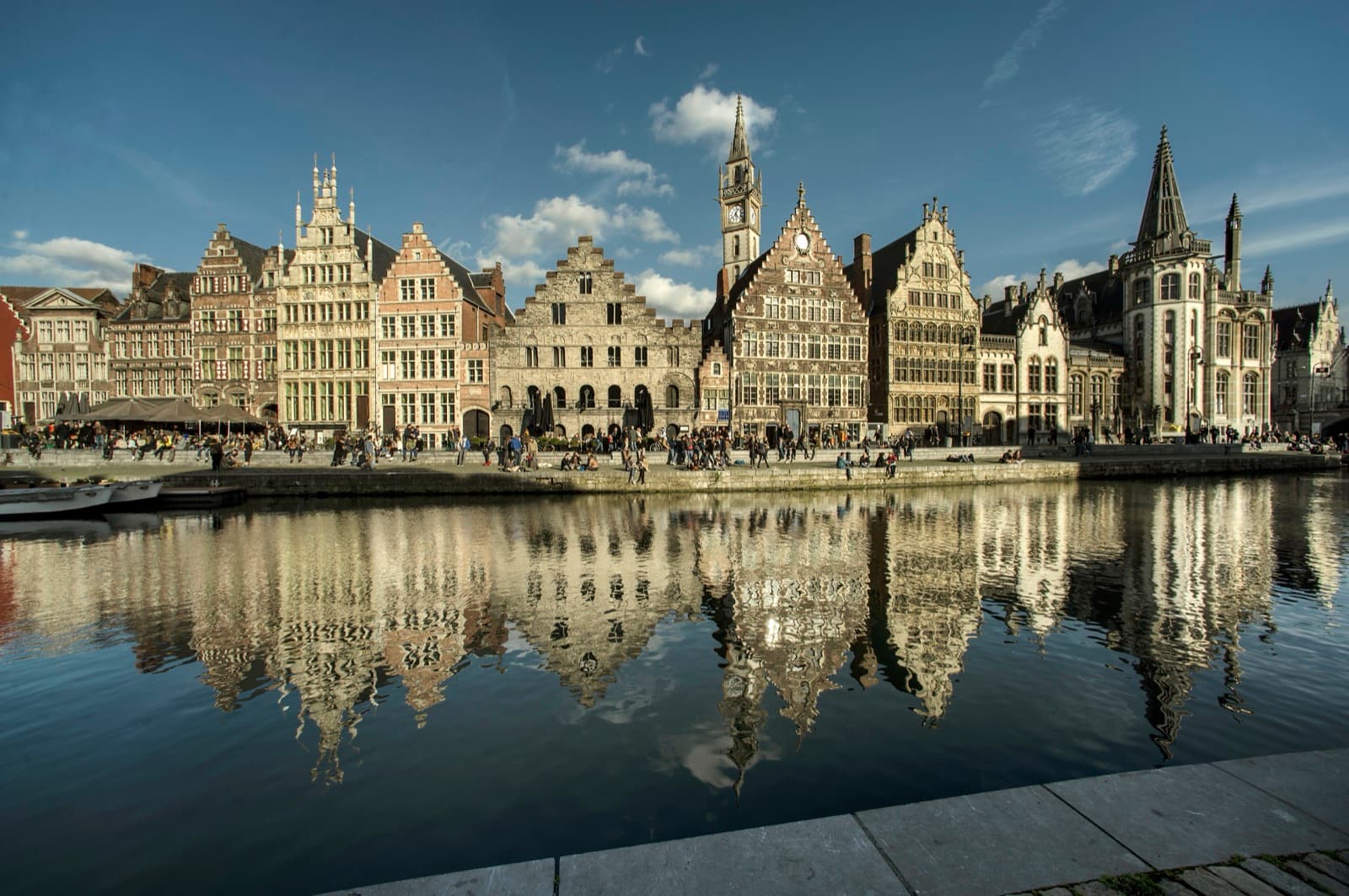
Graslei and Korenlei: The Harbour That Paid for Ghent