On the morning of the twenty-sixth of January, thirteen forty, a wealthy Ghent cloth merchant named Jacob van Artevelde stood on the Vrijdagmarkt and proclaimed Edward the Third of England the rightful king of France. It was an audacious act of foreign policy performed on a market square, and it tells you almost everything about what this open rectangle of paving really is. The Vrijdagmarkt, the Friday Market, was never only a place to buy and sell. It was the political arena of medieval Ghent, the ground where guilds mustered, sovereigns were received, crowds rioted, and one man gambled the city's future on English wool. Stand here today and you are standing where a rebel city did its politics out loud.
A market that outgrew its name
A market has been held on this square every Friday since eleven ninety-nine, which is how it earned its name, and the weekly market still runs. But the space itself, roughly one hundred metres on a side, is too large and too central to have ever been merely commercial. In a medieval town, the biggest open square is the one thing everyone can reach and everyone can see. Ghent used it accordingly.
When new sovereigns of Flanders came to power, they were formally received here at the ceremonies known as Joyous Entries, where a ruler swore to respect the city's privileges and the citizens answered in kind. When those rulers had something to say to their subjects, they said it from this square. And when the city's tens of thousands of weavers, fullers, and wool workers had grievances, which was often, they gathered here under their guild banners. The Vrijdagmarkt was a barometer of civic mood, and the reading was frequently stormy. Ghent in the fourteenth century was one of the largest cities north of the Alps, and its wealth came almost entirely from cloth. Cloth needed wool, and the best wool came from England. That single dependency shaped the square's most famous day.
The man at the centre
Hear a stop from this walk
The Castle of the Counts: The Fortress Planted Among the Rebels
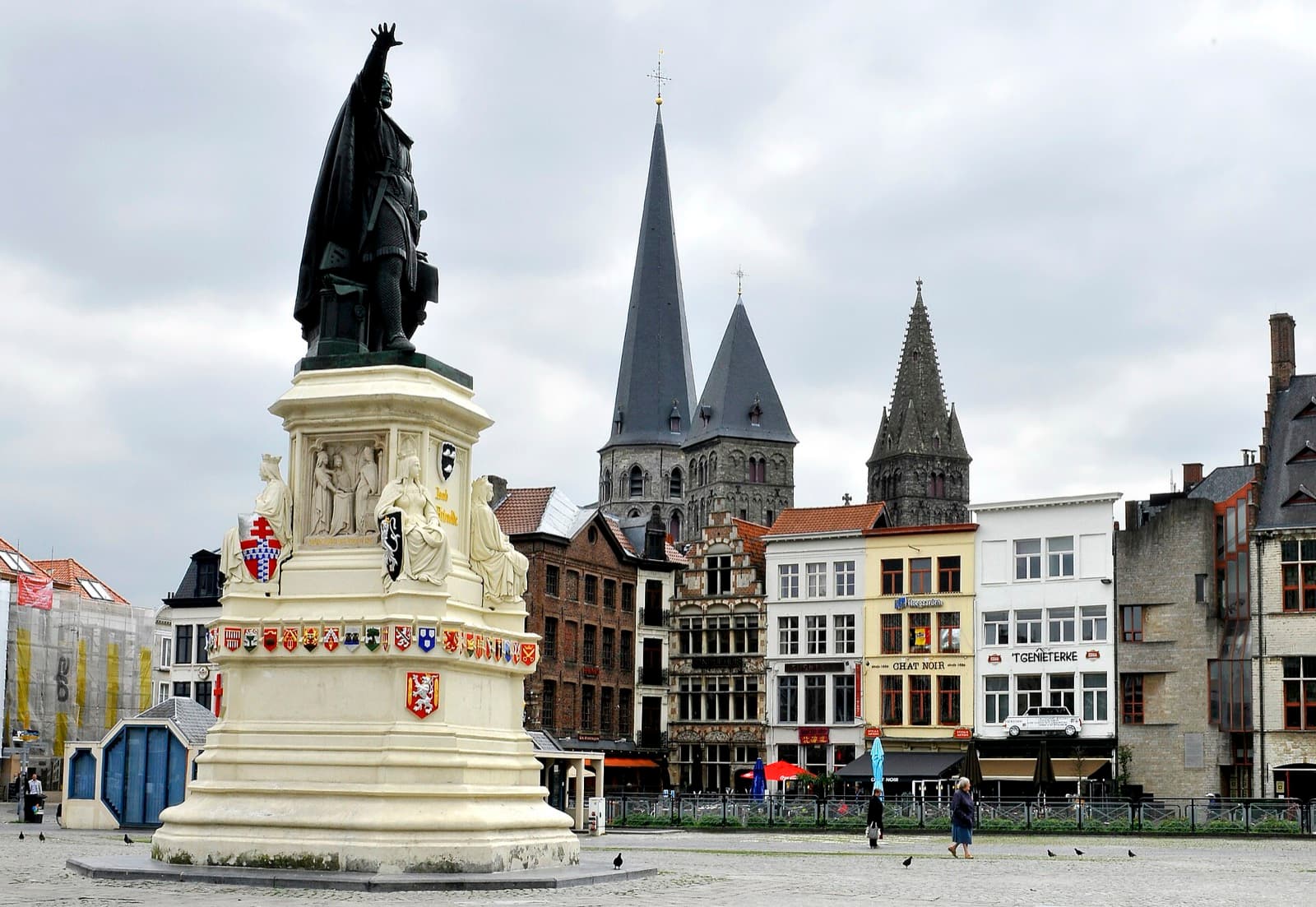
The bronze figure that dominates the Vrijdagmarkt is nineteenth-century, not medieval. It was raised in eighteen sixty-three, the work of the Ghent-born sculptor Pierre de Vigne-Quyo, and it points with one outstretched arm across the square. The man it honours, Jacob van Artevelde, was born around twelve ninety and rose to become the captain-general of Ghent in the late thirteen thirties, at the very moment the Hundred Years' War threatened to choke off the English wool the Flemish weavers lived on.
Van Artevelde's answer was to bind the Flemish towns to England, keeping the wool flowing regardless of who technically ruled Flanders. His proclamation of Edward the Third as king of France, delivered on this square in thirteen forty, was the sharp point of that policy: a public declaration that Ghent would back the English claim, because English wool mattered more to the weavers than loyalty to a distant crown. It was a calculated commercial gamble dressed as high politics, and for a while it worked.
His end showed the square's other face. In July of thirteen forty-five, van Artevelde was killed by an angry mob in Ghent, cut down amid rumour and suspicion. That same year, the city's own cloth workers, weavers and fullers, fought each other on this very square in a bloody dispute over wages. The square that gave Ghent its collective voice could also turn that voice murderously on its own. The statue points confidently outward; the history underneath it is far less tidy.
What still stands
The one medieval building to read carefully here is the Toreken, the little tower, on the square. It is a fifteenth-century step-gabled guildhall that belonged to the tanners, one of the trades that made Ghent rich, and its watchtower carries a weathervane in the shape of a mermaid, the guild's old emblem. Guildhalls like this were not decoration. They were the physical headquarters of the corporate bodies that mustered on this square, that made and unmade governments, and that formed the muscle behind every Ghent revolt. When you look at the Toreken, you are looking at the institutional machinery of a city that governed itself through its trades and defended that self-government with riots when kings and counts pushed too hard.
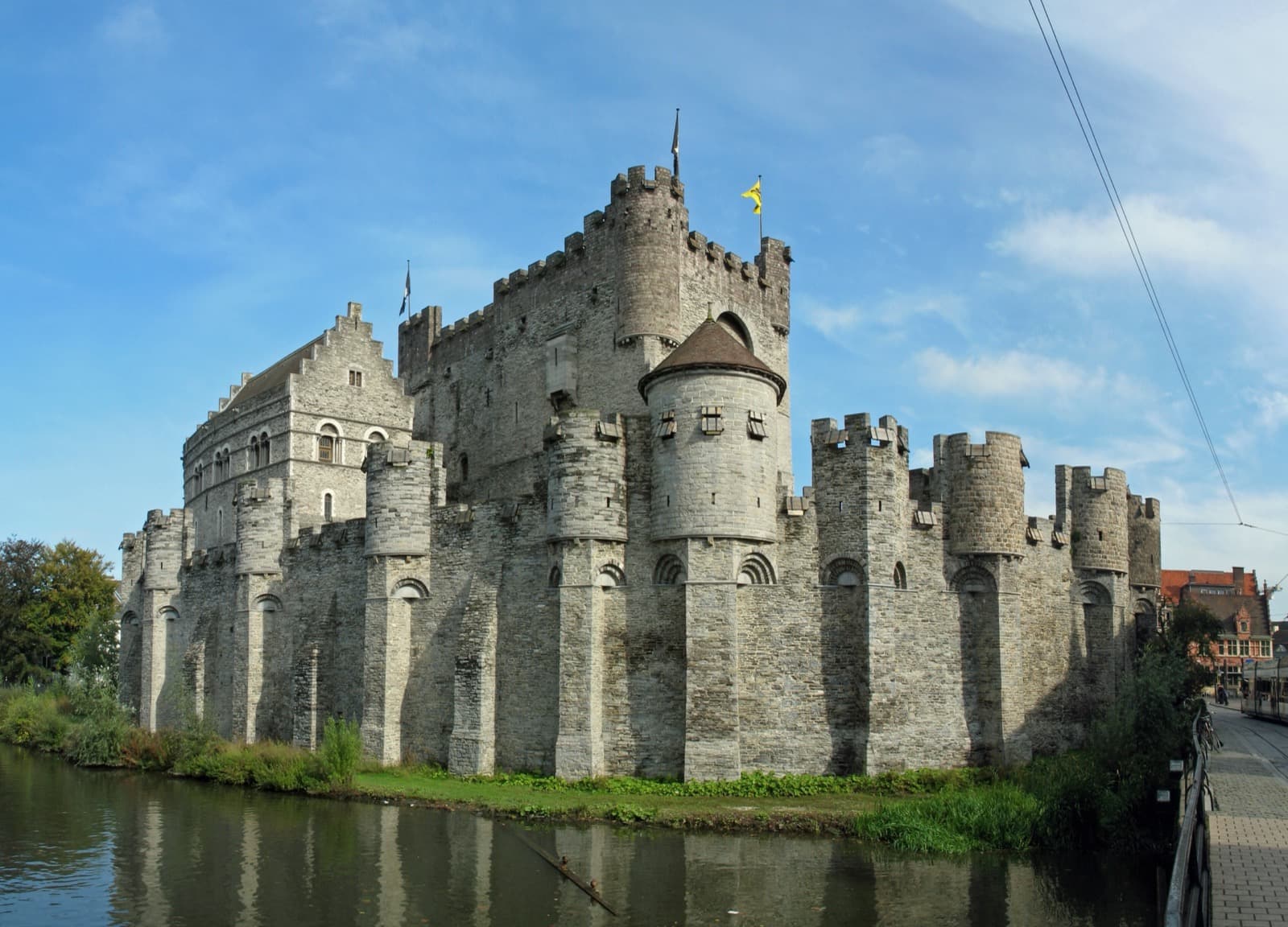
That habit of pushing back is the thread running through the entire quarter around you. This tour begins at the Gravensteen, the moated stone castle the counts of Flanders planted in the middle of Ghent as much to overawe its citizens as to defend them, and it ends at the Rabot, a fortified water-gate the citizens raised to celebrate beating off a besieging army. The Vrijdagmarkt sits at the political heart of that story. It is the square where the abstract tension between a ruling castle and a rebellious population became concrete: crowds, banners, oaths, and, on more than one occasion, blood on the paving.
The one thing to understand standing here
If you take a single idea away from the Friday Market, make it this: medieval Ghent conducted its most serious politics in the open, on foot, in a public square, and it did so because power in this city genuinely belonged, at least in part, to its working guilds. That is unusual. Most medieval towns were governed from behind walls, in halls and keeps, by lords who answered to no one below them. Ghent's weavers and tanners answered back, loudly, and the Vrijdagmarkt is where they did it. The empty space you are standing in was the instrument of that answering.
Van Artevelde's outstretched arm still points across the square he ruled, toward the wool trade and the English alliance that briefly made a merchant the master of one of Europe's proudest cities. It is a good place to think about how a city like this actually worked, and how often it refused to stay quiet. To follow the full arc of Ghent's rebel story, from the count's fortress to the citizens' victory gate, walk the whole route. You can browse the city's other routes among the Ghent walking tours, or start from the Ghent city page and let the audio carry the history as you go, at your own pace, with no group and no schedule.
Sources
- Vrijdagmarkt, Ghent (Wikipedia). Background on the square's history, the eleven ninety-nine Friday market, its roughly hundred-metre dimensions, and van Artevelde being killed on the site in thirteen forty-five.
- Jacob van Artevelde (Encyclopaedia Britannica). Biography of the captain-general, his English alliance, the thirteen forty proclamation of Edward the Third, and his death in thirteen forty-five.
- Visit Gent, "A royal welcome to the Vrijdagmarkt" (official Ghent tourism). Details on the square's Joyous Entry receptions of rulers and the Van Artevelde monument.
- Statues of Pieter De Vigne-Quyo (vanderkrogt.net) and STAM Ghent. The eighteen sixty-three Van Artevelde statue and its Ghent-born sculptor Pierre de Vigne-Quyo.
- 't Toreken (Visit Gent). The fifteenth-century step-gabled tanners' guildhall on the Vrijdagmarkt and its mermaid weathervane.
Ready to experience it?
Gravensteen: The Castle and the Rebel City
70 min · 2.4 km · easy
More from Ghent
Explore more at your own pace.
Ghent Travel Guide: How Many Days, Getting Around, and When to Go
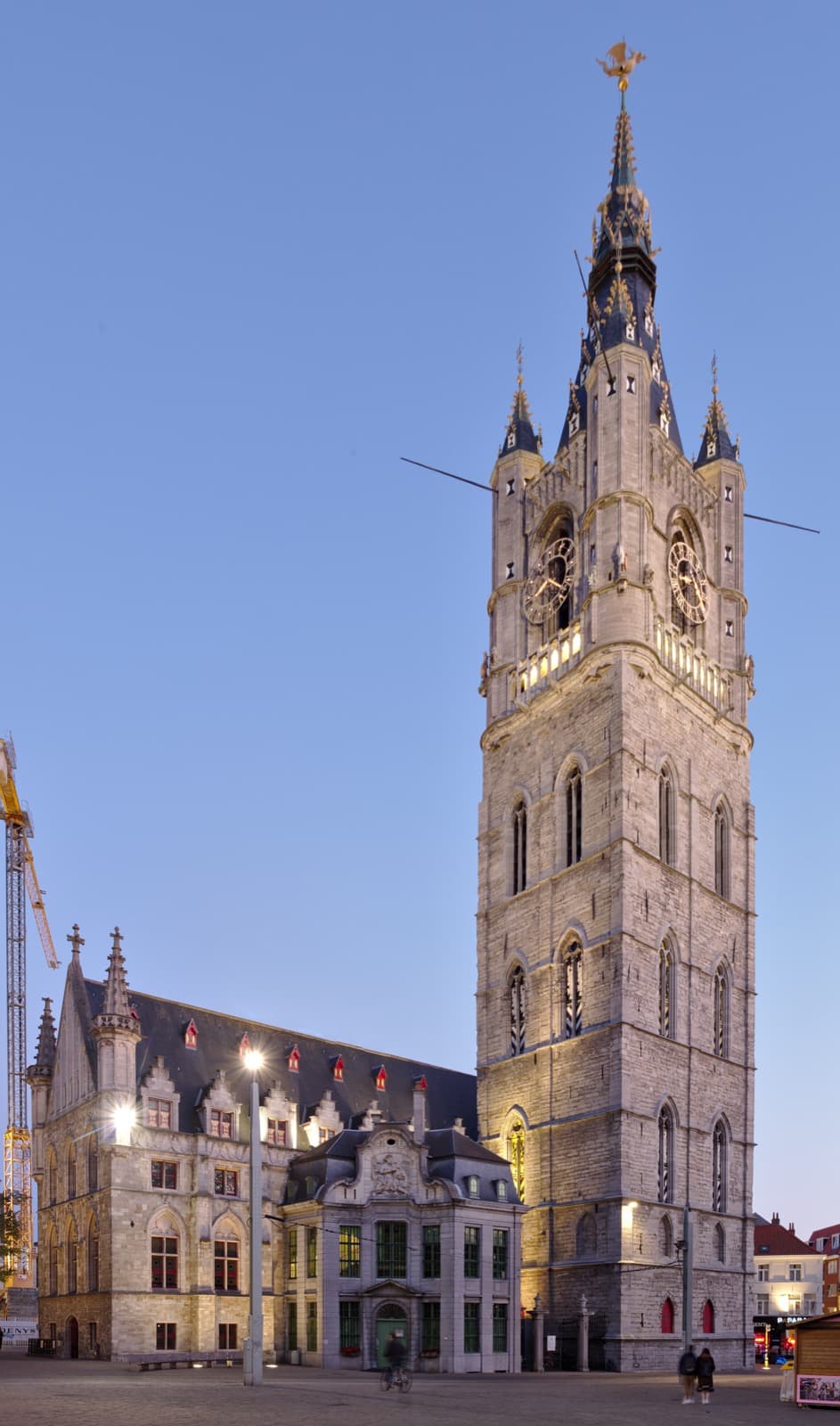
One Day in Ghent: A Walkable Morning-to-Evening Itinerary
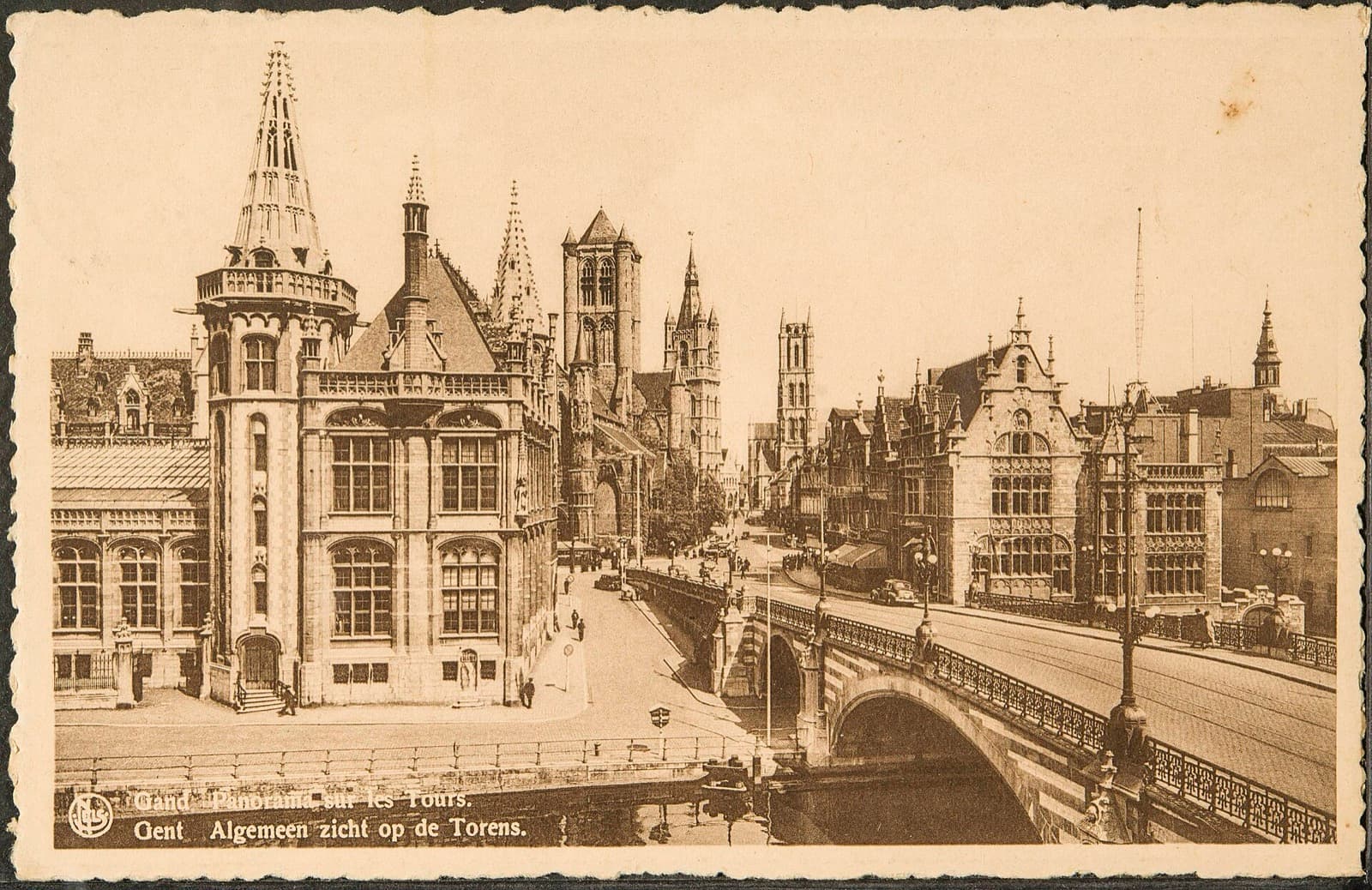
Ghent: The Medieval Giant of Three Towers and Endless Revolts
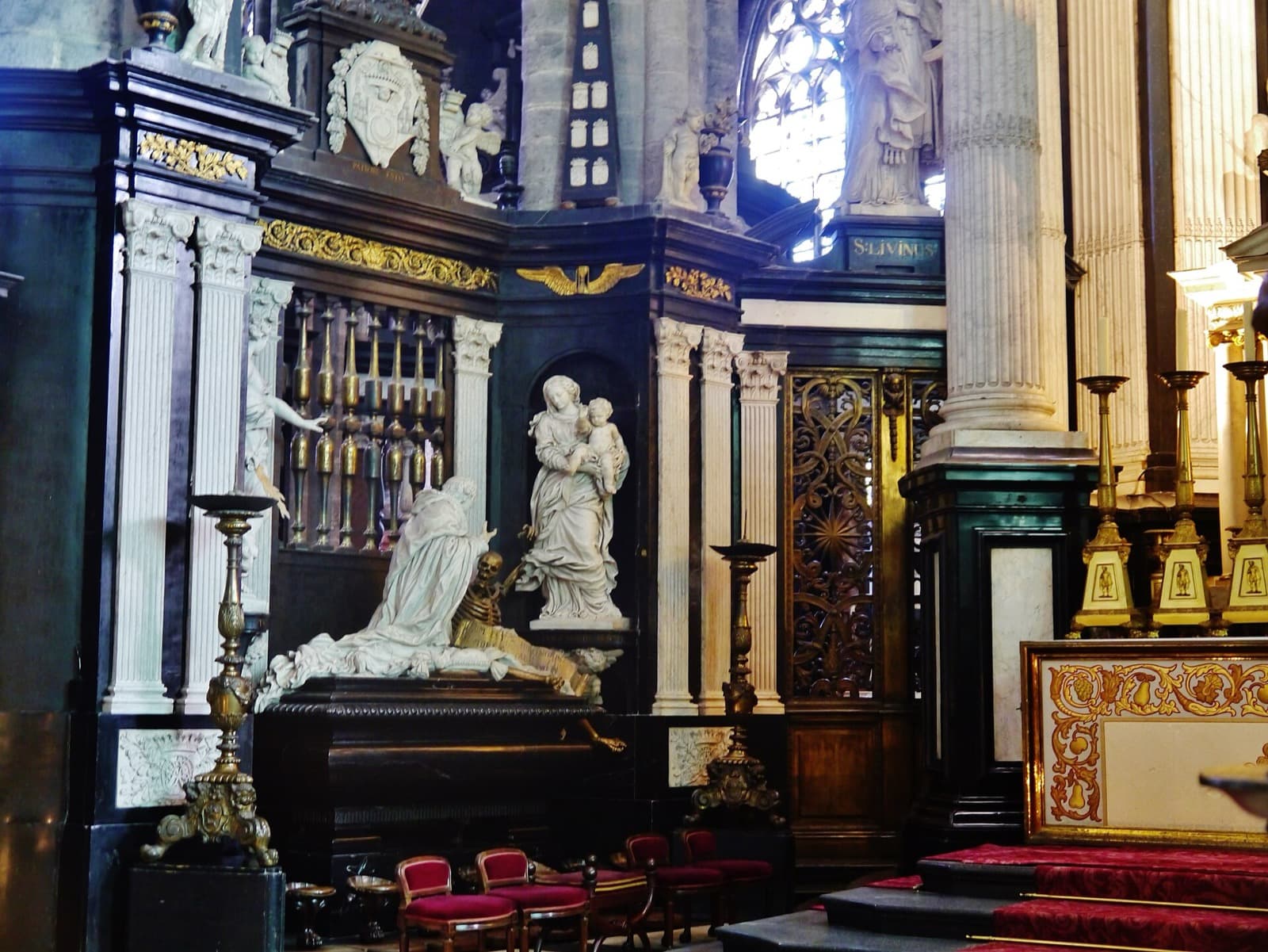
Sint-Baafskathedraal and the Mystic Lamb: The Last Word in Ghent's Skyline
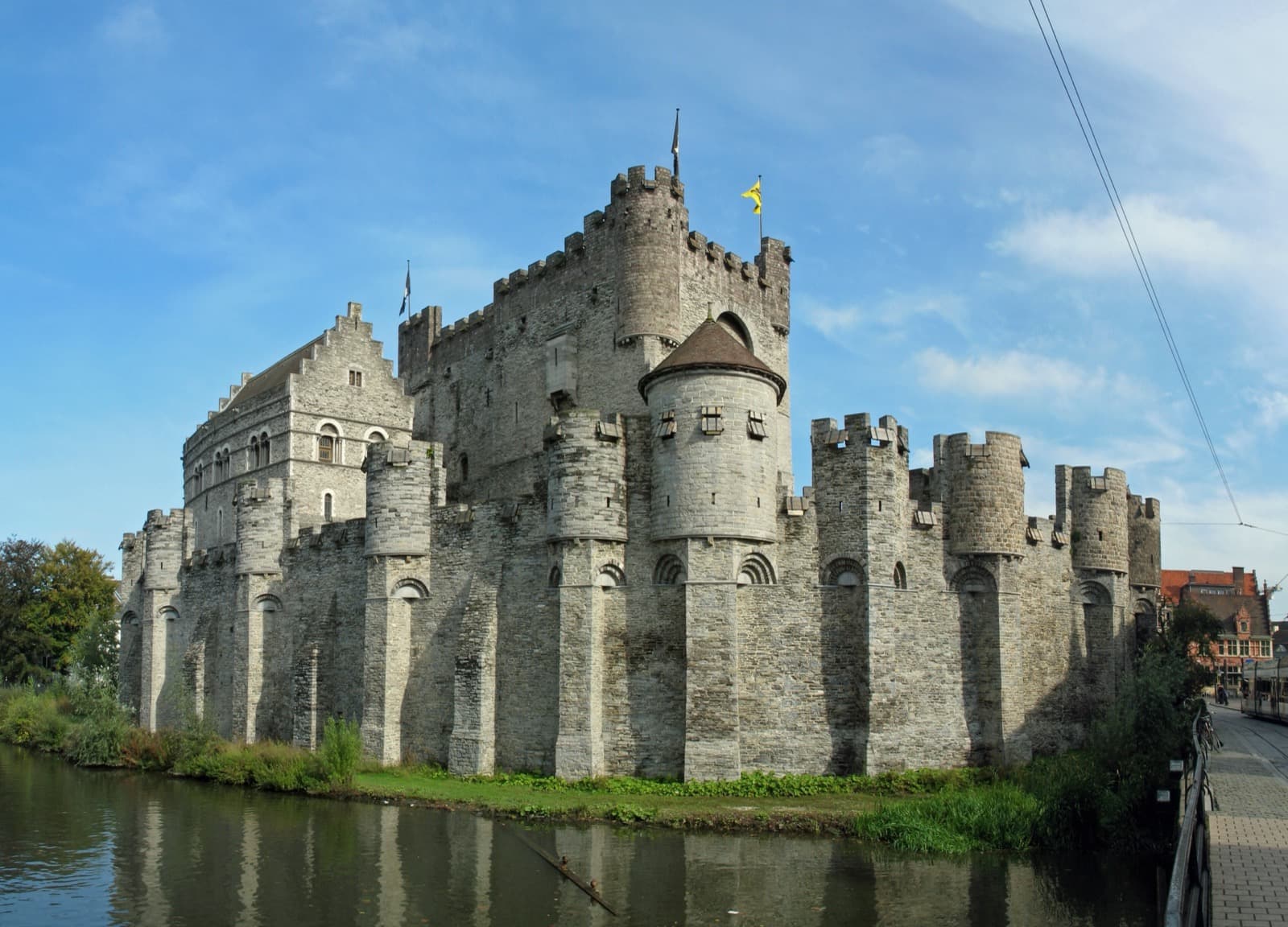
The Gravensteen: Why the Counts of Flanders Planted a Castle Inside a Rebel City