Latin Quarter: The City of the Tribes
90 min · 1.7 km · easy
If you want to eat like Galway, start with the sea: raw native oysters from Galway Bay in the cold months, a bowl of seafood chowder with brown bread any day of the year, fish and chips from a hundred-year-old chipper on Quay Street, and Connemara hill lamb when it appears on a menu. Galway is a small Atlantic port where the fast River Corrib meets the bay, and its food comes straight off the water and the surrounding hills. This is a compact, walkable city, so you can taste most of the regional specialties inside the medieval core you would cover on a self-guided walk, without a car and without a reservation for many of them.
Here is what to order, where the tradition comes from, and how to ask for it like someone who lives here.
Galway Bay oysters: the signature dish
The dish Galway is known for above all others is the oyster, and there are two kinds worth knowing. The "Galway Native" (the flat European oyster, Ostrea edulis) is the prized one, in season roughly September to April, with a firm texture and a metallic, faintly hazelnut finish. Rock oysters (the Pacific gigas) are milder, creamier, and available all year, so a summer visit still gets you good oysters, just not the wild native. The Native Wild Galway Bay Oyster is recognised by the Slow Food Foundation's Ark of Taste, a register of traditional foods worth protecting.
Order them raw, on ice, by the half-dozen or dozen. Locals eat them plain or with a squeeze of lemon and a twist of black pepper. A splash of vinegar or a pinch of salt is common too. Purists skip anything that masks the brine. If you want the full ritual, the Galway International Oyster Festival runs 25 to 27 September 2026 in its 72nd year and bills itself as the world's longest-running oyster festival, timed to open the native season. It began in the 1950s as the idea of a local hotel manager and has grown into one of Ireland's best-known food events.
Seafood chowder and brown bread: order this first
Hear a stop from this walk
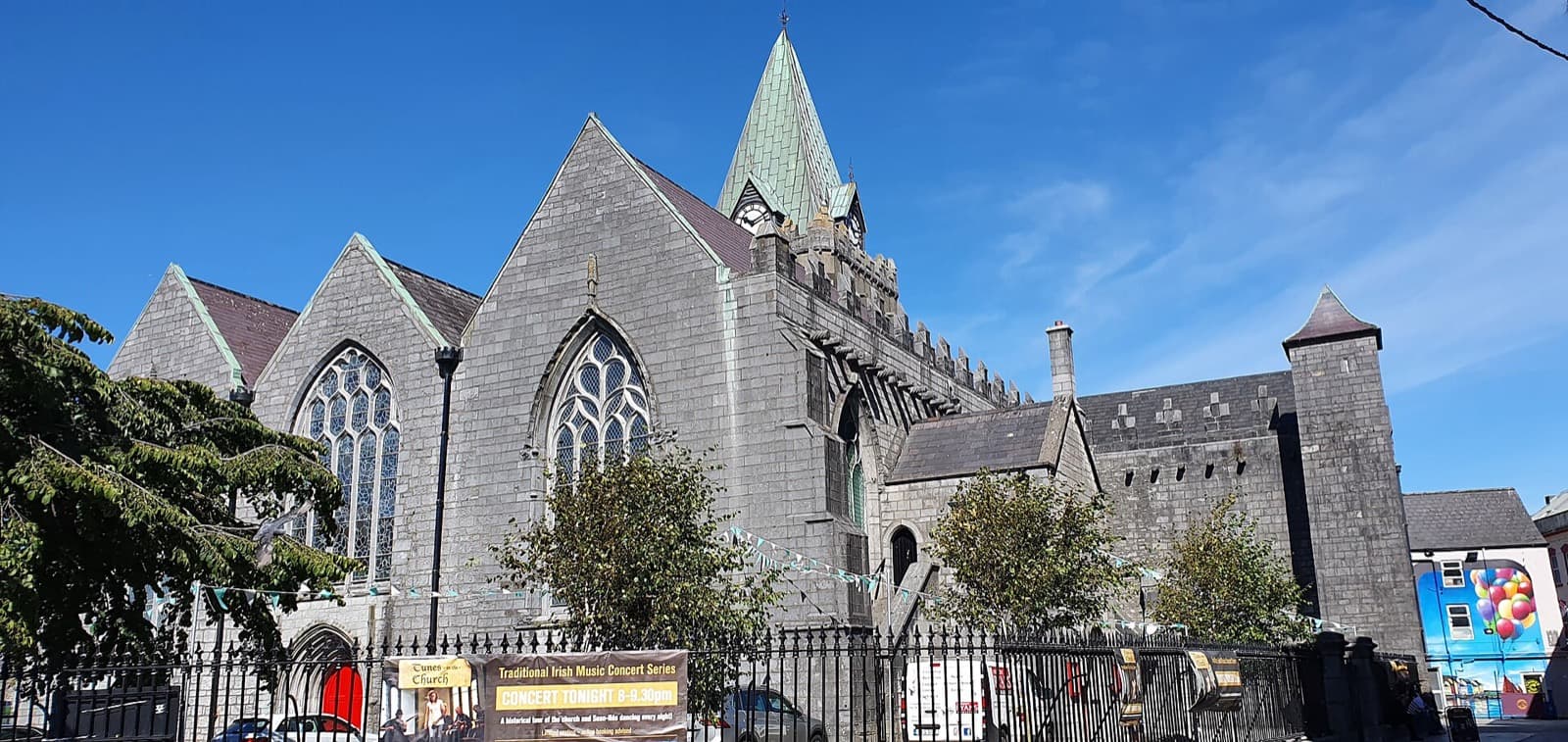
Saint Nicholas' Collegiate Church: The Sailors' Church of the Tribes
If you eat one thing in Galway, make it a bowl of seafood chowder with a slice of brown soda bread. This is the everyday coastal dish, served in pubs and seafood houses across the city: a creamy broth loaded with whatever came in fresh, usually smoked and white fish, mussels, and often salmon. The brown bread beside it is dense, slightly sweet Irish soda bread made with wholemeal flour and buttermilk, meant for mopping the bowl. Ask for "the chowder and brown bread" and you will be understood everywhere. It is filling enough to be lunch on its own.
Fish and chips the Galway way
For fish and chips, the reference point is McDonagh's at 22 Quay Street, established in 1902 and run by the same family of fishmongers for generations. The building splits into a casual "chipper," a sit-down seafood restaurant, and a fish counter selling the raw catch. Order fresh cod or haddock in batter with chips, eat it looking out at the street, and you have the classic Galway version: the fish is bought locally and fried to order. A chipper is the informal counter side; a "seafood restaurant" is the table-service room. Both pull from the same kitchen.
Beyond seafood: lamb, mussels, and market food
Galway's hills feed the plate as much as its bay does. Connemara Hill Lamb, raised on the heather uplands of the county's western region, carries a European Protected Geographical Indication granted in 1999, meaning the name is legally tied to that place and its rearing method. When you see it on a menu, often roasted or in a stout-braised stew, it is worth choosing. Irish stew here leans on lamb, root vegetables, and sometimes a dark stout in the gravy. Steamed Galway Bay mussels in a light broth are another honest, inexpensive plate.
For grazing rather than sitting down, go to the Galway Market in Church Lane beside St Nicholas' Collegiate Church, the medieval parish church on the walking route through the old town. The market trades every Saturday from 8am to 6pm, plus Sundays and bank holidays and additional summer days, with stalls of fresh produce, bread, and hot takeaway food you can eat on the street. It is the oldest street market in the city and sits right where a self-guided walk of the Latin Quarter naturally passes.
How to order like a local
A few small habits make it easy. Native oyster season is the cold half of the year, so if you visit in summer, ask whether the oysters are natives or rock rather than assuming. Say "the chowder" and expect brown bread with it. A "chipper" means the casual fish-and-chips counter. Portions are generous, so one chowder plus a shared half-dozen oysters is a real meal for two. And most of the seafood is caught locally and served the day it lands, which is the whole point: the freshness is the flavour, so plainer preparations are usually the better order.
Walk it off, and taste as you go
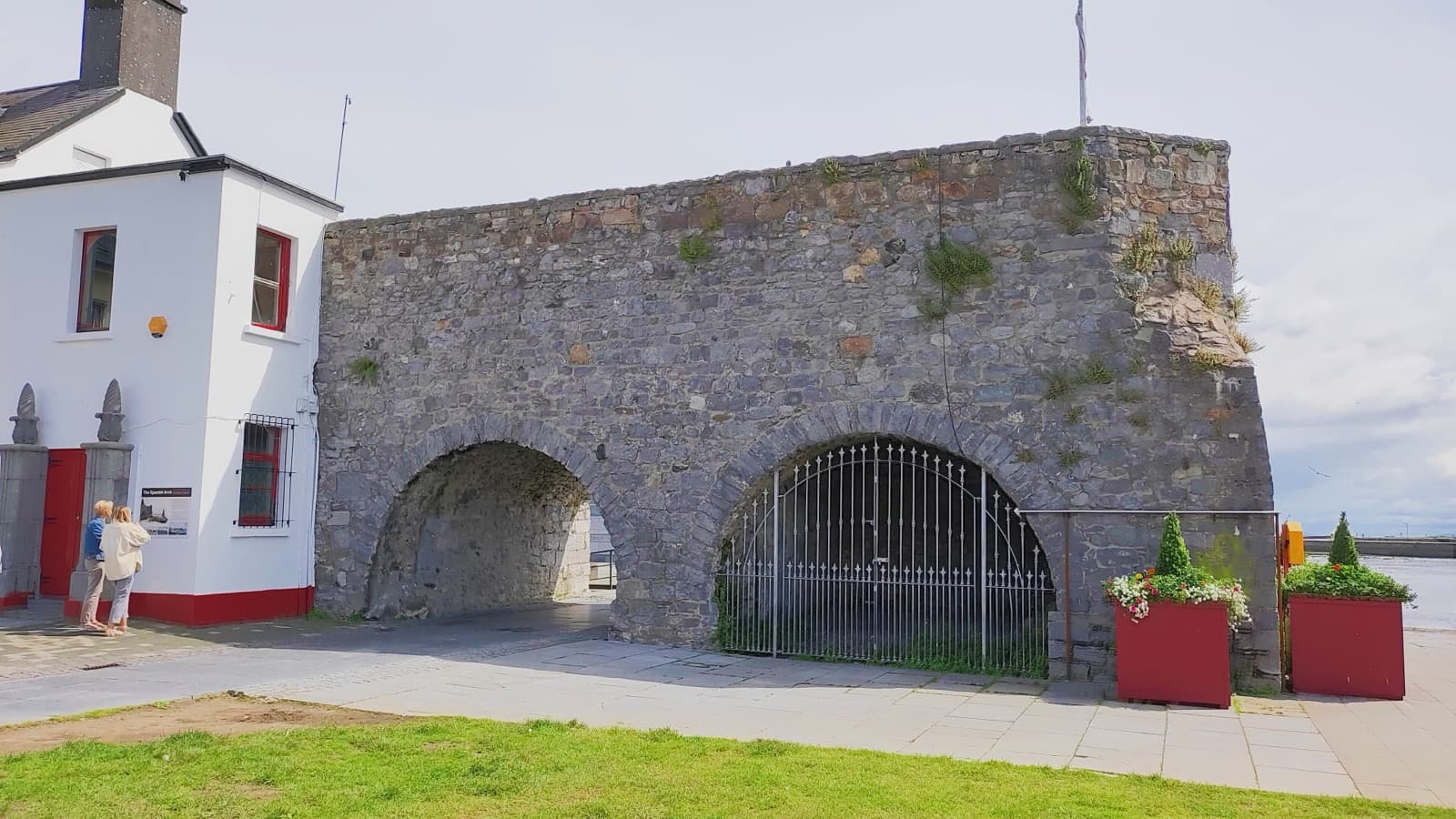
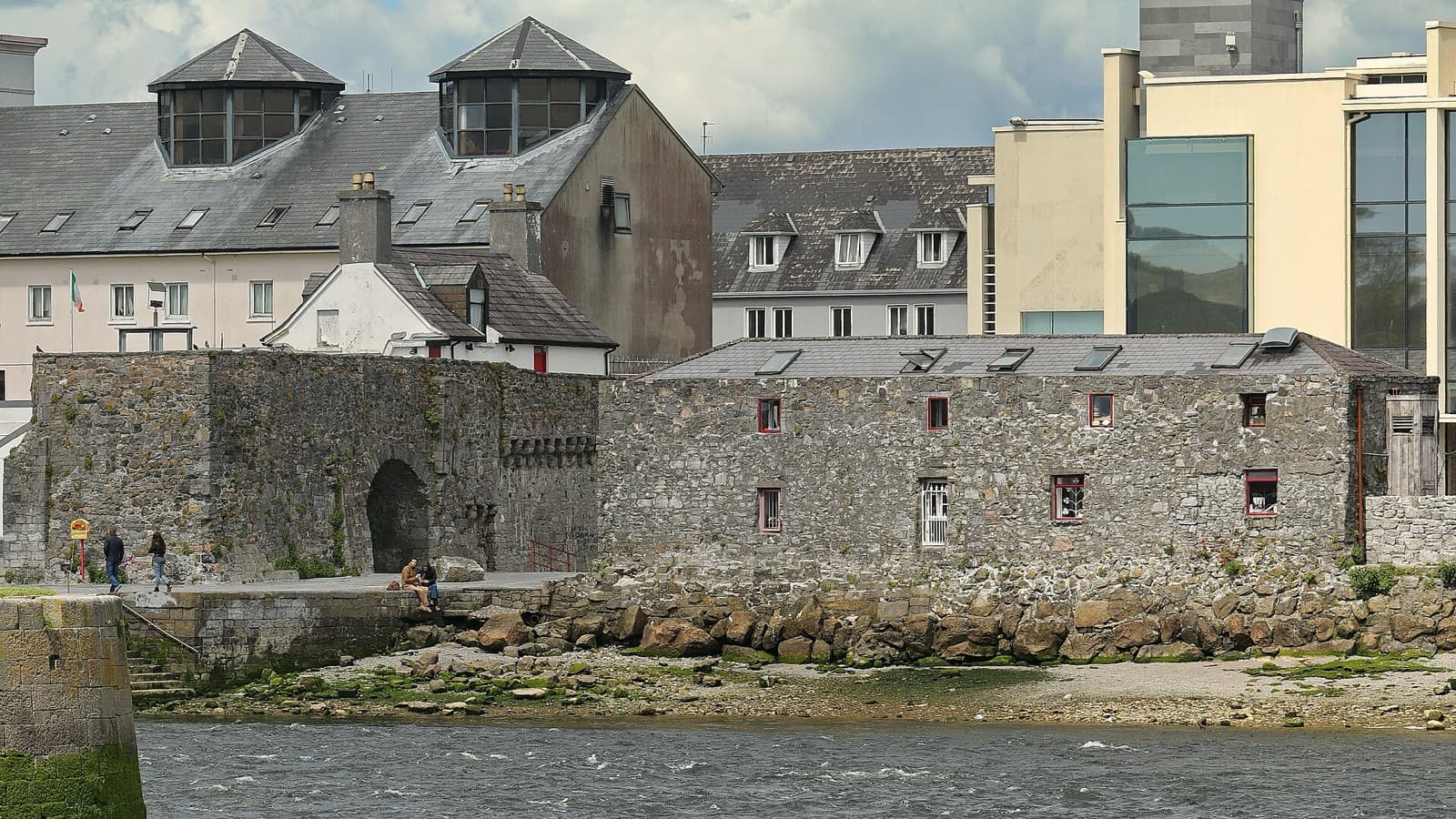
The best way to eat Galway is on foot, because the market, the seafood houses, and the waterfront are all a few minutes apart inside the walled core. Our Galway walking tours take you through exactly this ground: the Latin Quarter loop runs from Eyre Square down Shop Street past St Nicholas' Collegiate Church (and the market beside it) to the Spanish Arch where the Corrib meets the bay, and the Claddagh and waterfront route follows the old fishing village and the sea wall out toward the Atlantic. You can pause at any stall or seafood counter along the way and pick the audio back up when you are ready. Browse the city and both self-guided routes at /ireland/galway.
Sources
Frequently asked questions
- What food is Galway famous for?
- Galway is best known for Galway Bay oysters, especially the wild native flat oyster (Ostrea edulis) eaten raw in season. It is also known for seafood chowder served with brown soda bread, fresh fish and chips, steamed Galway Bay mussels, and Connemara hill lamb from the county's western uplands.
- When is oyster season in Galway?
- The wild Galway Native oyster season runs roughly from September to April. Rock oysters (the Pacific gigas type) are milder and available all year, so you can still eat good oysters in summer, just not the prized native. The Galway International Oyster Festival is held in late September to mark the opening of the native season, on 25 to 27 September in 2026.
- Where should I eat fish and chips in Galway?
- McDonagh's at 22 Quay Street is the long-standing reference point, established in 1902 and run by the same fishmonger family for generations. It has a casual chipper counter, a sit-down seafood restaurant, and a fresh fish counter. Order cod or haddock in batter with chips, fried to order from locally bought fish.
- How do locals eat Galway oysters?
- Locals eat them raw and cold, on the half shell, plain or with just a squeeze of lemon and a twist of black pepper. A splash of vinegar or a pinch of salt is also common. Most people avoid heavy sauces so the briny, slightly nutty flavour of the oyster comes through.
- Is there a food market in Galway?
- Yes. The Galway Market runs in Church Lane beside St Nicholas' Collegiate Church, open every Saturday from 8am to 6pm, plus Sundays, bank holidays, and extra days in summer. Stalls sell fresh produce, bread, and hot takeaway food you can eat on the street, and it sits right on the walking route through the old town.
- What is Connemara lamb?
- Connemara Hill Lamb is lamb raised on the heather uplands of western County Galway. It holds a European Protected Geographical Indication, granted in 1999, which legally ties the name to that region and rearing method. It is prized for quality and often served roasted or in a stout-braised stew.
Ready to experience it?
Latin Quarter: The City of the Tribes
90 min · 1.7 km · easy
More from Galway
Explore more at your own pace.
Galway Travel Guide: Days, Transport, Timing, Safety, and Budget
The City of the Tribes: How Galway's Two Banks Explain the Whole Town
Lynch's Castle: Reading Galway's Merchant Power in Carved Stone
The Claddagh: Galway's Fishing Village That Kept Its Own King
The Claddagh Ring: What Two Hands and a Crowned Heart Really Mean