The Claddagh ring takes its name and its final form from the Claddagh, an old fishing village on the west bank of the River Corrib in Galway, but the clasped-hands design that people recognize worldwide descends from a much older European family of rings, and the pirate legend attached to it is folklore rather than documented history. If you only take one thing from standing on this shore, take that: the ring is real, its home is this stony bank, and the beautiful story usually told alongside it is a story, not a record.
What the design actually says
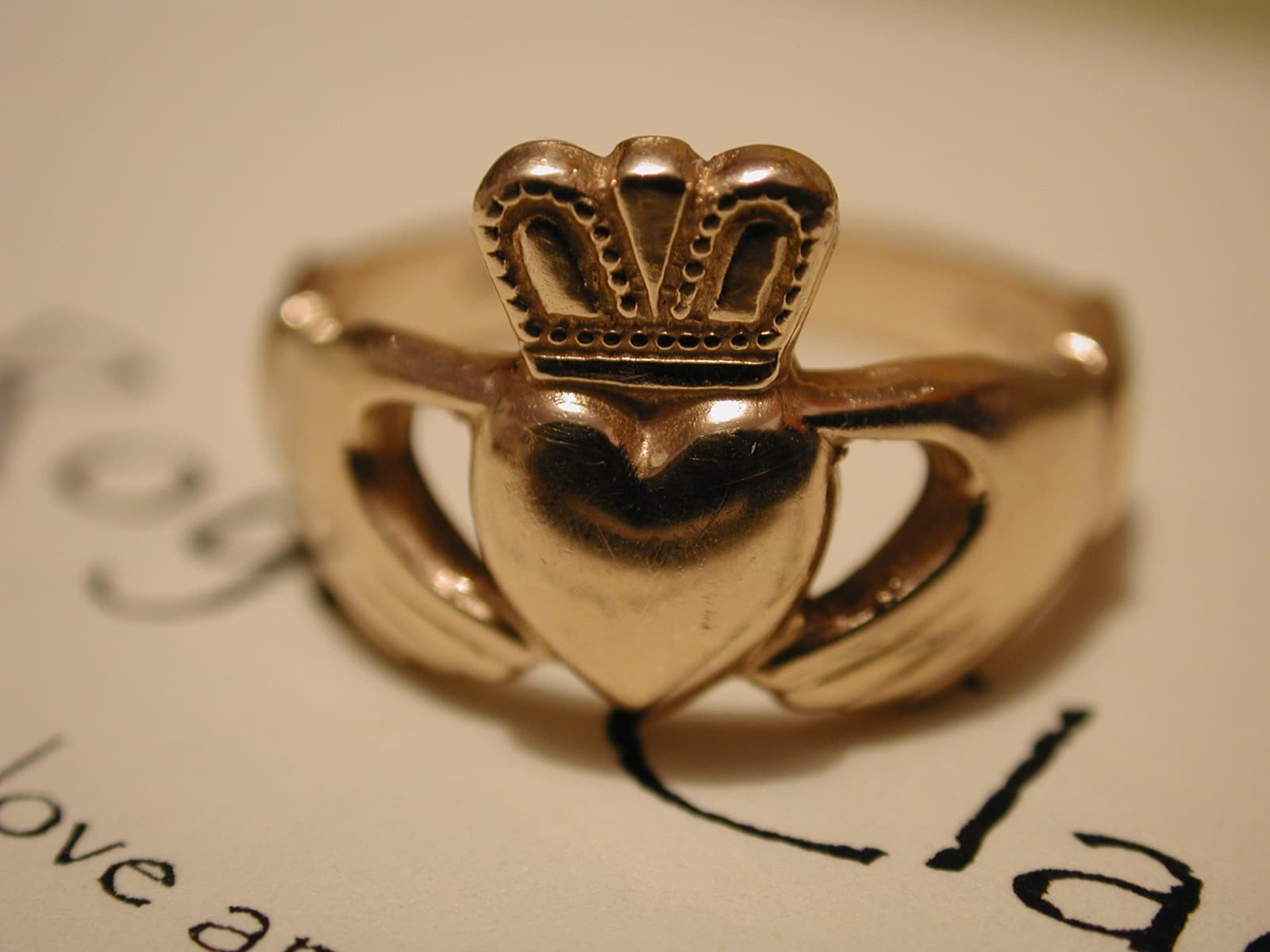
Look closely at a Claddagh ring and it reads like a small sentence. Two hands clasp a heart, and a crown sits above it. The hands mean friendship, the heart means love, and the crown means loyalty. That is the whole grammar of the thing, three ideas pressed into metal, which is part of why it travels so well as a gift. You do not need a caption to understand it.
There is a second layer that people who wear it care about. Worn on the hand with the heart turned outward, away from the fingertips, it signals that the wearer is free. Turned inward, toward the wrist, it says the wearer is spoken for. Very little native Irish writing survives to pin down exactly when and how these customs hardened, so the honest posture is to wear it and read it gently, as a living convention rather than a fixed rule handed down intact.
Older than Ireland
Hear a stop from this walk
The Claddagh: The Village That Kept Its Own King
The part that surprises most visitors is that the two-clasped-hands motif is not a uniquely Irish invention conjured out of nothing. It belongs to a wide European group called fede rings, from the Italian phrase for hands joined in faith or loyalty. That motif of two hands joined in a clasp dates back to ancient Rome, where clasping hands meant pledging vows, and versions of it were used for betrothal and wedding rings across medieval and Renaissance Europe, long before anyone in Galway set a crown above the heart.
So what makes the Galway version its own? Two things. First, the ring takes its name from this village, the Claddagh, and almost certainly took its final, settled form here, the specific arrangement of hands, heart, and crown that we now think of as the type. Second is a matter of timing. Galway has produced rings of this kind continuously since at least seventeen hundred, but the name Claddagh ring itself does not appear before the eighteen thirties. In other words the object is older than its famous name by more than a century. The thing came first, then the label caught up.
The legend, and why to be careful with it
Stand on this shore long enough and someone will tell you the Richard Joyce story, or you will read it on a plaque nearby. It goes like this. Around seventeen hundred, a Galway goldsmith named Richard Joyce was captured by pirates on a voyage to the West Indies, sold to a goldsmith who trained him in the craft, and freed after fourteen years, at which point he returned to Galway and made this ring for the sweetheart who had waited for him all that time.
It is a lovely tale. It is also, by the plain assessment of the sources, folklore rather than documented fact. The account descends from James Hardiman's eighteen twenty history of Galway, and even the Galway City Museum, which now owns a ring stamped with Joyce's maker's mark, is careful to say that what is written about him cannot be proven with certainty, only that events of the period would seem to fit the story. That caution is worth repeating precisely because the tale is told so confidently and so often. Treating it as certain history is exactly the kind of small confident error that a place like this collects over centuries, until the legend calcifies into a fact nobody checks.
What is documented is quieter and, to my mind, more moving than the pirates. The oldest known Claddagh ring in existence, dating to around seventeen hundred and marked with the initials RI, is held at Galway City Museum, a short walk from where you stand. It was acquired by the museum in early twenty twenty. That is the real anchor: a physical object, roughly three centuries old, that connects the ring you might be wearing to this exact stretch of water. You do not need the pirates. The ring itself is enough.
Why it matters that you are standing here
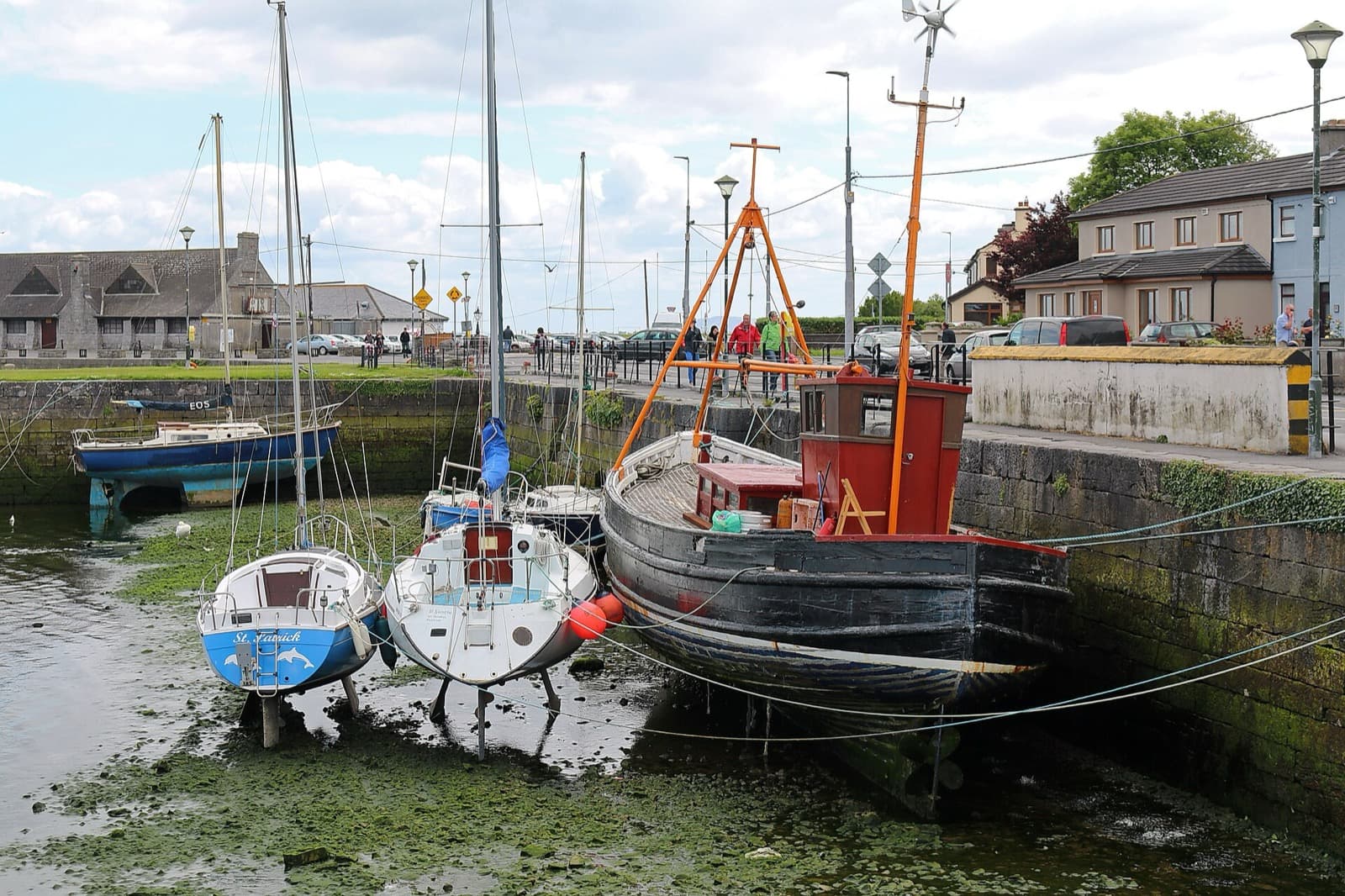
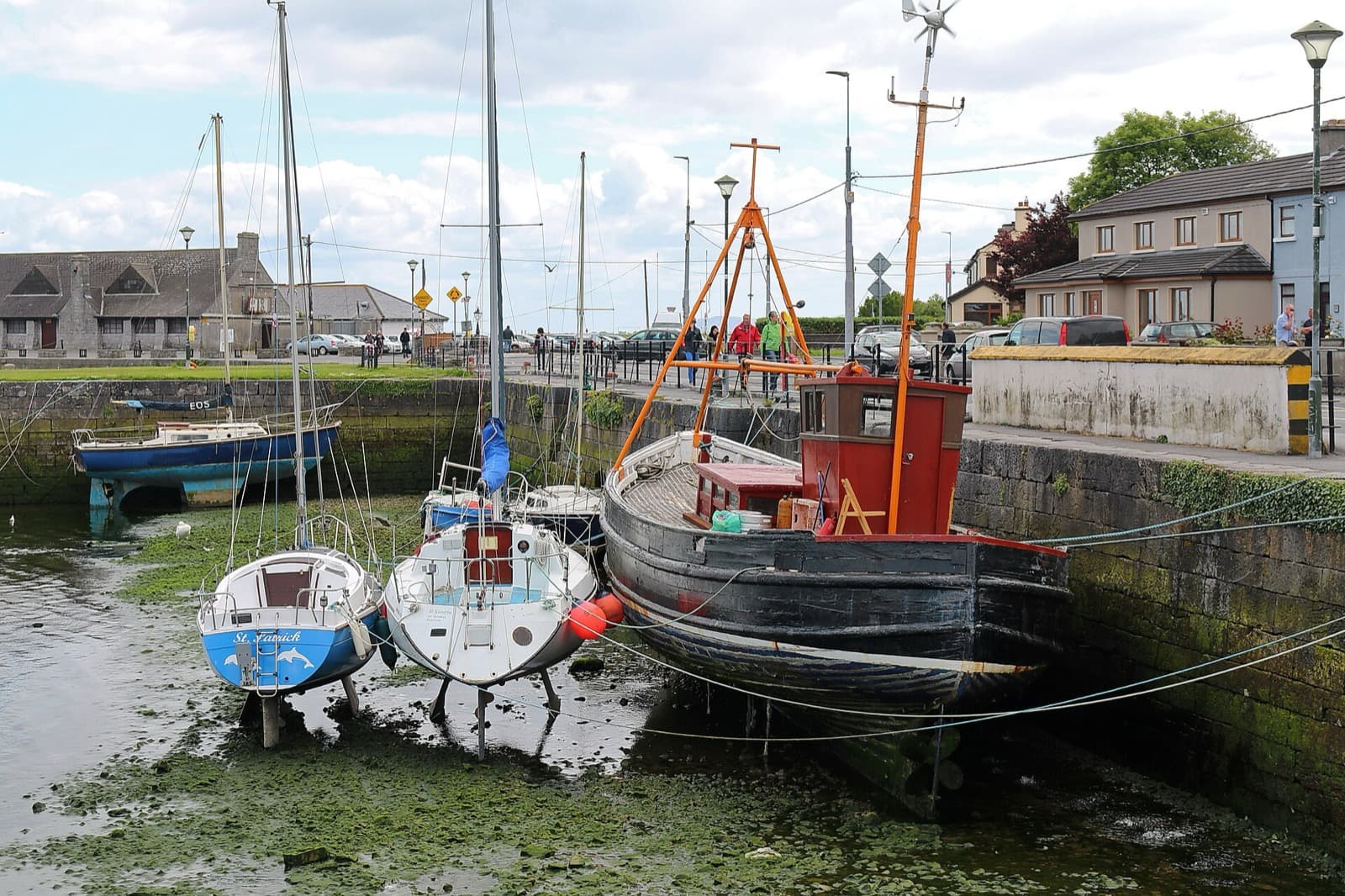
This is the point that only lands when you are actually on the Claddagh shore rather than at a jeweller's counter. The village that gave the ring its name is gone. For centuries the Claddagh was one of Ireland's old fishing communities, a close settlement of thatched cottages and Irish-speaking families that sat outside the medieval merchant walls of Galway, kept its own customs, and even elected its own leader, remembered today as the King of the Claddagh. In the eighteen thirties the historian James Hardiman recorded that leader as being dignified with the title of mayor. In the nineteen thirties the thatched village was razed and replaced with a council-housing scheme. Martin Oliver, who held the ceremonial title of King of the Claddagh from the early nineteen sixties, died in nineteen seventy-two, and the office survives today only as an honorary one.
So the ring is not a souvenir errand. It is the one small object that carried a vanished village's name around the world after the village itself was cleared away. Read it here, on the shore where it comes from, and it stops being jewellery-shop shorthand and becomes something closer to a memorial you can wear. That is the difference between buying a Claddagh ring in an airport and understanding one.
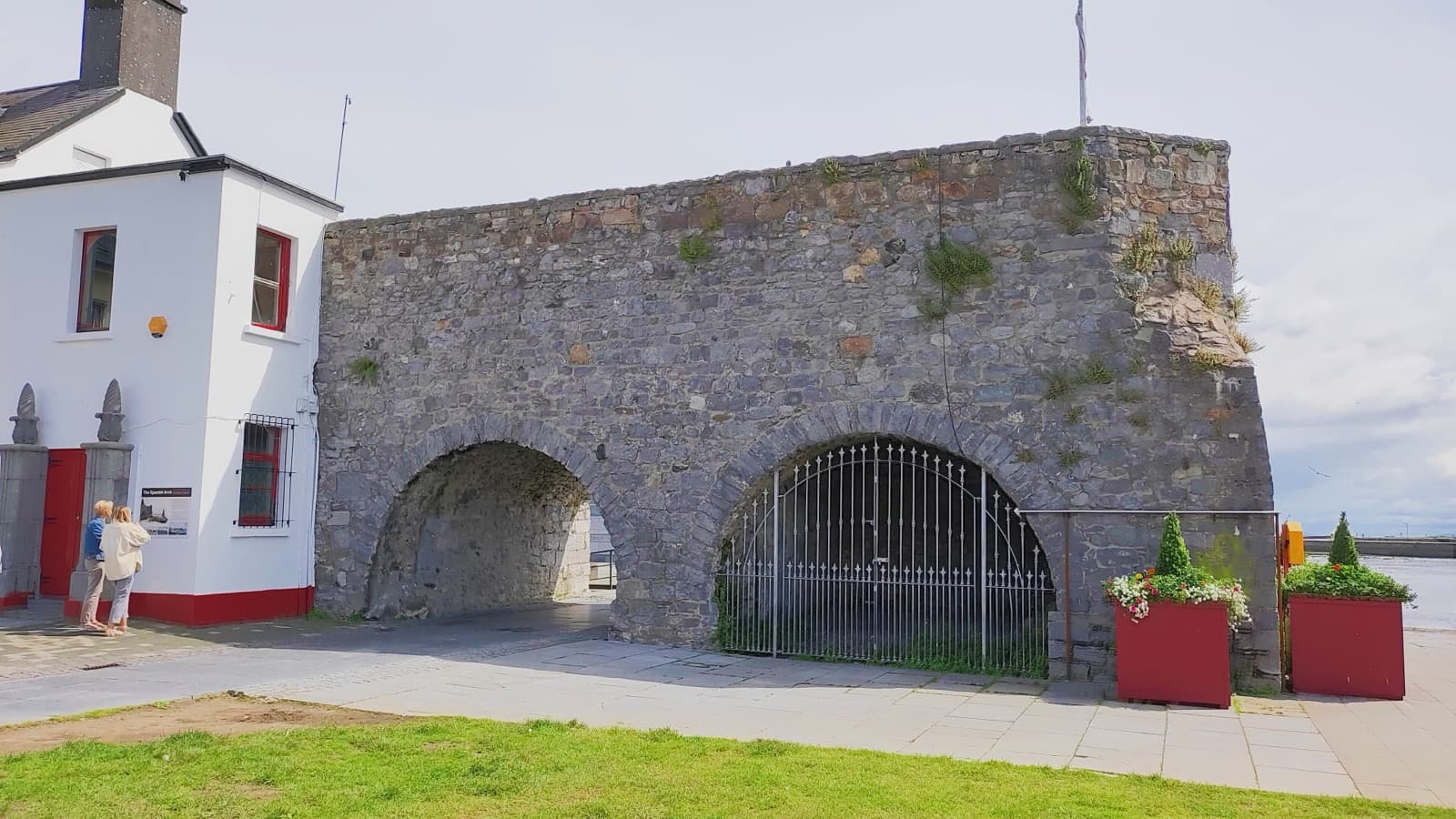
If you want the fuller shape of this place, the ring sits inside a two-hour waterfront walk that follows the Corrib from this shore past the Spanish Arch, up to Galway Cathedral, over the salmon weir, and out along the sea wall toward the open Atlantic. You can find the whole set of routes on the Galway walking tours hub, and the wider city on the Galway page. The self-guided Claddagh and Waterfront tour includes this stop and lets you linger on the shore as long as the water holds you, at your own pace, with no group and no schedule.
Two hands, a heart, a crown. Friendship, love, loyalty. Older than the legend, and rooted in a village you can still stand in the footprint of. That is what you are really looking at.
Sources
- Richard Joyce (goldsmith), Wikipedia: the goldsmith traditionally credited with the ring, and the noted status of that story as legend.
- Richard Joyce and the oldest known Claddagh ring, Galway City Museum: on the oldest known ring, stamped with Joyce's maker's mark, acquired by the museum in early twenty twenty.
- Claddagh ring, Wikipedia: on the fede-ring lineage, the Roman-era clasped-hands motif, continuous Galway production since at least seventeen hundred, and the eighteen-thirties first use of the name.
- King of the Claddagh, Wikipedia: on the elected leader tradition and Martin Oliver's ceremonial tenure until nineteen seventy-two.
- Claddagh, Wikipedia: on the fishing village, its position outside the walls, and its demolition in the nineteen thirties.
Ready to experience it?
The Claddagh: Where the River Meets the Bay
120 min · 4.4 km · moderate
More from Galway
Explore more at your own pace.
Galway Travel Guide: Days, Transport, Timing, Safety, and Budget
One Day in Galway: A Walkable Itinerary From the Latin Quarter to the Sea
The City of the Tribes: How Galway's Two Banks Explain the Whole Town
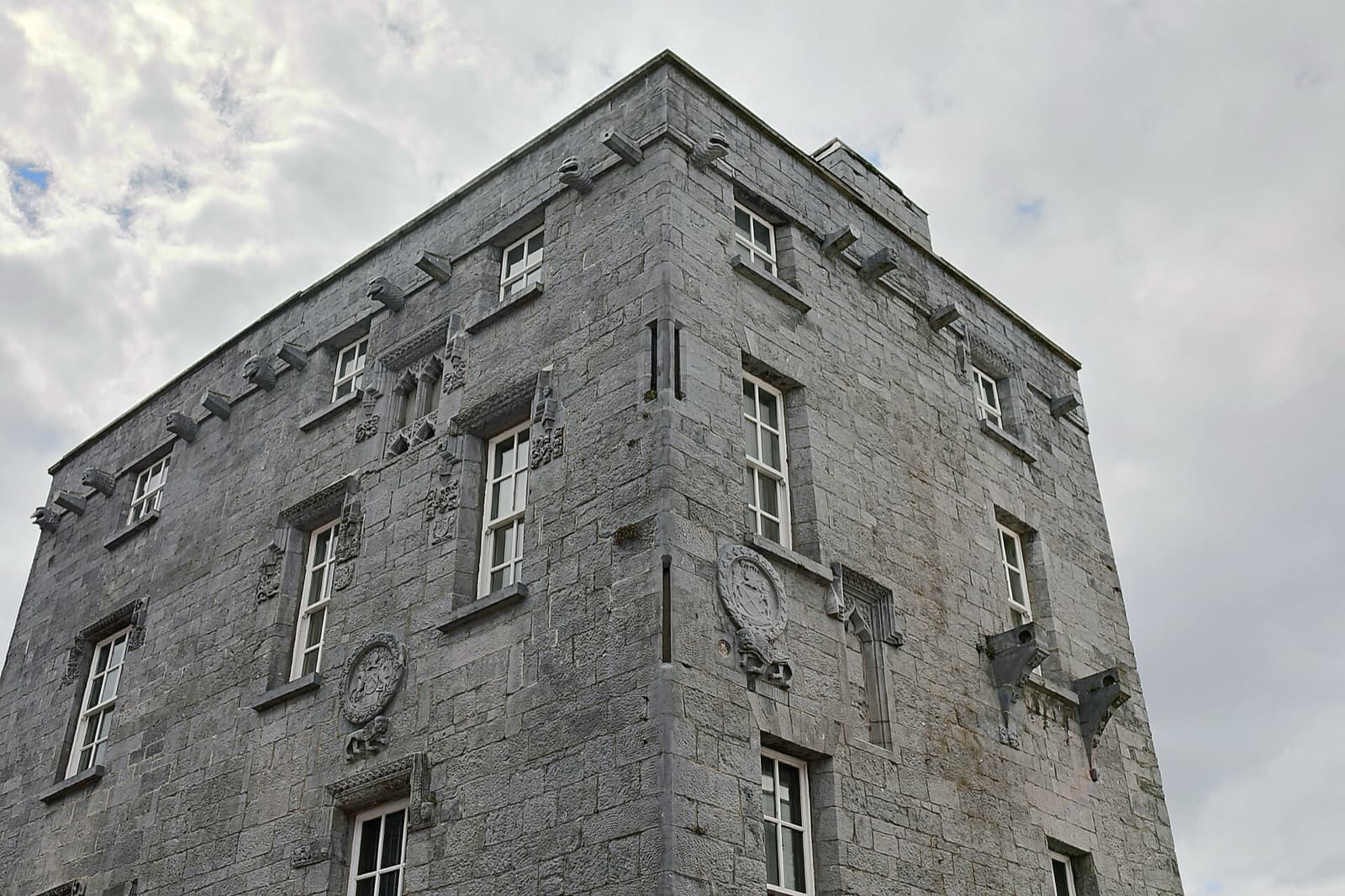
Lynch's Castle: Reading Galway's Merchant Power in Carved Stone
The Claddagh: Galway's Fishing Village That Kept Its Own King