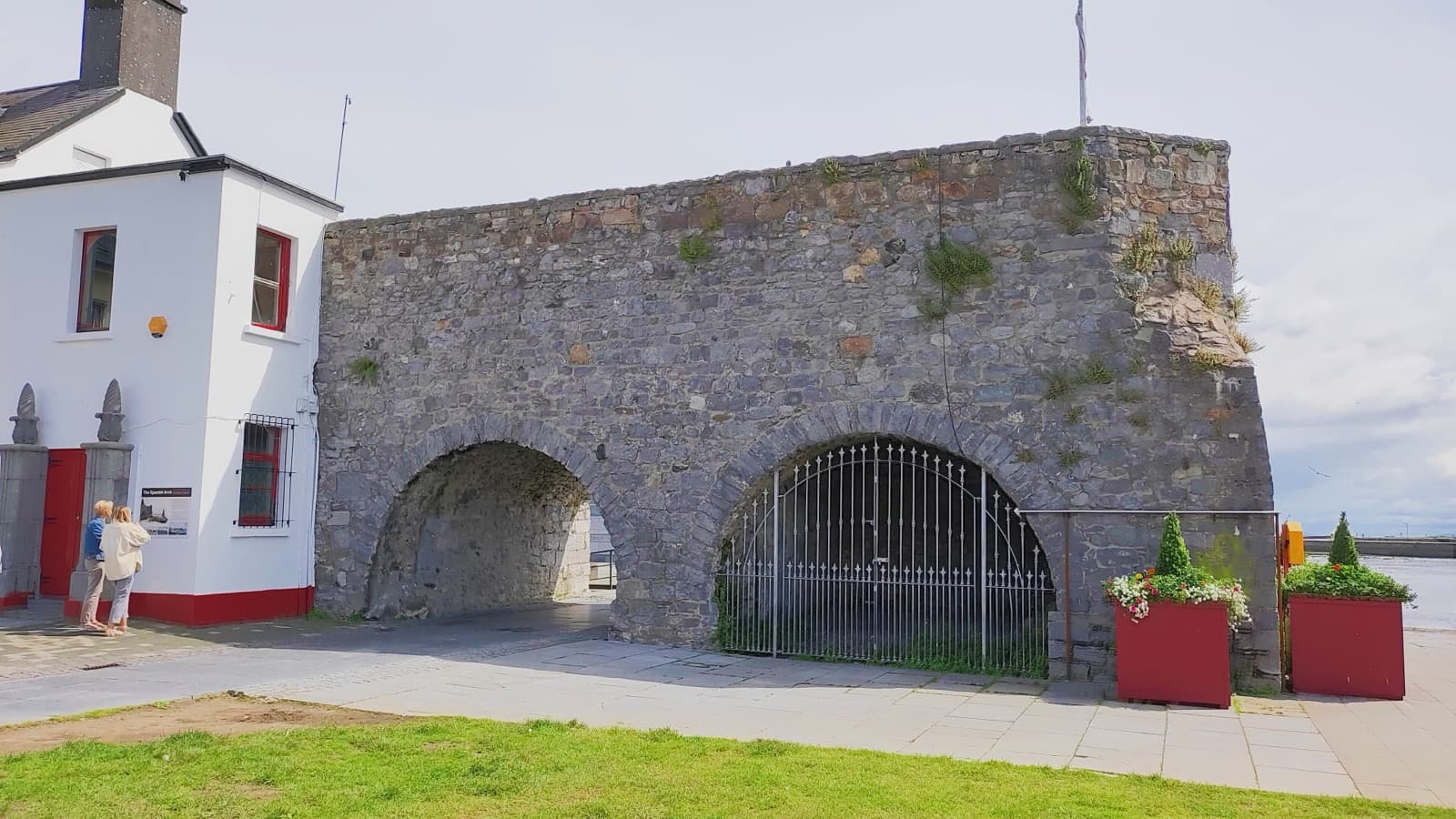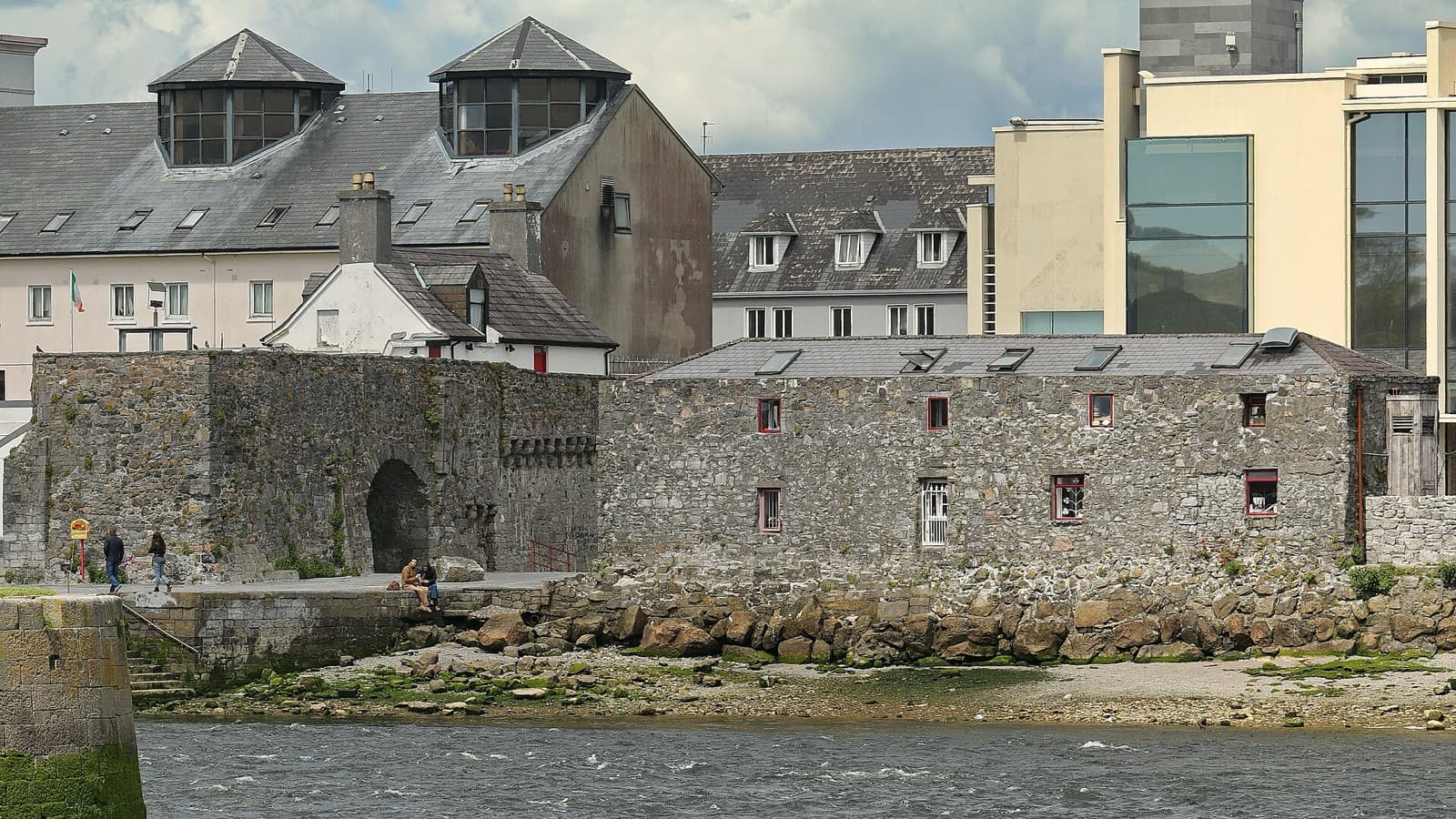
Latin Quarter: The City of the Tribes
90 min · 1.7 km · easy
Galway rewards two to three days on foot: its medieval core is compact and walkable, most of what you came to see is free, and you rarely need a car or a bus inside the city itself. Plan two full days for the city center, the Claddagh, and the Salthill seafront, and add a third if you want to reach Connemara, the Aran Islands, or the Cliffs of Moher on a day trip. The city is one of Ireland's safest, the weather is the real variable, and your budget stretches further here than in Dublin.
This guide answers the practical questions travelers actually ask before booking, and it points you toward two self-guided audio walks that cover the ground: the Galway walking tours hub and the city page at /ireland/galway.
How many days do you need in Galway?
Two days covers the city comfortably. One day is enough to see the headline sights (Eyre Square, Shop Street and the Latin Quarter, the Spanish Arch, and the Claddagh) if you move at a steady pace. A second day lets you slow down, walk the salmon weir, cross to the Claddagh, and stroll the Salthill promenade out to the diving tower without rushing.
Three days is the sweet spot if Galway is your base for the wider region. Most visitors use the extra day for one of three trips: Connemara to the north and west, the Aran Islands by ferry, or the Cliffs of Moher to the south. All three are full-day outings, so budget a whole day for each rather than trying to combine them.
If your time is tight, the city core is small enough that a focused two-hour loop hits the medieval highlights. Roamer's Galway Latin Quarter walk runs about 1.7 kilometers over seven stops, and the Claddagh and Waterfront walk covers roughly 4.4 kilometers out to Salthill, so between the two you can build a one-day or two-day plan around your own pace.
How do you get around Galway?
Hear a stop from this walk
Saint Nicholas' Collegiate Church: The Sailors' Church of the Tribes
Walk. Galway's center is compact, flat, and pedestrianized in its busiest stretches, and every major landmark sits within walking distance of the next. Shop Street and Quay Street through the Latin Quarter are car-free for most of the day, which makes the historic core one continuous walking route from Eyre Square down to the Spanish Arch and the river.
You only need wheels for two things: reaching the city from farther afield, and getting out to Salthill if you would rather not walk the seafront both ways. City buses under the Transport for Ireland network cover Salthill and the suburbs, with the 401 route linking Eyre Square and Salthill at roughly twenty-minute intervals on weekdays. A TFI Leap Card works across bus, train, and many commercial services if you plan to ride more than once.
Getting to Galway from Dublin is straightforward. Irish Citylink runs coaches from Dublin Airport directly to Galway Coach Station, a trip of about two and a half to three hours, with fares generally in the twenty to twenty-eight euro range. Irish Rail's InterCity service from Dublin Heuston to Galway Ceannt station runs roughly nine or ten times a day and usually costs somewhere between seventeen and twenty-six euro one way. Once you arrive, park the car: driving inside the medieval center is more hindrance than help.
When is the best time to visit?
Mid-June through mid-September is the reliable window: the driest stretch of the year, the longest daylight, and the biggest events. Summer temperatures typically sit between 15 and 20 degrees Celsius (roughly 59 to 68 Fahrenheit), which is mild rather than hot, so pack layers and a rain shell whatever the forecast says.
July is the peak. The Galway International Arts Festival runs from the thirteenth to the twenty-sixth of July in 2026, filling two weeks with theater, music, and street performance, and it flows straight into the week-long Galway Races. That energy is the reason many people come, but it also means the highest accommodation prices and the busiest streets of the year, so book well ahead if July is your target.
For a quieter trip with pleasant weather, aim for the shoulder seasons: April and May, or September into October. September in particular gives you many of summer's benefits with thinner crowds and lower room rates. Winter is atmospheric and cheap but wetter, with short days and some seasonal reductions in hours at smaller attractions.
Is Galway safe?
Yes. Galway is consistently rated one of Ireland's safest cities, and violent crime against visitors is uncommon. It is comfortable for solo travelers and generally relaxed at night, and the city center and Latin Quarter stay well-lit and busy into the evening. Galway holds a Purple Flag, an accreditation for well-managed nighttime areas.
The realistic concerns are ordinary ones. Petty theft and pickpocketing can happen in crowded spots (Eyre Square, Quay Street, bus stops, festival crowds, and packed pubs), so keep your bag closed and your phone secure in busy places. Late-night disorder around nightlife is occasional and alcohol-related rather than targeted at tourists. Use clearly marked taxis, confirm the route before you set off, and you will find Galway an easy, low-stress place to walk. The other thing to plan around is not crime but weather: the Atlantic can send rain and wind through quickly, so carry a waterproof layer year-round.
What does a Galway trip cost?
Galway sits below Dublin on price for most things, and the city itself is unusually generous with free sights. Every stop on both Roamer walks is free to reach: Eyre Square, Lynch's Castle (a working bank you view from outside), Saint Nicholas' Collegiate Church (donation welcome), the Hall of the Red Earl, the Spanish Arch, the Claddagh shore, Galway Cathedral, the Salmon Weir Bridge, Nimmo's Pier, and the Salthill promenade. Galway City Museum, beside the Spanish Arch, is free to enter and open Tuesday to Saturday from 10:00 to 17:00, with Sunday afternoons from 12:00 added from Easter (closed Mondays).
Your real spending goes to accommodation, food and drink, and any day trips. Rooms swing hardest with the calendar: July festival and race weeks command the top prices, while spring and autumn are noticeably cheaper. Pub meals and casual dining are moderate, and the traditional-music sessions in Latin Quarter pubs cost nothing beyond what you drink. Day trips to the Aran Islands, Connemara, or the Cliffs of Moher are the biggest add-on, since they involve either a tour, a ferry, or a car.
Turning the plan into a walk
The two Roamer audio walks map directly onto a two-day plan. Day one, take the Latin Quarter origin walk from Eyre Square through Shop Street and the medieval churches to the Spanish Arch and the mouth of the fast-flowing River Corrib. Day two, follow the Claddagh and Waterfront walk from the old fishing village along the river to the cathedral and salmon weir, then out along the sea wall to Salthill and the Atlantic edge. Both are GPS-triggered, so the narration plays as you reach each stop and you set your own pace. Start from the Galway walking tours hub or the /ireland/galway city page.
Sources
Frequently asked questions
- How many days do you need in Galway?
- Two days covers the city center comfortably on foot, and one day is enough for the headline sights if you move steadily. Three days is ideal if you want to add a day trip to Connemara, the Aran Islands, or the Cliffs of Moher, since each of those is a full-day outing.
- Do you need a car in Galway?
- No. Galway's medieval center is compact, flat, and pedestrianized in its busiest streets, so walking covers nearly everything. You only need a bus or car to reach Salthill if you would rather not walk the seafront, or for day trips outside the city. Driving inside the historic core is more hindrance than help.
- What is the best time to visit Galway?
- Mid-June through mid-September offers the driest weather and longest daylight. July is the peak, with the Galway International Arts Festival running 13 to 26 July 2026 followed by the Galway Races, but that also brings the highest prices and crowds. April, May, and September give pleasant weather with fewer people and lower room rates.
- Is Galway safe for tourists?
- Yes. Galway is rated one of Ireland's safest cities, with uncommon violent crime and a Purple Flag accreditation for well-managed nightlife. The realistic risks are petty theft in crowded areas like Eyre Square and Quay Street and occasional alcohol-related disorder late at night. It is comfortable for solo travelers.
- How do you get from Dublin to Galway?
- Irish Citylink runs coaches from Dublin Airport to Galway Coach Station in about two and a half to three hours, with fares generally around twenty to twenty-eight euro. Irish Rail's InterCity train from Dublin Heuston to Galway Ceannt runs roughly nine or ten times daily and usually costs seventeen to twenty-six euro one way.
- Is Galway an expensive place to visit?
- Galway is generally cheaper than Dublin and unusually rich in free sights: Eyre Square, the Spanish Arch, the Claddagh, Galway Cathedral, and the Salthill promenade all cost nothing, and Galway City Museum is free to enter. Accommodation is the main expense and peaks sharply during the July festival and race weeks.
Ready to experience it?
Latin Quarter: The City of the Tribes
90 min · 1.7 km · easy
More from Galway
Explore more at your own pace.
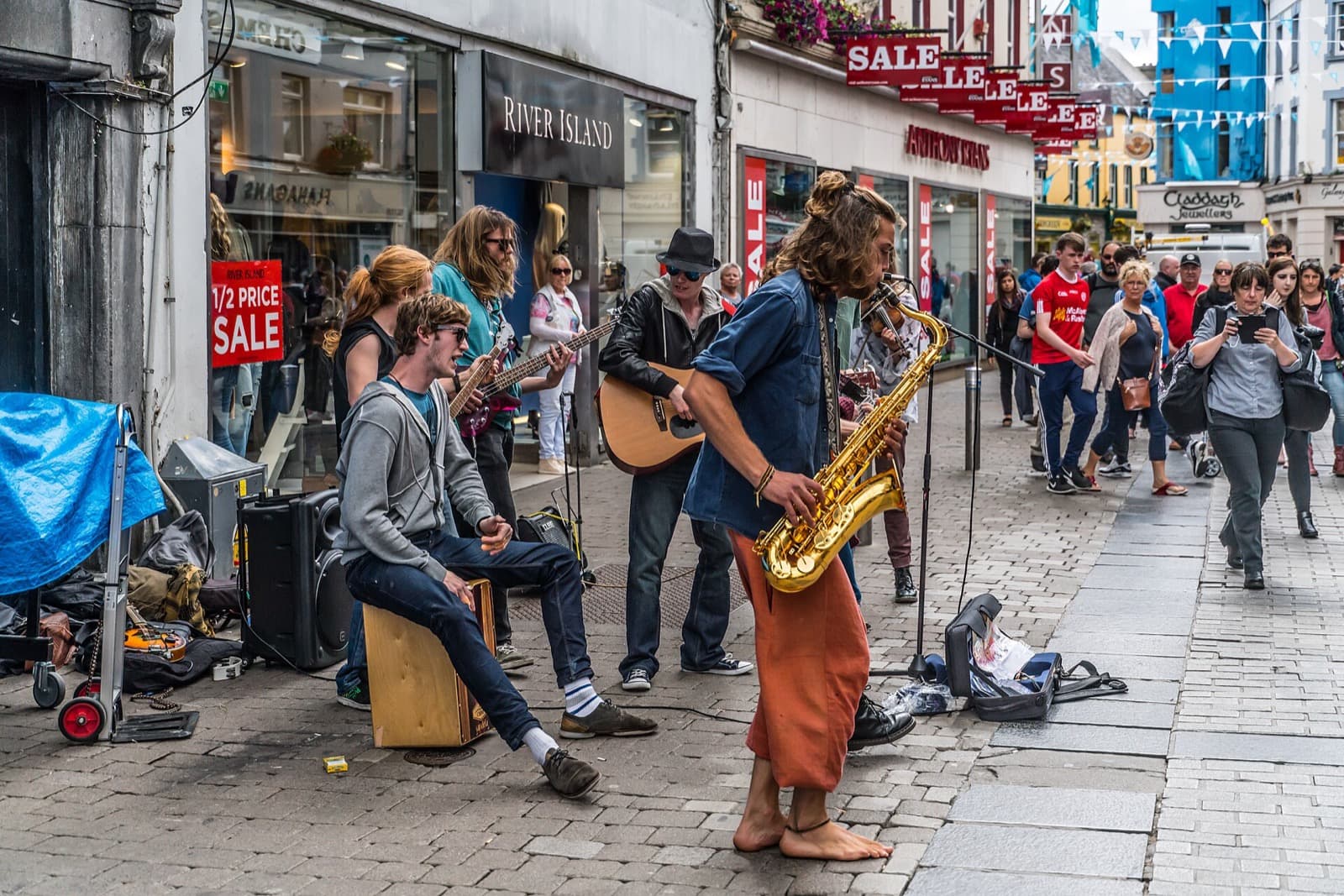
One Day in Galway: A Walkable Itinerary From the Latin Quarter to the Sea
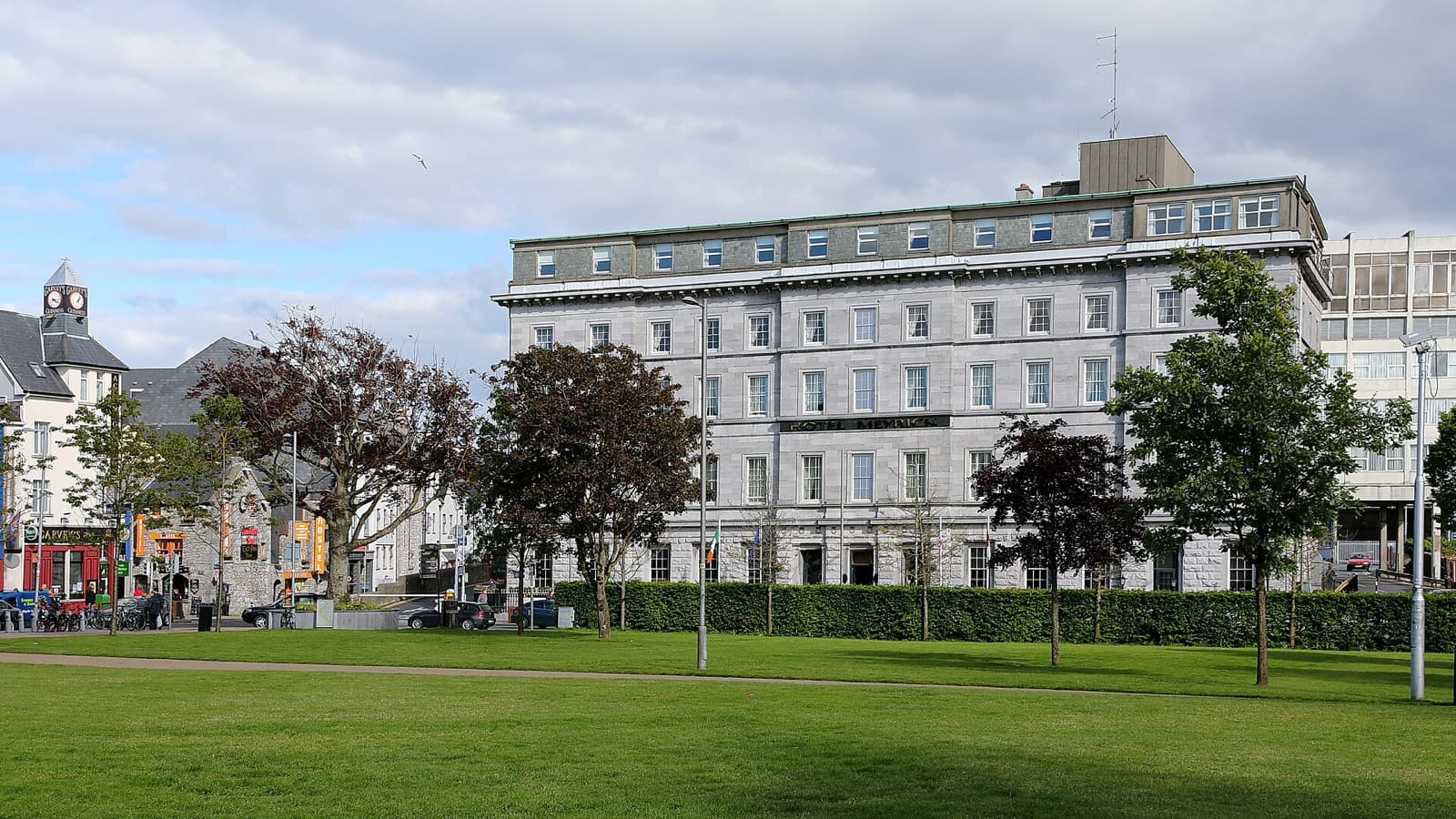
The City of the Tribes: How Galway's Two Banks Explain the Whole Town
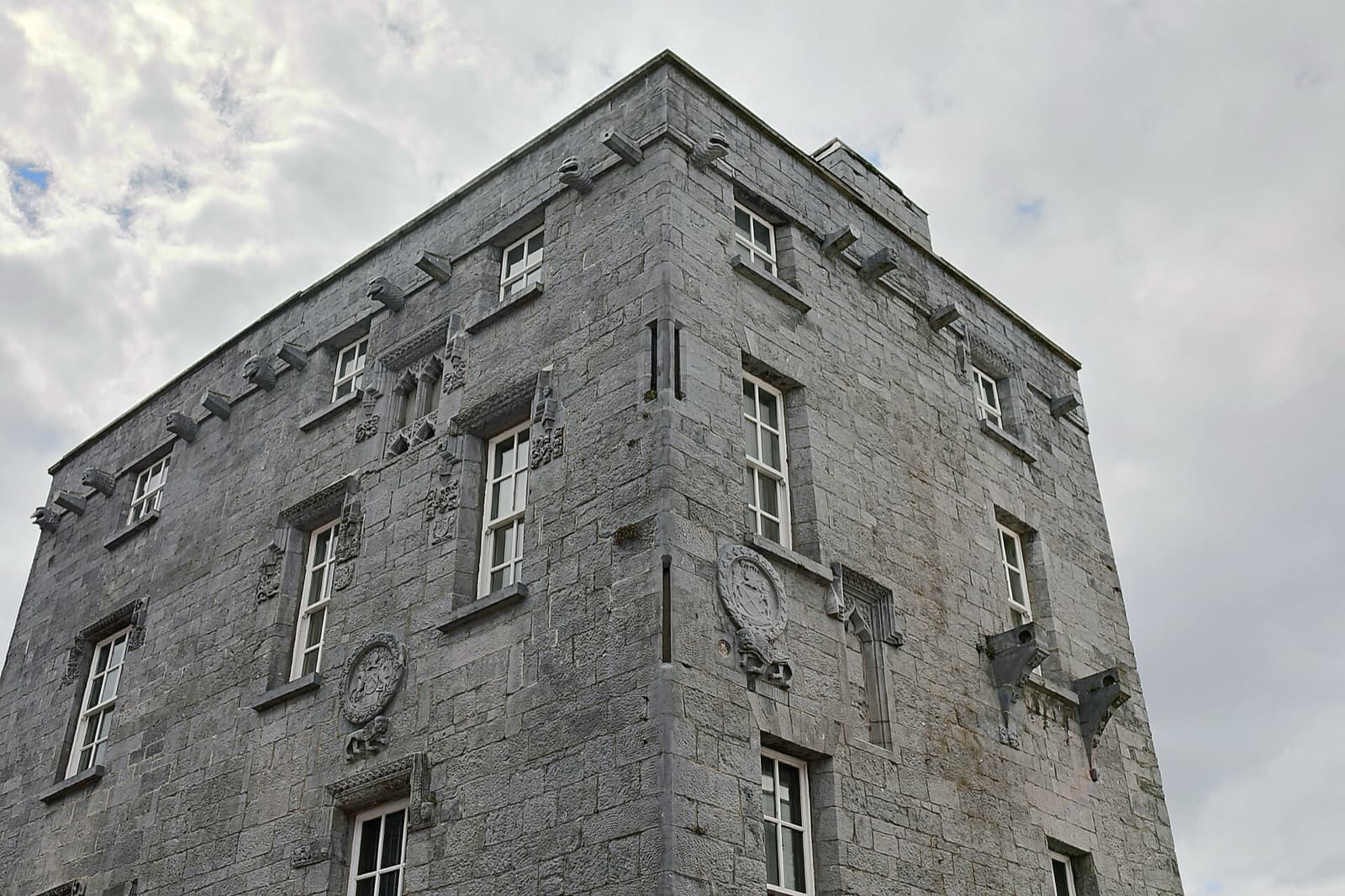
Lynch's Castle: Reading Galway's Merchant Power in Carved Stone
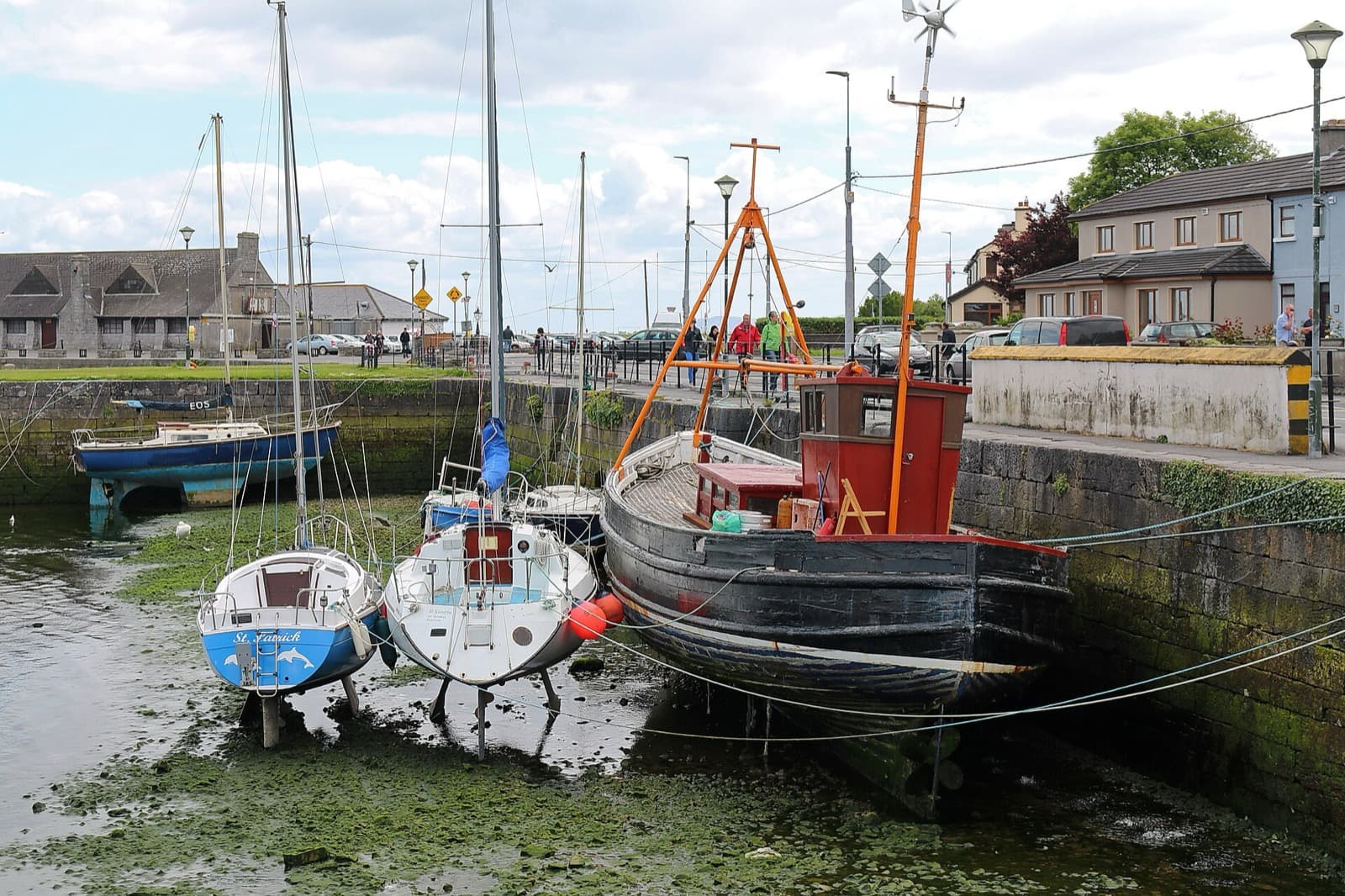
The Claddagh: Galway's Fishing Village That Kept Its Own King
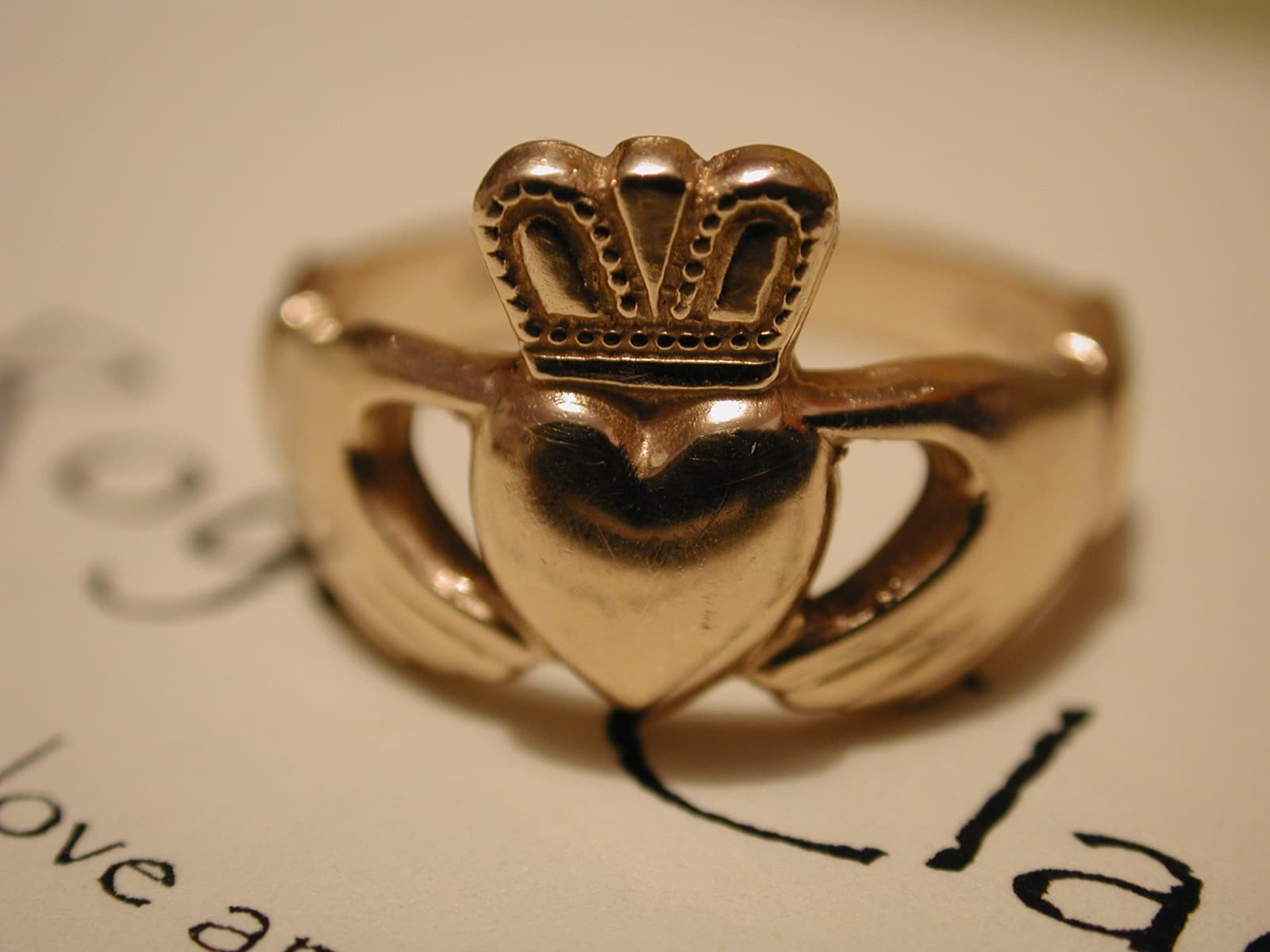
The Claddagh Ring: What Two Hands and a Crowned Heart Really Mean