Fes el-Bali: Inside the World's Largest Living Medina
150 min · 2 km · moderate
Eat your way through Fez by anchoring on five things the city does better than anywhere else in Morocco: pastilla, b'ssara, harira, khlii, and the fried-dough breakfast run. Fez is the historic seat of Fassi cuisine, the refined palace cooking that gave Morocco its most elaborate dishes, and the medina still serves that repertoire at everything from a two-dirham soup stall to a restored merchant house. Order these dishes, know where the tradition comes from, and you will eat like a resident rather than a passerby.
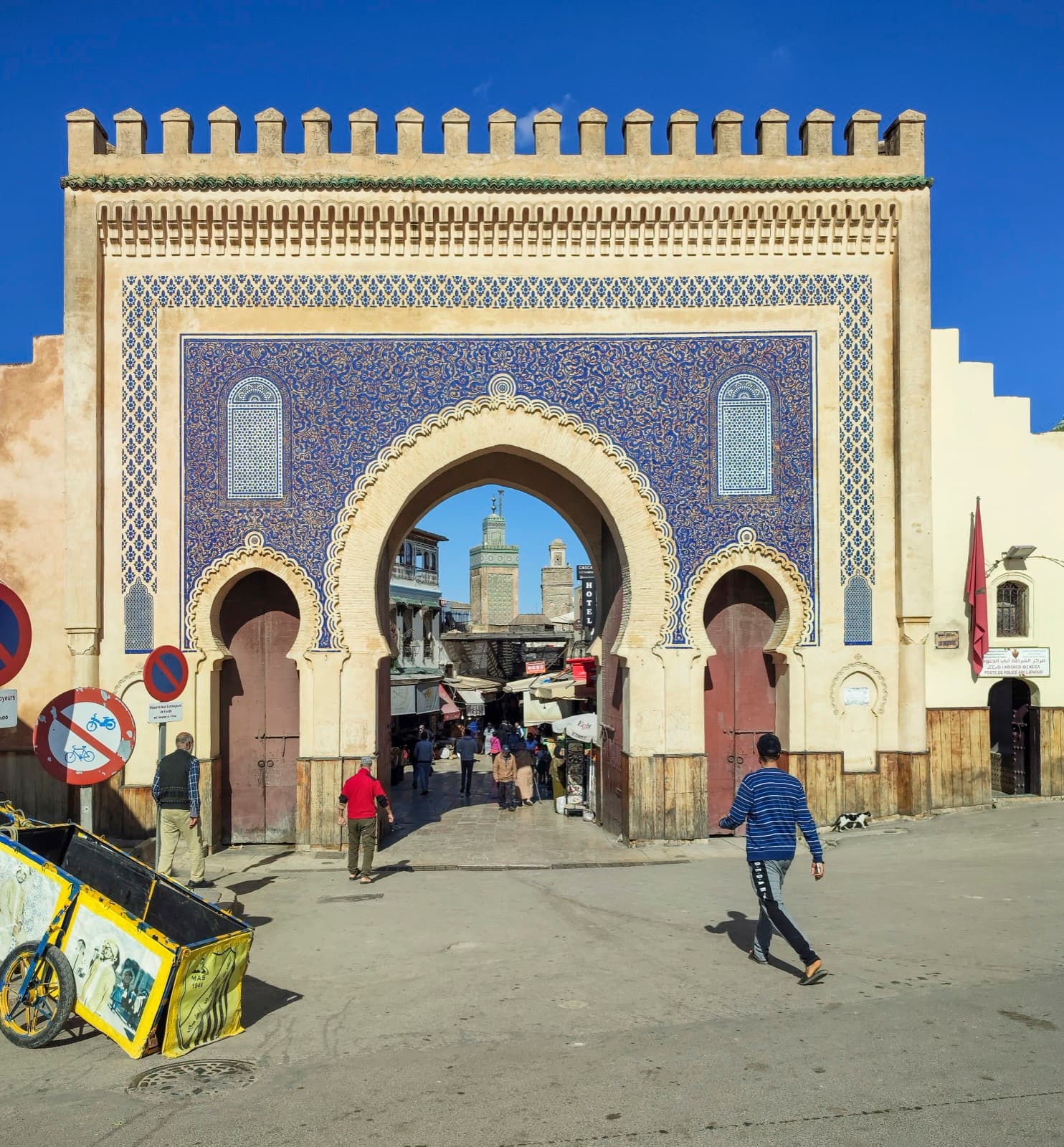
The plan below routes cleanly into a walk: most of these foods cluster along the sloping main artery of the old city, the same spine covered by the Fez walking tours and the tour pages on /morocco/fez. Bab Bou Jeloud, the ceremonial Blue Gate where the medina tour begins, doubles as the city's most accessible street-food square, so your first stop can be a snack.
The five dishes to prioritize
Pastilla (also spelled bastilla or b'stilla). This is the dish Fez is most famous for. A pie of tissue-thin warqa pastry wraps slow-cooked poultry (traditionally squab, now usually chicken), sweetened ground almonds, eggs, and cinnamon, finished with a dusting of powdered sugar. It reads sweet and savory at once, which surprises first-timers. Fez is widely cited as the heartland of pastilla, and the Fassi version is treated as the traditional benchmark. Its roots are Andalusian, carried into Morocco from medieval Spain, though food historians debate the exact route. Pastilla is celebration food, so it appears on set menus at restored-riad restaurants more than at street stalls. Order a small one to share: a full pastilla is large and rich.
B'ssara. The breakfast of the medina. It is a thick soup of dried fava beans pureed with garlic, olive oil, cumin, and paprika, poured into a bowl, then crossed with a swirl of olive oil and a dusting of cumin and chili. In Fez it was nicknamed the poor person's chicken soup, and you will see workers cradling bowls of it at dawn near the gates and souk entrances. It costs very little, usually just a few dirhams, and comes with fresh bread for dipping. Ask for extra cumin and olive oil on top: that is how locals finish it.
Harira. A hearty soup of chickpeas, lentils, tomato, meat, and herbs, thickened and warmly spiced. It is the soup Moroccans traditionally use to break the Ramadan fast, served then with dates and the honeyed sesame sweet chebakia, but in Fez you can find it year-round. Fassi harira has a reputation for being thicker and more heavily seasoned than versions elsewhere. Order it as a light meal on its own, or as a starter before a tagine.
Khlii (khlea). Fez's signature preserved meat, and a genuine local specialty rather than a tourist item. Strips of beef or lamb are salted, spiced, and sun-dried, then cured in rendered fat, a process that stretches over roughly a month. Fez is known within Morocco as the capital of khlii. You will most often meet it fried with eggs for breakfast, its deep, salty, cured flavor cutting through the richness. Ask for khlii bil bayd (khlii with eggs) at a breakfast counter.
The fried-dough and tea run. Three items make the classic morning circuit. Sfenj are airy fried-dough rings, Morocco's version of a doughnut, sold hot and sometimes dusted with sugar. Chebakia are dough twisted into flower shapes, fried, then soaked in honey and orange-blossom syrup and coated in sesame. Maakouda are crisp fried potato cakes, often eaten with harissa or stuffed into bread. Pair any of them with Moroccan mint tea, the sweet green tea steeped three times and poured from a height to build foam. It is the national drink and the default gesture of hospitality across the city.
How to order like a local
Hear a stop from this walk
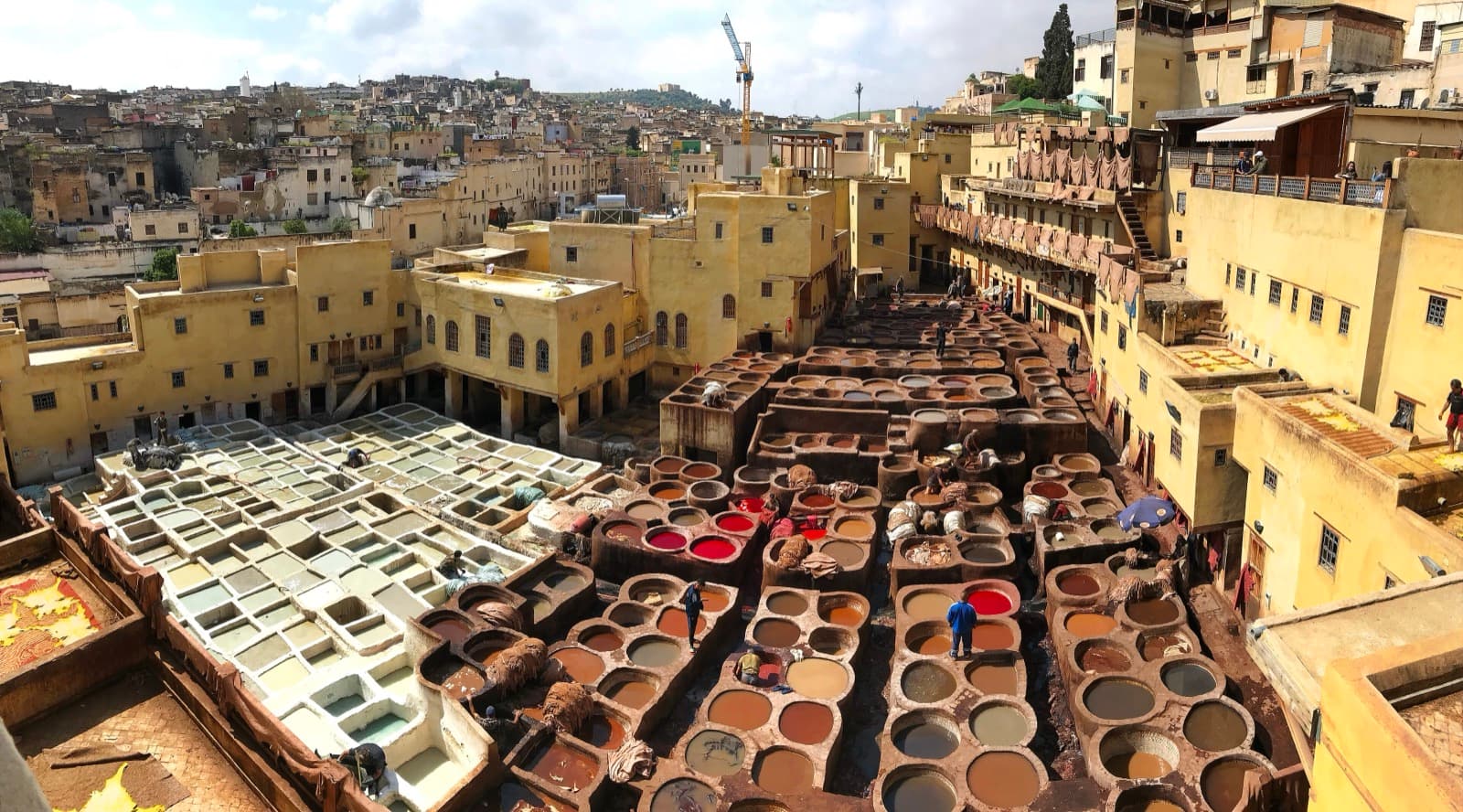
The Chouara Tannery: The Craft That Stains the City's Hands
Carry small cash in dirhams. Street stalls, soup counters, and bakeries do not take cards, and the best b'ssara or sfenj is bought for coins. Prices for street snacks are low, but confirm the price before you commit at a stall aimed at visitors near the main gate.
Eat the soups early. B'ssara and harira are breakfast and early-day foods for many Fassis, so stalls sell out or wind down by mid-morning for b'ssara. Bread is the utensil: tear a piece and scoop rather than reaching for a spoon with the fava puree.
Treat pastilla as a shared, sit-down dish. Because it takes hours to build, it is a restaurant and celebration food, not a grab-and-go item. If you want to try it, plan a proper meal, ideally at one of the restored medina houses, and split one order across the table.
Say yes to the tea. When a shopkeeper or restaurant offers mint tea, accepting is part of the exchange, not an obligation to buy. Three glasses is the traditional serving rhythm.
Where the food and the walk meet
The dishes above are not scattered randomly. Bab Bou Jeloud, the Blue Gate that opens the Fez walking tours, is one of the densest street-food corners in the city, good for grilled skewers, sfenj, and maakouda. From there the medina's main downhill lane carries you past soup counters, bakeries, and small eateries all the way toward the tanneries. A short walk into the newer royal quarter, covered by the second Fez tour, brings you to the Jnan Sbil Gardens, a cool, shaded place to rest between meals (it is free to enter and closes on Mondays, so plan around that). Browse both routes and the practical details on the city page at /morocco/fez, then let hunger set your pace.
Sources
Frequently asked questions
- What is Fez most famous for eating?
- Fez is most associated with pastilla, a pie of thin warqa pastry filled with poultry, almonds, eggs, and cinnamon, dusted with powdered sugar. Fez is widely cited as the heartland of this Fassi dish, and its version is considered the traditional benchmark. It is celebration food, usually served at sit-down restaurants rather than street stalls.
- What is b'ssara and when do people eat it in Fez?
- B'ssara is a thick soup of dried fava beans pureed with garlic, olive oil, cumin, and paprika, finished with a swirl of olive oil on top. In Fez it is a breakfast and early-day food, sold cheaply near the gates and souk entrances, and was nicknamed the poor person's chicken soup. It comes with bread for dipping and costs only a few dirhams.
- Is khlii a real Fez specialty?
- Yes. Khlii, also spelled khlea, is preserved meat made by salting, spicing, and sun-drying strips of beef or lamb, then curing them in rendered fat, a process that stretches over roughly a month. Fez is known within Morocco as the capital of khlii. It is most commonly eaten fried with eggs for breakfast, so ask for khlii with eggs at a breakfast counter.
- Where can I find street food in the Fez medina?
- Bab Bou Jeloud, the Blue Gate at the entrance to the old city, is one of the densest street-food corners in Fez, with vendors selling grilled skewers, sfenj (fried-dough rings), and maakouda (potato fritters). From the gate, the medina's main downhill lane passes soup counters and bakeries. Carry small cash in dirhams, since stalls do not take cards.
- What is the difference between harira and b'ssara?
- Harira is a hearty soup of chickpeas, lentils, tomato, meat, and herbs, traditionally eaten to break the fast during Ramadan and served with dates and honeyed chebakia. B'ssara is a simpler pureed fava bean soup eaten mainly at breakfast. Fassi harira has a reputation for being thicker and more heavily seasoned than versions in other Moroccan cities.
- Do I have to pay for the mint tea I'm offered?
- Moroccan mint tea, the sweet green tea steeped three times and poured from a height, is the national drink and a standard gesture of hospitality. When a shopkeeper or restaurant offers it, accepting is part of the social exchange and does not obligate you to buy anything. The traditional serving is three glasses.
Ready to experience it?
Fes el-Bali: Inside the World's Largest Living Medina
150 min · 2 km · moderate
More from Fez
Explore more at your own pace.
Fez Travel Guide: Days, Transport, Season, Safety, Budget
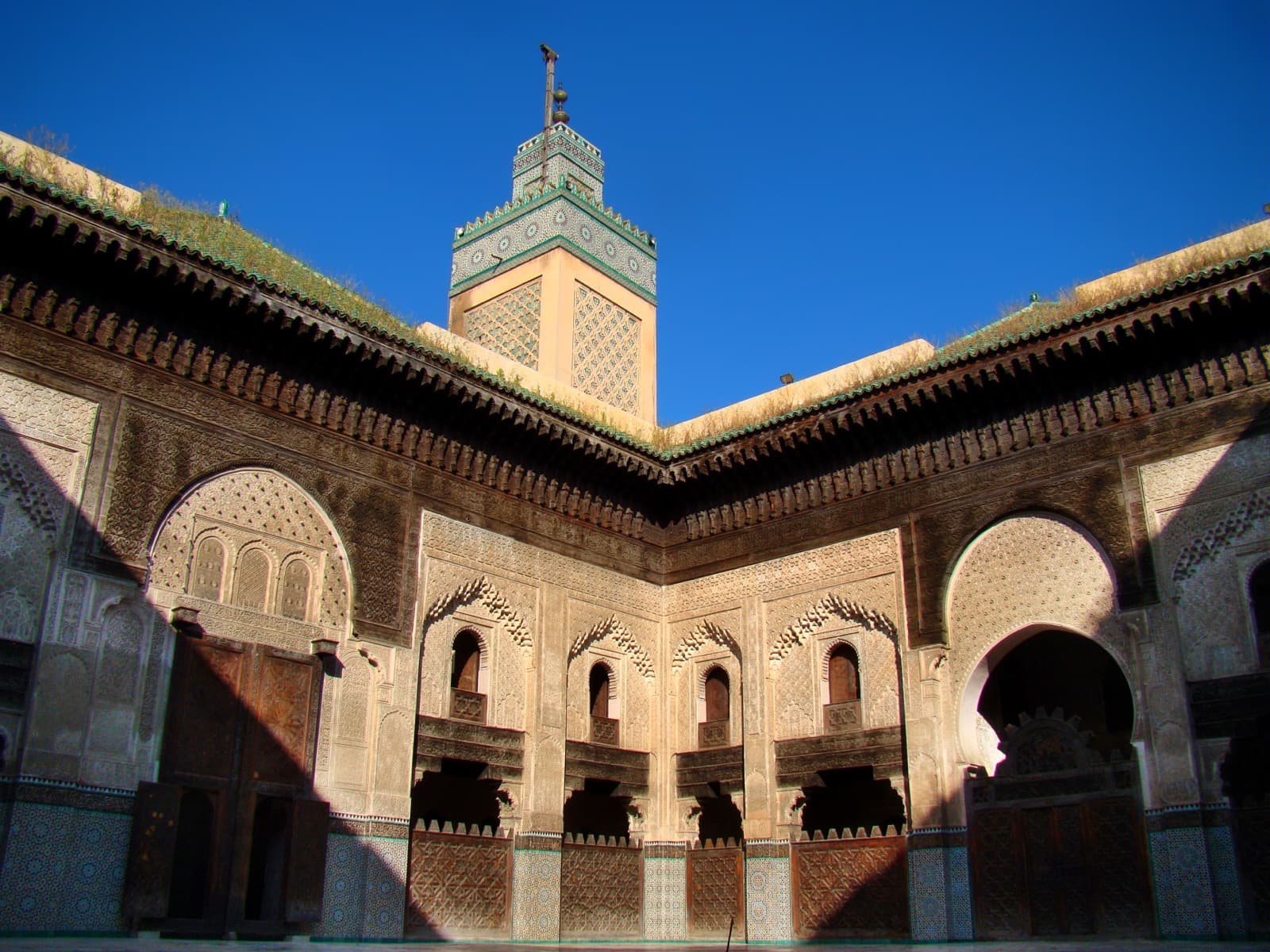
Fez, Two Cities in One Wall: Reading the Medieval Medina and the Imperial City
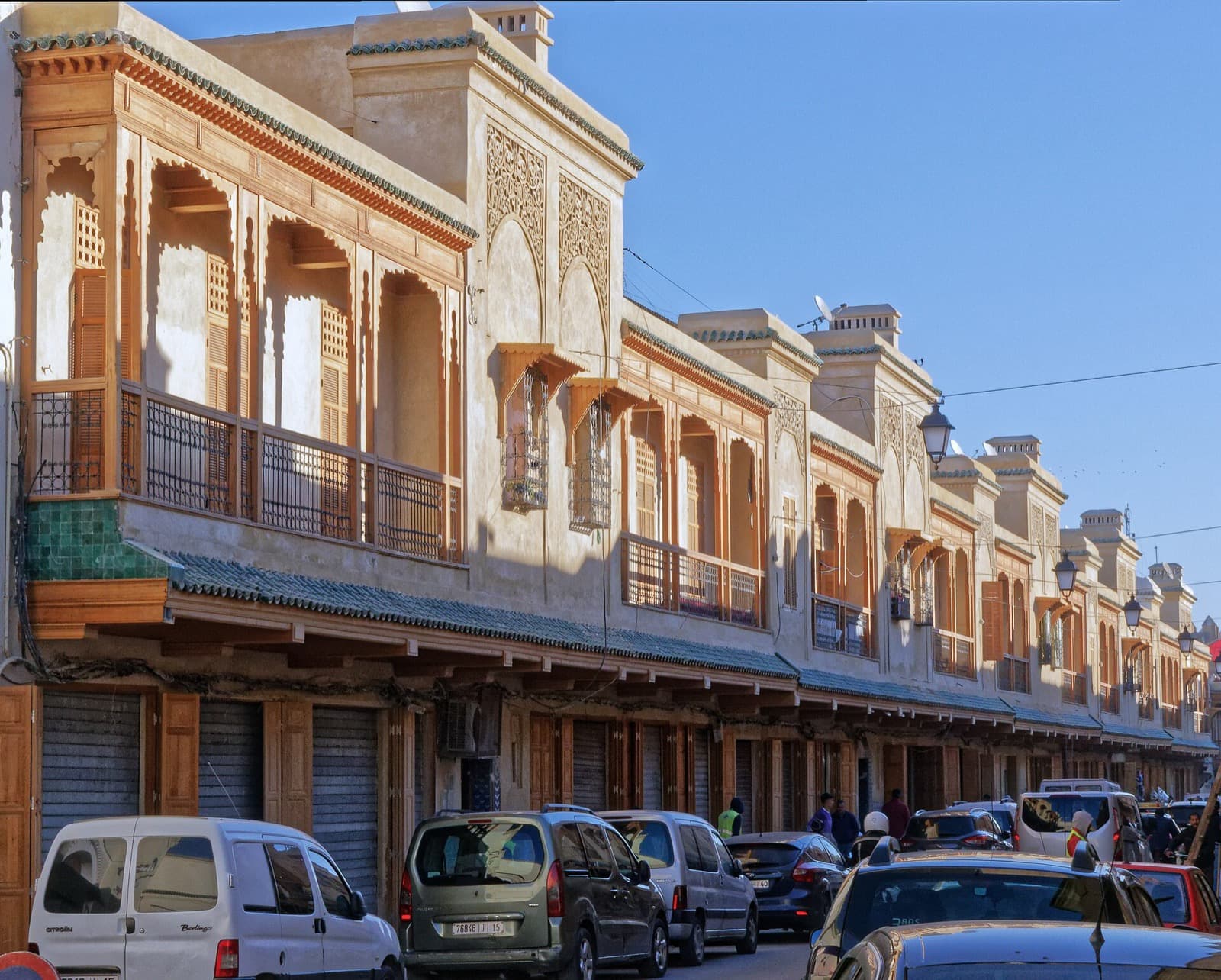
The Mellah of Fez: The Jewish Quarter That Faced the Street
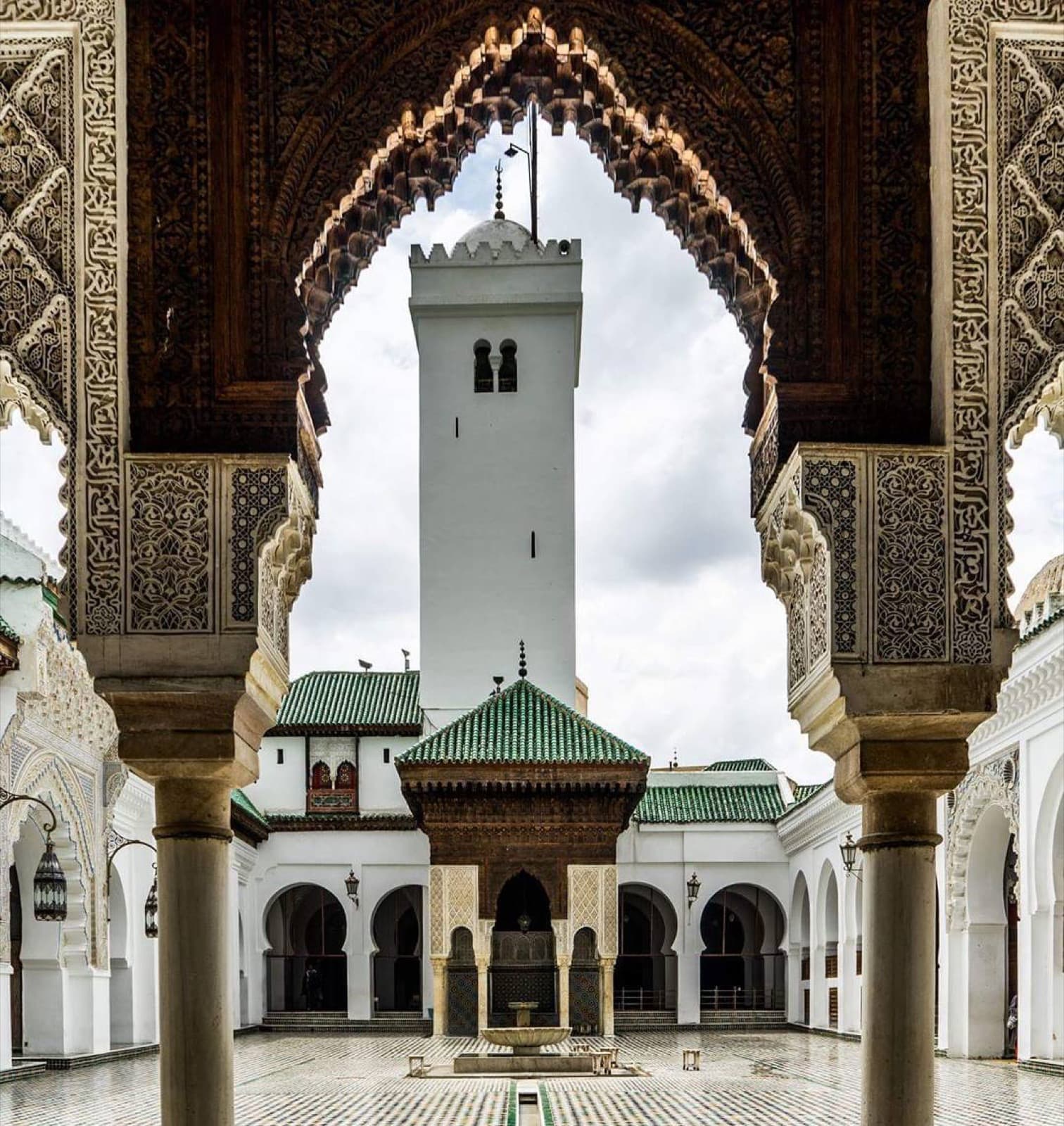
The Qarawiyyin: Walking Into the World's Oldest University in Fez's Living Medina
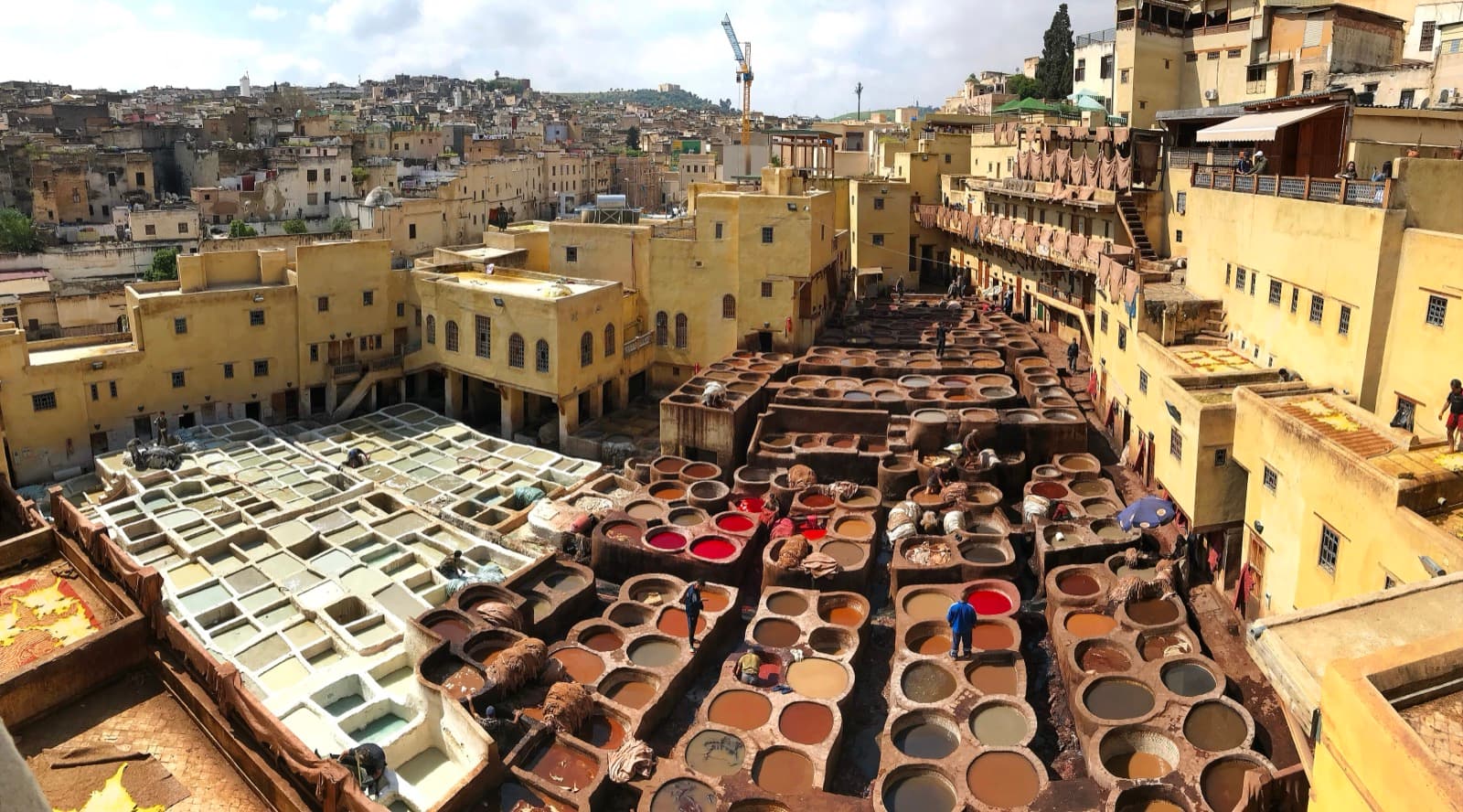
The Chouara Tannery in Fez: How Leather Is Still Dyed by Hand