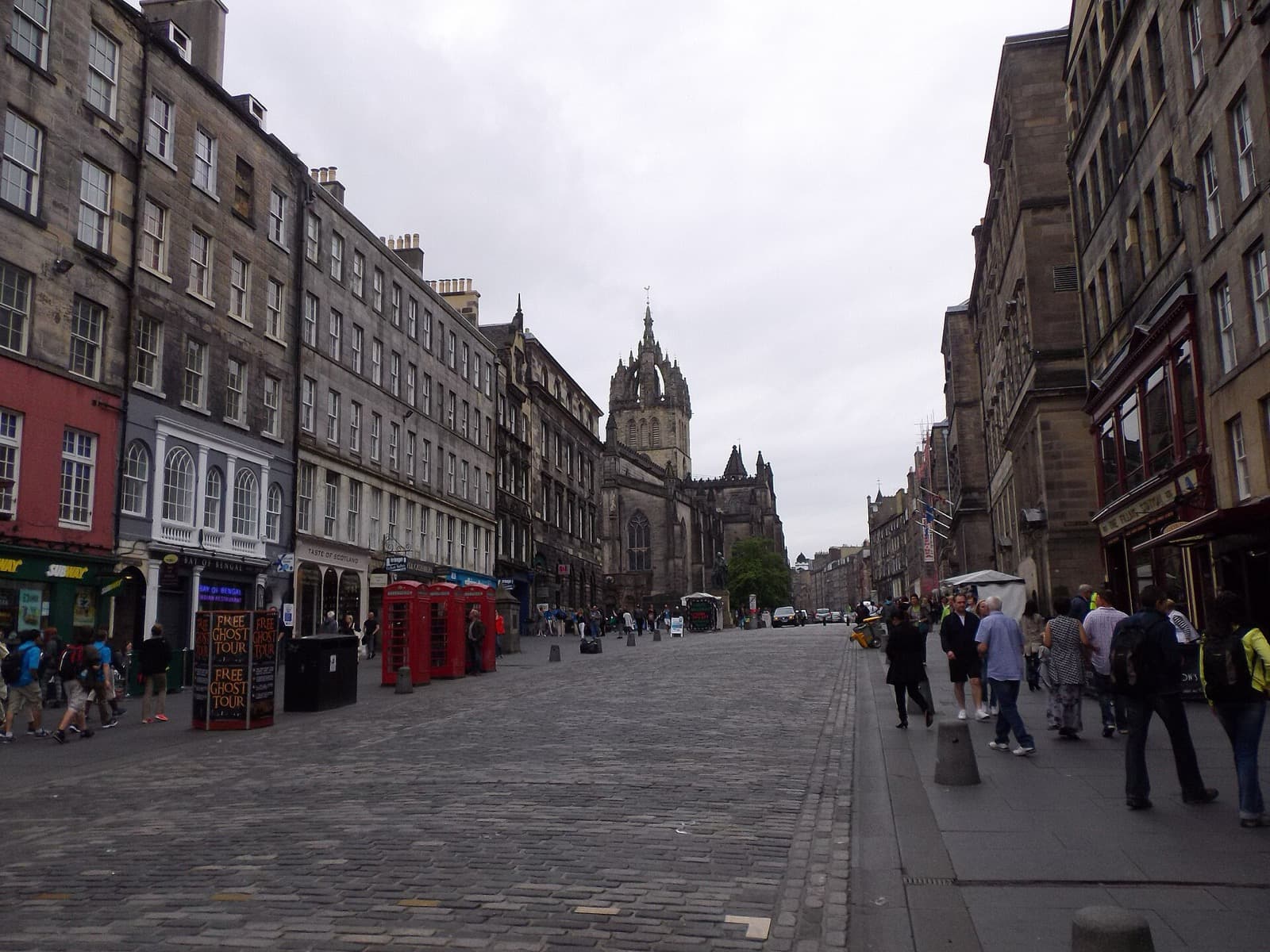
Old Town: The Royal Mile
100 min · 2 km · moderate
Eat haggis with neeps and tatties, a bowl of Cullen skink, a Scotch pie, and cranachan for pudding, and you will have covered the core of what to eat in Edinburgh. These dishes come from Scottish thrift, the raspberry harvest, and the fishing seasons of the north-east coast, and you order them plainly by their local names, often with a small glass of whisky (a "dram") alongside. Below is what each dish is, where the tradition comes from, and how to ask for it without hesitation.
Haggis, neeps and tatties: the dish to try first
Haggis is the one to start with. It is a savoury pudding of sheep's offal (heart, liver, and lungs) minced with onion, oatmeal, suet, and spices, traditionally simmered inside the sheep's stomach lining. That sounds confronting on paper and tastes, in practice, like a warm, peppery, faintly nutty mince. Its roots reach back to at least the 15th century, when the point was that no part of the animal went to waste.
You will see it on menus as "haggis, neeps and tatties." Neeps are mashed swede or turnip; tatties are mashed potatoes. Order it exactly that way and you will sound like you know what you are doing. Many kitchens now serve a vegetarian haggis made with oats, pulses, and vegetables, so ask if you want that version.
Haggis carries real cultural weight because of Robert Burns, Scotland's national poet, who wrote his "Address to a Haggis." The first recorded Burns supper was held in 1801, when a group of his friends gathered to mark the anniversary of his death with haggis, poetry, and whisky. Around 25 January every year, on Burns Night, the dish is ceremonially piped in and toasted. You do not need a special occasion to order it, though. It is on pub and restaurant menus across the Old Town all year.
Cullen skink: the soup you should not skip
Hear a stop from this walk
Edinburgh Castle and the Esplanade: The Fortress on the Dead Volcano
Cullen skink is a thick, creamy smoked-haddock soup with potato and onion, and it is one of the most satisfying things to eat on a cold Edinburgh day. The name is geographic: it comes from the fishing village of Cullen on the Moray Firth coast in the north-east. "Skink" is an old Scots word for a shin of beef and, more broadly, for a thick soup, so the name simply means the hearty soup from Cullen.
The dish grew out of necessity. Fishing families smoked their haddock (a smoked haddock is called Finnan haddie) so it would keep through winter, then built a filling soup around it. Ask for it as a starter or a light lunch. Good versions taste distinctly of smoke and the sea rather than only of cream.
The Scotch pie and the bakery counter
The Scotch pie is Edinburgh's classic hand-held food: a small, straight-sided double-crust pastry case filled with spiced minced mutton or beef, with a rim left empty at the top so it can be filled with gravy, beans, or mash. It has been a Scottish staple for centuries and evolved from the older mutton pie, mutton being the cheaper, more flavoursome cut. Scots take it seriously enough that there is a World Scotch Pie Championship, run by the Scottish Bakers trade association and held in Dunfermline, just across the Firth of Forth.
Buy one at a bakery counter and eat it standing up or on a bench. If you want the full local move, ask for a pie and a can of Irn-Bru, Scotland's bright-orange soft drink. This is street food, not a sit-down meal, and it is cheap.
Cranachan and Scottish sweets
For pudding, order cranachan. It layers whipped cream, toasted oatmeal, honey (heather honey by tradition), a splash of whisky, and fresh raspberries. It began as a harvest celebration: farm workers marked the end of the soft-fruit season, especially the raspberry harvest in Perthshire and Angus, with a bowl of cream, oats, and whatever sweetness was to hand. It is light where you expect heavy, and the raspberries cut the cream.
Two other sweets are worth seeking out in shops. Scottish tablet is a hard, crumbly, intensely sweet confection made from sugar, condensed milk, and butter, boiled hot and beaten so the sugar crystallises. Do not confuse it with fudge, which uses cream instead of condensed milk and stays soft. And if you want the notorious one, the deep-fried Mars bar is real: a chocolate bar in batter, dropped in the fryer. It was invented around 1992 at a chip shop in Stonehaven, near Aberdeen, though the exact origin is disputed and locals treat it as a novelty more than a staple. Some Edinburgh chip shops will make one on request.
How to order like a local
A few plain habits will carry you. Order dishes by their local names, as above. When you sit down at a pub and want a small pour of whisky, ask for "a dram," and if you like a splash of water in it, that is normal and not frowned upon. Fish and chips is called a "fish supper" whether or not it is evening, and a "supper" means it comes with chips while a "single" is the fish alone. If a menu lists "stovies," that is a homely stew of potatoes, onions, and leftover meat, worth trying when you find it.
For a single stop that lands most of this in one place, the Edinburgh Farmers' Market on Castle Terrace runs on Saturday mornings and has done since 1999, with dozens of Scottish producers selling smoked fish, Borders lamb, cheese, and baking directly. It sits right below the castle. For a pub with genuine age, the Sheep Heid Inn in the village of Duddingston, a short way east of the centre, is reputed to have had an inn on its site since 1360, which would make it one of the oldest in the country, though the standing building is later.
Where the food and the walking meet
Edinburgh's food geography maps neatly onto its walkable core. The Royal Mile and Grassmarket are dense with bakeries, pubs, and haggis on menus, so it is easy to fold a meal into a walk through the Old Town. Our self-guided audio tours are built to pause exactly when you want to eat and pick up where you left off.
Start with the Edinburgh Old Town: The Royal Mile tour, which runs the medieval spine downhill from the castle past Saint Giles' Cathedral to Holyrood, passing bakeries and pubs along the way. The Grassmarket and Closes tour drops into the old market square and the lanes below the Royal Mile, an area thick with places to stop and eat. For a change of register, the New Town and Enlightenment tour covers George Street and Charlotte Square, where the restaurants lean more toward sit-down dining. You can browse all of them on the Edinburgh walking tours hub, then plan your meals around the route rather than the other way round.
Sources
Frequently asked questions
- What is the national dish of Scotland to eat in Edinburgh?
- Haggis, usually served as haggis, neeps and tatties, is Scotland's national dish and the one to try first in Edinburgh. It is a savoury pudding of sheep's offal minced with oatmeal, suet, onion, and spices, served with mashed swede (neeps) and mashed potato (tatties). It appears on pub and restaurant menus across the Old Town year-round, and vegetarian versions made with oats and pulses are widely available.
- What is Cullen skink?
- Cullen skink is a thick, creamy Scottish soup made from smoked haddock, potatoes, and onions. It takes its name from the fishing village of Cullen on the Moray Firth in north-east Scotland, where families smoked their haddock to preserve it through winter. Order it as a starter or a light lunch in Edinburgh.
- How do you order whisky like a local in Edinburgh?
- Ask for a dram, which means a small pour of Scotch whisky. Adding a splash of water is completely normal and common, especially with stronger single malts. Whisky is the traditional accompaniment to haggis, particularly on Burns Night around 25 January.
- Is the deep-fried Mars bar a real thing in Scotland?
- Yes, the deep-fried Mars bar is real. It is a chocolate bar coated in batter and deep-fried, invented around 1992 at a chip shop in Stonehaven near Aberdeen. Its exact origin is disputed, and Scots generally treat it as a novelty rather than an everyday food. Some Edinburgh chip shops will make one on request.
- What is a Scotch pie and where can I get one?
- A Scotch pie is a small, double-crust pastry case filled with spiced minced mutton or beef, with a raised rim at the top for adding gravy, beans, or mash. It is a centuries-old Scottish staple and inexpensive street food you can buy at bakery counters across Edinburgh. There is even an annual World Scotch Pie Championship held in Dunfermline.
- What Scottish dessert should I try in Edinburgh?
- Cranachan is the dessert to order. It layers whipped cream, toasted oatmeal, honey, a splash of whisky, and fresh raspberries, and it began as a celebration of the raspberry harvest in Perthshire and Angus. For sweets to take away, look for Scottish tablet, a hard and crumbly confection made with condensed milk that is distinct from softer, cream-based fudge.
Ready to experience it?
Old Town: The Royal Mile
100 min · 2 km · moderate
More from Edinburgh
Explore more at your own pace.
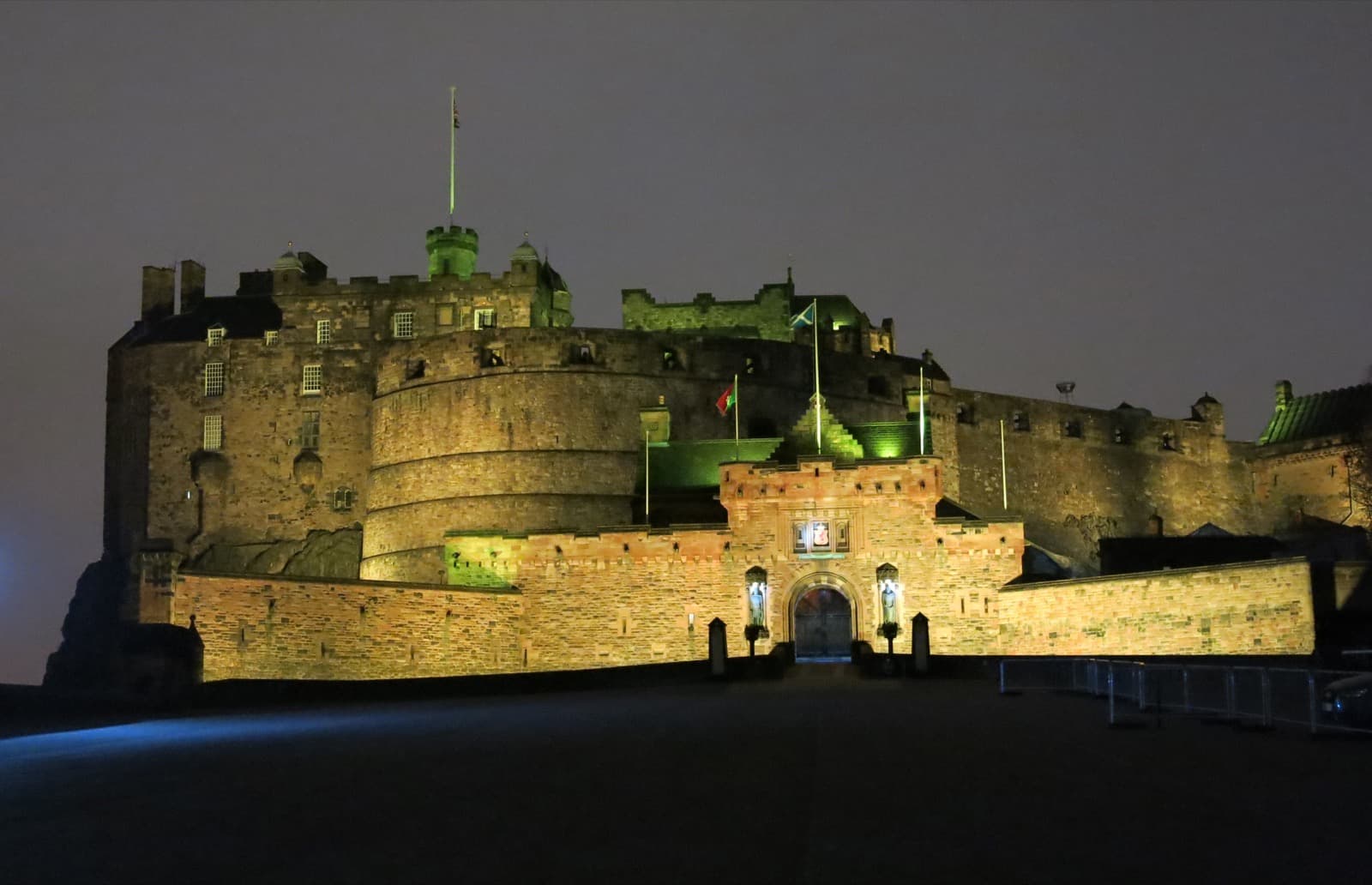
Two Cities on Two Ridges: How to Read Edinburgh's Old and New Towns
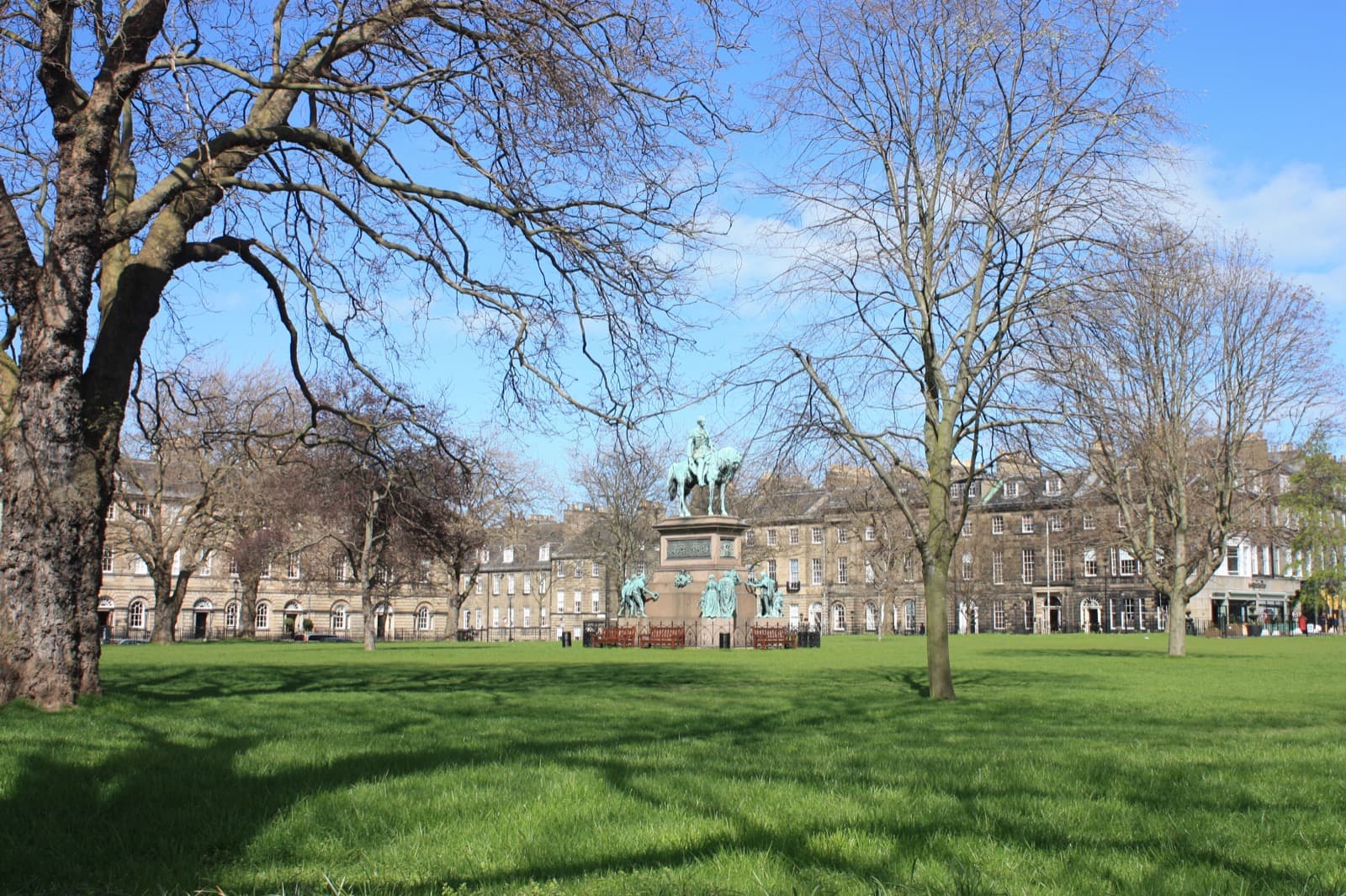
Charlotte Square: The Palace Front Where Edinburgh's Grid Resolves
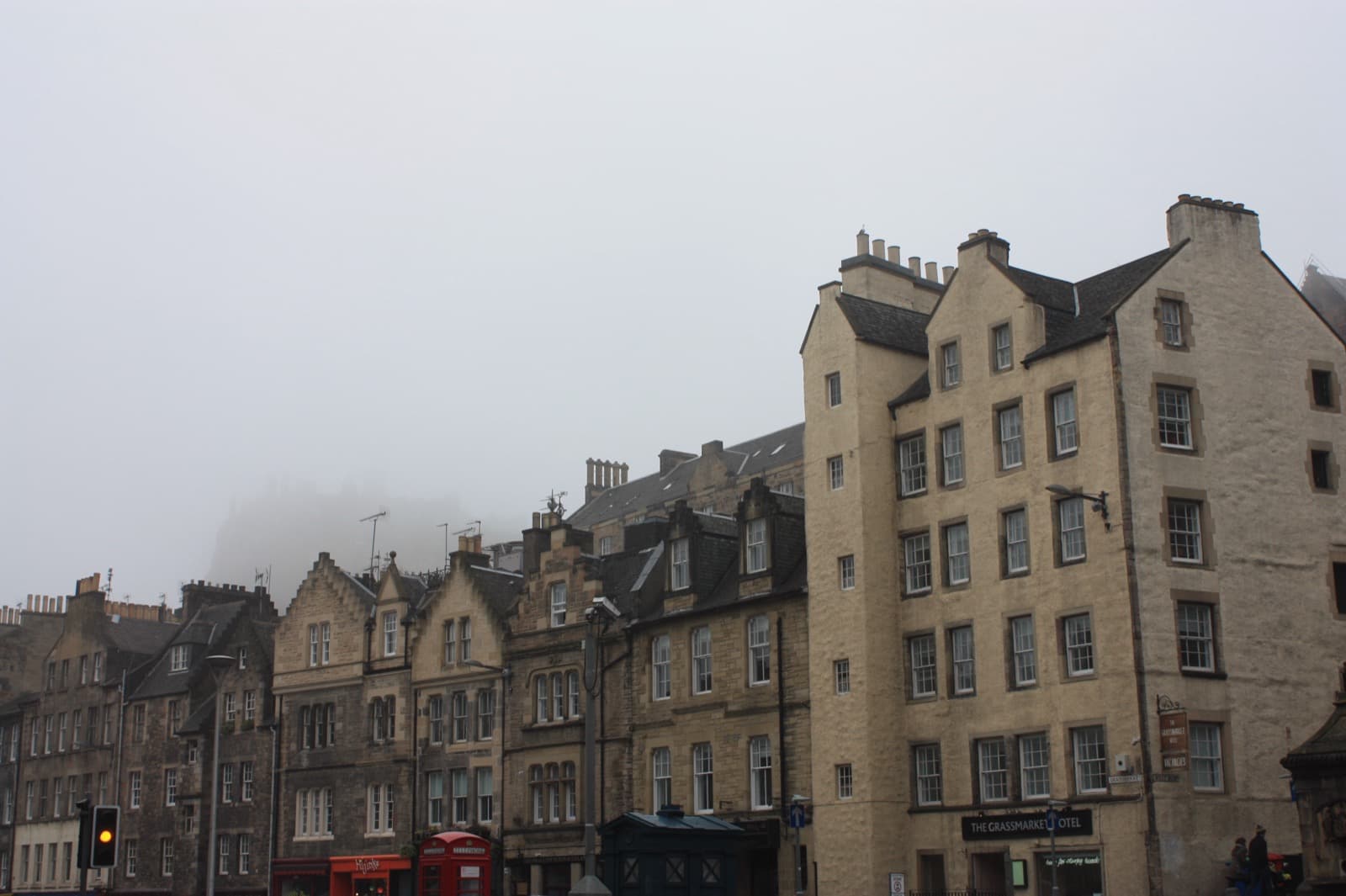
The Grassmarket: Edinburgh's Execution Square and the Old Town Underworld
Greyfriars Bobby: The Legend, the Monument, and What the Record Actually Says
The Real Mary King's Close: The Edinburgh Street That Was Buried Alive