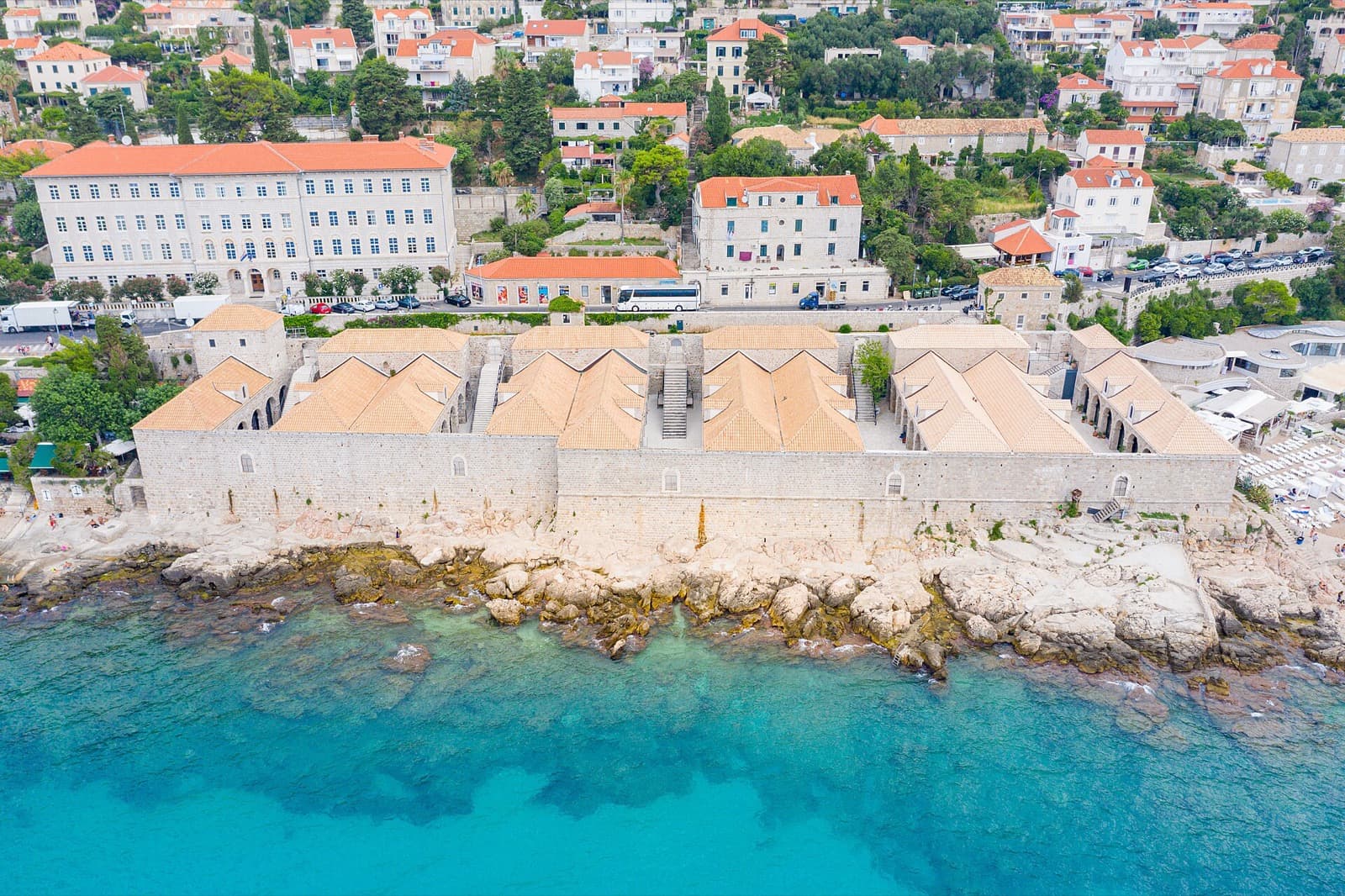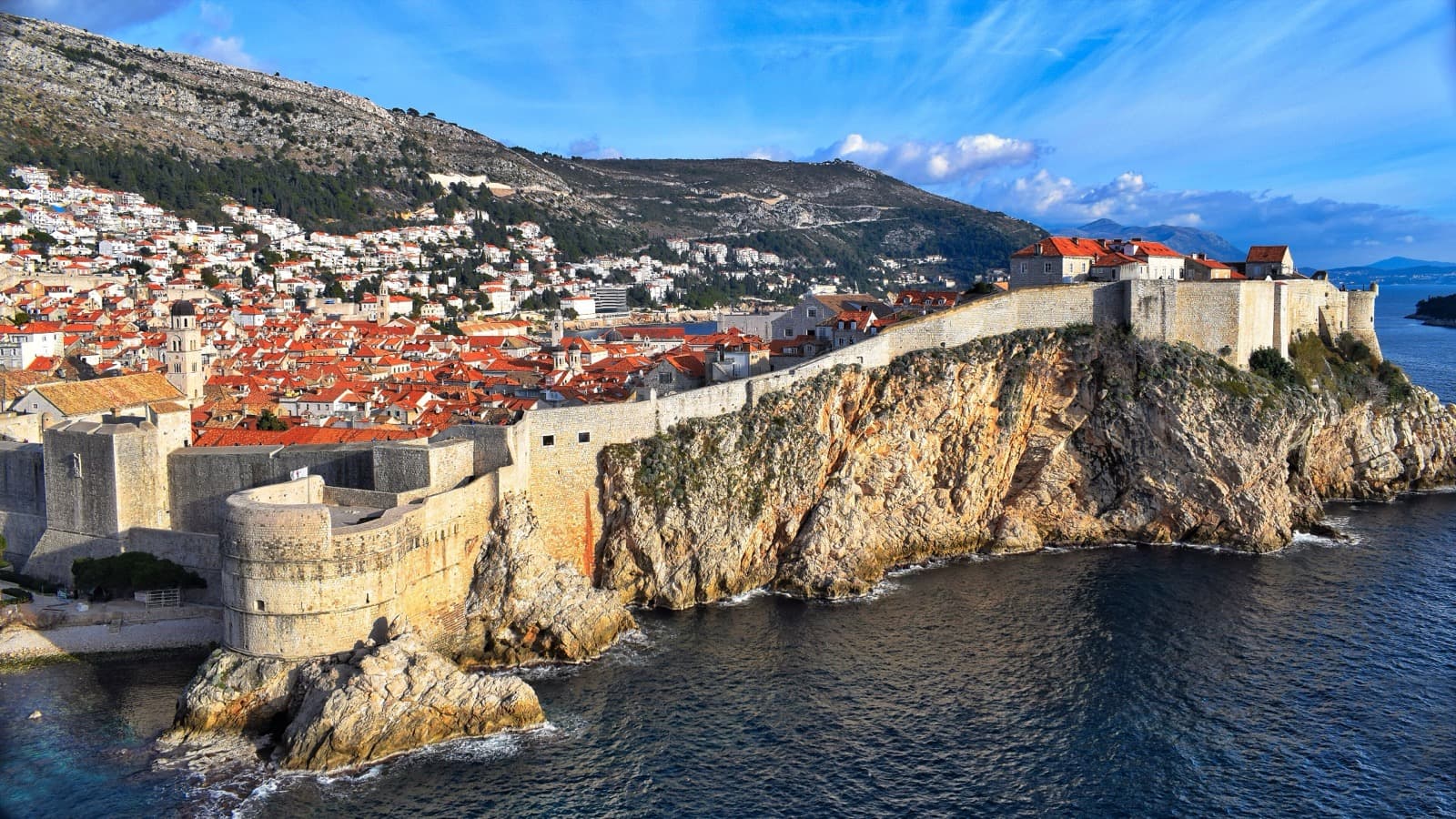
City Walls: The Unbroken Ring
90 min · 1.9 km · moderate
If you want to eat like a local in Dubrovnik, order the dishes the city built around its own history: šporki makaruli (the meat-sauced pasta of the Saint Blaise feast), zelena menestra (a green stew of cured meat, cabbage, and potato), fresh oysters from Ston on the Pelješac peninsula, crni rižot (black cuttlefish-ink risotto), and rožata, the caramel-topped rose-scented custard that Dubrovnik has been making since the Middle Ages. Wash it down with a Plavac Mali red from the Dingač slopes up the coast. This is Dalmatian cooking: seafood-forward, olive-oil-simple, and tied to specific saints, seasons, and a merchant republic that once ran this coast. Below is what each dish is, where the tradition comes from, and how to order it without looking like you just got off the cruise ship.
The food maps neatly onto the same streets you can walk on our Dubrovnik walking tours. The twelve-stop Old Town: Inside Dubrovnik's Walls walk passes the Church of Saint Blaise on Luža Square, the patron saint whose February feast is the reason šporki makaruli exists at all.
The two dishes tied to the calendar
Dubrovnik has two signature home dishes, and both are wedded to specific days of the year rather than to restaurant menus.
Šporki makaruli (roughly "dirty macaroni") is tubular pasta in a slow-cooked beef and red-wine sauce, seasoned with tomato, cinnamon, and cloves. It is the dish of the Festa Svetog Vlaha, the Festivity of Saint Blaise, held every February 3 and organized continuously since 972 AD, according to the Croatian National Tourist Board. The festivity was inscribed on the UNESCO list of Intangible Cultural Heritage in 2009. The name comes from the old table custom: as more relatives and friends arrived for the feast-day lunch, the less sauce was left to go around, so the last plates came out coated only in the "dirty" leftovers. The rich sauce is traditionally made the day before the feast so the household can join the procession. If you visit in early February, this is the one thing to order.
Zelena menestra, or green stew, is a one-pot meal of cured meat, potatoes, and cabbage or kale. Written records of the recipe reach back to the fifteenth century. Various cured meats (ham, bacon, sausage, dried mutton) give it a smoky, salty depth, and it is traditionally eaten around Christmas. You will find it on some konoba menus year round, and it is worth ordering when you see it: it is peasant cooking done patiently, not a tourist plate.
What the sea brings: oysters, black risotto, and buzara
Hear a stop from this walk
Bokar and Lovrijenac: freedom over the gate
Dubrovnik lived by the water, and the local seafood tradition is precise about where things come from.
Oysters from Ston and Mali Ston are the region's proudest catch. These are Ostrea edulis, the European flat oyster, grown in the sheltered bay on the Pelješac peninsula north of Dubrovnik. Oyster farming here traces back to Roman times and is believed to have carried on through the era of the Dubrovnik Republic. Mali Ston oysters received a European protected designation of origin in 2020, and the region's oysters won a gold medal at an international exhibition in London in 1936. Locals eat them raw with a squeeze of lemon. The Mali Ston Oyster Festival runs in mid-March, timed to the feast of Saint Joseph on March 19, when the shellfish are considered fullest.
Crni rižot, black risotto, is cuttlefish (sometimes squid) cooked with its own ink, garlic, onion, parsley, and wine. The Michelin Guide calls it one of the most iconic dishes of Croatian cooking, with roots firmly on the Adriatic coast. It arrives an intense inky black and will stain your teeth, which is part of the fun. Order it, squeeze the charred lemon over the top before eating, and pair it with a chilled white.
The other word to know is buzara: a light, quick preparation of shellfish (mussels, prawns, scampi) in a broth of white wine, garlic, olive oil, and parsley, sometimes with a little tomato. It is simple by design, meant to let the seafood taste like itself. Mop the broth with bread.
The dessert and the wine
Rožata is Dubrovnik's caramel custard, a close cousin of crème caramel or flan, but with a local signature: it is flavored with rozalin, a rose-petal liqueur, which is where the name comes from. The dessert has been made in Dubrovnik since the Middle Ages, baked slowly in a bain-marie and turned out under a caramel top. Order it to finish a meal and you are eating something the city has kept nearly unchanged for centuries.
For wine, look inland and up the coast to the Pelješac peninsula, roughly forty-five minutes from Dubrovnik with no border crossing since the Pelješac Bridge opened in 2022. The signature grape is Plavac Mali, a big, full-bodied, tannic red. Its two most famous appellations are Dingač and Postup, both grown on steep, sun-baked, south-facing slopes above the sea. Dingač became Croatia's first protected wine appellation in 1961. Any of these pairs well with the red-sauced meat dishes; a crisp Pelješac white suits the seafood.
How to order like a local
A few practical notes that save you from tourist-trap meals:
- Eat at a konoba, the traditional Dalmatian tavern. It is the local equivalent of a family-run bistro and where the home dishes above actually appear.
- Ask what is fresh. Fish is often sold by weight and displayed on ice; the waiter will bring the tray to your table. Point, ask the price per kilogram, and confirm before it is cooked. This is normal, not rude.
- Time the seasonal dishes. Šporki makaruli peaks around February 3, oysters around mid-March, cuttlefish (for black risotto) is best from spring into early summer. You can find versions off-season, but the freshest window is real.
- Skip the harborfront menus with photos and walk one or two streets back. The Stradun and the squares around it fill with cruise-ship crowds midday; the smaller side streets and the konobe up the stone stairs feed locals.
If you want the food to sit inside the city's story, walk it. The old town's polished-limestone main street and the Church of Saint Blaise, whose feast gave šporki makaruli its meaning, are the anchors of a self-paced route through Dubrovnik at /croatia/dubrovnik. Eating and walking here are the same act: both are about slowing down enough to notice what the republic left behind.
Sources
Frequently asked questions
- What food is Dubrovnik known for?
- Dubrovnik is known for šporki makaruli (meat-sauced pasta tied to the Saint Blaise feast), zelena menestra (green stew of cured meat, cabbage, and potato), fresh oysters from nearby Ston, crni rižot (black cuttlefish-ink risotto), and rožata, a caramel custard flavored with rose liqueur. The cooking is Dalmatian: seafood-forward, olive-oil-based, and often tied to specific saints and seasons.
- What is šporki makaruli and when do people eat it?
- Šporki makaruli, meaning roughly 'dirty macaroni,' is tubular pasta in a slow-cooked beef and red-wine sauce seasoned with tomato, cinnamon, and cloves. It is the traditional dish of the Festivity of Saint Blaise, held every February 3 in Dubrovnik. The Croatian National Tourist Board notes the festivity has been organized continuously since 972 AD, and it was added to the UNESCO Intangible Cultural Heritage list in 2009.
- Where do Dubrovnik's famous oysters come from?
- They come from Ston and Mali Ston on the Pelješac peninsula north of Dubrovnik. They are Ostrea edulis, the European flat oyster, farmed in a sheltered bay since Roman times. Mali Ston oysters received a European protected designation of origin in 2020, and the region's oysters won a gold medal at a London exhibition in 1936. The Mali Ston Oyster Festival takes place in mid-March around the feast of Saint Joseph.
- What is rožata?
- Rožata is Dubrovnik's traditional caramel custard, similar to crème caramel or flan, but flavored with rozalin, a rose-petal liqueur that gives the dessert its name. It has been made in Dubrovnik since the Middle Ages and is baked slowly in a bain-marie under a caramel top. It is a common way to finish a meal in the old town.
- What wine should I drink with food in Dubrovnik?
- The regional red is Plavac Mali, a full-bodied, tannic grape grown on the Pelješac peninsula about forty-five minutes up the coast. Its most famous appellations are Dingač and Postup, grown on steep sun-baked slopes; Dingač became Croatia's first protected wine appellation in 1961. Plavac Mali reds pair well with the meat dishes, while a crisp Pelješac white suits seafood like black risotto and oysters.
- Where do locals eat in Dubrovnik?
- Locals eat at a konoba, the traditional Dalmatian tavern, usually a street or two back from the harborfront and the Stradun. Menus with photos on the main promenade tend to cater to cruise-ship crowds. Fresh fish is often sold by weight and shown on ice, so it is normal to ask the price per kilogram before ordering, and the freshest dishes follow the seasons.
Ready to experience it?
City Walls: The Unbroken Ring
90 min · 1.9 km · moderate
More from Dubrovnik
Explore more at your own pace.
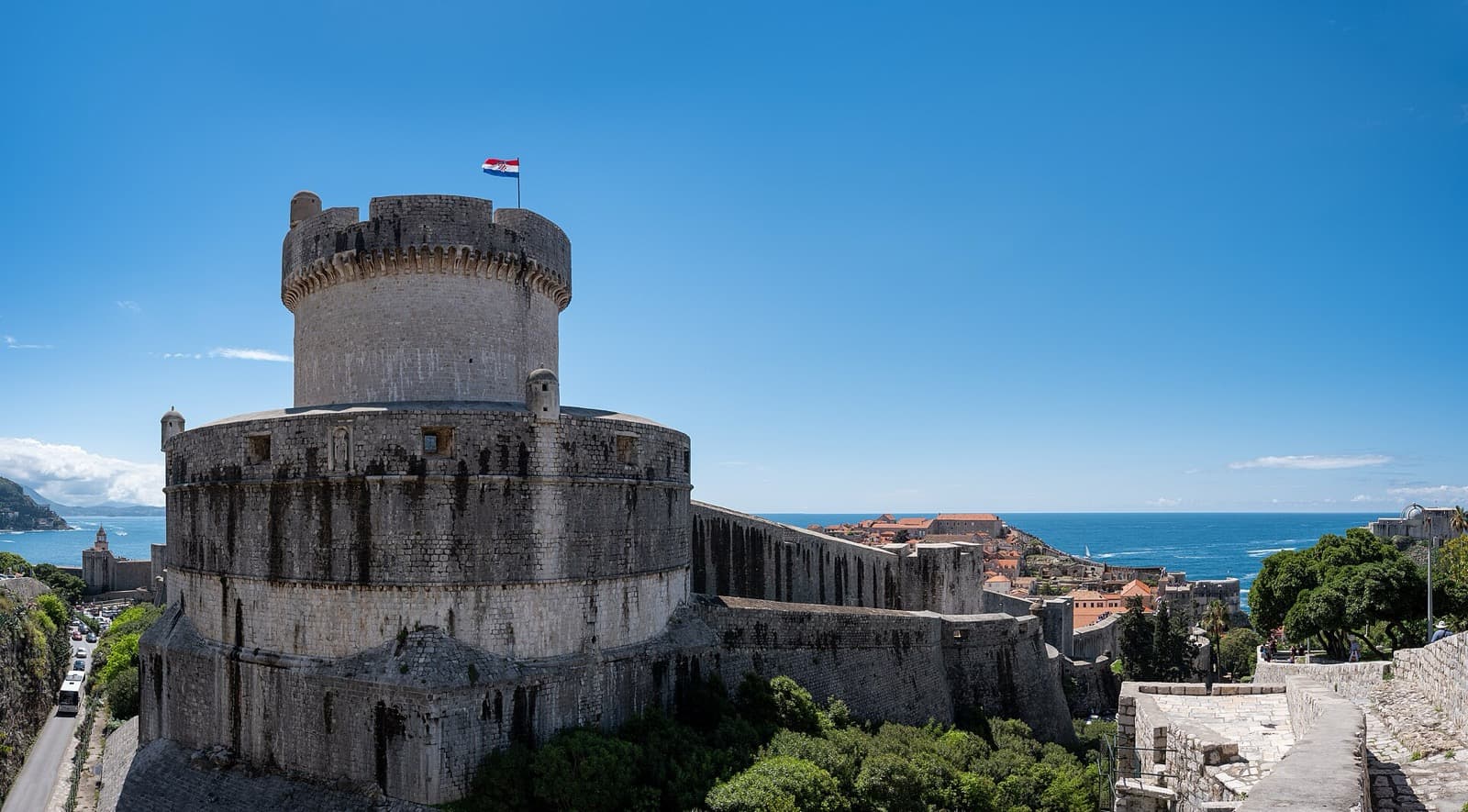
Minceta Tower and the Strategy Written Into Dubrovnik's Walls
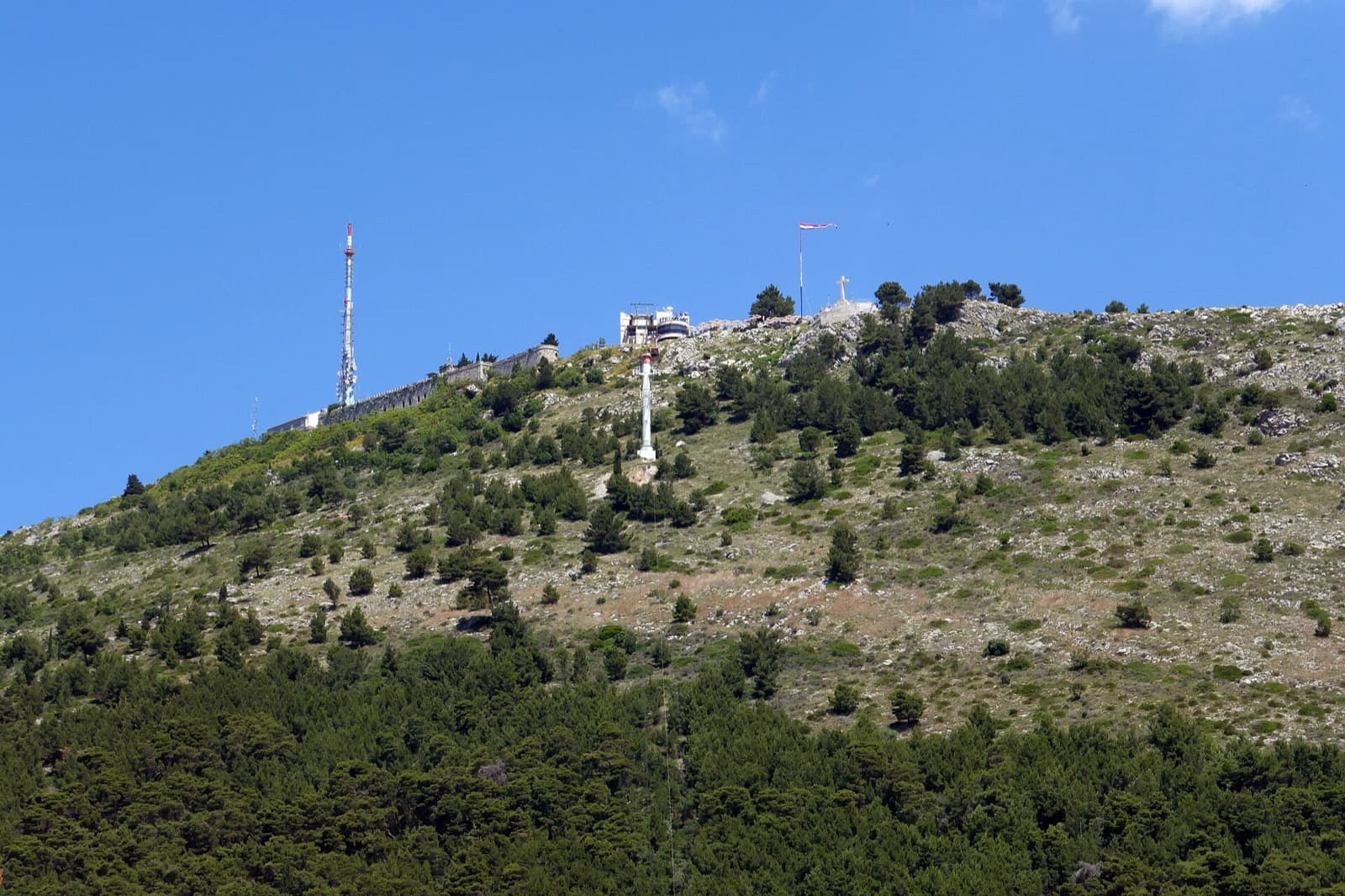
Mount Srd and Fort Imperial: How Dubrovnik's Mountain Fort Explains the Whole City
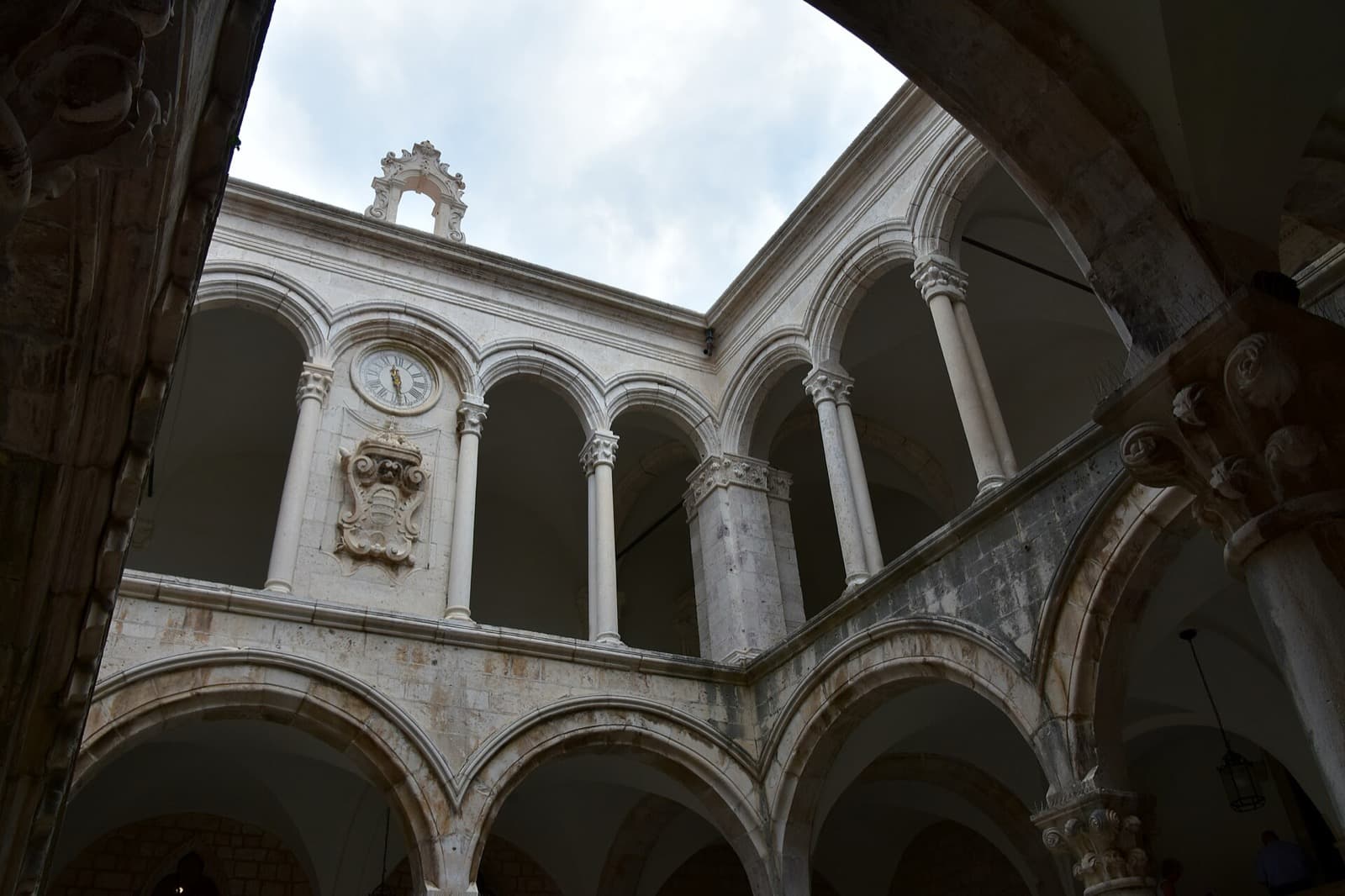
The Rector Who Ruled Dubrovnik for One Month
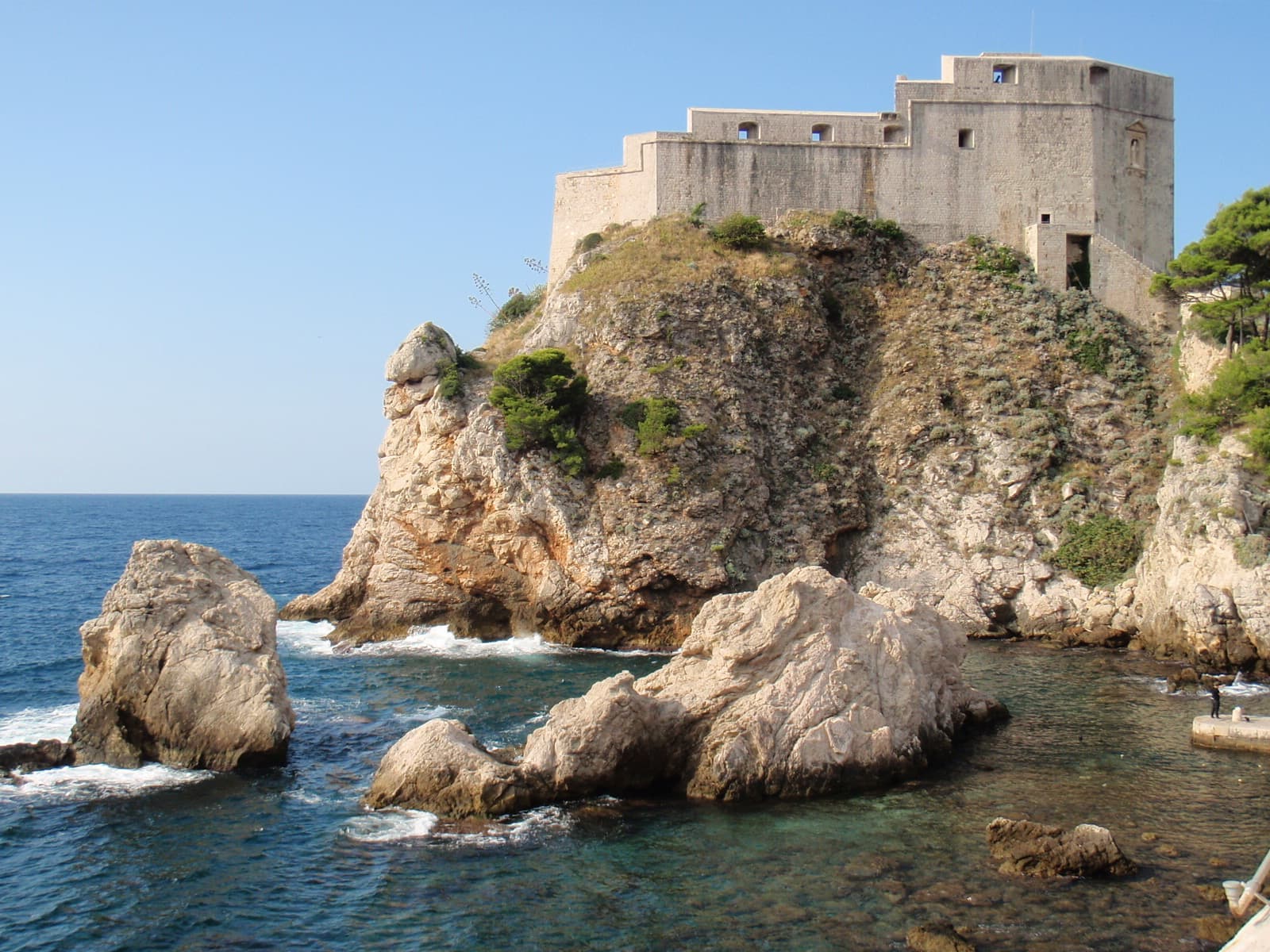
Bokar and Lovrijenac: The Forts That Guarded Dubrovnik's Freedom
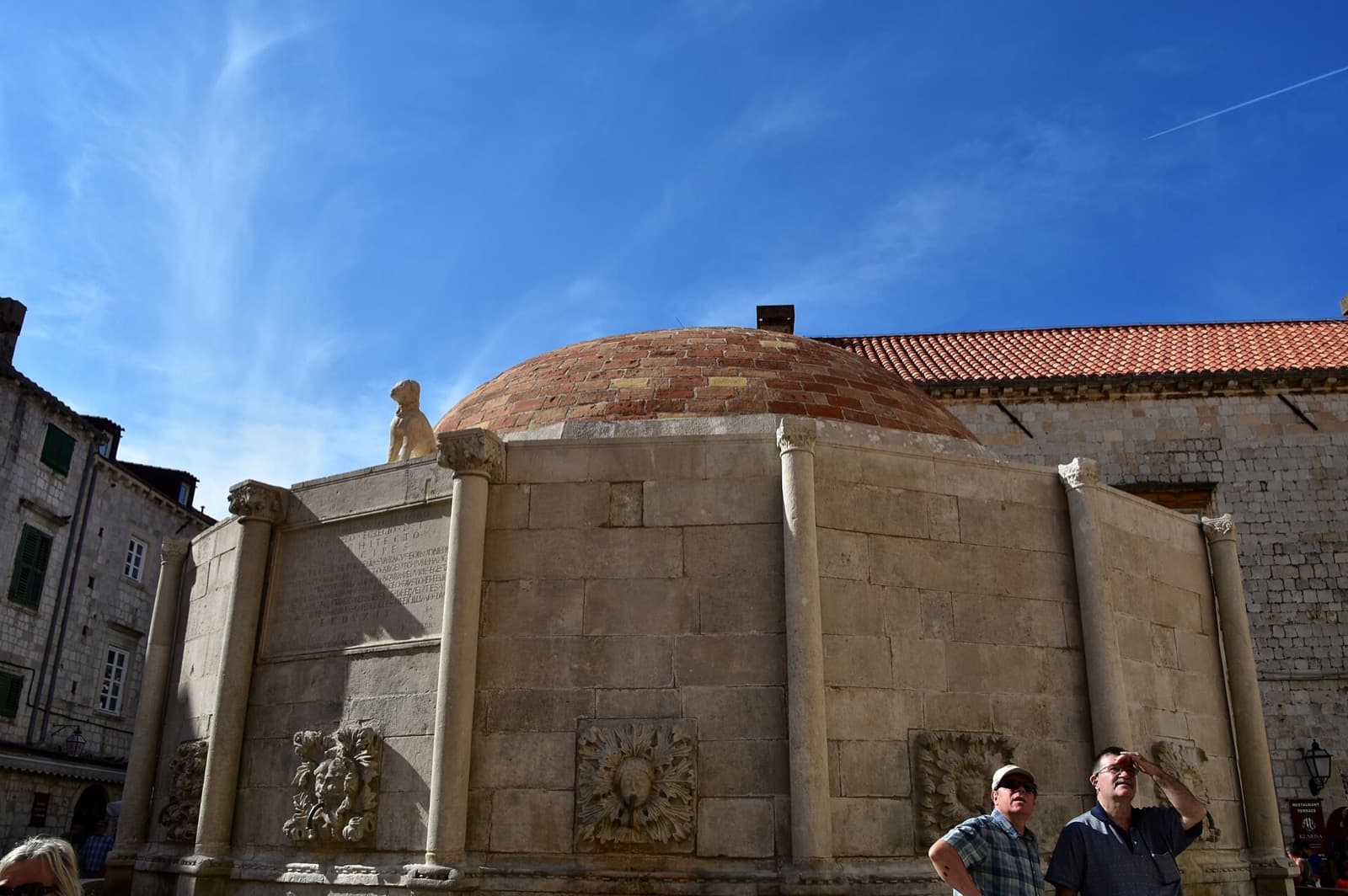
The Great Onofrio Fountain: Water as an Act of Government