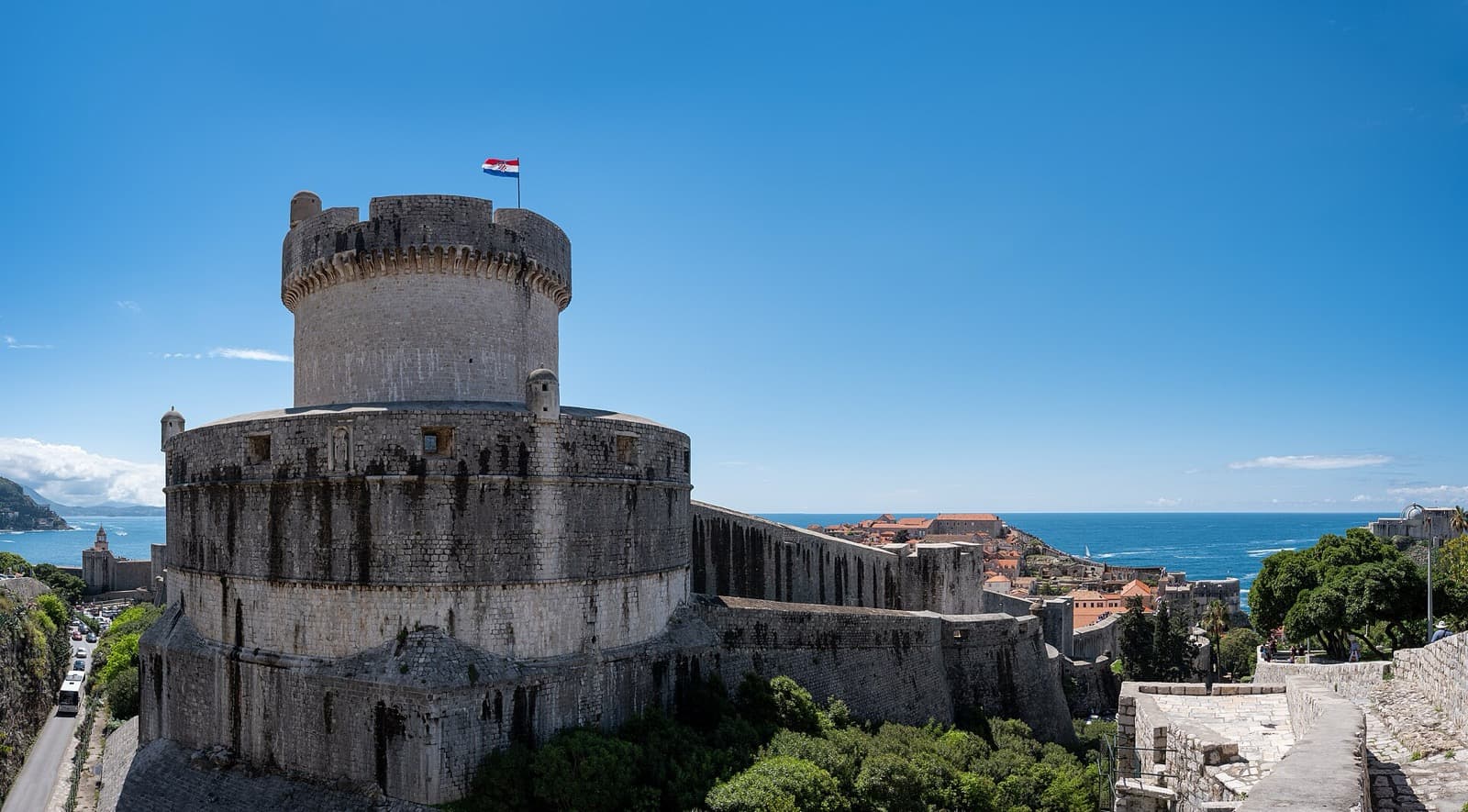
Minceta Tower guards the highest landward corner of Dubrovnik's medieval walls, and if you read that one round tower carefully, the whole survival strategy of a small merchant republic opens up in front of you. This was a city-state with no standing army of its own. It stayed one of the safest places in the medieval Mediterranean through law, diplomacy, tribute money, and a ring of stone. Strength here was never brute force alone. It was stone plus cunning, and Minceta is where you can see both at once.
Why the strongest tower sits exactly here
Start with the geography, because the builders did. Minceta crowns the north-western point of the walls, the highest landward corner, which is precisely where an attacking army would have massed for a land assault. Everywhere else the defenders had help: the sea on the south flank, gates funneling arrivals into controlled squeezes on the east and west. On this corner, the ground gave the attacker the advantage. So the republic answered with its strongest tower.
A square tower stood here from 1319. In 1461 the Florentine architect Michelozzo produced a model for rebuilding it so that it could be defended against both old and new ways of making war. The architect Juraj Dalmatinac, known in English as George the Dalmatian, is thought to have carried the work on after Michelozzo left, though no written record of his work on Minceta survives. The crowning battlements on their consoles, which give the tower its silhouette, were added toward the end of the fifteenth century by Paskoje Milicevic. On the land side the main walls run four to six metres thick. This is engineering as argument. The tower says, plainly, that the weakest ground got the hardest answer.
Now hold Minceta against the paradox that shapes the whole walk. A city with no standing army built the strongest corner in its ring, and then leaned even harder on diplomacy and tribute so it would rarely have to use it. The wall was the argument of last resort, not the first. That is the thesis of the entire circuit, and it is legible from the foot of this single tower.
What the tower asks you to read next
Hear a stop from this walk
Bokar and Lovrijenac: freedom over the gate
The genius of the Dubrovnik City Walls is that they were never a single line. They were a system, and Minceta is only the opening statement. Once you understand why the corner is built the way it is, the rest of the walk becomes a sequence of answers to specific threats.
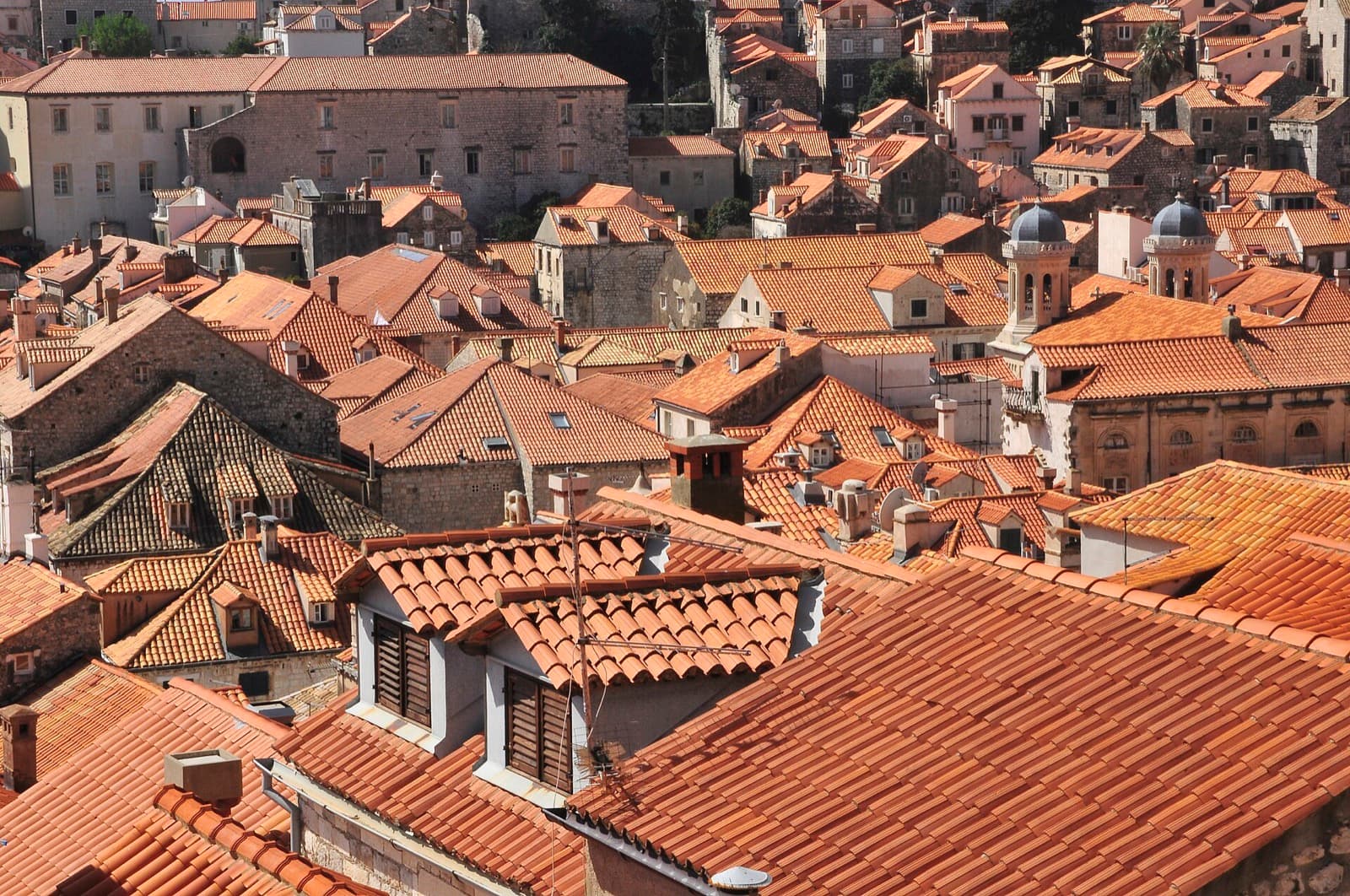
Walk the northern landward rampart from Minceta and you look straight down over a grid of terracotta roofs. Among the weathered old tiles you will notice patches of brighter, newer ones, whole sections that do not match. Each patch is a roof rebuilt after the siege. The Yugoslav People's Army attacked Dubrovnik from the first of October 1991, the old town was shelled until June 1992, and the siege was broken in July 1992; the heaviest bombardment of the old town came on the sixth of December 1991. The City of Dubrovnik records that of 824 buildings in the old town, 594 were damaged. The city had been inscribed on the UNESCO World Heritage List in 1979, and from 1991 to 1998 it was on the List of World Heritage in Danger. The bright tiles carry both halves of the story: proof the ring was nearly broken, and proof that people put it back together, tile by tile.
Keep going east and the layered thinking becomes obvious at the Ploce Gate, guarded by the free-standing Revelin fortress. The name comes from the ravelin, a defensive work built out in front of a gate to break up an attack before it reached the wall. The present fortress was begun in 1539 to the design of the engineer Antonio Ferramolino of Bergamo, and after the 1667 earthquake it housed the state treasury and sessions of the government. Gates behind bridges behind detached forts: defence built as a whole, not a wall drawn as one stroke.
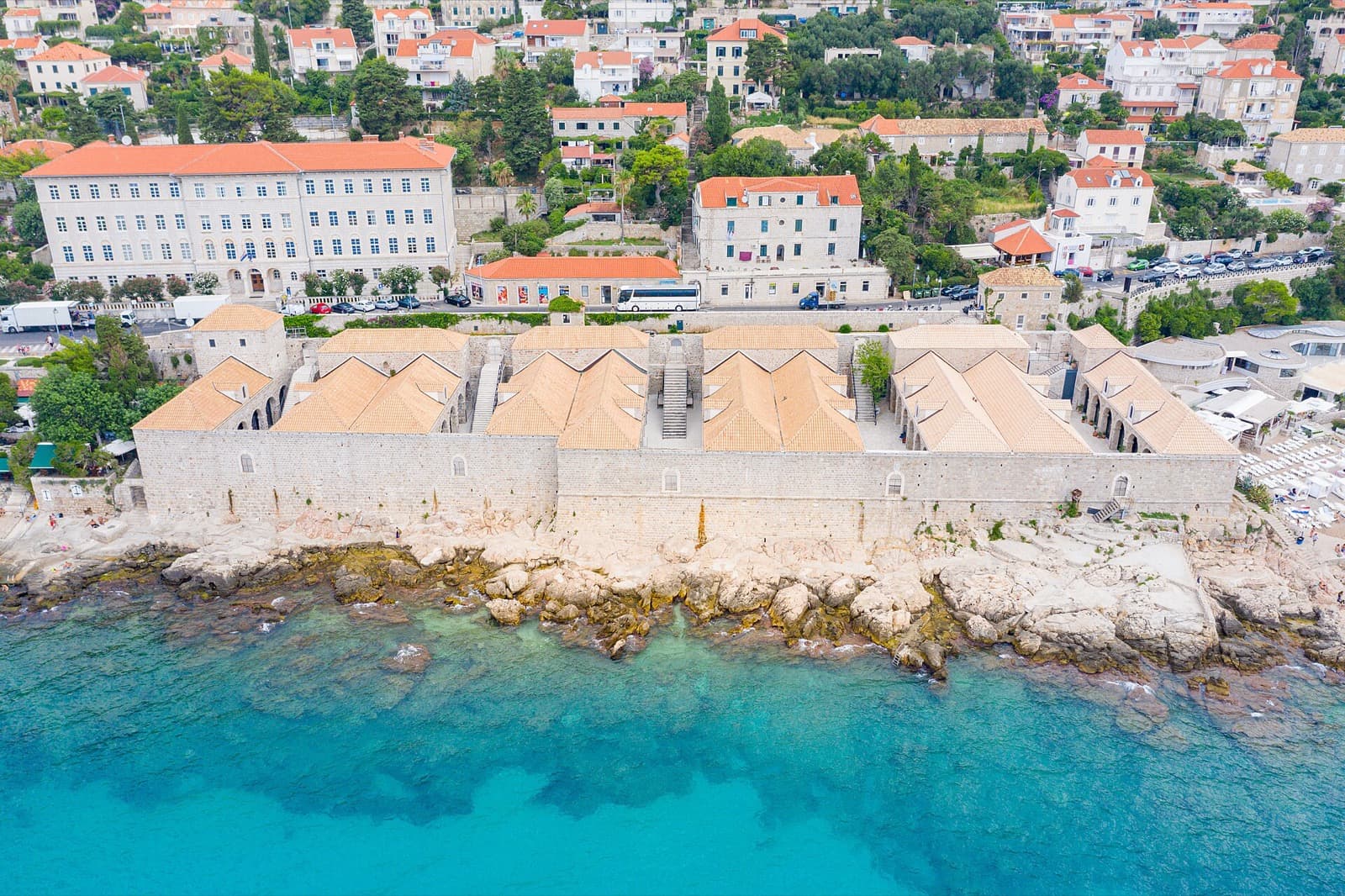
And the cleverness reached beyond stone. Near Ploce the Republic built its lazaretto, a quarantine complex completed in 1642, a habit that ran deep. In 1377 Dubrovnik's Great Council ordered arrivals from plague areas to spend a month in isolation before entering the city, one of the earliest quarantine measures documented anywhere. The city out-thought its dangers, then built the walls in case thinking was not enough.
The word the whole ring protected
Follow the ramparts to the harbour and the strategy reaches the water. The Fort of Saint John guards the entrance to the old port, and at night a chain was stretched across the harbour mouth, from Saint Luke's tower to the Mul tower that is now Saint John's fort. A city that lived by trade made its harbour something it could lock like a strongbox. Then the walls turn their back on the town and face the open Adriatic, with the wooded island of Lokrum offshore.
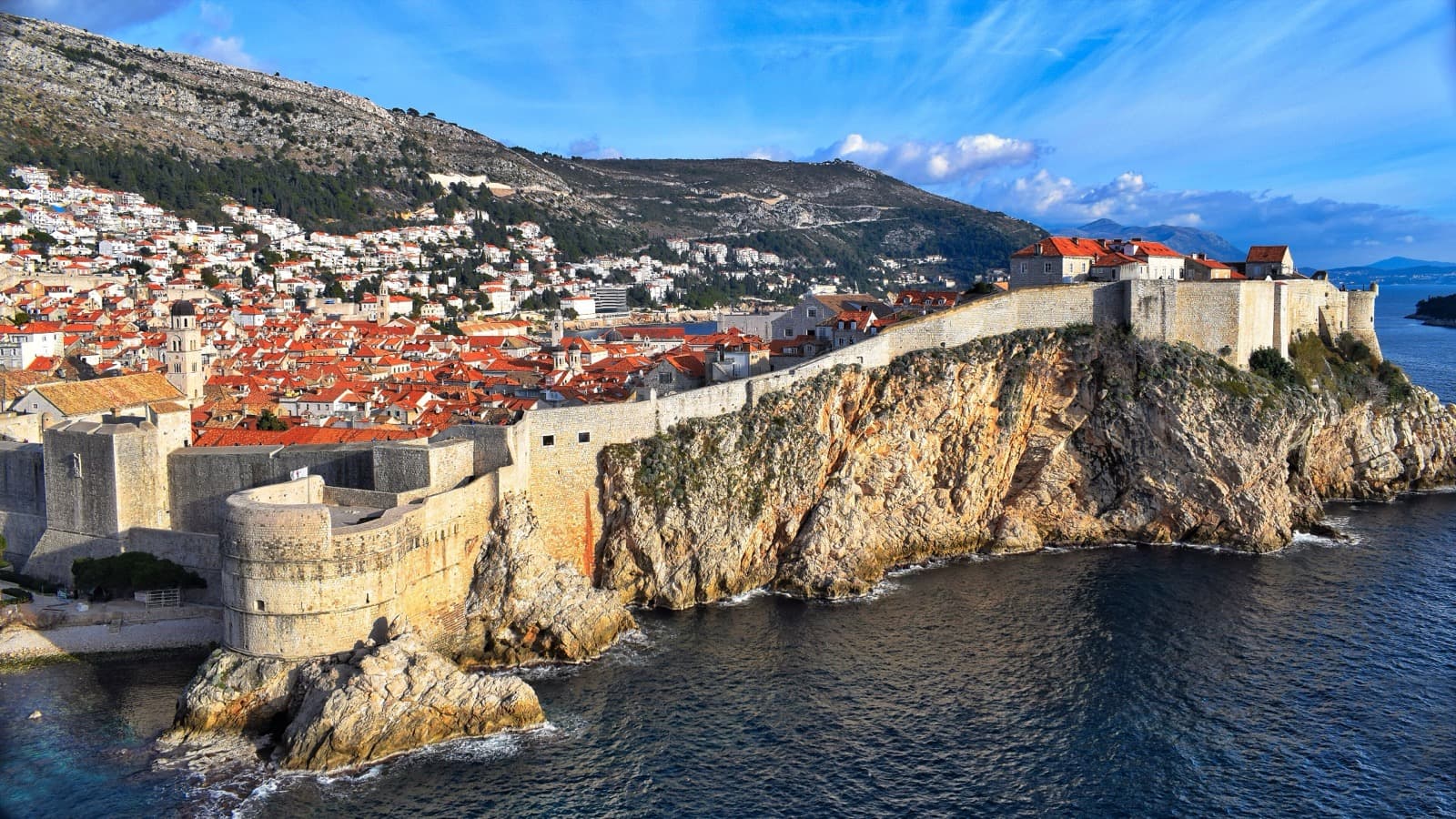
The walk resolves at the western corner, beneath Fort Bokar, a rounded casemated fort begun in 1461 to Michelozzo's design and finished in its present form in 1570, guarding the sea approach to the western walls. Beyond the walls, on its own rock thirty-seven metres high, stands Fort Lovrijenac. Over its gate is carved a single line of Latin, Non bene pro toto libertas venditur auro, meaning freedom is not sold well for all the gold. That word, Libertas, also stood on a Ragusan flag and on the Republic's silver coins. The republic banned the trade in slaves in 1416, and from 1458 it paid tribute to the Ottoman sultan while balancing the great powers against one another.
That is where Minceta finally makes complete sense. A city with no standing army of its own became one of the hardest places in the Mediterranean to conquer, and it did so to keep one word alive over a door. The tower is the promise; Lovrijenac holds the reason. If you want to see the strategy for yourself, this is a one-way rampart walk of a little more than 1.9 kilometres, and it reads best in order. Compare it against the city's other routes in our guide to Dubrovnik walking tours before you climb.
Sources
- Society of Friends of Dubrovnik Antiquities (citywallsdubrovnik.hr), "Western Outer Wall": Minčeta from the 1319 tower to Michelozzo's 1461 model, the work attributed to Juraj Dalmatinac and Paskoje Miličević's battlements, and Bokar.
- Society of Friends of Dubrovnik Antiquities, "The City Walls" and "Lovrjenac Fortress": wall dimensions, Lovrijenac and its inscription.
- Dubrovnik Tourist Board, "Revelin Fortress" and "Tvrđava Bokar": Revelin from 1539 to Ferramolino's design and its use after 1667; Bokar's dates.
- City of Dubrovnik, "The destruction and restoration of Dubrovnik 1991-2000", and Croatian Encyclopedia, "Dubrovnik": the siege and the damage figures.
- Institute for the Restoration of Dubrovnik (zod.hr): the UNESCO inscription and the World Heritage in Danger listing.
- Leksikon Marina Držića, "Karantena" (Tatjana Buklijaš): the 1377 ordinance and the Ploče lazaretto of 1642.
- HRT Radio Dubrovnik, "Gradoplov" (23 November 2019): the harbour chain.
- Croatian Encyclopedia, "Dubrovačka Republika", and Leksikon Marina Držića, "Zastava": tribute and the Libertas flag.
Ready to experience it?
City Walls: The Unbroken Ring
90 min · 1.9 km · moderate
More from Dubrovnik
Explore more at your own pace.
Dubrovnik: the free city the Republic of Ragusa built
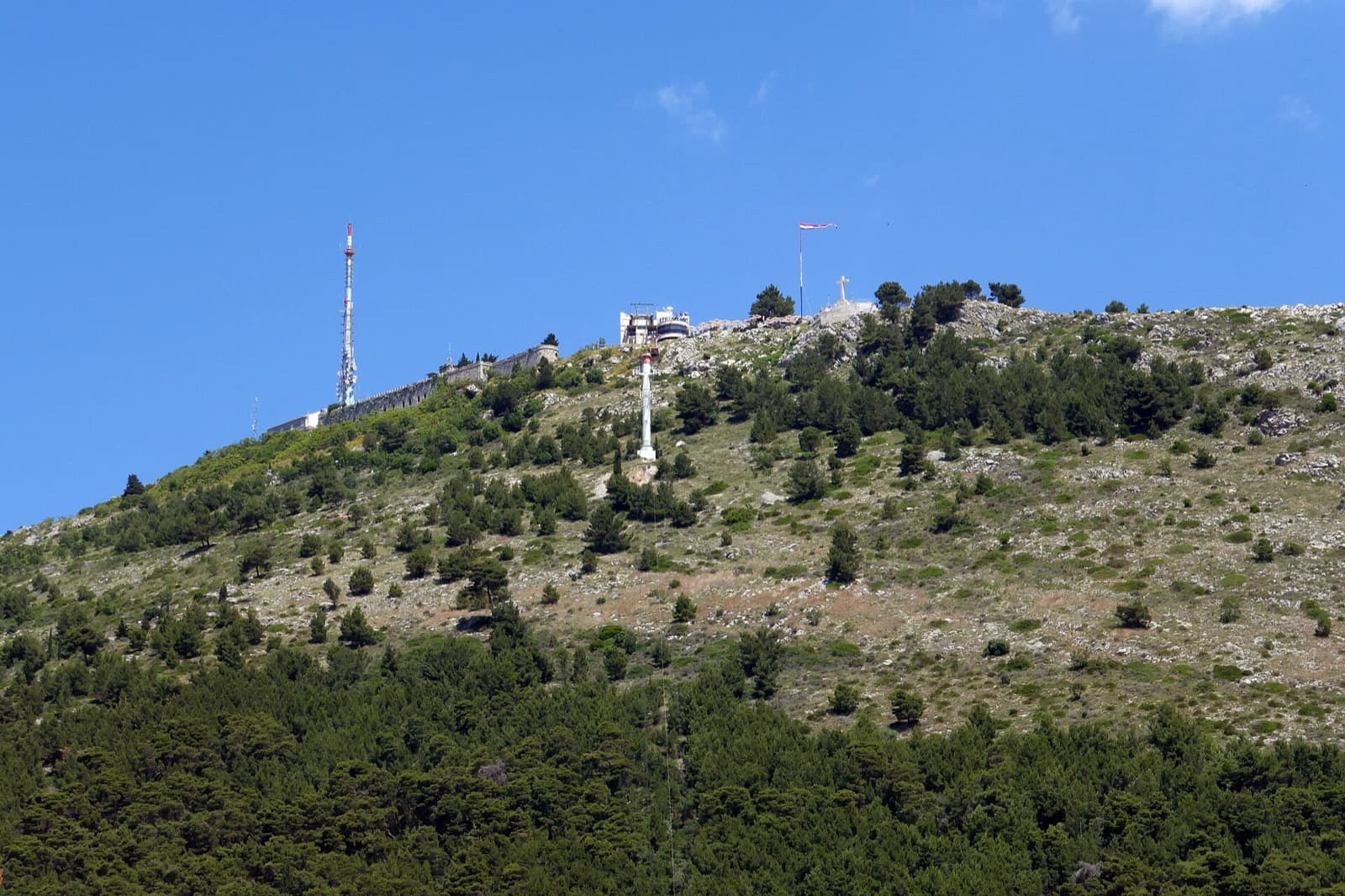
Mount Srd and Fort Imperial: How Dubrovnik's Mountain Fort Explains the Whole City
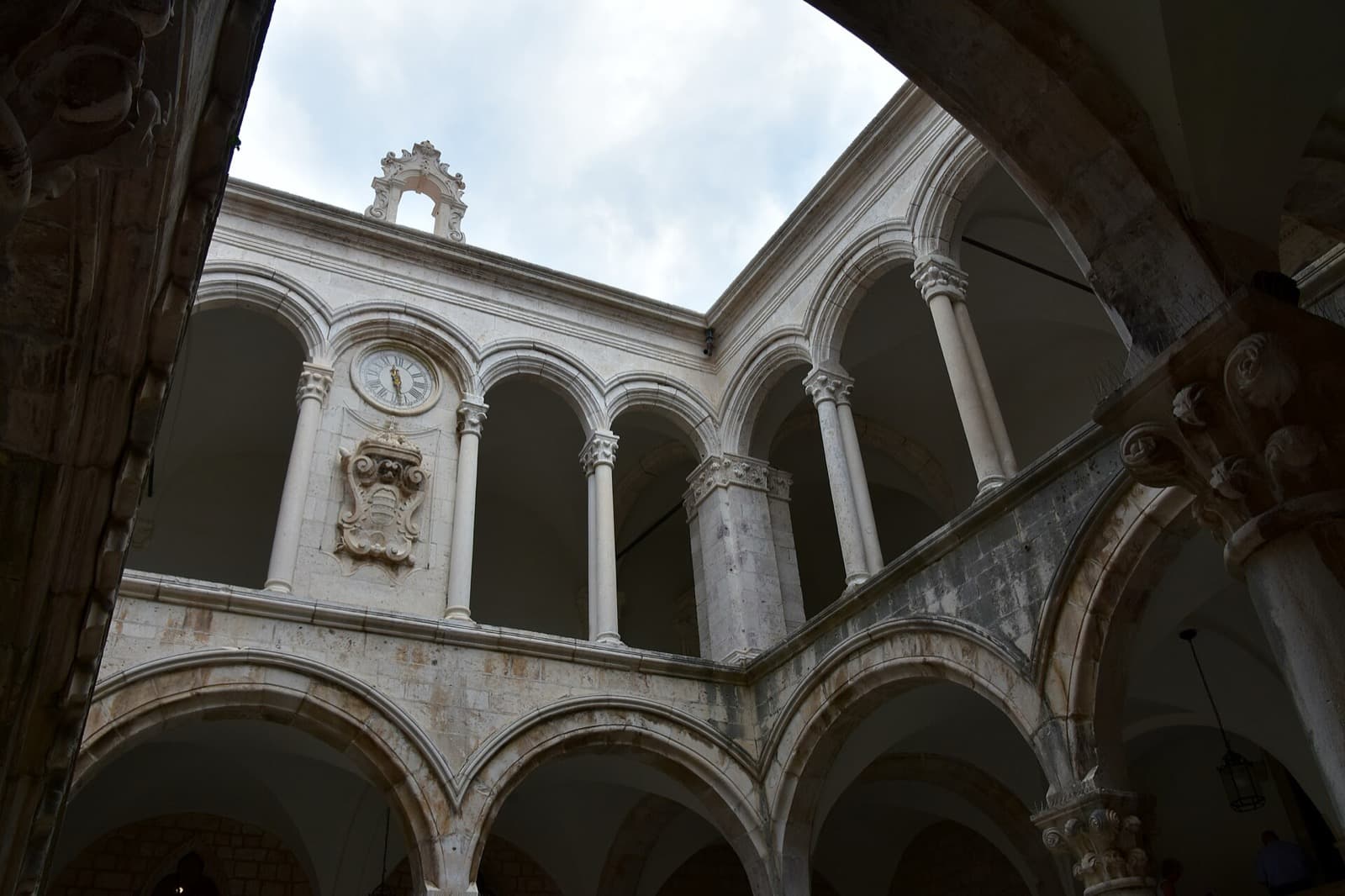
The Rector Who Ruled Dubrovnik for One Month
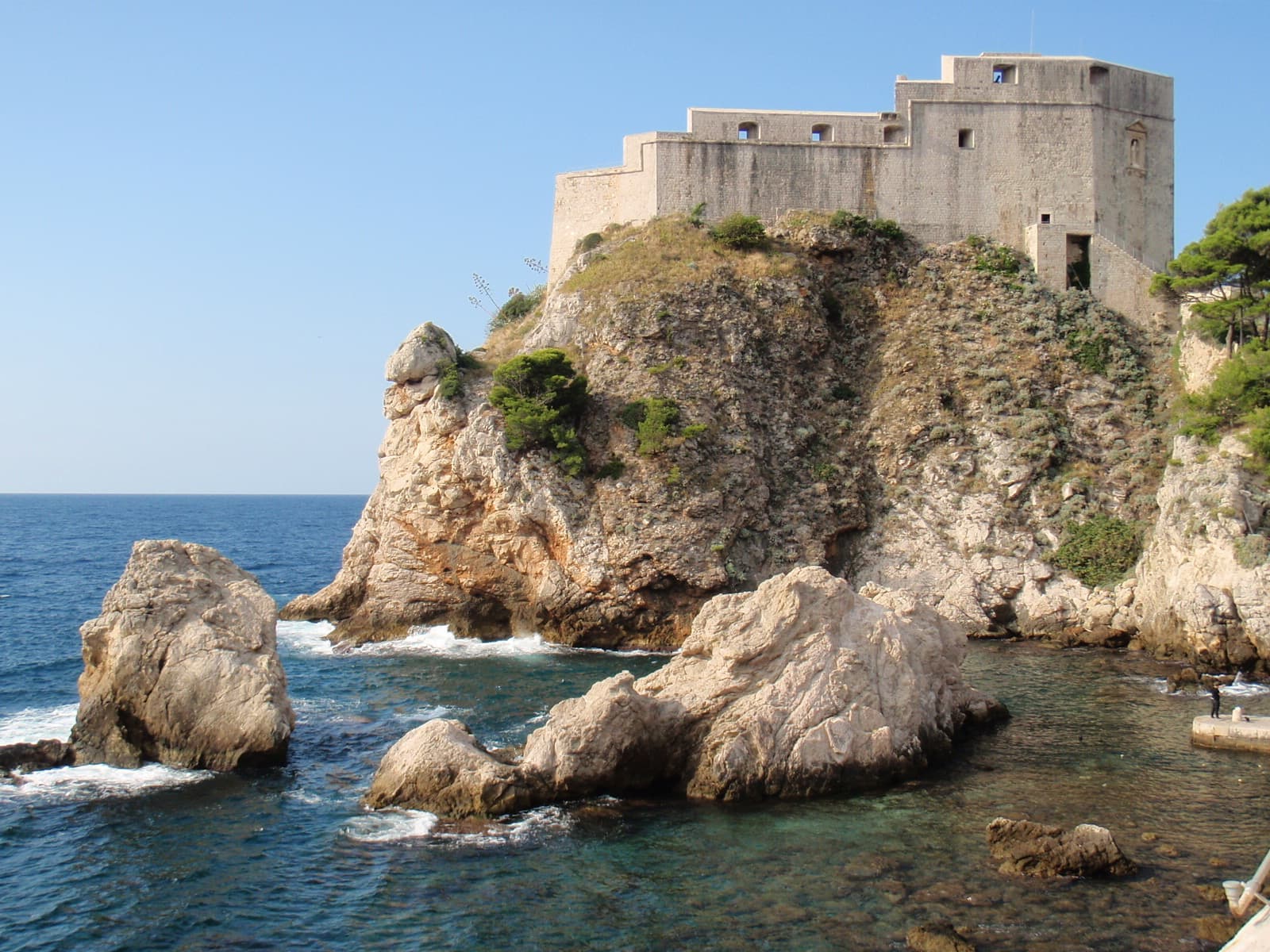
Bokar and Lovrijenac: The Forts That Guarded Dubrovnik's Freedom
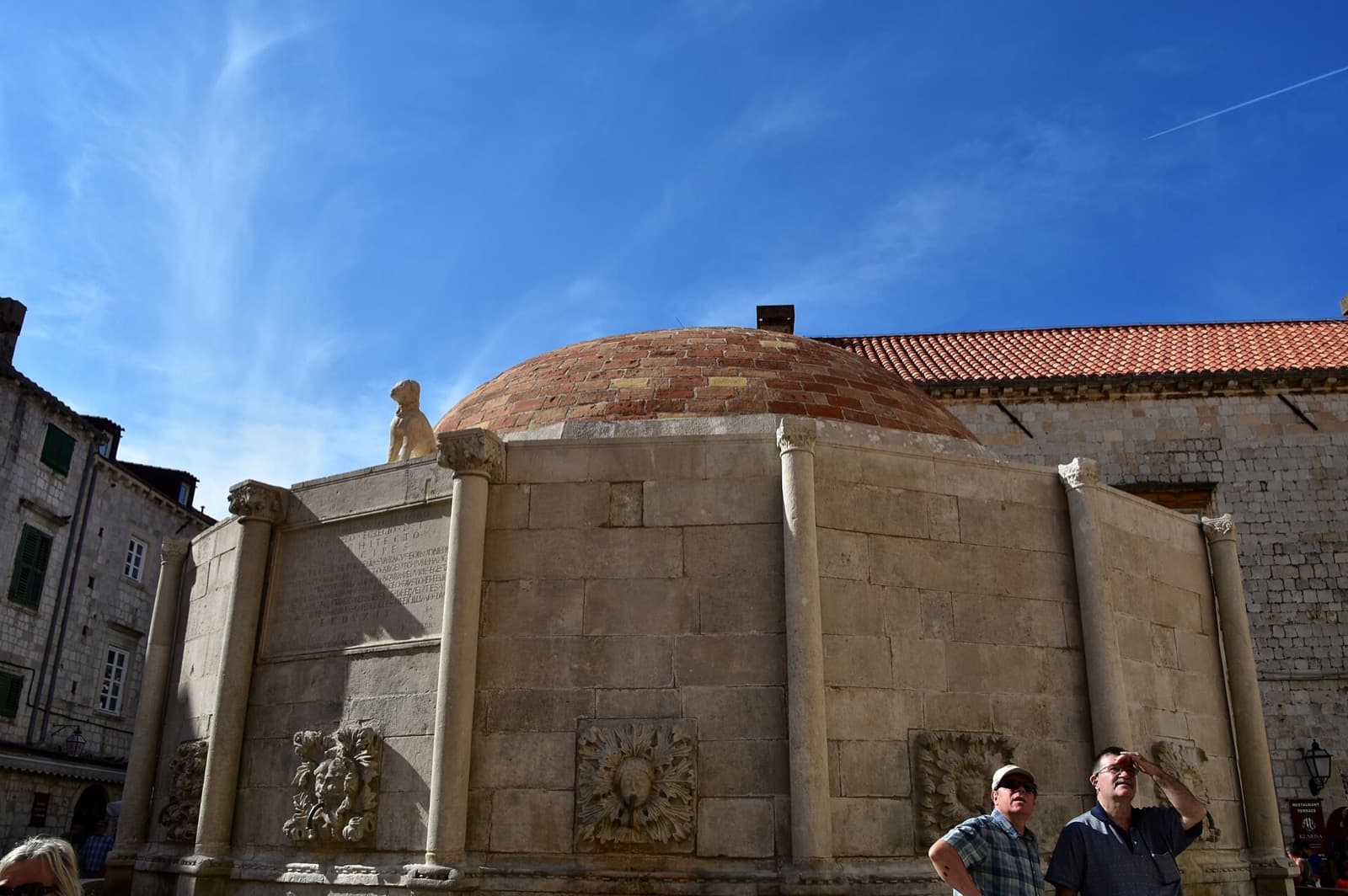
The Great Onofrio Fountain: Water as an Act of Government