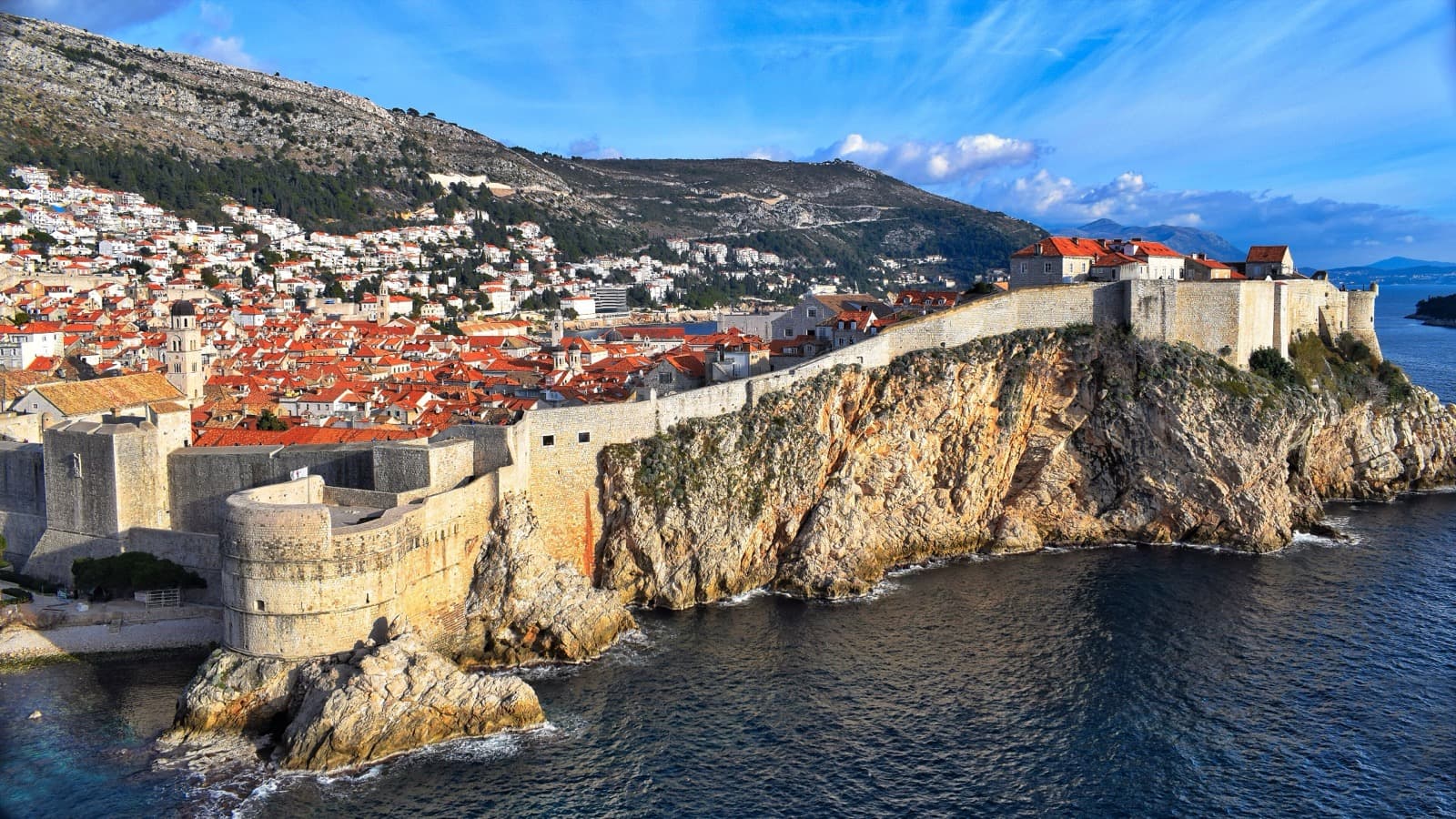
Walk the top of Dubrovnik's medieval walls and read the whole survival strategy of a small merchant republic that stayed free by being both unbreakable and clever. This ring of stone protected a city-state that had almost no army of its own, only law, diplomacy, tribute, and these ramparts.
Start · The Pile Gate: onto the ramparts
DirectionsStops
- 1
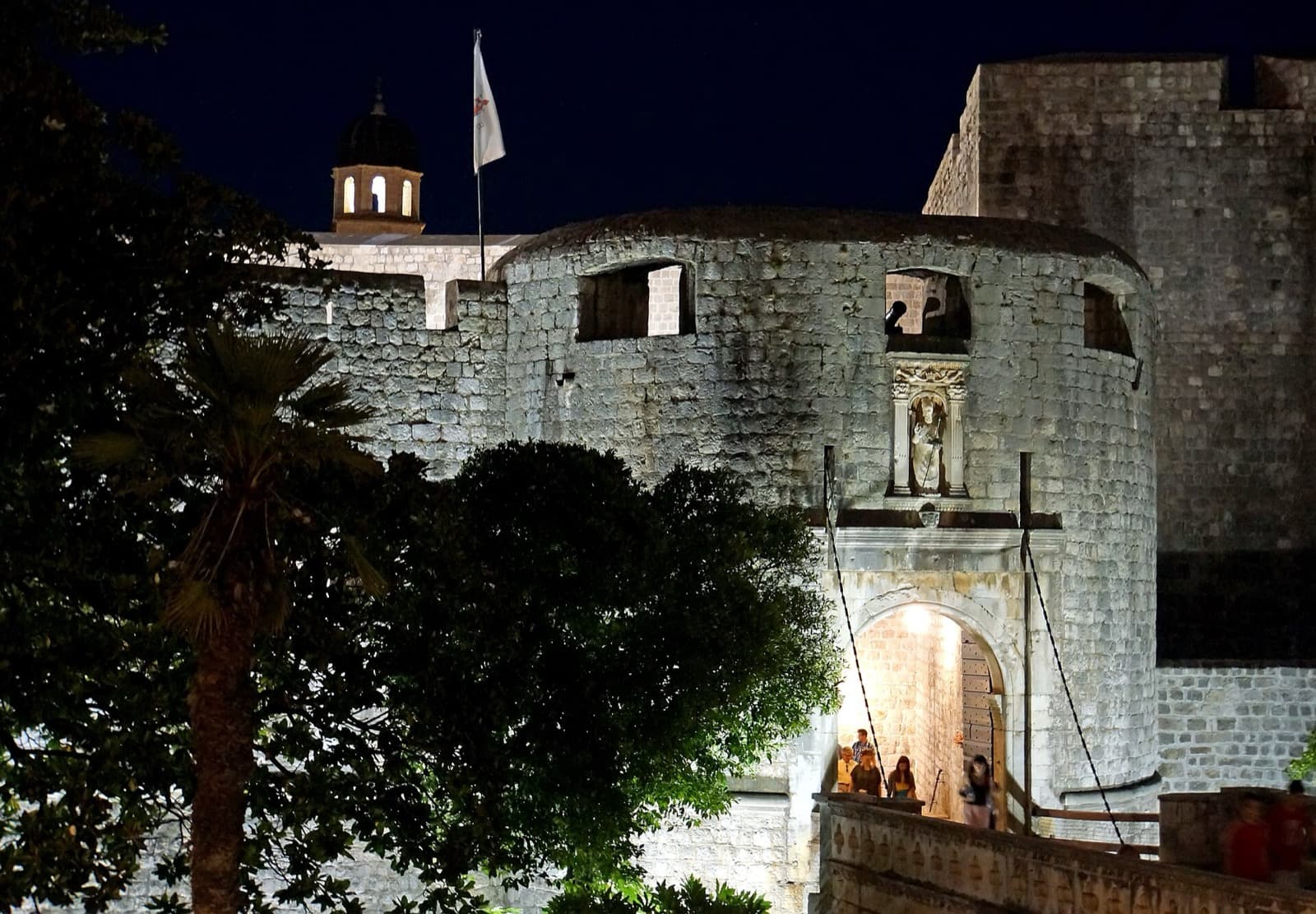
The Pile Gate: onto the ramparts
The main western land gate of the old town and the usual entrance onto the wall walk, guarded by the city's patron saint and opening onto the Stradun.
- 2
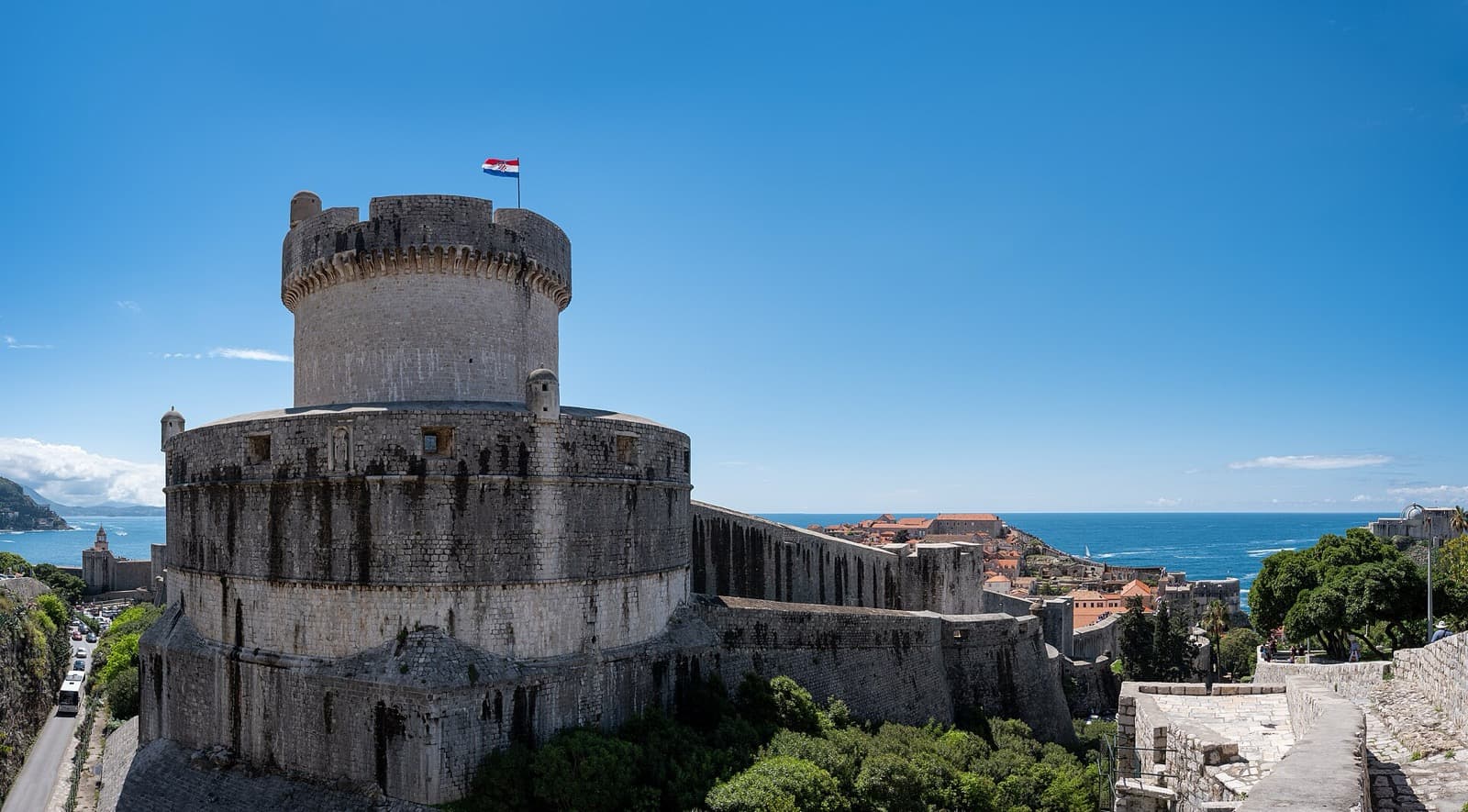
The Minceta Tower: the unconquered corner
The great round tower crowning the highest landward corner of the walls, long treated as the symbol of the city that no army took by assault.
- 3
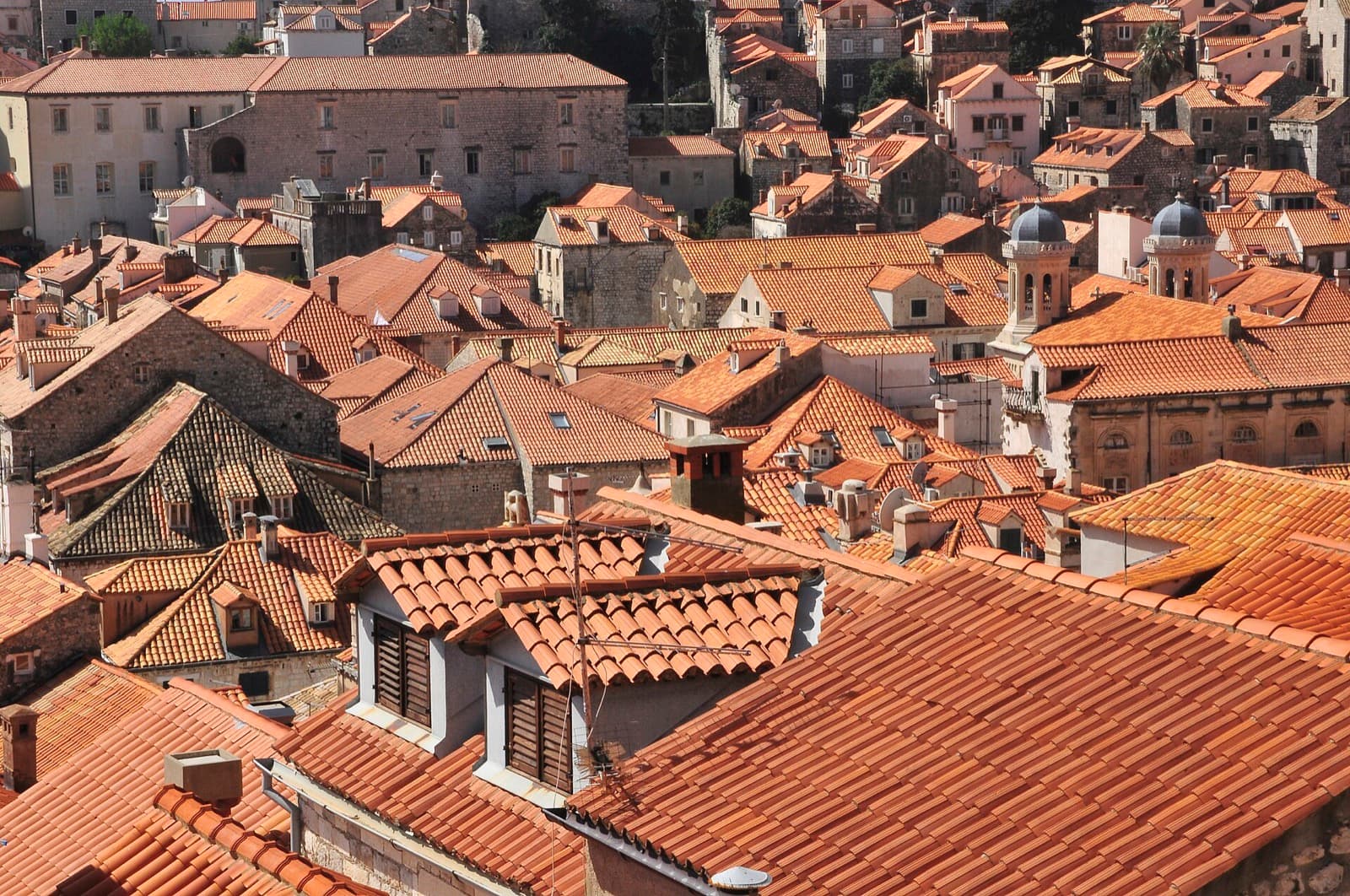
The landward walls and the roofs below
The thick northern rampart above the old town, where a patchwork of brighter roof tiles among the weathered ones marks the roofs rebuilt after the siege of the early nineteen nineties.
- 4
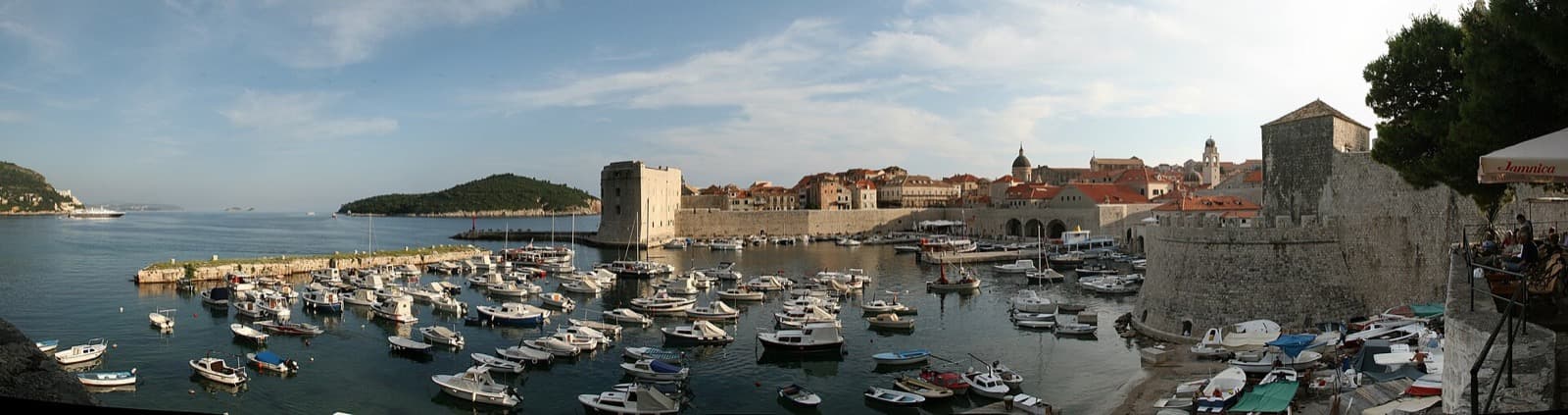
The Ploce Gate and the Revelin Fortress
The eastern land gate, reached by drawbridge and stone bridge, guarded by the large free-standing Revelin fortress and near the site of the Republic's early quarantine complex.
- 5
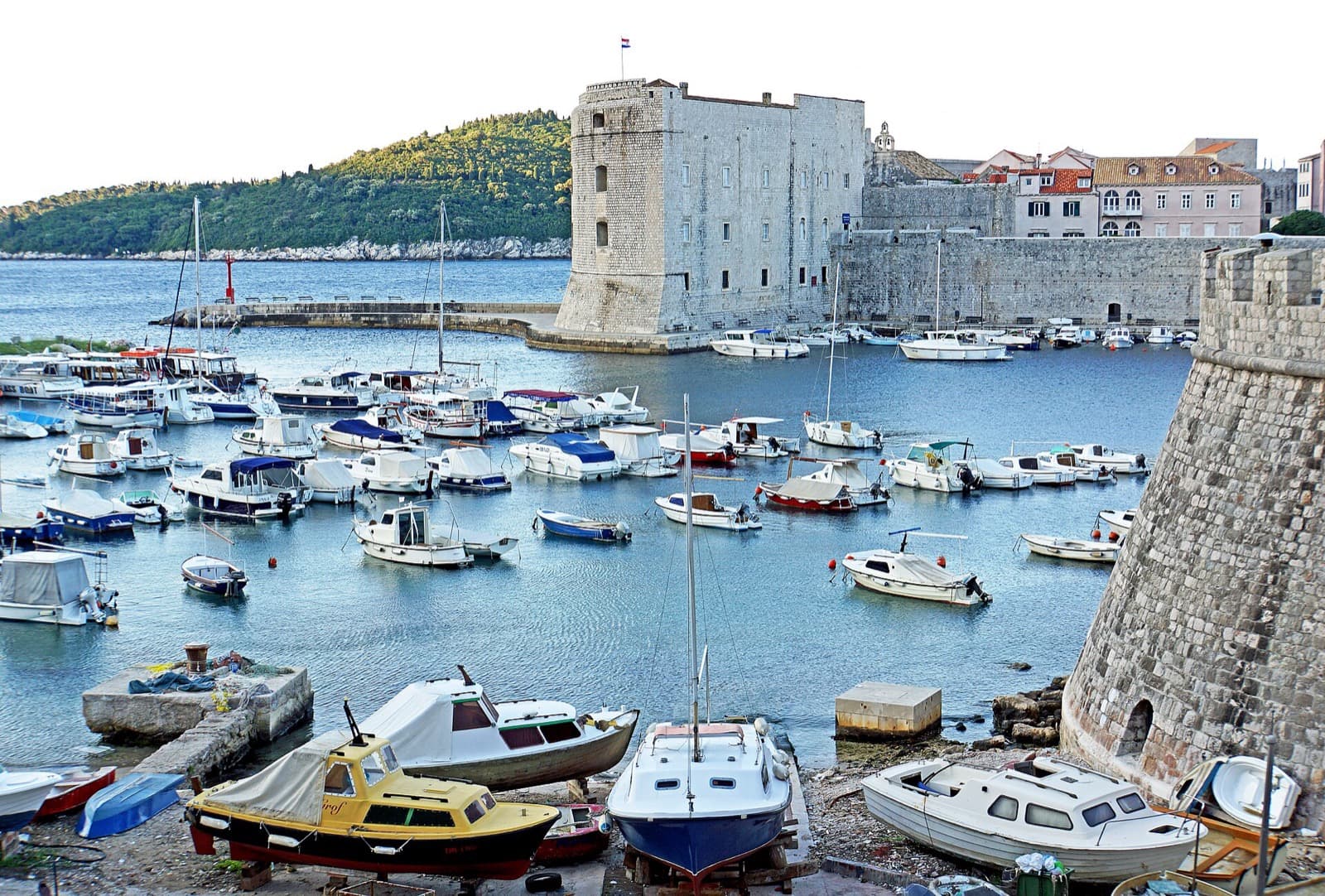
The Fort of Saint John and the old harbour
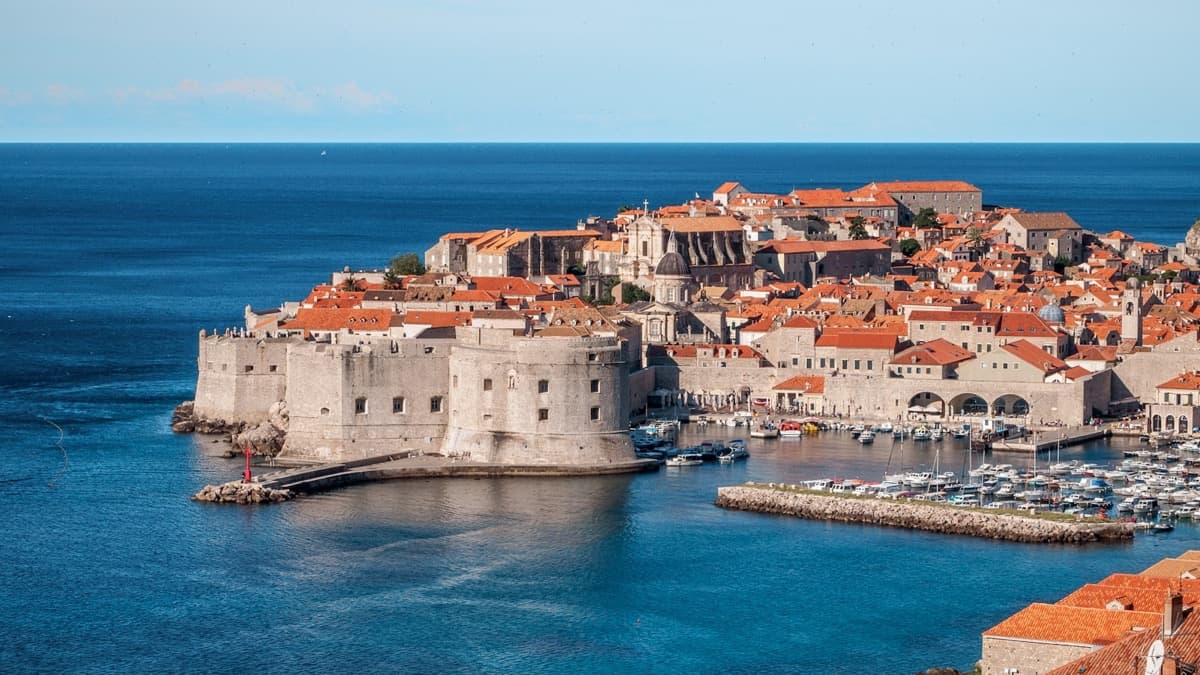
The massive rounded fortress guarding the entrance to the old port, once closed at night by a chain across the water and now home to the Maritime Museum and an aquarium.
- 6
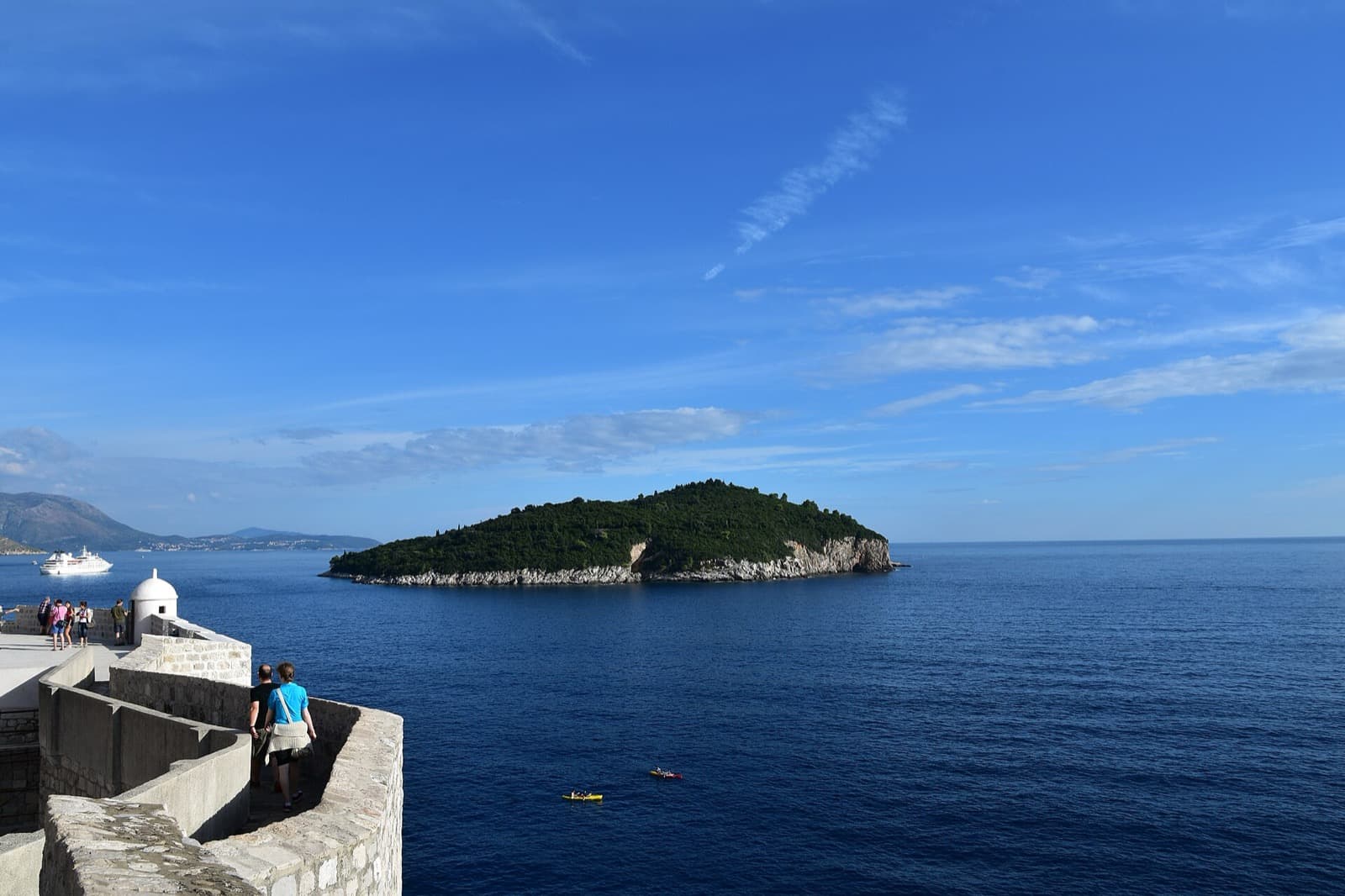
The sea walls, Lokrum, and the sight-line west
The sheer southern ramparts facing the open Adriatic, looking out to the wooded island of Lokrum and around toward the western forts.
- 7
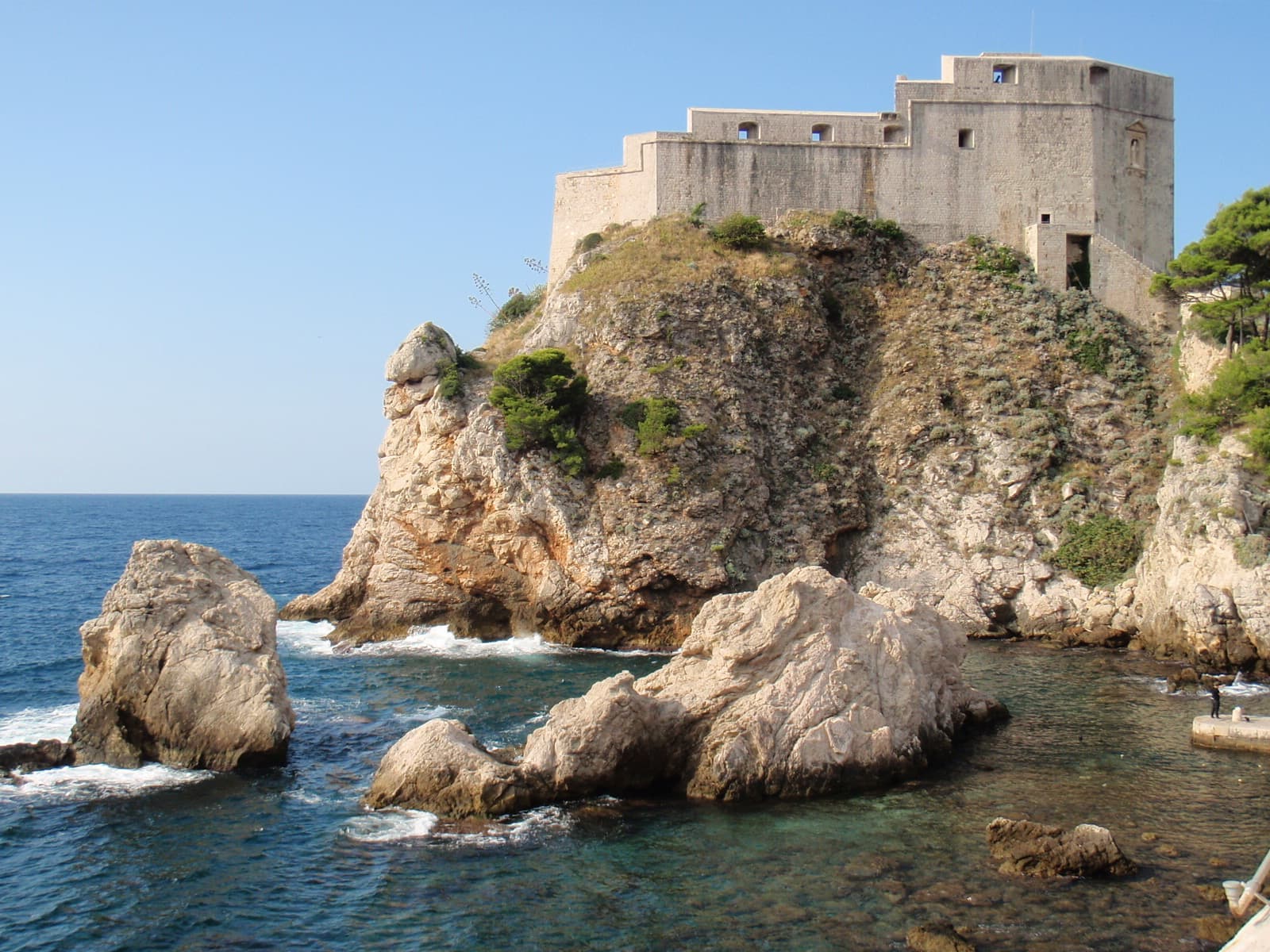
Bokar and Lovrijenac: freedom over the gate
The casemated corner fort defending the Pile Gate and, beyond the walls on its own rock, Fort Lovrijenac, carved with the Republic's creed that freedom is not sold for all the gold.
Details
Best Time to Visit
Go early in the morning, right when the walls open, or in the last hours before closing near sunset. The southern sea walls face west and the light on the stone and the Adriatic is at its best late in the day, while early starts let you beat both the heat and the midday cruise-ship crowds. Spring and autumn are gentler than the fierce, dry heat of high summer.
Pro Tips
- •The wall walk is one-way, so once you commit to a direction you follow the full circuit; pace yourself and let faster walkers pass on the narrow stretches.
- •Carry a full bottle of water and refill before you climb; there is almost no shade on the ramparts and the climb involves many steps.
- •Wear proper shoes with grip. The limestone is polished and can be slippery, and the steps are steep and uneven in places.
- •Buy your City Walls ticket in advance if you can, and check opening hours, which shift with the season; the same ticket often covers Fort Lovrijenac.
- •Start early or go late to dodge the midday cruise-ship surge, when the ramparts can bunch up badly at the towers.
- •Look down at the roofs as you walk the landward wall: the mismatched bright tiles quietly tell the story of the siege and the rebuilding.
Safety & Precautions
- •Sun exposure is serious on the walls: there is little to no shade for most of the circuit, so bring water, a hat, and sun protection, especially in summer.
- •The route is physically demanding, with many steps, steep sections, and polished limestone that grows slippery underfoot; take it slowly and mind your footing.
- •The old town below is a lived-in place and often crowded with cruise-ship visitors; be patient in tight spots and respectful of residents' homes and quiet streets.
- •If you enter working churches or the cathedral in the town, dress modestly with shoulders and knees covered and keep your voice low, as these remain active places of worship.
Travel advisory: Exercise Normal Precautions (Level 1).
Gallery
Related Reading
Go deeper on what you'll see, hear, and walk through.
Overview
Best Self-Guided Walking Tours in Dubrovnik (2026)
3 min
Overview
Dubrovnik Travel Guide: Days, Getting Around, Best Time, Safety
6 min
Overview
One Day in Dubrovnik: A Walkable Morning-to-Evening Itinerary
7 min
Thematic
Best History Walking Tours in Dubrovnik (2026)
2 min
Thematic
Dubrovnik: the free city the Republic of Ragusa built
8 min
Companion
Minceta Tower and the Strategy Written Into Dubrovnik's Walls
7 min
Deep dive
Bokar and Lovrijenac: The Forts That Guarded Dubrovnik's Freedom
7 min
Read
What to Eat in Dubrovnik: Local Dishes and How to Order Them
6 min
Read the walk
The full story of City Walls: The Unbroken Ring, in words. Prefer to listen? Play it narrated, from home or on location.
Introduction
This is the story of a small merchant republic that stayed free by being both unbreakable and clever. Its walls stand at the edge of the Adriatic in the city of Dubrovnik, in Croatia, and this is a walk along the top of them. Over seven stops and a little more than one and nine-tenths kilometres, roughly a mile and a fifth, you will circle a ring of stone that has never been taken by an enemy army in the Republic's lifetime. Plan on about sixty to ninety minutes of walking, more if you stop to look, and you will want to. The wall walk is one-way, all on stone, with many steps, steep sections, and almost no shade, so carry water and take it at your own pace. Here is the paradox the walk keeps circling. This city had almost no army of its own. It stayed one of the safest places in the medieval Mediterranean through law, diplomacy, tribute money, and this ring of ramparts. Strength here was never brute force alone. It was stone plus cunning. As you go you will meet the huge round tower crowning the landward corner, the fortresses guarding the gates and the harbour, the sheer sea walls facing the open water, and a free-standing fort out on its own rock with a single word carved over its door, Libertas, freedom. The freshest thing up here, the bright new roof tiles below, will tell you the ring was very nearly broken within living memory. Take your time, keep to the flow of the walk, and let the wall read like a document. When you arrive at the Pile Gate, begin with stop one.
1. The Pile Gate: onto the ramparts
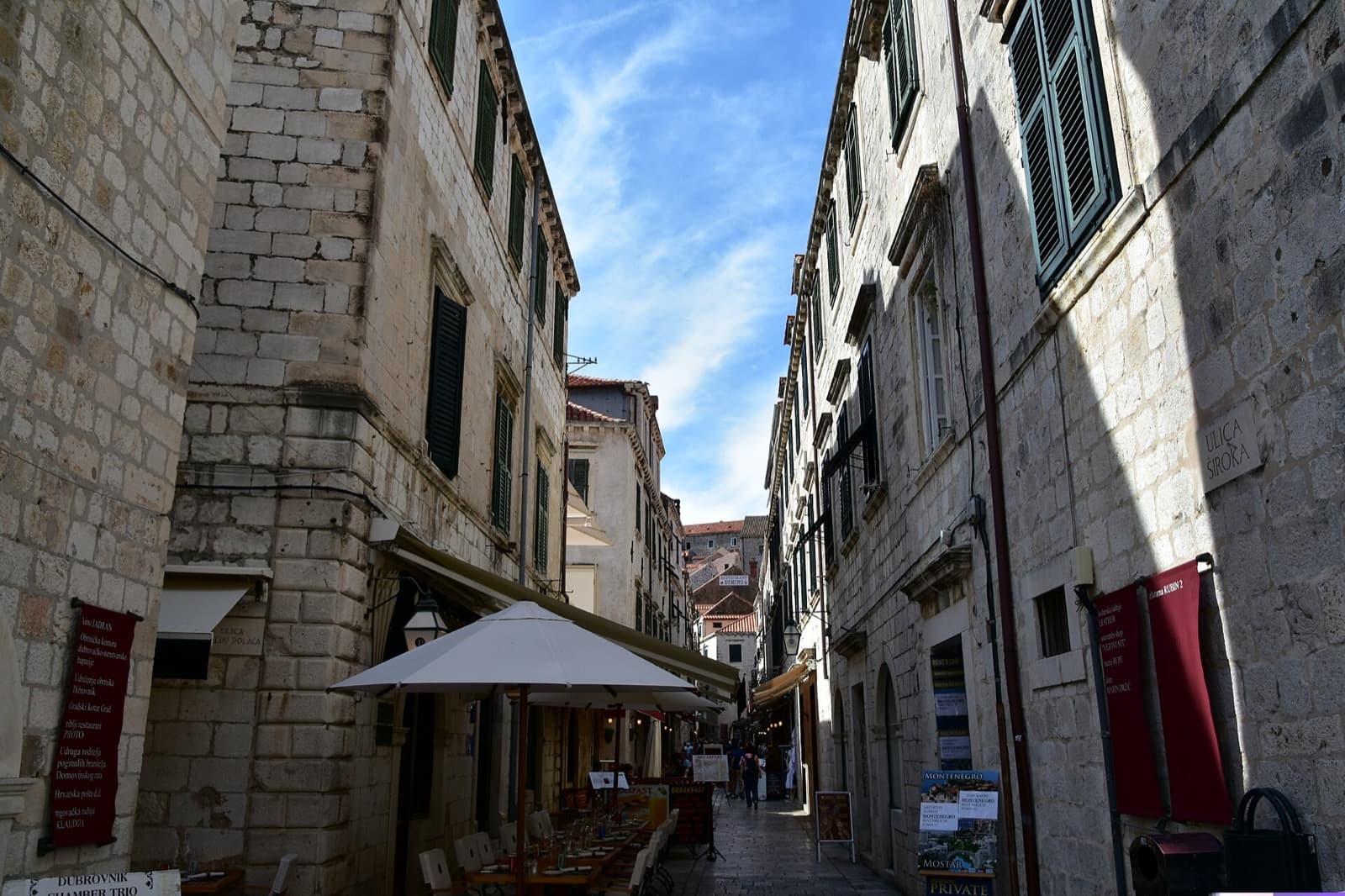
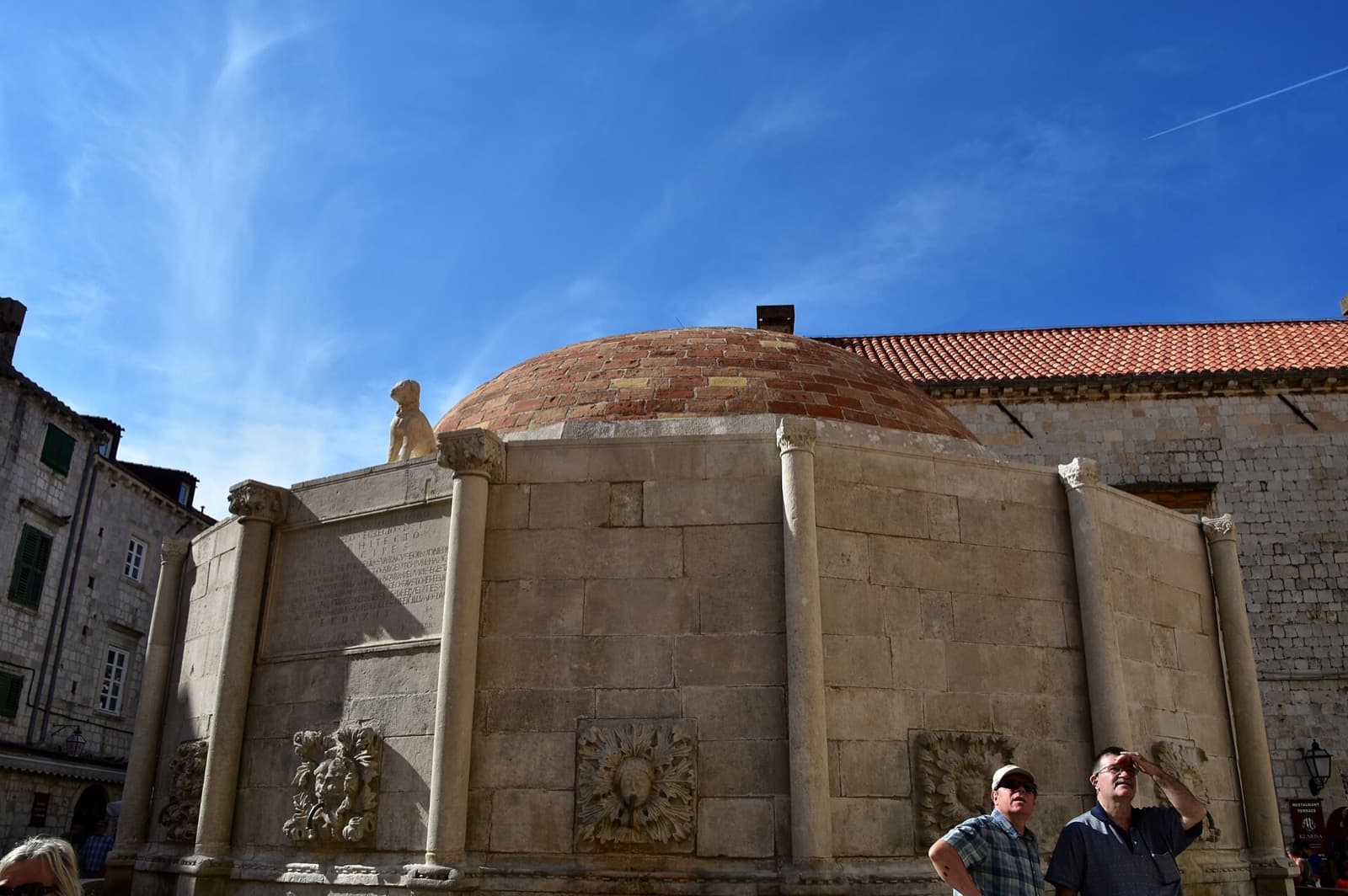
Start at the Pile Gate, the main western land gate of Dubrovnik. Vrata means gate, and this one is really a gate complex, an angled outer and inner passage that once turned every arrival into a controlled squeeze. A wooden drawbridge crossed a dry moat here and was raised at night; if you look, you can still find the counterweight mechanism that lifted it. The stone bridge leading up to the gate was designed by the builder Paskoje Milicevic in fourteen seventy-one. Look above the entrance for the figure of Saint Blaise, in Croatian Sveti Vlaho, the patron of the city, cradling a model of Dubrovnik in his arms. You will see him again and again as you walk, watching over the place he protects. The inner-gate statue of the saint is a twentieth-century work by the sculptor Ivan Mestrovic. Step through and the great limestone avenue opens ahead of you, the Stradun, also called the Placa, polished to a shine by centuries of feet. Just inside stands Onofrio's Great Fountain, a big domed cistern built by the Italian builder Onofrio della Cava in the fifteenth century, once the end point of an aqueduct that brought fresh water into the walled town. Now think about what this gate was really guarding. Not a fortress full of soldiers, but a republic of merchants who kept themselves safe through law, diplomacy, and tribute, with these ramparts as the last hard argument. The wall walk climbs from near here. Take the steps up, and the whole strategy of the city begins to spread out beneath you.
2. The Minceta Tower: the unconquered corner
Ahead of you rises the Minceta, the tallest tower on the whole circuit. Kula means tower, and this one crowns the highest landward corner of the walls, the north-western point where an attacking army would have massed for a land assault. That is exactly why it is the strongest thing here. A round tower was first raised on this spot by the Florentine architect Michelozzo in the middle of the fifteenth century. The tall, narrow round crown you see, the part that gives Minceta its unmistakable silhouette, was designed and finished by the architect Juraj Dalmatinac, known in English as George the Dalmatian, completed in fourteen sixty-four. The walls here run roughly six metres thick, pierced with protected gun ports so defenders could fire out while staying shielded behind stone. Minceta is often called the symbol of the unconquerable city of Dubrovnik, and standing at its foot you can feel why. This was the emblem of a place that, for the whole life of its republic, was never taken by assault. Hold that against the paradox of the walk. A city with almost no standing army of its own built this, the strongest corner in the ring, and then leaned even harder on diplomacy and tribute so it would rarely have to use it. The wall was the argument of last resort, not the first. One note for the curious. In more recent years, the exterior of Minceta stood in for the House of the Undying in the television series Game of Thrones. That is a piece of popular culture, not history, but it is how many travellers first meet this tower. Climb the steps inside, and the town opens below.
3. The landward walls and the roofs below
Along this stretch the northern landward rampart runs high above the town, four to six metres thick, and it gives the view everyone remembers, straight down over a grid of terracotta roofs. Look closely at those roofs. Among the weathered old tiles you will see patches of brighter, newer ones, whole sections that do not match. Each of those patches is a roof rebuilt after the ring was very nearly broken, in the siege of nineteen ninety-one and nineteen ninety-two. Here is the sequence, told plainly. The Yugoslav People's Army besieged Dubrovnik from the first of October, nineteen ninety-one, to the thirty-first of May, nineteen ninety-two. The heaviest bombardment of the old town fell on the sixth of December, nineteen ninety-one. A UNESCO team surveying the damage recorded that more than half of the old town's buildings had been damaged. Of eight hundred and twenty-four buildings in the old town, five hundred and sixty-three, about sixty-eight percent, were struck by projectiles. UNESCO had inscribed this old city on its World Heritage List in nineteen seventy-nine, and during the siege it was placed on the List of World Heritage in Danger. Afterward, the Institute for the Restoration of Dubrovnik coordinated the rebuilding, and UNESCO helped fund the replacement of the roof tiles in the years that followed. So the roofs below you carry both parts of the story at once. The proof that the ring was very nearly broken, and the proof that people put it back together, tile by tile.
4. The Ploce Gate and the Revelin Fortress
Now you reach the city's eastern land gate, the Ploce Gate, named for the eastern quarter it opens toward. Vrata again means gate, and like the Pile Gate this is a fortified complex, crossed by a wooden drawbridge and a twin-spanned stone bridge, its outer gate reworked by the…
Full narration for this stop unlocks with the tour.
5. The Fort of Saint John and the old harbour
Following the ramparts round toward the sea, you come to the great rounded mass of the Fort of Saint John, in Croatian Tvrdava svetog Ivana, planted at the south-eastern corner where it guards the entrance to the old port. Luka means harbour, and this harbour was the beating…
Full narration for this stop unlocks with the tour.
6. The sea walls, Lokrum, and the sight-line west
Here the walls turn their back on the town and face the open Adriatic. This is the sheerest, most exposed stretch of the whole ring. On this flank the wall rises highest, up to about twenty-five metres, a straight drop of pale stone to the water. Take a moment for it. The wind,…
Full narration for this stop unlocks with the tour.
7. Bokar and Lovrijenac: freedom over the gate
The walk resolves here, at the south-western corner, on the theme the whole ring was built to protect. Beneath you is Fort Bokar, tvrdava again meaning fortress, a rounded, casemated fort designed by the Florentine architect Michelozzo and built between fourteen sixty-one and…
Full narration for this stop unlocks with the tour.