City Walls: The Unbroken Ring
90 min · 1.9 km · moderate
One day in Dubrovnik works best as a single loop on foot: walk the medieval walls in the cool early morning, drop into the old town for the marble main street and its palaces at midday, then ride or climb to the mountain above the city for late-afternoon light. The walled town is fully pedestrian, everything sits within a fifteen-minute stroll, and the three anchor experiences (the ramparts, the Stradun, and Mount Srd) stack into a comfortable morning-to-evening rhythm without a car and without rushing. This guide sequences that day around opening hours, ticket needs, and honest walking times, and hands each leg to a matching self-guided audio tour.
Start at Pile Gate, the main western entrance. The old town has no cars inside, so however you arrive (on foot, by Libertas city bus, or by taxi from the Gruz cruise port about three kilometers northwest), you funnel through this one gate and the day organizes itself from there.
Morning: walk the walls first (roughly two hours)
Be at the wall entrance when it opens. This is the single most time-sensitive decision of your day. The circuit is long, almost entirely shadeless, and it bunches badly at the towers once the midday cruise crowds arrive, so the early slot buys you cooler air and room to stop.
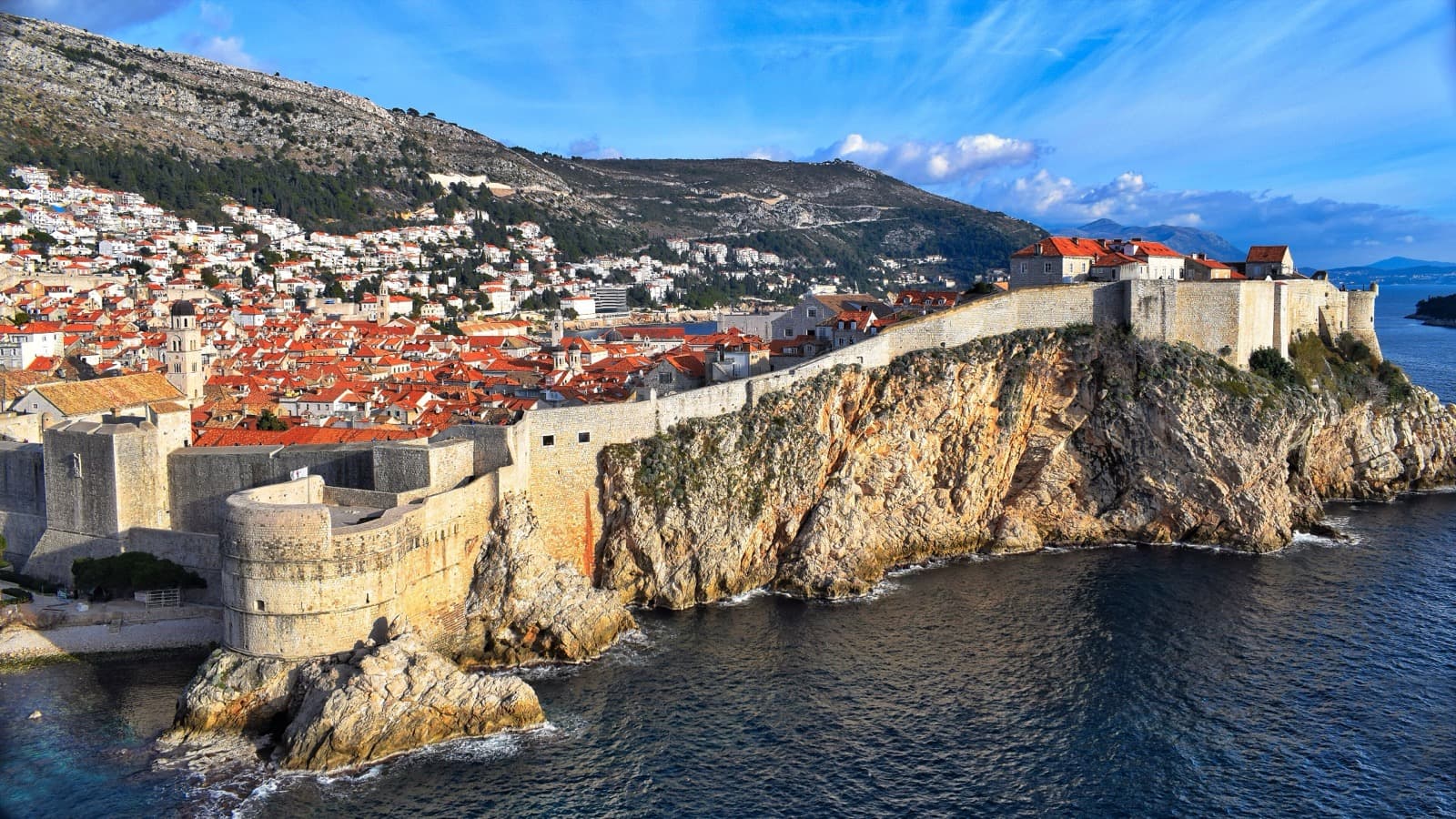
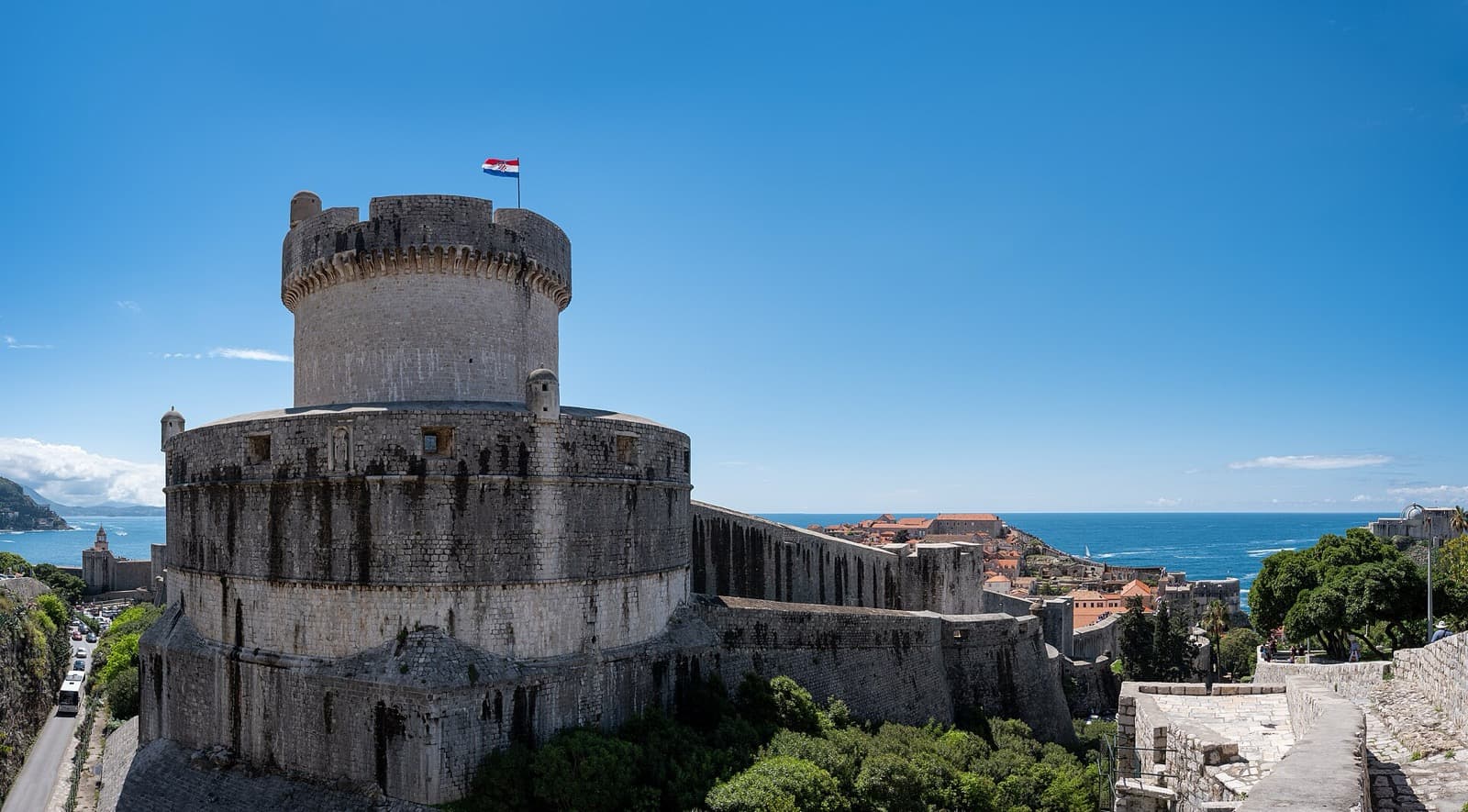
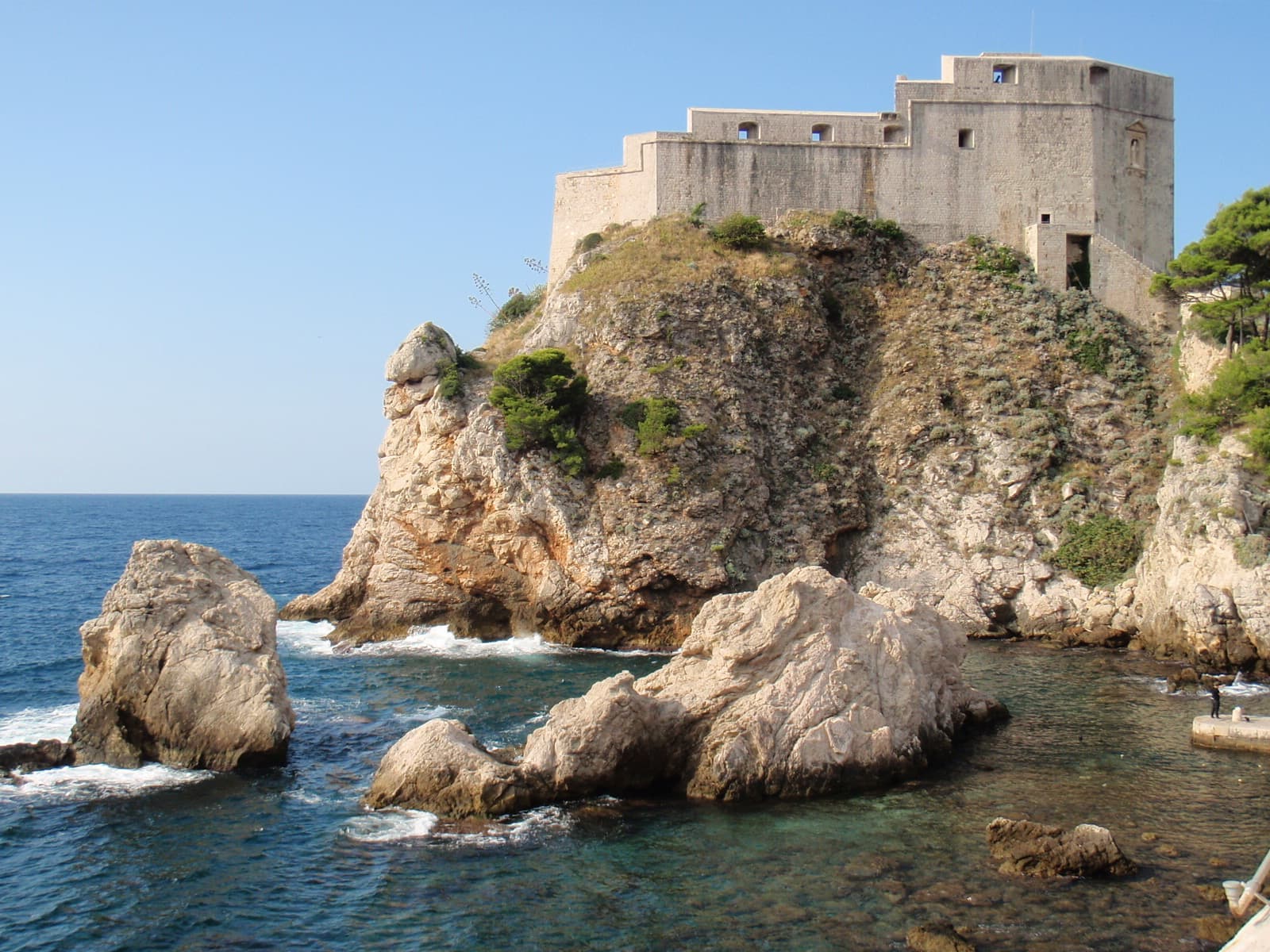
The full loop around the ramparts is a bit under two kilometers of uneven, polished limestone with many steps, and most walkers take about two hours with photo stops. From the heights you read the town like a diagram: the mismatched roof tiles below (bright new terracotta against weathered old) quietly mark what burned in the 1991 to 1992 siege and what was rebuilt after. You pass Minceta Tower at the high landward corner, look out to the wooded island of Lokrum from the sea walls, and take in Fort Lovrijenac on its rock across the little western harbor.
Tickets: buy the City Walls ticket in advance if you can. In 2026 the adult ticket runs around 40 euros and includes Fort Lovrijenac; opening hours shift by season (roughly 8:00 to the evening in summer, a short 9:00 to 15:00 window in winter), so check the current day before you go. Many sales points are card-only now. If you plan to enter several museums, the one-day Dubrovnik Pass (also around 40 euros) bundles the walls, Fort Lovrijenac, about ten museums, and unlimited city buses.
This morning leg maps directly onto the Dubrovnik city walls audio tour, which reads the whole survival strategy of a small merchant republic that stayed free by being both unbreakable and clever, tower by tower.
Late morning: the Stradun and the old town (about one to two hours, mostly free)
Hear a stop from this walk
Bokar and Lovrijenac: freedom over the gate
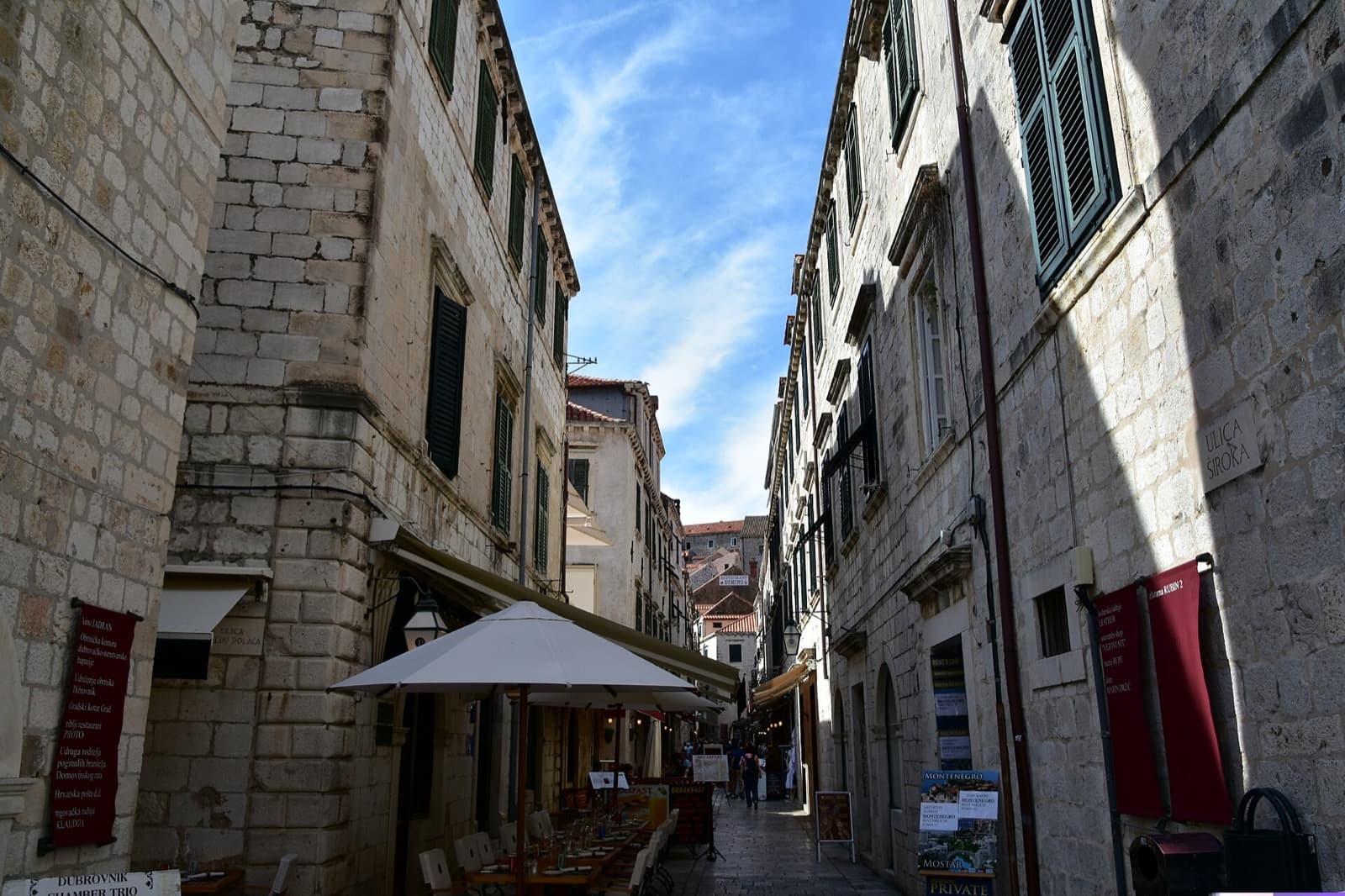
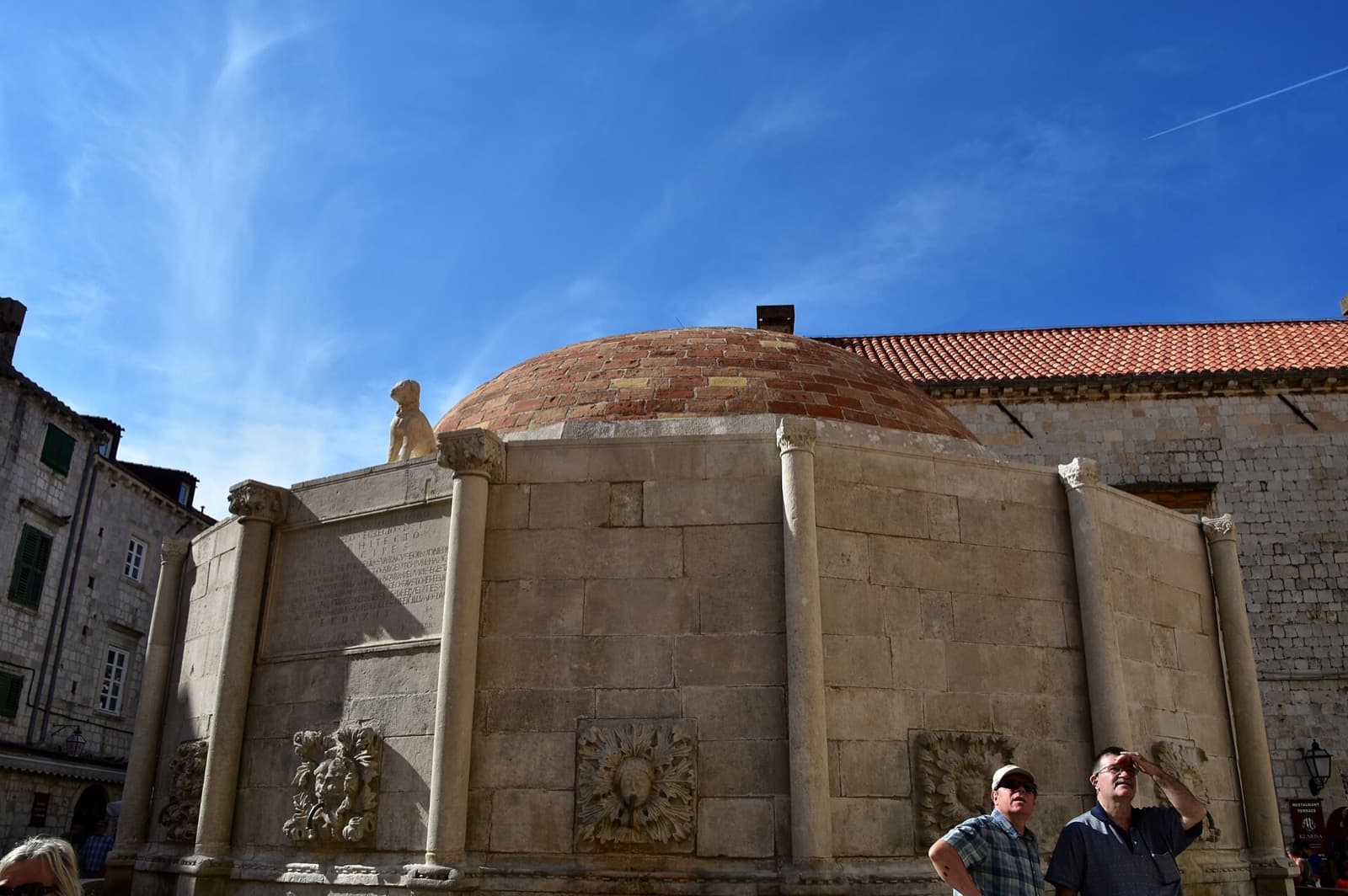
Come down through Pile Gate and you land at the Great Onofrio Fountain, a sixteen-sided fifteenth-century fountain that still gives water (fill your bottle here). Ahead of you the Stradun, also called the Placa, runs flat and mirror-smooth for 298 meters, gate to gate, to the eastern squares. This is the easy, level part of the day, so slow down.
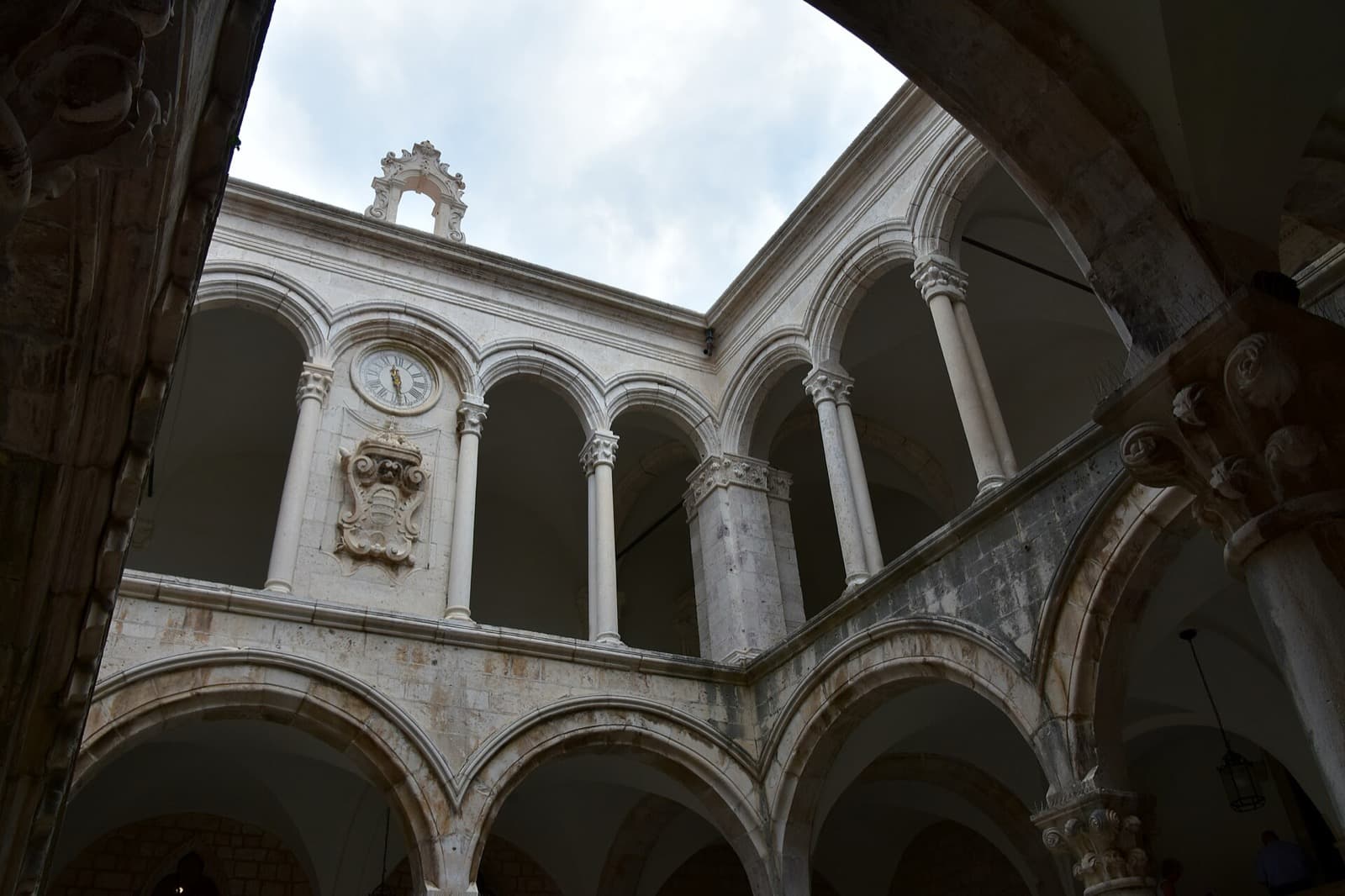
The old town itself is free to walk. The pleasures here are architectural and legible: the Franciscan Monastery with its cloister and one of Europe's oldest working pharmacies, the honey-colored Sponza Palace (its courtyard is free to enter), Orlando's Column and the Church of Saint Blaise on Luza Square, and at the street's end the Rector's Palace and the Cathedral. Individual museum and treasury tickets are separate and modest; the Dubrovnik Pass covers many of them if you bought it.
A note on the churches: Saint Blaise and the Cathedral are active places of worship. Cover shoulders and knees, keep your voice down, and do not photograph during services. Underfoot, the limestone turns genuinely slippery in rain, so wear shoes with grip.
This leg pairs with Old Town: Inside Dubrovnik's Walls, a self-guided audio walk of twelve stops over about a kilometer in 75 minutes, from the Brsalje terrace by the Pile Gate through Luza Square, the old port and the Rector's Palace to the top of the Jesuit Stairs, on how a small merchant republic kept its freedom for four and a half centuries.
Break for lunch here. Step one or two lanes off the Stradun (the side alleys climb in steps away from the crowd) for a calmer table.
Afternoon into evening: the sea and Mount Srd
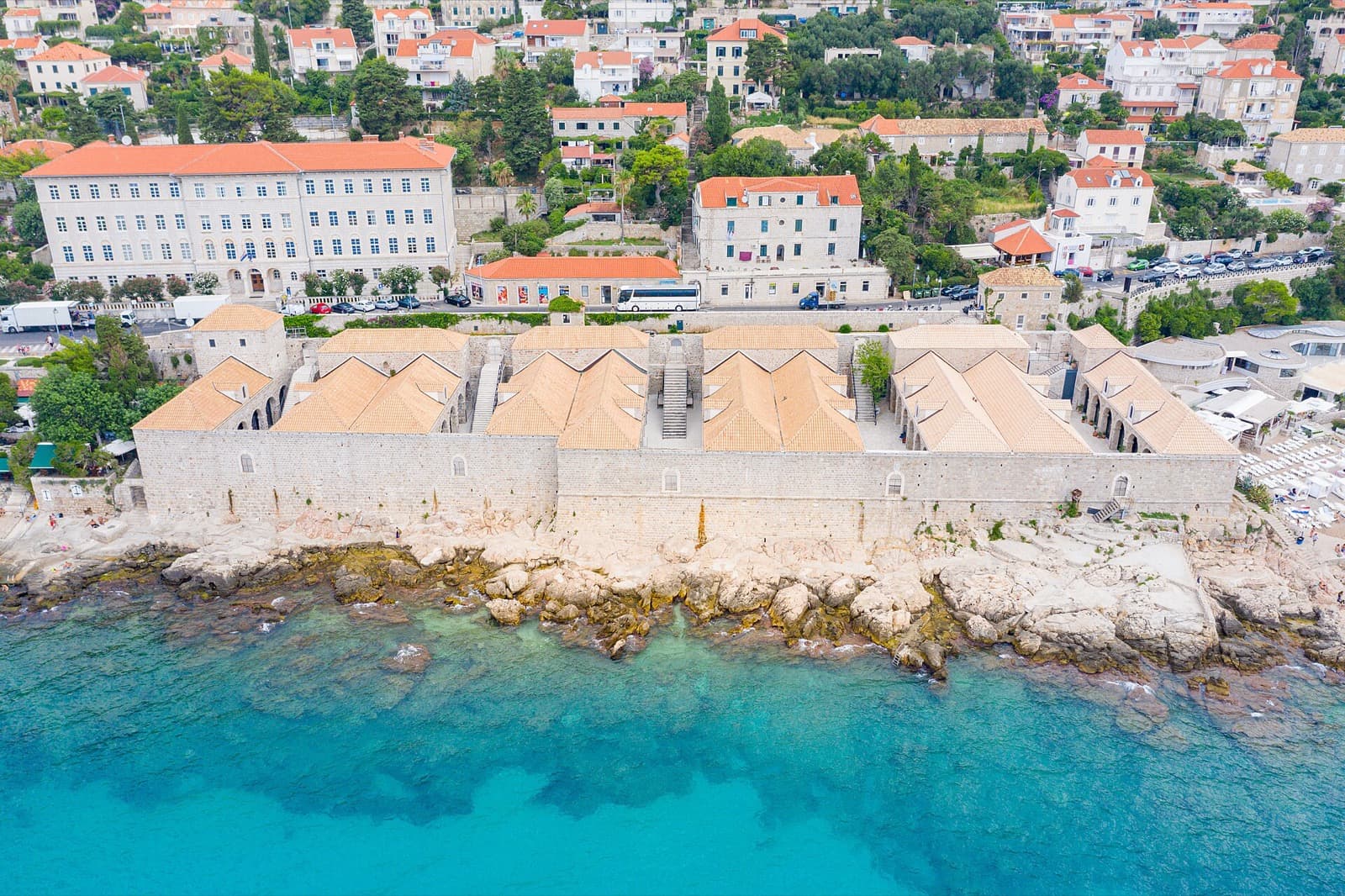
After lunch, shift from the ramparts to the water and the mountain. The old city port sits just inside the eastern Ploce Gate, with the Arsenal, the Maritime Museum inside the Fort of Saint John, and the seventeenth-century Lazareti quarantine houses along the shore. Dubrovnik built one of the earliest organized quarantine systems in Europe, and standing at the Lazareti is where that public-health history becomes tangible.
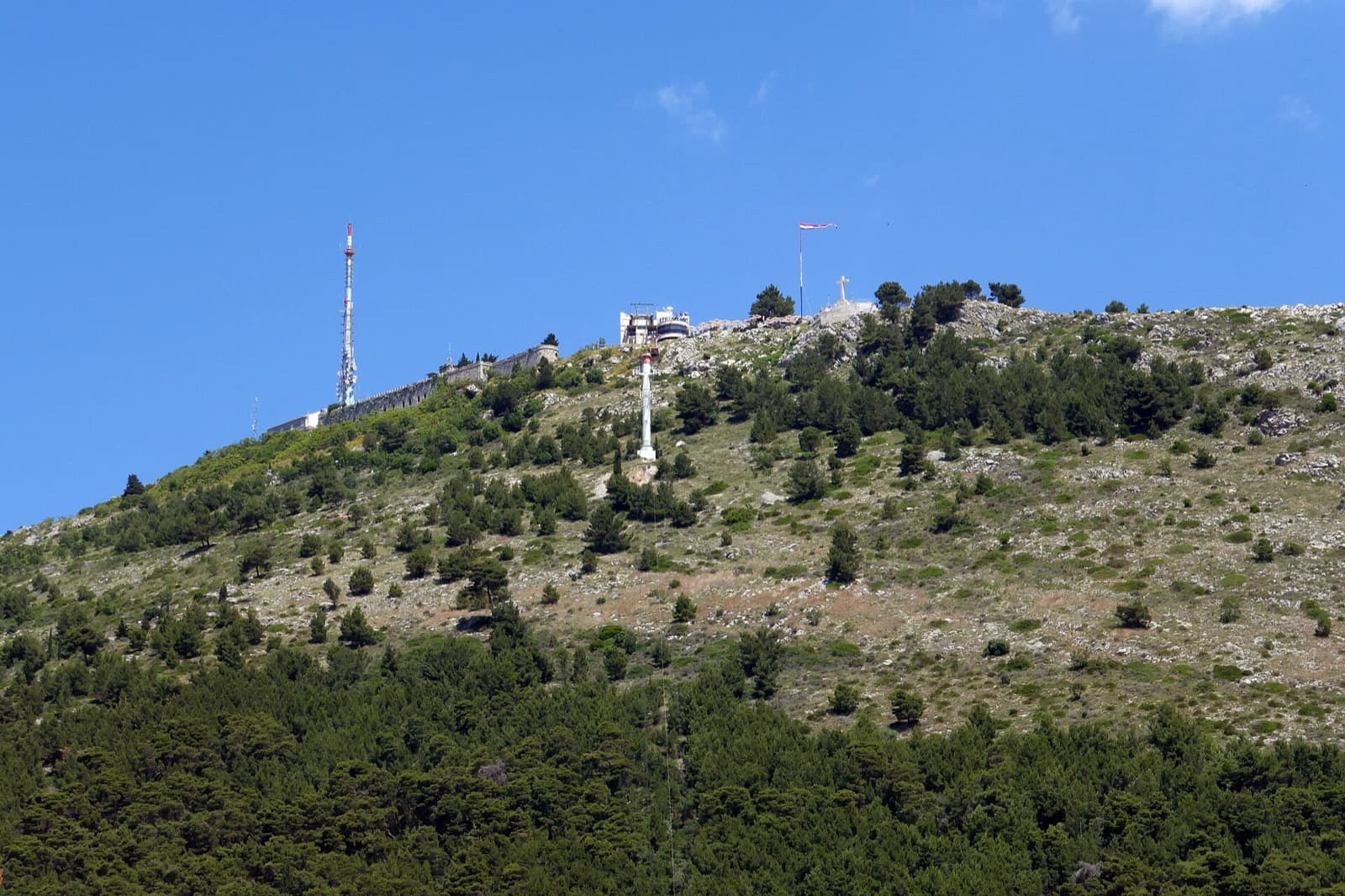
Then time your climb to Mount Srd for the last light. The summit sits at 412 meters and holds Fort Imperial and a Homeland War exhibition that treats the 1991 to 1992 siege soberly; the whole coast glows below you at sunset. You have two ways up:
- The cable car from just north of the old town. In 2026 an adult return is about 30 euros (one-way roughly 17 euros), the ride takes about four minutes, and hours run late in summer. Crucially, the last descent leaves the lower station thirty minutes before closing, and high wind can halt the cars, so confirm the final descent time before you go up.
- On foot, via the switchback path. It is a long, exposed climb with little shade. Carry water, wear a hat, and give yourself plenty of daylight.
This closing leg is the Dubrovnik maritime and Mount Srd audio tour: the working harbor, the global merchant fleet, the quarantine that changed public health, and the fort that watched over the city in living memory. It is the longest and most demanding of the three (about three kilometers with the summit), so treat it as the day's finale, not a warm-up.
Come back down for dinner in the old town after the day crowds thin. See all three routes and how they connect on the Dubrovnik walking tours hub.
How to fit it into a single day
- Early: at the wall entrance when it opens, walk the full ramparts loop (about two hours).
- Late morning: down to the Stradun, fountain, palaces, and churches (one to two hours, mostly free).
- Lunch: a side lane off the Stradun.
- Afternoon: old port, Maritime Museum, Lazareti along the shore.
- Late afternoon: cable car up Mount Srd for sunset, checking the last descent time first.
- Evening: back down for dinner once the cruise crowds have gone.
Practical notes and honest safety framing
Dubrovnik is a calm, walkable city with no special danger beyond ordinary travel sense. The real hazards are heat and footing: the walls and Stradun are shadeless and the limestone is polished slick, so bring water, sun protection, and shoes with grip, and take the steps slowly. The old town is a lived-in neighborhood, not a set, so keep noise down in residential lanes and step out of doorways for photos. Spring and autumn are gentler than the fierce, dry heat of high summer, and early or late in the day is always kinder for both heat and crowds.
Sources
Frequently asked questions
- Can you see Dubrovnik in one day?
- Yes. Dubrovnik's walled old town is compact and fully pedestrian, so one full day covers the three main experiences comfortably. Walk the city walls in the cool early morning (about two hours), spend late morning on the Stradun and its palaces, then ride the cable car up Mount Srd for sunset. Everything sits within a short walk, so no car is needed.
- How much does the Dubrovnik City Walls ticket cost in 2026?
- In 2026 the adult City Walls ticket runs around 40 euros and includes Fort Lovrijenac. Opening hours change with the season, roughly 8:00 in the morning to the evening in summer and a shorter 9:00 to 15:00 window in winter, so check the current day's hours before you go. Many sales points are card-only, so carry a card.
- Is it better to walk the Dubrovnik walls in the morning or evening?
- Early morning at opening is the best single choice. The wall circuit is almost entirely shadeless and gets very hot and crowded at midday when cruise ships are in port. An early start gives you cooler air and space at the towers. Late afternoon near closing is the next-best window, when the western sea walls catch warm light.
- How do you get up to Mount Srd in Dubrovnik?
- You can take the cable car or walk. The cable car leaves from just north of the old town, takes about four minutes, and in 2026 costs around 30 euros for an adult return. The last descent leaves the lower station thirty minutes before closing, and strong wind can halt the cars, so confirm the final descent time before going up. Walking up the switchback path is possible but long and exposed, so carry water and allow daylight.
- Is the Dubrovnik Pass worth buying for one day?
- It can be if you plan to enter several museums. The one-day Dubrovnik Pass costs around 40 euros and bundles the City Walls, Fort Lovrijenac, about ten museums, and unlimited city buses for 24 hours. If you only want to walk the walls and stroll the old town, a standalone walls ticket may be enough, since the old town itself is free to walk.
- Do you need a car in Dubrovnik's old town?
- No. Cars are not allowed inside the city walls, and the old town is entirely pedestrian. From the Gruz cruise port about three kilometers away, take a Libertas city bus or a taxi to Pile Gate, then explore everything on foot. The walls, the Stradun, museums, and the cable car station are all within a short, flat walk of each other.
Ready to experience it?
City Walls: The Unbroken Ring
90 min · 1.9 km · moderate
More from Dubrovnik
Explore more at your own pace.
Minceta Tower and the Strategy Written Into Dubrovnik's Walls
Mount Srd and Fort Imperial: How Dubrovnik's Mountain Fort Explains the Whole City
The Rector Who Ruled Dubrovnik for One Month
Bokar and Lovrijenac: The Forts That Guarded Dubrovnik's Freedom
The Great Onofrio Fountain: Water as an Act of Government