Old Port and Mount Srd: Beyond the Walls
160 min · 3 km · challenging
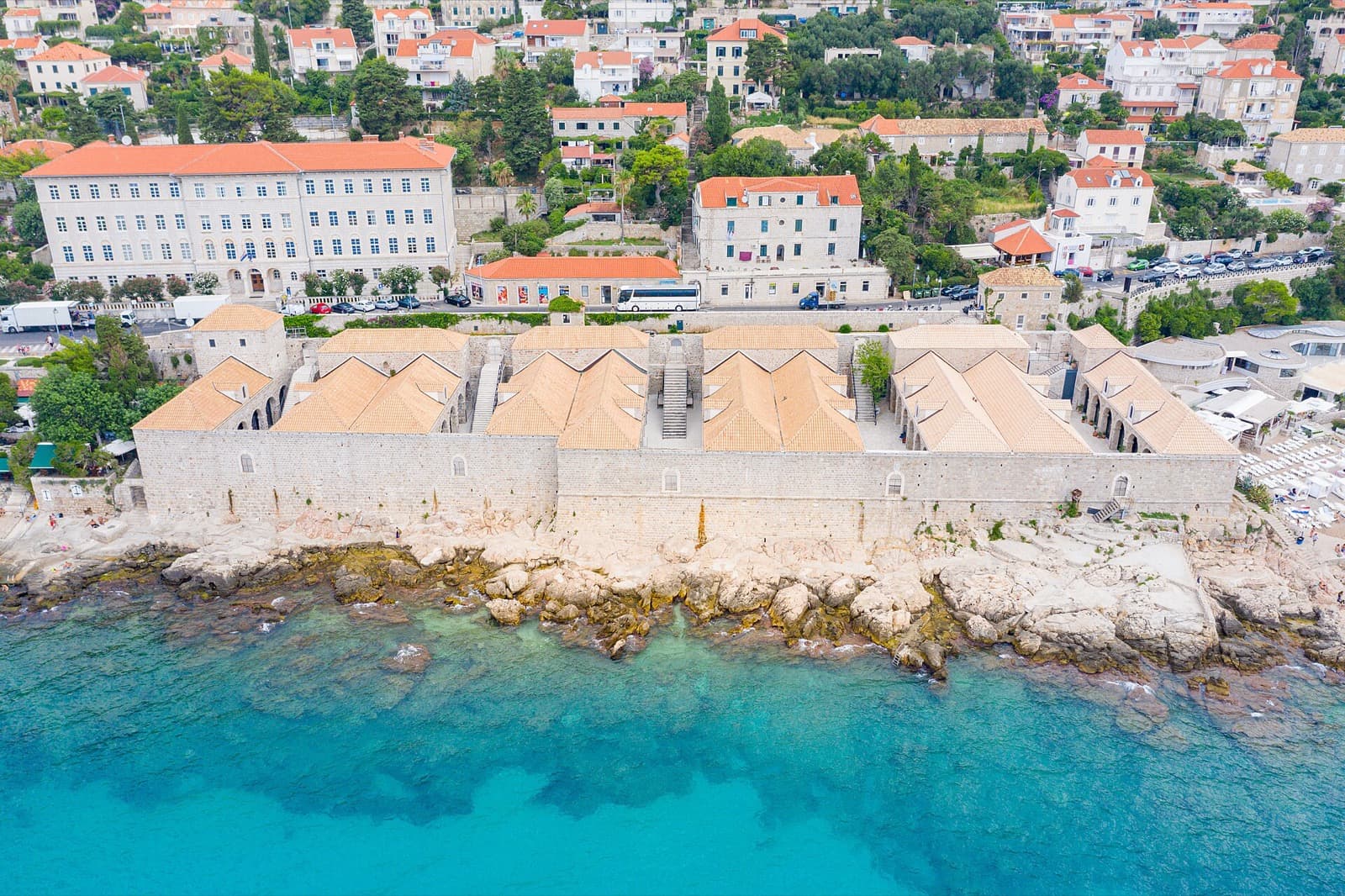
The Lazareti, a row of plain stone buildings and courtyards just outside Dubrovnik's Ploce Gate, is where a trading republic put into permanent form its way of keeping its harbour open without importing plague. In thirteen seventy-seven, the Great Council of Ragusa ordained that anyone arriving from a plague-infected area spend a month in isolation before entering the city or its territory. That order, and the shore where it was later enforced, put Dubrovnik near the origin of one idea the whole modern world still uses: quarantine. Standing in front of these austere courtyards, the thing to understand is that they are not a ruin or a curiosity. They are a piece of working public-health machinery that outlived the state that built it.
A modest building holding a large idea
Look at the Lazareti and you may feel underwhelmed. There is no soaring facade, no carved motto, none of the theatre you find at Fort Lovrijenac or the Jesuit Stairs a short walk away. When it was built it had five halls for goods, which could take animals too, and five buildings to house travellers, low and repetitive, built for holding rather than for display. That plainness is the point. This was infrastructure. Arriving travelers, their goods, and their animals were held here in isolation, at arm's length from the city, for a fixed span of days before they were let through the gate.
The complex you see was completed in sixteen forty-two, though it was not the Republic's first attempt. The first isolation sites were in the open or in wooden shelters on the islets of Mrkan and Bobara, and later on Lokrum. A lazaretto west of the city at Danče was begun in fourteen fifty-seven and in use from fourteen sixty-six; shelters by the Ploce gate are recorded from fifteen seventeen. So the buildings are the durable, purpose-built version of a system Ragusa had already been running for more than two and a half centuries by the time these walls went up. The city kept refining the tool because the tool kept working.
Why a merchant city invented a way to wait
Hear a stop from this walk
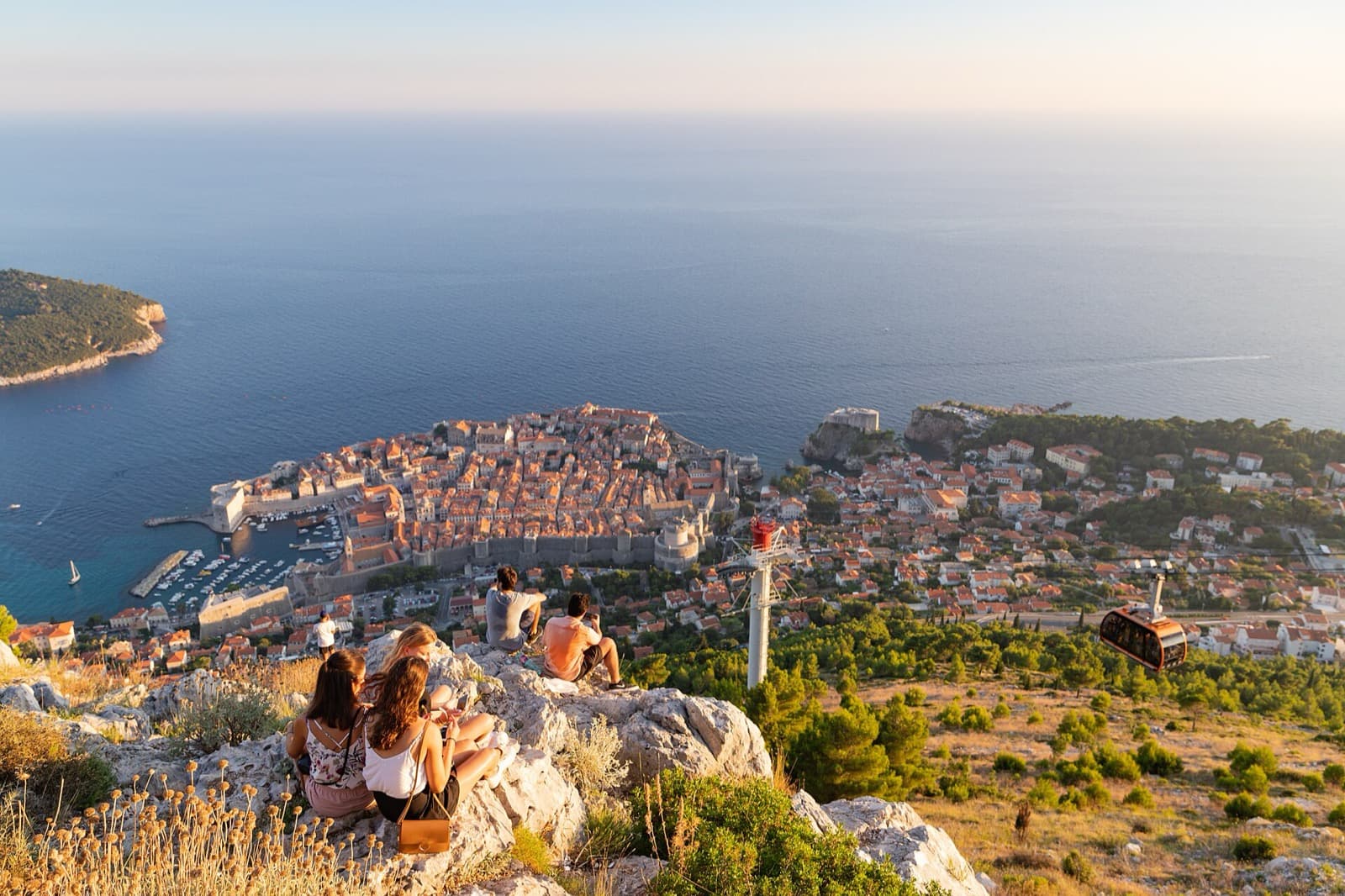
Mount Srd, Fort Imperial and the Homeland War: the whole coast below
To grasp why the Lazareti matter, hold two facts about Ragusa together. First, this was a maritime trading power. In the sixteenth century its merchant fleet counted one hundred and seventy to two hundred larger ships, reaching England and Flanders, Syria and Egypt. Its whole prosperity depended on ships arriving and departing without pause. Second, those same ships were the most efficient carriers of plague ever devised, moving infection along the sea lanes as reliably as they moved cargo.
Those two facts point in opposite directions. Close the harbour and the Republic starves. Leave it open and plague walks in with the bales of cloth. The Lazareti are the physical answer to that contradiction. Rather than choosing between commerce and safety, Ragusa built a third option: hold the ships, the goods, and the people in a controlled place for a set number of days, and let time do the sorting. If sickness was going to appear, it would appear here, outside the walls, where it could be contained. If it did not appear within the appointed span, the traveler and the cargo went on into the city. The idea is almost mathematical in its calm. It treats the incubation of disease as a problem you can solve by waiting, in the right place, for long enough.
The word you already know
The name of the practice is baked into the building's function. The original isolation period in Ragusa was a month. Later the standard span became forty days, and from that forty we get the word quarantine. When a modern government orders a quarantine, it is using, without knowing it, the counting logic worked out on shores like this one.
It is worth being precise about the claim. Ragusa's thirteen seventy-seven measure is documented as one of the earliest institutional quarantines anywhere in the world. That careful phrasing matters more than a bolder boast would. The value of the Lazareti is not that Dubrovnik alone thought of isolating the sick. It is that a small republic turned a scattered instinct into an ordinance, then in 1397 into a standing system with three noble health officials appointed to enforce it, and finally into permanent stone buildings. Venice adopted quarantine in 1423 and Genoa in 1467. That progression, from idea to institution, is what public health actually is. The Lazareti let you see it happen in one place.
What survives, and what to do here
Today the courtyards are quiet, and the buildings have found a second life as a venue for cultural events. A place built to manage fear and separation has become a place of gathering.
Take the plainness slowly. Walk into a courtyard, notice how the buildings close around you, and think about the arrivals who spent their weeks of isolation inside these walls, watching for the first sign of illness in themselves and their companions, waiting to be let into a city they could see but not yet enter. Then consider that the discipline they endured is, in outline, the same one that shaped how the world answered its most recent pandemic.
If this stop makes you want the fuller story, of the harbour that fed this system, the merchant fleet that gave English the word argosy, and the mountain fort above the city that watched over a siege within living memory, the Lazareti sit as one stop on the self-guided Old Port and Mount Srd: Beyond the Walls tour through the working, trading Dubrovnik the postcard leaves out. You can find the wider route and the rest of the city's walks among the Dubrovnik walking tours, or start from the Dubrovnik city page and walk the harbour, the quarantine houses, and the fort at your own pace, in whatever order suits your afternoon.
Sources
- Leksikon Marina Držića (Miroslav Krleža Lexicographic Institute and Dom Marina Držića), "Karantena" (Tatjana Buklijaš): the 1377 ordinance in the Liber viridis, the month of isolation, the 1397 ordinance and its health officials, Mrkan, Bobara and Lokrum, the Danče lazaretto of 1457, the Ploče shelters of 1517, the complex of 1642 and its layout, and adoption by Venice and Genoa.
- Croatian Encyclopedia, "Dubrovnik": the sixteenth-century merchant fleet.
- Zlata Blažina Tomić and Vesna Blažina, Expelling the Plague: The Health Office and the Implementation of Quarantine in Dubrovnik, 1377 to 1533 (McGill-Queen's University Press, 2015): scholarly treatment of how Ragusa administered quarantine as a standing institution.
Ready to experience it?
Old Port and Mount Srd: Beyond the Walls
160 min · 3 km · challenging
More from Dubrovnik
Explore more at your own pace.
Dubrovnik: the free city the Republic of Ragusa built
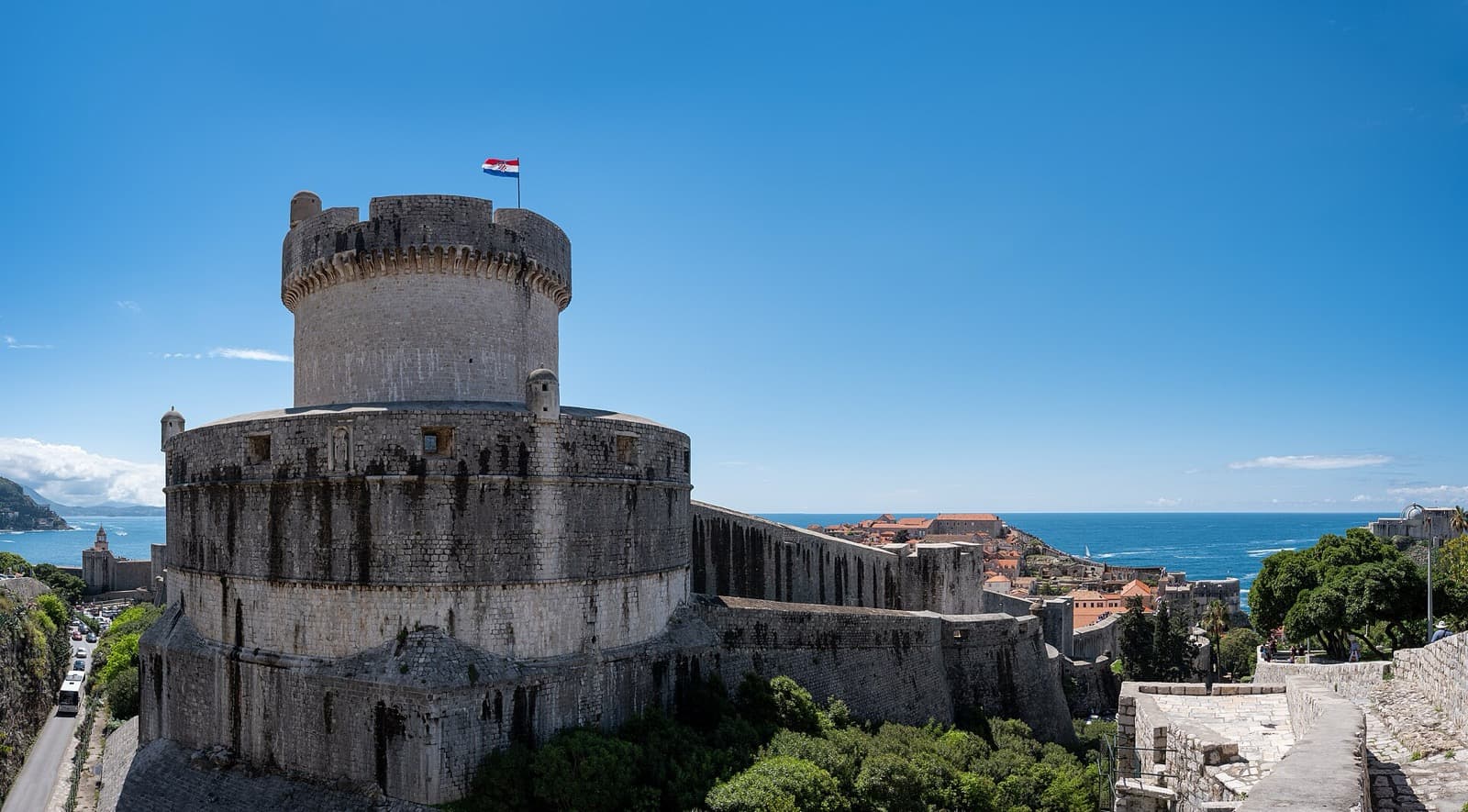
Minceta Tower and the Strategy Written Into Dubrovnik's Walls
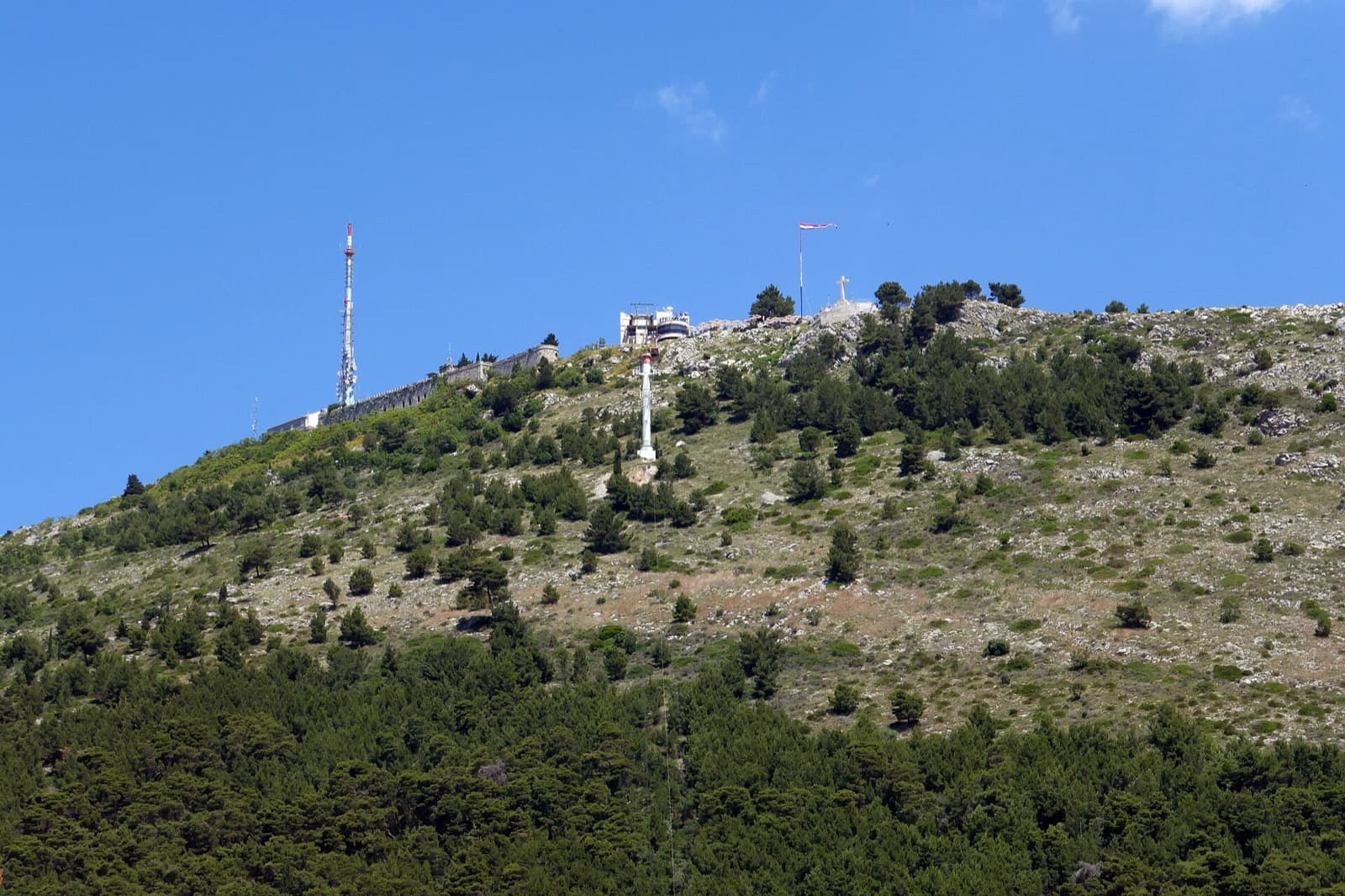
Mount Srd and Fort Imperial: How Dubrovnik's Mountain Fort Explains the Whole City
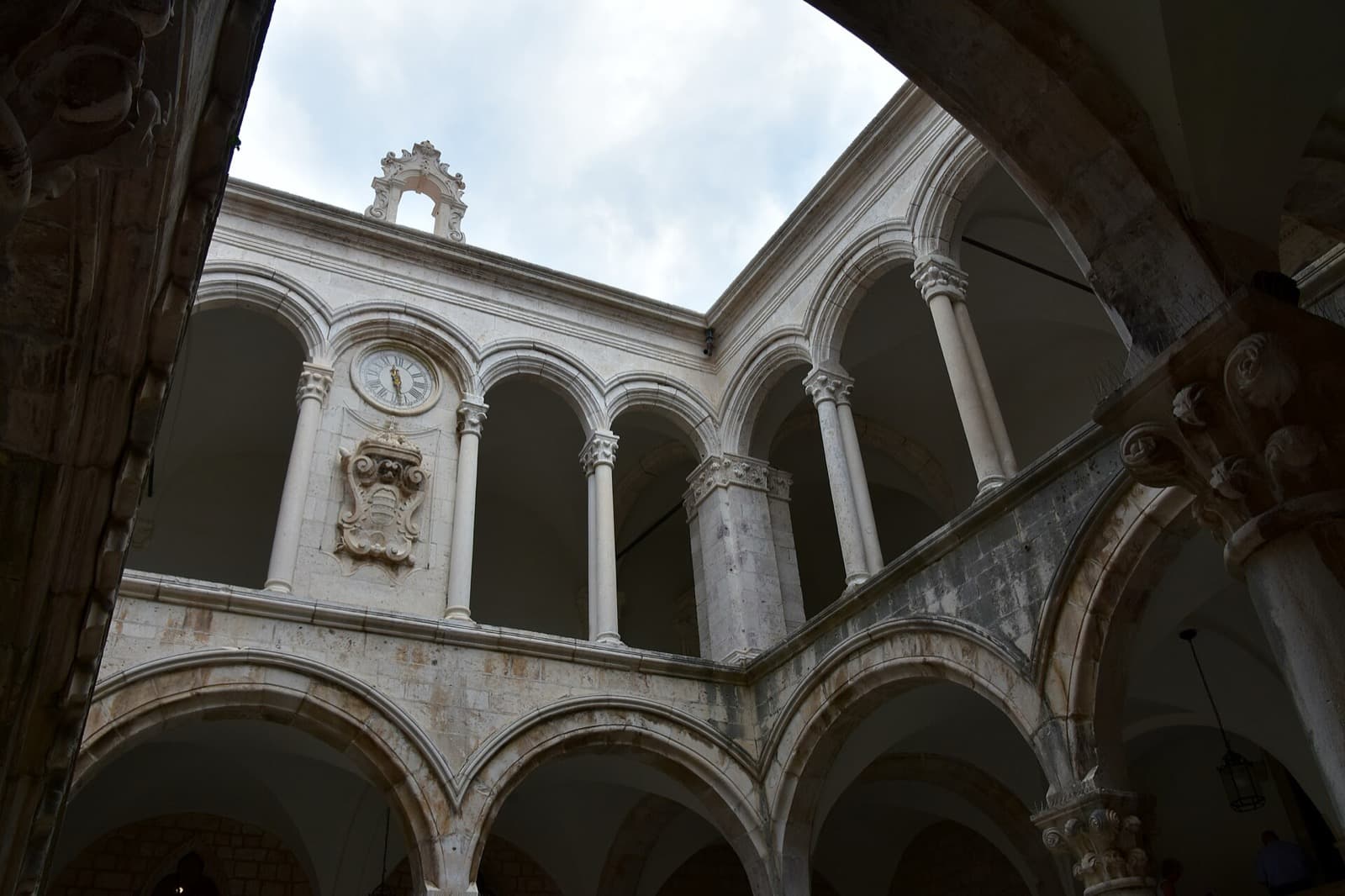
The Rector Who Ruled Dubrovnik for One Month
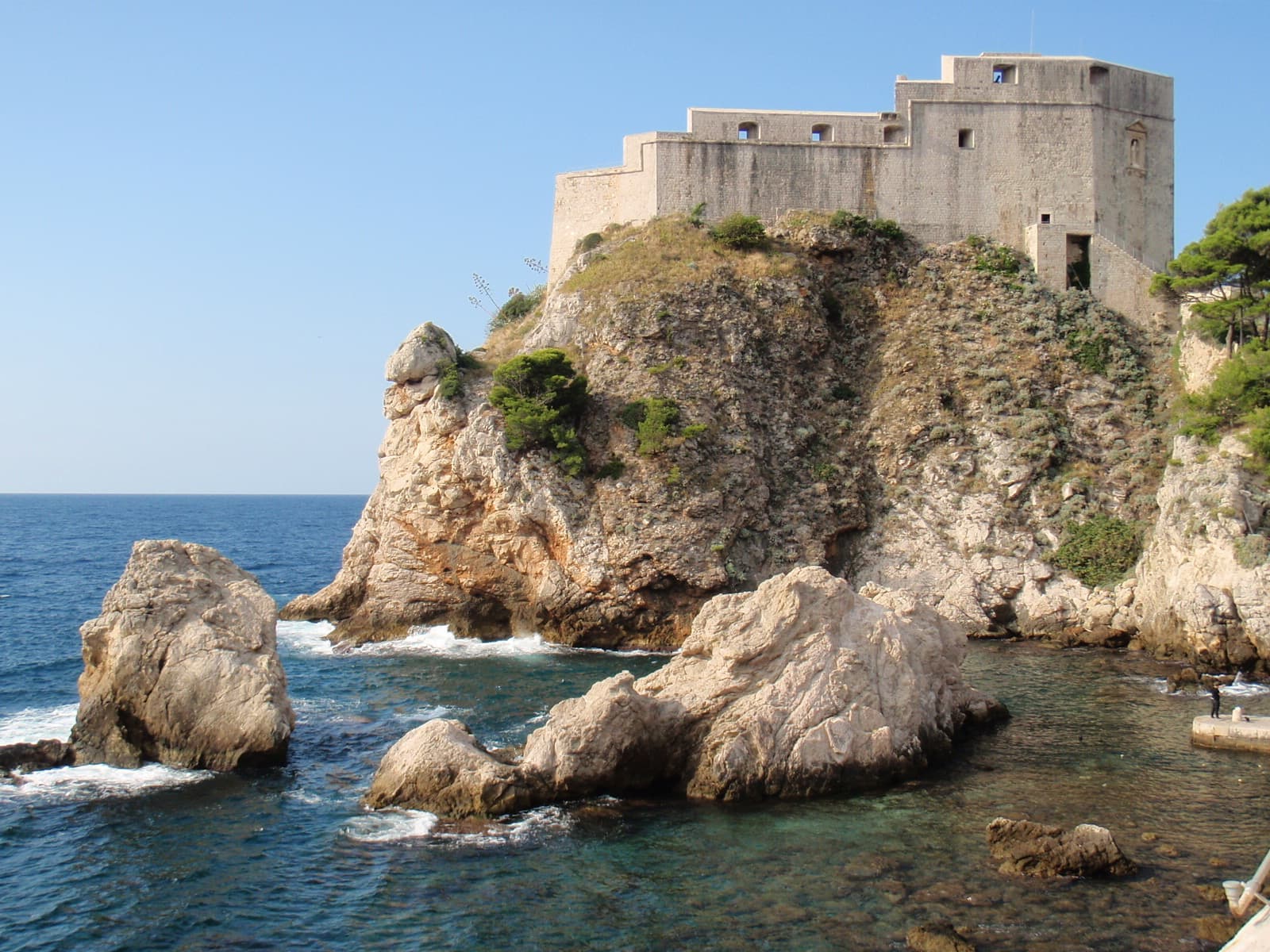
Bokar and Lovrijenac: The Forts That Guarded Dubrovnik's Freedom