City Walls: The Unbroken Ring
90 min · 1.9 km · moderate
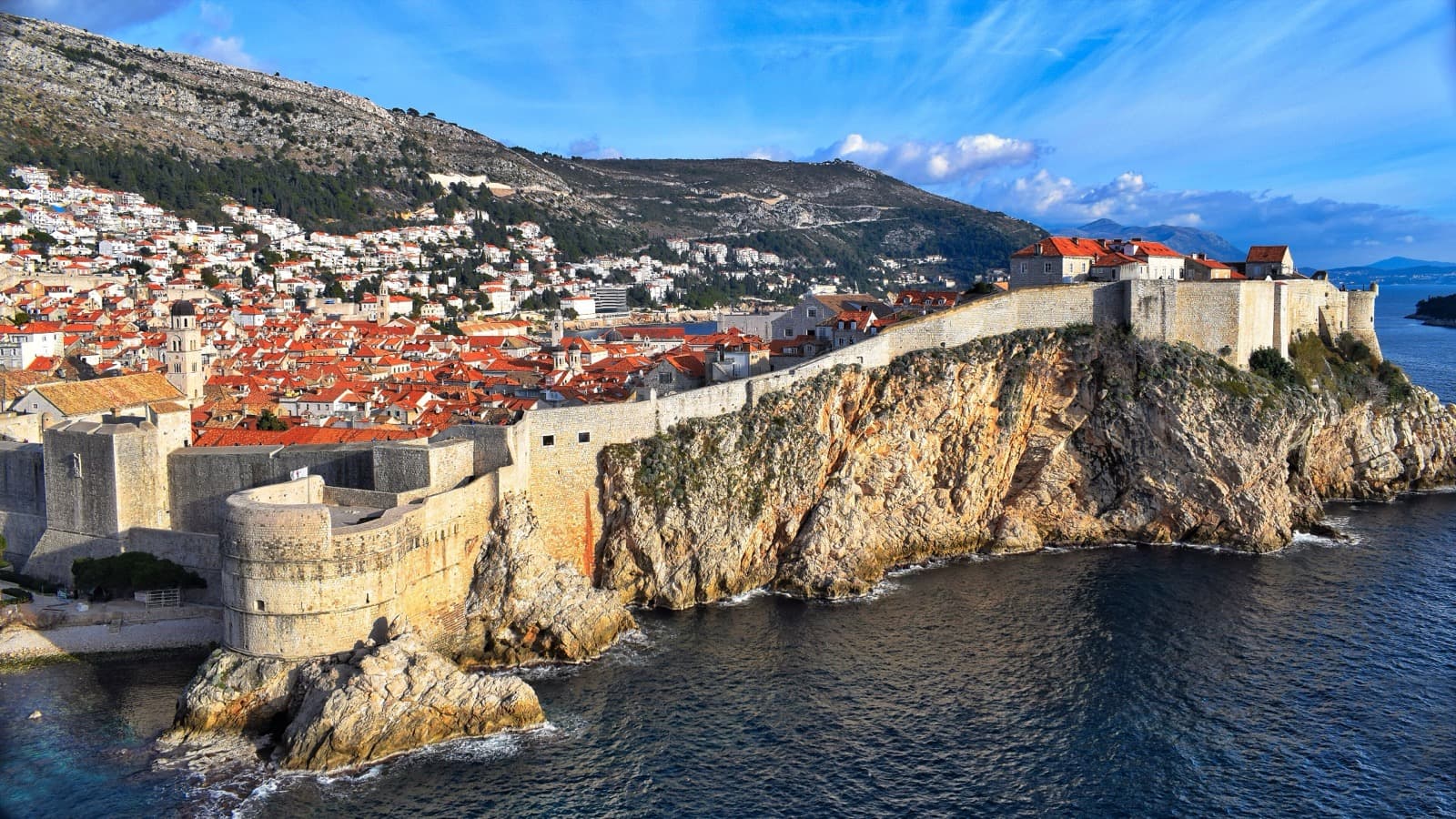
At Dubrovnik's south-western corner, two forts hold the place where the whole ring of walls resolves into a single idea. On the corner of the ramparts sits Fort Bokar, a rounded casemated fort beside the Pile Gate. Beyond the walls, standing free on its own rock above the sea, is Fort Lovrijenac, and over its gate a line of Latin makes the argument the entire city was built to protect: freedom is not sold for all the gold. Together these two structures show how a small merchant republic, the Republic of Ragusa, kept one word alive: Libertas.
The fort that guards the gate
Fort Bokar is the closer of the two, tucked into the rampart circuit at the south-western angle of the walls. It was begun in 1461 to a design by the Florentine architect Michelozzo, but the building dragged on for a century: it took its present form only in 1570, when it was raised on a proposal by Antonio Ferramolino of Bergamo. Its purpose was specific and defensive. Standing partly on a rock in the sea, it defends the sea approach to the western stretch of the walls and the western entrance to the city, the Pile Gate. Its first name was the tower of Brsalje, after the shooting range that lay across the moat.
The word to understand here is casemated. A casemate is a vaulted, armored chamber built into the fortification, with openings from which defenders could fire cannon while staying shielded behind stone. Bokar, begun in 1461, was one of the earliest forts in Europe designed around cannon chambers. That detail matters more than it first sounds. It places Dubrovnik at the front edge of a shift in military engineering, the moment when walls stopped being simply tall and started being built to house and absorb gunpowder artillery. A city of merchants, not soldiers, was paying close attention to how war was changing, and building accordingly.
Bokar reads as one piece of a larger system rather than a stand-alone strong point. It works with the Pile Gate beside it, with the bridge and moat in front of that gate, and with the walls running away from it in both directions. Defense at Dubrovnik was never a single line. It was layers, and Bokar is where you can see the western layers stack up.
The fort that stands alone
Hear a stop from this walk
Bokar and Lovrijenac: freedom over the gate
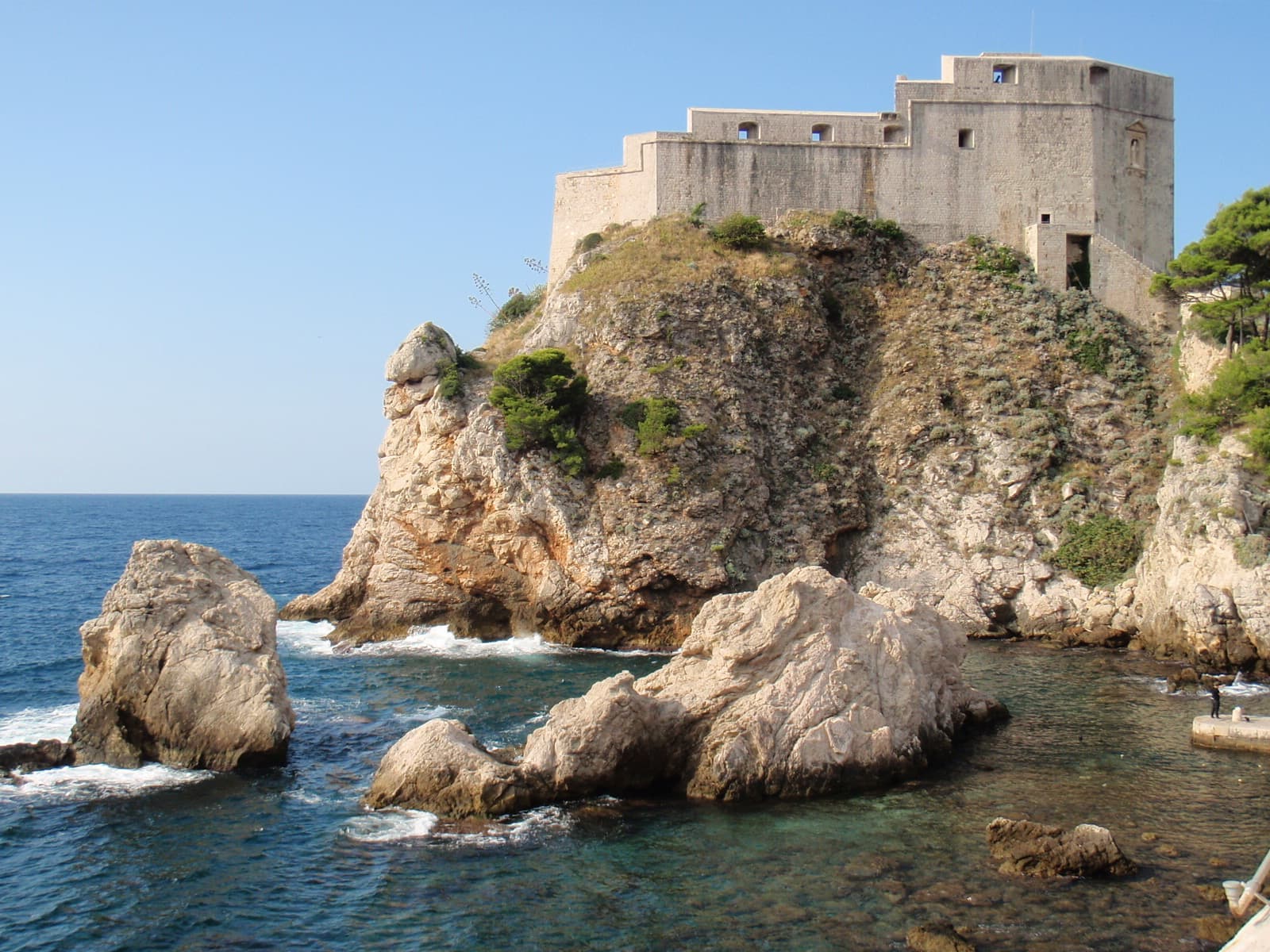
Now look west, past the walls, to a fortress that sits apart from the ring entirely. This is Lovrijenac, the Fortress of Saint Lawrence, planted on its own rock thirty-seven metres high. It is first recorded in 1301, though tradition takes it back to the eleventh century. It is not part of the wall circuit. It stands out in front of it, across the small cove from Bokar. In 1464 its western and northern walls were doubled in thickness, reaching twelve metres in places, while the side facing the city stayed far thinner. Between them, the two forts cover the western seam of the city, one built into the walls and one thrown out ahead of them.
Over the gate of Lovrijenac is carved a single line: Non bene pro toto libertas venditur auro. It means that freedom is not sold well for all the gold. That is the sentence to stand in front of and read slowly, because it is the truest thing carved anywhere on this walk. The word at its center, Libertas, freedom, also stood on a Ragusan flag and on the Republic's silver coins, the merchant state whose walls you have circled to reach this point.
Here is the thing to understand while you stand between Bokar and Lovrijenac. The Republic meant that word in deeds, not only in stone. It banned the trade in slaves in 1416. From 1458 it paid tribute to the Ottoman sultan while quietly playing the great powers of the region against one another. That is the paradox the whole ring keeps circling. This city had no standing army of its own, raising militia and hired troops only when war came. It became one of the hardest places in the Mediterranean to conquer, and it did that so it could keep one word alive over a door.
Stone plus cunning
The two forts make a single lesson visible. Strength at Dubrovnik was never brute force alone. It was stone plus cunning. Bokar is the stone, and an advanced piece of it for its time, a shielded gun platform covering the sea approach to the city's western gate. Lovrijenac is the statement, a fort that names out loud, in Latin, above its door, exactly what all this engineering was for.
The Republic bought and out-thought its way to survival. Tribute money to a stronger empire, diplomacy that kept rivals off balance, law that reached into public health and trade, and, behind all of it, walls and forts in case thinking was not enough. Bokar and Lovrijenac are the last hard argument of a state that preferred to win with the first, softer ones. The freedom carved over the Lovrijenac gate was defended, in the end, by not having to fight for it often.
Both forts have a second life today that travellers sometimes meet first. Lovrijenac serves as an open-air stage for the summer festival, above all for Hamlet. The Dubrovnik Tourist Board also notes that it played the Red Keep in the television series Game of Thrones. Those are real associations, and they draw people up to the rock. But the older line is the one worth carrying away. The whole unbroken ring, every tower and gate and casemate you have passed, existed to protect that.
Walk the ring for yourself
Bokar and Lovrijenac are the closing beat of a walk that reads Dubrovnik's medieval walls like a document. To stand here with the sense that the two forts, and the single word between them, are the point the whole circuit was building toward, walk the City Walls: The Unbroken Ring route. It is a one-way circuit of a little more than one and nine-tenths kilometres along the top of the ramparts, roughly sixty to ninety minutes of walking, all on stone with many steps and almost no shade. Carry water, wear shoes with grip, and go early or late to dodge the midday cruise-ship crowds. The City Walls ticket also admits you to Fort Lovrijenac, so you can cross to the rock and read the Latin for yourself. To stand on the Brsalje terrace between the two forts, start the twelve-stop Old Town: Inside Dubrovnik's Walls walk, which begins there. For more routes through the old town and the coast around it, see the full set of Dubrovnik walking tours.
Sources
- Society of Friends of Dubrovnik Antiquities (citywallsdubrovnik.hr), "Lovrjenac Fortress": the 37-metre rock, the first record in 1301, the walls thickened in 1464, the Latin inscription over the gate and the fort's later uses.
- Society of Friends of Dubrovnik Antiquities, "Western Outer Wall", and Dubrovnik Tourist Board, "Tvrđava Bokar": Bokar begun in 1461 to Michelozzo's design, completed in its present form in 1570 on Ferramolino's proposal, its name and its defence of the sea approach.
- Society of Friends of Dubrovnik Antiquities, "FAQ": the City Walls ticket and Lovrijenac.
- Croatian Encyclopedia, "Dubrovačka Republika": tribute from 1458 and the Republic's wars and defence.
- Leksikon Marina Držića, "Zastava": the Libertas flag and coinage.
- Dubrovnik Tourist Board, "Dubrovnik for GOT fans": Lovrijenac as the Red Keep.
Ready to experience it?
City Walls: The Unbroken Ring
90 min · 1.9 km · moderate
More from Dubrovnik
Explore more at your own pace.
Dubrovnik: the free city the Republic of Ragusa built
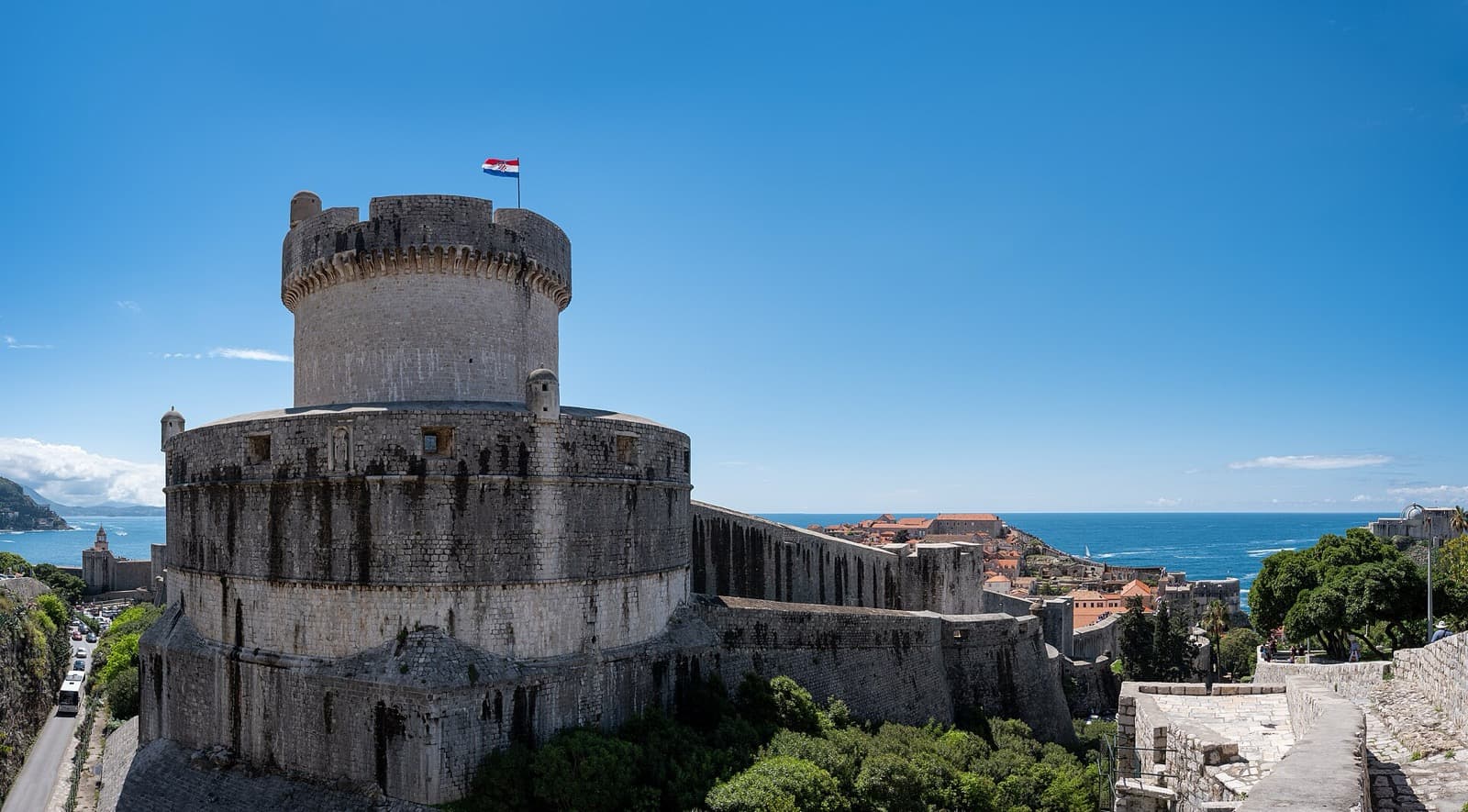
Minceta Tower and the Strategy Written Into Dubrovnik's Walls
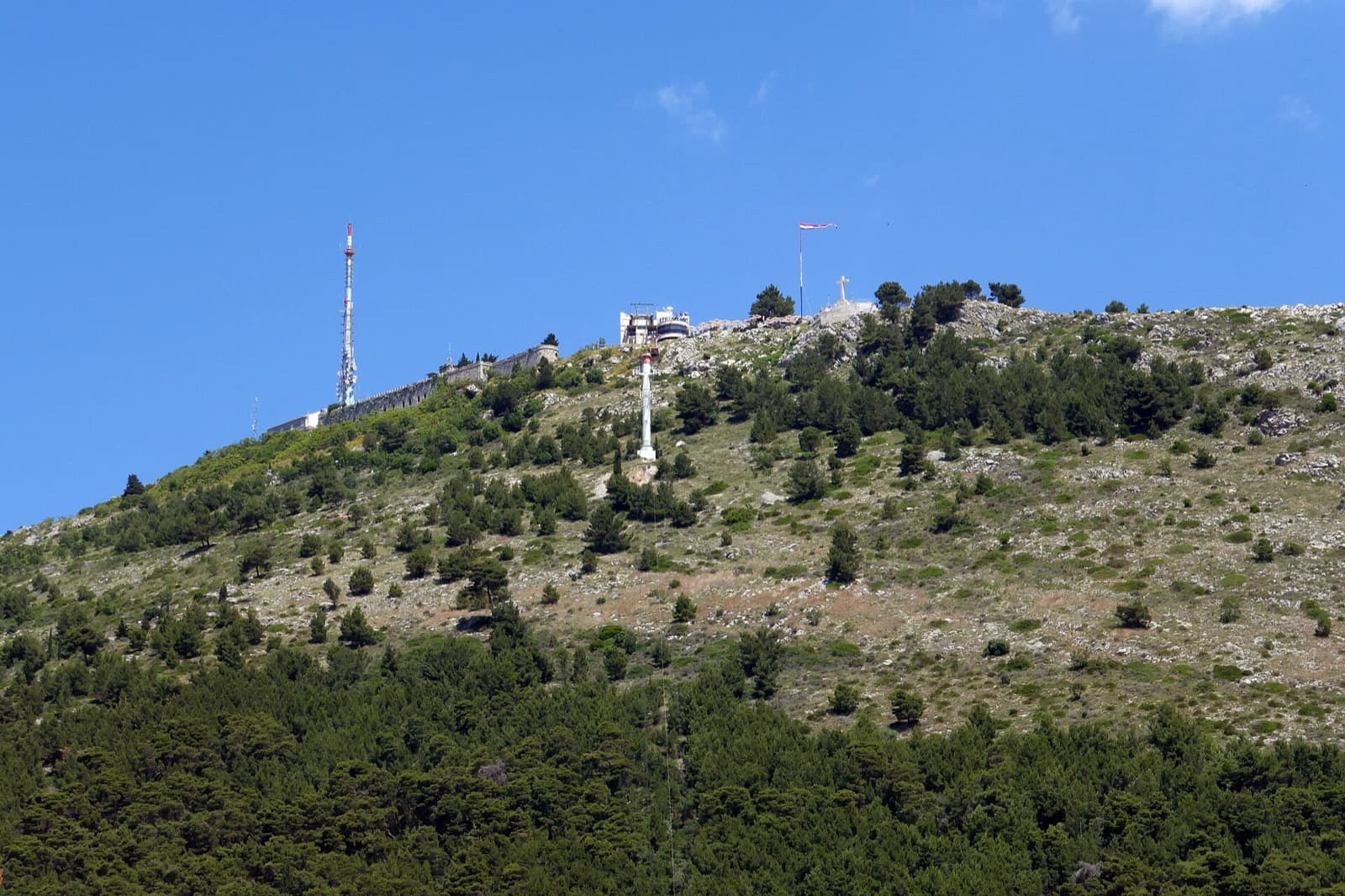
Mount Srd and Fort Imperial: How Dubrovnik's Mountain Fort Explains the Whole City
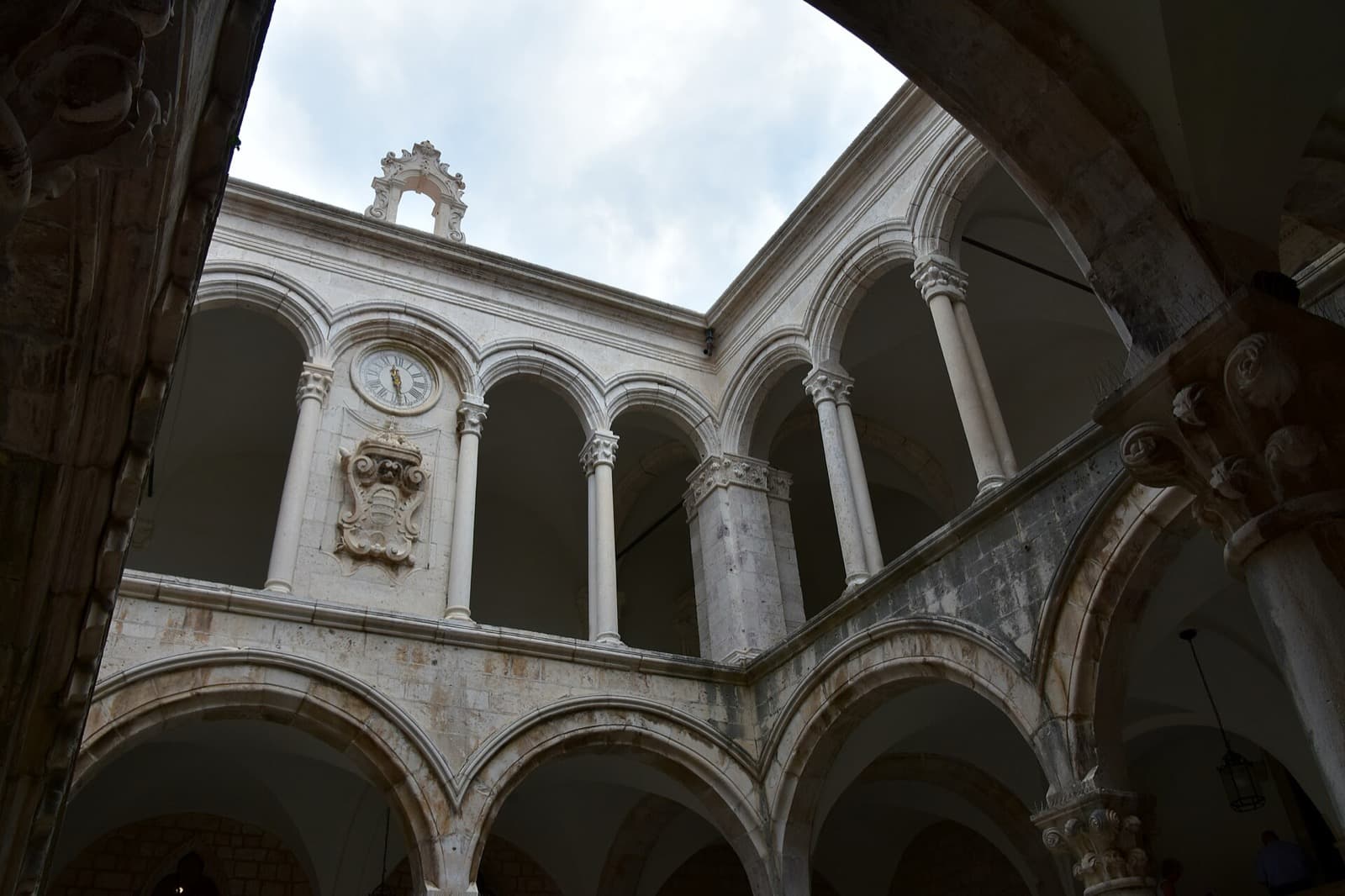
The Rector Who Ruled Dubrovnik for One Month
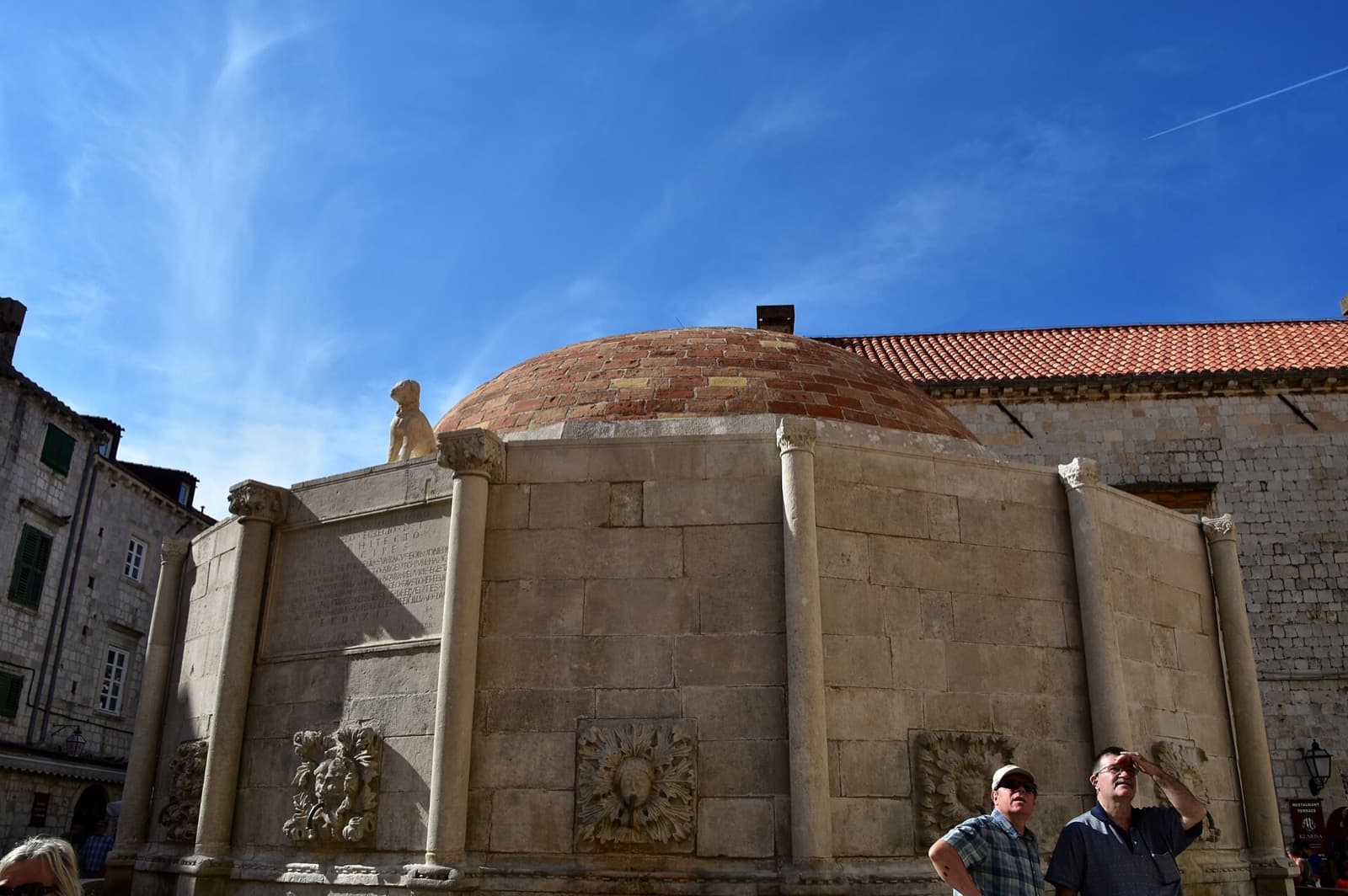
The Great Onofrio Fountain: Water as an Act of Government