Grand Place: The Square Rebuilt in Four Years
60 min · 1.5 km · easy
If you want to eat like a local in Brussels, anchor your day around a handful of regional specialties: moules-frites (mussels with fries), a paper cone of double-fried frites from a frituur, carbonnade flamande (beef braised in dark beer), a soft Brussels waffle dusted with sugar, a hand-filled praline, and a spontaneously fermented gueuze or kriek from the Senne valley. Order frites as a snack with a sauce on top, treat waffles as two different things depending on the city they are named for, and pick a praline shop the way a local does, by the counter and the queue. The dishes below are the ones with genuine Belgian roots, where they come from, and how to order them without hesitating.
Frites: the Belgian claim, and how to buy them
Start with the fries, because Belgians will gently correct you if you call them French. Belgian frites are cut thick, fried twice (once to cook, once to crisp), and sold from a frituur (in French, a friterie or the slangier fritkot). Food histories credit the fried-potato tradition to the Meuse region, and VisitFlanders repeats the popular story that the "French" label comes from World War One, when American soldiers ate them in French-speaking Belgium and assumed they were in France. Either way, the frituur is the real institution here.
How to order: ask for a small or large cone, then choose a sauce spooned on top. Mayonnaise is the default, but andalouse, samouraï, and pili-pili are all standard. Belgians eat frites standing up with a small fork, often as a meal in themselves. A frituur near a square is usually cheaper and more honest than a sit-down terrace on the tourist strip, so walk a block off the Grand Place before you buy.
Moules-frites: the national dish
Hear a stop from this walk
The Cathedral of Saint Michael and Saint Gudula: The National Church on the Hill
Moules-frites, a pot of mussels served with a side of fries, is widely described as Belgium's national dish. The pairing is Belgian in origin, born of eating cheap, plentiful mussels alongside fried potatoes in the colder months. You will see it on nearly every brasserie menu in the lower town.
How to order: mussels come by preparation, and the classic is marinière, steamed with white wine, onion, celery, and parsley. Other common versions add cream (à la crème), white beer, or garlic. The pot arrives with the empty half-shell used as tongs to pluck the next mussel, and the fries are for mopping the broth. Mussels are seasonal and best in the cooler months, so if a menu is pushing them hard in high summer, ask whether they are fresh that day.
Carbonnade flamande: beef braised in beer
Carbonnade flamande (in Dutch, stoofvlees or stoverij) is a slow-braised beef stew made with dark Belgian ale instead of wine, sweetened slightly and often finished with a slick of mustard. It comes from Flanders, where a deep brewing tradition meant cooks reached for beer, and it began as rustic, thrifty cooking that turned tough cuts tender over long hours. Many Belgians rate it above mussels as the true national plate.
How to order: it almost always arrives with frites, and sometimes with a slice of bread spread with mustard laid over the top during cooking. It is a cold-weather dish, hearty and sweet-sour, so order it when the northern weather turns, which as the Brussels walking tours note it often does without warning.
Waffles: Brussels versus Liège are two different things
The single most useful thing to know about Belgian waffles is that "Belgian waffle" is not one food. A Brussels waffle is made from a light, pourable batter, comes out rectangular with deep pockets, and is crisp and airy, usually served plain or with icing sugar. A Liège waffle is made from a yeasted dough studded with pearl sugar that caramelizes on the iron, so it is denser, chewier, sweeter, and rounder at the edges.
How to order: for the classic Brussels experience, get a Brussels waffle plain or with a light dusting of sugar and eat it warm off the iron. Resist the towers of whipped cream, chocolate sauce, and fruit at the most touristy stands; a good waffle needs almost nothing. If you want the sweet, portable street snack, the Liège waffle is the one to eat while walking.
Belgian pralines: born in the Galeries you walk through
A Belgian praline is a molded chocolate shell with a soft filling, and its invention is tied directly to a stop on the historic-center tour. Jean Neuhaus opened a shop in the Royal Saint-Hubert Galleries in 1857, and in 1912 his grandson Jean Neuhaus Junior replaced the medicinal centers with sweet fillings and created the filled praline. In 1915 Louise Agostini, Neuhaus Junior's wife, designed the ballotin, the ribboned gift box that made pralines a luxury. You pass the arcade where this happened on the Grand Place walk.
How to order: pralines are sold by weight, usually per 100 grams or by the piece, and the counter staff will build a small assorted box for you. Point to what you want rather than guessing; classics include a soft ganache, a praliné (hazelnut) filling, and a manon. Buy from a chocolatier with a visible kitchen or a long counter queue rather than a souvenir shop, and eat them the same day, because fresh pralines are not built to last weeks.
Gueuze, kriek, and lambic: Brussels beer that tastes like nowhere else
Brussels has a beer style you cannot get authentically anywhere but here and the valley just west of the city. Lambic is spontaneously fermented, meaning wild yeasts and bacteria in the air of the Senne valley do the work instead of cultivated yeast. From lambic come gueuze, a blend of young and old lambics that referments in the bottle and tastes dry and sour like a still cider crossed with sparkling wine, and kriek, lambic steeped with sour cherries.
How to order: ask specifically for a traditional or "oude" (old) gueuze or kriek if you want the genuinely sour version, since some commercial krieks are sweetened. These are sipping beers, tart and complex, and they pair well with the sharp flavors of carbonnade or a cheese plate. If sour is not your thing, Belgium's Trappist and abbey ales (strong, malty, often dark) are the safe, delicious fallback and are on every serious beer list in town.
Smaller specialties worth trying
Stoemp is a Brussels comfort dish of mashed potato blended with a vegetable (carrot, leek, cabbage, or others) and usually served with sausage; it grew out of nineteenth-century thrift and is pure home cooking. Belgian endive, called witloof or chicon, is the pale, slightly bitter chicory the country nicknames "white gold," often braised or baked with ham and cheese. And speculoos, the thin spiced biscuit whose recipe reaches back centuries, is the caramel-cinnamon cookie you will get beside your coffee; it also comes as a spreadable paste.
How to order: these are the dishes to look for on a neighborhood brasserie's daily specials board (the plat du jour) rather than the tourist menu. If a small place has stoemp-saucisse chalked up for lunch, that is the local move.
Where to eat it on a Roamer walk
Food and walking pair naturally here because the two historic-center routes pass the exact places these traditions come from. The Grand Place: The Square Rebuilt in Four Years tour takes you through the Royal Saint-Hubert Galleries where the Belgian praline was invented, past Manneken Pis (whose own museum keeps a wardrobe of around a thousand costumes), and along the lower-town streets where the frituren and brasseries cluster. The Royal Quarter tour climbs to the upper town of palaces and the Sablon, a district known for its chocolate shops. Browse both, plus the neighborhood guides, from the Brussels walking tours hub, then step off the route whenever a frituur or a chocolatier catches your eye.
The self-guided format is built for this. You set the pace, so there is no group waiting while you finish a cone of frites or duck into a praline counter, and no schedule pushing you past the brasserie you wanted to try.
Sources
Frequently asked questions
- What is the national dish of Belgium?
- Moules-frites, a pot of mussels served with fries, is widely described as Belgium's national dish. The mussels come in preparations such as marinière (white wine, onion, celery, parsley) or à la crème. Some Belgians argue carbonnade flamande, a beef stew braised in dark beer, deserves the title instead.
- Are frites really Belgian and not French?
- Belgians make a strong claim to the fried potato, and food histories trace the tradition to the Meuse region. One common explanation for the 'French' label, which VisitFlanders repeats, is that American soldiers in World War One ate them in the French-speaking part of Belgium and assumed they were in France. In Brussels you buy them from a frituur, cut thick and fried twice.
- What is the difference between a Brussels waffle and a Liège waffle?
- A Brussels waffle is made from a light, pourable batter, is rectangular with deep pockets, and is crisp and airy, usually served plain or with icing sugar. A Liège waffle is made from a yeasted dough studded with pearl sugar that caramelizes on the iron, making it denser, chewier, and sweeter. They are two distinct foods, not two names for one.
- Where were Belgian pralines invented?
- The filled Belgian praline was created in 1912 by Jean Neuhaus Junior at the family's shop in the Royal Saint-Hubert Galleries in Brussels, where he replaced medicinal centers with sweet fillings. In 1915 his wife Louise Agostini designed the ballotin gift box. You walk past the arcade on the Grand Place historic-center tour.
- What beer should I try in Brussels?
- Try lambic and its blends, which are spontaneously fermented by wild yeasts in the Senne valley around Brussels and taste like nowhere else. Gueuze is a dry, sour blend of young and old lambics, and kriek is lambic steeped with cherries; ask for the traditional or 'oude' version to avoid sweetened commercial ones. Trappist and abbey ales are the malty fallback if sour is not for you.
- What is carbonnade flamande?
- Carbonnade flamande (stoofvlees in Dutch) is a Flemish beef stew braised slowly in dark Belgian ale, sweetened slightly and often finished with mustard. It began as thrifty peasant cooking that turned tough cuts tender over long simmering. It is almost always served with frites and is best in cooler weather.
Ready to experience it?
Grand Place: The Square Rebuilt in Four Years
60 min · 1.5 km · easy
More from Brussels
Explore more at your own pace.
Brussels Travel Guide: How Many Days, Getting Around, Best Time, and Safety
The Phoenix City on the Slope: How Brussels Reads Its Own Hillside
The Grand Place Is a Burn Scar: Reading Brussels Rebuilt From Fire
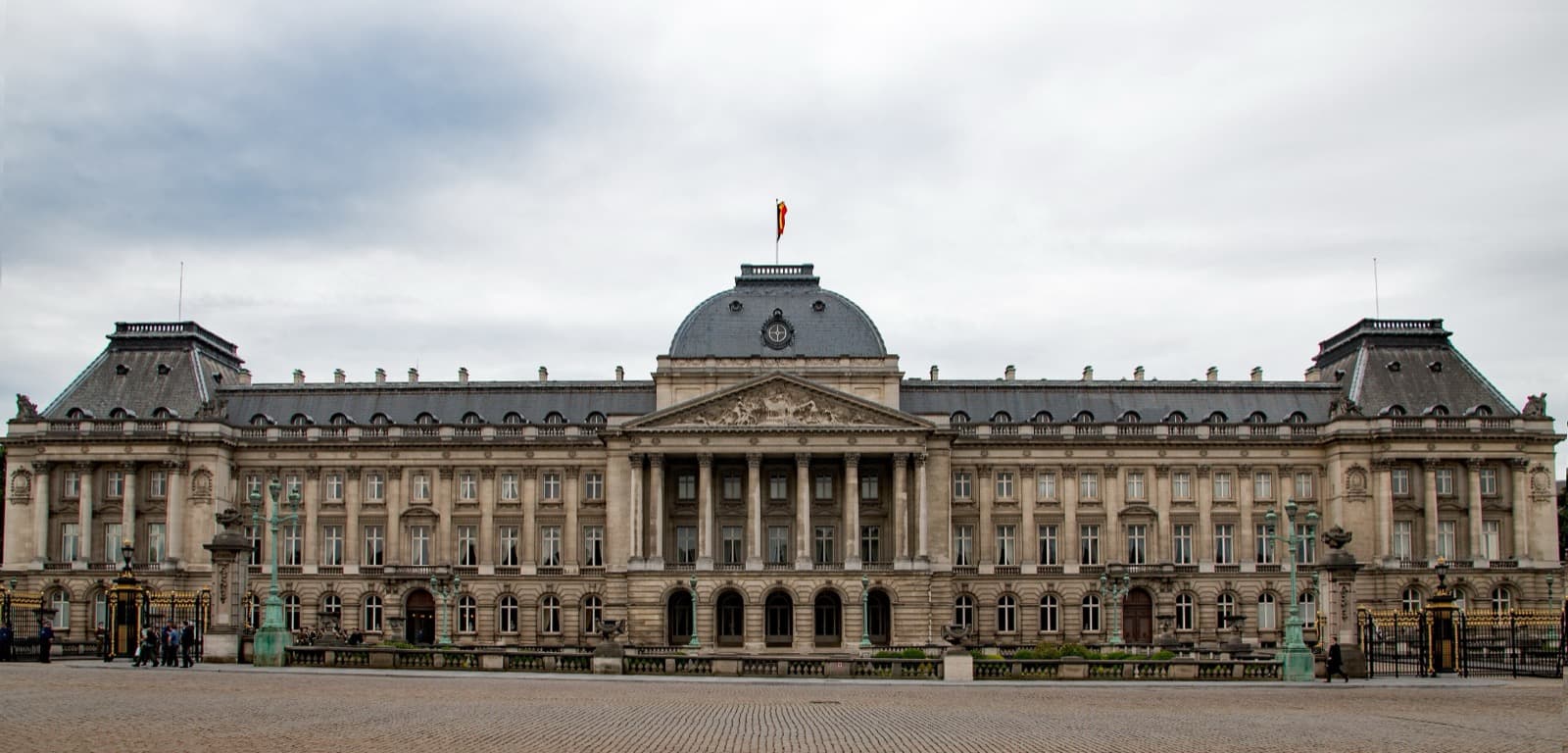
The Royal Palace of Brussels: A Facade That Holds the Whole Upper Town
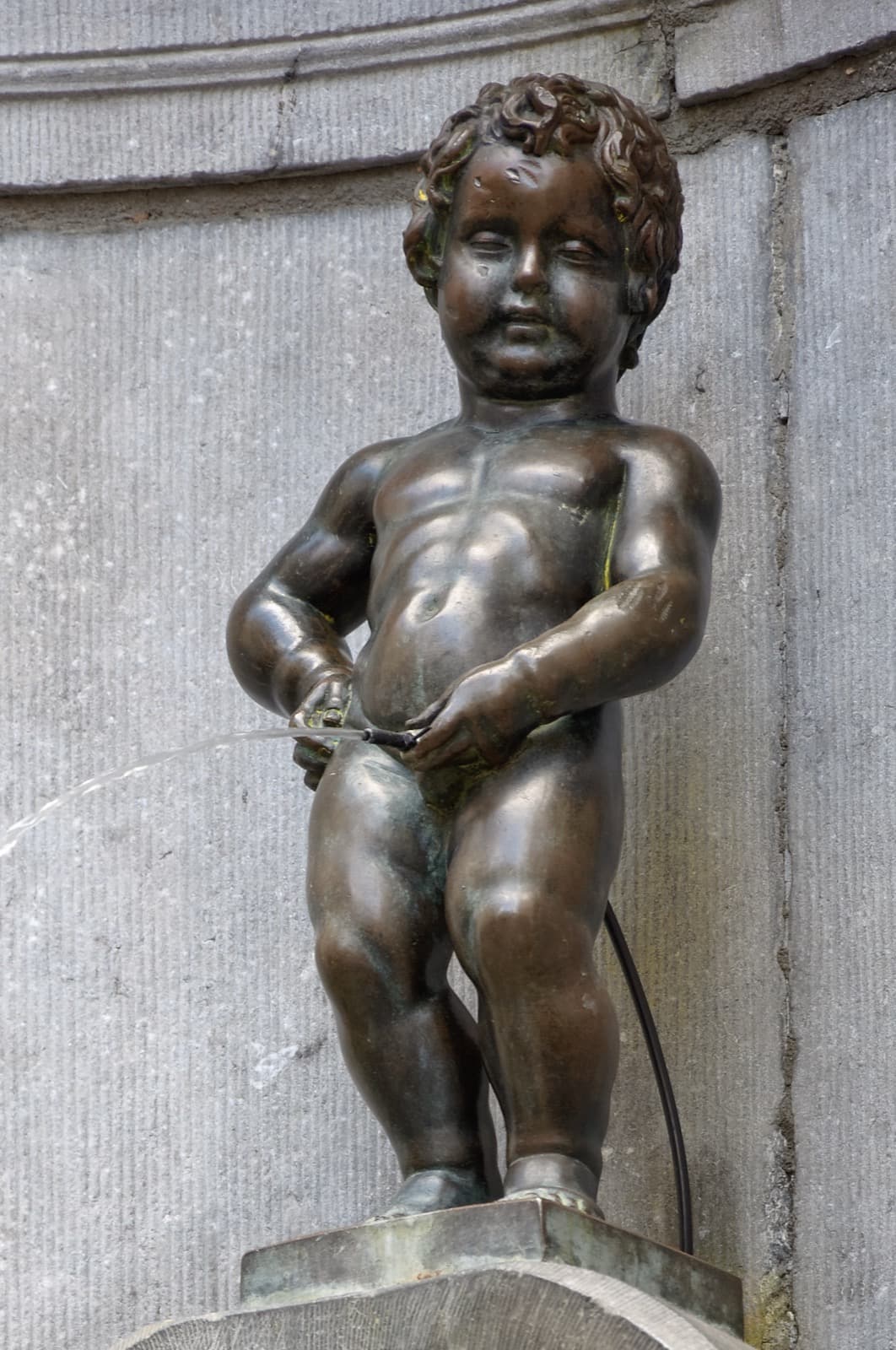
Manneken Pis: Why Brussels Built a Legend Around a 55-Centimetre Bronze Boy