Grand Place: The Square Rebuilt in Four Years
60 min · 1.5 km · easy
You can walk Brussels in one day on foot, starting at the Grand Place at dawn, climbing to the upper town by afternoon, and finishing on a terrace above the city at dusk. The historic centre, called the Pentagon, is compact: almost everything sits within a twenty-minute walk of the Grand Place, so a single day covers the gilded guildhalls of the lower town, the palaces and museums of the hill, and the antiques square of the Sablon without a car or a tour bus. This guide lays out a morning-to-evening route, tells you what needs a ticket and what is free, and hands you off to two self-guided audio walks that narrate the streets as you go.
The short answer: one good day in Brussels
Start early on the Grand Place before the day-trip crowds arrive. Spend the morning in the lower town: the Town Hall, the King's House museum, Manneken Pis, and the glass-roofed Royal Saint-Hubert Galleries, then up to the Cathedral of St Michael and St Gudula. Break for lunch and waffles or frites around the centre. In the afternoon, climb to the upper town for the Place Royale, the Royal Palace, the Royal Museums of Fine Arts and the Magritte, the Grand Sablon, and the enormous Palais de Justice. End at the Place Poelaert terrace beside the Law Courts for the long view over the rooftops. The whole loop is roughly four kilometres of actual walking, spread across a full day, and it is genuinely flat in the lower town and a real climb in the upper.
Brussels rewards a slow pace over a packed schedule. The city is a place of layers rather than one blockbuster sight, and the pleasure is in reading those layers: a market square rebuilt out of fire, a hill that sorts palaces from workers by altitude. Two Roamer audio tours are built exactly around this split, one for each half of the day.
Morning: the Grand Place and the lower town
Hear a stop from this walk
The Cathedral of Saint Michael and Saint Gudula: The National Church on the Hill
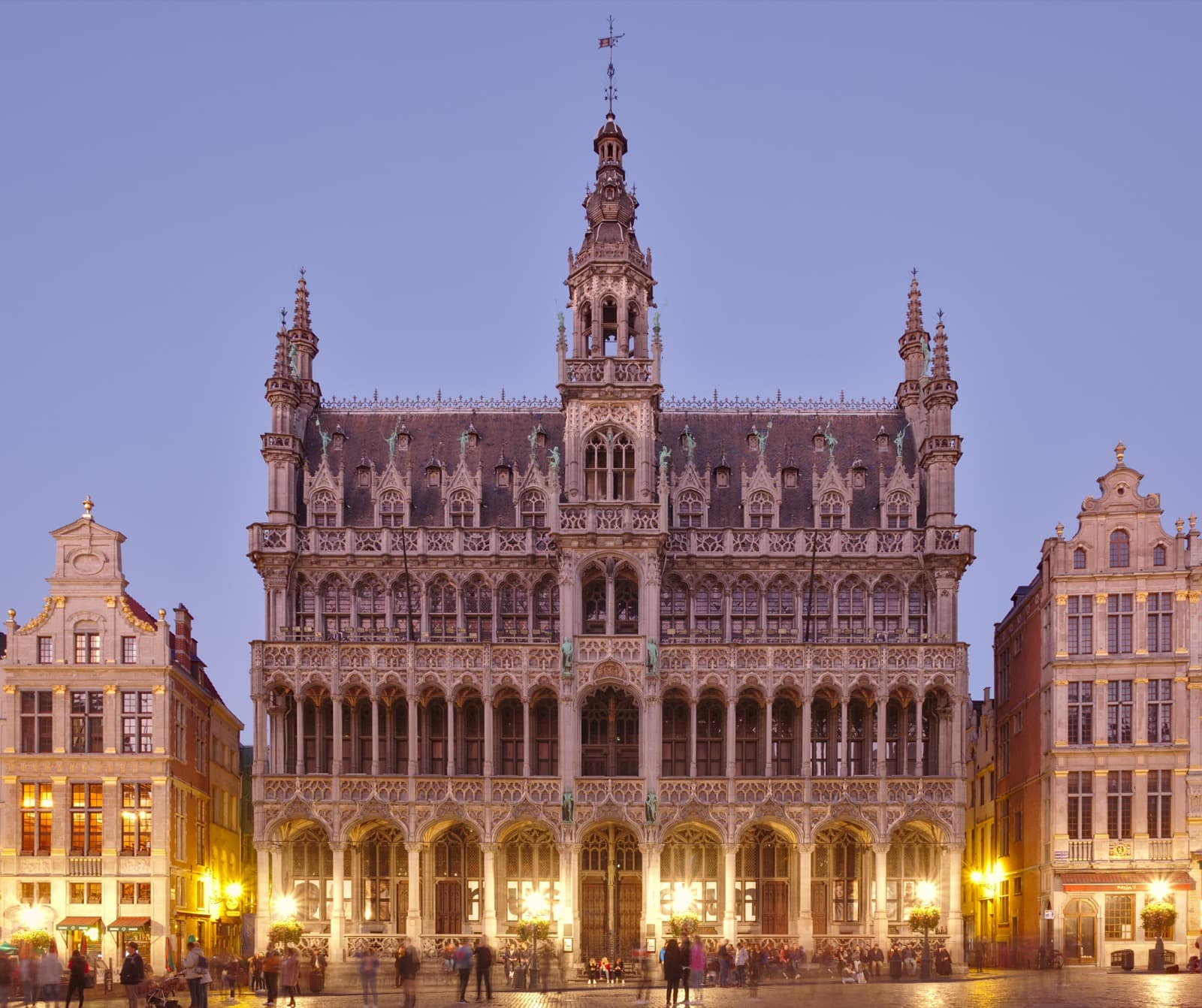
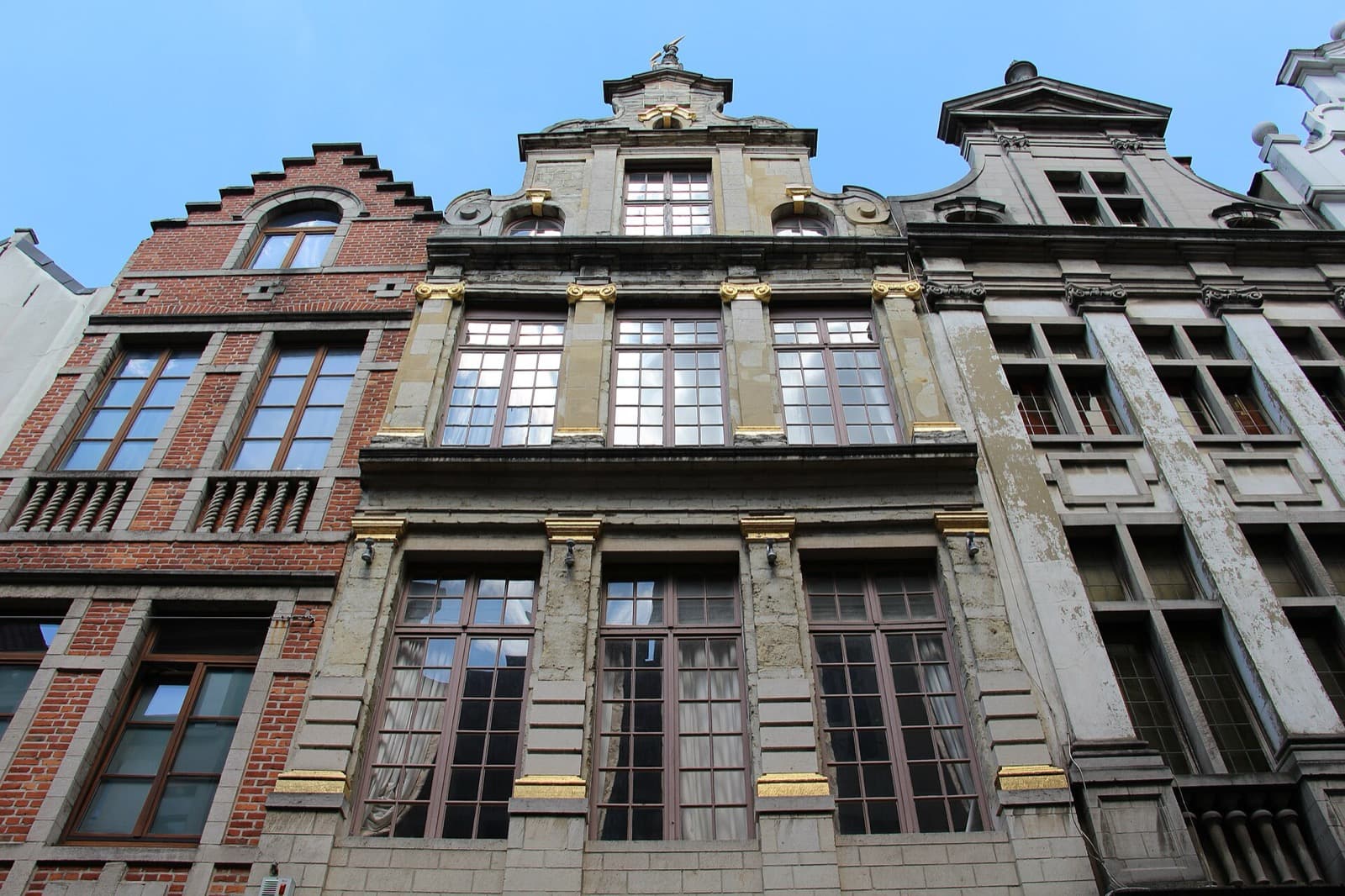
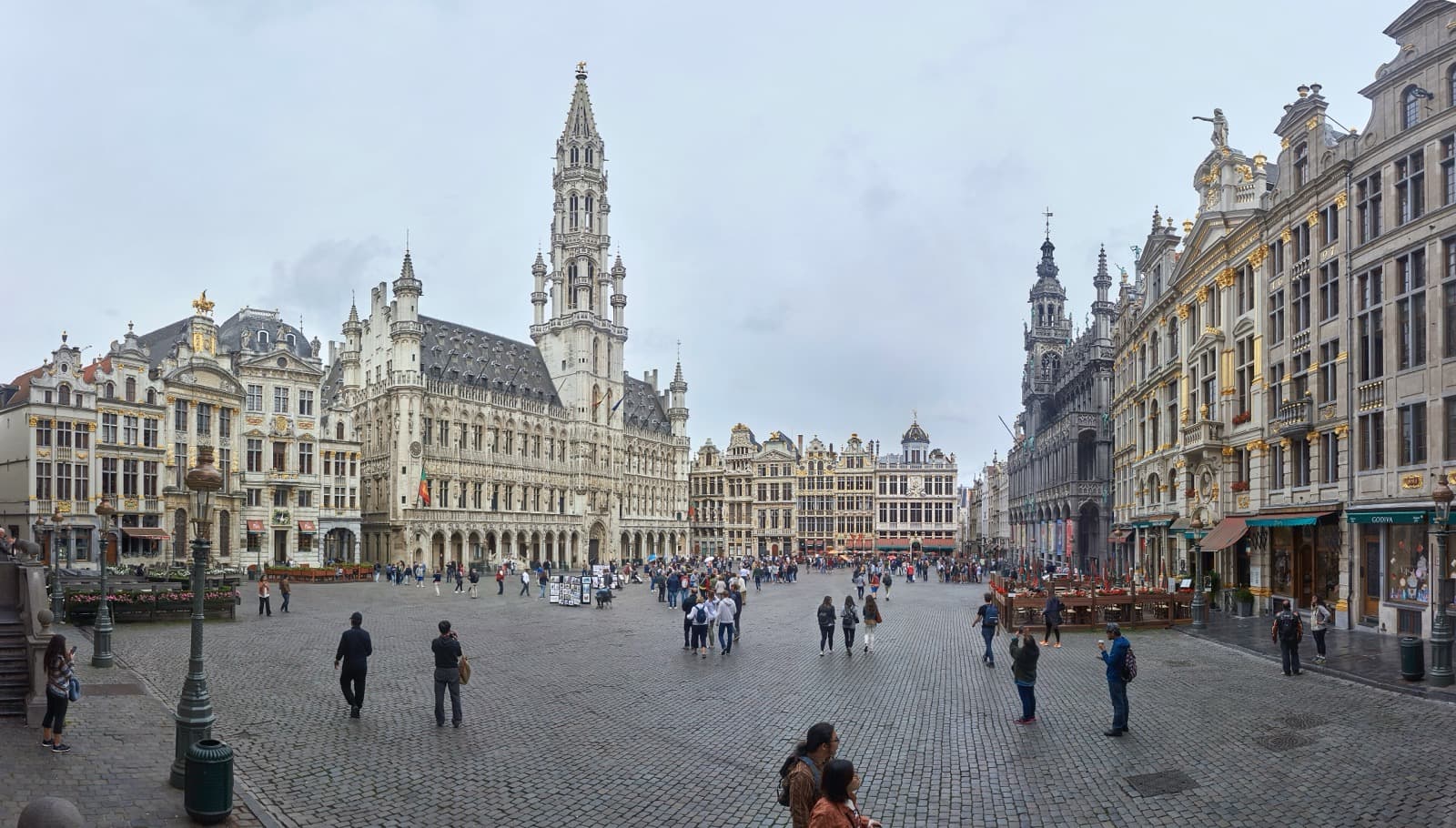
Begin in the Grand Place itself. The square you admire is a reconstruction: in 1695 a French army bombarded the centre of Brussels over roughly three days and burned most of the square to the ground, and the trade guilds rebuilt their houses in stone within about four years. That is why the gilded gables read as one harmonious set piece rather than a jumble of centuries. The square is a free, open public space at any hour, and early morning is the best time to see it, when the low light catches the gables and the crowds have not yet arrived. The Grand Place was inscribed on the UNESCO World Heritage List in 1998.
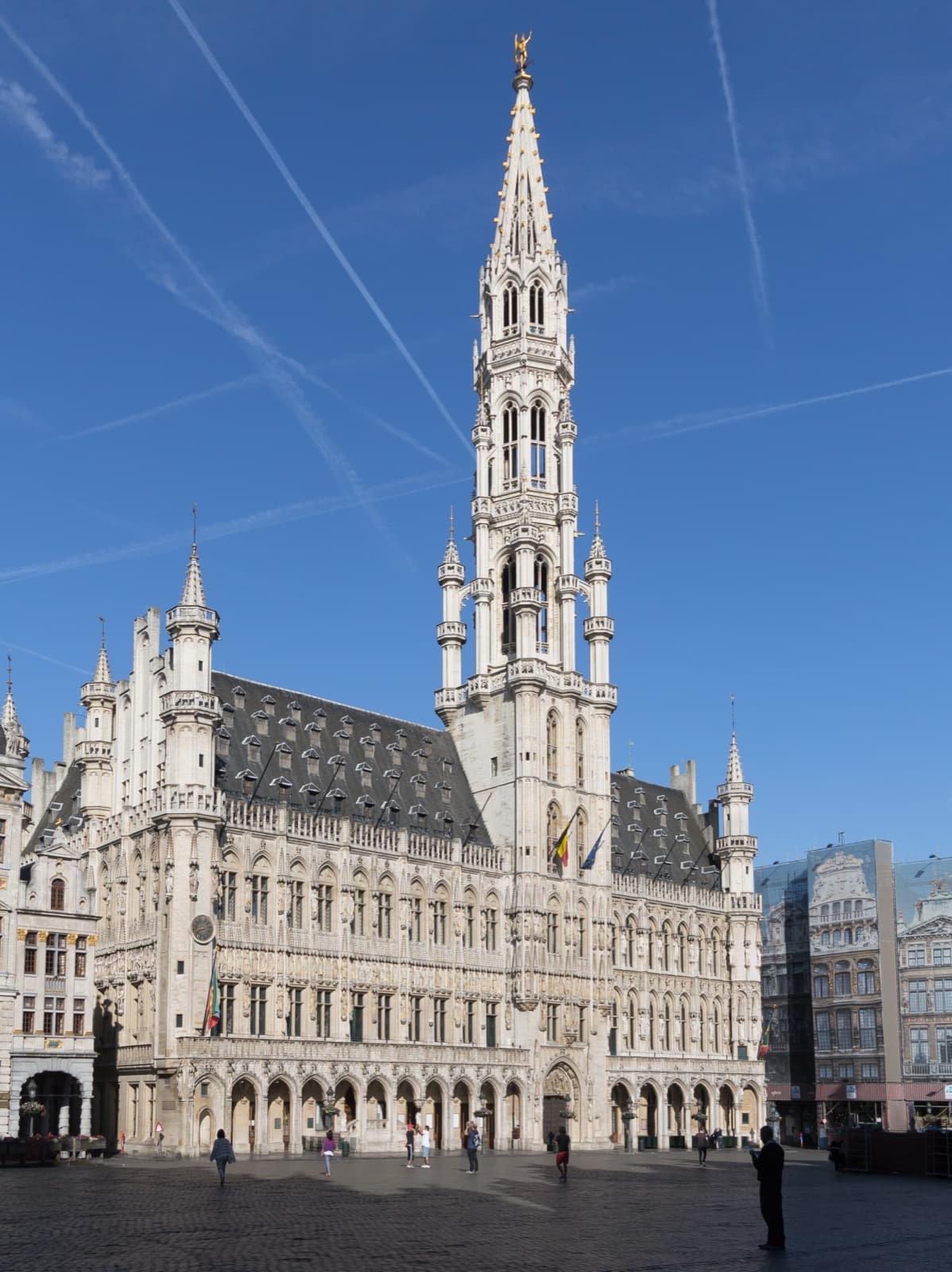
The Grand Place: The Square Rebuilt in Four Years audio tour walks this exact ground in six stops over about one and a half kilometres and roughly sixty minutes at your own pace. It moves from the square to the Town Hall (the one tower that stood through the fire), to the King's House, southwest to Manneken Pis, through the Royal Saint-Hubert Galleries, and up to the cathedral.
A few practical notes for the morning:
- King's House (Brussels City Museum): the museum inside the King's House on the Grand Place holds paintings of the 1695 bombardment and the wardrobe of costumes made for Manneken Pis. It opens Tuesday to Sunday, roughly 10:00 to 17:00, and is closed on Mondays; the standard adult ticket is about ten euros, with free admission on the first Sunday of the month. Confirm current hours on the official site before you go.
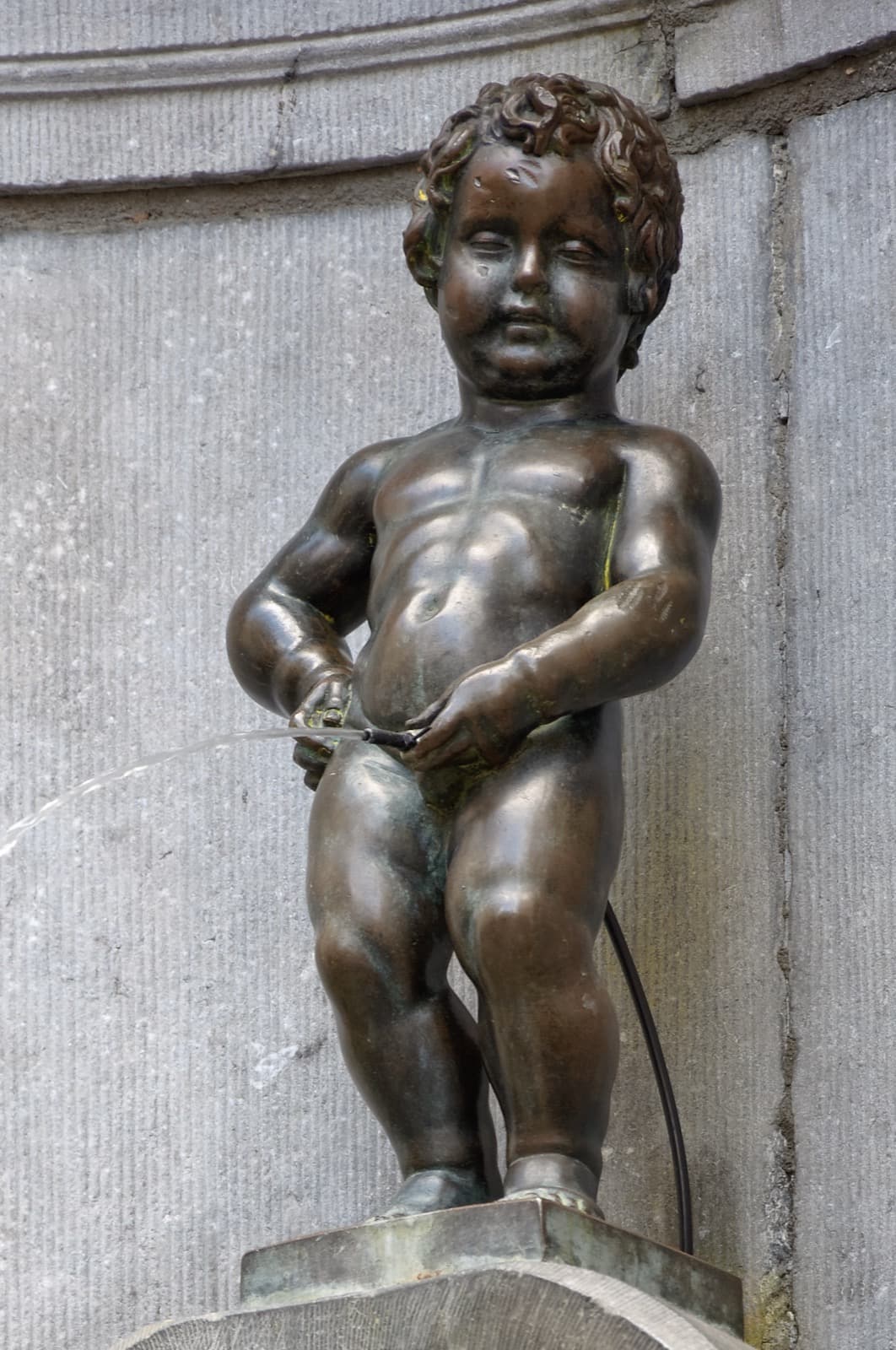
- Manneken Pis: the little bronze is genuinely small, about fifty-five centimetres, so look for the cluster of people at a street corner rather than a monument. He is a free public fountain.
- Royal Saint-Hubert Galleries: a free, covered nineteenth-century arcade of iron and glass, opened in 1847. Walk it slowly and look up; the roof, not any single shop, is the reward.
- Cathedral of St Michael and St Gudula: entry to the nave is free, and the cathedral is generally open daily from around 8:00 in the morning to about 6:00 in the evening, with shortened visiting windows on Saturday and Sunday around services. It is a working church, so keep your voice low and dress with a little respect.
Afternoon: the climb to the upper town
Brussels is built on a slope, and the second half of the day reads that slope like a sentence. Below is the old lower town of markets and guilds; above rises the upper town of palaces, museums, and courts. The Royal Quarter: The Upper Town of Palaces and the Sablon audio tour climbs this hill in seven stops over a bit more than two kilometres and about seventy minutes, and the order matters, because the divided-city idea builds as you ascend.
Start the climb at the Mont des Arts, a free public garden and terrace with a clean view back over the lower town. From there:
- Place Royale and the Coudenberg: the neoclassical square sits over the buried Coudenberg palace, the seat of the dukes of Brabant and later the Habsburg and Spanish courts, which burned in 1731. The excavated ruins under the square can be visited through the BELvue Museum for a fee.
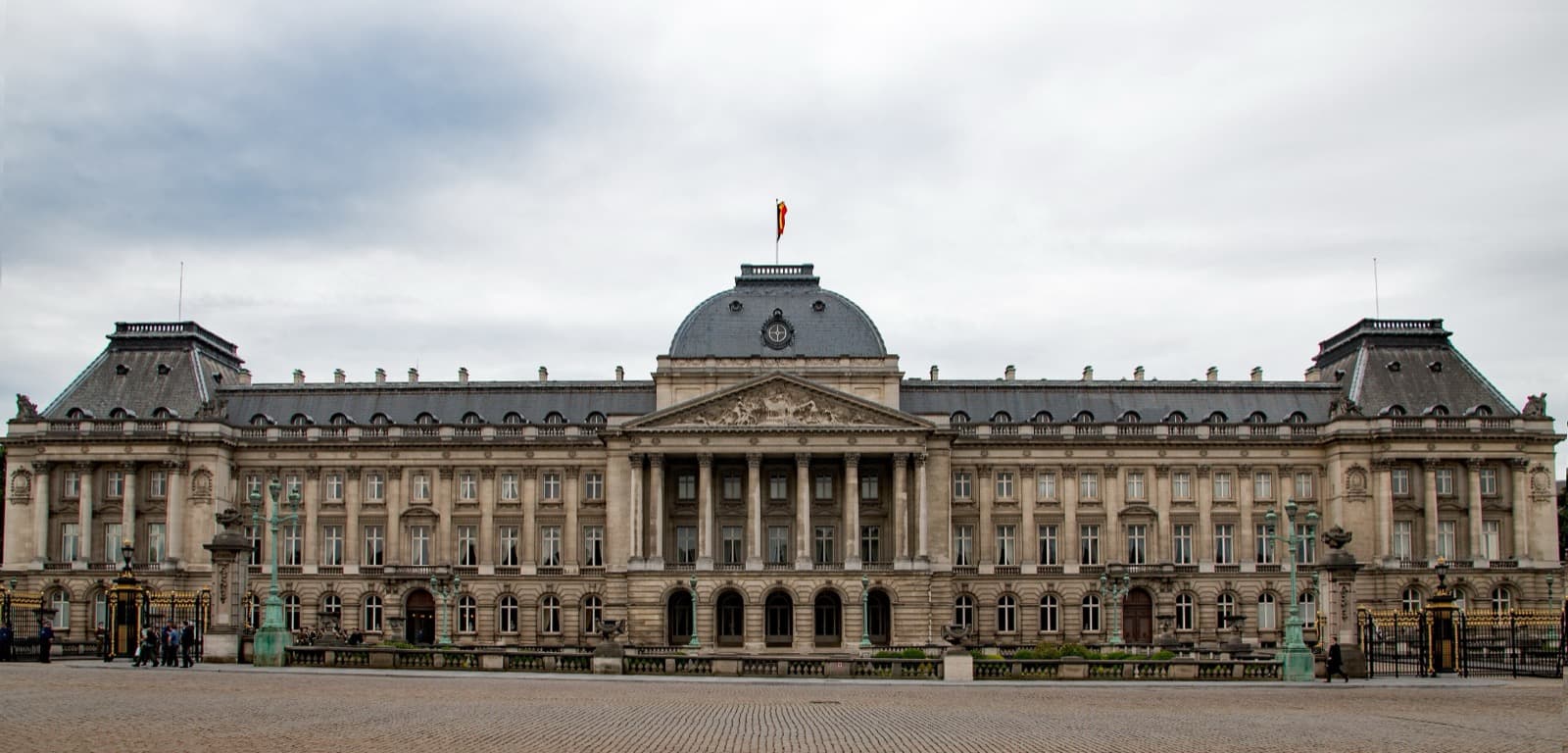
- Royal Palace of Brussels: the exterior is always free to see. Note a recent change: for the 2026 summer season the interior moved to a paid, timed-entry model (roughly ten euros for adults, with children under thirteen free), a shift from the long-standing free summer opening, and the season runs from 3 July to 16 August with Mondays closed. If you want to go inside, book a slot on the official palace website and check the current dates, since the season is short.
- Royal Museums of Fine Arts and the Magritte Museum: a paid museum complex, closed on Mondays, with a combined ticket available for the Old Masters and the large Magritte collection. If you only have an afternoon, pick one wing rather than rushing both.
- Grand Sablon and Notre-Dame du Sablon: a sloping antiques square with a glowing late-Gothic guild church. The market fills the square on weekends, so time this for a Saturday or Sunday if you can. Both the square and the church are free.
- Petit Sablon: a small ornamental garden ringed by bronze statues, free and open to all, a good place to sit before the last push.
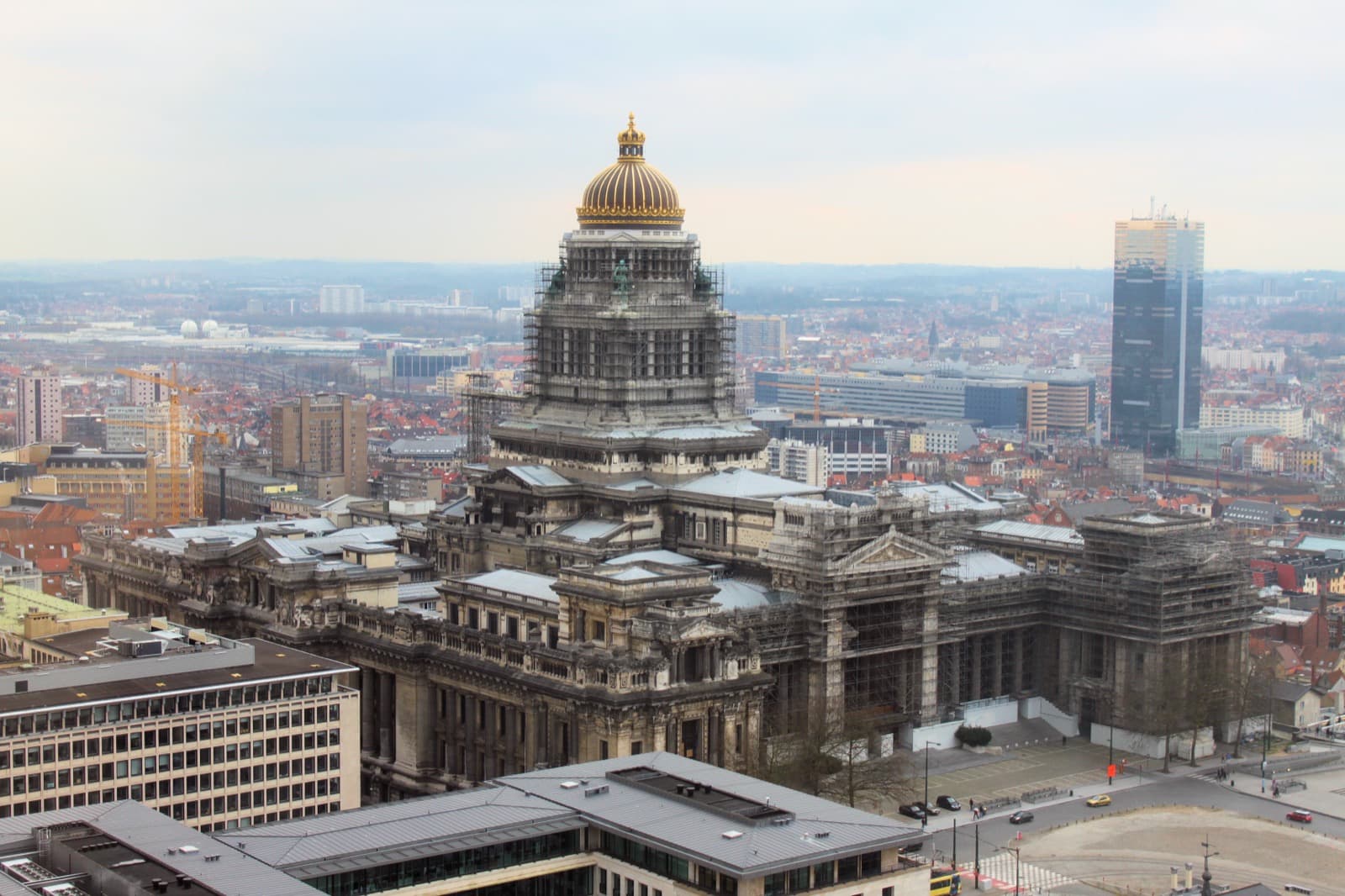
- Palais de Justice: the colossal nineteenth-century Law Courts, whose site was cleared by demolishing part of the poorer Marolles district below, so the courthouse still looms over the working town. The entrance hall and the Place Poelaert terrace beside it are free, and the terrace gives you the widest view of the day.
Getting there and getting around
The historic centre is small and best done on foot. From Brussels Airport, the train is the practical choice: it runs to the central stations in roughly seventeen minutes for about eleven euros, and from Brussels-Central you are a short walk from the Grand Place. Within the Pentagon you rarely need transport at all, but the STIB metro, tram, and bus network covers the wider city, and multi-day STIB passes are sold if you plan to range beyond the centre.
The one real physical note is the hill. The lower town is flat and cobbled; the upper town is a genuine climb over sloping squares, with the last stretch to the Palais de Justice the steepest. Wear shoes with grip, especially in the wet, since the cobbles and tram lines get slippery. Northern weather is changeable in any season, so carry a waterproof even on a bright morning.
A calm word on safety
Brussels is a normal, walkable European capital, and this route stays on busy, well-trafficked streets all day. The honest caution is ordinary pickpocketing: the Grand Place, Manneken Pis, the Sablon market, and crowded transport are where distracted tourists lose phones and wallets, so keep valuables zipped away and out of back pockets in the crush. Cross with care where trams and traffic share the streets. Nothing about this itinerary requires you to be anywhere isolated or after dark, and finishing on the lit Place Poelaert terrace at dusk is a fine, public way to close the day.
For the full route with turn-by-turn audio for each stop, browse the Brussels walking tours and start with the Grand Place walk in the morning and the Royal Quarter walk in the afternoon. Everything ties back to the city page at /belgium/brussels.
Sources
Frequently asked questions
- Can you see Brussels in one day?
- Yes. The historic centre, called the Pentagon, is compact, with most sights within a twenty-minute walk of the Grand Place. A single day covers the lower town (Grand Place, Town Hall, Manneken Pis, the Royal Saint-Hubert Galleries, the cathedral) in the morning and the upper town (Place Royale, Royal Palace, the fine arts museums, the Sablon, and the Palais de Justice) in the afternoon, roughly four kilometres of walking spread across the day.
- Is the Grand Place free to visit?
- Yes, the Grand Place is a free, open public square at any hour. Early morning and evening are the best times, when the gilded guildhall gables are lit and the day-trip crowds are thin. The square you see is a reconstruction: most of it was rebuilt in stone by the trade guilds within about four years of a French bombardment in 1695.
- Is the Royal Palace of Brussels free to enter in 2026?
- The exterior is always free, but the interior changed for the 2026 summer season. Entry moved to a paid, timed-slot model of roughly ten euros for adults, with children under thirteen free, a shift from the long-standing free summer opening. The season runs from 3 July to 16 August 2026 with Mondays closed, so book a slot on the official palace website and check current dates before going.
- What are the opening hours of the Brussels City Museum in the King's House?
- The Brussels City Museum inside the King's House on the Grand Place opens Tuesday to Sunday, roughly 10:00 to 17:00, and is closed on Mondays. The standard adult ticket is about ten euros, and admission is free on the first Sunday of the month. Confirm current hours on the official site before you visit.
- How do you get from Brussels Airport to the city centre?
- The train is the fastest practical option, running to the central stations in about seventeen minutes for roughly eleven euros. From Brussels-Central you are a short walk from the Grand Place. Within the historic centre you rarely need transport, but the STIB metro, tram, and bus network covers the wider city.
- Is Brussels safe for walking tourists?
- Brussels is a normal, walkable European capital, and a Grand Place to upper town route stays on busy streets all day. The main caution is ordinary pickpocketing in crowds around the Grand Place, Manneken Pis, the Sablon market, and on transport, so keep valuables zipped away. Watch for trams and traffic where they share the streets, and mind the slippery cobbles in the wet.
Ready to experience it?
Grand Place: The Square Rebuilt in Four Years
60 min · 1.5 km · easy
More from Brussels
Explore more at your own pace.
Brussels Travel Guide: How Many Days, Getting Around, Best Time, and Safety
The Phoenix City on the Slope: How Brussels Reads Its Own Hillside
The Grand Place Is a Burn Scar: Reading Brussels Rebuilt From Fire
The Royal Palace of Brussels: A Facade That Holds the Whole Upper Town
Manneken Pis: Why Brussels Built a Legend Around a 55-Centimetre Bronze Boy