Grand Place: The Square Rebuilt in Four Years
60 min · 1.5 km · easy
Two days covers Brussels well. The historic core is compact and flat enough to walk, and its two halves, the lower town around the Grand Place and the upper town up the hill, sit within a fifteen minute walk of each other. Spend your first day on foot in the center, give the second to a museum morning plus a day trip if you want one, and you will have seen the essential city without rushing. This guide answers the practical questions travelers actually ask before a trip: how many days, how to get around, when to come, what it costs, and how safe it is.
How many days you need
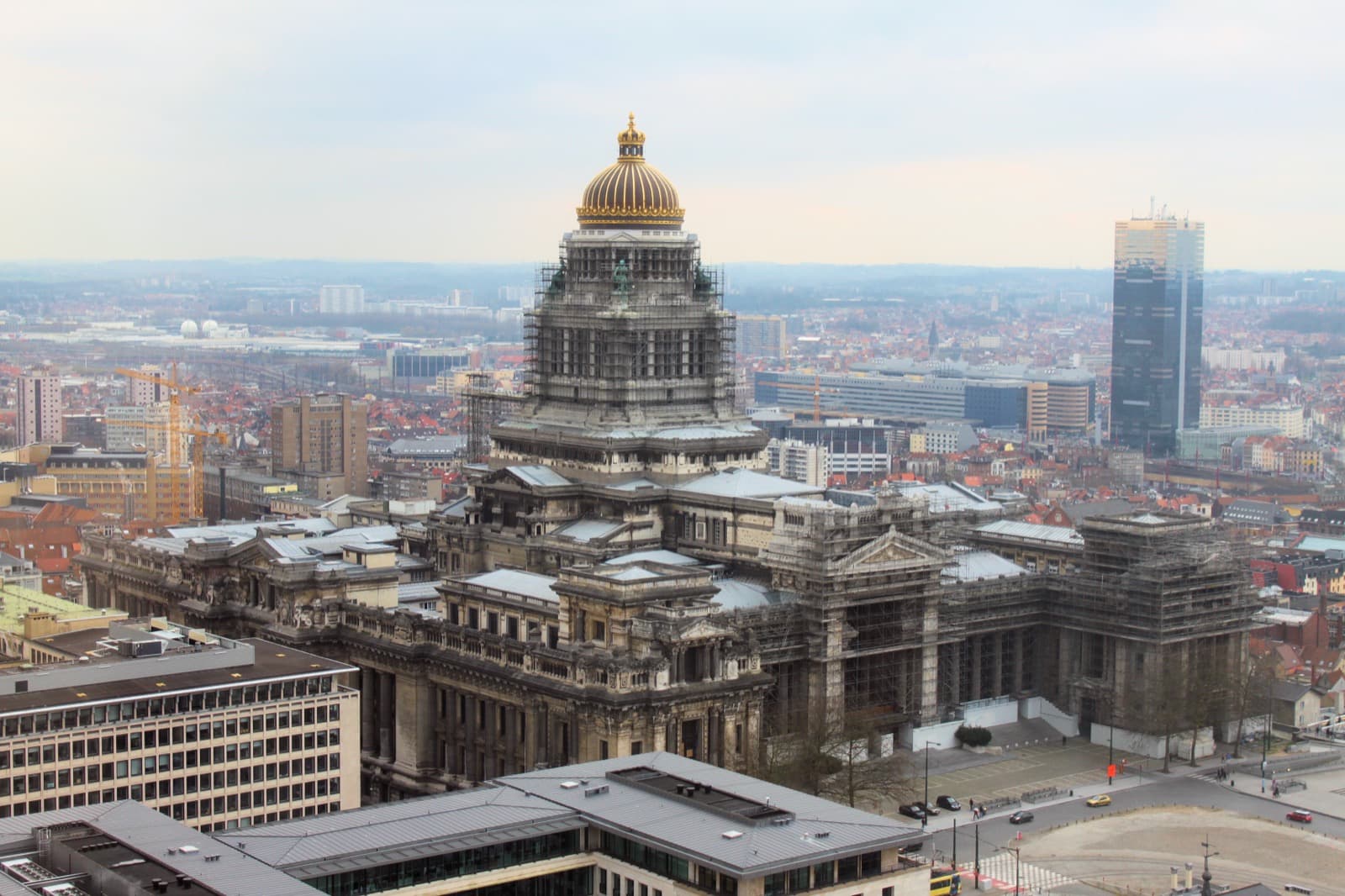
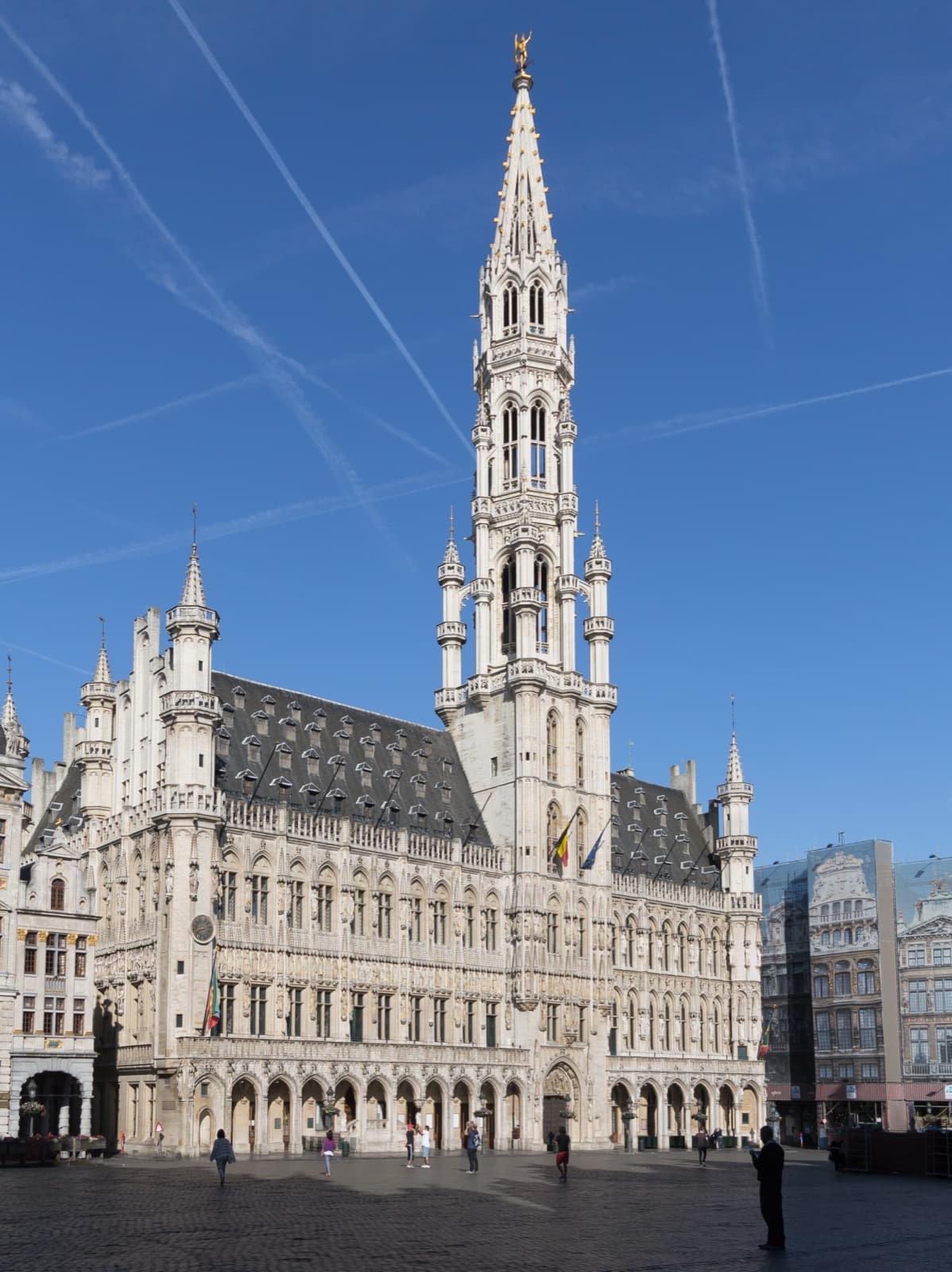
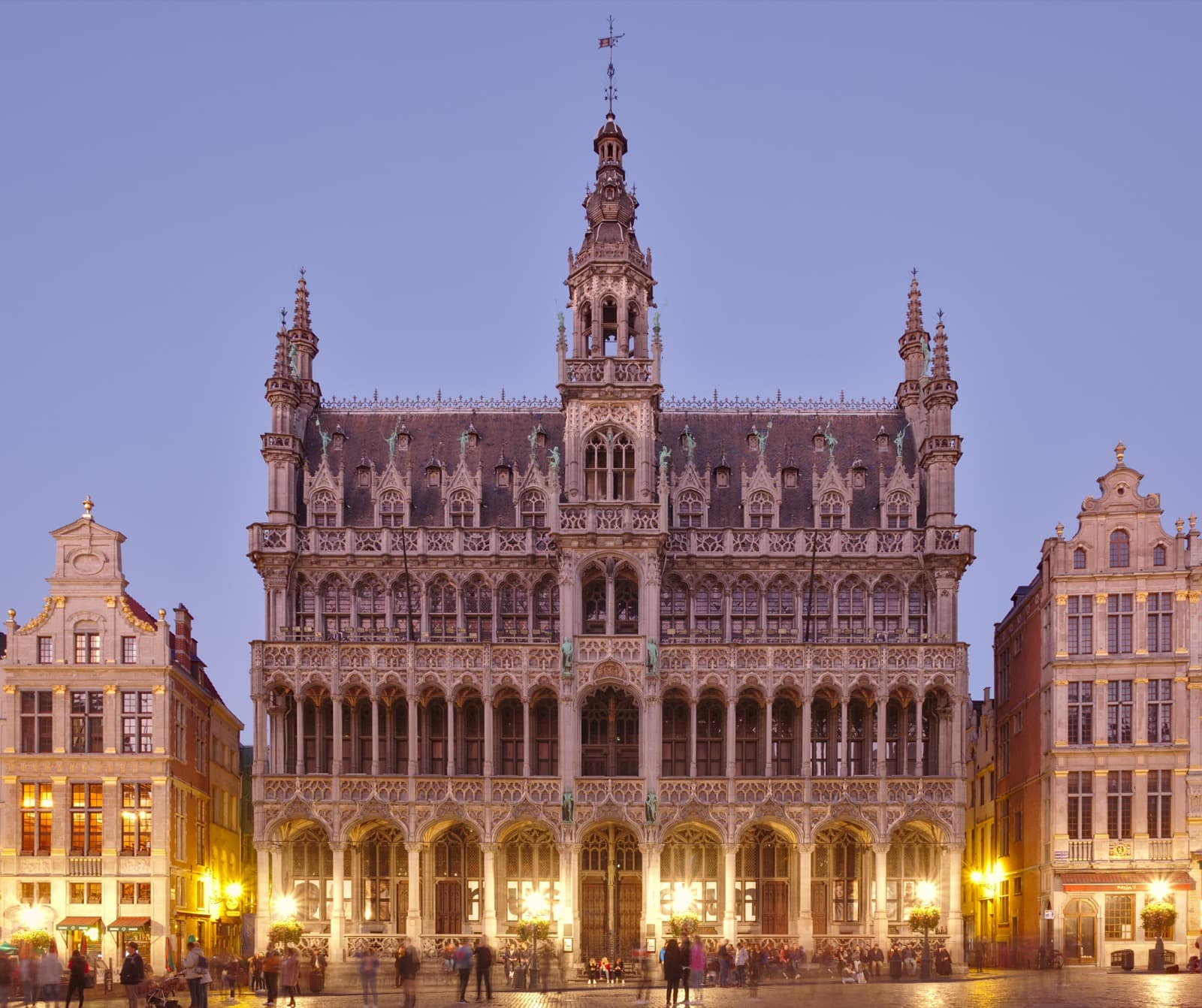
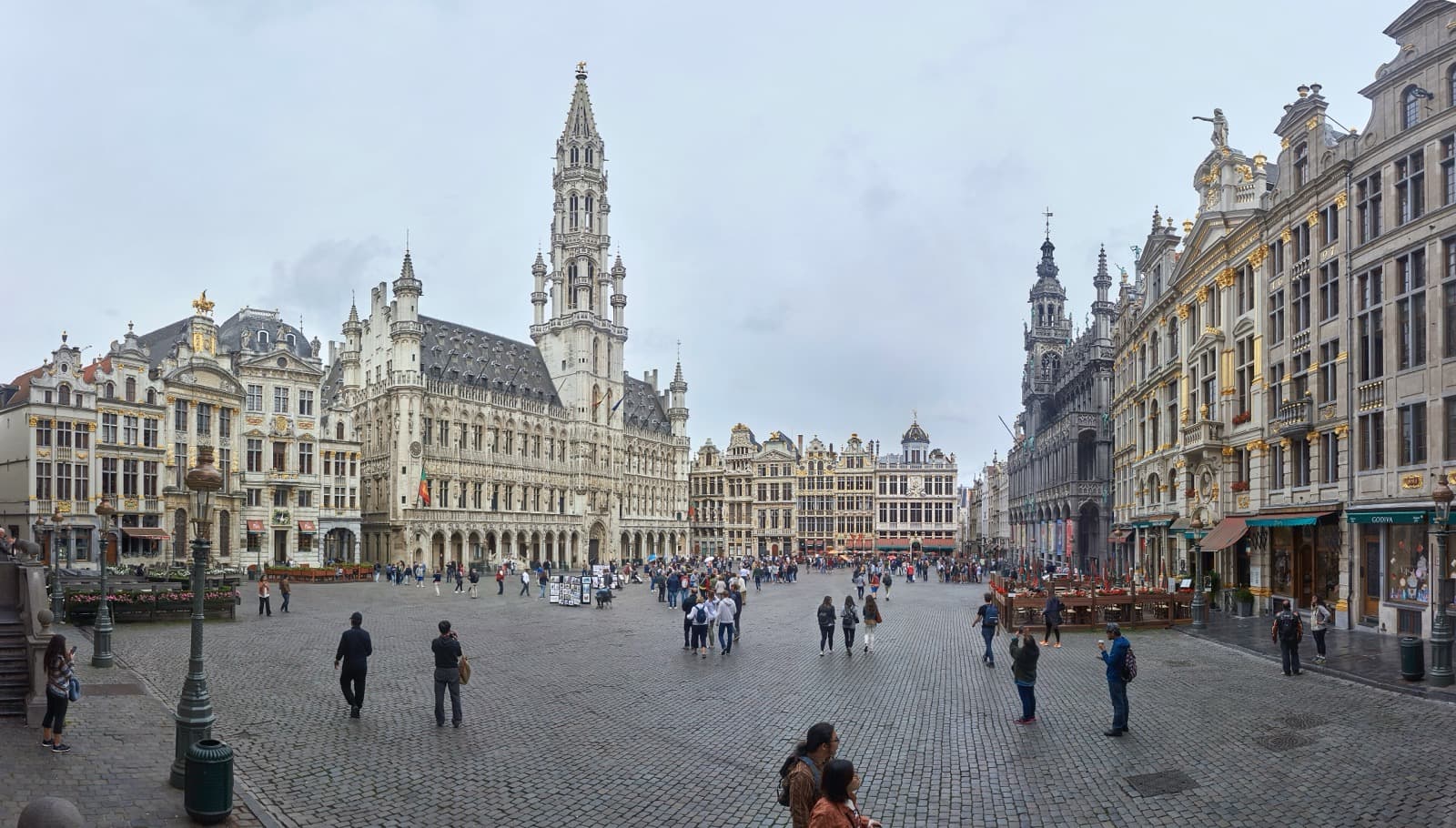
One full day is enough to see the marquee sights. Two days lets you do it at a human pace and add depth. The lower town clusters tightly: the Grand Place, the Town Hall, the King's House, Manneken Pis a few streets southwest, and the glass-roofed Royal Saint-Hubert Galleries northeast are all a short walk apart. The upper town (the Royal Quarter, the Sablon, the Royal Museums of Fine Arts, and the enormous Palace of Justice) sits up a gentle slope to the south and east.
A clean plan: day one on foot through both towns, day two for the museums you skipped plus an afternoon of coffee, chocolate, and beer. If you have a third day, Belgium's train network makes a day trip easy. Bruges and Ghent are both roughly an hour from Brussels by train and less than thirty minutes apart from each other, so ambitious travelers pair them in a single long day.
Our two self-guided audio walks map onto this exactly. The Grand Place historic center walk is about one and a half kilometers over roughly sixty minutes through the lower town, ending uphill at the Cathedral of Saint Michael and Saint Gudula. The Royal Quarter and upper town walk runs about two point three kilometers over seventy minutes, climbing from the Mont des Arts terrace past the Royal Palace and the Sablon to the Palace of Justice. Walk one in the morning and one in the afternoon and you have a full, unhurried day. Browse both at Brussels walking tours.
Getting around
Hear a stop from this walk
The Cathedral of Saint Michael and Saint Gudula: The National Church on the Hill
Walk the center. The distance between the Grand Place and the Palace of Justice is short, the streets are dense with things to look at, and a car or taxi buys you nothing inside the historic core. The main effort is the slope from the lower town to the upper town, which is gentle but real, so wear comfortable shoes for the cobbles.
For anything beyond walking distance, the STIB network of metro, tram, and bus is simple and cheap. As of the February 2026 fare update, a single Brupass journey costs 2.70 euros and lets you transfer across metro, tram, and bus for sixty minutes on one validation. A ten-journey Brupass is 18.90 euros, which works out cheaper per ride if you expect to use transit several times. Buy from machines at metro entrances or use the STIB app, and validate every time you board.
From Brussels Airport in Zaventem, the train is the fastest way in. The Airport City Express reaches Brussels Central in about seventeen minutes and costs around 11.30 euros one way, with four trains an hour through most of the day. Central Station puts you a few minutes' walk from the Grand Place. Buy the ticket at the machines in the arrivals hall or through the SNCB app before you go down to the platform.
Best time to visit
April and May, then September and October, are the sweet spots. You get mild weather, longer light, and thinner crowds than the summer peak. Fall temperatures sit around fourteen to nineteen degrees Celsius, spring is similar, and both seasons tend to be cheaper for a room. Summer (June through August) has the warmest, driest weather, with daytime highs around twenty to twenty-three degrees, but the Grand Place and Manneken Pis draw their densest crowds then.
Whatever month you pick, northern weather changes fast, so a bright morning can turn to rain by afternoon. Carry a light waterproof. Early morning is the finest time to cross the Grand Place, when the square is nearly empty and the low sun catches the gilded gables before the day-trip groups arrive. Evening is a close second, when the facades are lit and the crowds thin again.
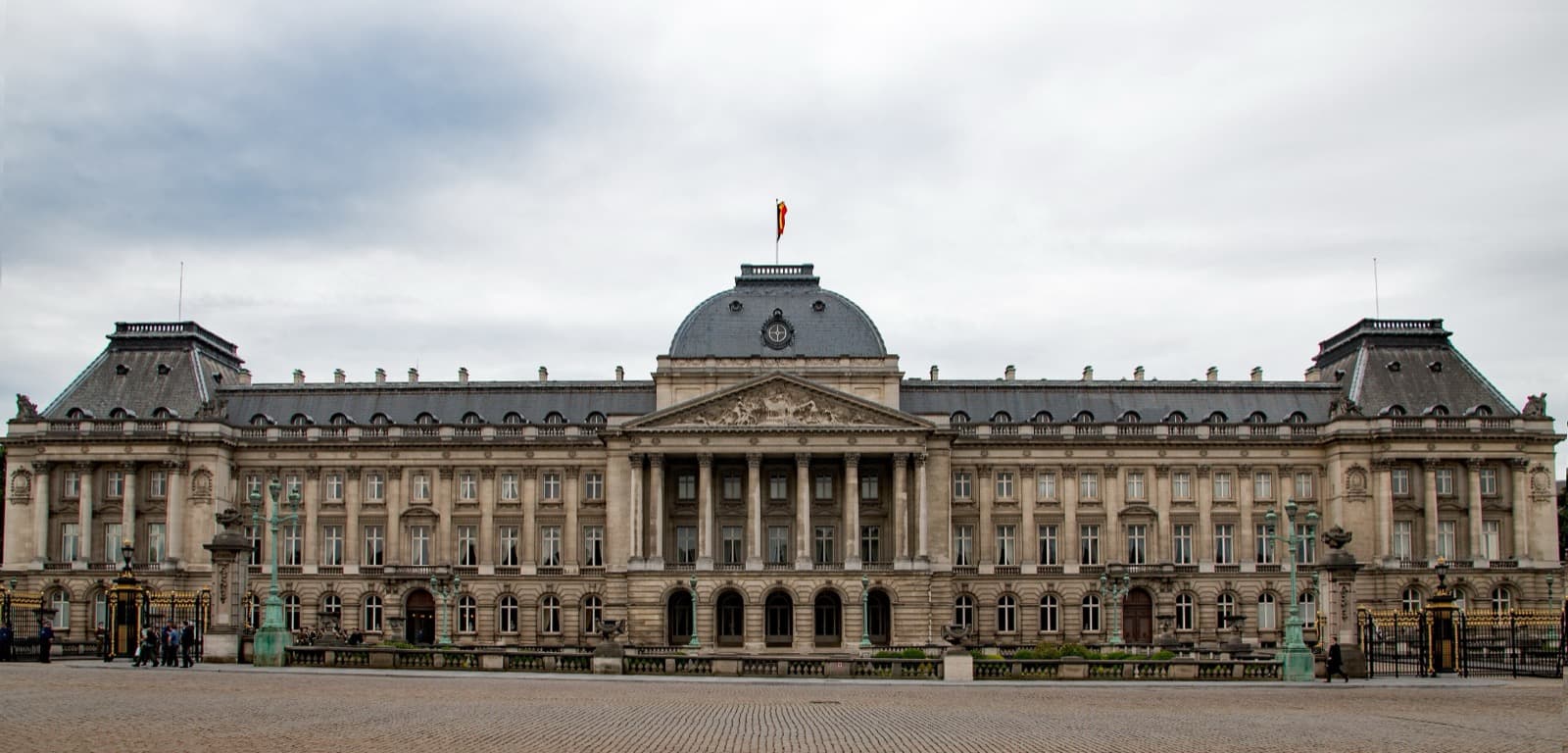
Two dated events are worth planning around if your trip lands near them. The Flower Carpet, a vast floral display laid across the Grand Place, is a biennial event held in even-numbered years; in 2026 it runs August 13 to 16. And the Royal Palace opens its state rooms to the public only in summer: in 2026 that window is July 3 to August 16, closed Mondays, with visiting hours from about 10:30 a.m. to 5 p.m. Note a change worth knowing, since 2026 the palace charges a modest admission fee (around ten euros for visitors aged thirteen and up), where entry used to be free, so check the official site and book a timed slot before you queue.
What it costs
Brussels is a moderately priced European capital, and the walking core is where it is cheapest, because most of the best sights are free. The Grand Place, Manneken Pis, the Royal Saint-Hubert Galleries, the Mont des Arts terrace, the Sablon square and its church, the Petit Sablon garden, and the entrance hall of the Palace of Justice cost nothing to see. The cathedral nave is free, with a small fee for the treasury and crypt.
Where you spend is on the interiors: the Brussels City Museum inside the King's House charges a small entry fee, the Royal Museums of Fine Arts and the Magritte Museum are paid admission in euros (a combined ticket is available), and the Coudenberg archaeological site is ticketed. Budget for food and drink, which is the real pleasure here: a coffee, a cone of fries, a waffle, a tray of chocolates, and an evening beer add up faster than the sights. Transit is cheap at 2.70 euros a ride, and a self-guided audio walk covers the whole historic center for the price of one app pass rather than a per-person guided tour.
Is Brussels safe?
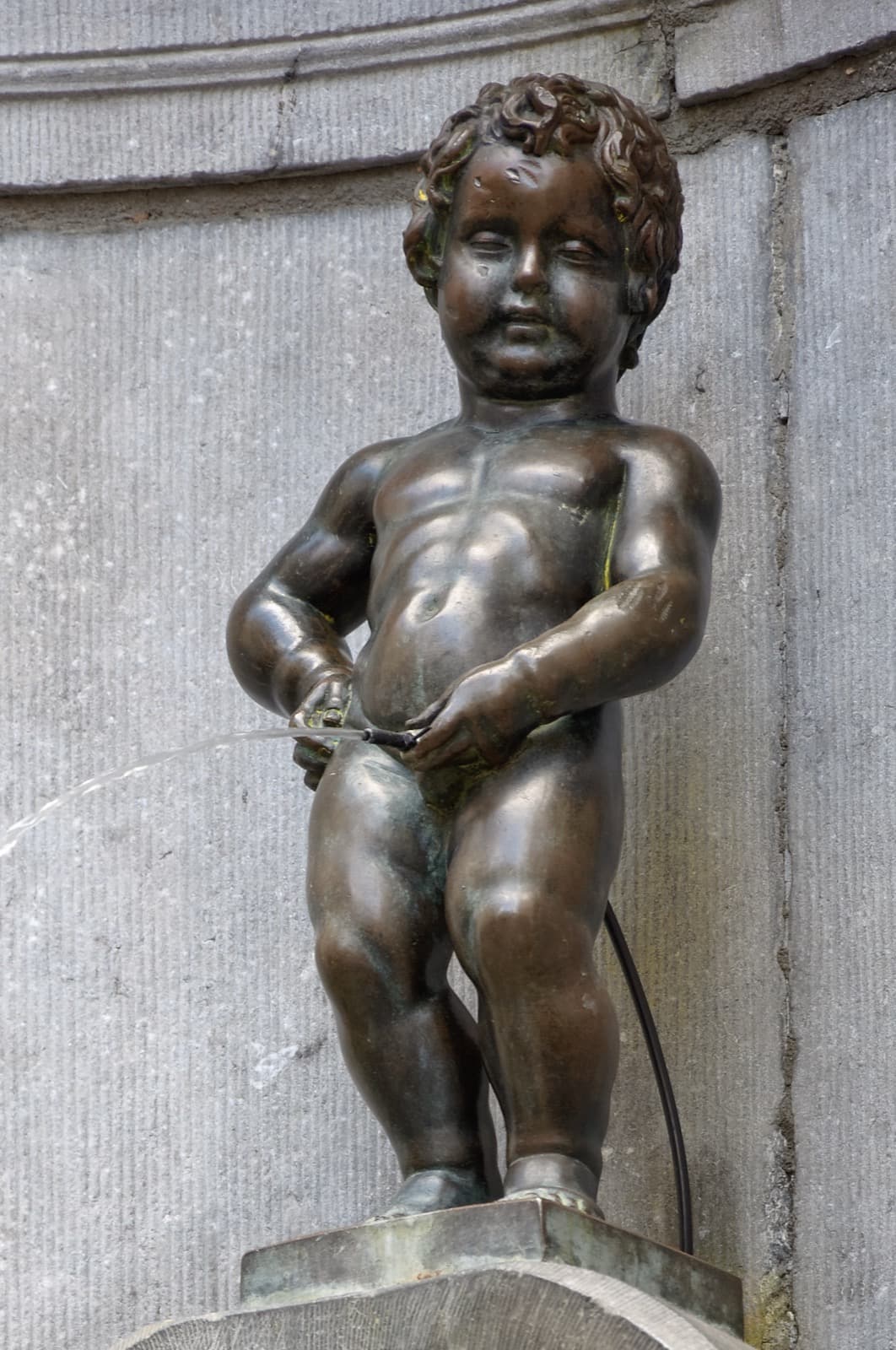
Brussels is generally safe for visitors, with the honest caveat that petty theft is real in the crowded tourist spots. Recent 2026 safety assessments rate the city as moderately safe, and most travelers who take normal precautions have no trouble at all. The specific risk is pickpocketing, concentrated exactly where tourists gather: the Grand Place, the crowd around Manneken Pis, and the main train stations and metro.
Central Station is one of the calmer hubs, but the two big transfer stations, Brussels Midi (South) and Brussels Nord (North), warrant more attention, particularly after dark and when you are weighed down with luggage. Keep your phone, wallet, and passport secure and out of sight in busy areas and on public transport, do not leave a bag unattended while buying a ticket, and stay aware of your surroundings in dense crowds. Trams and cyclists share many streets in the center, so look carefully before stepping off a curb. None of this should keep you away. Treat Brussels the way you would any large capital, keep your valuables close, and the city is welcoming and easy to walk.
Sources
Frequently asked questions
- How many days do you need in Brussels?
- One full day covers the marquee sights, and two days lets you see them at a relaxed pace with time for museums, chocolate, and beer. The historic core is compact and walkable, so the lower town around the Grand Place and the upper town on the hill are within a short walk of each other. A third day is ideal for a train day trip to Bruges or Ghent, both about an hour from Brussels.
- How do you get around Brussels?
- Walk the center, since the Grand Place, Manneken Pis, and the Royal Quarter are all a short walk apart with only a gentle slope between the lower and upper towns. For longer distances the STIB metro, tram, and bus network is simple, and a single Brupass journey costs 2.70 euros with sixty minutes of transfers as of the February 2026 fare update. From the airport, the Airport City Express train reaches Brussels Central in about seventeen minutes for around 11.30 euros.
- What is the best time to visit Brussels?
- April and May, then September and October, offer mild weather, thinner crowds, and lower room prices. Summer has the warmest, driest weather but the densest crowds at the Grand Place. Northern weather changes quickly in any season, so carry a light waterproof, and cross the Grand Place early in the morning to have it nearly to yourself.
- Is Brussels safe for tourists?
- Brussels is generally safe, and 2026 safety assessments rate it as moderately safe for visitors who take normal precautions. The main risk is pickpocketing in crowded spots like the Grand Place, Manneken Pis, and the metro. Central Station is relatively calm, but the Midi (South) and Nord (North) stations warrant extra care, so keep valuables out of sight and do not leave luggage unattended.
- How much does visiting Brussels cost?
- The walking core is cheap because most highlights are free, including the Grand Place, Manneken Pis, the Royal Saint-Hubert Galleries, the Sablon, and the cathedral nave. You pay for museum interiors like the Royal Museums of Fine Arts and the Magritte Museum, plus food and drink, which add up quickly. Transit is 2.70 euros a ride, and a self-guided audio walk covers the whole center for the price of one pass rather than a per-person guided tour.
- Can you visit the Royal Palace of Brussels?
- The Royal Palace opens its state rooms to the public only in summer. In 2026 that window is July 3 to August 16, closed on Mondays, with visiting hours from about 10:30 a.m. to 5 p.m. Note that in 2026 the palace introduced a modest admission fee of around ten euros for visitors aged thirteen and up, where entry used to be free, so check the official site and book a timed slot before you go.
Ready to experience it?
Grand Place: The Square Rebuilt in Four Years
60 min · 1.5 km · easy
More from Brussels
Explore more at your own pace.
One Day in Brussels: A Walkable Route From the Grand Place to the Upper Town
The Phoenix City on the Slope: How Brussels Reads Its Own Hillside
The Grand Place Is a Burn Scar: Reading Brussels Rebuilt From Fire
The Royal Palace of Brussels: A Facade That Holds the Whole Upper Town
Manneken Pis: Why Brussels Built a Legend Around a 55-Centimetre Bronze Boy