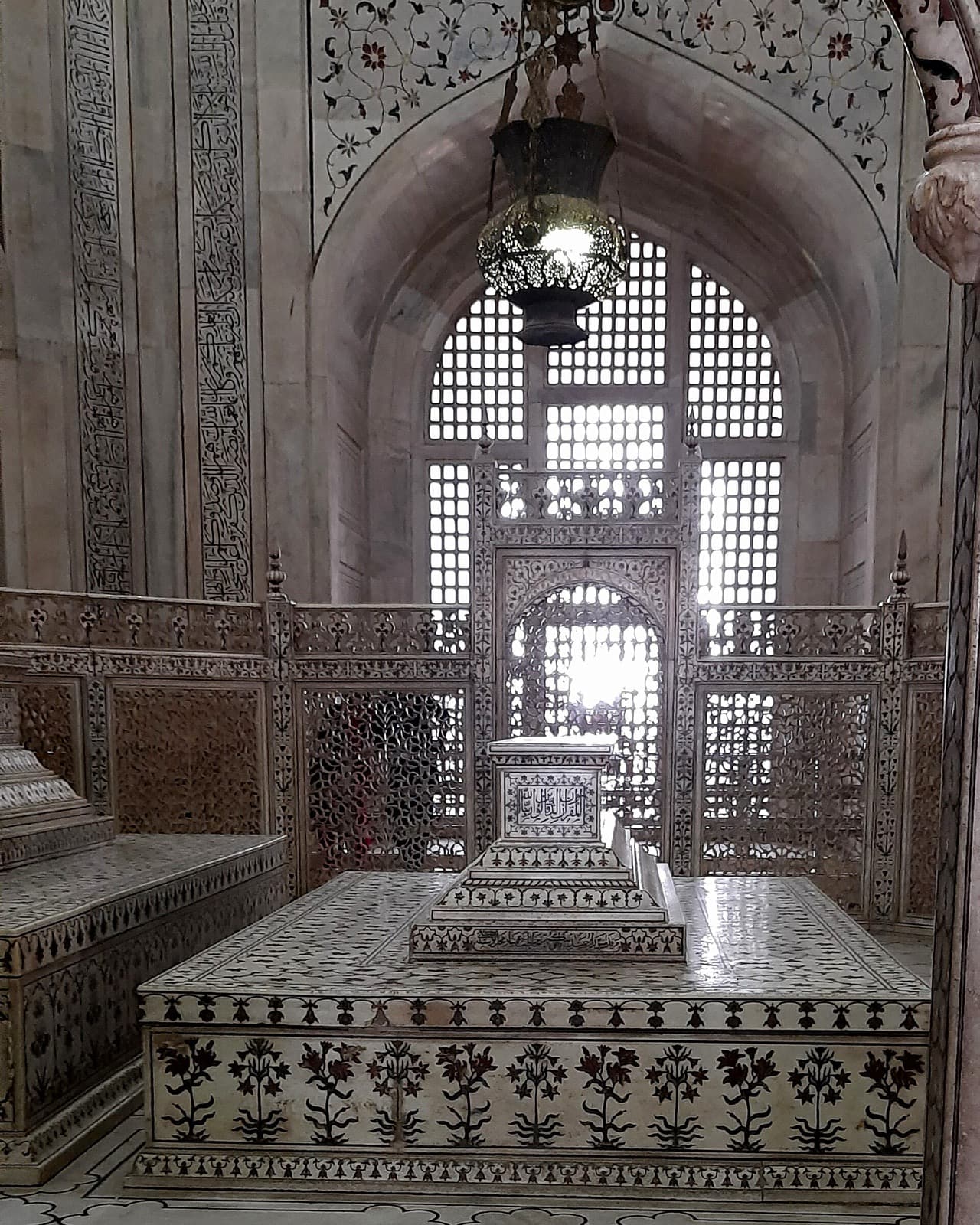
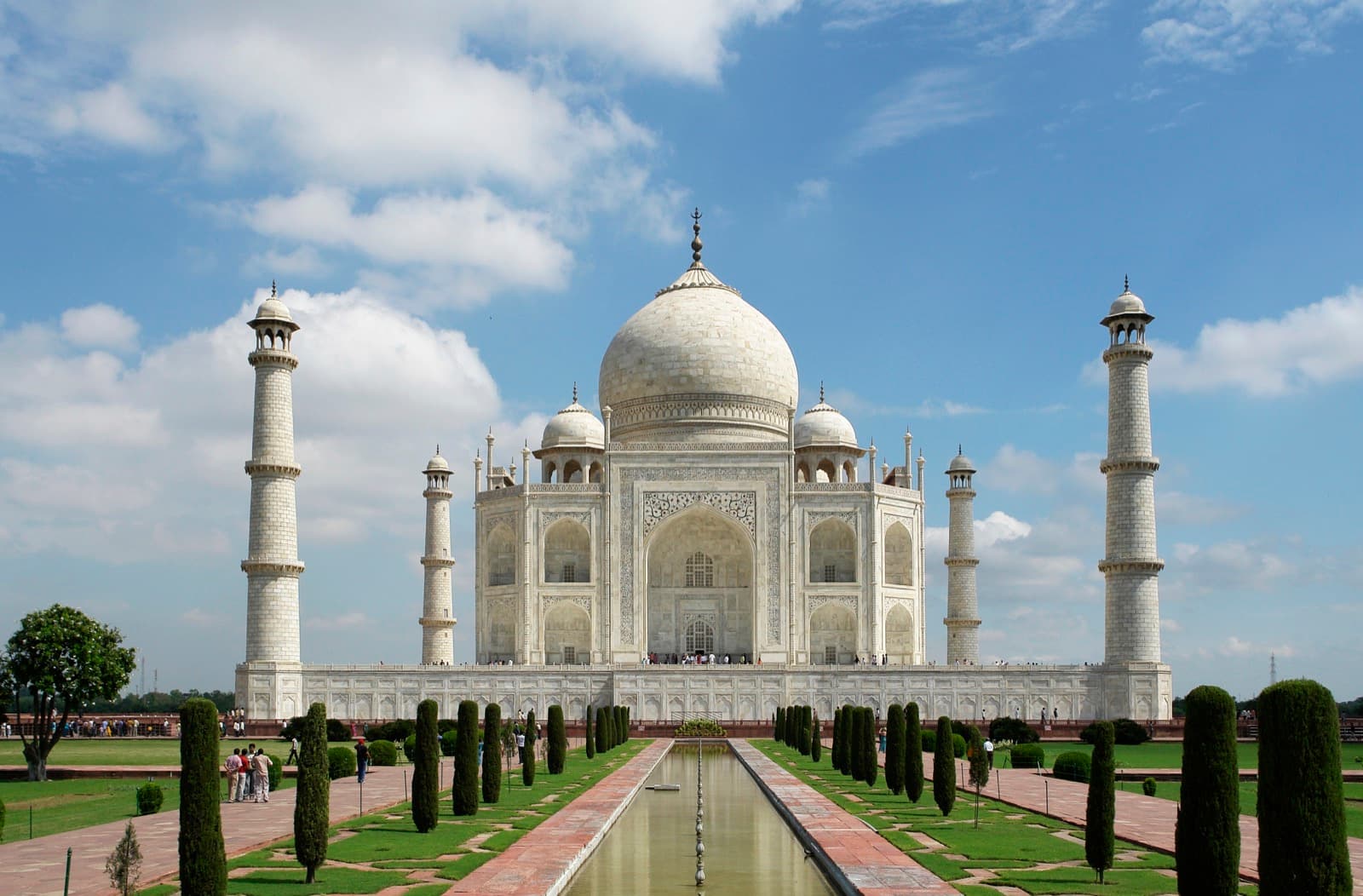
Taj Mahal: An Emperor's Monument to Grief
90 min · 1 km · easy
If you want to eat like Agra, start with petha, the translucent ash-gourd sweet that carries the city's name, then work outward to a bedai-and-jalebi breakfast, a bag of spicy dalmoth, and Mughlai kebabs and korma at dinner. Agra's food is what happens when a Mughal imperial kitchen sits next door to the workshops that built the Taj Mahal: royal recipes on one side, cheap fuel for laborers on the other, and both survive on the same streets today. Here is what to order, where the traditions come from, and how to ask for them without ending up with the tourist version.
Petha: the sweet that defines the city
Petha is a candied sweet made from ash gourd, also called winter melon, simmered in sugar syrup until it turns soft and glassy. It is so tied to Agra that "Agra ka petha" functions almost as a place name, and the product carries a Geographical Indication (GI) tag recognizing its origin here.
The origin story runs straight through the Taj Mahal. By tradition, petha came out of the Mughal royal kitchen during the reign of Shah Jahan (the emperor who built the Taj), and the soft, sugary sweet was fed to the thousands of workers on the mausoleum as quick energy. One popular legend says Shah Jahan asked his chefs for a sweet as pure and white as the marble itself. Treat the legend as legend, but the food is real and old: the cottage industry survives today in Agra's Noori Gate area, where hundreds of small units still make petha by hand.
How to order like a local: plain white petha (sada) is the original. Ask for "angoori" if you want the small grape-sized soft version, or "kesar" for the saffron kind. Dry petha keeps for travel; the softer angoori and syrupy versions are best eaten within a day or two. Panchhi Petha, founded in 1926 by Pancham Lal Goyal (nicknamed Panchhi), is the most famous name and started with four varieties. Buy a small mixed box before you commit to a kilo.
Breakfast: bedai and jalebi
Hear a stop from this walk
The Mosque and the Jawab: A Twin Built Only for Symmetry
The Agra morning is bedai with jalebi. Bedai (sometimes written bedmi) is a puri: a round of wheat dough stuffed with spiced ground lentils (moong and urad) and deep-fried until it puffs and crisps. It comes with a spiced potato curry (aloo sabzi) and is eaten alongside jalebi, the coiled, syrup-soaked fried sweet, hot off the same fire.
This is a stand-at-the-counter, eat-with-your-hands ritual, not a sit-down meal, and it is best early when everything is fresh. Say "bedai aur jalebi" and you will get the pair. The heat comes from the sabzi, so ask for it "kam teekha" (less spicy) if you are cautious. Portions are small and cheap by design, so order two rather than over-ordering one.
Dalmoth: the savory snack you take home
Dalmoth is Agra's signature namkeen, a dry, spicy, crunchy snack of fried lentils (moth dal), thin gram-flour sev, nuts, and spices. It is the salty counterweight to all that petha, and like petha it has deep local roots: the house of Bhimsain Baijnath has been making dalmoth and petha in Agra since the mid-nineteenth century, roughly a century and a half of the same recipe.
Dalmoth travels well and keeps for weeks, which makes it the practical souvenir. Buy it loose by weight from a namkeen shop rather than in a sealed tourist box. A small paper bag is plenty for a day of nibbling.
Mughlai dinner: kebabs, korma, biryani
For an evening meal, Agra leans on Mughlai cooking, the courtly cuisine that merged Persian and Central Asian technique with North Indian ingredients. The staples to look for: seekh, shami, and galouti kebabs (minced, spiced, and grilled), korma (meat braised in yogurt, cream, ground nuts, and spice), and biryani (basmati layered with meat and slow-cooked). It is rich, aromatic food built on ghee, dried fruit, and ground almonds, so order to share and pair it with plain naan or roti.
Vegetarians are well served: paneer dishes, dal, and vegetable korma appear on nearly every menu, and much of the street food (petha, bedai, chaat, jalebi) is vegetarian by default.
Where to eat, and one honest safety note
The dense food streets sit around Sadar Bazaar and its Chaat Gali, a lane packed with chaat, golgappa (called pani puri or golgappa here), and sweet stalls, a short auto-rickshaw ride from the Taj Mahal in the cantonment part of town. The heritage petha and namkeen shops cluster along MG Road and Sadar Bazaar. Taj Ganj, the warren of lanes just south of the Taj, has the rooftop cafes with monument views, which are more about the view than the cooking.
On safety, keep it calm and simple: eat where there is turnover and a crowd (busy stalls cook fresh), start gently if your stomach is new to Indian street food, drink sealed bottled water, and be a little careful with cut fruit and ice. Petha, dalmoth, fresh-fried bedai, and hot kebabs are all cooked-to-order or shelf-stable, which makes them low-risk places to start.
Fit it into a walking day
Food and monuments sit close together here, so build the eating around the walking. Do the Agra Fort or Taj self-guided route in the cooler morning, break for a bedai-and-jalebi breakfast on the way in, and save petha and dalmoth shopping in Sadar Bazaar for the afternoon lull. Our Agra walking tours cover the Taj Mahal and Agra Fort at your own pace, which means you decide when to stop and eat rather than a group deciding for you. Start from the city page at /india/agra to see both routes and where they begin.
Sources
Frequently asked questions
- What food is Agra famous for?
- Agra is most famous for petha, a translucent candied sweet made from ash gourd (winter melon) that carries a Geographical Indication tag. Beyond petha, the city is known for a bedai-and-jalebi breakfast, spicy dalmoth namkeen, and Mughlai dishes like kebabs, korma, and biryani that trace back to the Mughal royal kitchens.
- What is Agra petha and how is it connected to the Taj Mahal?
- Petha is a sweet made by simmering ash gourd in sugar syrup until it turns soft and glassy. By tradition it came out of the Mughal royal kitchen under Shah Jahan and was fed to the workers building the Taj Mahal as quick energy. The cottage industry survives today around Agra's Noori Gate area, where hundreds of small units still make it by hand.
- What should I eat for breakfast in Agra?
- The classic Agra breakfast is bedai with jalebi. Bedai is a puri stuffed with spiced ground lentils and deep-fried crisp, served with a spiced potato curry, and eaten alongside hot syrup-soaked jalebi. It is a quick, cheap, stand-at-the-counter meal best eaten early when everything is fresh.
- Where do you buy the best petha and dalmoth in Agra?
- The heritage petha and namkeen shops cluster along MG Road and Sadar Bazaar. Panchhi Petha, founded in 1926, is the best-known petha name, and the house of Bhimsain Baijnath has made dalmoth and petha since the mid-nineteenth century. Buy a small mixed box or loose namkeen by weight rather than a large sealed tourist package.
- Is Agra street food safe to eat?
- It can be, if you choose carefully. Eat at busy stalls with high turnover so food is freshly cooked, drink sealed bottled water, and be cautious with cut fruit and ice. Petha, dalmoth, freshly fried bedai, and hot kebabs are cooked-to-order or shelf-stable, which makes them lower-risk places to start.
- Is there vegetarian food in Agra?
- Yes, Agra is very friendly to vegetarians. Much of the signature food is vegetarian by default, including petha, dalmoth, bedai, jalebi, and chaat. Mughlai menus also carry paneer dishes, dal, and vegetable korma alongside the meat options.
Ready to experience it?
Taj Mahal: An Emperor's Monument to Grief
90 min · 1 km · easy
More from Agra
Explore more at your own pace.
Agra Travel Guide: How Many Days, Getting Around, and Safety
Agra: The Mughal Zenith Read Across a River
Reading the Taj Mahal as a Tomb: What the Mausoleum Tells You
The Marble Tower Where a Mughal Emperor Was Jailed by His Own Son
Jahangiri Mahal: Akbar's Red Palace Where Mughal and Rajput Built as One