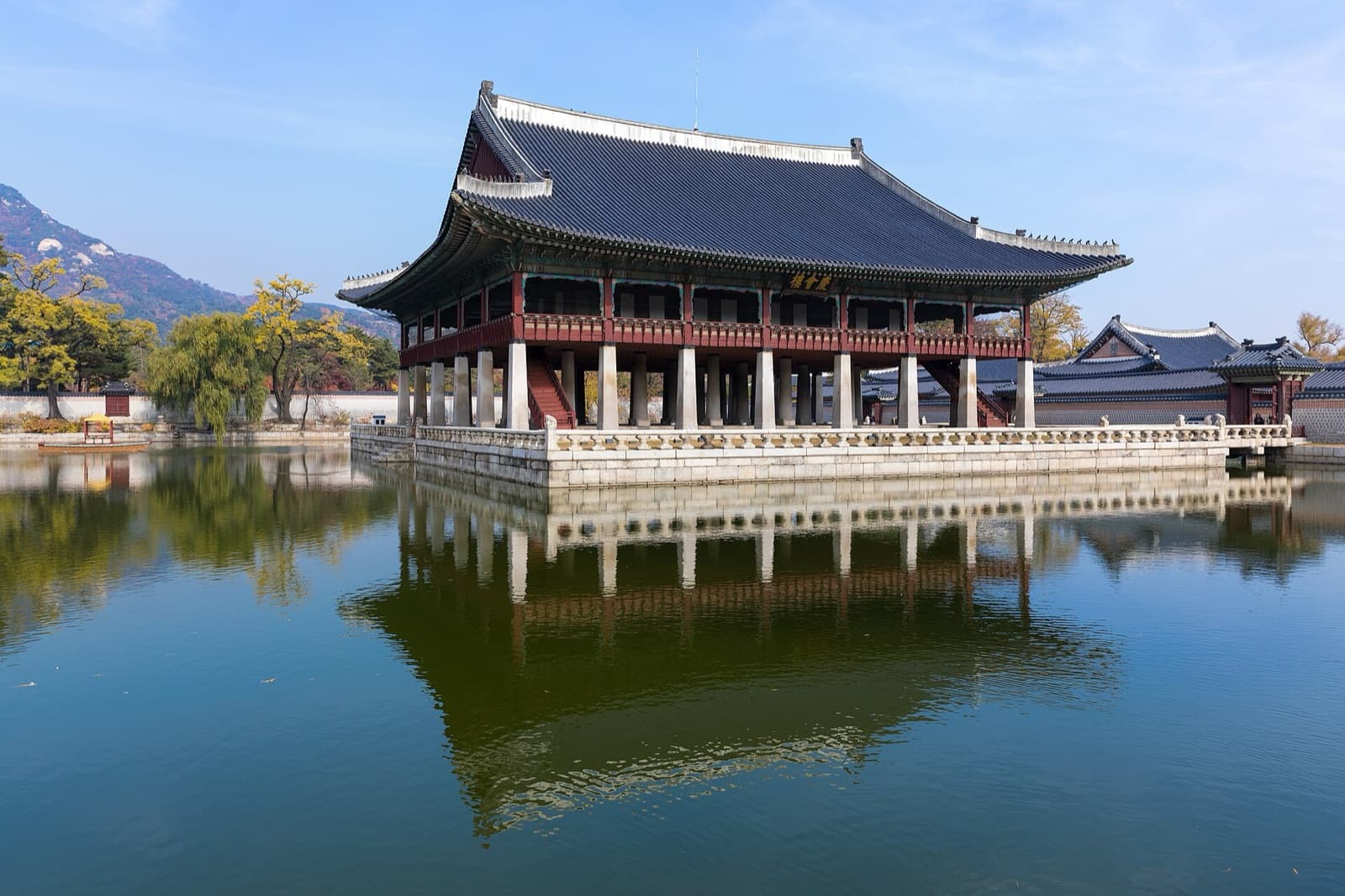
Jogyesa is a working temple, the chief administrative and spiritual seat of the Jogye Order, the largest order of Korean Buddhism, and the single fact that unlocks it is that people come here to practice, not to visit a monument. Step through the gate from the traffic of the Jongno district and the city changes register. Incense replaces exhaust. A low murmur of chanting replaces the sound of buses. In the right season, paper lanterns hang overhead in rows of color. Standing in that courtyard, you are not looking at Korean Buddhism from behind glass. You are standing inside it while it happens.
A temple, not a museum
The word to hold onto is sa, which means Buddhist temple in Korean. Jogyesa is the head temple of the Jogye Order, a tradition rooted in Seon, the Korean form of what the wider world knows as Zen. Seon weaves together two practices that can seem to pull against each other: sitting meditation on one side, and the close study of scripture on the other. That combination is the intellectual spine of the order, and Jogyesa is where its administration lives. When Korean Buddhists talk about the center of their largest school, this courtyard in central Seoul is the place they mean.
The buildings themselves are more recent than the tradition. The main Buddha hall, the Daeungjeon, was built in 1938 from pine carried down from Baekdu Mountain, the highest peak on the Korean peninsula. The temple was known as Taegosa when that hall went up, and it took the name Jogyesa only in 1954. So the architecture you see is a twentieth-century frame around a much older lineage. That gap between young buildings and old faith is worth sitting with. It tells you that Korean Buddhism, like the craft quarter around it, has had to rebuild itself repeatedly through occupation and war, and that continuity here is a matter of practice carried forward, not stone left untouched.
The two elders in the courtyard
Hear a stop from this walk
Jogyesa Temple: Incense at the Head of the Order
If the halls are young, two living things in the courtyard are not. The first is a white pine, roughly five hundred years old, protected as a Natural Monument. It predates almost every wall around it. The second is a Chinese scholar tree that rises some twenty-six metres, its canopy spreading over the whole yard, over the people who come to bow, to light incense, or simply to sit in its shade on a hot afternoon.
These two trees are the reason Jogyesa works as the opening beat of a walk through the old quarter. Everything else on the route, the paper, the brushes, the tea, the carved marble pagoda a few blocks south, is about things made or preserved by human hands. The trees are about deep time arriving on its own terms. A white pine that was already old when the surrounding neighbourhood of Joseon officials was first laid out gives you a physical measure of how long people have gathered on this exact patch of ground. Stand under the scholar tree and you are sharing shade with five centuries of visitors.
What to understand standing in front of it
Here is the one thing to carry with you. The devotion at Jogyesa is ordinary, and that is precisely what makes it powerful. You will see a woman removing her shoes at the threshold of the hall. You will see a monk crossing the yard without ceremony. You will see incense smoke rising and thinning in the open air. None of it is staged for you. It is the daily texture of a faith that millions of Koreans still hold, performed in the middle of a working capital city.
That ordinariness asks something small of you in return. Keep your voice low. Move gently around anyone at prayer. Dress so that shoulders and knees are covered, and follow the posted guidance about where photography is welcome. Do not touch the offerings. These are not tourist rules layered onto an attraction. They are the basic courtesies of entering a room where other people are doing something that matters to them. The reward for observing them is that the place opens up. You start to notice the rhythm of the chanting, the way the smoke moves, the particular hush that a courtyard holds even when it sits a few metres from one of Seoul's busiest streets.
When the whole city lights up
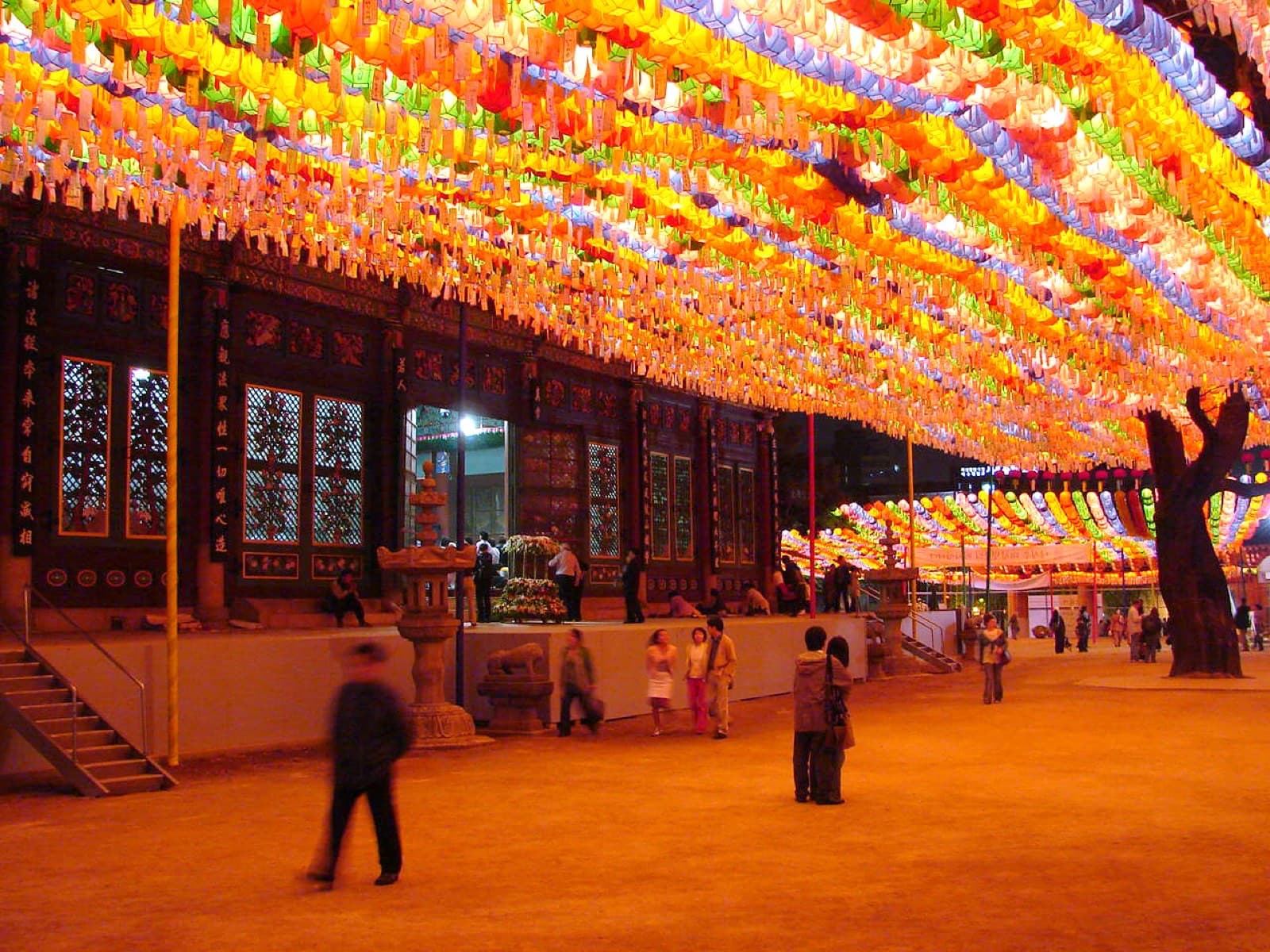
If you can time your visit near Buddha's Birthday in spring, Jogyesa becomes the anchor of the Lotus Lantern Festival, when lantern processions connected to the temple fill central Seoul with slow-moving light. It is a tradition recognized as intangible cultural heritage, and it turns the quiet courtyard into a gathering point for a citywide celebration. Even outside that season, the temple keeps a store of lanterns strung overhead, so the color that defines the festival is rarely entirely absent. Morning is the calmest time to arrive on any ordinary day, before the craft shops of the surrounding lanes fully wake and while the incense and chanting have the courtyard mostly to themselves.
Why it opens the walk
Jogyesa sets the sensory key for a stretch of Seoul that rewards slow attention more than speed. The neighbourhood that unfolds from its gate began roughly five hundred years ago as a quiet residential zone for government officials, and it became, in the centuries since, the quarter where Korean identity is worked in physical material: in mulberry paper, in ground ink and horsehair brushes, in celadon glazes, in seasonal tea poured in hushed hanok rooms. The temple is the place where two of the walk's recurring ideas, things made by hand and things that simply endure, are already both present at the very start, in the smell of incense and the shade of a tree older than the streets around it.
That is why a self-guided walk through this district begins right here rather than at a grander landmark. From Jogyesa you can drift south into the antique shops and paper sellers of Insadong-gil, up the coiling craft ramp of Ssamziegil, into the tea houses where an hour is allowed to pass slowly, and on to a fifteenth-century marble pagoda that has held its carved detail for more than five centuries. The temple frames all of it. If you want to follow that thread on the ground, browse more Seoul walking tours or start from the city page for Seoul. Roamer's Insadong and Ikseon-dong audio walk begins at Jogyesa Temple, puts the story in your ears as you stand in the courtyard, and lets you move at exactly your own pace from there.
Sources
- Jogyesa, Wikipedia: history of the head temple, the Daeungjeon hall built in 1938, and the 1954 renaming.
- Visit Seoul official guide, Jogyesa Temple: practical details on the working temple, its courtyard trees, and the Jogye Order.
- Roamer tour transcript, "Paper, Ink, and the Narrow Lane" (seoul-insadong-ikseon-dong): fact-audited narration on Jogyesa, the white pine, the scholar tree, and the Lotus Lantern Festival.
- UNESCO and Korean intangible cultural heritage listings: background on the Lotus Lantern Festival (Yeondeunghoe) tied to Buddha's Birthday.
Ready to experience it?
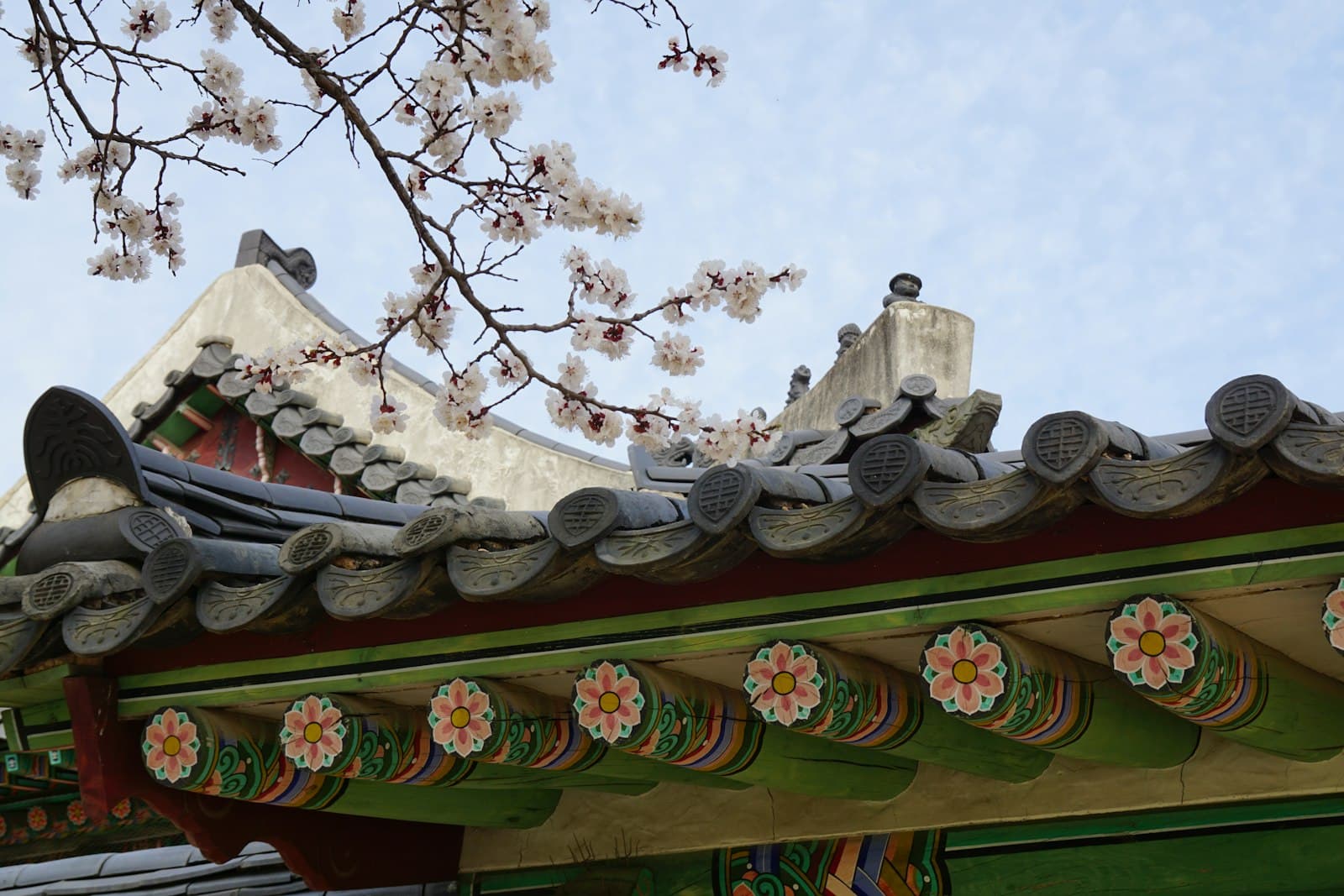
Insadong: Paper, Ink, and the Narrow Lane
100 min · 2.5 km · easy
More from Seoul
Explore more at your own pace.
One Day in Seoul: A Walkable Jongno Itinerary
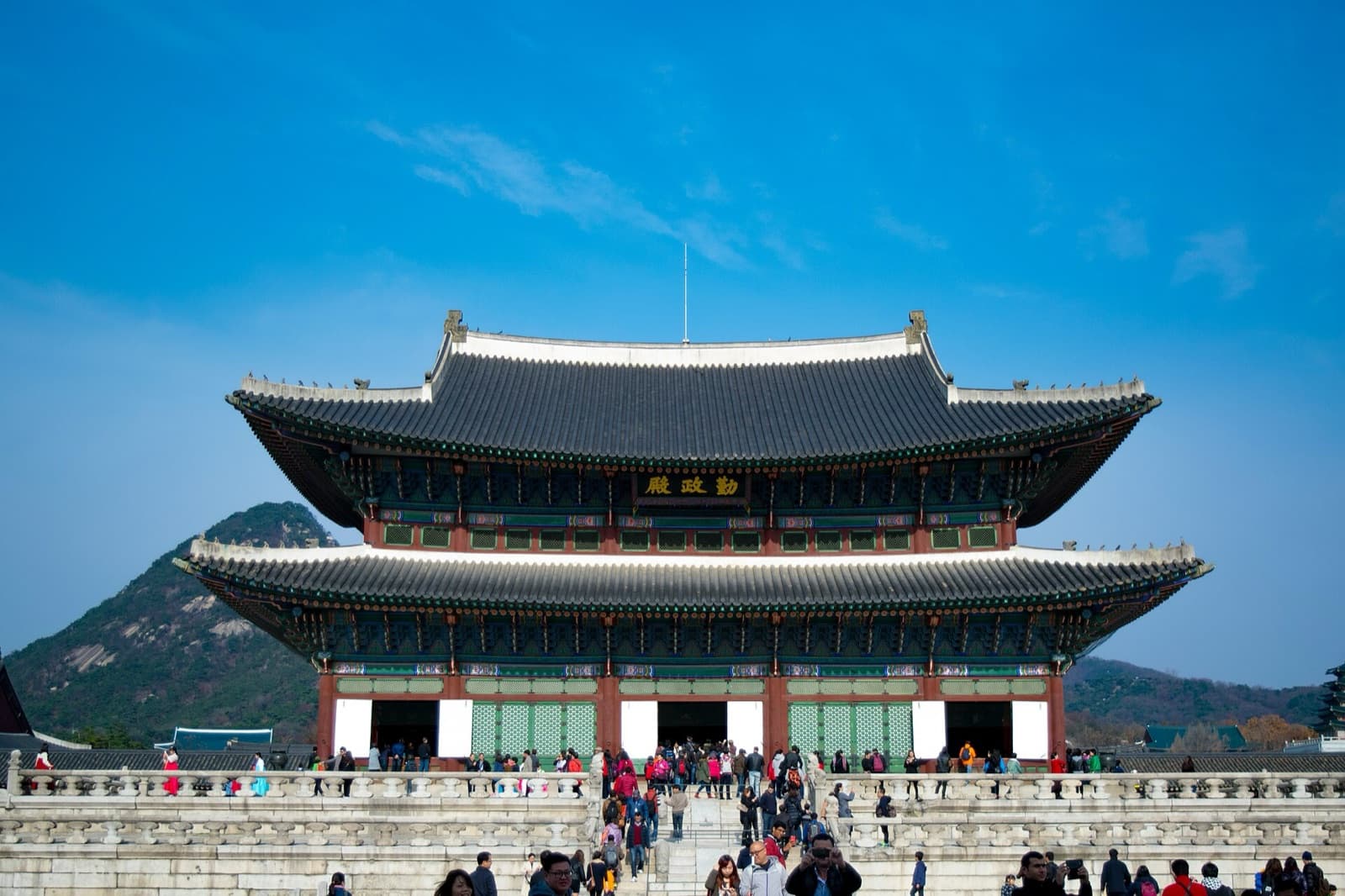
Geunjeongjeon Throne Hall: Reading the Royal Axis of Gyeongbokgung
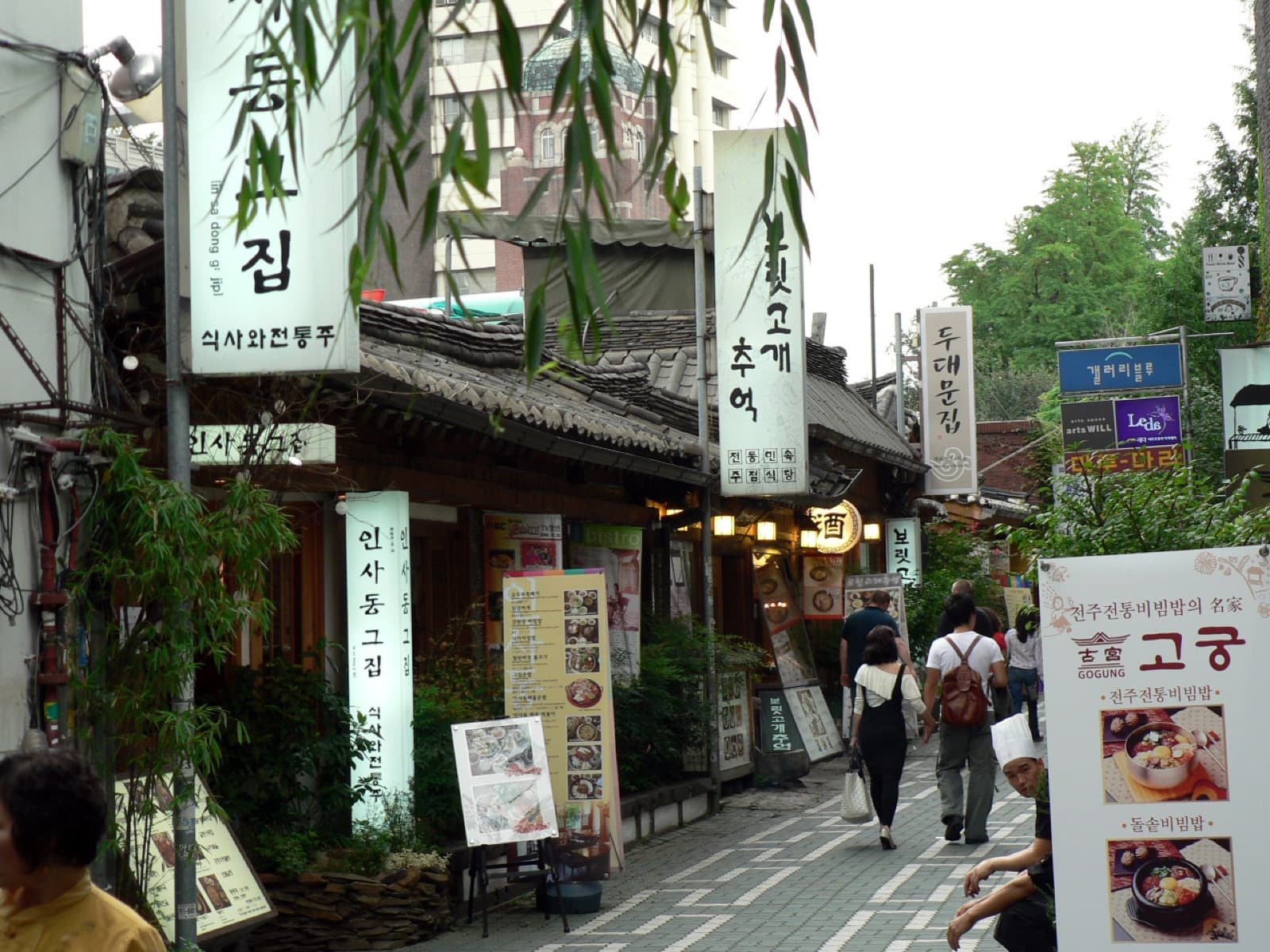
Insadong-gil: Reading Seoul's Craft Quarter One Shop Window at a Time
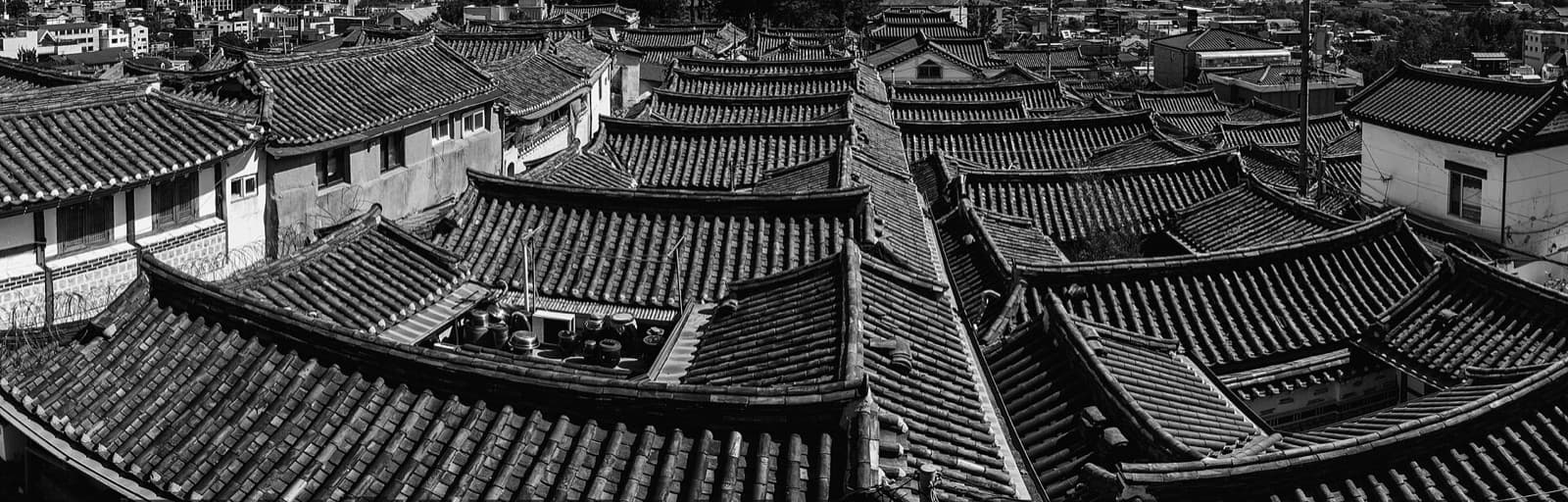
Who Built Bukchon: The Developer Behind Seoul's Most Photographed Roofs
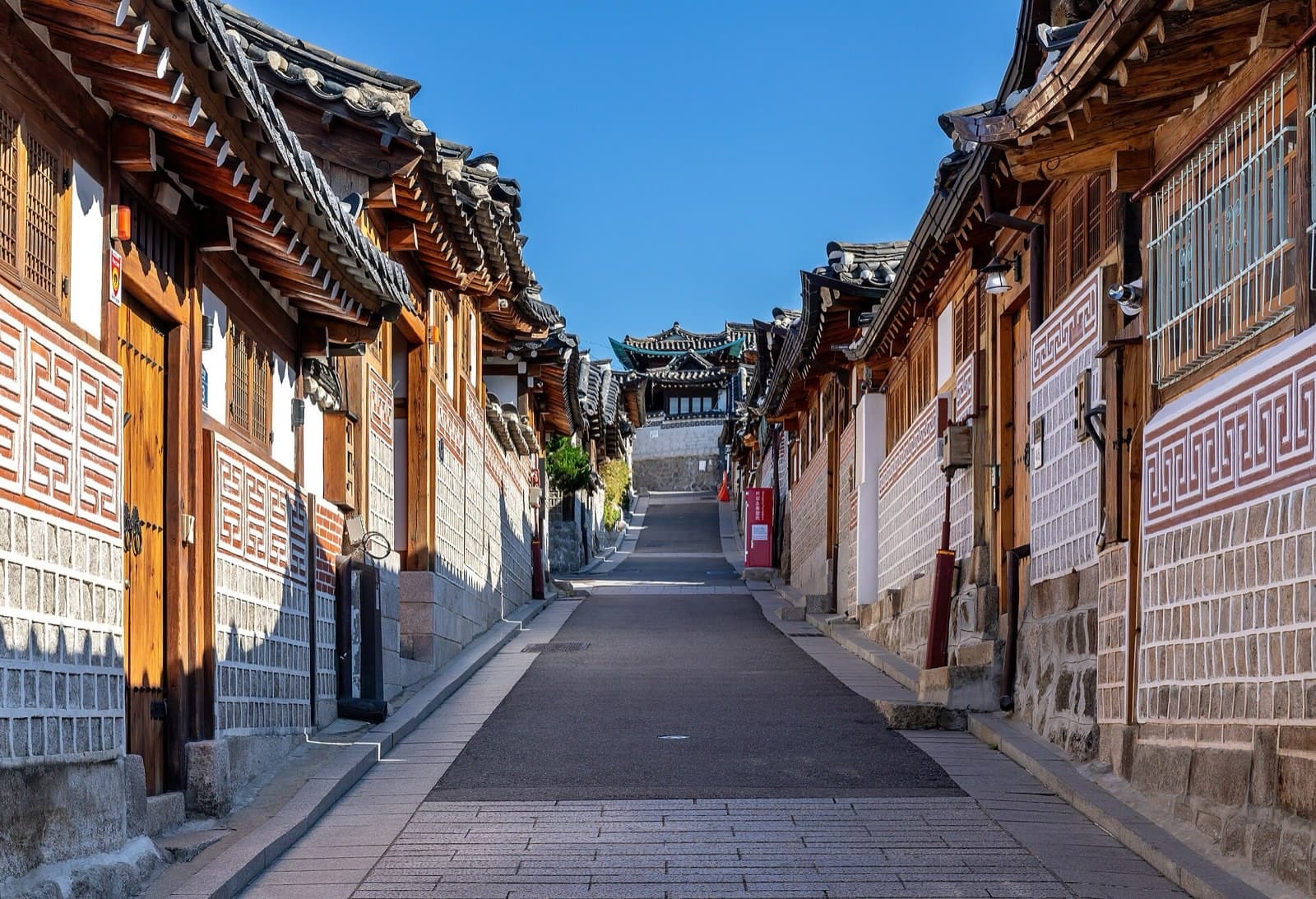
Bukchon-ro 11-gil: The Most Photographed Lane in Seoul, and the Curfew That Guards It