A sensory walk through Seoul's quarter of craft and tea: paper, ink, incense, and the narrowest hanok lanes in the old city, from a head temple to a five-hundred-year-old marble pagoda.
Start · Jogyesa Temple: Incense at the Head of the Order
DirectionsStops
- 1
Jogyesa Temple: Incense at the Head of the Order
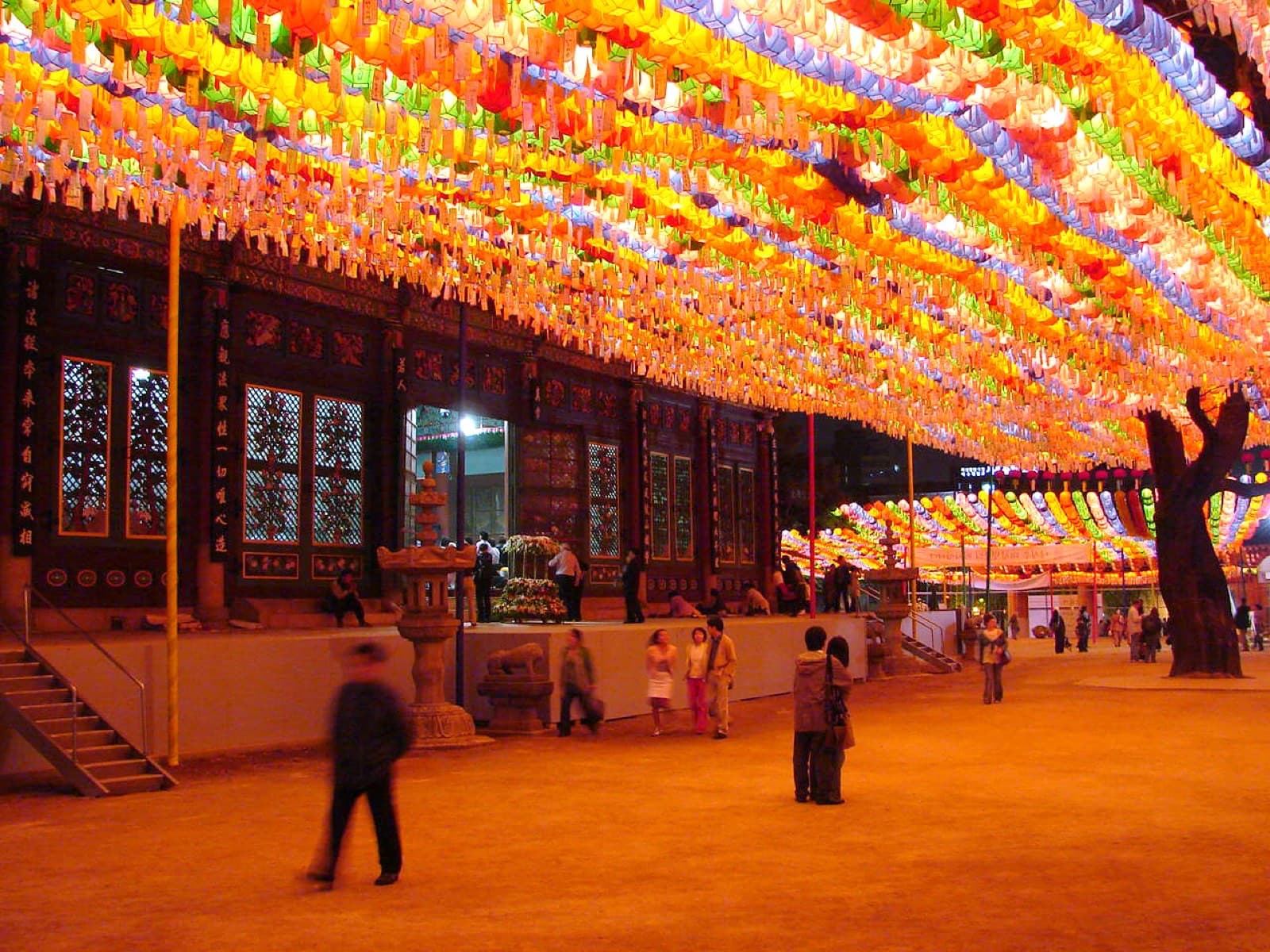
The chief temple of Korea's largest Buddhist order, where incense, chanting, and trees five centuries old set the sensory key for the whole walk.
- 2
Insadong-gil: Paper, Brush, and Ink
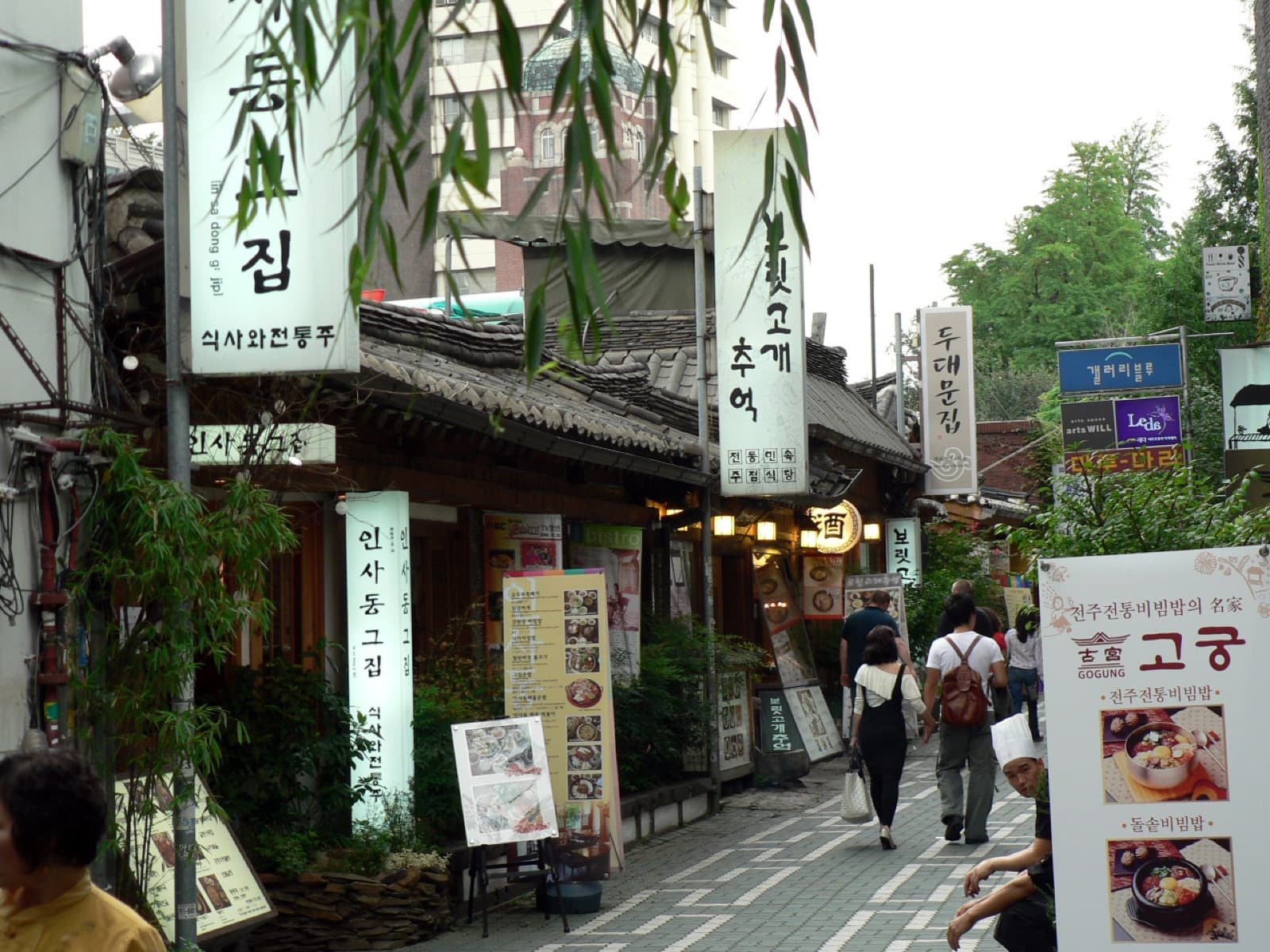
The main pedestrian street of Seoul's old craft quarter, lined with antiques, mulberry paper, brushes, and ink.
- 3
Ssamzie-gil: The Spiral of Craft
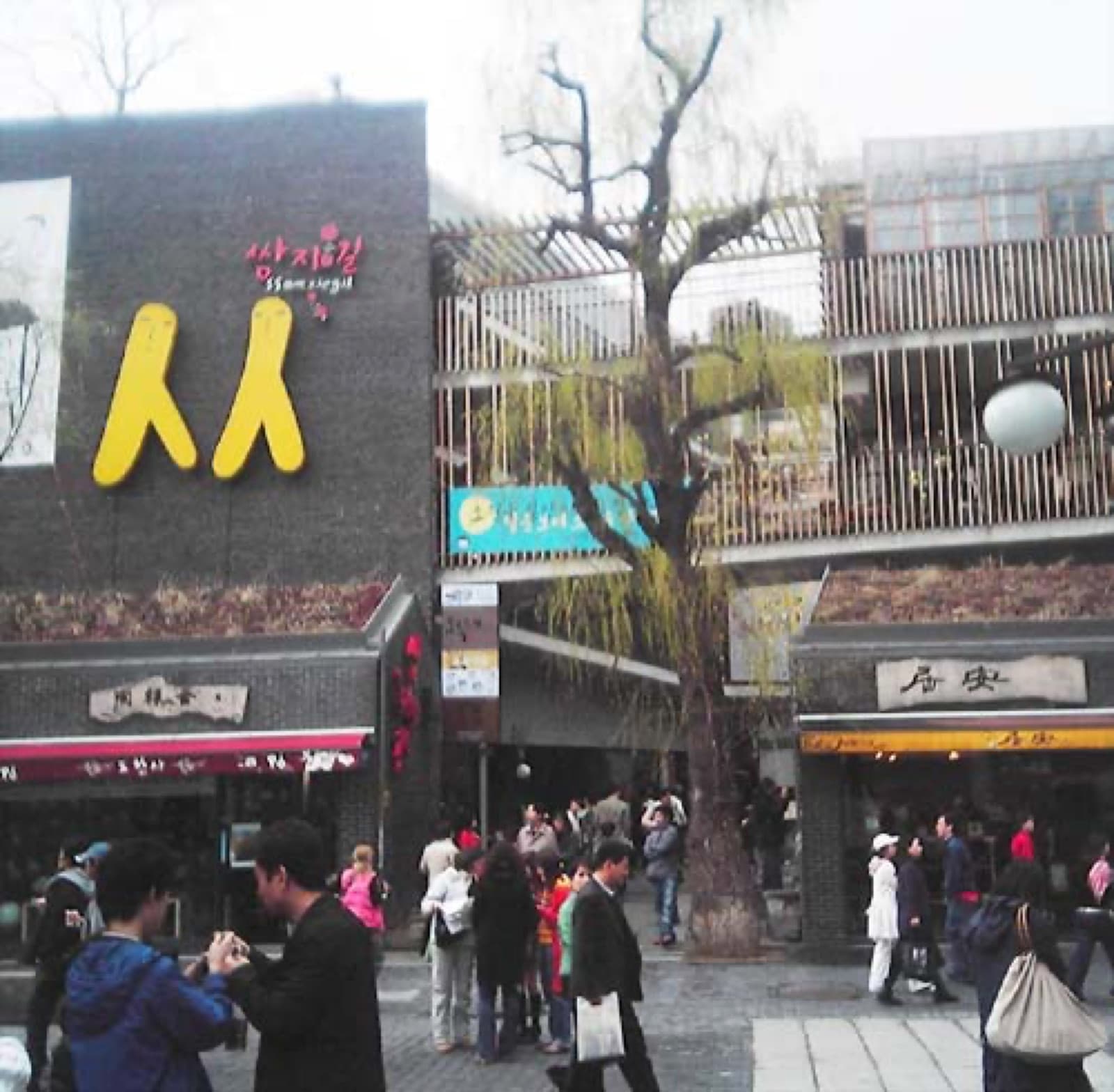
A modern building on Insadong-gil where a single gently sloping ramp coils four storeys of craft studios around an open courtyard.
- 4
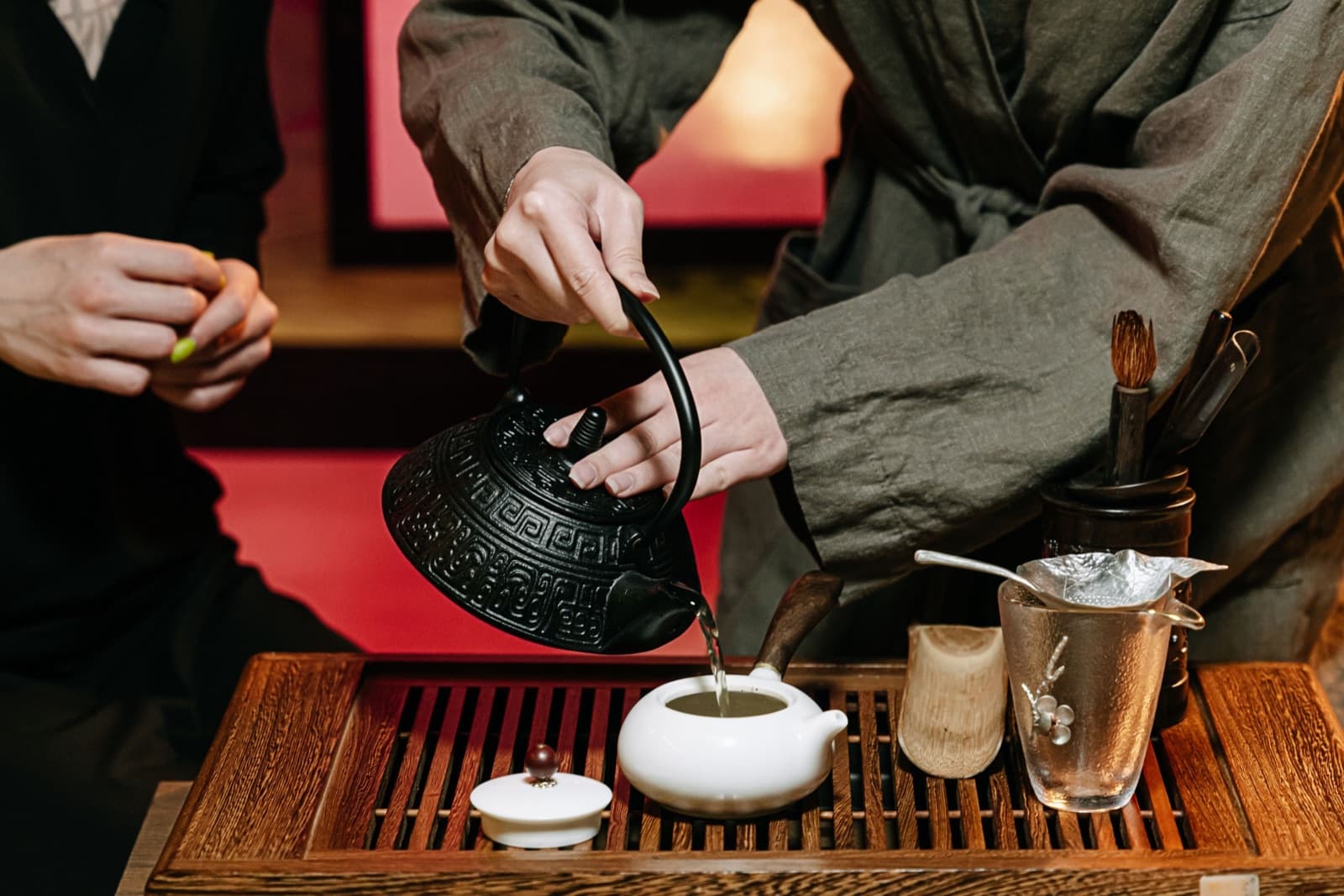
The Tea Houses of Insadong: Where Time Slows
The narrow alleys off Insadong-gil where traditional Korean tea houses serve seasonal and medicinal brews in hushed hanok rooms.
- 5
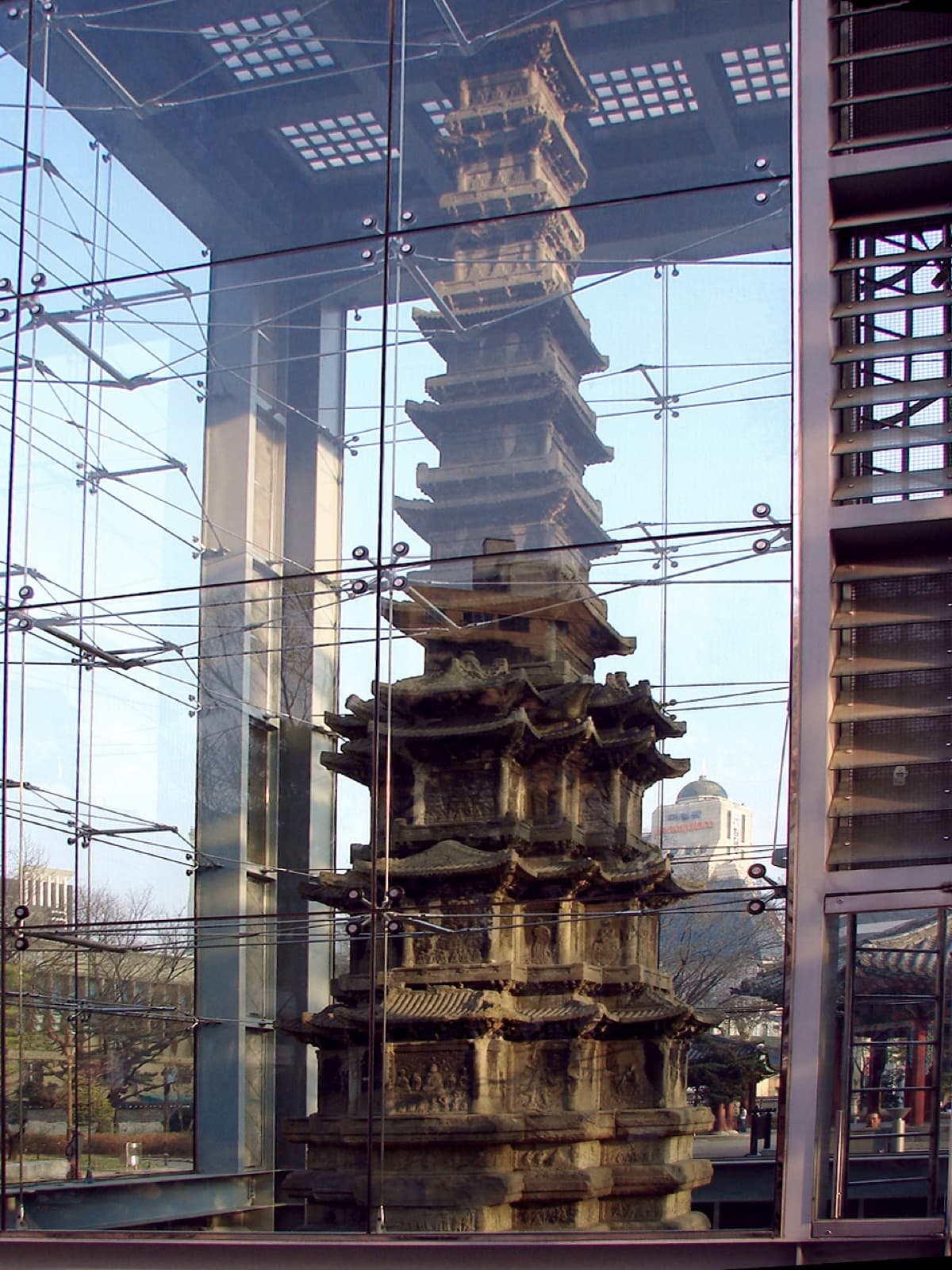
Tapgol Park and the Wongaksa Pagoda: Marble and a Declaration
Korea's first modern public park, home to a five-and-a-half-century-old marble pagoda that is a National Treasure and the birthplace of the March First independence movement.
- 6
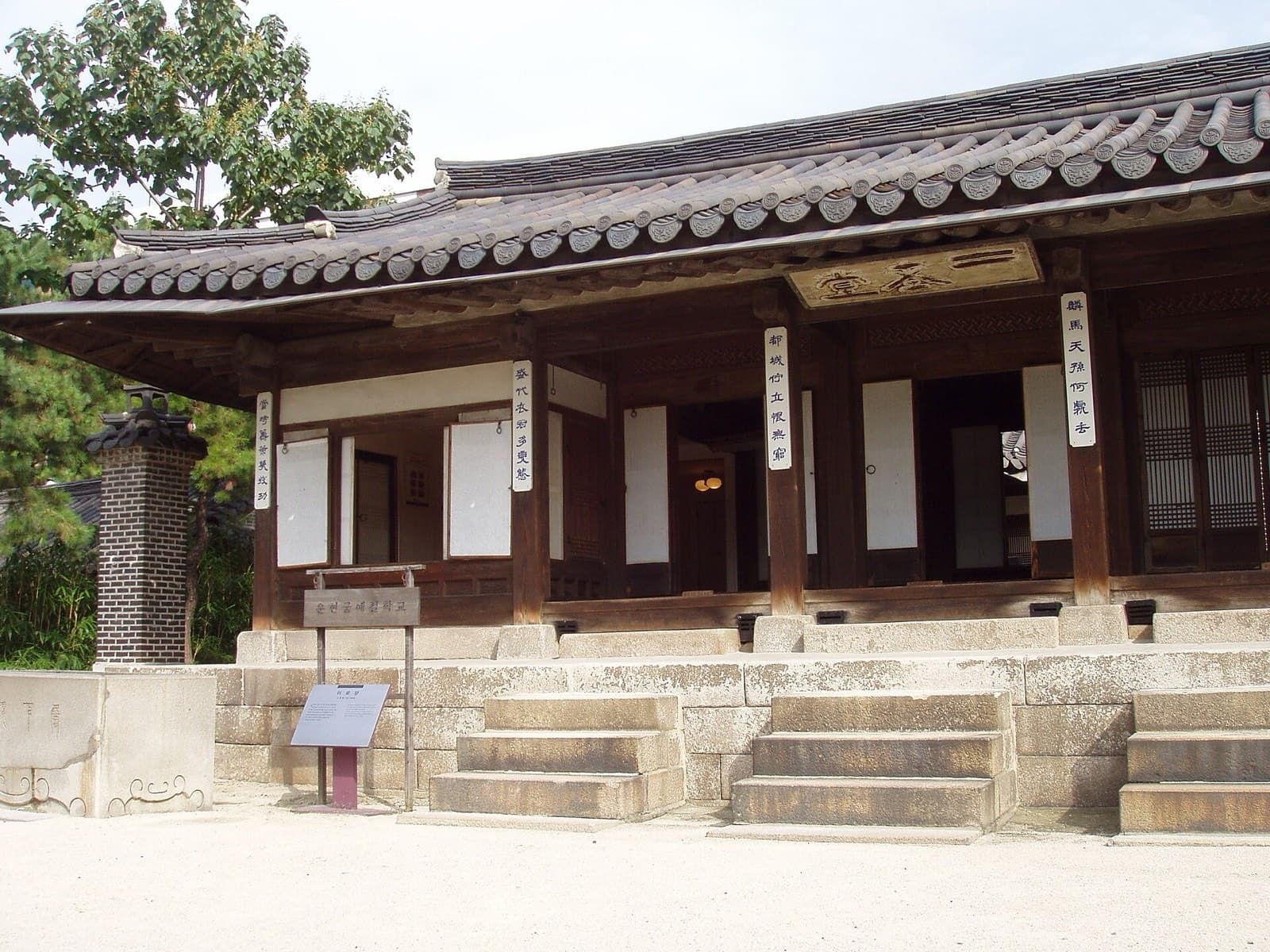
Unhyeongung: The House That Ran a Kingdom
A noble residence, not a palace, that served as the childhood home of King Gojong and the seat of power for the regent who ran Korea in the eighteen sixties.
- 7
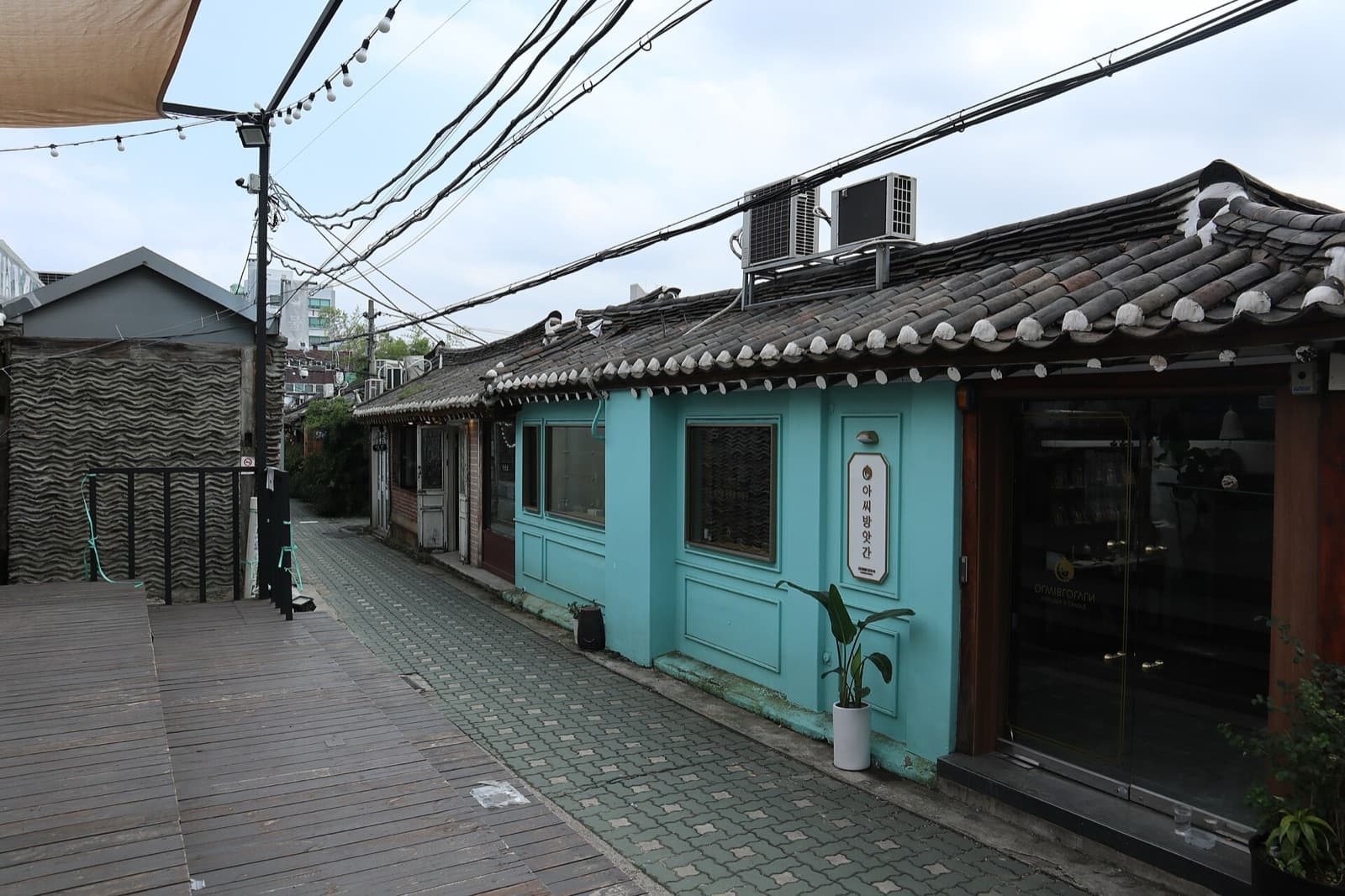
Ikseon-dong Hanok Village: The Narrowest Lanes
One of Seoul's oldest planned hanok districts, mass-built in the nineteen twenties as urban housing for Korean families and recently reborn as a warren of tiny cafes.
Details
Best Time to Visit
Late morning through mid-afternoon on a weekday is ideal. Jogyesa is quietest and most atmospheric in the morning, when incense and chanting fill the courtyard, and Insadong's craft shops and tea houses are open and unhurried before the afternoon crowds. Ikseon-dong grows very busy in the evenings and on weekends, so arriving there earlier keeps the narrow lanes walkable and more respectful of residents. Spring near Buddha's Birthday brings the Lotus Lantern Festival to Jogyesa, and autumn offers cool, clear light for wandering. Avoid the peak heat of a summer afternoon and the coldest winter days if you can.
Pro Tips
- •Wear comfortable shoes and be ready to remove them: traditional tea houses and some hanok interiors are entered barefoot or in socks, onto heated ondol floors.
- •At Jogyesa, keep your voice low, move gently around anyone praying, and follow posted guidance on where photography is welcome. It is a working temple, not a stage.
- •Buy a rechargeable transit card, such as a T-money card, at any convenience store or subway station: it works across Seoul's subway and buses and saves fumbling for fares between stops.
- •Try a seasonal tea rather than a familiar one. Ask for omija, the five-flavour berry tea, chilled in warm weather, or a honeyed citron tea when it is cold.
- •This is a cluster walk, not a straight line, so let yourself drift into the side alleys of Insadong and Ikseon-dong. The narrowest lanes hold the most character.
- •Unhyeongung and Tapgol Park are free, and many tea houses charge per drink, so a small amount of cash on hand is useful for tea and rice cakes.
Safety & Precautions
- •Ikseon-dong is a lived-in residential neighbourhood, not an attraction. Keep your voice down in the narrow lanes, do not photograph into private homes, and yield to residents going about their day.
- •Some alleys are very narrow and can get crowded, with uneven paving and the occasional step or slope. Watch your footing, especially in wet weather, and take care if you have mobility concerns.
- •Seoul summers are hot and humid and winters are cold. Carry water and sun protection in summer and dress in warm layers in winter, and plan indoor tea-house breaks accordingly.
- •Inside Jogyesa Temple, dress respectfully with shoulders and knees covered, stay quiet, and do not touch offerings or interrupt anyone at prayer.
Travel advisory: Exercise Normal Precautions (Level 1).
Gallery
Related Reading
Go deeper on what you'll see, hear, and walk through.
Overview
Best Self-Guided Walking Tours in Seoul (2026)
3 min
Overview
One Day in Seoul: A Walkable Jongno Itinerary
6 min
Overview
Seoul Travel Guide: Days, Transport, Seasons, Safety, Budget
7 min
Thematic
Best Culture Walking Tours in Seoul (2026)
2 min
Thematic
Seoul: How the Joseon Court Folds Into a Megacity
7 min
Companion
Insadong-gil: Reading Seoul's Craft Quarter One Shop Window at a Time
7 min
Deep dive
Jogyesa Temple: The Working Heart of Korean Buddhism in Seoul
6 min
Read
What to Eat in Seoul
8 min
Read the walk
The full story of Insadong: Paper, Ink, and the Narrow Lane, in words. Prefer to listen? Play it narrated, from home or on location.
Introduction
Some cities keep their heart in a grand square. Seoul keeps a good part of its heart in a knot of narrow lanes just north of the old center, where the smell of incense drifts out of a temple courtyard, where mulberry paper and horsehair brushes fill shop windows, and where tea rooms sit hushed behind sliding doors. This is Insadong and the pockets around it, in the Jongno district of Seoul, South Korea. It began roughly five hundred years ago as a quiet neighbourhood of Joseon officials, and it became, in the years since, the quarter where Korean identity is made materially: in paper, in ink, in tile, tea, and stone. This walk has seven stops and runs about two and a half kilometres, so give yourself about two hours if you linger, less if you move briskly. You will start at the head temple of Korea's largest Buddhist order, drift down a street of brushes and antiques, spiral up a modern building of craft, slow to the pace of a tea room, then reach a National Treasure pagoda that has stood for more than five centuries, in a park where Korea's independence was declared. You will finish in a warren of hanok, the traditional Korean timber-and-tile houses, along some of the narrowest lanes in the old city. Go at your own pace. Skip anything that does not call to you, and stay as long as anything does. When you arrive at Jogyesa Temple, begin with stop one.
1. Jogyesa Temple: Incense at the Head of the Order
Step through the gate and the city changes register. The traffic of Jongno falls away, and what fills the air instead is incense, the low murmur of chanting, and, in the right season, the color of paper lanterns strung overhead. Jogyesa is a working temple, not a monument behind glass. Sa means Buddhist temple, and this is the chief temple of the Jogye Order, the largest order of Korean Buddhism, a tradition rooted in Seon, the Korean form of Zen, that weaves together meditation and the study of scripture. The main Buddha hall, the Daeungjeon, was built in nineteen thirty-eight of pine carried from Baekdu Mountain. The temple took its present name, Jogyesa, in nineteen fifty-four. In the courtyard stand two elders that predate almost everything around them. One is a white pine, roughly five hundred years old, protected as a Natural Monument. The other is a Chinese scholar tree, rising some twenty-six metres, its canopy spreading over people who come to bow, to light incense, or simply to sit. If you visit near Buddha's Birthday, you may catch the Lotus Lantern Festival, when lantern processions fill central Seoul with slow-moving light. You do not need to be Buddhist to stand here quietly. Watch how ordinary the devotion is: a woman removing her shoes at the hall, a monk crossing the yard, the smoke rising and thinning. This is the sensory key for everything ahead. The rest of the walk is about things made by hand and things that endure. Here at the start, both are already present, in the smell of incense and the shade of a tree that was old before most of this neighbourhood existed.
2. Insadong-gil: Paper, Brush, and Ink
This is Insadong-gil, the spine of the quarter. Gil means lane or street, and dong means neighbourhood, and this dong began roughly five hundred years ago, in the early Joseon period, as a residential zone for government officials. That quiet origin matters, because what happened next was not quiet at all. During the Japanese occupation, wealthy Korean families here were forced to relocate and to sell what they owned, and the district filled with the antiques and heirlooms they had to give up. After the Korean War, Insadong became a center of South Korea's artistic life, of galleries and studios and tea houses. So walk this street slowly and read it as layers. Look in the windows. This is a place of materials you can almost feel from the pavement: hanji, the paper made from mulberry bark, thick and soft and faintly warm in color; brushes of horsehair and goat hair, bundled by size; sticks of ink ground from pine soot; celadon and buncheong ceramics glazed in greens and greys. By one account, the district holds about forty percent of the nation's antique shops and about ninety percent of its traditional stationery shops. On a good day you may find a calligrapher at work outside, drawing a wet black line across white paper, or hear the sliding wail of pansori, Korea's old narrative singing. Nothing here is loud in the way a shopping street is loud. It asks you to look closely, to notice the grain of the paper and the weight of a brush. That attention is the whole point of the place.
3. Ssamzie-gil: The Spiral of Craft
Here the old craft quarter reinvents itself in a single, clever piece of architecture. Ssamziegil opened in the year two thousand four on Insadong-gil, and its idea is simple and unusual: instead of stacking floors with staircases between them, the whole building is one continuous ramp. A gently sloping path, at a grade of roughly one in twenty, coils four storeys around an open central courtyard, so you can walk from the street to the top without ever climbing a step, past shopfront after shopfront the entire way. It is a building you experience as a stroll. The designers held the palette to natural materials and their own colours, so this modern structure would sit comfortably beside the old timber and tile of Insadong rather than shouting over it. Inside are on the order of seventy small, independent craft businesses: studios and galleries where makers reinterpret Korean materials for now. You will see celadon glazes and lamps made of hanji paper, textiles dyed with indigo and persimmon, the same traditions you glimpsed down on the street, bent toward contemporary form. Think of Ssamziegil less as a place to shop and more as a place to understand the quarter's argument with itself. Insadong is a district built on the fragile and the handmade, on paper and brush and tea. This building takes that same spirit and wraps it into a spiral you can walk. Follow the ramp up. Let the courtyard open below you as you climb, and notice how a modern building can still be made to feel like part of an old, narrow neighbourhood.
4. The Tea Houses of Insadong: Where Time Slows
Turn off the main street into one of the narrow side alleys, and the noise drops almost to nothing. This is the quiet heart of the quarter: the traditional tea houses tucked into the lanes off Insadong-gil. A Korean tea house is the opposite of a modern cafe. Step inside and you…
Full narration for this stop unlocks with the tour.
5. Tapgol Park and the Wongaksa Pagoda: Marble and a Declaration
This small park carries an outsized weight. Tapgol Park, also called Pagoda Park, was organized in eighteen ninety-seven, after a proposal by John McLeavy Brown, an Irish advisor to King Gojong, which made it Korea's first modern public park. It sits on the former grounds of…
Full narration for this stop unlocks with the tour.
6. Unhyeongung: The House That Ran a Kingdom
This is Unhyeongung, and the name can mislead you. Gung usually means palace, and it is part of this site's name, but Unhyeongung was not a royal palace. It was a noble residence, and for a stretch of the eighteen sixties it may have been the most important address in the…
Full narration for this stop unlocks with the tour.
7. Ikseon-dong Hanok Village: The Narrowest Lanes
You end the walk in some of the narrowest lanes in old Seoul. Ikseon-dong, just east of Insadong, is one of the city's oldest concentrated hanok districts, and its story is not the story of kings. It is the story of ordinary families and a very early experiment in modern…
Full narration for this stop unlocks with the tour.