Bukchon Hanok Village: The Living Grid
90 min · 1.8 km · easy
Plan three to four full days for Seoul, get around almost entirely by subway with a T-money card, aim for late April to June or September to November, and treat the city as one of the safer big-city trips you will take. Those four decisions cover most of what travelers actually ask before booking. The detail below fills them in, and every price and season here was checked against 2026 sources.
Seoul rewards a walker. The old royal core, the palace grounds, the craft lanes, and the tile-roofed neighborhoods sit close together in Jongno-gu, so you can cover a lot on foot and let the subway handle the longer jumps. Our three self-guided audio walks all live in this compact center, which is part of why a first visit works so well on foot. Browse the full set on the Seoul walking tours hub or on the /south-korea/seoul city page.
How many days do you need in Seoul?
Three to four days is the honest answer for a first visit focused on the historic center and a few neighborhoods. That gives you one day for the palace and the royal axis, one for the hanok districts and craft lanes, and a day or two to spread out to Namsan, a market, or a day trip. If you only have two days, prioritize the Gyeongbokgung area and one walking neighborhood rather than sprinting between districts.
A sensible first-visit rhythm:
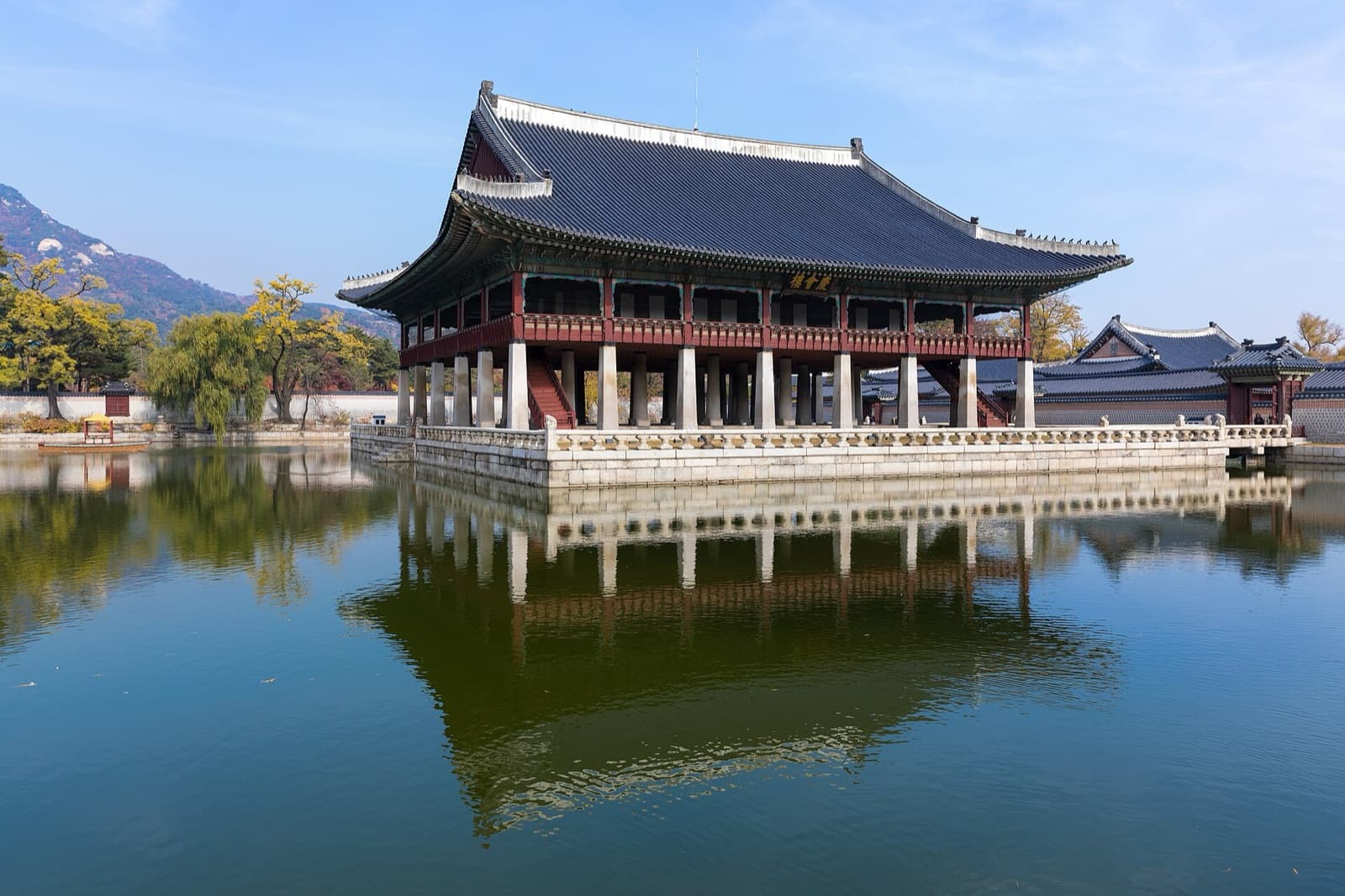
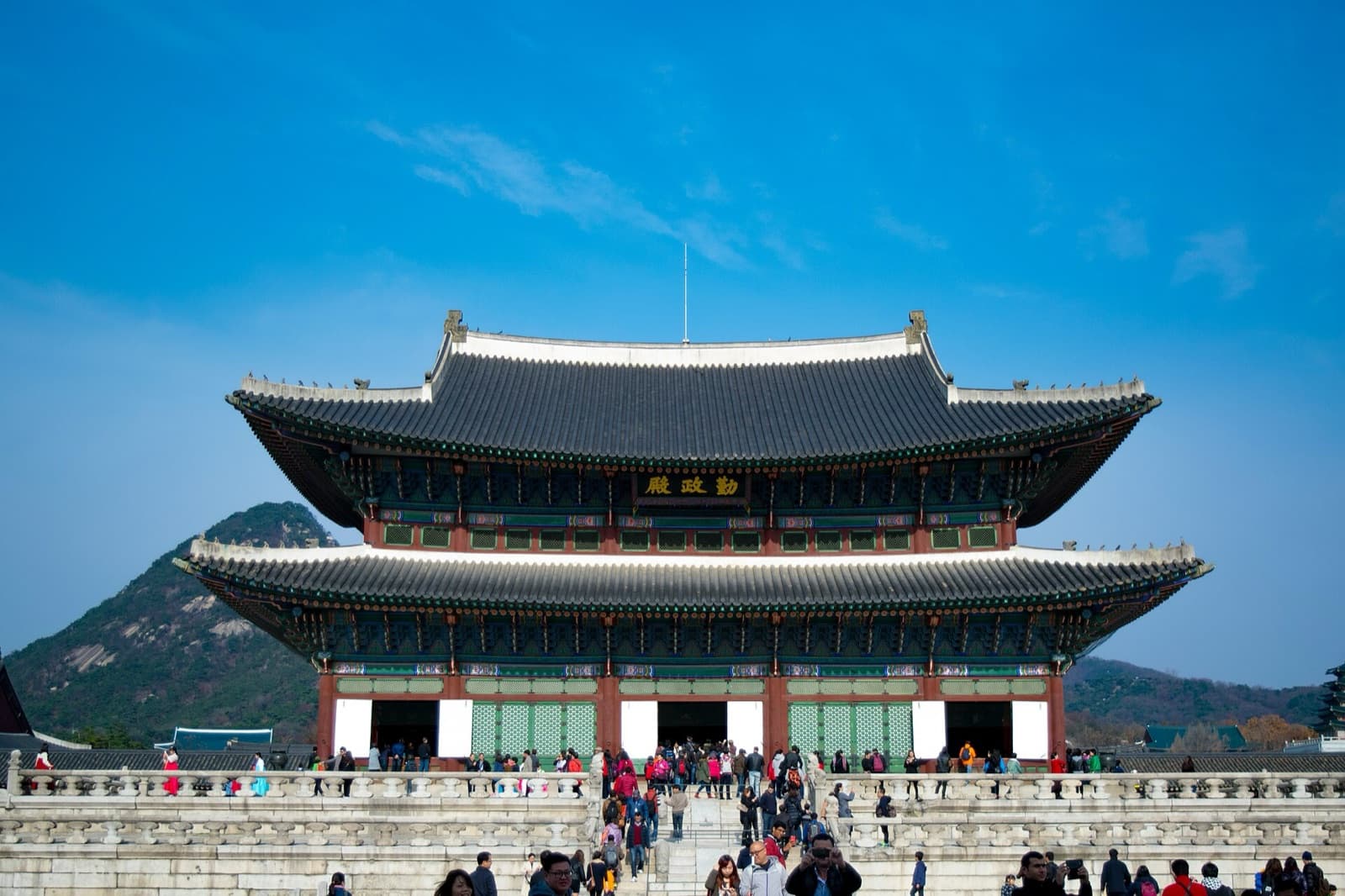
- Day one: the palace and its central axis. Our Gyeongbokgung Royal Axis walk runs about 2.5 kilometers through the throne hall, the pond pavilions, and the rear garden, reading the founding grammar of the Joseon dynasty stop by stop.
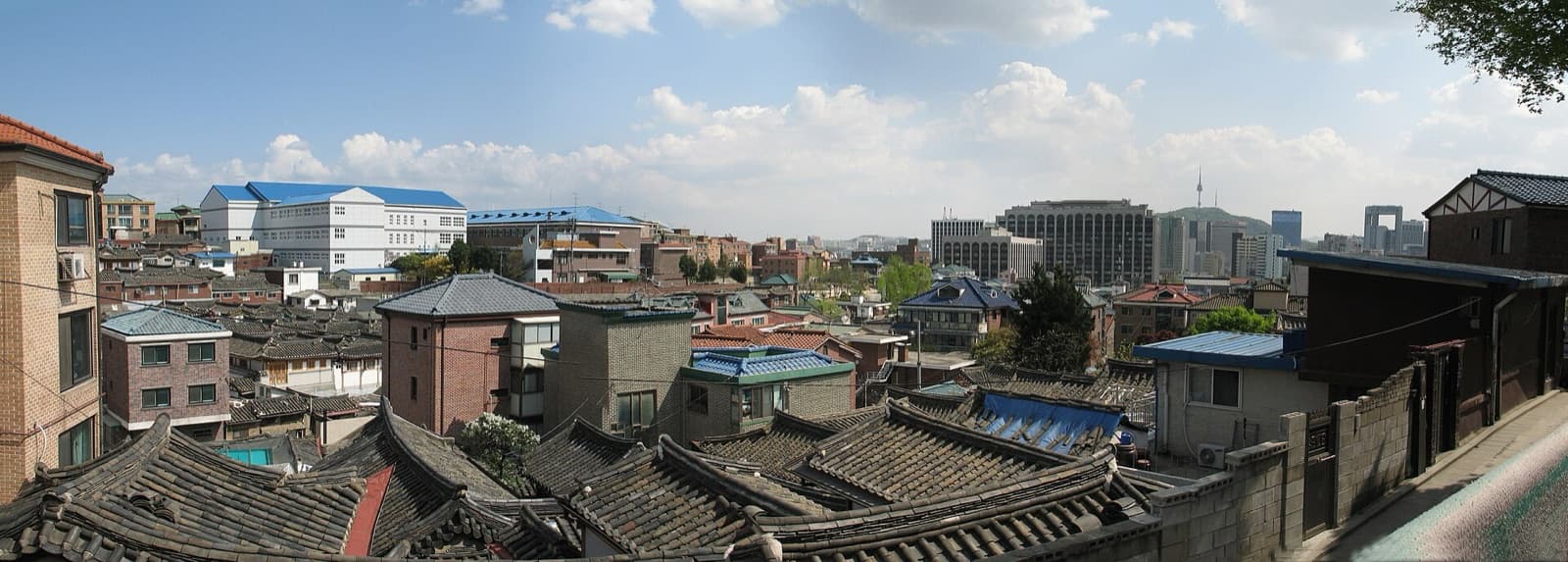
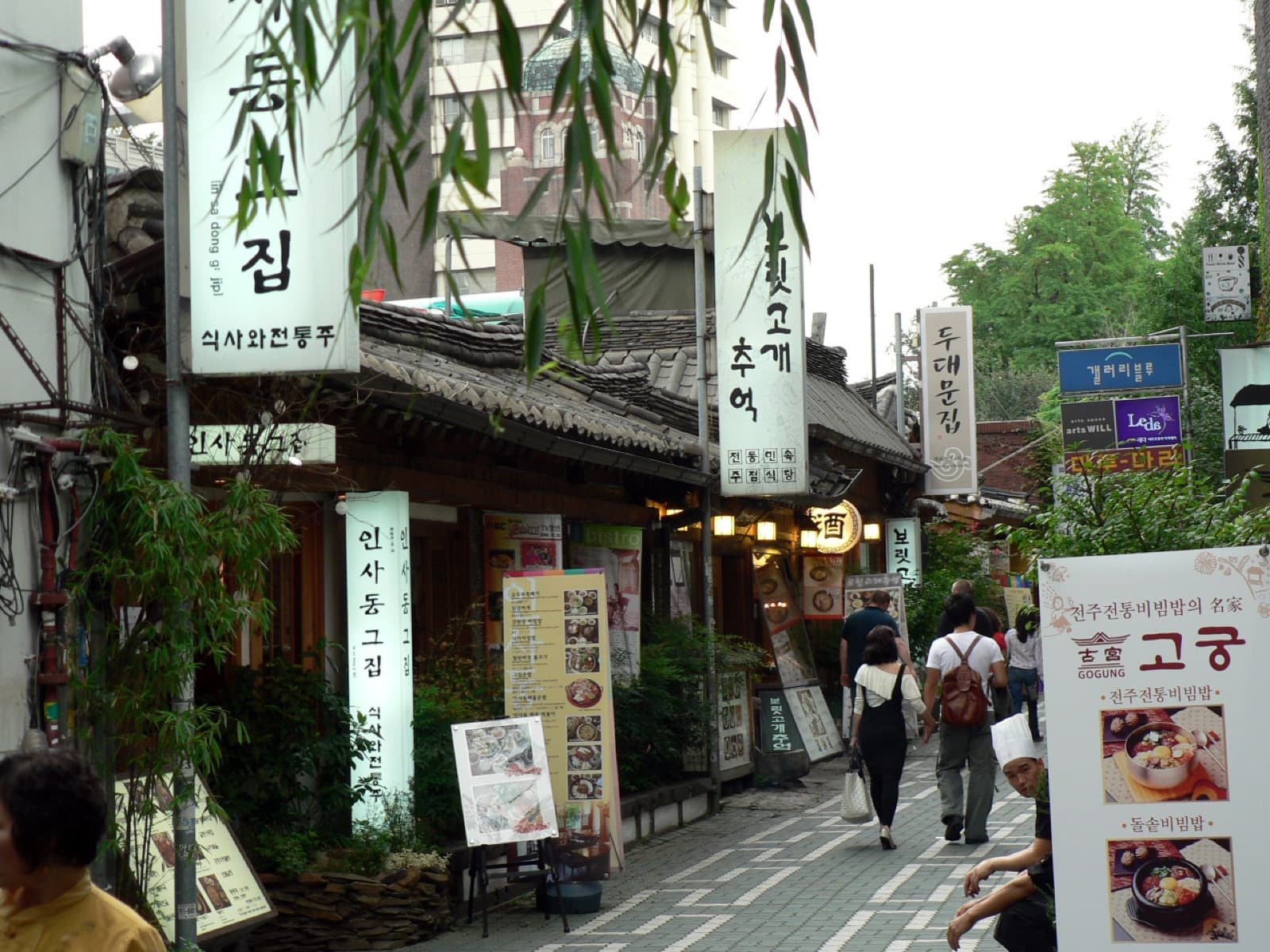
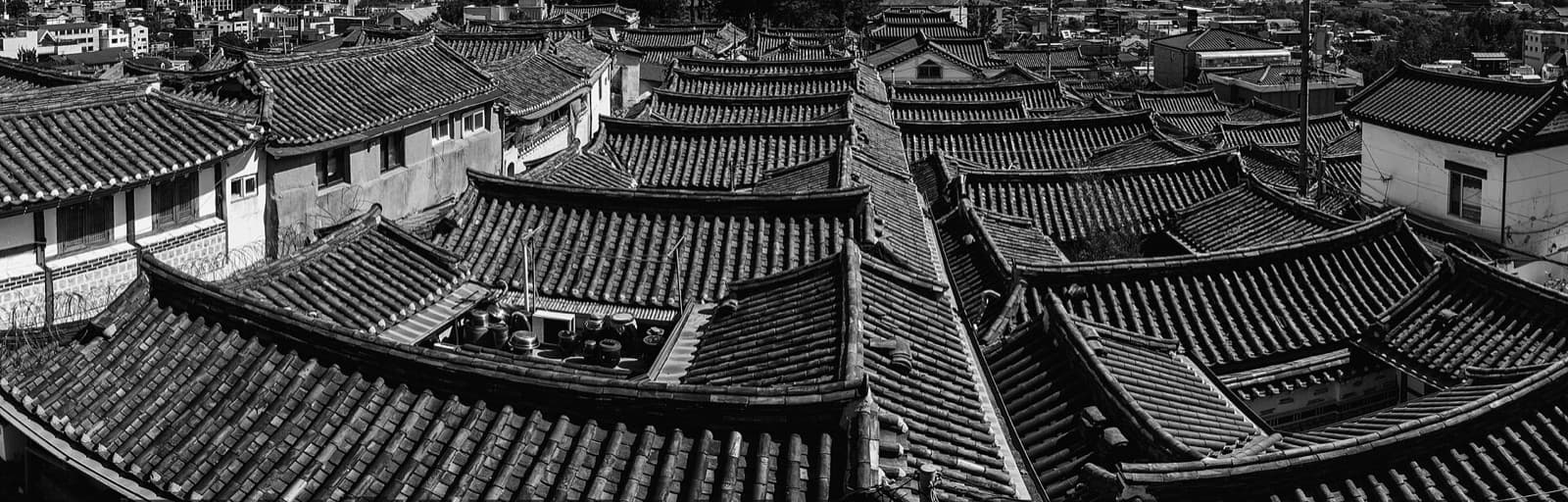
- Day two: the old neighborhoods. Pair the Bukchon Hanok Village walk (roughly 1.8 kilometers of grey-tile lanes and a museum house) with the Insadong and Ikseon-dong walk (about 2.5 kilometers of paper, tea, temples, and the narrowest old lanes in the city).
- Day three or four: a market morning, a walk up Namsan, or a train out of the city.
How do you get around Seoul?
Hear a stop from this walk
The Developer Builders: Where the Urban Hanok Came From
The subway. Seoul's metro is fast, clean, signed in English, and reaches nearly everything a visitor wants. Buy a T-money card at any convenience store or station machine, load it with cash, and tap in and out. The base subway fare is around 1,550 won for a short ride in 2026 (up from 1,400 won after a June 2025 increase), and using T-money is slightly cheaper than single-journey tickets, plus you tap the same card onto city buses. Taxis are reasonable and metered, and rideshare through Kakao T is common, but for the central sights you will rarely need either.
From Incheon International Airport, the Airport Railroad Express (AREX) runs to Seoul Station. The express service reaches the city in about 43 minutes from Terminal 1, with a flat fare of 13,000 won that typically drops to around 11,000 won if you book online, while the all-stop train costs less and prices like a normal subway ride if you do not mind the extra stops. Both connect straight into the metro network.
One planning note: the three walks in the center are close enough that you can often finish one and walk or take one or two subway stops to the next.
When is the best time to visit Seoul?
Late April to June and September to November are the strongest windows. Spring brings mild temperatures and cherry blossoms in late March into early April, and autumn brings crisp air and foliage that peaks toward the end of October. Both seasons are also the most crowded, so palace mornings and popular lanes fill up.
The trade-offs by season:
- Spring (roughly April to June): mild, green, and busy, with blossom crowds early in the window.
- Summer (June to August): hot and humid, with a monsoon stretch from late June into July that can bring heavy rain for days at a time. Flights and rooms are often cheaper.
- Autumn (September to November): cool, clear, and widely considered the most comfortable stretch, with peak foliage late in October.
- Winter (December to February): cold, sometimes snowy, with the fewest crowds and the lowest prices.
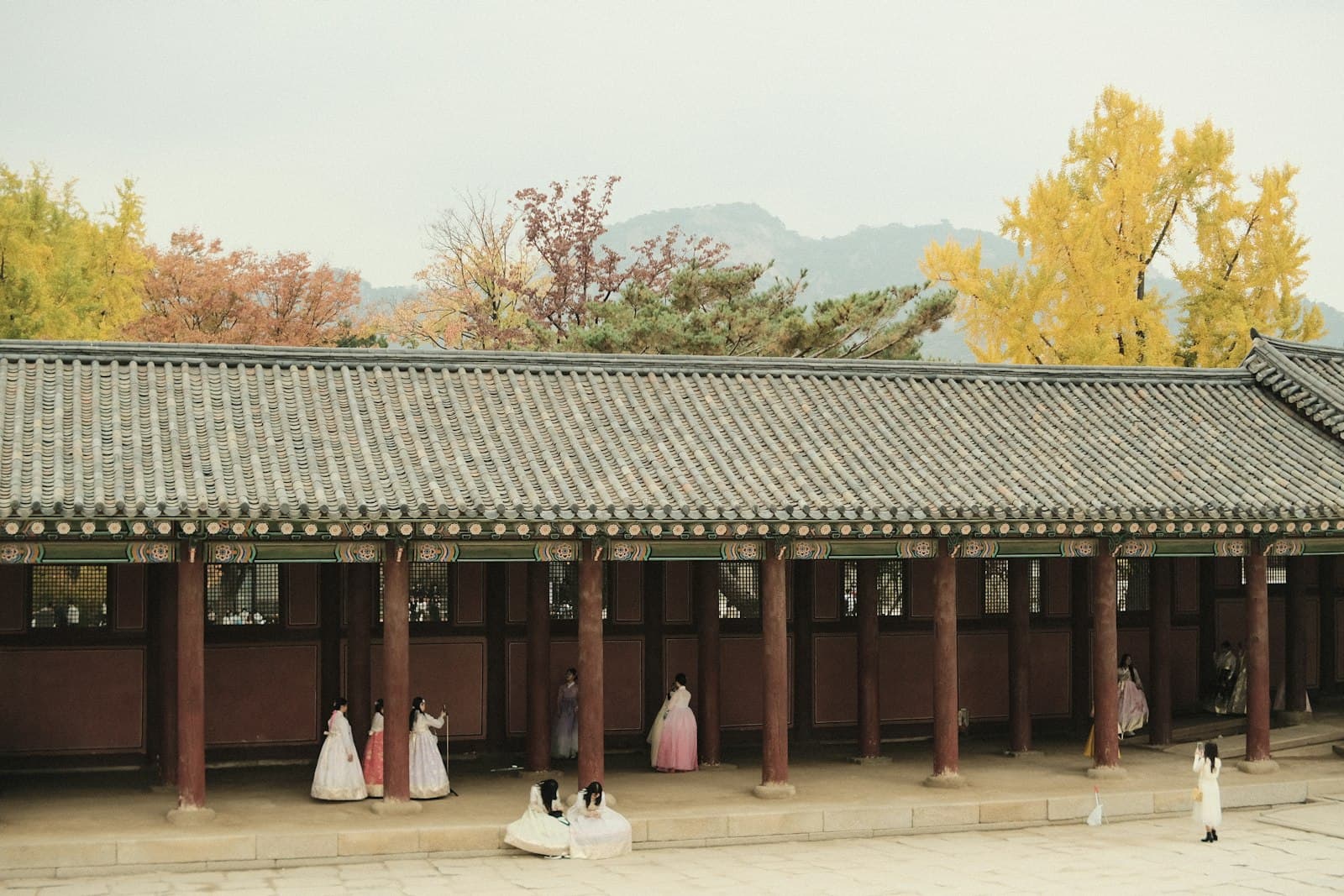
If you are visiting Gyeongbokgung, remember the palace closes every Tuesday (unless a public holiday falls on that Tuesday, in which case the closure shifts). Standard adult admission was 3,000 won in 2026, and entry is free if you arrive wearing a rented hanbok, which is why the courtyards fill with color on weekends. Opening hours run seasonally, roughly 9:00 in the morning to somewhere between 5:00 and 6:30 in the evening depending on the month, with last admission an hour before closing. Arriving on a weekday morning is the calmest way in.
Is Seoul safe for travelers?
Yes, Seoul is a comfortable and low-friction city for most visitors, including solo travelers, and the historic center you will spend the most time in is among its safest areas. Jongno-gu, which holds the palace and the hanok neighborhoods, has heavy foot traffic, good lighting, and a visible police presence. Normal city sense applies: watch your belongings in dense crowds and around markets, and take licensed taxis or Kakao T at night. This is a calm framing, not a naive one, but Seoul genuinely sits at the easy end of the big-city spectrum.
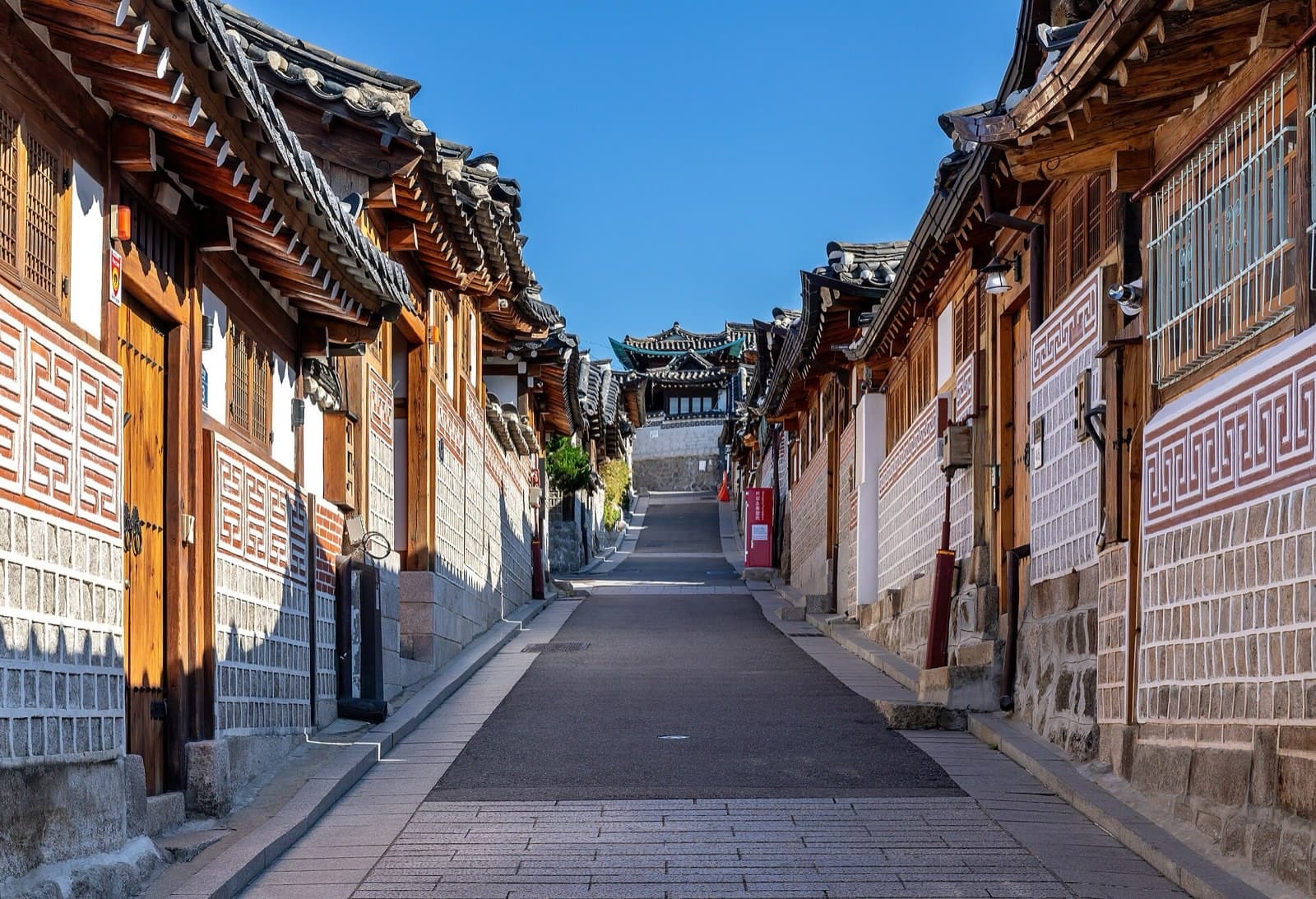
There is one specific rule worth knowing, and it is about courtesy, not danger. Bukchon Hanok Village is a real, lived-in neighborhood, and Seoul introduced a visitor curfew in its most-photographed core (a Red Zone around Bukchon-ro 11-gil). Tourists are asked to stay out of that zone from 5:00 in the evening to 10:00 in the morning, and sightseeing there during curfew hours can draw a fine of up to 100,000 won. Residents, shoppers, and guests staying nearby are not the target. The practical takeaway: walk Bukchon during the day, keep your voice down, and respect that people live behind those gates.
What does a Seoul trip cost?
Seoul is affordable by big-Asian-capital standards. Budget travelers staying in hostel dorms and eating at convenience stores, street stalls, and markets can manage on a modest daily figure, while mid-range travelers who want private rooms and sit-down meals should plan more per day. Public transport is one of the cheapest parts of the trip thanks to the low, flat subway base fare and the T-money discount. Many of the best things to do, including walking the palace grounds' free outer areas, the craft lanes of Insadong, and the hanok streets, cost little or nothing beyond a few small admissions like the 3,000 won palace ticket.
Our self-guided audio walks fit this frugal, self-paced style: you set your own hours, skip what does not interest you, and never wait for a group. Start with the Seoul walking tours hub, then open the /south-korea/seoul page to pick your first route.
Sources
- Cultural Heritage Administration, Royal Palaces admission and hanbok free-entry guidelines
- The Official Travel Guide to Seoul, Getting to Seoul (AREX and transport)
- Korean Culture Life, Bukchon tourist curfew hours, rules and fines in 2026
- Seoul Tourism, Is Seoul safe for tourists (2026 safety guide)
- Seoul Tourism, Best time to visit Seoul month-by-month guide
Frequently asked questions
- How many days do you need in Seoul?
- Three to four days covers a first visit focused on the historic center. Plan one day for Gyeongbokgung Palace and the royal axis, one for the Bukchon hanok neighborhoods and the Insadong craft lanes, and a day or two for a market, Namsan, or a day trip. Two days works if you concentrate on the palace area plus one walking neighborhood.
- What is the best way to get around Seoul?
- The subway. It is fast, clean, signed in English, and reaches almost every visitor sight. Buy a T-money card at any convenience store or station machine, load it with cash, and tap in and out on both trains and buses. The base subway fare is around 1,550 won in 2026 after a June 2025 increase, and T-money is slightly cheaper than single tickets.
- How do you get from Incheon Airport to central Seoul?
- Take the Airport Railroad Express (AREX) to Seoul Station. The express train reaches the city in about 43 minutes from Terminal 1, with a flat fare of 13,000 won that drops to around 11,000 won when you book online, while the all-stop train costs less and prices like a normal subway ride. Both connect directly into the metro network.
- When is the best time to visit Seoul?
- Late April to June and September to November are the strongest windows for mild weather. Spring brings cherry blossoms in late March into early April, and autumn foliage peaks toward late October. Both seasons are also the busiest. Summer is hot and humid with a monsoon stretch from late June into July, and winter is cold but quiet and cheap.
- Is Seoul safe for solo travelers?
- Yes. Seoul is a comfortable, low-friction city, and the historic Jongno-gu district where most visitors spend their time has heavy foot traffic, good lighting, and a visible police presence. Normal city sense applies in crowds and at night, but Seoul sits at the easy end of the big-city spectrum.
- How much does Gyeongbokgung Palace cost and when is it closed?
- Standard adult admission was 3,000 won in 2026, and entry is free if you arrive wearing a rented hanbok. The palace is closed every Tuesday unless a public holiday falls on that day, in which case the closure shifts. Opening hours run seasonally from 9:00 in the morning, with last admission an hour before closing.
Ready to experience it?
Bukchon Hanok Village: The Living Grid
90 min · 1.8 km · easy
More from Seoul
Explore more at your own pace.
One Day in Seoul: A Walkable Jongno Itinerary
Geunjeongjeon Throne Hall: Reading the Royal Axis of Gyeongbokgung
Insadong-gil: Reading Seoul's Craft Quarter One Shop Window at a Time
Who Built Bukchon: The Developer Behind Seoul's Most Photographed Roofs
Bukchon-ro 11-gil: The Most Photographed Lane in Seoul, and the Curfew That Guards It