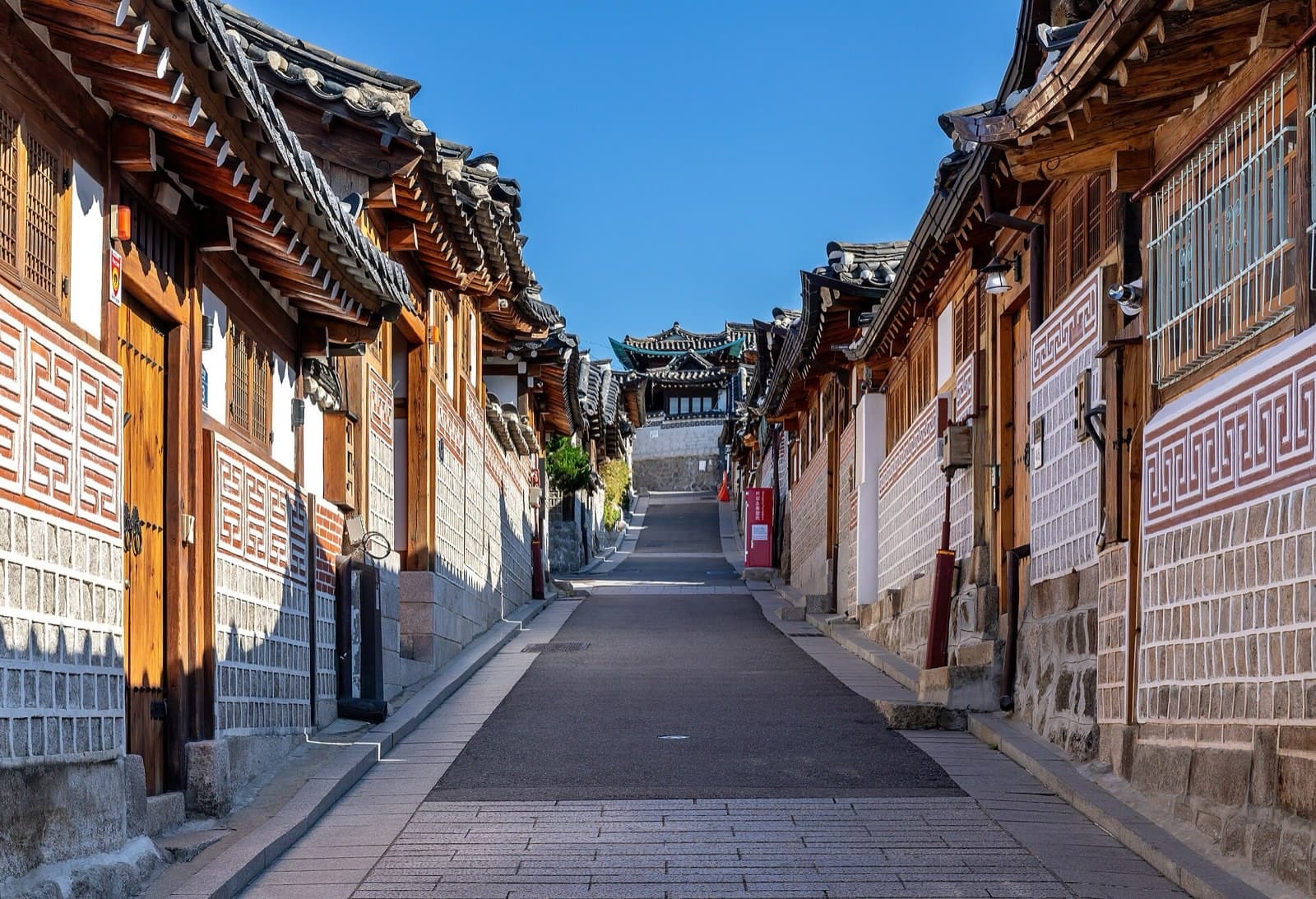
Bukchon-ro 11-gil is the most photographed lane in Bukchon Hanok Village, a tight row of tile-roofed hanok climbing a steep slope in Seoul, and it is also a working residential street where soaring visitor numbers and a falling resident population pushed the city to impose a daytime tourist curfew. If you understand one thing standing in front of it, understand that: the photo is real, and so are the people living behind the gates in it. Reading the lane honestly means holding both at once.
The Shot You Already Know
You have seen this street before you ever arrived. It sits in the Gahoe-dong area of Bukchon, and the composition is always the same: eaves stacking up the hill like waves, curved grey roofs receding toward a vanishing point, a slope steep enough that each house steps up above the one in front of it. It is the heart of the officially celebrated Gahoe-dong views, and it is genuinely beautiful. Let it land for a moment. The beauty is not the trick here.
The trick is the framing. A camera pointed up the lane crops out everything that makes it a place rather than a picture: the intercoms beside the gates, the recycling set out on collection day, the sound of a television through a window, the resident easing a car past a wall of visitors. Bukchon-ro 11-gil is not a film set and it is not a museum street. It is an active residential lane where roughly six thousand people across the wider village are trying to live ordinary lives, and this particular slope is one of the most intensely photographed pieces of ground among them.
Two Lines Crossing
Hear a stop from this walk
The Developer Builders: Where the Urban Hanok Came From
The reason this lane feels different from a quiet backstreet is a pressure you can measure. Village records show visitors to Bukchon grew from around thirty thousand in 2007 to roughly six point four million in 2024. Over roughly the same period, the number of residents fell the other way, from about eight thousand seven hundred in 2012 to around six thousand one hundred. One line climbing into the millions, another line sliding down toward the door: those two lines crossing are the whole story of this street.
It is worth sitting with what that does to a neighborhood day by day. When a lane the width of a driveway hosts a crowd the size of a small city over the course of a year, the ordinary rhythms of home life get squeezed out at the edges. Sleep gets interrupted. Doorways become photo backdrops. Windows become subjects. The residents here did not ask to live inside a landmark, and for years they absorbed the fame with very little in return.
Seoul Drew a Line
Then Seoul did something unusual. As of the first of March, 2025, non-resident tourists are formally restricted on this lane to daytime hours, roughly ten in the morning to five in the evening, so that residents get their evenings and nights back. It made Bukchon one of the first neighborhoods in the city to carry a legal curfew on tourists, and the logic behind it is plain. The village belongs to the people who sleep there. Visitors get the daylight; residents keep the dark.
What the residents themselves asked for is even simpler than a curfew, and it is the part worth carrying with you. They asked for quiet, for what has been called silent tourism. Not to be kept out, but to be left in peace: lower voices, no cameras aimed into windows or gateways, a crowd that passes through the way you would move through any stranger's street back home. That request costs a visitor almost nothing and returns almost everything.
So here is the one favor this lane asks. Keep your voice down. Do not film into windows or gates or courtyards. Move gently and treat the ground as someone's front doorstep, because it is exactly that. The lane is free to walk. Quiet is the fair price. If you visit within the daytime window and behave as a guest rather than an audience, you get the photograph and you leave nothing broken behind you, which is the only version of this stop worth having.
What the Roofs Are Actually Made Of
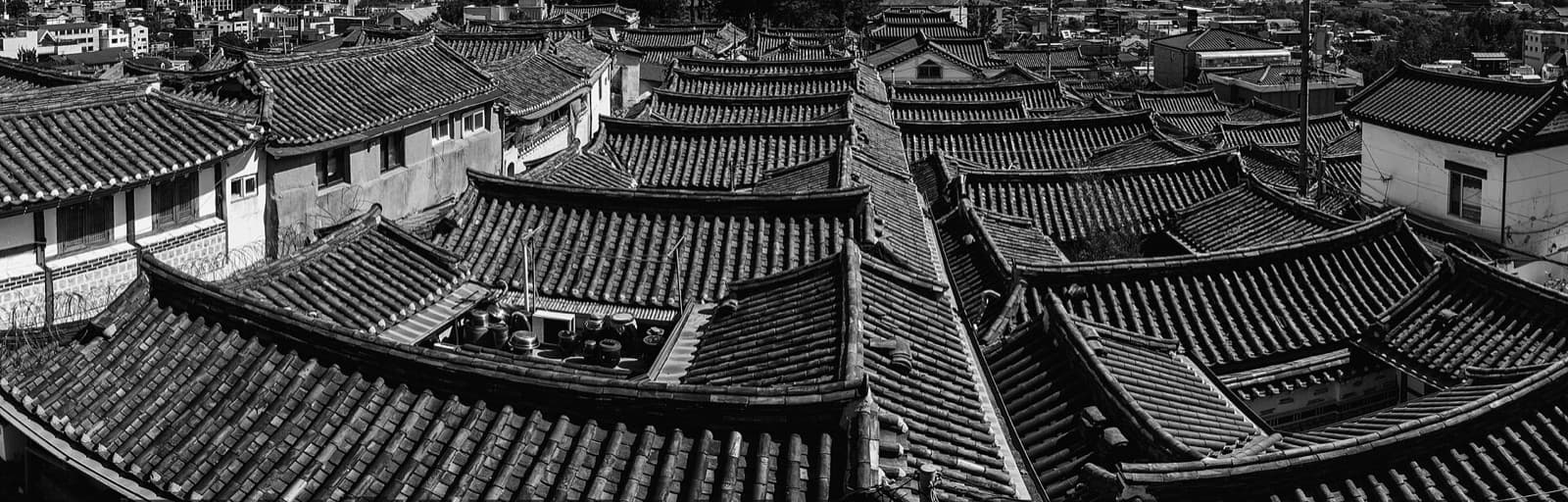
There is one more layer that changes how the lane looks once you know it. The picturesque uniformity, all those roofs at the same pitch marching up the hill, is not the accident of a medieval village. Most Bukchon hanok are urban hanok, mass-built in the 1920s and 1930s by Korean developers who bought up old aristocratic estates, subdivided the large lots, and packed them with standardized courtyard houses. The rhythm that makes the photo work is the signature of early real estate development, a traditional form produced at scale barely a century ago. That does not make it less beautiful. It makes it more honest. The postcard was never fake. It was just younger and more deliberate than it looks, which is a better thing to stand in front of than a fantasy.
Walk It, Read It
Bukchon-ro 11-gil rewards a visitor who slows down and reads it rather than one who arrives, shoots, and leaves. A few practical notes: come on a weekday morning soon after the lanes open, when the light rakes across the tiles and the crowd is thinnest, and stay inside the daytime window rather than the evening. Wear real shoes, because the slope is steep and uneven and can be slick after rain. And keep the curfew and the quiet in mind together, because they are the same request wearing two forms.
This lane is the second stop on the self-guided Bukchon Hanok Village audio walk, which reads the whole quarter layer by layer: the aristocratic origins, the colonial-era house nearby where that history is written into the walls, the developer story behind these very roofs, and the classic upper-slope view toward Namsan. The tour is built to be walked at your own pace, with short stops you can skip, and it is designed to keep you gentle in a neighborhood under real strain. If you want to see how Bukchon fits into the rest of the city, browse more Seoul walking tours or start from the Seoul city page. However you come to it, arrive knowing what the photo hides, and you will read the lane for what it truly is.
Sources
- Bukchon Hanok Village, Wikipedia. Overview of the village, its urban hanok building history, resident population figures (about 8,700 in 2012 to roughly 6,100 recently), and visitor pressure.
- "Why Seoul's Bukchon Hanok Village now closes to tourists after 5 p.m.," Korea Times. Reporting on the red-zone daytime visitor restriction, its enforcement, and residents' concerns.
- Eight Scenic Views of Bukchon, VisitKorea (official). Documentation of the designated Gahoe-dong viewpoints that include this lane.
- Roamer tour research file for Bukchon Hanok Village. Fact-audited visitor and resident figures and stop-level detail for the self-guided walk.
Ready to experience it?
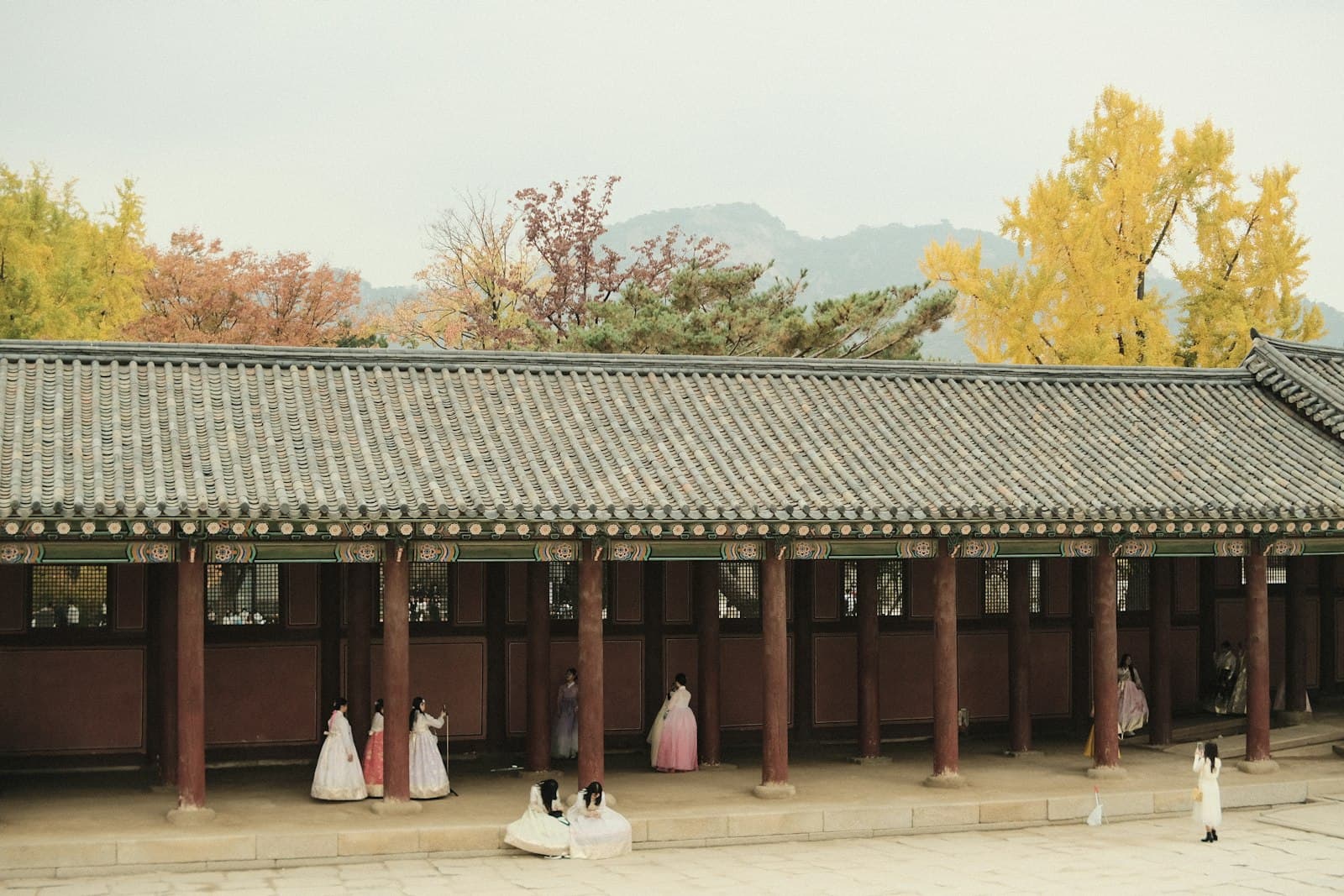
Bukchon Hanok Village: The Living Grid
90 min · 1.8 km · easy
More from Seoul
Explore more at your own pace.
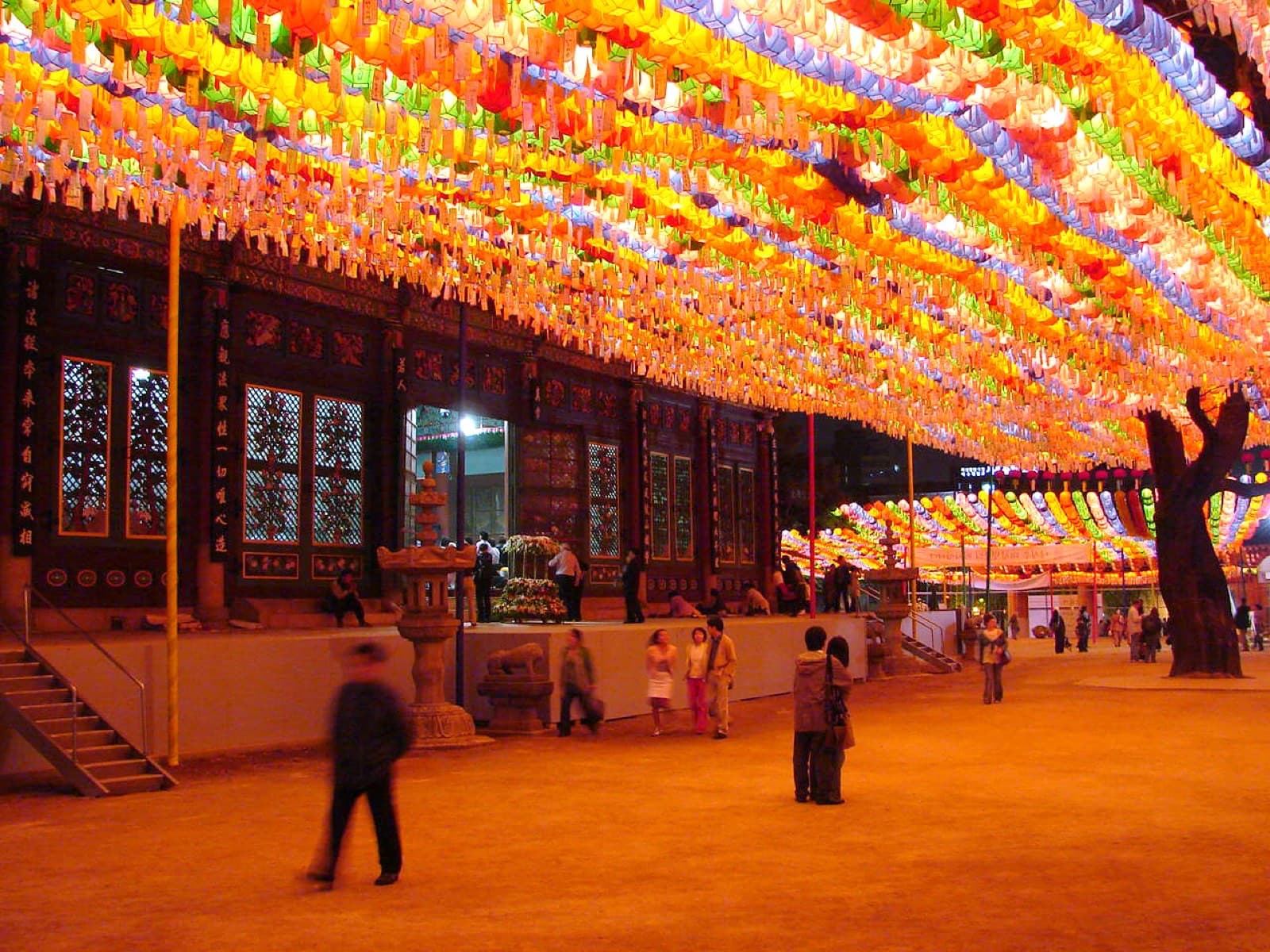
One Day in Seoul: A Walkable Jongno Itinerary
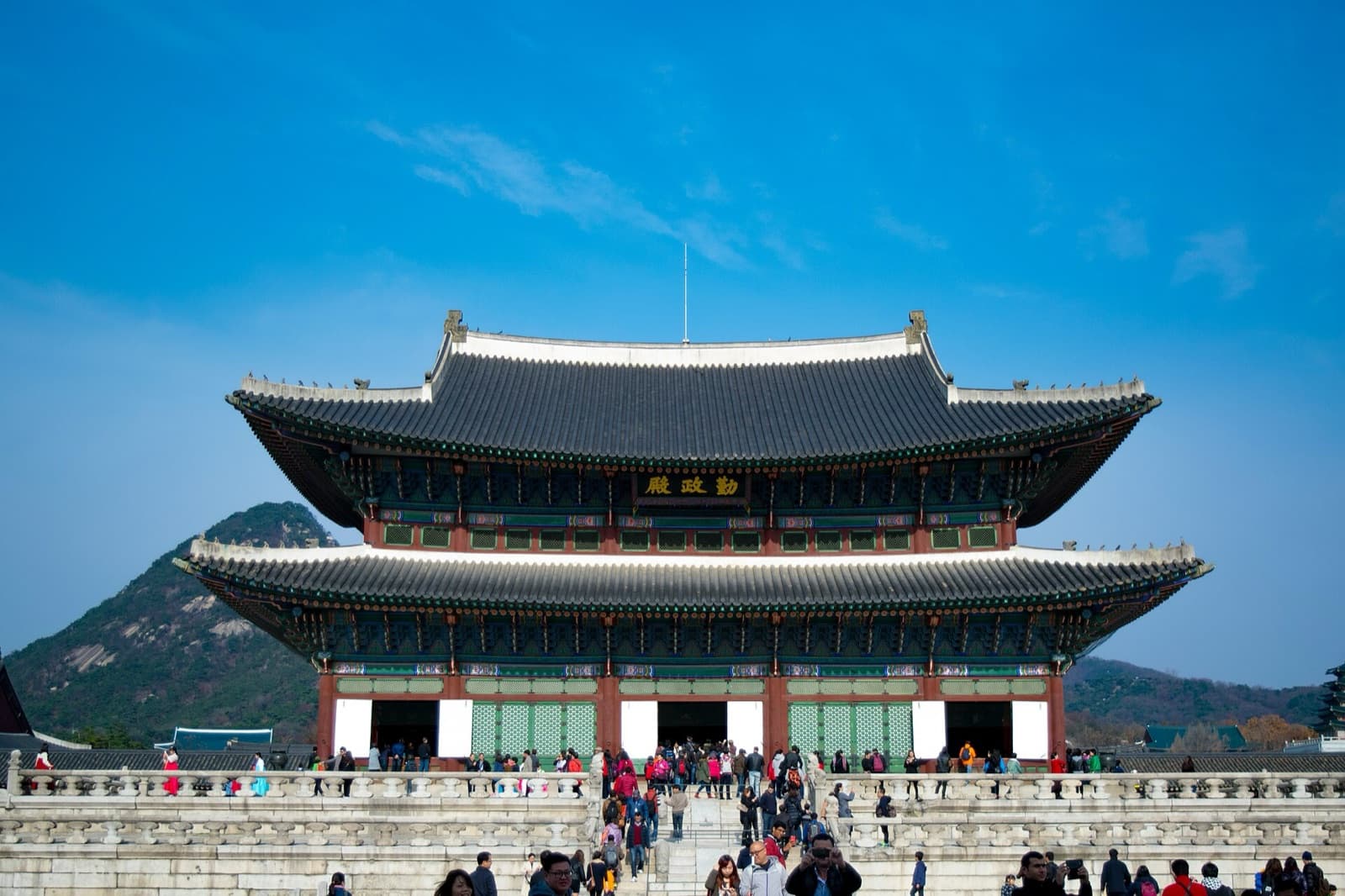
Geunjeongjeon Throne Hall: Reading the Royal Axis of Gyeongbokgung
Insadong-gil: Reading Seoul's Craft Quarter One Shop Window at a Time
Who Built Bukchon: The Developer Behind Seoul's Most Photographed Roofs
Gyeonghoeru Pavilion: The Joseon Banquet Hall on the Water