The Founding Hill: São Paulo's Centro
95 min · 2.8 km · moderate
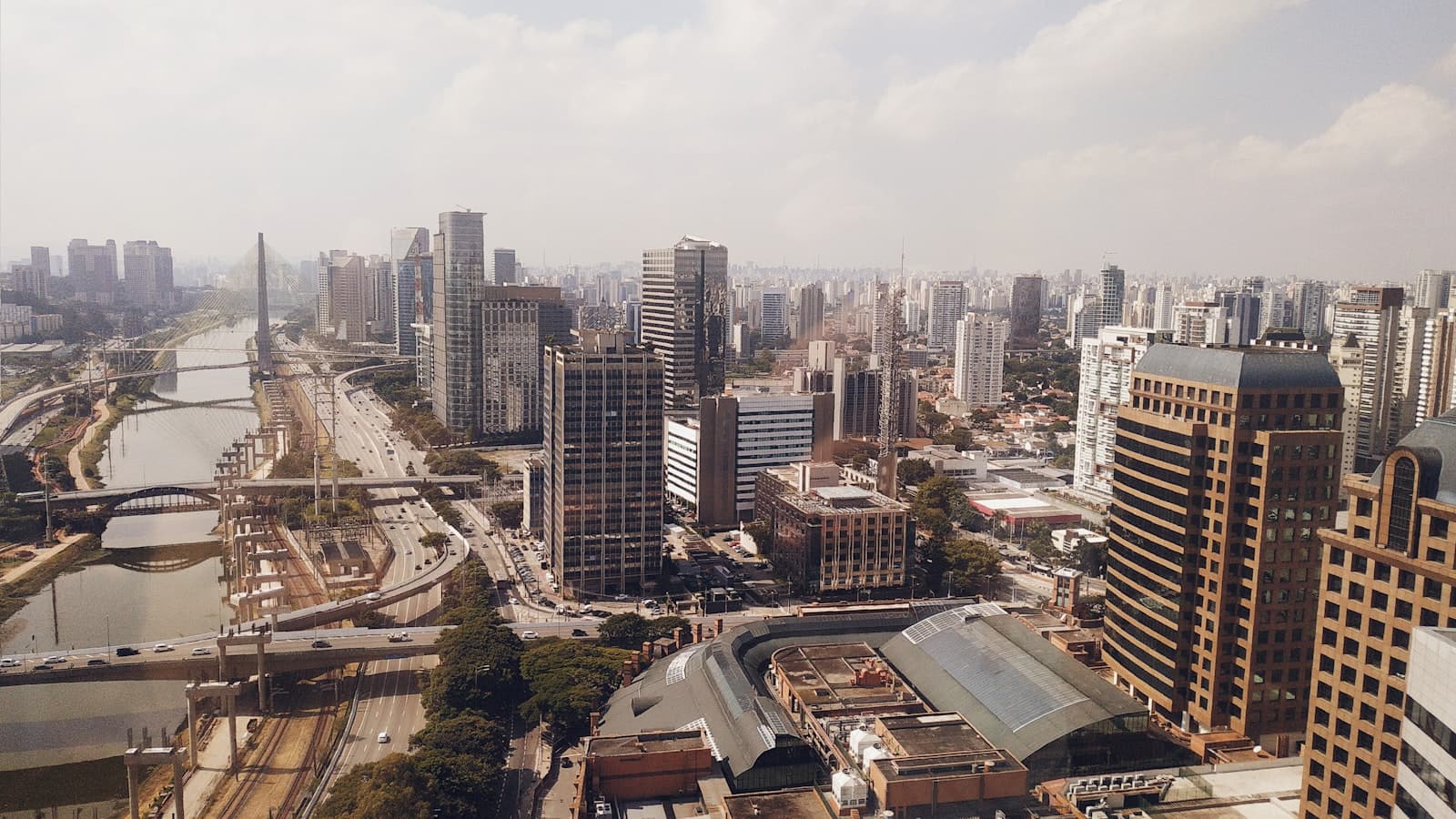
Most historic cities show you their age. Sao Paulo hides it. Founded in the sixteenth century, it is one of the oldest cities in Brazil, yet it reads as a wall of towers and traffic, because for four and a half centuries it has done one thing relentlessly: torn itself down and built again, bigger. Its history did not vanish. It went underground, into a handful of survivors scattered through a restless downtown. Learn to read those survivors and the largest city in the southern hemisphere stops being a concrete blur and becomes a legible stack of eras.
A city born on a plateau, on a date you can name
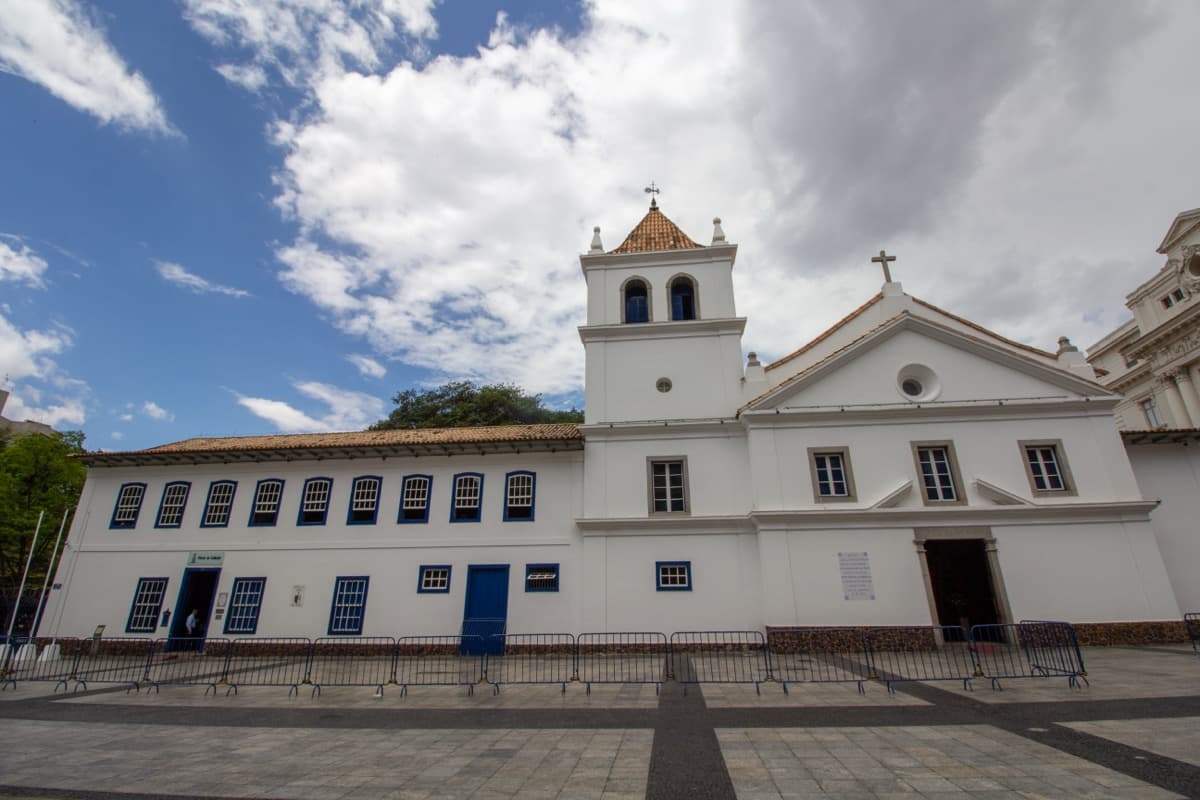
Sao Paulo has an unusually precise birthday. On the twenty-fifth of January 1554, a group of Jesuit priests, among them Manuel da Nobrega and the young Jose de Anchieta, founded a mission and school on a plateau in the Brazilian interior, between two small rivers. They called the settlement Sao Paulo dos Campos de Piratininga. The first church was a humble hut of palm leaves and straw, and within a couple of years the mission was rebuilt in rammed earth. That founding spot is the Patio do Colegio, still standing in the historic center, and it sets the pattern for the whole city: the original was demolished, rebuilt, demolished again, and finally reconstructed. Even Sao Paulo's birthplace is a rebuild of a rebuild.
For its first three centuries the city stayed modest, an inland town of bandeirantes and missions, far smaller than the great colonial ports on the coast. The explosion came later.
Coffee, immigration, and the habit of demolition
Hear a stop from this walk
Mosteiro de São Bento: The Living Hill
The thing that made Sao Paulo enormous was coffee. In the late nineteenth century the fertile country around the city became one of the world's great coffee regions, and the wealth poured into the plateau town, which sat astride the railways carrying the crop to port. Coffee money built grand civic buildings, a lavish opera house, and the confidence of a city that suddenly mattered. It also drew people. Waves of immigrants arrived to work the plantations and then the factories: Italians, Portuguese, Japanese, Middle Eastern communities, and many more, each leaving a neighborhood behind.
That combination, fast money and fast growth, gave Sao Paulo its defining habit. It kept outgrowing its own buildings and replacing them. Where other cities preserved, Sao Paulo rebuilt. The result is a downtown where a sixteenth-century founding site, an early-twentieth-century opera house, and Brazil's first skyscraper stand within a few blocks of each other, each a survivor of a city that was mostly demolished around them.
The three layers you can still walk
Sao Paulo's history is not gone, it is filed in three walkable layers, and Roamer has a route for each.
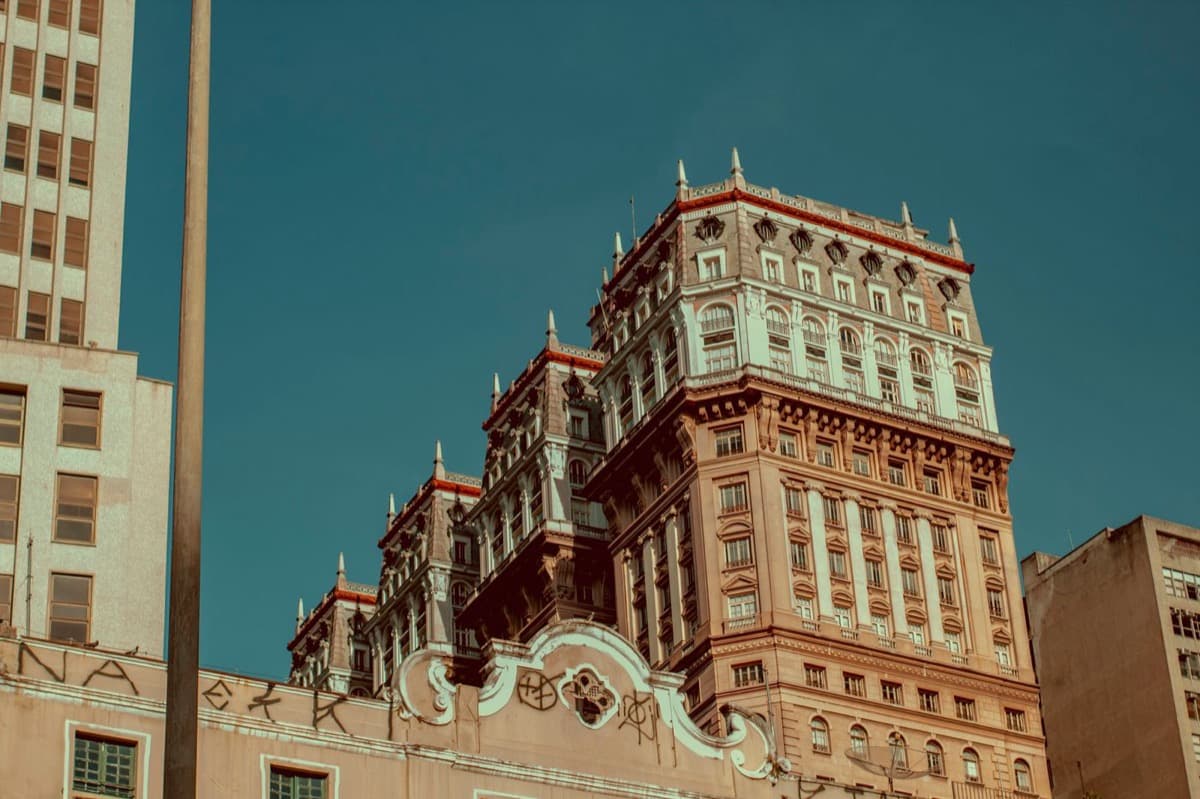
The founding and coffee-era Centro is the deepest layer. Roamer's The Founding Hill: Sao Paulo's Centro reads it from the Patio do Colegio where the city began, past the coffee palace of the Theatro Municipal, to the Edificio Martinelli, the 1929 tower that was Brazil's first skyscraper and, for a time, the tallest building in Latin America. This is the layer where the demolition-and-rebuild habit is most visible, because the survivors sit shoulder to shoulder with everything that replaced their neighbors.
The immigrant city is the second layer, and nowhere shows it more sharply than Liberdade. Roamer's Liberdade: From Gallows to the Japanese Quarter reads a district that was once the ground of public executions and became the heart of the largest Japanese community outside Japan, a total rewriting of a neighborhood's meaning that is Sao Paulo in miniature.
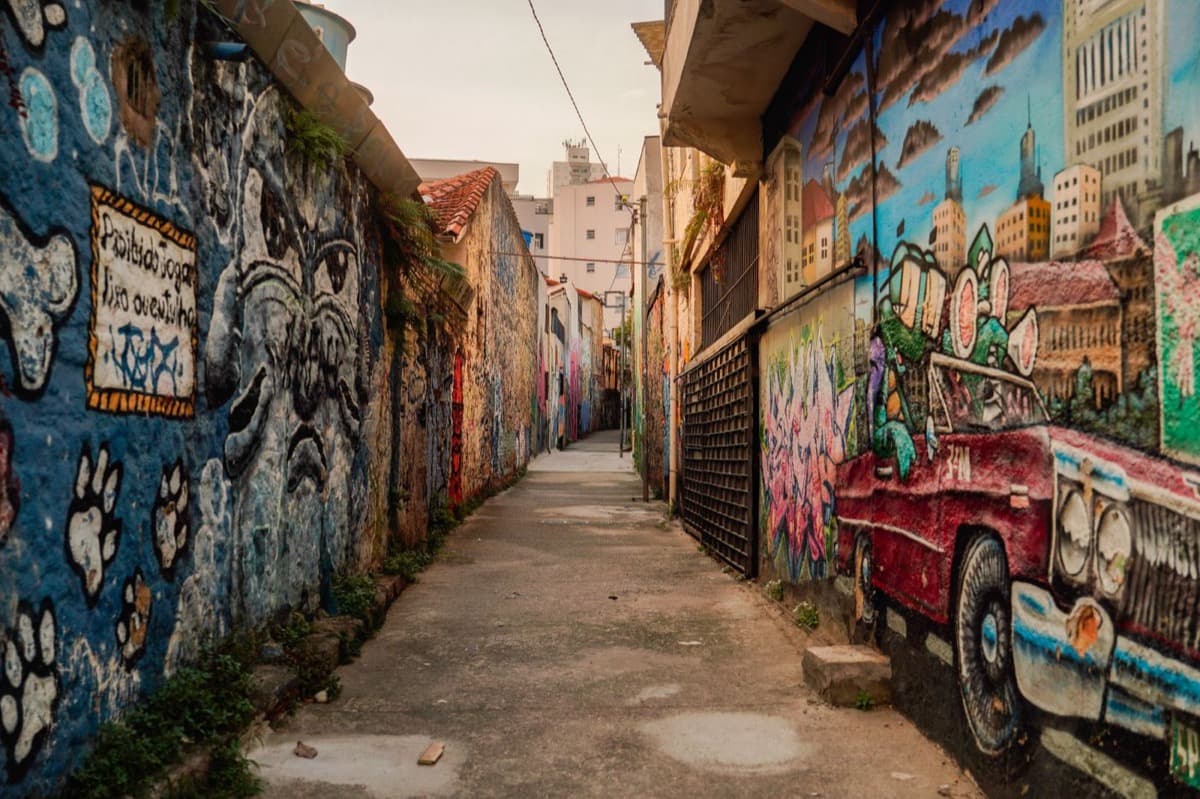
The creative city is the newest layer, in the bohemian streets of Vila Madalena. Roamer's Vila Madalena and Batman Alley reads the district through the Beco do Batman, an open-air corridor of street art that literally repaints itself, the perfect emblem for a city that never stops rebuilding.
How to see it
Read Sao Paulo as a survivor's map, not a preserved old town. Walk the Centro on a weekday when its buildings are open and its history is legible, and treat each surviving landmark as a clue to the vanished city around it. Then cross into Liberdade and Vila Madalena to see how neighborhoods here get rewritten wholesale. For the full set of routes, browse Sao Paulo walking tours, and to fit them into a day, see one day in Sao Paulo.
Sources
- Wikipedia, Patio do Colegio: the founding of Sao Paulo on 25 January 1554 by Jesuits including Manuel da Nobrega and Jose de Anchieta, the name Sao Paulo dos Campos de Piratininga, the palm-leaf hut and later rammed-earth mission, and the repeated demolition and reconstruction of the site.
- Wikipedia, Martinelli Building: the 1929 completion of Brazil's first skyscraper and its status as the tallest building in Latin America on opening.
- Roamer tour transcripts, The Founding Hill (sao-paulo-centro-historico) and Liberdade (sao-paulo-liberdade-immigrant), fact-audited: the coffee-era Centro, the founding sites, and the immigrant transformation of Liberdade.
Frequently asked questions
- When was Sao Paulo founded?
- Sao Paulo was founded on 25 January 1554, when Jesuit priests, including Manuel da Nobrega and Jose de Anchieta, established a mission and school on a plateau inland from the coast. The exact spot is the Patio do Colegio in the historic center, which is why that site is considered the birthplace of the city.
- Does Sao Paulo have an old town?
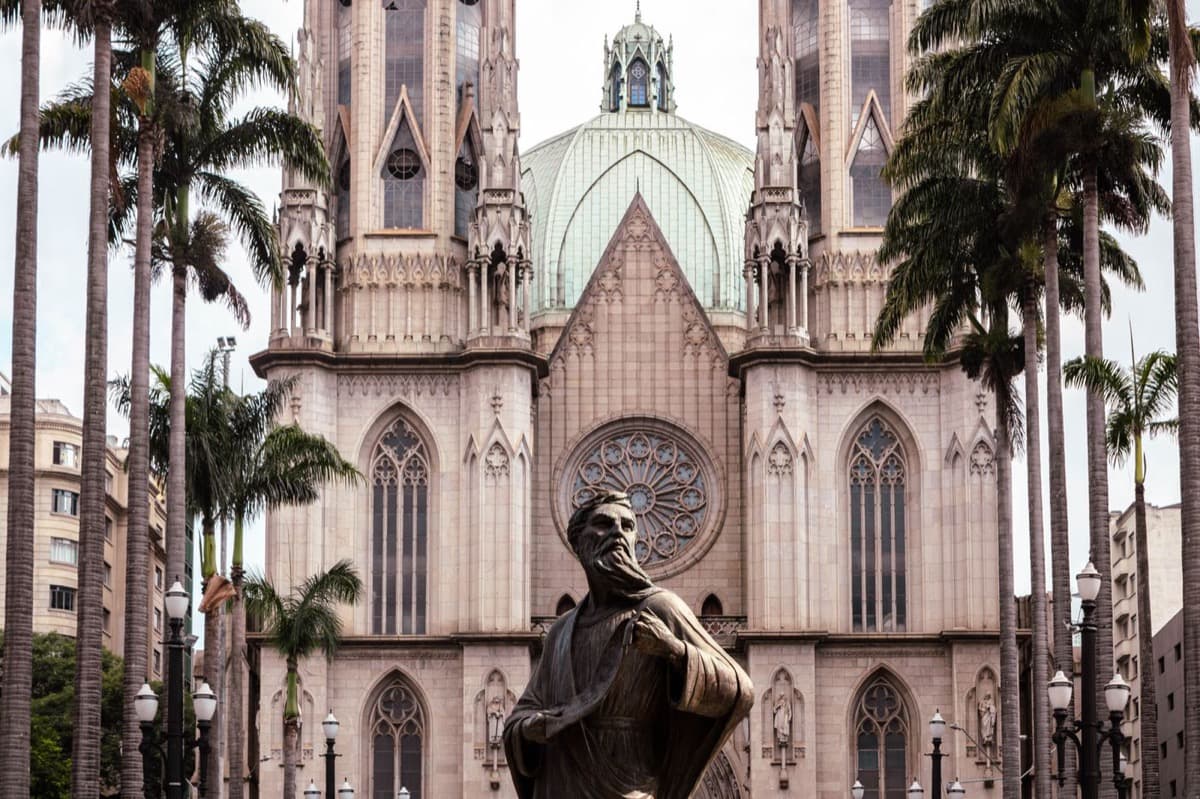
- Yes, but a compact one. The historic core (the Centro) around the Patio do Colegio, the Se cathedral, and the Sao Bento monastery holds the founding sites, the coffee-era grand buildings, and Brazil's first skyscraper. Sao Paulo has demolished and rebuilt itself so many times that the old town is a set of survivors rather than a preserved district, which makes reading it in context especially rewarding.
- Why does Sao Paulo look so modern for such an old city?
- Because it kept knocking itself down and building bigger. Waves of coffee wealth in the late 1800s, then mass immigration and rapid industrial growth in the twentieth century, drove near-constant demolition and reconstruction. The city grew faster than it preserved, so its long history survives in scattered landmarks rather than an unbroken old quarter, and much of the story is best understood layer by layer on foot.
Brazil eSIM· 10% off with ROAMER10
Ready to experience it?
The Founding Hill: São Paulo's Centro
95 min · 2.8 km · moderate
More from Sao Paulo
Explore more at your own pace.
One Day in São Paulo: A Walkable Central Itinerary (2026)
São Paulo Travel Guide: How Many Days, Getting Around, When to Go, Is It Safe (2026)

What to Eat in São Paulo: A Food Guide (2026)
Beco do Batman: The São Paulo Alley That Repaints Itself Every Few Weeks
Edificio Martinelli: The Man Who Lived on His Own Skyscraper to Prove It Was Safe