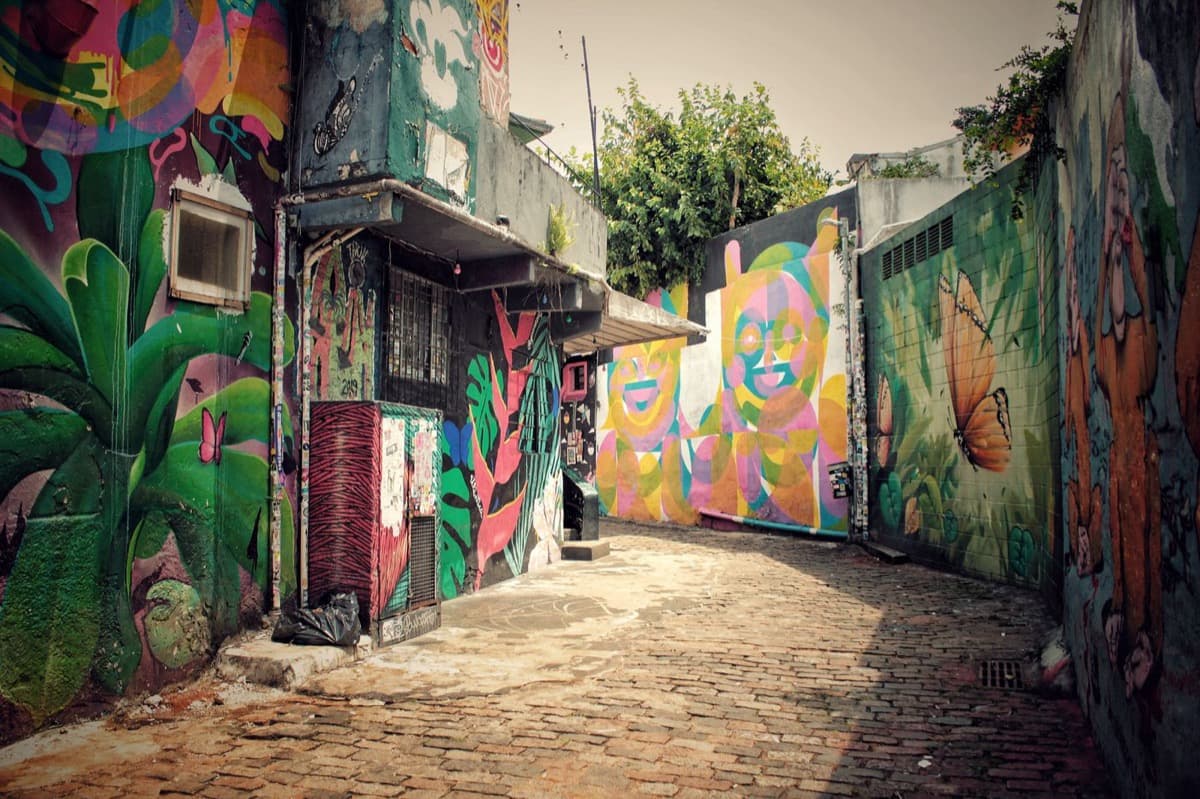
Follow São Paulo's street art through Vila Madalena, the bohemian hillside where whole lanes became an open-air gallery that repaints itself every few weeks. A solo-paced walk from a Saturday fair square to a hilltop view, reading the murals as the living, self-erasing story of the neighborhood.
Start · Praça Benedito Calixto: The Neighborhood's Social Heart
DirectionsStops
- 1
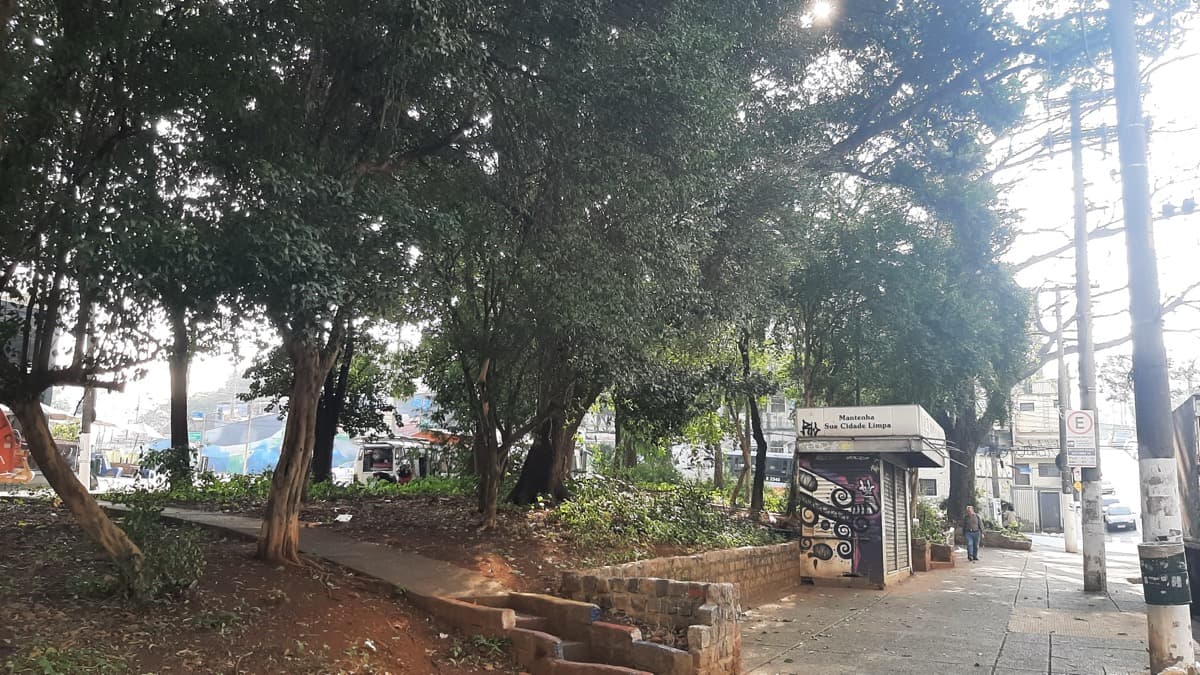
Praça Benedito Calixto: The Neighborhood's Social Heart
A public square named for a Brazilian painter, calm on most days and, on Saturdays, home to a long-running fair of antiques, crafts, and afternoon chorinho.
- 2
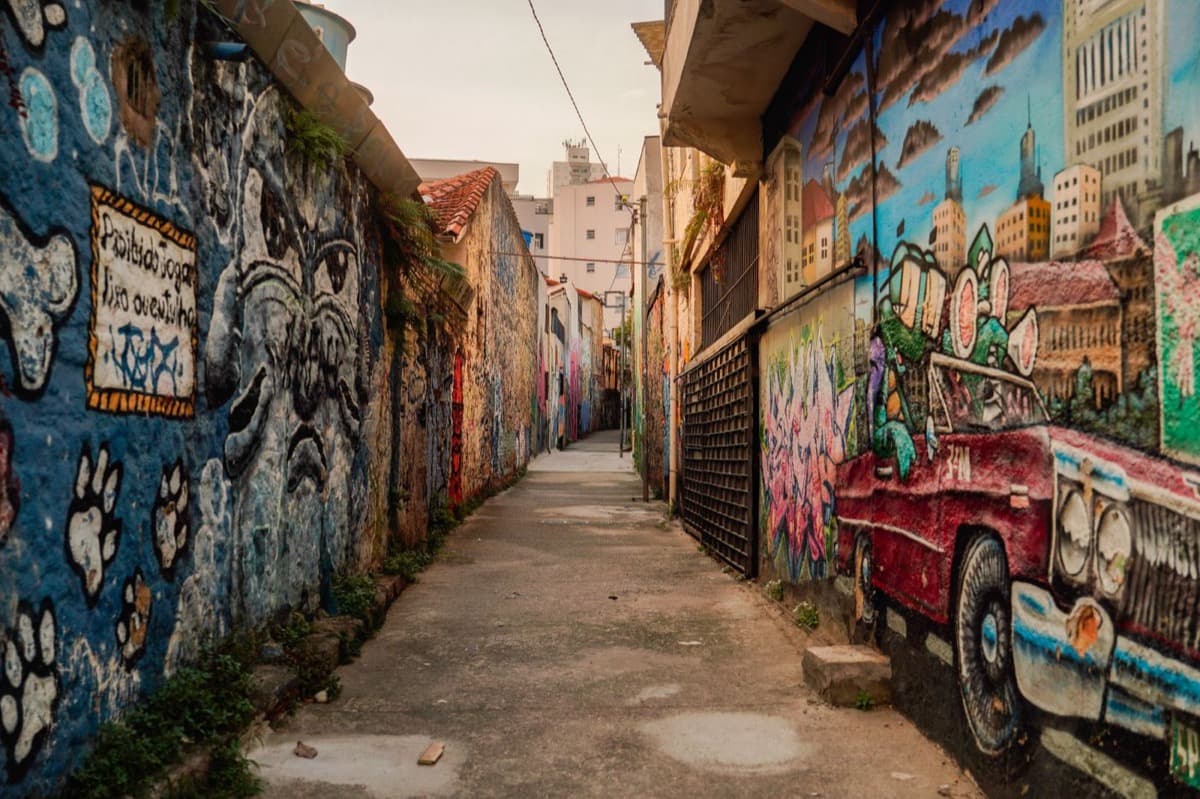
Beco do Batman: The Alley That Repaints Itself
São Paulo's most famous street-art site, a cluster of lanes painted wall to wall whose murals are remade every few weeks.
- 3
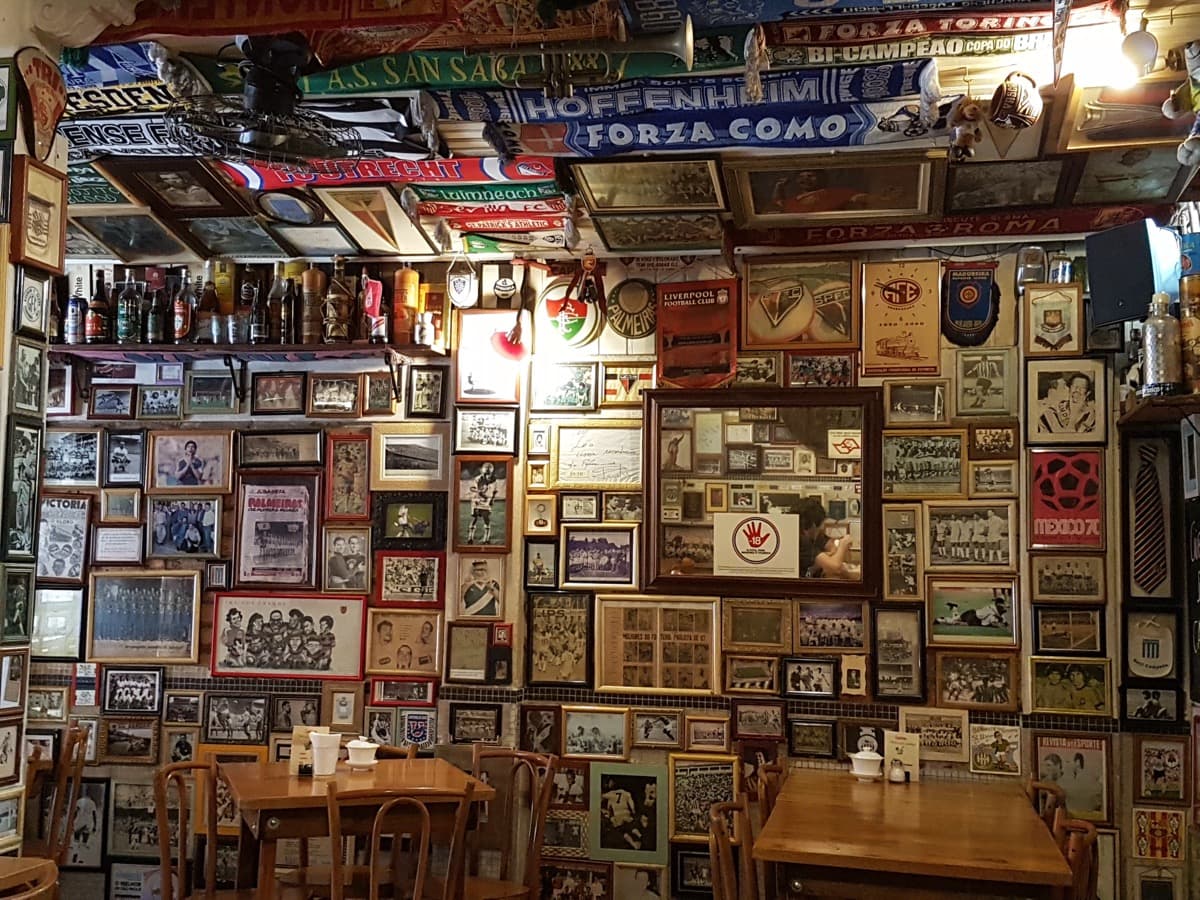
Rua Aspicuelta: The Living Spine
The neighborhood's most famous bar-and-social street, where botecos, galleries, and mural-covered walls run into one another.
- 4
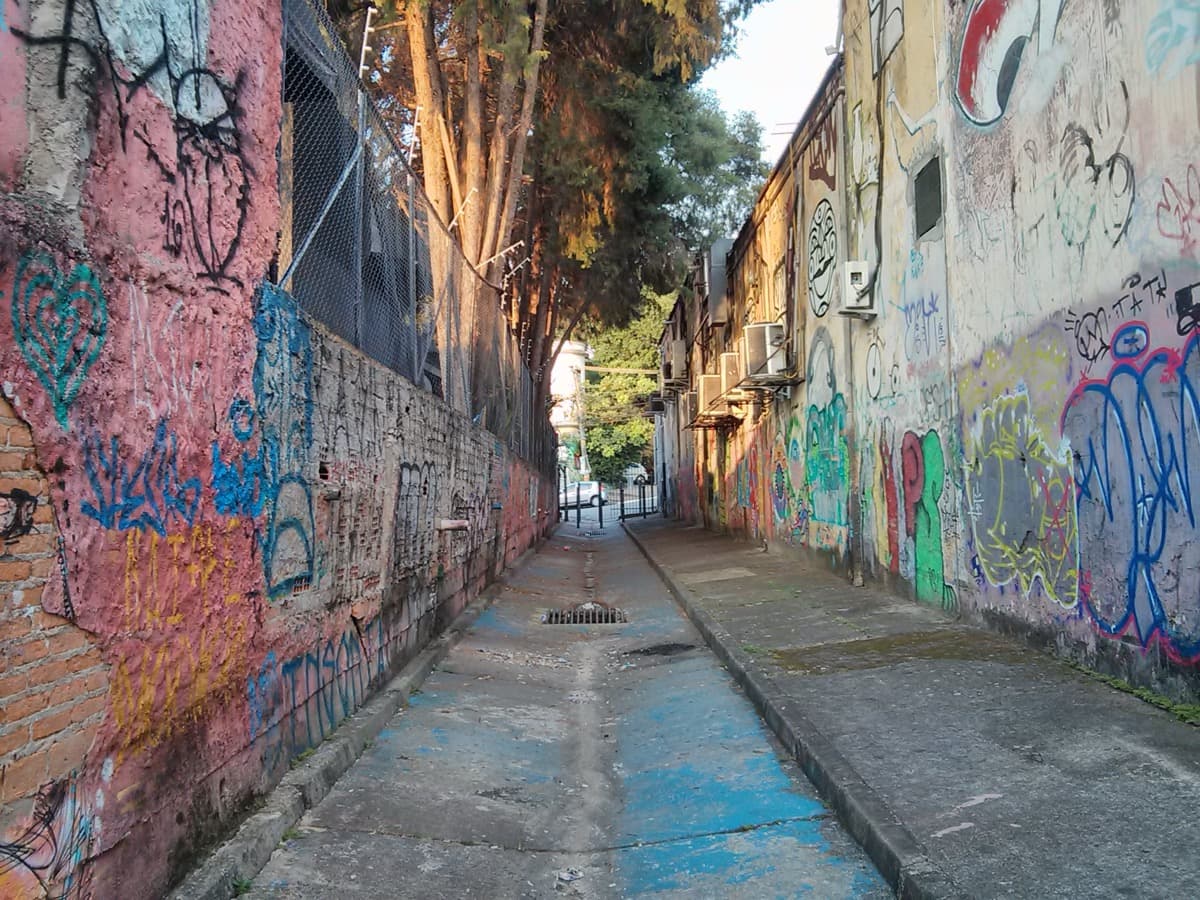
Beco do Aprendiz: The Alley Over a Buried Stream
A quieter, community-run mural alley built over a covered stream and revitalized by a neighborhood art-and-education project.
- 5
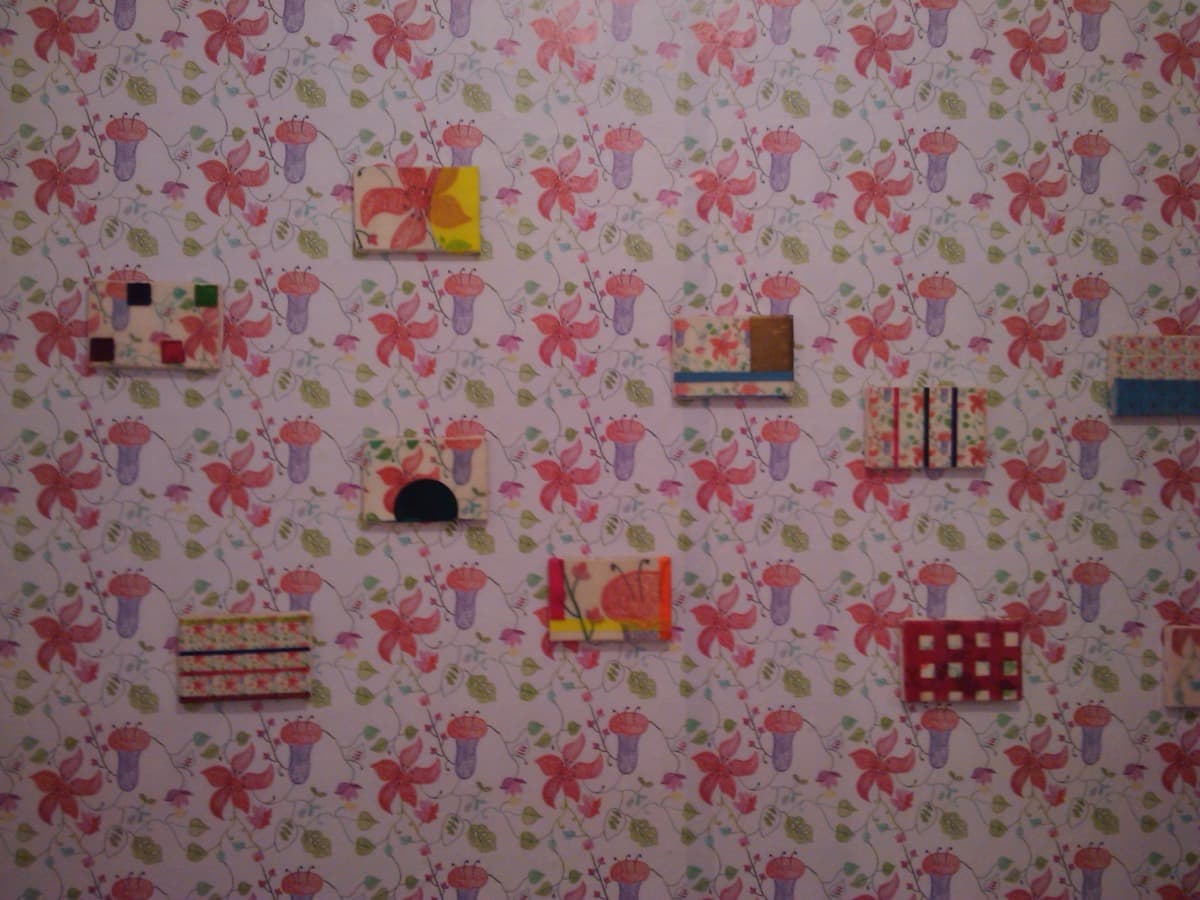
Vila Madalena Gallery District: Behind the Glass
A concentration of contemporary art galleries around Rua Fradique Coutinho, where the sanctioned indoor market sits beside the open-air walls.
- 6
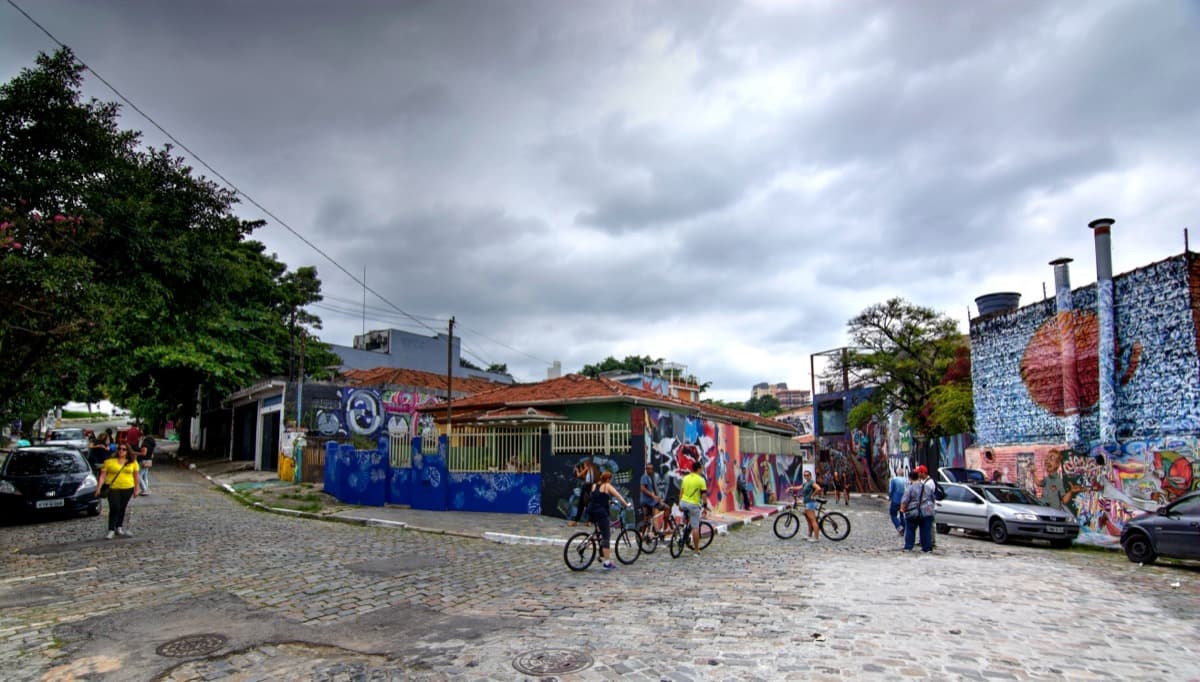
Rua Harmonia Hilltop: The Whole Gallery at Once
A steep residential street in the neighborhood's higher reaches where the low painted roofs stack up toward the distant city towers.
Details
Best Time to Visit
Saturday from late morning into the afternoon lets you catch the Praça Benedito Calixto fair and its afternoon chorinho, then the murals in good light. A weekday late morning is calmer and cooler if you would rather have the alleys and hills mostly to yourself. Either way, try to finish the hilltop climb before the midday sun peaks, or save it for the softer light of late afternoon.
Pro Tips
- •Go on a Saturday if you want the Praça Benedito Calixto fair and its afternoon chorinho; the murals are there any day, but the fair is Saturday only.
- •Photograph any mural that stops you. Beco do Batman is repainted every few weeks, so what you see today may be gone next month.
- •Wear real walking shoes. Vila Madalena is steep and the lanes are uneven, and the final climb to the hilltop earns its view.
- •Move at your own pace and skip any stop that does not pull you. The walk is built from short, self-contained stops, not a fixed sequence.
- •Most commercial galleries around Rua Fradique Coutinho are free to enter, so step inside if a door is open, then step back out to feel the contrast with the street.
- •Carry water and start earlier in the day; the hills plus São Paulo's warmth add up faster than you expect.
Safety & Precautions
- •São Paulo can be hot and the sun strong on the exposed hilltop streets. Bring water, sun protection, and pace the climbs.
- •Sudden heavy rain is common. The steep lanes and cobbles get slick fast, so pack a light layer and watch your footing.
- •Keep ordinary city street-smarts. Beco do Batman draws crowds and saw a rise in reported robberies as its fame grew, so keep your phone and bag close, favor daytime, and stay aware after dark.
- •The lanes are steep and uneven, with cobbles and curbs. Wear supportive shoes and take the descents carefully.
Travel advisory: Exercise Increased Caution (Level 2).
Gallery
Related Reading
Go deeper on what you'll see, hear, and walk through.
Overview
Best Self-Guided Walking Tours in São Paulo (2026)
3 min
Overview
One Day in São Paulo: A Walkable Central Itinerary (2026)
6 min
Overview
São Paulo Travel Guide: How Many Days, Getting Around, When to Go, Is It Safe (2026)
6 min
Deep dive
Beco do Batman: The São Paulo Alley That Repaints Itself Every Few Weeks
6 min
Read the walk
The full story of Vila Madalena: Batman Alley and the Street Art Hillside, in words. Prefer to listen? Play it narrated, from home or on location.
Introduction
Vila Madalena climbs the western edge of São Paulo, Brazil, a hillside that turned from working-class blocks into the city's bohemian art quarter, and its steep lanes became an open-air gallery. This walk follows the murals through the neighborhood that helped make São Paulo a widely cited capital of street art. Over six stops and roughly three and a half kilometres, about ninety minutes at an easy pace with time to linger, you move east to west, dip south, then climb north to a hilltop view. You start in the neighborhood's social life at a public square with a Saturday fair and afternoon chorinho. You reach the icon next, an alley washed wall to wall in spray paint whose murals are painted over and remade every few weeks. You read the living bar-and-gallery spine, go quiet at a community alley built over a buried stream, name the district of contemporary galleries that seeded the fine-art reputation, and finish on a steep street where the low painted roofs stack up toward the distant towers. The through-line is permanence against impermanence: a celebrated capital of an art form that keeps erasing and rewriting itself. Go at your own pace, skip any stop that does not pull you, and let the walls tell the neighborhood's story in their own shifting hand. This is a place best met slowly, on foot, with room to stop wherever the color catches you. When you arrive at Praça Benedito Calixto, begin with stop one.
1. Praça Benedito Calixto: The Neighborhood's Social Heart
Start in a wide public square named for the painter Benedito Calixto. On most days it is a calm plaza: benches, shade, the ordinary rhythm of a residential edge of São Paulo. On Saturdays it transforms. The square's fair has run every Saturday since nineteen eighty-seven, gathering around three hundred exhibitors under white tents: antiques, handicrafts, vintage vinyl, secondhand clothing, old furniture, and work by young São Paulo artists, with a food court sending up the smell of grilled snacks and coffee. In the afternoon a group takes up chorinho, an instrumental Brazilian style older than samba, all interlacing guitar, mandolin, and flute. If you are here on a Saturday, let that sound set your pace. If you are here any other day, the plaza is still a good place to catch your breath before the hills. This square sits on the southeastern edge of the neighborhood, and it is the right place to begin because it grounds you in the social life the murals grew out of. Vila Madalena did not start as a gallery. It was a working-class hillside that filled, in the early nineteen-seventies, with low-income students drawn by cheap rooms near the city's universities, and that student influx seeded the artists and freethinkers the neighborhood still trades on. The fair is a living piece of that story: people gathering, trading, making, in the open. Before you climb toward the painted walls, notice how much of the culture here happens outdoors, in shared space, in public view. Hold that idea. Everything ahead, the alleys, the spray paint, the community squares, is the same instinct pushed onto the walls. When you are ready, walk west toward the lanes where the color begins.
2. Beco do Batman: The Alley That Repaints Itself
You will smell it before the color fully registers, the sharp tang of fresh spray paint. This is Beco do Batman, a cluster of narrow lanes covered end to end in graffiti, the most famous street-art site in São Paulo. Walls rise on both sides painted floor to roofline, and the art keeps changing. Wikipedia's entry on the alley traces the name to a figure of the comic-book character Batman that someone sprayed on a wall here in the nineteen-eighties. The original artist is not recorded, and no one should tell you otherwise. After that first image, local art students filled the surrounding walls with psychedelic and cubist-influenced designs, and the alley became a magnet. Here is the strange part, the thing to hold as you walk. Almost nothing you see today will last. Because the alley is so popular, the murals are painted over or replaced every few weeks, and the walls are continually renovated and cared for by people in the neighborhood. So the fame of this place rests on work that is always disappearing. Whatever stops you today, photograph it, because a month from now that wall may carry something entirely different. During the twenty fourteen World Cup the neighborhood drew thousands of visitors at once. It is a public lane, open any hour, and it is busy and welcoming by day. Keep the ordinary city awareness you would anywhere: your phone in a pocket, your bag close, more care after dark. Then let yourself get lost in it. This is the beating center of the walk, an autobiography the neighborhood rewrites on its own walls, over and over, in paint that never dries into permanence.
3. Rua Aspicuelta: The Living Spine
Step onto Rua Aspicuelta and the register changes from painted stillness to living hum. This is the neighborhood's most famous bar-and-social spine, a run of botecos, restaurants, small galleries, and mural-splashed walls where, as one travel writer put it, one bar splatters…
Full narration for this stop unlocks with the tour.
4. Beco do Aprendiz: The Alley Over a Buried Stream
After the noise, this alley feels like an exhale. Beco do Aprendiz is the other beco of Vila Madalena, quieter, gentler, tucked into the southern part of the neighborhood between two residential streets. Its walls carry murals too, but the mood is different. This is a community…
Full narration for this stop unlocks with the tour.
5. Vila Madalena Gallery District: Behind the Glass
Climb a little and the walls go quiet in a different way. Around Rua Fradique Coutinho, and threaded through the streets nearby, sits a district of contemporary art galleries, dozens of them, glass doors opening onto cool white rooms. After blocks of sprayed, weathered, open-air…
Full narration for this stop unlocks with the tour.
6. Rua Harmonia Hilltop: The Whole Gallery at Once
The last stretch is a climb, and you will feel it in your calves. Vila Madalena is genuinely hilly, laced with steep inclines, and between its streets run passages filled with street art and sudden views of the city. Rua Harmonia is one of the higher residential streets in the…
Full narration for this stop unlocks with the tour.