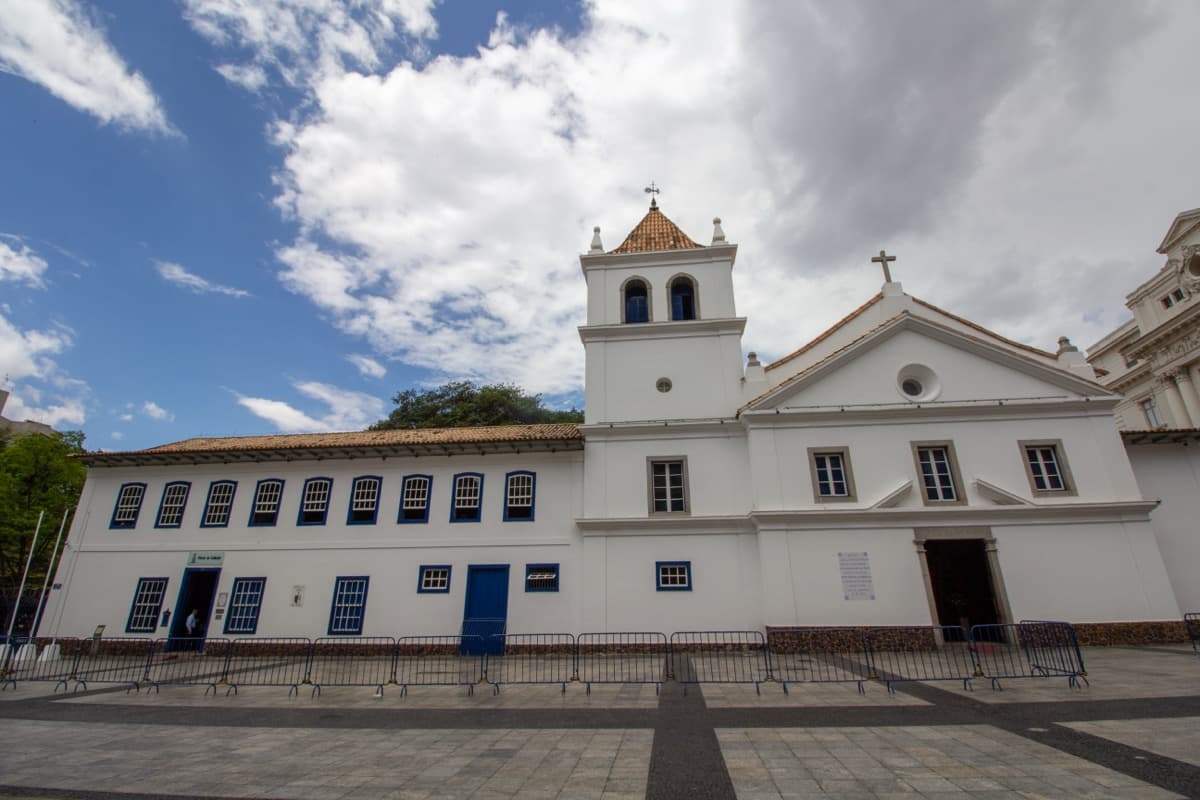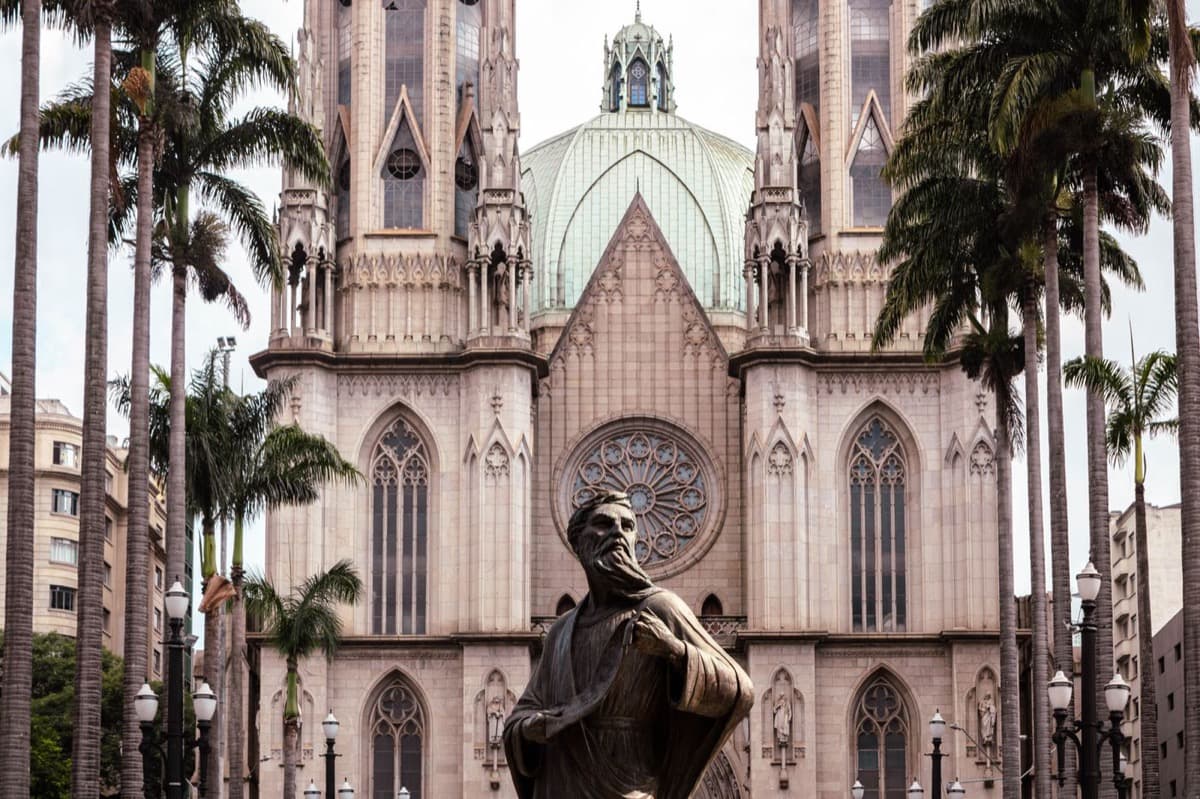
The Founding Hill: São Paulo's Centro
95 min · 2.8 km · moderate
São Paulo rewards planning more than almost any city, and for one reason above all: its scale. This is a metropolis of roughly twelve million people in the city and over twenty million in the metro region, a grey grid of towers that runs to the horizon. It is not a place you walk end to end. It is a set of intensely walkable pockets, the Centro, Liberdade, Paulista, Vila Madalena, separated by a vast dense city, and the art of a good visit is knowing which pockets to walk, how to move between them, and how to be street-smart without being scared. This guide answers the practical questions travelers actually search, answer first, then the detail.
How many days do you need in São Paulo?
Short answer: three days for most people.
- 2 days covers the essential pockets, the historic Centro, Liberdade, Avenida Paulista with MASP, and Vila Madalena, if you are moving quickly.
- 3 days lets you add the great museums, a proper food day, and a park, at an unhurried pace.
- 4 to 5 days is for anyone who wants to sink into São Paulo's restaurant scene, nightlife, and neighbourhood life, which is where the city genuinely shines.
Unlike a monument city, São Paulo is more about culture, food, and energy than a checklist of sights, so the right amount of time depends on how deep you want to go into eating and living like a paulistano rather than how many landmarks you can tick. If you only have one day, follow our focused one day in São Paulo route through the walkable centre.
Getting around São Paulo
Hear a stop from this walk
Mosteiro de São Bento: The Living Hill
The single most important thing to understand is that São Paulo is walkable in pockets, not as a whole. You walk a district, then ride between districts. Two tools do almost all the work:
- The Metro. The São Paulo Metro is the largest and busiest in South America: clean, fast, cheap, and safe during the day. It connects the Centro, Liberdade, Paulista, and most of the districts you will want. It gets very crowded at rush hour, so keep your phone and bag close then. Tap on with a rechargeable Bilhete Único card, which also works on the city buses.
- Uber. Cheap, plentiful, and the right tool for anywhere the Metro does not reach, for beating the traffic, and above all for getting around after dark. Uber is woven into daily life here and is the standard way locals move at night.
Skip renting a car. São Paulo's traffic is genuinely legendary and parking is a headache. Between the Metro and Uber you will never need one. Walking is for inside the pockets, and it is how our self-guided São Paulo tours are built.
Best time to visit São Paulo
São Paulo sits on a plateau at around 800 metres, so it is cooler, greyer, and rainier than the beach cities, and it has no single perfect season. The trade-offs:
- Shoulder months (April to May, September to October). The sweet spot: mild, mostly dry, thinner crowds, and better prices. Aim here if you can.
- Summer (December to February). Warm and humid with frequent, dramatic afternoon downpours that clear quickly.
- Winter (June to August). Mild days and cool grey evenings. Never freezing, rarely sunny for long, and quiet.
Because so much of São Paulo's life is indoors, in its museums, restaurants, and cafés, weather rarely ruins a day here. There is no bad time to come, only different trade-offs.
Is São Paulo safe?
Honestly: São Paulo is reasonably safe for visitors who stay street-smart, and it is friendlier than its fearsome reputation suggests, but it does have real petty crime, so the goal is awareness, not anxiety. Violent crime very rarely touches tourists in the districts you will actually visit. The genuine, common risk is opportunistic theft of phones, bags, and jewellery. Manage that and the city opens up.
The rules that matter most:
- Walk the Centro by day, not late at night. It is lively and fine while the shops are open, quieter and less comfortable after they close.
- Keep your phone out of sight on the street. Do not walk along scrolling, and do not flash a camera or jewellery.
- Take an Uber at night instead of walking or riding the Metro late.
- Stick to busy, well-lit districts such as Jardins, Pinheiros, Vila Madalena, and Paulista, where you will feel comfortable.
Follow those and São Paulo is a welcoming, energetic place. This is the same street sense any large city asks for, applied a little more deliberately.
São Paulo on a budget
São Paulo is far kinder to a tight budget than its glossy restaurant reputation implies. Much of the best of it is free or nearly so:
- Free to walk: the historic Centro, the street art of Vila Madalena and Beco do Batman, the lantern-lit streets of Liberdade, and Avenida Paulista, which closes to cars every Sunday and fills with people.
- Eat cheap and superbly: padarias for coffee and a pressed sandwich, feiras (street markets) for pastel and caldo de cana, and por-quilo pay-by-weight buffets for a full lunch for a few dollars. See what to eat in São Paulo for the full playbook.
- Cheap transit: Metro rides and Uber trips both cost little by international standards.
- Skip the guide fee: Roamer's self-guided audio tours are free to start, so you get expert narration without booking a guide, a start time, or a tip.
Save your money for one great dinner. São Paulo has the deepest, most exciting restaurant scene in South America, and it is the reason many people come.
Brazil's cultural and gastronomic capital
If Rio is Brazil's beach and postcard, São Paulo is its engine room and its dinner table. This is the country's financial and industrial heart, its museum and gallery capital (MASP, the Pinacoteca, and dozens more), and, above all, its food capital, shaped by the largest Japanese community outside Japan, the largest Italian ancestry of any city on earth, and waves of Portuguese, Arab, and Northeastern Brazilian arrivals. That immigrant layering is the whole story of the city, and you can taste it, walk it, and hear it on every one of our routes.
Start planning your walk
Ready to route your days? Read our one day in São Paulo itinerary, dig into the food with what to eat in São Paulo, browse the best self-guided walking tours in São Paulo, or see all São Paulo tours. Every tour is free to start: the introduction and first stop play in full, and every later stop plays a short preview before an optional purchase. Tours can also be downloaded in advance for offline listening.
Frequently asked questions
- How many days do you need in São Paulo?
- Three days is the sweet spot for most travelers. Two days covers the essential pockets, the historic Centro, Liberdade, Avenida Paulista and MASP, and Vila Madalena, if you are on a tight schedule. Three days lets you add museums, a proper food day, and a park without rushing. Four or five days suits anyone who wants to dig into São Paulo's restaurant scene, nightlife, and neighbourhoods, which is where the city really rewards you, since São Paulo is more about culture, food, and energy than a checklist of monuments.
- Is São Paulo walkable, and how do you get around?
- São Paulo is not a walkable city as a whole, it is far too large, but it is a city of very walkable pockets. You walk within a district, then use the Metro or Uber to jump between districts. The São Paulo Metro is the largest in South America: clean, fast, cheap, and safe by day, though crowded and worth extra pickpocket awareness at rush hour. Pair it with Uber, which is inexpensive, plentiful, and the right choice after dark and for anywhere the Metro does not reach. Buy a Bilhete Único card to tap onto the Metro and buses. Skip driving yourself, the traffic is legendary.
- What is the best time of year to visit São Paulo?
- The best windows are roughly April to May and September to October, the shoulder months, when the weather is mild and mostly dry, crowds are thin, and prices are reasonable. São Paulo sits on a plateau and is cooler and rainier than coastal Brazil, so it has no true dry-and-sunny guarantee. Summer (December to February) is warm and wet with frequent afternoon downpours, and winter (June to August) is mild and grey with cool evenings. There is no bad time to come, only trade-offs, and the city's indoor culture of museums, restaurants, and cafés means rain never ruins a day.
- Is São Paulo safe for tourists?
- São Paulo is reasonably safe for tourists who use common sense, and it is safer than its reputation suggests, but it does have real petty crime, so it pays to be street-smart rather than either scared or careless. Violent crime rarely touches visitors in the areas you will spend time. The genuine risk is opportunistic theft: phones, bags, and jewellery. The core rules are simple. Walk the Centro by day, not after the shops close. Keep your phone out of sight on the street. Do not flash valuables. Take an Uber at night instead of walking or riding the Metro late. Stick to busy, well-lit districts like Jardins, Pinheiros, Vila Madalena, and Paulista, and you will find the city welcoming.
- Which neighbourhood should you stay in in São Paulo?
- For most first-time visitors, base yourself in Jardins, on or near Avenida Paulista, or in Pinheiros or Vila Madalena. These are central, safe, well-connected to the Metro, and full of restaurants, cafés, and nightlife. Paulista and Jardins put you next to MASP and a Metro spine; Pinheiros and Vila Madalena put you in the middle of the food and bar scene and a short ride from everything else. Avoid basing yourself in the Centro itself, it is great to visit by day but quiet and less comfortable at night.
- Is São Paulo expensive, and can you visit on a budget?
- São Paulo is very doable on a budget. Much of what makes it special is cheap or free: walking the Centro and Vila Madalena, the street art of Beco do Batman, Avenida Paulista on a car-free Sunday, and the Mercado Municipal (though the famous sandwiches are a splurge). Metro rides are inexpensive, Uber is cheap by international standards, and you can eat superbly for little at padarias, feiras, por-quilo (pay-by-weight) lunch buffets, and lanchonetes. Save the money for one great dinner, since São Paulo has the best restaurant scene in South America. Roamer's self-guided audio tours are free to start, so you get expert narration without a guide fee.
Brazil eSIM· 10% off with ROAMER10
Ready to experience it?
The Founding Hill: São Paulo's Centro
95 min · 2.8 km · moderate
More from Sao Paulo
Explore more at your own pace.
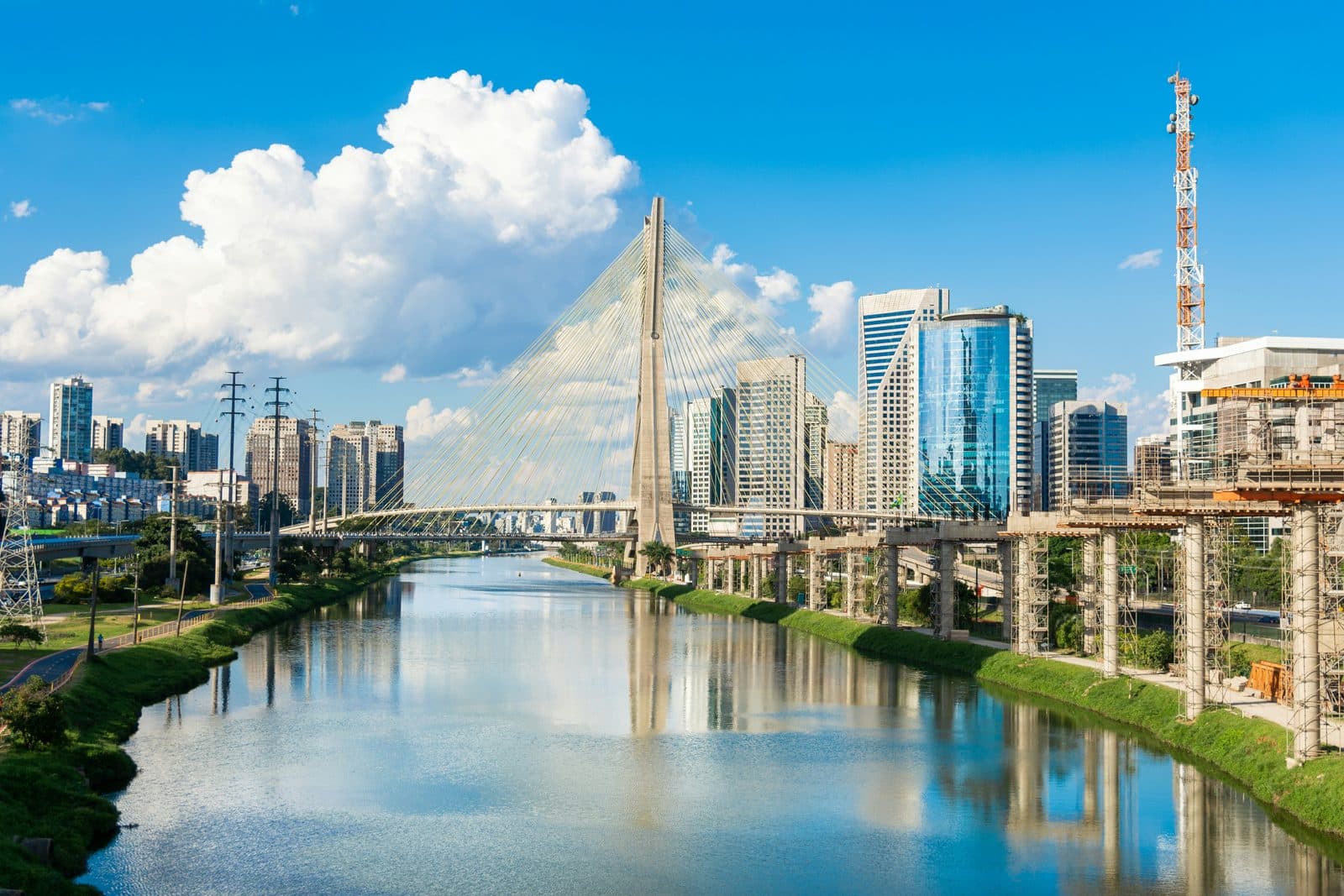
One Day in São Paulo: A Walkable Central Itinerary (2026)
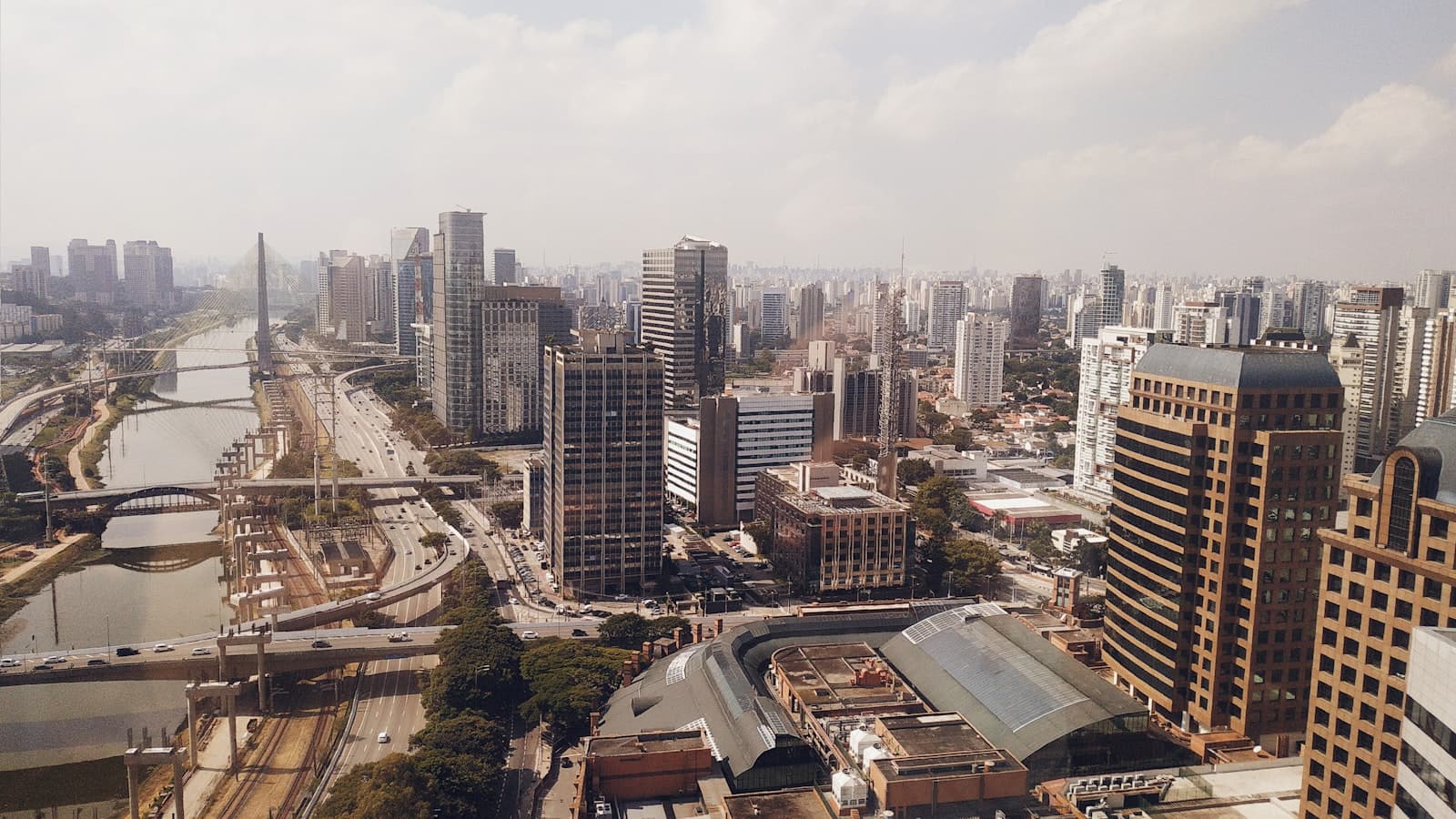
The City That Rebuilds Itself: How to Read Sao Paulo's Buried History
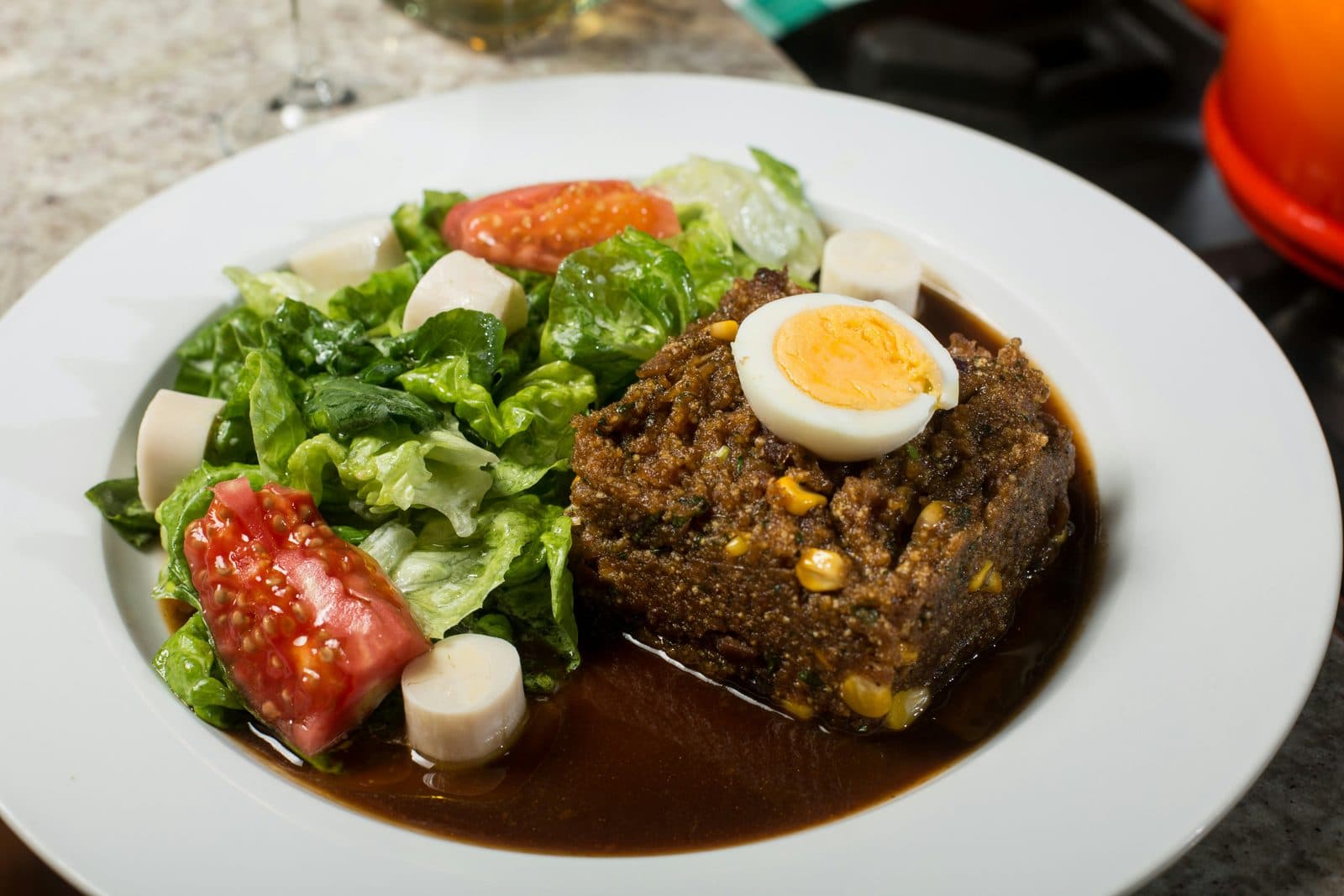
What to Eat in São Paulo: A Food Guide (2026)
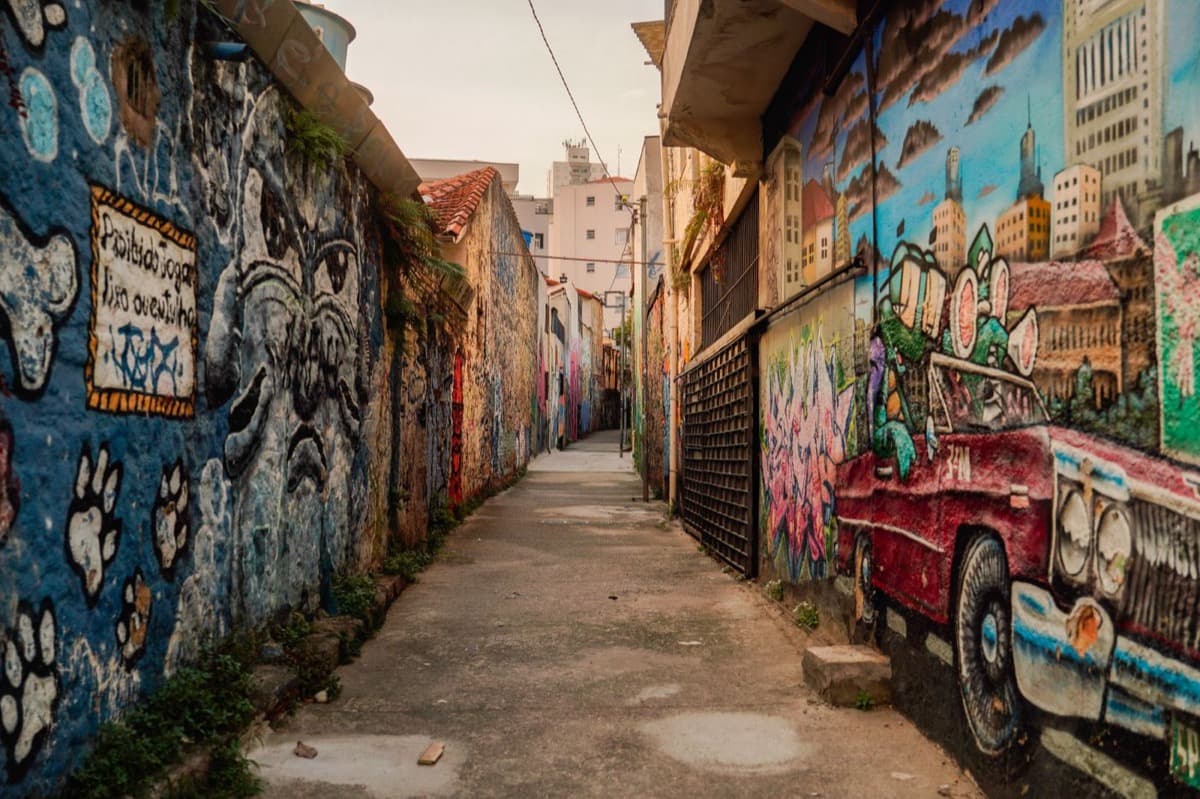
Beco do Batman: The São Paulo Alley That Repaints Itself Every Few Weeks
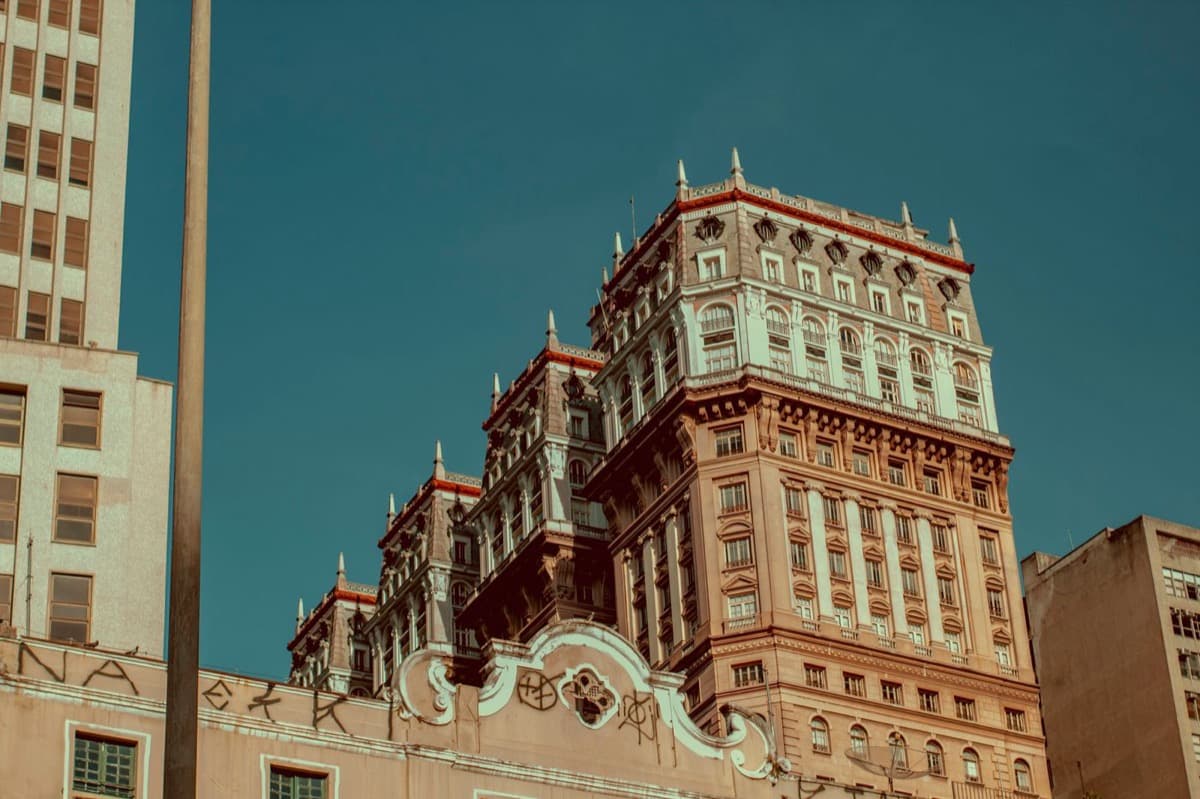
Edificio Martinelli: The Man Who Lived on His Own Skyscraper to Prove It Was Safe