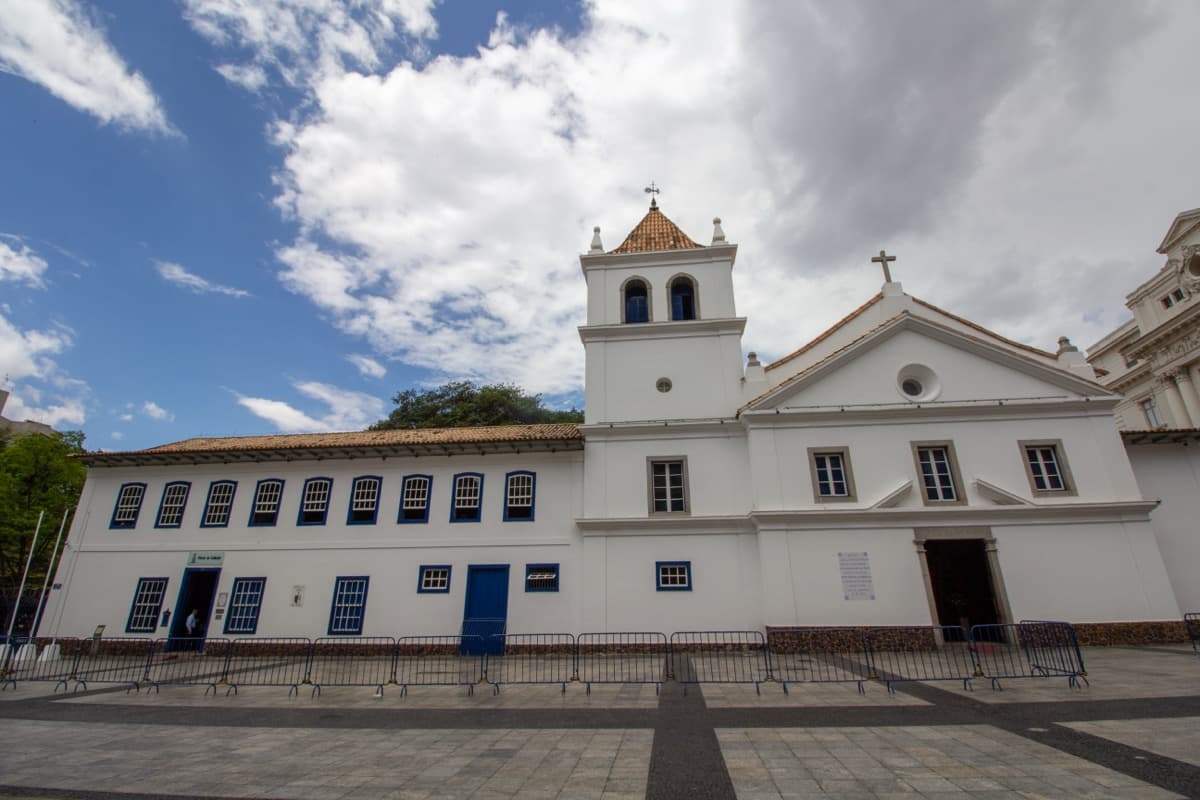
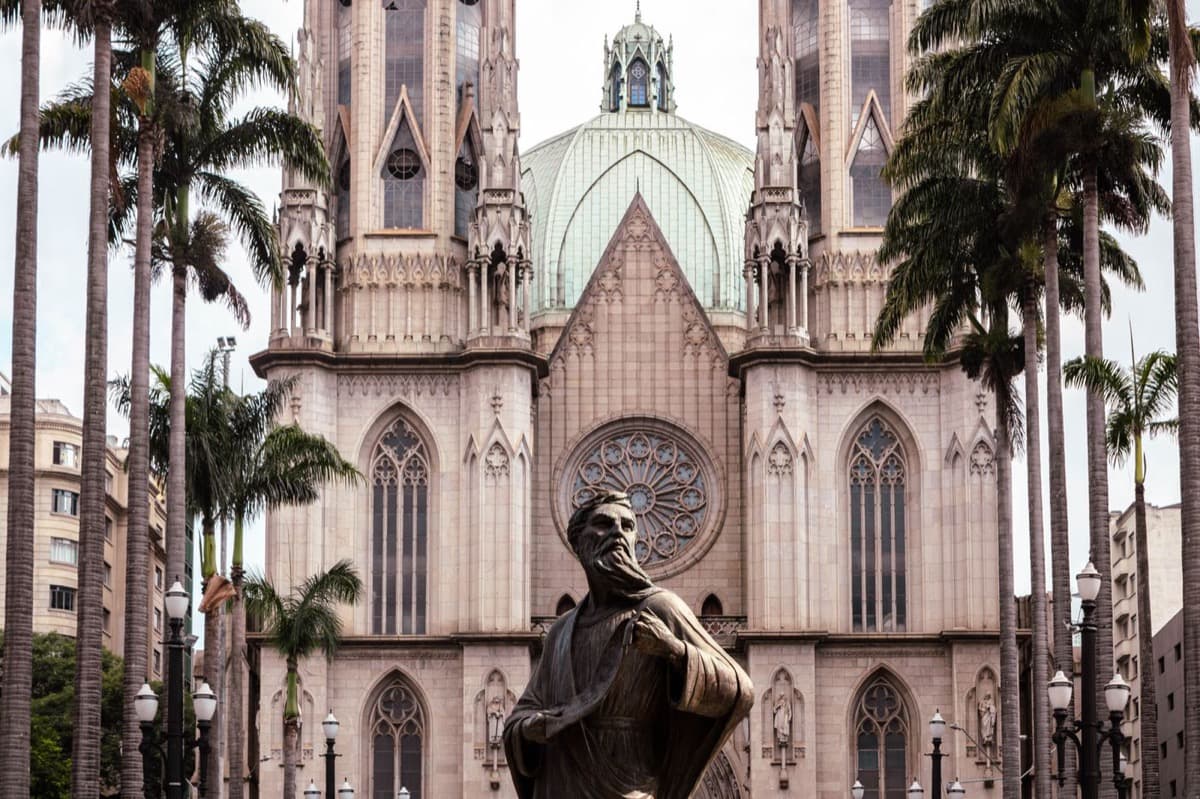
The Founding Hill: São Paulo's Centro
95 min · 2.8 km · moderate
São Paulo is Brazil's food capital, and the reason is written into who moved here. This is the most Japanese city outside Japan, the most Italian-descended city on earth, and a magnet for Portuguese, Arab, and Northeastern Brazilian migrants, and every one of those communities put a plate on the table. To eat São Paulo is to eat its layered immigrant history, and you can do it across the whole range in a single day: a two-dollar coxinha at a street market for breakfast, sushi in Liberdade for lunch, a world-ranked tasting menu at night. This guide covers the dishes worth seeking out and where the food culture actually lives, and it pairs naturally with a slow walk on one of our São Paulo self-guided tours.
The dishes to seek out
The mortadella sandwich. São Paulo's most famous bite, eaten standing up at the Mercado Municipal: a bun packed with an absurd, glorious mountain of thin-sliced mortadella. It is excessive on purpose, and it is meant to be split. Order it alongside the market's other signature, and share both.
Pastel de bacalhau. The Mercadão's second icon: a large, crisp fried pastry filled with salt cod (bacalhau), a legacy of the city's Portuguese community. The queues at the famous stalls are part of the ritual.
Sushi and ramen in Liberdade. São Paulo's Japanese food is world-class, and its heart is Liberdade, the historic quarter of the largest Japanese community outside Japan. The streets under the red lanterns are lined with sushi counters, ramen shops, and izakayas whose quality rivals Tokyo. This is not a novelty, it is one of the defining cuisines of the city.
Pizza, the Paulistana way. With the largest Italian ancestry of any city on earth, São Paulo is one of the great pizza cities of the world. The local style is thick, generously topped, and often eaten with a knife and fork, and the best places to try it are the old cantinas of Bixiga (Bela Vista) and Mooca, the neighbourhoods where Italian immigrants settled a century ago.
Coxinha. The teardrop-shaped chicken croquette, a snack of Paulista origin: shredded chicken wrapped in dough, breaded, and fried golden. It is Brazil's most beloved salgado (savoury snack), and it is at its best fresh from a São Paulo lanchonete or bakery.
Pastel and caldo de cana at the feira. The classic street-market combination. The pastel, a thin, crisp fried turnover that originated here (said to descend from Chinese immigrants adapting the spring roll), comes with fillings from cheese to minced meat to hearts of palm. You wash it down with caldo de cana, sugarcane juice pressed fresh at the stall through a hand-cranked machine. At any weekend feira (street market), the two together are a rite of passage.
Coffee and the padaria. São Paulo grew rich on coffee, and its café and bakery culture runs deep. The everyday ritual is the padaria (bakery): a média (half coffee, half milk) and a pão na chapa (a roll split, buttered, and grilled flat on the plancha), taken standing at the counter. It is how paulistanos start the day and pause the afternoon.
Where the food culture lives
Hear a stop from this walk
Mosteiro de São Bento: The Living Hill
The Mercado Municipal, for the classics. The 1933 market hall with its famous stained glass, in the historic Centro, is the single best place to start eating in São Paulo: the mortadella sandwich, the pastel de bacalhau, and floors of fruit, cheese, and produce stalls. It sits right on the Centro walking route, so it doubles as a lunch stop on a morning of history.
Liberdade, for Japanese and pan-Asian. The lantern-lined quarter is dense with sushi, ramen, Korean and Chinese food, and Japanese groceries, and on weekends the Feira da Liberdade street fair fills the square by the Metro station with food stalls. Walk the Liberdade tour and it reads the neighbourhood's whole immigrant story, from its dark origins to the joyful home it became, as you eat your way through it.
Bixiga and Mooca, for Italian. The old Italian neighbourhoods hold the classic cantinas and the most atmospheric pizzerias, big colonial-style rooms serving thick Paulistana pizza and hearty pasta the way the immigrant families made it.
The feiras, for street food. São Paulo's weekly street markets are where the cheap, brilliant eating lives: pastel, caldo de cana, and produce, in a rotating calendar of neighbourhood fairs. They are also one of the most local ways to spend a morning.
The fine-dining scene, for a splurge. São Paulo has the deepest, most celebrated restaurant scene in South America, with several kitchens ranked among the best on the continent and the world. If you save your budget for one great dinner anywhere in Brazil, save it here.
Eat as you walk
The best way to work through this list is on foot, one pocket at a time. Pair a morning of history in the Centro with a mortadella sandwich at the Mercadão, an afternoon in Liberdade with sushi under the lanterns, and an evening in an Italian neighbourhood with a thick slice of Paulistana pizza. Route your day with the one day in São Paulo itinerary, plan the practical side, from getting around to staying safe, with the São Paulo travel guide, and browse all São Paulo tours. Every tour is free to start: the introduction and first stop play in full, and every later stop plays a short preview before an optional purchase.
Frequently asked questions
- What food is São Paulo known for?
- São Paulo is Brazil's gastronomic capital, and it is best known for the food of its immigrant communities. The headline items are the towering mortadella sandwich and pastel de bacalhau at the Mercado Municipal, world-class sushi and ramen in Liberdade (home to the largest Japanese community outside Japan), and Italian-style pizza in the cantinas of Bixiga and Mooca. Add Brazilian staples that were born or perfected here, the coxinha (a teardrop chicken croquette of Paulista origin), the pastel (a crisp fried turnover), caldo de cana (fresh sugarcane juice), and deep coffee and bakery culture, and you have one of the great eating cities in the world.
- What should you eat at the Mercado Municipal in São Paulo?
- The two things to eat standing up at the Mercado Municipal (the Mercadão) are its famous, gloriously excessive snacks: the mortadella sandwich, a bun stuffed with a mountain of mortadella, and the pastel de bacalhau, a large fried pastry filled with salt cod. Both are big enough to split, and splitting one of each is the classic move. The market itself, a 1933 hall with beautiful stained-glass windows, is also stacked with fruit, cheese, and produce stalls to graze.
- Why is São Paulo famous for Japanese food?
- São Paulo is home to the largest population of Japanese origin outside Japan, around two million people of Japanese descent, the result of immigration that began in 1908 to work the coffee plantations. Their historic heart is the Liberdade district, whose lantern-lined streets are packed with sushi bars, ramen shops, izakayas, and Japanese groceries. The quality and depth of the sushi and sashimi here rival what you find in Japan, which is why Japanese food is one of the defining cuisines of the city.
- Where should you eat pizza in São Paulo?
- São Paulo is one of the great pizza cities of the world, with thousands of pizzerias serving a distinctive thick, generously topped Paulistana style often eaten with a knife and fork. The most atmospheric places are the old cantinas in the historically Italian neighbourhoods, Bixiga (Bela Vista) and Mooca especially, where Italian immigrants settled in the early 1900s. São Paulo has the largest Italian ancestry of any city on earth, and its pizza is a direct inheritance from that community.
- Is São Paulo good for street food and cheap eats?
- Excellent. Some of the best eating in São Paulo is cheap and casual. At the weekly street markets (feiras) you can get a crisp pastel and a cup of fresh-pressed caldo de cana for a few reais. Coxinha, pão de queijo, and other salgados are everywhere at lanchonetes and bakeries. Padarias serve a média (coffee with milk) and a pão na chapa (grilled buttered roll) for a couple of dollars, and por-quilo buffets let you build a full lunch by weight. You can eat superbly in São Paulo without spending much.
Brazil eSIM· 10% off with ROAMER10
Ready to experience it?
The Founding Hill: São Paulo's Centro
95 min · 2.8 km · moderate
More from Sao Paulo
Explore more at your own pace.
One Day in São Paulo: A Walkable Central Itinerary (2026)
São Paulo Travel Guide: How Many Days, Getting Around, When to Go, Is It Safe (2026)
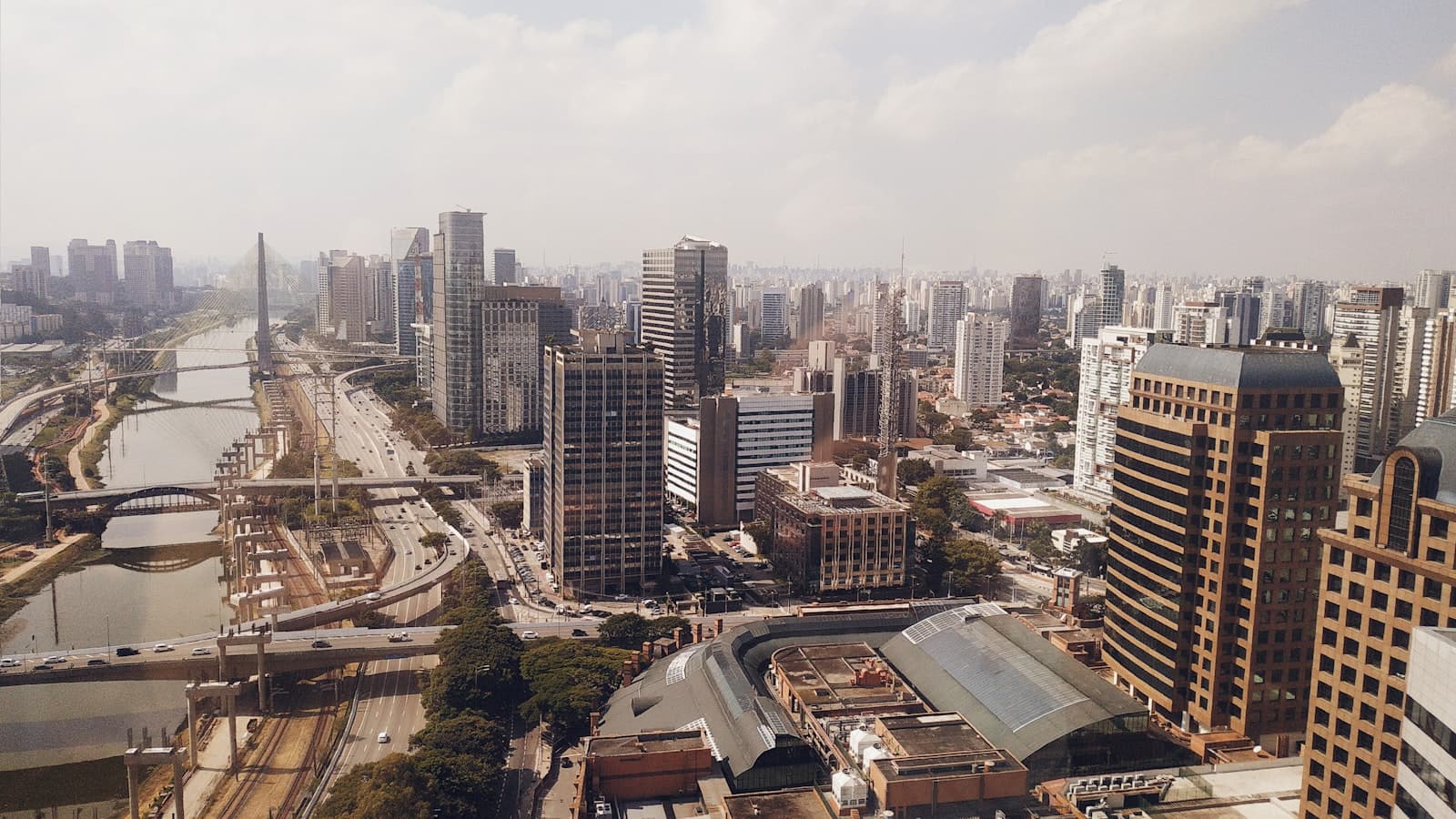
The City That Rebuilds Itself: How to Read Sao Paulo's Buried History
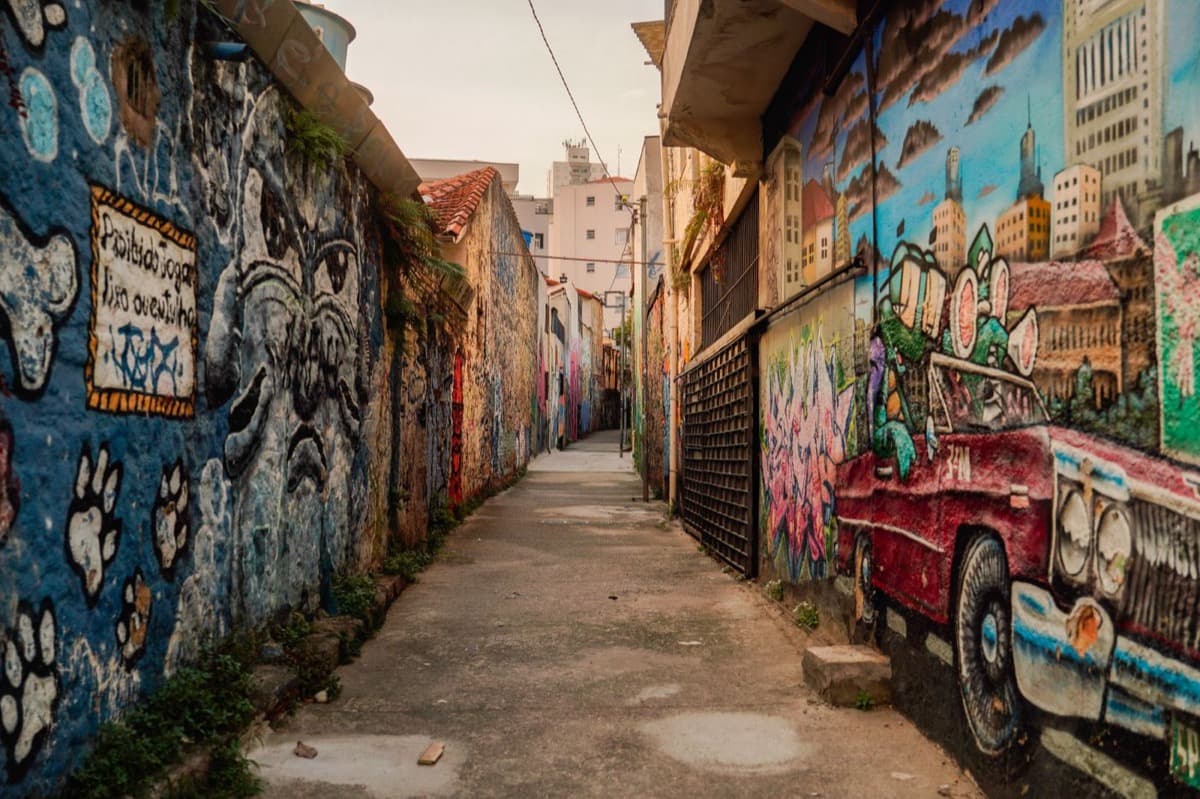
Beco do Batman: The São Paulo Alley That Repaints Itself Every Few Weeks
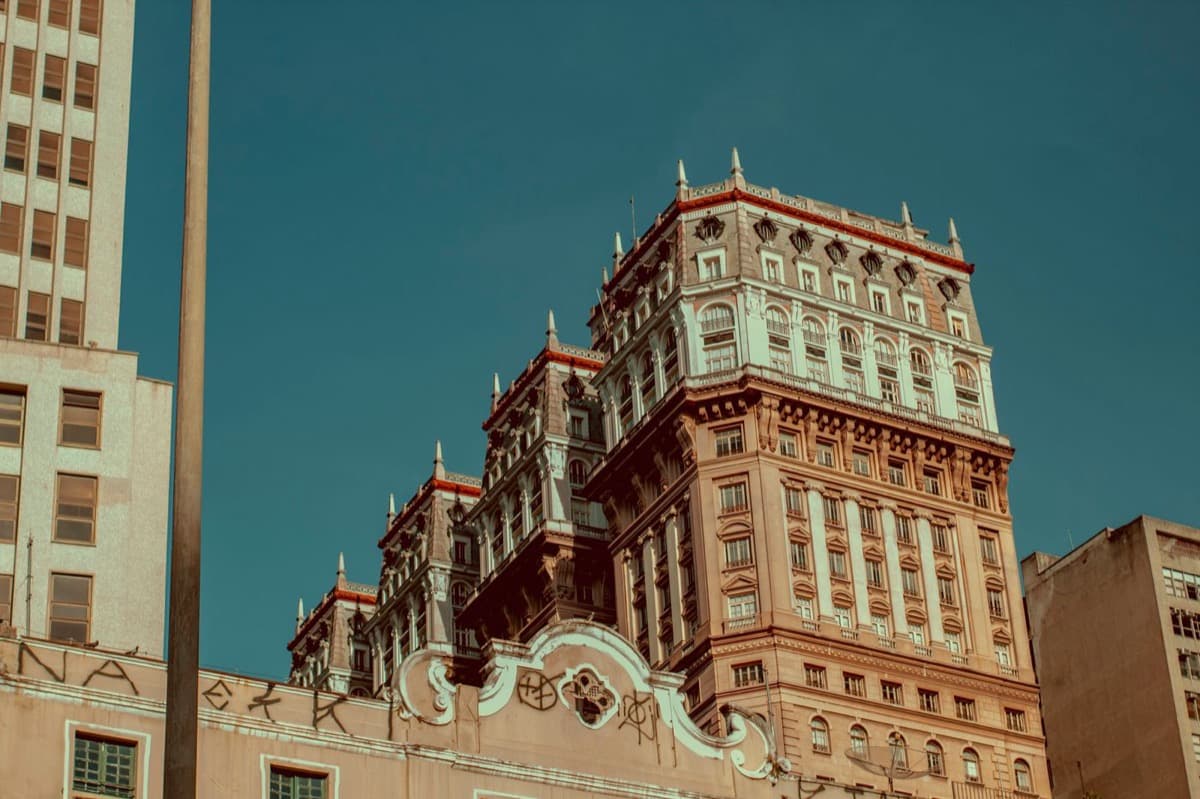
Edificio Martinelli: The Man Who Lived on His Own Skyscraper to Prove It Was Safe