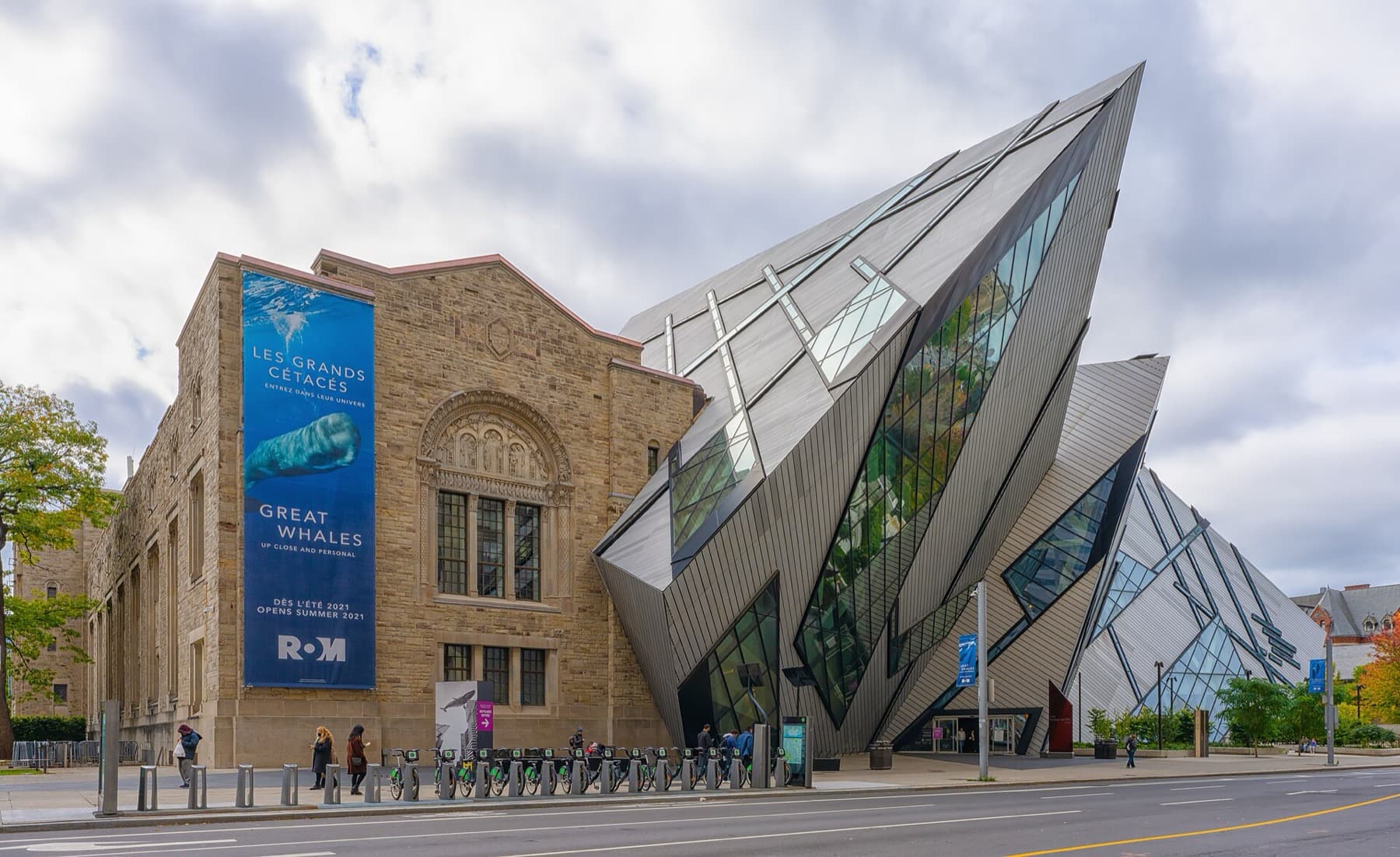
The Royal Ontario Museum in Toronto combines natural history and world cultures on four floors: Asia and First Peoples on Level 1, natural history on Level 2, world cultures on Level 3 and changing exhibitions on Level 4. In about two hours you can see the crest poles, a stone tomb gateway from 1656, Gordo the Barosaurus and an Egyptian musician's coffin.
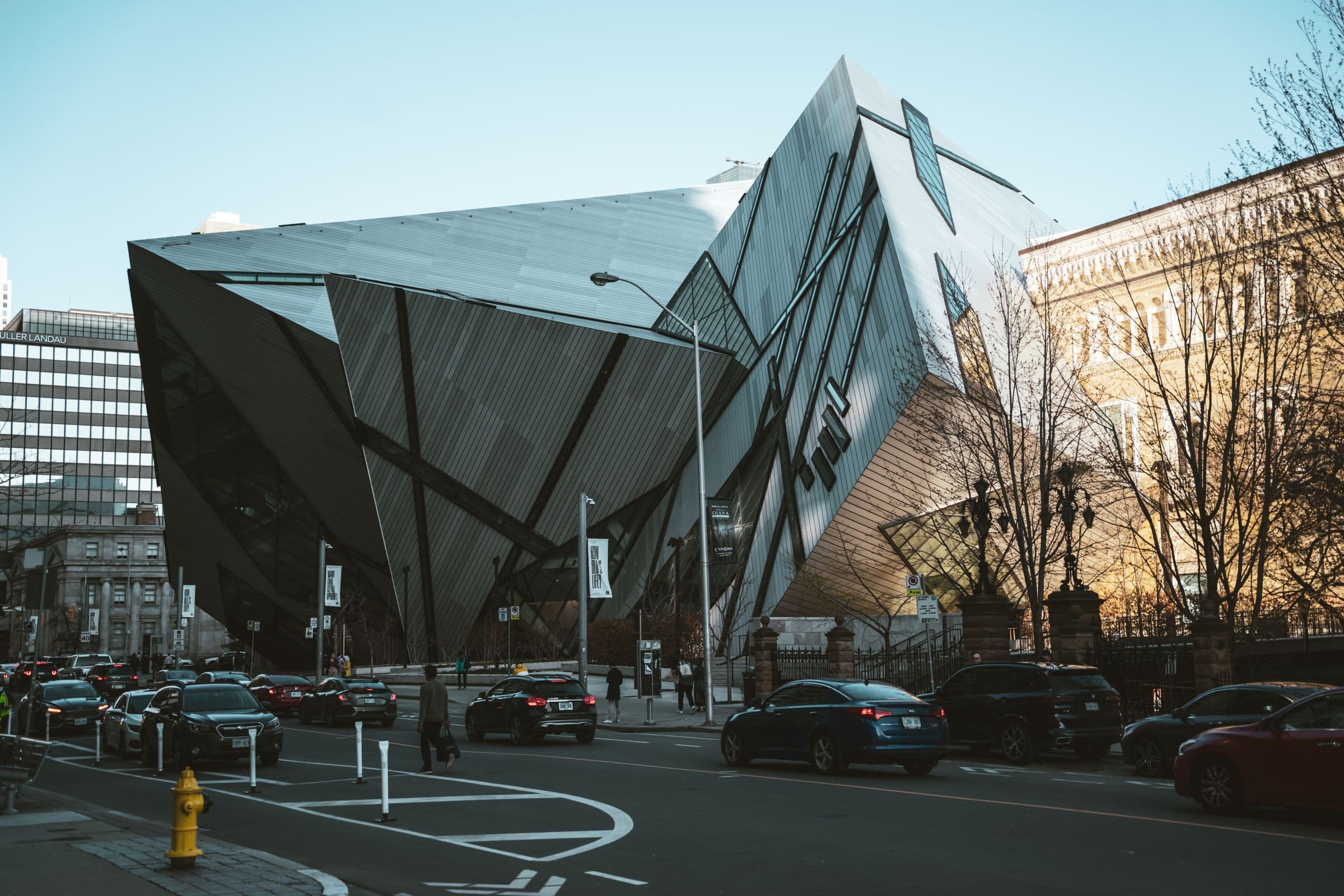
The Royal Ontario Museum stands on the corner of Bloor Street and Queen's Park, and it is two museums in one. Half of it is natural history: dinosaurs, minerals, meteorites, birds, bats. The other half is world cultures: China, Korea, First Peoples, Greece, Rome, Egypt, Europe. The collection runs to more than 18 million items, so nobody sees it all. The trick is knowing how the building is put together, and which few rooms reward the walk.
Three buildings in one
The ROM is really three buildings from three eras, joined end to end.
The oldest part opened on March 19, 1914. Toronto architects Frank Darling and John A. Pearson designed it in yellow brick, in a style that blends Italianate and Neo-Romanesque, and it runs along Philosopher's Walk on the west side of the site.
In 1933 a wing was added facing Queen's Park, designed by Alfred H. Chapman and James Oxley. This is the part with the rusticated stone and the triple windows set in recessed arches. Its centrepiece is the Rotunda. Look up when you stand in it: the vaulted ceiling is a mosaic of Italian glass tiles, bright figures against a gold ground, with symbols of civilizations from the early peoples of the Americas to the European Middle Ages. The ROM's own history calls it the first large-scale mosaic in Canada produced by a Canadian company.
The third building is the Michael Lee-Chin Crystal, designed by Daniel Libeskind and opened on June 2, 2007. It is clad in about 75 per cent aluminium and 25 per cent glass over a steel frame, and its tilted prisms push out toward Bloor Street. Inside, the lobby is a three-storey atrium called the Hyacinth Gloria Chen Crystal Court.
Walking the ROM means crossing between these three again and again. The floors line up, but the rooms change character as you pass from brick to stone to angled glass.
How the floors are laid out
Hear a stop from this walk
Tank House Lane: Buildings for Waiting
- Level 1: Asia and First Peoples. The Daphne Cockwell Gallery of First Peoples Art and Culture, the Chinese galleries (architecture, temple art, sculpture), Korea, and the Chen Crystal Court.
- Level 2: Natural history. The Age of Dinosaurs, the Age of Mammals, Birds, the Bat Cave, Life in Crisis, Dawn of Life and Earth's Treasures.
- Level 3: World cultures. Rome, Greece, Egypt, Nubia, Byzantium, the Bronze Age Aegean, Cyprus and the European galleries.
- Level 4: Changing exhibitions at the top of the Crystal.
What to see in about two hours
This route takes one floor at a time and stops only where a single object carries a whole room.
Level 1. Start with the crest poles in the stairwell beside the First Peoples gallery. The tallest, the Pole of Sagaw'een, was carved by the Nisga'a artist Oyee and rises about 25 metres with thirteen carved figures. It is the tallest known pole from the nineteenth century. The poles reached the museum in the early 1920s and could not be shown until the 1933 expansion, when the building was raised around them. Climb slowly and every landing gives you a different figure at eye level.
Then cross to the Chinese galleries. In the Gallery of Chinese Architecture, a carved limestone gateway from Yongtai Village near Beijing, dated 1656, marks the tomb of General Zu Dashou. The gate is original; the roof above it is reconstructed. On the same floor, the Bishop White Gallery is built around the Paradise of Maitreya, a Yuan dynasty wall painting from the Monastery of Joyful Conversion in southern Shanxi. To move it, it was cut into 63 sections. Bishop White bought it for the museum in 1928, and it was installed in 1933. Two Daoist murals face each other on the side walls.
On your way up, stop in the Chen Crystal Court for the cast of Futalognkosaurus, a titanosaur found in Argentina in 2000.
Level 2. Head for the Age of Dinosaurs. Gordo the Barosaurus is 27 metres long, the largest real fossil dinosaur skeleton mounted in Canada. It came to Toronto in a 1962 trade with the Carnegie Museum, then sat in storage until curator David Evans tracked it down in 2007. No Barosaurus skull has ever been found, so Gordo wears the head of a Diplodocus. Nearby, Zuul crurivastator, the "destroyer of shins", squares off against a Gorgosaurus, its skull, tail club and skin preserved. Then walk into the Bat Cave, a recreation of St. Clair Cave in central Jamaica with more than 20 bat specimens and over 800 models.
Level 3. Finish in Egypt. The painted coffin of Djedmaatesankh, a musician from Thebes, was brought here by the museum's founding director, Charles Trick Currelly. CT scans in 1978 and 1994 showed she died at about 30 to 35, most likely from a burst dental abscess. After three floors of the largest and the oldest, it is a very human end.
Ready-made plans
The Roamer guide groups the museum into short threads. Four of them make good plans on their own.
Three Floors of Giants. Eleven pieces across all three gallery floors: the crest poles, the titanosaur, the Zu tomb gate, the Maitreya mural, the Bat Cave, Gordo, Zuul, the dodo, the Light of the Desert, the Roman portrait busts and Djedmaatesankh. Allow about 75 minutes.
The ROM in an Hour. Five pieces, one per wing: the Pole of Sagaw'een, Futalognkosaurus, Gordo, the Light of the Desert and Djedmaatesankh. The Light of the Desert, in Earth's Treasures on Level 2, is a 900-carat cerussite from Namibia, the largest faceted cerussite in the world, cut from a stone too soft and fragile to wear.
How It Got Here. The journeys behind the glass: a pole too tall for any room until a wing was built, a mural cut into 63 sections, a dinosaur forgotten in storage, and a granite bust gathered by the first director that was identified as Cleopatra only in 2001.
Small Things, Big Stories. Skip the giants. Find Hallucigenia in Dawn of Life, one of the strangest animals of the Burgess Shale, about 506 million years old. Then the Tagish Lake meteorite, which holds primitive organic material from the formation of the solar system and has been kept frozen since it fell, all but the piece on display. Then the Light of the Desert, and last the dodo in Life in Crisis: a complete skeleton from Harvard University of a bird that was common on Mauritius in the 1600s and extinct within a hundred years.
How this fits the Roamer guide
Roamer has a museum audio guide for the ROM that works room by room: open any gallery and play its story, or follow one of the threads above floor by floor. You can find it here: the Royal Ontario Museum guide.
Cover photo: Maksim Sokolov, CC BY-SA 4.0, via Wikimedia Commons.

Ready to experience it?
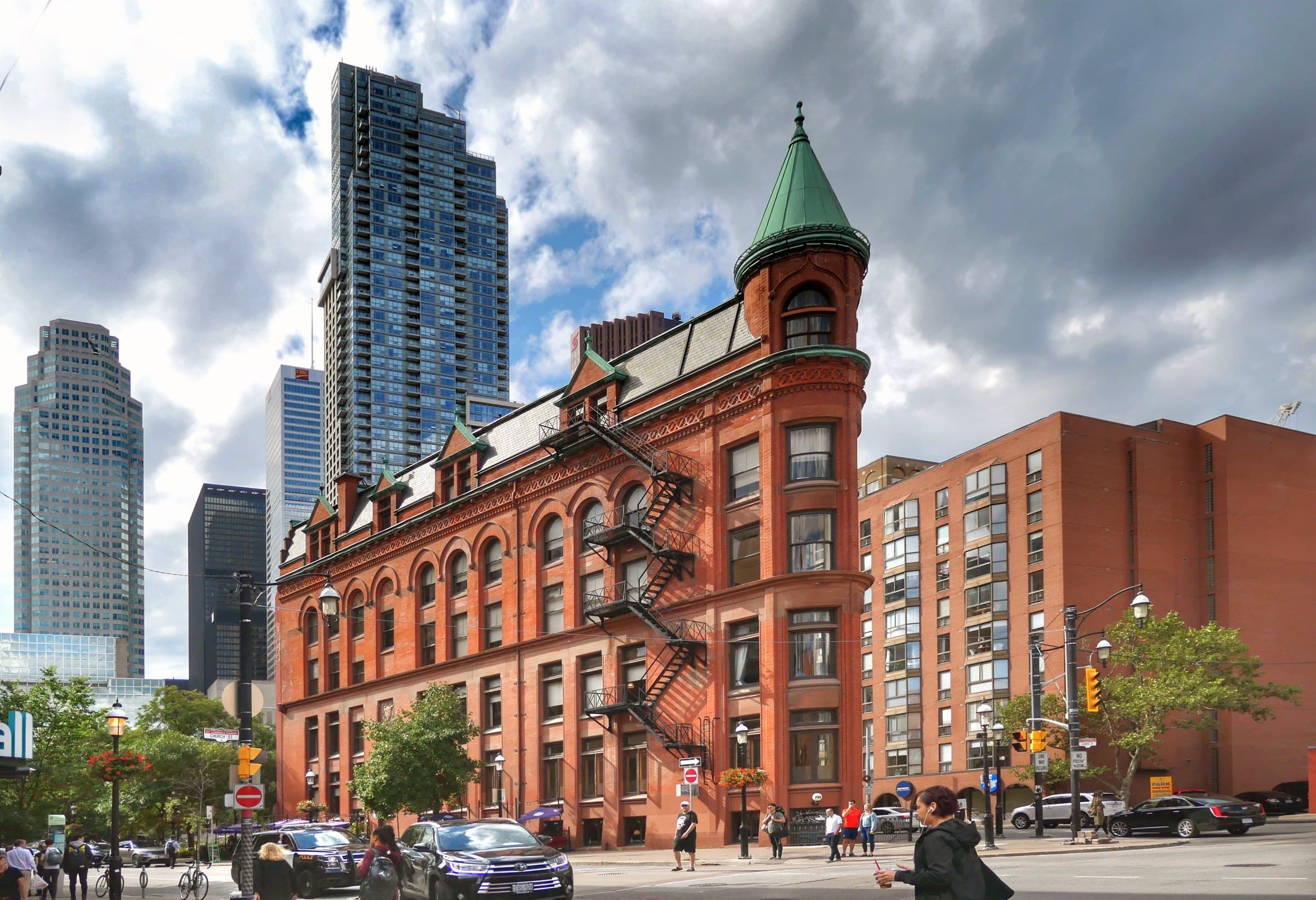
Old Town: St Lawrence Market to the Distillery District
110 min · 3.2 km · easy
More from Toronto
Explore more at your own pace.
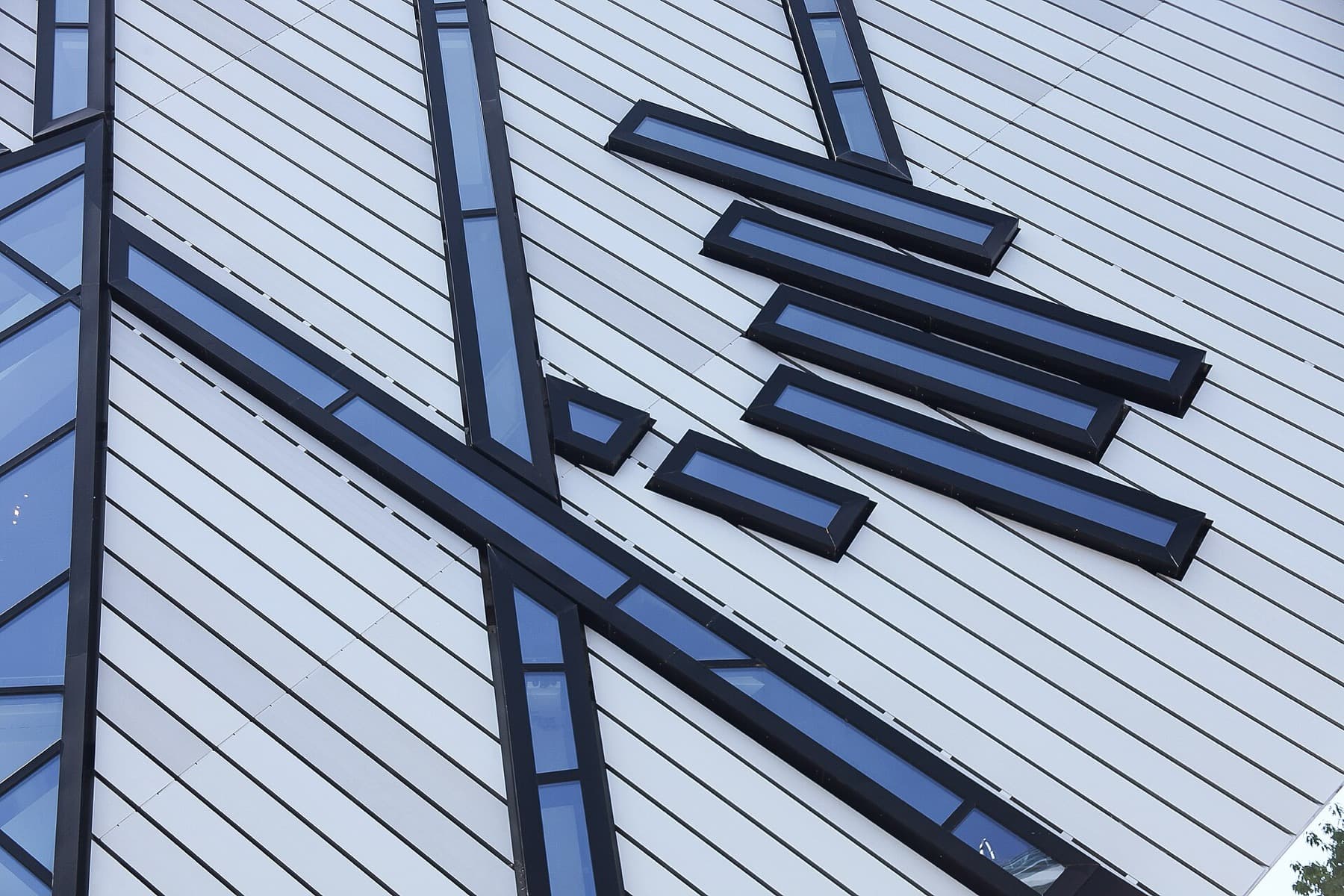
The ROM Crystal: Daniel Libeskind's Shard on Bloor Street
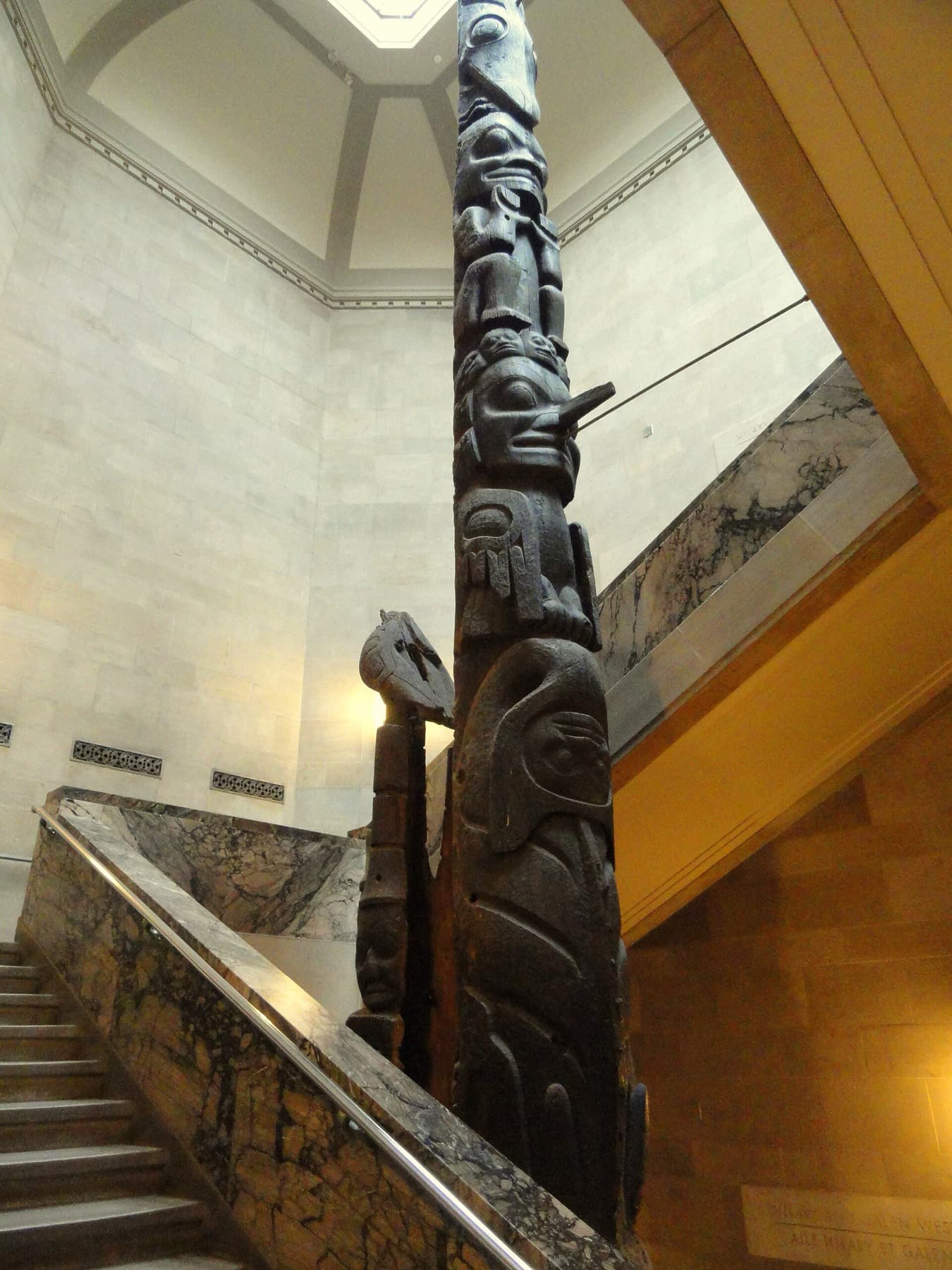
The ROM's Totem Poles: Crest Poles Built Into the Building
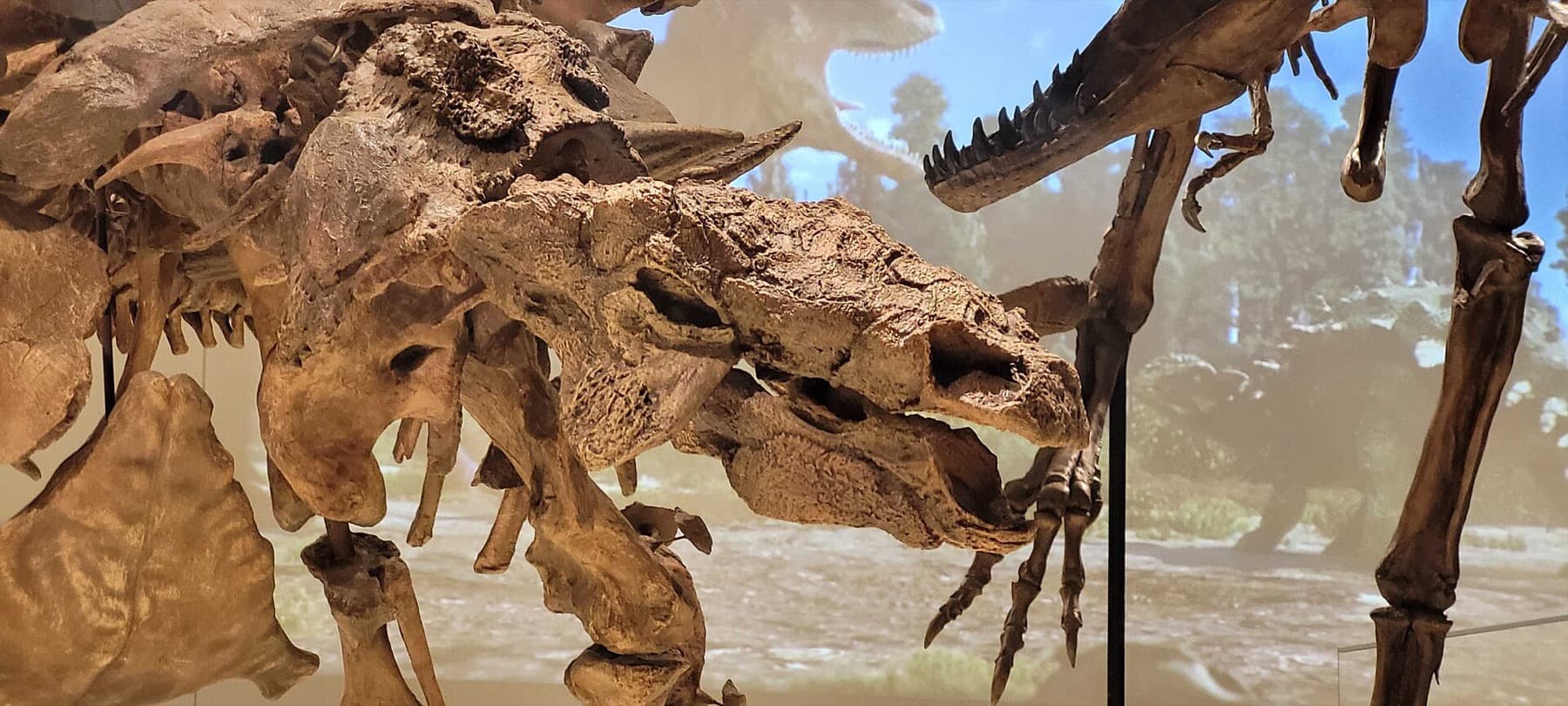
Zuul: The ROM's Armoured Dinosaur, Skin and All
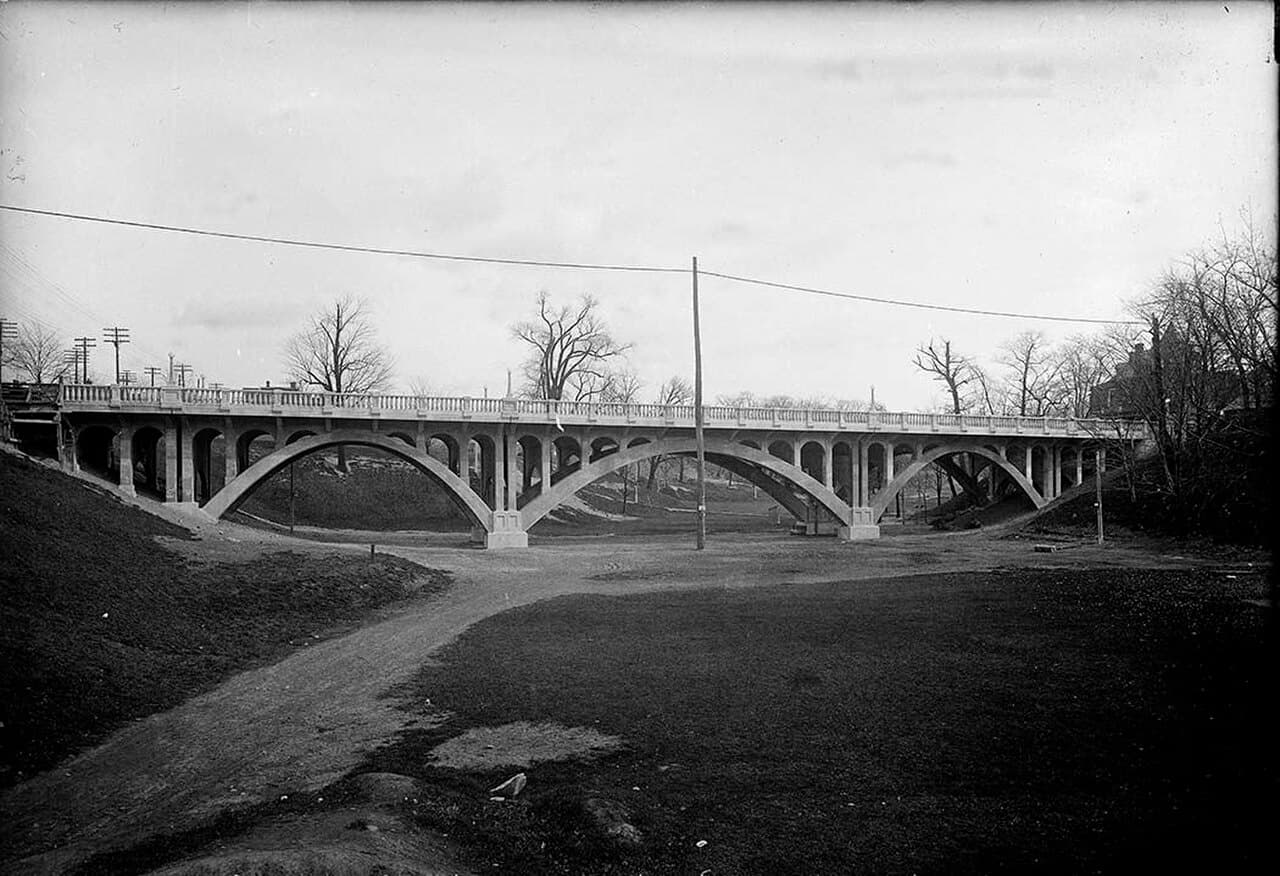
Garrison Creek: The Buried River Under Trinity Bellwoods
The White Squirrels of Trinity Bellwoods