Toronto is easier to plan than most big cities. Its downtown is flat and grid-planned, its transit runs on one flat fare and a single tap card, and it is one of the safest major cities in the world. This guide answers the practical questions travelers actually search, answer first, then the detail.
How many days do you need in Toronto?
Short answer: three days for most first-time visitors.
- 2 days covers the essential downtown if you are on a tight schedule. Expect to move at a good clip.
- 3 days lets you see the main neighbourhoods, the waterfront, and the food scene without rushing, and is the most recommended length for a first visit.
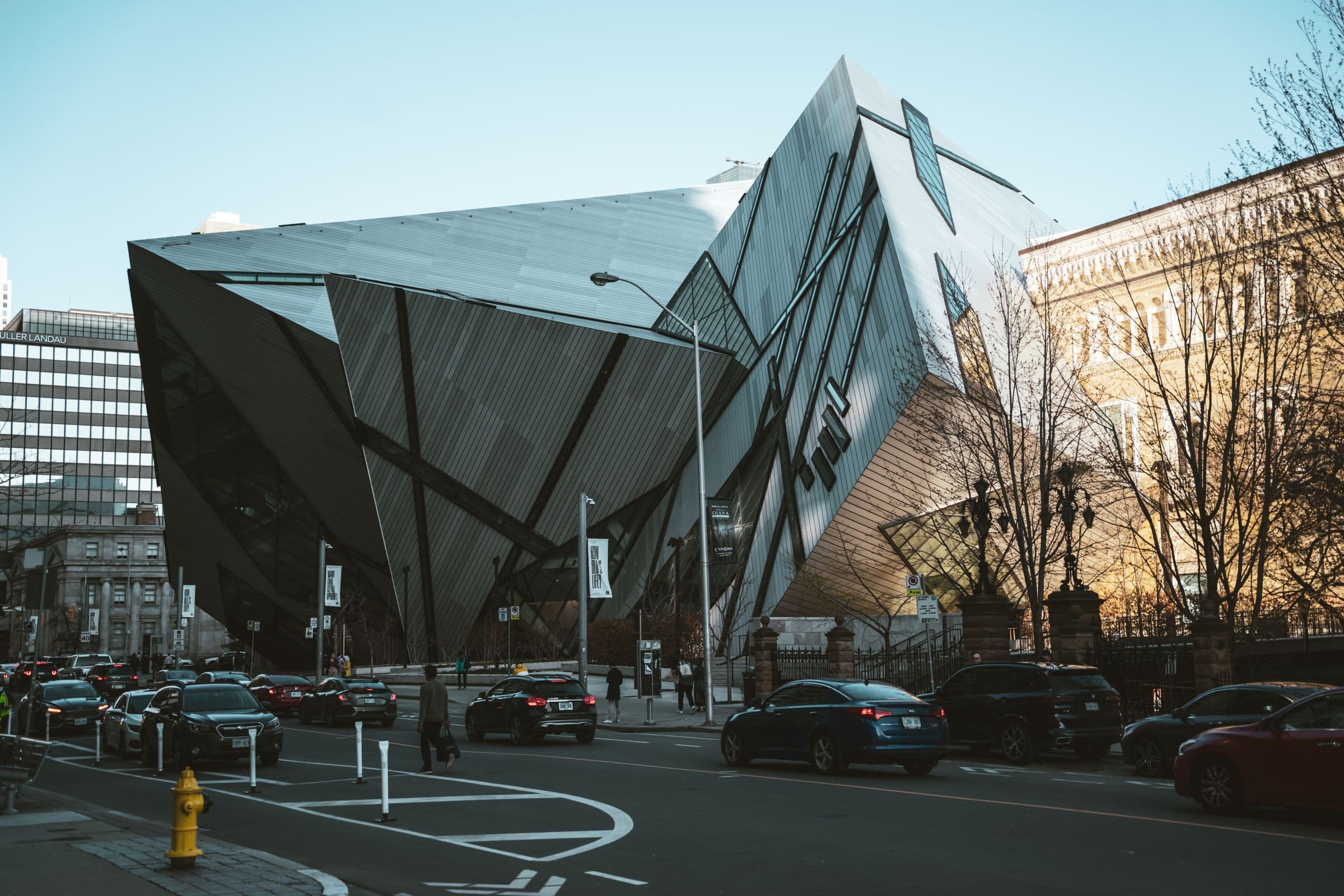
- 4 to 5 days adds a day trip to Niagara Falls, deeper neighbourhood time, and the museums, all at an unhurried pace. The biggest of them is the Royal Ontario Museum on Bloor Street; see what to see there, floor by floor, or take the ROM audio guide room by room.
Toronto is friendlier to a short visit than sprawling cities, because its most characterful areas cluster in a walkable downtown. If you only have one day, follow our focused one day in Toronto route through the downtown core.
Getting around Toronto
Hear a stop from this walk
Tank House Lane: Buildings for Waiting
Individual neighbourhoods are a joy on foot. The Distillery District, Kensington, Queen West, and Old Town are all best walked, and walking is how our self-guided Toronto tours are built. Between districts, you use the TTC:
- One flat fare. A single adult ride is $3.30, and it includes a two-hour transfer, so one tap covers a subway hop plus a streetcar or bus to your destination and back within two hours. Children 12 and under ride free.
- PRESTO and contactless. Tap a PRESTO card, a credit or debit card, or a phone wallet, and you always pay the lowest fare. There is no need to buy a paper ticket in advance.
- Streetcars. Toronto's eleven streetcar routes are the iconic and often most useful way to cross the downtown east to west, running above ground through the busiest neighbourhoods.
- Subway. Four lines cover the north-south spine and the east-west core, fast for longer downtown hops. Streetcars and buses fill in everywhere the subway does not reach.
- Fare capping is coming. From September 2026, TTC riders travel free after 47 trips in a calendar month, replacing the standard monthly pass. Most visitors will not reach that, so single fares are the simple choice.
Downtown is flat, so a single fare plus walking gets you almost anywhere a visitor wants to be.
Best time to visit Toronto
The two best windows, and their trade-offs:
- Spring (late April to May). Mild, greening, and quieter than summer, with lower prices. One of the two ideal windows.
- Fall (September to October). Comfortable temperatures, good light, and thinner crowds than the summer peak. The other ideal window. Pack for the odd rainy day.
Summer, roughly June to August, is warm and pleasant, around 19 to 26°C, and packed with festivals, but it is the busiest and priciest season. Winter, December through March, is cold but the cheapest time to visit; the downtown PATH network lets you walk large stretches of the core indoors, more than 30 kilometres of walkways linking over 75 buildings; read Two Downtowns, Stacked for how it came about.
Is Toronto safe?
Very. Toronto is consistently ranked among the safest major cities in the world and the safest large city in North America, and it is an easy, welcoming place for solo and female travelers. Violent crime is rare in the areas visitors frequent, and the downtown core is well lit and busy day and night. Ordinary precautions still apply: mind your belongings against pickpocketing in crowds around Union Station, the CN Tower, and Kensington Market, and stay alert to the occasional scam in busy tourist spots. Toronto is a comfortable city to walk at night in its central neighbourhoods.
Toronto on a budget
Toronto is friendlier to a tight budget than its reputation suggests. Much of what makes it special costs nothing:
- Free to walk: the Distillery District lanes (except ticketed evenings during the Winter Village, mid-November to early January), Kensington Market, Chinatown, Queen West, and the Harbourfront. St. Lawrence Market is free to browse.
- Eat cheap and well: the market, Kensington, and Chinatown. See what to eat in Toronto for what to order.
- Skip taxis: one flat $3.30 TTC fare plus walking covers the level downtown.
- Skip the guide fee: Roamer self-guided audio tours are free to start, so you get expert narration without booking a private guide, a start time, or a tip.
Start planning your walk
Ready to route your days? Read our one day in Toronto itinerary, browse the best self-guided walking tours in Toronto, or see all Toronto tours. Roamer has four Toronto walks: Old Town, from St James Cathedral to the Distillery District (11 stops, about 3 km); Kensington Market and Chinatown (11 stops, about 1.8 km); the CN Tower and the Waterfront (9 stops, about 2.5 km); and Trinity Bellwoods, a natural-history walk through a park built over a buried creek (10 stops, about 1.3 km). Every tour is free to start: the introduction and first stop play in full, and every later stop plays a 15-second taste before an optional purchase. Tours can also be downloaded in advance for offline listening.
Frequently asked questions
- How many days do you need in Toronto?
- Three days is the sweet spot for most first-time visitors. Two days covers the essential downtown if you are on a tight schedule, three days lets you see the main neighbourhoods, the waterfront, and the food scene without rushing, and four or five days adds day trips like Niagara Falls plus deeper neighbourhood time at a relaxed pace. Because Toronto attractions cluster in a walkable downtown, you can see a lot in a short visit.
- Is Toronto walkable, and how do you get around?
- Downtown Toronto is very walkable and flat, and individual neighbourhoods like Kensington, Queen West, and Old Town are best explored on foot. Between them you use the TTC: four subway lines, eleven streetcar routes, and an extensive bus network, all on a single flat fare of $3.30 that includes a two-hour transfer. Pay by tapping a PRESTO card, a credit or debit card, or a phone wallet; you always get the lowest fare. Streetcars are the iconic and often most useful way to move across the downtown east to west.
- What is the best time of year to visit Toronto?
- Late April through May and September through October are the best windows: mild weather, thinner crowds, and lower prices than peak summer. Summer, roughly June to August, is warm and lively with the most festivals and the busiest, priciest season. Winter, December through March, is cold but the cheapest time to visit, and the downtown PATH network lets you walk large parts of the core indoors.
- Is Toronto safe for tourists?
- Yes. Toronto is consistently rated one of the safest major cities in the world and the safest large city in North America, and it is an easy, welcoming place for solo and female travelers. Violent crime is rare in tourist areas, and the downtown core is well lit and busy day and night. Normal city sense still applies: watch your belongings against pickpocketing in crowds around Union Station, the CN Tower, and Kensington Market, and stay alert to the occasional scam in busy tourist spots.
- How can you see Toronto on a budget?
- Toronto is very doable cheaply. Many of its best experiences are free: walking the Distillery District, Kensington Market, Chinatown, Queen West, and the Harbourfront costs nothing, and St. Lawrence Market is free to browse. Eat well for little at the market and in Kensington and Chinatown. One TTC fare plus walking replaces taxis across the flat downtown. Self-guided audio tours are free to start on Roamer, so you can add expert narration without hiring a guide.
- Can you do Toronto as a day trip, or reach Niagara Falls easily?
- Toronto rewards at least a night or two rather than a day trip, because its neighbourhoods are the point and they take time to walk. Niagara Falls is the classic day trip from the city, about an hour and a half to two hours away by car or coach, and makes an easy full-day add-on if you have four or more days.
Ready to experience it?
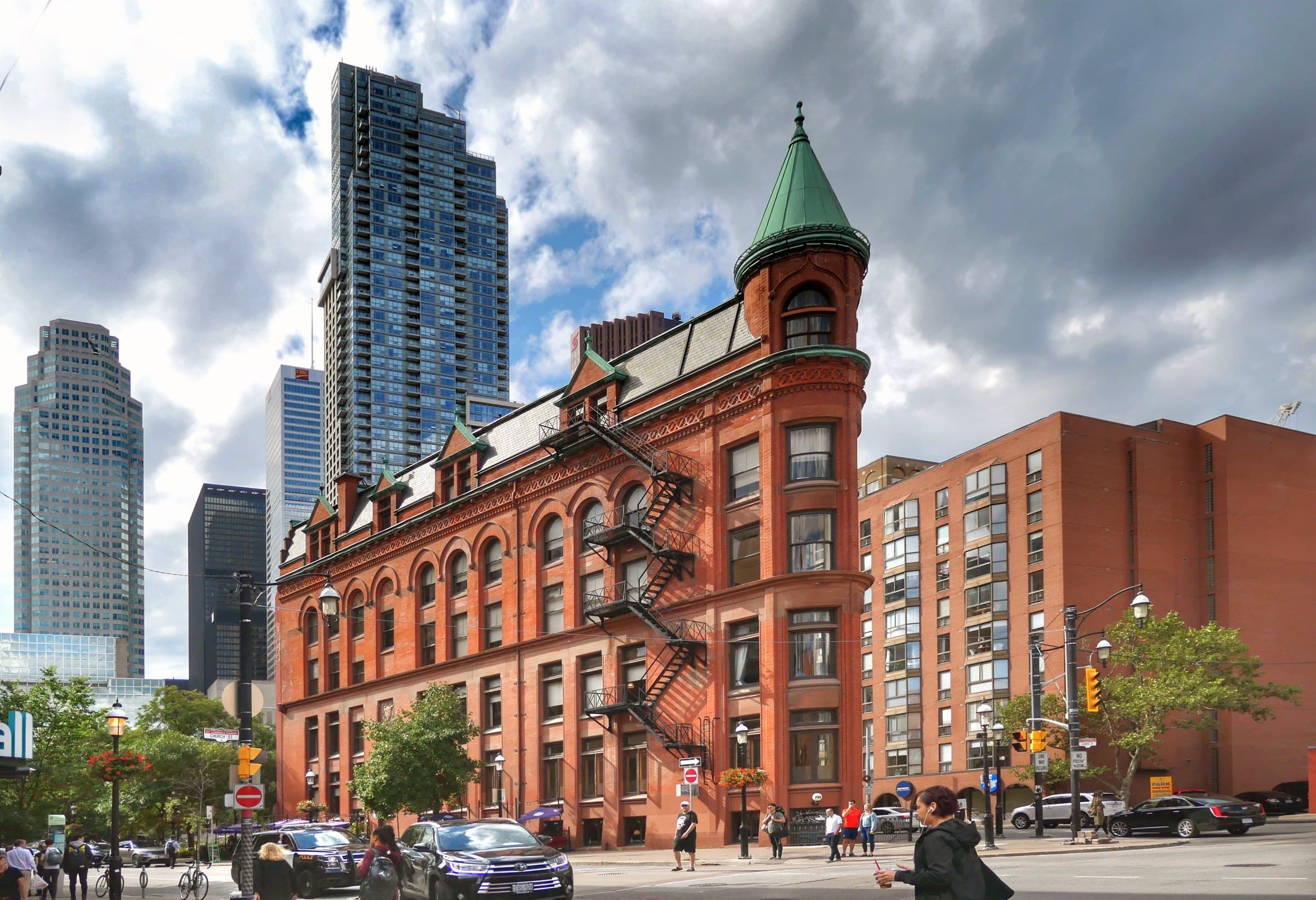
Old Town: St Lawrence Market to the Distillery District
110 min · 3.2 km · easy
More from Toronto
Explore more at your own pace.
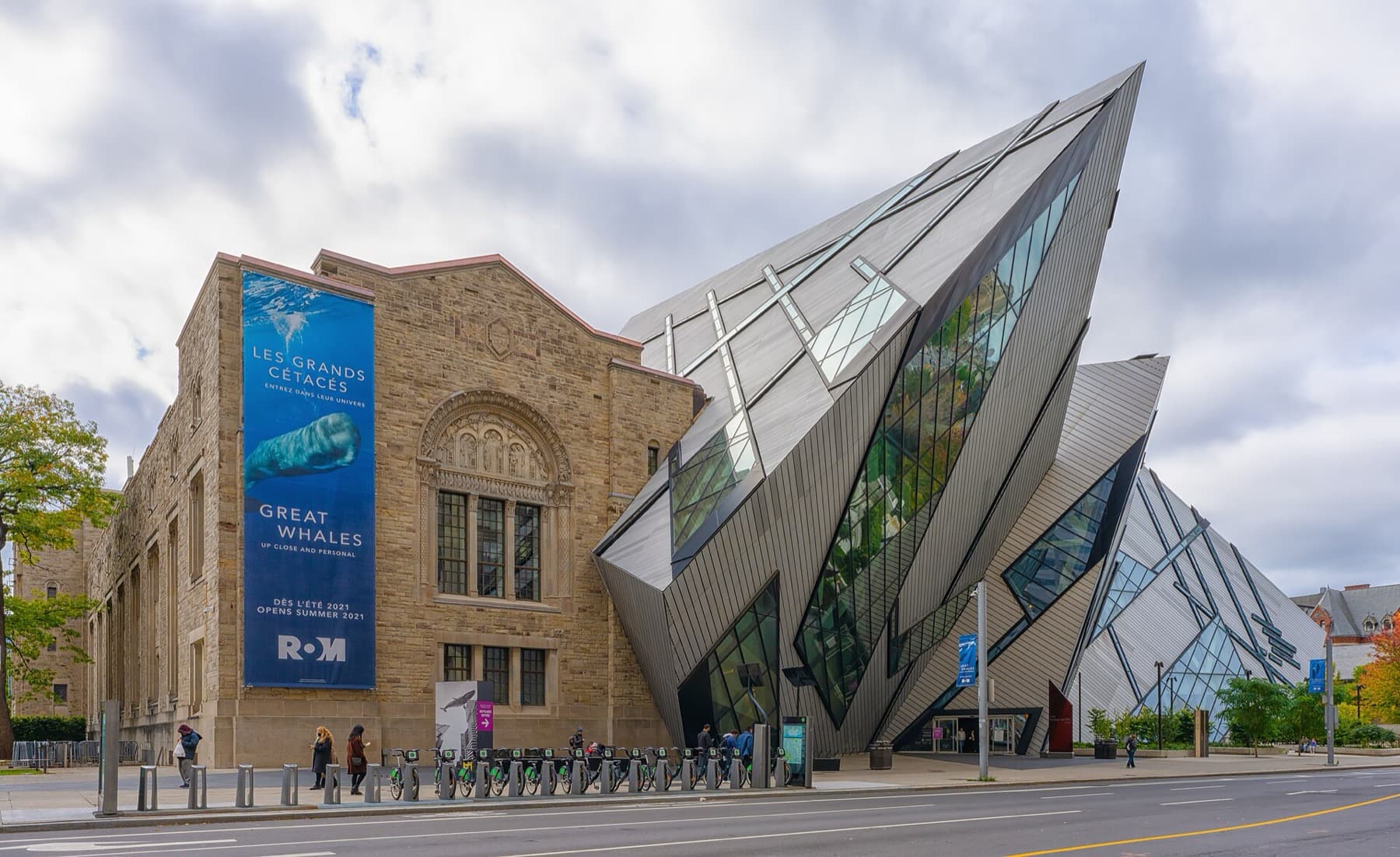
Royal Ontario Museum: What to See, Floor by Floor

The ROM Crystal: Daniel Libeskind's Shard on Bloor Street
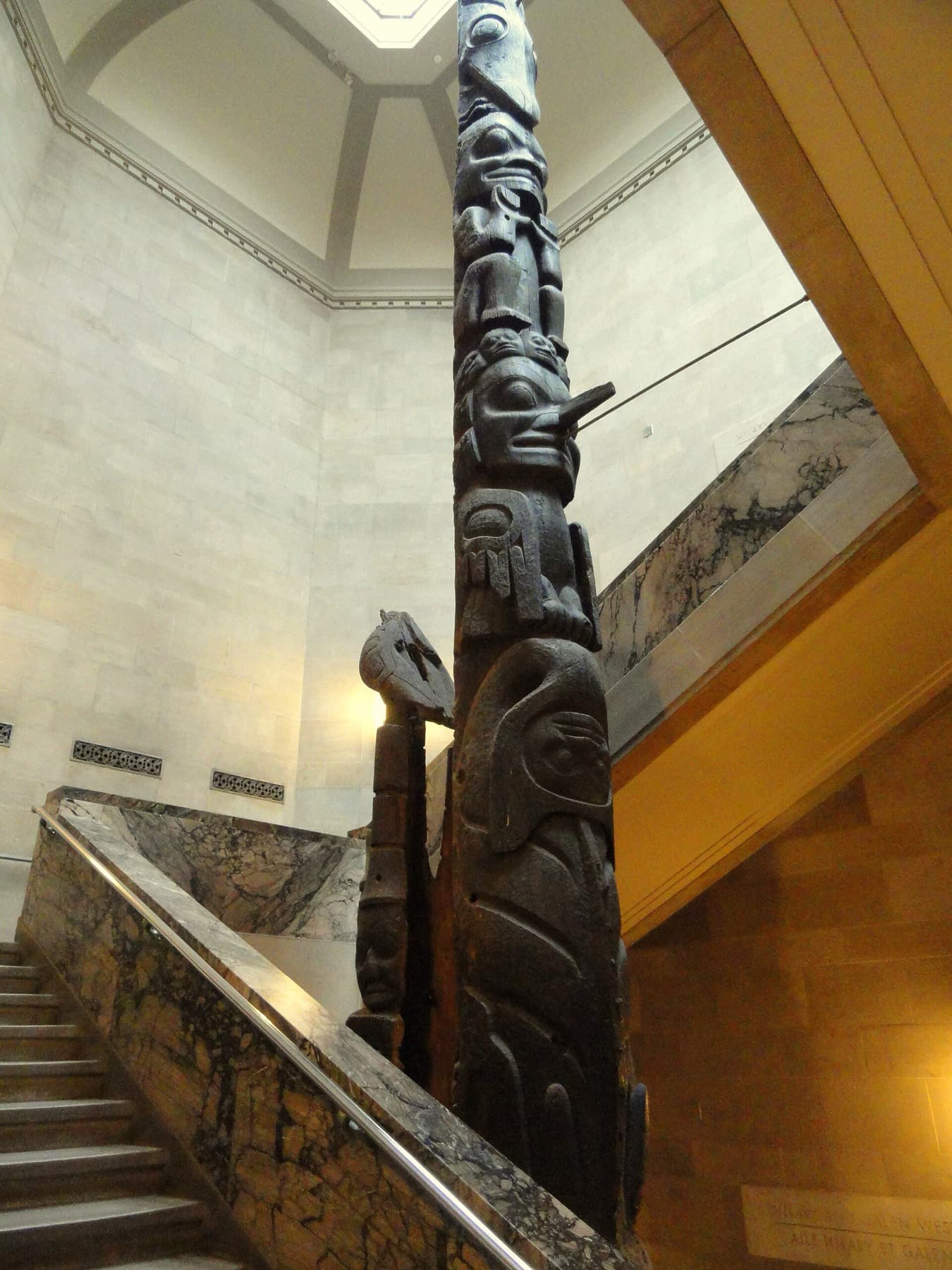
The ROM's Totem Poles: Crest Poles Built Into the Building

Zuul: The ROM's Armoured Dinosaur, Skin and All
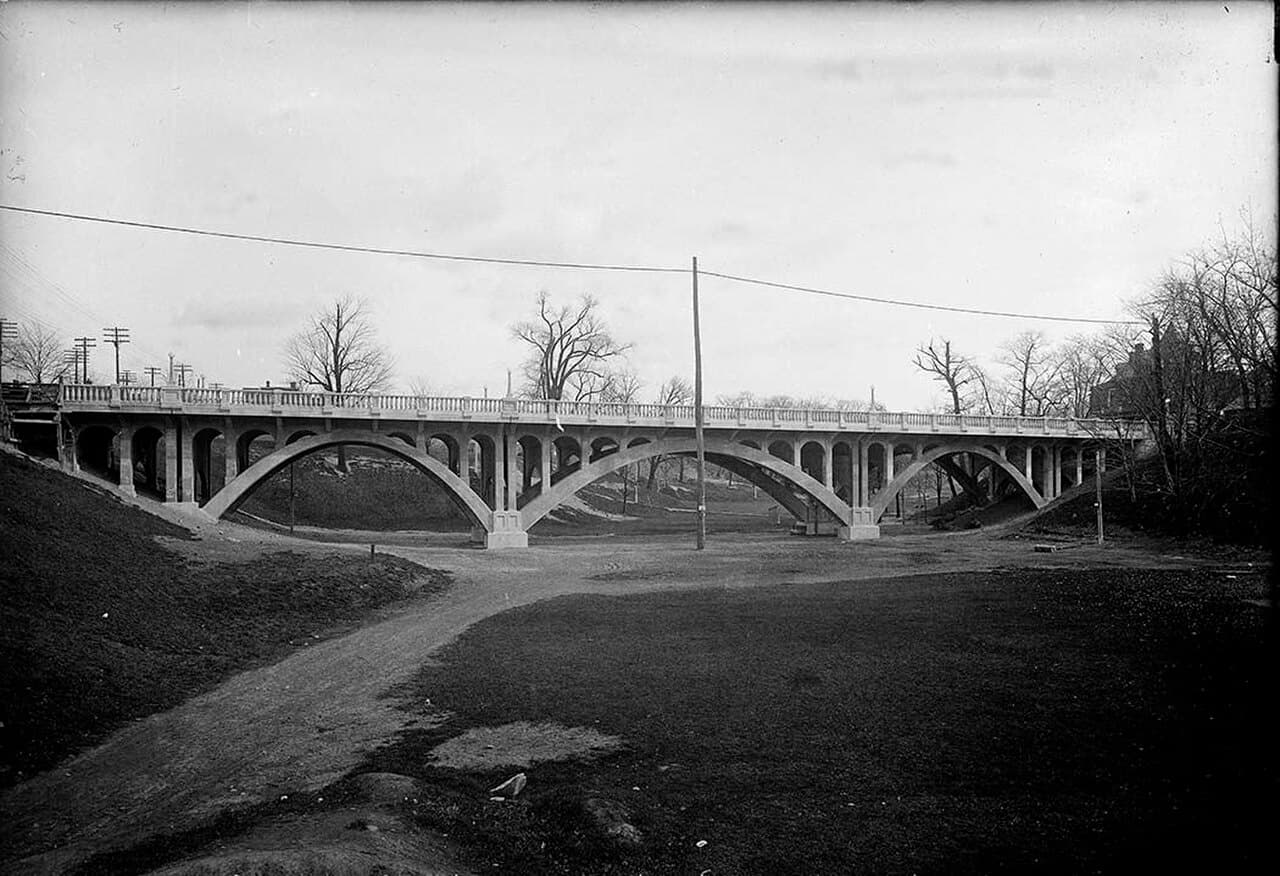
Garrison Creek: The Buried River Under Trinity Bellwoods